Если вам нужно изготовить 100 000 одинаковых пластиковых деталей, литье под давлением почти всегда является правильным ответом. Этот процесс обеспечивает время цикла, измеряемое секундами, стоимость одной детали, которая при масштабировании падает ниже десяти центов, и стабильность размеров, которой другие методы производства просто не могут соответствовать. Производите ли вы корпуса медицинских приборов, автомобильные разъемы или корпуса потребительской электроники — экономика и повторяемость литья под давлением делают его основой современного массового производства пластиковых компонентов. Практически во всех отраслях промышленности по всему миру ни один другой процесс не может сравниться с его скоростью выпуска и удельной стоимостью при больших объемах.
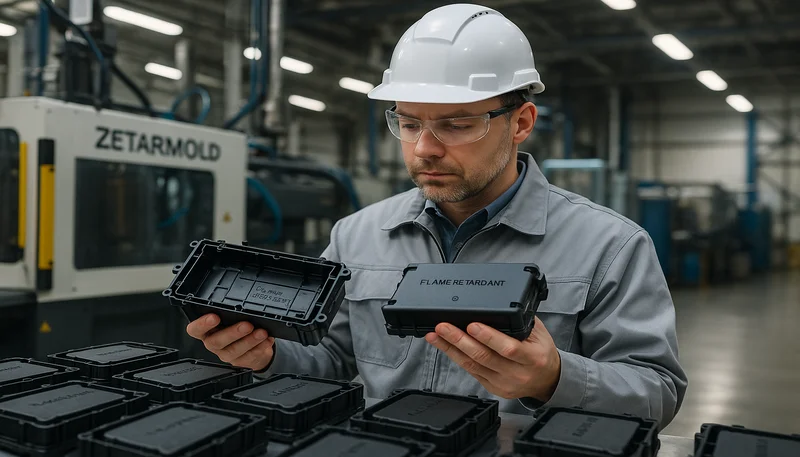
За более чем 20 лет работы с литьём под давлением на шанхайском заводе ZetarMold мы на практике увидели, как эта технология превращает небольшие партии прототипов в программы выпуска миллионов изделий. В этом руководстве мы без преувеличений и с реальными цифрами и компромиссами подробно объясняем, почему литьё под давлением столь эффективно в массовом производстве, чтобы вы могли уверенно выбирать поставщика для следующего крупносерийного проекта.
- Время цикла литья под давлением составляет от 2 до 30 секунд на один выстрел
- Стоимость единицы может опуститься ниже 0.10 доллара при объемах выше 100,000
- Одна форма может производить 1 миллион+ деталей при правильном обслуживании
- Многогнёздные формы увеличивают выпуск продукции без увеличения времени цикла
- Автоматизация позволяет осуществлять круглосуточное производство без участия персонала
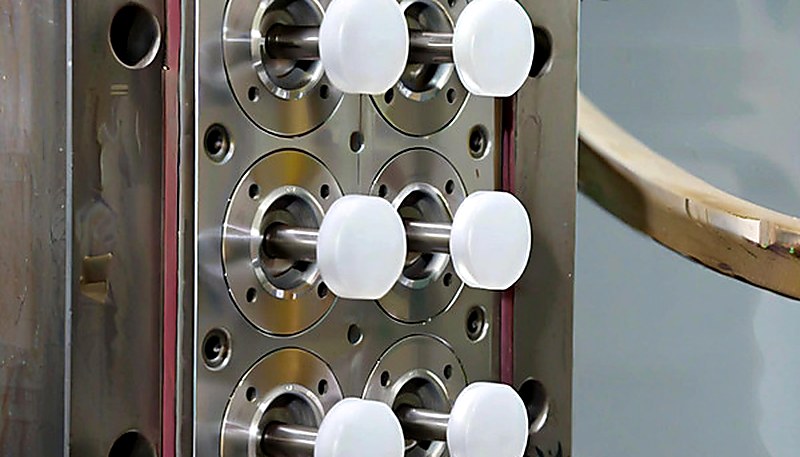
Что делает литье под давлением предпочтительным методом для массового производства?
Литьё под давлением — основной метод массового производства пластиковых деталей: цикл занимает считаные секунды, а стоимость одной детали может быть ниже десяти центов. Если вы сравниваете подрядчиков или планируете закупку, наше руководство по поиску поставщика услуг литья под давлением охватывает подготовку запроса коммерческого предложения, квалификацию поставщиков и проверку коммерческих рисков.
Литье под давлением доминирует в крупносерийном производстве пластика, поскольку оно одновременно решает три проблемы: скорость, стоимость и стабильность. В отличие от обработки на ЧПУ (которая удаляет материал с каждой детали по отдельности) или 3D-печати (которая строит слой за слоем), литье под давлением заполняет всю полость формы — или несколько полостей — за один цикл, занимающий секунды.
Рассмотрим простой корпус разъёма массой 8 граммов. На станке CNC изготовление одной детали из заготовки заняло бы 3–5 минут. На 3D-принтере пришлось бы ждать 20–40 минут на деталь. Термопластавтомат с 8-гнёздной пресс-формой может выпускать 8 таких корпусов каждые 10 секунд — это 2,880 деталей в час на одной машине.
«Одна литьевая форма при правильном обслуживании может произвести более 1 миллиона деталей».True
Формы из закаленной стали H13 регулярно превышают 2,000,000 выстрелов в производственных условиях при плановом профилактическом обслуживании и правильных параметрах обработки.
"Литьё под давлением экономически целесообразно только для заказов объёмом более 100,000 единиц продукции."False
Точка безубыточности обычно находится в диапазоне от 500 до 3000 единиц в зависимости от сложности детали. Простые детали с алюминиевыми формами могут выйти на безубыточность уже при 200–500 единицах.
В нашем цехе в Шанхае работают 47 термопластавтоматов с усилием смыкания от 90 до 1850 тонн. Для крупносерийного заказа мы можем одновременно выделить несколько машин. Главное преимущество в том, что при литье под давлением основные первоначальные расходы приходятся на изготовление литьевой пресс-формы.
Стальная пресс-форма производственного класса может стоить $15,000–$80,000 в зависимости от сложности, но после ее изготовления каждая дополнительная деталь требует затрат только на сырье и машинное время. При объеме 500,000 единиц стоимость пресс-формы амортизируется до нескольких центов на деталь — ни один другой процесс не обеспечивает такой структуры затрат для термопластичных компонентов.
Как быстро литье под давлением может производить детали?
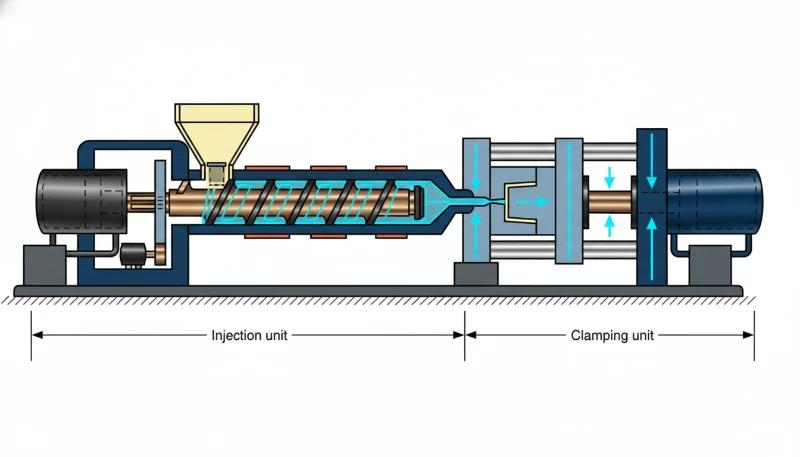
Для большинства серийных деталей цикл литья под давлением обычно длится 3–30 секунд. Продолжительность цикла1 литья под давлением определяется четырьмя этапами: впрыском (заполнением полости), выдержкой под давлением (пока деталь затвердевает), охлаждением (до достаточного для извлечения затвердевания детали) и извлечением. Обычно охлаждение занимает 50–70% общей продолжительности цикла.
Полный цикл изготовления тонкостенной упаковочной детали может занимать 3–5 секунд, а толстостенной конструкционной детали — 30–60 секунд. Настоящий множитель производительности — многогнёздная пресс-форма2: вместо одной детали за цикл грамотно спроектированная форма может выпускать 4, 8, 16 и даже 64 одинаковые детали за один впрыск.
| Тип детали | Толщина стенок | Время цикла | Деталей/час (1 гнездо) | Дет./час (8 гнёзд) |
|---|---|---|---|---|
| Тонкостенная упаковка | < 1 mm | 3–5 сек | 720–1,200 | 5,760–9,600 |
| Корпус электроники | 1.5–2.5 mm | 8–15 сек | 240–450 | 1,920–3,600 |
| Автомобильная отделка | 2.5–4 мм | 15–30 секунд | 120–240 | 960–1,920 |
| Структурная скоба | 4–8 мм | 25–60 сек | 60–144 | 480–1,152 |
На нашем предприятии регулярно эксплуатируются 16-гнездные пресс-формы для небольших компонентов бытовой электроники, обеспечивающие на одной машине выпуск более 10,000 деталей в час. Автоматизация дополнительно повышает производительность: машины с сервоприводом, роботизированным извлечением деталей и автоматической подачей материала могут часами работать без оператора.
Почему литье под давлением становится дешевле с ростом объема?
Кривая затрат при литье под давлением — классический пример эффекта масштаба3. Первая деталь обходится дороже всего: в её стоимость входят проектирование всей пресс-формы, обработка на станках с ЧПУ, электроэрозионная обработка, полировка и испытания. Вторая деталь на этом фоне почти ничего не стоит, а стотысячная оказывается ещё дешевле, поскольку пресс-форма уже окупилась.
Практический пример: для электронного корпуса средней сложности нужна форма стоимостью около $25,000. Сырье ABS стоит примерно $2.50/kg, а деталь весит 35 граммов, то есть материал обходится примерно в $0.09 на деталь. Машинное время пресса 200T стоит около $15/hour.
| Объем | Пресс-форма/деталь | Материал/деталь | Машина/деталь | Итого |
|---|---|---|---|---|
| 1,000 единиц | $25.00 | $0.09 | $0.006 | $25.10 |
| 10 000 единиц | $2.50 | $0.09 | $0.006 | $2.60 |
| 100,000 единиц | $0.25 | $0.09 | $0.006 | $0.35 |
| 500,000 единиц | $0.05 | $0.09 | $0.006 | $0.15 |
| 1,000,000 единиц | $0.025 | $0.09 | $0.006 | $0.12 |
При объёме свыше 500,000 амортизация пресс-формы становится незначительной, а доминируют затраты на материал. Уменьшение толщины стенки детали массой 35 граммов на 0.5mm может снизить расход материала на 15–20%, что даёт существенную экономию при миллионных объёмах. Дополнительное преимущество даёт дроблёнка: литники и бракованные детали можно измельчать и повторно перерабатывать при доле дроблёнки 15–25%.
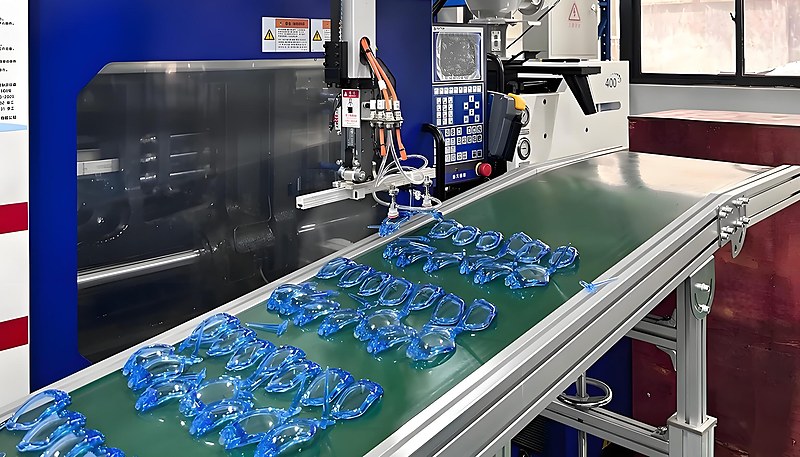
"Использование дроблёного возвратного материала позволяет сократить отходы литья под давлением на 20–30% без снижения качества."True
Большинство инженерных термопластов допускают 15–25% вторичного дробленого материала. Грамотно организованное повторное использование отходов на предприятиях уровня ZetarMold обычно сокращает отходы на 20–30%, что подтверждается контролем качества в процессе производства.
"Отходы материала при литье под давлением нельзя перерабатывать в производственном процессе."False
Литники, центральные литники и бракованные детали обычно измельчают и перерабатывают повторно. Большинство инженерных термопластов допускают 15–25% вторичного материала без ухудшения механических свойств или точности размеров.
Какие возможности дизайна предлагает литье под давлением?
Одно из наиболее недооценённых преимуществ литья под давлением — предоставляемая им свобода проектирования. Расплав полимера под высоким давлением заполняет полости сложной геометрии — с поднутрениями, внутренней резьбой, интегральными петлями, защёлками и текстурированными поверхностями — за один цикл. Элементы, которые при CNC-обработке требуют вторичных операций, можно формовать непосредственно.
При больших объемах это особенно важно: каждая вторичная операция увеличивает стоимость, цикл и вариативность. Формование защелки вместо сборки навинчиваемой крышки исключает целый этап. Мы помогали заказчикам объединять многокомпонентные узлы в одну литую деталь, сокращая число деталей на 40–60%.
Разнообразие материалов дополнительно расширяет эти возможности. Доступ к более чем 400 рецептурам полимеров — от стандартных полипропиленов до высокотемпературного PEEK — позволяет точно подобрать материал под требования области применения. Многокомпонентное литье и литье с закладными элементами расширяют возможности еще больше: три наших двухкомпонентных термопластавтомата формуют сочетания твердых и мягких материалов за один цикл.
Как литьё под давлением сохраняет качество при больших объёмах?
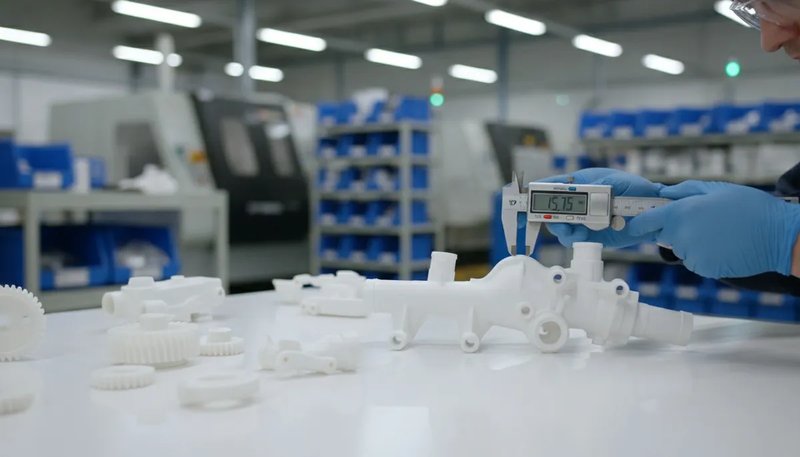
Именно масштабная стабильность действительно отличает литье под давлением от других процессов. После квалификации формы и фиксации параметров процесса каждый цикл заполняет одну и ту же геометрию полости тем же материалом при одинаковых температуре и давлении. Разброс размеров между циклом #1,000 и циклом #1,000,000 обычно находится в пределах ±0.005 inches.
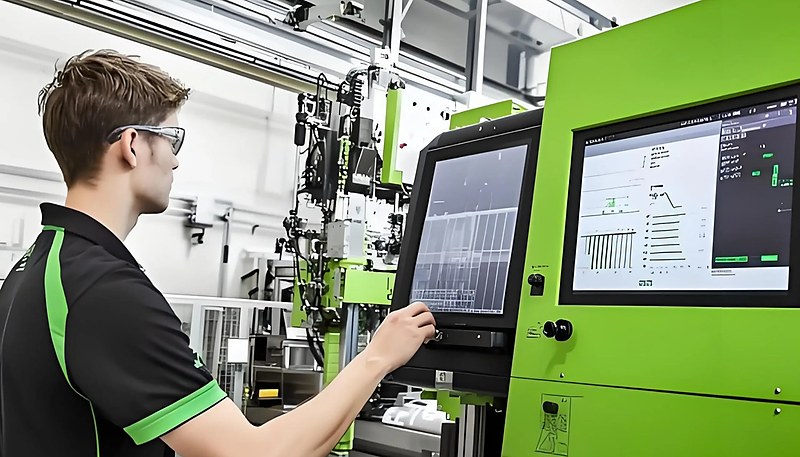
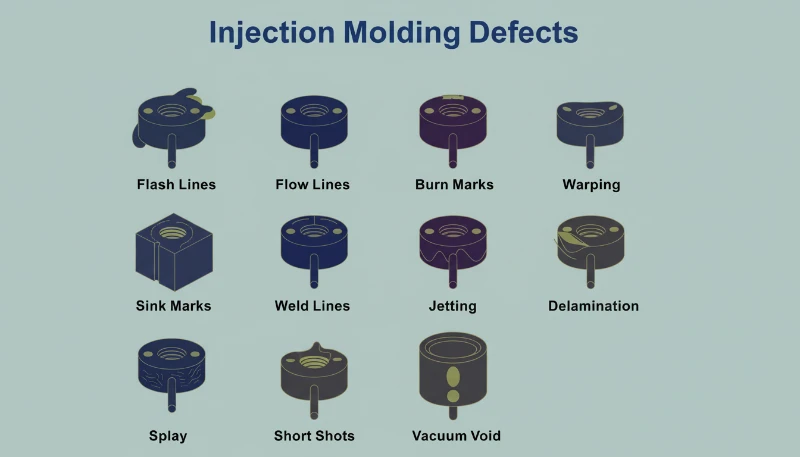
Мониторинг процесса преобразил контроль качества. Датчики в реальном времени отслеживают давление в полости, температуру расплава, время заполнения и давление выдержки при каждом впрыске. Алгоритмы статистического управления процессом выявляют отклонения до появления деталей вне допуска. На нашем предприятии действует шестиступенчатая система качества, подтвержденная сертификатами ISO 9001:2015 и ISO 13485.
"В современном литье под давлением уровень дефектов для критичных применений может быть ниже 0.1%."True
При производстве медицинских изделий и автомобильных компонентов безопасности уровень дефектности обычно удерживают ниже 0.1% благодаря научному подходу к литью, контролю давления в полости в реальном времени и строгому статистическому управлению процессом.
"Производители медицинских изделий не могут применять литье под давлением для массового производства."False
Литьё под давлением широко применяется для массового производства медицинских изделий. Сертифицированные по ISO 13485 предприятия выпускают миллионы одноразовых шприцев, корпусов диагностических картриджей и рукояток хирургических инструментов с полной прослеживаемостью.
Сравните это с литьем под давлением металлов (типичный уровень брака 1–3%) или обработкой на станках CNC (где износ инструмента вызывает постепенное отклонение размеров). При выпуске миллиона деталей уровень брака 0.1% вместо 2% означает на 19,000 меньше отбракованных изделий и соответствующее сокращение отходов и доработок.
Какие отрасли зависят от литья под давлением для массового производства?
Автомобильная, медицинская, электронная и упаковочная отрасли — четыре основных сектора, использующих литьё под давлением для массового производства. Только автомобильная промышленность потребляет около 30% всех литьевых деталей в мире — от элементов отделки салона до корпусов светотехники и бачков для технических жидкостей.
| Промышленность | Типичные детали | Диапазон объёма | Ключевые требования |
|---|---|---|---|
| Автомобили | Бамперы, приборные панели, разъёмы | 50K–5M+ | Долговечность, стойкость к UV |
| Медицина | Шприцы, корпуса, хирургические инструменты | 100K–50M | Чистое помещение, биосовместимость |
| Электроника | Корпуса, кронштейны, соединители | 100K–100M | Экранирование EMI, огнестойкость |
| Упаковка | Колпачки, крышки, контейнеры | 1M–1B+ | Пищевая безопасность, быстрый цикл |
| Потребительские товары | Игрушки, кухонные принадлежности, бытовая техника | 50K–10M | Эстетика, соответствие требованиям безопасности |
Производство медицинских изделий заслуживает отдельного упоминания, поскольку демонстрирует возможности литья под давлением в наиболее требовательной нормативной среде. Производство, сертифицированное по ISO 13485, требует валидированных процессов, документированной прослеживаемости материалов и статистически строгих планов выборочного контроля качества.
"Среднеразмерный седан содержит более 10,000 пластиковых деталей, изготовленных литьем под давлением."True
Современный автомобиль содержит около 10,000+ пластиковых компонентов — от панелей отделки салона и приборных панелей до подкапотных разъемов, фиксаторов жгутов проводов и бачков для жидкостей; подавляющее большинство изготовлено литьем под давлением.
"Конформные каналы охлаждения нельзя использовать в серийных пресс-формах для литья под давлением."False
Вставки конформного охлаждения, изготовленные методом 3D-печати металлом, все чаще применяются в серийных формах. По сравнению с обычными просверленными каналами они сокращают время охлаждения на 20–40% и подтверждают ресурс в миллионы циклов при крупносерийном производстве автомобильных деталей и бытовой электроники.
Как современные технологии повышают производительность литья под давлением?
Производительность современного литья под давлением обеспечивают полностью электрические машины, методология научного литья, мониторинг IoT и конформное охлаждение. В прецизионных областях полностью электрические машины в значительной степени заменили гидравлические термопластавтоматы. Инжекционные узлы с сервоприводом повышают повторяемость от цикла к циклу на 30–50% по сравнению с гидравлическими системами и сокращают энергопотребление на 50–70%. Кроме того, в них отсутствует гидравлическое масло — источник риска загрязнения в чистых помещениях.
Методология научного литья использует планирование экспериментов для систематического определения взаимосвязи между параметрами процесса и качеством деталей. После определения оптимального технологического окна его фиксируют в контроллере машины, и оно становится документированным стандартом для данной комбинации пресс-формы и детали.
Интеграция Industry 4.0 подключает оборудование к централизованным панелям мониторинга через IoT. Алгоритмы машинного обучения прогнозируют потребность в техническом обслуживании, оптимизируют время цикла и выявляют отклонения качества до появления дефектов. Каналы конформного охлаждения, изготовление которых стало возможным благодаря металлической 3D-печати формообразующих вставок, сокращают время охлаждения на 20–40%.
Когда следует выбирать литье под давлением вместо альтернативных методов?
Литье под давлением — лучший выбор, когда требуется 3,000+ одинаковых термопластичных деталей с жесткими допусками и сложной геометрией. Точка безубыточности между литьем под давлением и альтернативами, обычно CNC-обработкой или литьем полиуретана, как правило, находится в диапазоне от 500 до 3,000 единиц в зависимости от сложности детали.
| Фактор | Выбирайте IM, когда | Рассмотрите альтернативные варианты, когда |
|---|---|---|
| Объем | 10,000+ одинаковых деталей | Менее 500 деталей |
| Материал | Термопласты соответствуют требованиям | Требуются металлы или керамика |
| Геометрия | Сложные трёхмерные формы | Простые плоские детали |
| Временная шкала | 4–8 недель на оснастку приемлемы | Детали нужны за несколько дней |
| Бюджет | Оснастка окупается за счёт объёма выпуска | Ограниченный первоначальный бюджет |
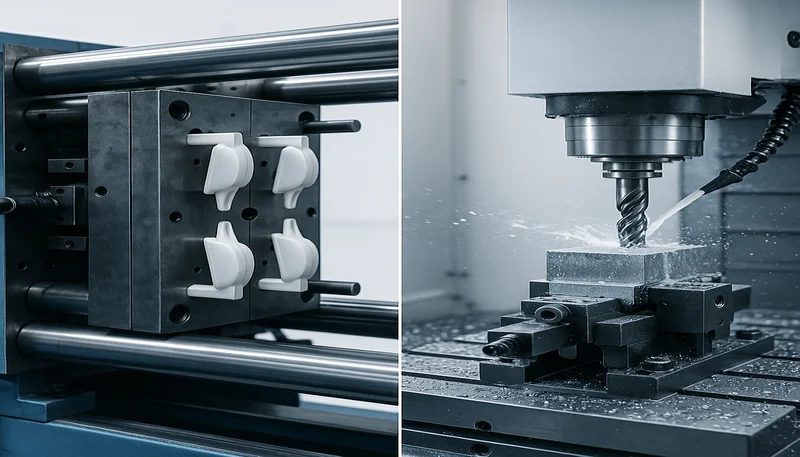
На заводе ZetarMold в Шанхае 120+ производственных сотрудников обслуживают 47 термопластавтоматов с усилием смыкания от 90T до 1850T при поддержке 8 старших инженеров, каждый из которых имеет 10+ лет опыта. В собственном инструментальном цехе мы ежемесячно изготавливаем 100+ комплектов пресс-форм, что обеспечивает полный контроль качества оснастки и сроков изготовления. Команда из 30+ англоязычных руководителей проектов обеспечивает бесперебойное взаимодействие с международными OEMs от первоначальной проверки DFM до наращивания производства и последующего крупносерийного выпуска. Узнайте больше о закупке деталей, изготовленных литьём под давлением, у квалифицированных поставщиков.
На заводе ZetarMold в Шанхае 120+ производственных сотрудников обслуживают 47 термопластавтоматов с усилием смыкания от 90T до 1850T при поддержке 8 старших инженеров, каждый из которых имеет 10+ лет опыта. В собственном инструментальном цехе мы ежемесячно изготавливаем 100+ комплектов пресс-форм, что обеспечивает полный контроль качества оснастки и сроков изготовления. Команда из 30+ англоязычных руководителей проектов обеспечивает бесперебойное взаимодействие с международными OEMs от первоначальной проверки DFM до наращивания производства и последующего крупносерийного выпуска. Узнайте больше о закупке деталей, изготовленных литьём под давлением, у квалифицированных поставщиков.
Часто задаваемые вопросы
Часто задаваемые вопросы
Какой минимальный объем делает литье под давлением экономически выгодным?
Для большинства деталей литьё под давлением становится экономически выгодным при объёме 3,000–10,000 штук. Точная точка безубыточности зависит от сложности детали, материала и стоимости формы. Простые детали в алюминиевых формах могут окупаться уже при 500 штуках, тогда как сложной многогнездной стальной форме для полной амортизации оснастки может потребоваться более 10,000 изделий. Рекомендуем сравнить затраты на обработку CNC, литьё полиуретана и литьё под давлением при ожидаемом объёме, чтобы определить оптимальную точку перехода для проекта. Анализ должен включать амортизацию оснастки при нескольких объёмах и точно показывать, когда литьё под давлением становится выгоднее альтернатив для заданной геометрии и материала.
Каков срок службы пресс-формы при массовом производстве?
Форма из P20 при обслуживании обычно выдерживает 500,000–1,000,000 циклов до серьезного ремонта; H13 или S136 — свыше 2,000,000, алюминиевые прототипные формы — 1,000–10,000. Ресурс зависит от абразивности, геометрии, температур и профилактики. Мы учитываем циклы и заранее обслуживаем формы. Очистка, полировка и замена деталей продлевают ресурс. Главные ограничения — термоусталость и абразивный износ, особенно со стекло- и минералонаполненными инженерными смолами.
Обеспечивает ли литье под давлением стабильный выпуск деталей с жесткими допусками?
Да, современное литьё под давлением обычно обеспечивает допуски ±0.005 inches (±0.13mm) для стандартных деталей и ±0.001 inches (±0.025mm) для прецизионных применений. Для достижения этих допусков необходимы надлежащая конструкция пресс-формы с эффективным охлаждением, методология научного литья для оптимизации процесса и стабильные поставки материала. Контроль давления в полости в реальном времени и статистическое управление процессом обеспечивают сохранение этой стабильности на протяжении миллионов производственных циклов, благодаря чему литьё под давлением относится к наиболее воспроизводимым производственным процессам. Для медицинских и автомобильных применений часто требуются ещё более жёсткие допуски; их достигают за счёт оптимизации конструкции литника, равномерной схемы каналов охлаждения и измерения размеров после формования на координатно-измерительных машинах (CMMs) для статистического подтверждения.
Как литьё в многогнёздных пресс-формах увеличивает объём выпуска?
Многогнездные пресс-формы производят несколько одинаковых деталей за каждый цикл машины. Восьмигнездная форма выпускает 8 деталей за один впрыск при минимальном увеличении времени цикла по сравнению с одногнездной формой. Поэтому производительность растет почти линейно с числом гнезд: восьмигнездная форма выпускает примерно в 7–8 раз больше деталей в час, чем одногнездная. Семейные формы также позволяют за один впрыск производить разные детали одного изделия, дополнительно повышая эффективность производства и снижая себестоимость детали. Компромисс — более высокая первоначальная стоимость формы, поскольку многогнездные формы требуют больше времени на механическую обработку и более крупных пакетов плит. Однако при объемах свыше 50,000 единиц экономия на каждой детали обычно окупает дополнительные вложения в оснастку уже в первой производственной серии.
Каков типичный срок выполнения заказа при массовом производстве методом литья под давлением?
Изготовление серийной пресс-формы обычно занимает 4–8 недель в зависимости от ее сложности, числа гнезд и требований к качеству поверхности. Контроль первых образцов и валидация процесса занимают еще 1–2 недели. После квалификации пресс-формы партия из 100,000+ деталей обычно отгружается в течение 2–4 недель. Ускоренное изготовление алюминиевой пресс-формы может сократить начальный срок до 2–3 недель для прототипирования и переходного производства. Для срочных программ можно параллельно задействовать несколько машин и существенно сократить производственный график. Ускоренная программа изготовления оснастки с выделенными ресурсами инструментального цеха позволяет дополнительно сократить сроки, но обычно увеличивает стоимость оснастки на 20–40%. Параллельное планирование оснастки и окончательной оптимизации конструкции дает наибольшую общую экономию времени.
Можно ли использовать разные материалы в одной детали при литье под давлением?
Да, посредством двухкомпонентного (многокомпонентного) литья и литья поверх подложки. Двухкомпонентные машины формуют два разных материала за один цикл — это оптимально для сочетаний жёсткого и мягкого материала, например жёсткого корпуса из ABS с поверхностью захвата из TPE. Литьё со вставками также позволяет встраивать металлические компоненты, резьбовые вставки или электронные узлы непосредственно в цикле формования. Такие интегрированные процессы исключают вторичную сборку, снижают трудозатраты и обеспечивают более прочное соединение разнородных материалов по сравнению с клеевой сборкой. Основное ограничение — совместимость материалов: при формовании они должны надёжно соединяться. Поставщики материалов предоставляют данные о совместимости, а испытания прототипов подтверждают прочность соединения до инвестиций в серийную оснастку.
Как литьё под давлением соотносится с 3D-печатью при массовом производстве?
При серийном производстве литьё под давлением значительно быстрее и дешевле. Деталь стоимостью $0.15 при литье под давлением может стоить $3–$8 при 3D-печати из сопоставимых материалов, а цикл на одну деталь занимает секунды вместо часов. 3D-печать особенно эффективна для прототипирования, итераций конструкции и мелкосерийного выпуска до 100 единиц. При объёмах свыше 1,000 единиц преобладает литьё под давлением. Однако 3D-печать всё чаще поддерживает литьё под давлением за счёт быстрого изготовления оснастки: напечатанные на 3D-принтере вставки пресс-форм позволяют выпускать короткие серии из 100–1,000 деталей из серийных материалов.
Какие сертификаты качества должны быть у производителя литья под давлением?
Как минимум требуется сертификация системы менеджмента качества ISO 9001:2015. Для производства медицинских изделий необходима сертификация ISO 13485 и чистые помещения. Для автомобильных компонентов обычно требуется IATF 16949. Сертификаты экологического менеджмента ISO 14001 и охраны труда ISO 45001 указывают на надлежащее управление предприятием. Всегда проверяйте, что область сертификации охватывает требуемые процессы литья под давлением, а не только административные функции компании. При квалификации поставщика запрашивайте оригиналы сертификатов и отчёты аудитов. Аудиты независимых органов по сертификации TUV, SGS и BSI дают больше уверенности, чем самодекларации. Для регулируемых отраслей проверяйте, что область сертификации охватывает конкретные категории продукции, а не только общие производственные процессы.
продолжительность цикла: Продолжительность цикла — полное время одного цикла литья под давлением, от смыкания пресс-формы до извлечения детали. ↩
многогнёздная пресс-форма: Многогнёздная пресс-форма содержит две или более одинаковые формующие полости и позволяет одновременно изготавливать несколько деталей в каждом цикле. ↩
эффект масштаба: Эффект масштаба — снижение удельных затрат при росте объёма производства благодаря распределению постоянных расходов, например инвестиций в оснастку, на большее число изделий. ↩