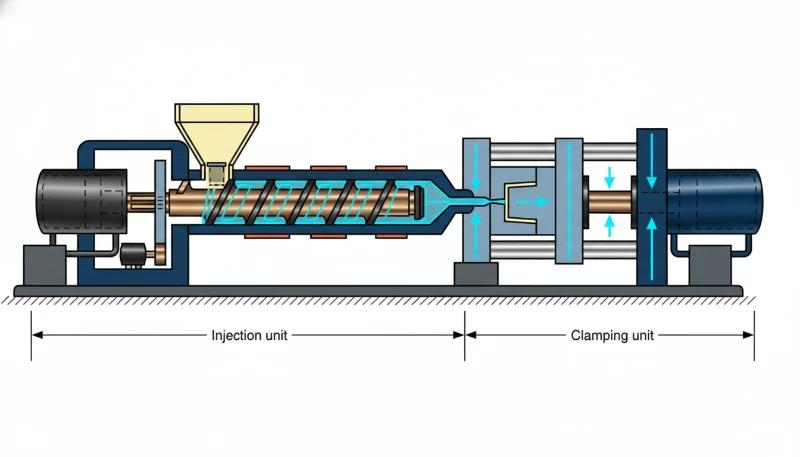
- Die österreichischen Lieferanten in dieser Liste decken Programme für das Gesundheitswesen, Thermoplaste und den industriellen Präzisionsspritzguss ab.
- Vor der RFQ-Vergabe sollte die Vorauswahl Eigentum an der Spritzgießformkonstruktion, Validierungsdisziplin und Kommunikationsgeschwindigkeit vergleichen.
- Werkzeugkapazität allein reicht nicht aus; Käufer benötigen außerdem eine dokumentierte Qualitätskontrolle und ein dokumentiertes Änderungsmanagement nach T1.
- Ein ausländischer Lieferant wie Zetar kann mit lokalen Anbietern verglichen werden, wenn Kapazität, Kosten oder Sekundärprozesse entscheidend sind.
- Verwenden Sie vor dem endgültigen Angebot eine Checkliste für die Lieferantenauswahl, um Anlaufrisiken und kommerzielle Überraschungen zu reduzieren.
Österreich kann ein interessanter Beschaffungsmarkt sein, wenn ein Einkäufer regionale Projektunterstützung, verlässliche Kommunikation und Lieferanten benötigt, die mit der Exportdokumentation für Spritzgießprogramme vertraut sind. Ob Sie eine dedizierte Auftragsfertigung1 oder ein hybrides Lieferantenmodell benötigen: Entscheidend ist nicht, ob ein Unternehmen in Österreich ansässig ist, sondern ob es Werkzeugentscheidungen, Bemusterungen, Qualitätsnachweise und technische Änderungen nach dem Produktionsstart zuverlässig beherrschen kann.
Bei spritzgegossenen Bauteilen aus Thermoplasten2 sollte eine Vorauswahl die Verantwortung für die Konstruktion der Spritzgießform, Materialerfahrung, Prüfdisziplin, Unterstützung bei Sekundärprozessen und Reaktionsgeschwindigkeit vergleichen. Ein lokaler Lieferant kann für dringende regionale Unterstützung die richtige Wahl sein, während ein ausländischer Lieferant sinnvoll sein kann, wenn Werkzeugkapazität, Kostenkontrolle oder eine größere Produktionskapazität zum Engpass werden.
Suchen Sie Spritzgießunternehmen in Österreich? Wir haben diese Vorauswahl etablierter Lieferanten zusammengestellt und eine Checkliste für den Beschaffungsleitfaden aus Einkäufersicht ergänzt, damit Sie Konstruktionstiefe bei Spritzgießformen, Qualitätszertifizierungen und Produktionsflexibilität direkt vergleichen können.
"Österreich ist der Sitz von ENGEL, dem weltweit umsatzstärksten Hersteller von Spritzgießmaschinen."True
Die ENGEL Austria GmbH mit Hauptsitz in Schwertberg produziert jährlich über 2,500 Maschinen und hält weltweit den größten Marktanteil bei Spritzgießmaschinen. Damit ist Österreich ein zentraler Knotenpunkt in der globalen Lieferkette für Spritzgießtechnik.
"Österreichisches Spritzgießen ist auf Basis der Gesamtkosten bis zum Bestimmungsort immer teurer als chinesisches Spritzgießen."False
Bei Kleinserien unter 10,000 Einheiten pro Jahr für die DACH-Region kann Österreich auf Basis der Gesamteinstandskosten tatsächlich günstiger sein, weil Seefracht (4-6 Wochen), Einfuhrzölle (~6.5%) und die Kapitalbindung durch Waren im Transit entfallen. Der Kostenschnittpunkt hängt von Bauteilkomplexität, Material und Volumen ab.
Wie sieht der österreichische Spritzgussmarkt aus?
Der österreichische Spritzgießmarkt ist eine EUR 8 Milliarden schwere Branche mit mehr als 250 Unternehmen, die sich auf Oberösterreich, die Steiermark und den Wiener Korridor konzentrieren. Globale Maschinen-OEMs wie ENGEL und Wittmann Battenfeld bilden das Rückgrat der Lieferkette, während mittelgroße Lohnspritzgießer und Präzisionswerkzeugbauer die Produktionskapazität ergänzen.
Die Branchenverteilung unter österreichischen Spritzgießern stellt sich ungefähr wie folgt dar: Die Automobilindustrie macht 35-40% der Produktion aus, die Verpackungsindustrie 20-25%, Medizin- und Biowissenschaften 10-15%, Elektronik 10%; der Rest verteilt sich auf Bauwesen, Konsumgüter und Industrieanwendungen. Österreichs Lage innerhalb der EU ermöglicht lokalen Spritzgießern einen reibungslosen Zugang zu Einkäufern im DACH-Raum. Gleichzeitig hält die Nähe zu den deutschen Automobil-OEMs (BMW-, Volkswagen- und Mercedes-Benz-Werke jenseits der Grenze) die Nachfrage nach Präzisionswerkzeugbau und Spritzguss mit engen Toleranzen konstant hoch.
Welche Trends prägen die österreichische Spritzgießindustrie?
Bei der Betrachtung der künftigen Entwicklung der österreichischen Spritzgießbranche fallen vier Trends auf, die Beschaffungsentscheidungen jeweils unterschiedlich beeinflussen.
1. Vorschriften zur Kreislaufwirtschaft treiben Materialinnovationen voran. Die ab 2025 geltende EU-Verordnung über Verpackungen und Verpackungsabfälle (PPWR) schreibt Mindestquoten für den Rezyklatanteil in Kunststoffverpackungen vor. Österreichische Spritzgießer – insbesondere Lebensmittelverpacker in Oberösterreich – investieren in Verarbeitungsanlagen, die Post-Consumer-Rezyklate (PCR) ohne Beeinträchtigung der Maßhaltigkeit verarbeiten können. Für Einkäufer wird der Nachweis der PCR-Verarbeitungskompetenz eines Spritzgießers zur Grundvoraussetzung.
2. Der Einsatz vollelektrischer Maschinen beschleunigt sich. Die in Schwertberg entwickelten und hergestellten Baureihen e-mac und e-cap von ENGEL ersetzen in österreichischen Lohnfertigungsbetrieben zunehmend hydraulische Pressen. Ausschlaggebend sind die Energiekosten – die österreichischen Industriestrompreise sind auf 0,18–0,22 €/kWh gestiegen – und vollelektrische Maschinen verbrauchen pro Zyklus 50–70 % weniger Energie. Bei Präzisionsteilen mit engen Toleranzen (±0,02 mm) ist das Ausbleiben temperaturbedingter Schwankungen des Hydrauliköls ein zusätzlicher Qualitätsvorteil.
3. Die Kapazitäten für Medizin- und Reinraumspritzguss wachsen. Mehrere österreichische Spritzgießer haben in den vergangenen drei Jahren Reinraumzellen der ISO-Klasse 7 oder 8 ergänzt, angetrieben durch die Rückverlagerung der Medizintechnikproduktion in die EU. Starlim in Marchtrenk betreibt beispielsweise einen 650 m² großen Reinraum für medizinische Komponenten aus Silikon und Thermoplasten. Diese Erweiterung bietet Einkäufern eine europäische Alternative zum medizinischen Spritzguss in Asien bei vergleichbarer Qualität, allerdings zu einem höheren Stückpreis.
4. Industrie 4.0 und Prozessüberwachung sind Standard, keine Option. Das in Österreich entwickelte 4.0-Ökosystem von Wittmann verbindet Spritzgießmaschinen, Roboter, Trockner und Temperiergeräte in einem gemeinsamen Datennetz und ist bei heimischen Spritzgießern mittlerweile weit verbreitet. Echtzeitaufzeichnung von Zyklusdaten, statistische Prozessregelung (SPC) und automatisierte Qualitätsprüfung gehören für mittelgroße österreichische Lieferanten zur Grundausstattung.
Wie wählen Sie einen Spritzgusslieferanten in Österreich aus?
Der beste österreichische Lieferant zeichnet sich durch klare Eigentumsverhältnisse am Werkzeug, eine breite Materialkompetenz, konsequente Prüfverfahren und transparente Lieferzeiten aus. Wird einer dieser Punkte vernachlässigt, drohen später Kostenüberschreitungen oder unentdeckte Qualitätsmängel.
Zertifizierungen und Qualitätssysteme. Erwarten Sie mindestens ISO 90013. Für Automobilteile ist IATF 16949 unverzichtbar, für Medizinprodukte ISO 13485 plus Reinraumzertifizierung. Behauptet ein Lieferant Kompetenz für Automobil- oder Medizinanwendungen, kann aber kein aktuelles Zertifikat vorlegen, sollten Sie Abstand nehmen – die lückenlose Auditspur ist ebenso wichtig wie der Spritzgießprozess selbst. Prüfen Sie, ob die Dokumentation des Spritzgießprozesses Wareneingangsprüfung, prozessbegleitende SPC und abschließende Maßberichte umfasst. Werkzeugbautiefe. Fragen Sie, ob der Lieferant Formen intern fertigt oder an einen Werkzeugbauer vergibt. Interner Werkzeugbau ermöglicht schnellere Iterationen (T1-Muster in 4–6 statt 8–12 Wochen) und bessere Kontrolle über die Wartung der Spritzgießform. Zu den österreichischen Spritzgießern mit eigenem Werkzeugbau gehören Perzi, ARVAI-PLASTICS und Camo. Wird der Werkzeugbau ausgelagert, erfragen Sie den Namen des Werkzeugbauers und besuchen Sie ihn bei kritischen Programmen.
"Ein österreichischer Lieferant mit eigenem Werkzeugbau erzielt immer niedrigere Gesamtwerkzeugkosten als ein Anbieter, der den Werkzeugbau auslagert."True
Nicht immer — der interne Werkzeugbau kann zu einem höheren Anfangsangebot führen, weil der Lieferant einen eigenen Werkzeugbau unterhält. Die Gesamtbetriebskosten sind jedoch häufig niedriger, da Iterationsschleifen und Stahländerungen ohne unternehmensübergreifende Verzögerungen erfolgen. In unserem Werk in Shanghai haben wir die gesamten Werkzeugkosten über Dutzende Programme erfasst — unter Berücksichtigung der Änderungsrunden spart der interne Werkzeugbau 15-25%.
"Ein österreichischer Lieferant mit eigenem Werkzeugbau erzielt immer niedrigere Gesamtwerkzeugkosten als ein Anbieter, der den Werkzeugbau auslagert."False
Nicht immer — der interne Werkzeugbau kann mit einem höheren Anfangsangebot verbunden sein, weil der Lieferant einen eigenen Werkzeugbau unterhält. Die Gesamtbetriebskosten sind jedoch häufig niedriger, da Iterationszyklen und Stahländerungen ohne unternehmensübergreifende Verzögerungen erfolgen.
Maschinentonnage und Bauteilabmessungen. Stimmen Sie den Schließkraftbereich des Lieferanten auf Ihre Bauteilgröße ab. Österreich deckt das gesamte Spektrum ab: von Mikrospritzgießmaschinen (15–30 T) bei Starlim bis zu Großmaschinen (über 2.000 T) bei Greiner Assistec. Deckt die größte Maschine eines Lieferanten Ihr Schussgewicht nur knapp ab, wird er Schwierigkeiten mit einer gleichmäßigen Füllung haben. Das beobachten wir regelmäßig in unserem Werk in Shanghai: Liegt ein Bauteil nahe der oberen Kapazitätsgrenze einer Maschine, wird der Nachdruck unberechenbar und die Schwankung von Zyklus zu Zyklus nimmt zu. Mit 47 Maschinen von 90 T bis 1.850 T verfügen wir über genügend Reserven, um jeden Auftrag ohne Kompromisse der richtigen Schließkraft zuzuordnen.
Kommunikation und Projektmanagement. Die meisten österreichischen Spritzgießer arbeiten auf Deutsch und Englisch. Klären Sie, wer Ihr täglicher Ansprechpartner ist, wie oft Sie Fortschrittsberichte erhalten und ob technische Gespräche direkt mit Ingenieuren oder über den Vertrieb geführt werden. Ein Lieferant, der während der Angebotserstellung nicht innerhalb von 48 Stunden DFM-Rückmeldung geben kann, wird voraussichtlich auch in der Produktion nicht reaktionsschnell sein.
Konditionen und Logistik. Klären Sie Zahlungsbedingungen, Werkzeugeigentum, Formenlagerung und Mindestbestellmengen (MOQs). Österreichische Lieferanten verlangen üblicherweise 30–50 % der Werkzeugkosten im Voraus, den Rest bei Freigabe der T1-Muster. Mindestbestellmengen für Produktionsläufe liegen häufig bei 1.000–5.000 Stück und damit höher als in China. Importieren Sie Teile von außerhalb der EU, berücksichtigen Sie Zölle (durchschnittlich 6,5 % für Kunststoffwaren unter HS 3926) und Frachtkosten ab Wien oder Linz.
Welche Spritzgießunternehmen sind in Österreich führend?
Nachfolgend finden Sie zehn österreichische Unternehmen mit nachgewiesenen Spritzgießkapazitäten. Die Liste umfasst Maschinenhersteller, die auch Produktionslösungen anbieten, kundenspezifische Spritzgießer für bestimmte Branchen sowie spezialisierte Werkzeugbauer. Jeder Eintrag enthält Standort, Gründungsjahr, Mitarbeiterzahl, Hauptbranchen und Kernkompetenzen.
1. ENGEL Austria GmbH
Standort: Schwertberg, Oberösterreich | Gegründet: 1945 | Mitarbeiter: 6.000+ (weltweit) | Hauptbranchen: Automobil, Verpackung, Medizin, Elektronik | Kernkompetenzen: Herstellung von Spritzgießmaschinen, Automatisierungssysteme, Produktionsprozessberatung
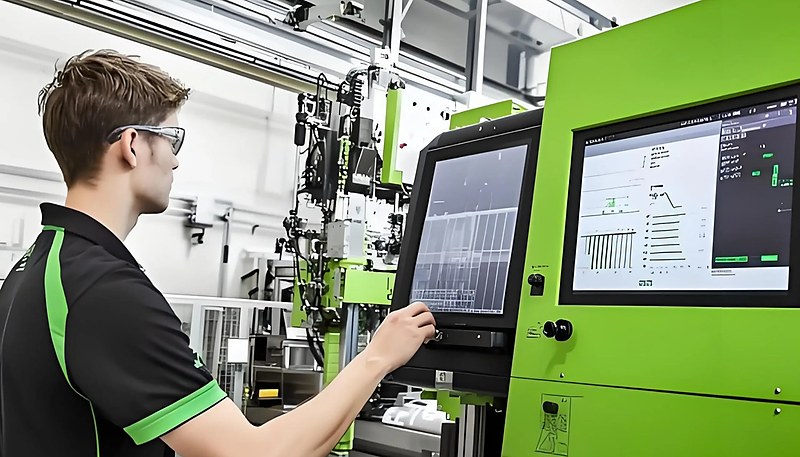
ENGEL ist der weltweit größte Hersteller von Spritzgießmaschinen mit Hauptsitz und Hauptproduktion in Schwertberg. Das Unternehmen entwickelt und baut hydraulische, elektrische und Kniehebelmaschinen von 25 T bis 5,500 T. ENGEL betreibt außerdem anwendungsspezifische Technika, in denen Käufer eine Pilotproduktion durchführen können, bevor sie sich für den Kauf einer Maschine entscheiden. Für die Beschaffung ist zu beachten, dass ENGEL kein kundenspezifischer Spritzgießer ist — die Technika und Verfahrenstechnikteams können Sie jedoch mit qualifizierten österreichischen Spritzgießbetrieben verbinden, die ENGEL-Anlagen einsetzen. Dies bietet einen praktischen kürzeren Weg bei der Lieferantensuche.
2. Wittmann Battenfeld GmbH
Standort: Kottingbrunn, Niederösterreich | Gegründet: 1878 (Wittmann Group), Battenfeld-Division 1982 | Mitarbeiter: 300–399 (Standort Kottingbrunn) | Hauptbranchen: Automobil, Verpackung, Medizin, Technisches Spritzgießen | Kernkompetenzen: Spritzgießmaschinen, Automatisierung, Roboter, Materialhandling, Temperaturkontrolle
Wittmann Battenfeld produziert eine komplette Palette von Spritzgießmaschinen – von der kompakten PowerScout-Serie bis hin zu großen hydraulischen Pressen. Der eigentliche Unterschied liegt im WITTMANN 4.0-Ökosystem, das Maschinen, Roboter, Trockner und Temperiergeräte in einer einheitlichen Datenplattform vernetzt. Acht Produktionsstätten in fünf Ländern und 32 globale Tochtergesellschaften verleihen Wittmann eine große Reichweite. Wie ENGEL ist Wittmann ein Maschinenbauer, aber ihre Anwendungstechniker arbeiten eng mit österreichischen Lohnspritzern zusammen und können Kontakte vermitteln.
3. Greiner Assistec (Greiner Packaging)
Standort: Kremsmünster, Oberösterreich | Gegründet: 1960 (Verpackungssparte) | Mitarbeiter: 5.000+ (Greiner Packaging gesamt) | Hauptbranchen: Verpackung, Automobil, Konsumgüter, Medizin | Kernkompetenzen: Spritzgießen, Thermoformen, Extrusionsblasformen, IML, Mehrkomponentenspritzgießen
Greiner Assistec ist die technische Bauteile-Business-Unit von Greiner Packaging, einem der größten Kunststoffverpackungsverarbeiter Europas. Das Werk in Kremsmünster betreibt Spritzgießmaschinen von 50 T bis über 2.000 T und deckt alles von Dünnwandverpackungen bis zu großen Automobilkomponenten ab. Die Größe von Greiner bedeutet, dass sie Hochvolumenprogramme (Millionen von Einheiten) mit automatisierter In-Mold-Labeling (IML) und Mehrfachkavitäten-Werkzeugen bewältigen können. Ihre Nachhaltigkeitsinitiative – die Einbindung von recyceltem PET und PP in Lebensmittelkontaktverpackungen – gehört zu den fortschrittlichsten in Europa.
4. Starlim Spritzguss GmbH (starlim sterner)
Standort: Marchtrenk, Oberösterreich | Gegründet: 1993 | Mitarbeiter: 300+ | Hauptbranchen: Medizin, Elektronik, Automobil, Uhrenherstellung | Kernkompetenzen: Mikrospritzgießen, Silikonspritzgießen, Reinraumspritzgießen, Mehrkomponenten
Starlim ist der weltweite Marktführer im Silikon-Spritzgießen und einer der spezialisiertesten Präzisionsspritzgießer Österreichs. Das Unternehmen betreibt einen 650 m² großen Reinraum der ISO-Klasse 7 für medizinische und elektronische Komponenten mit Teilgewichten von nur wenigen Milligramm. Ihre Mikro-Spritzgießfähigkeit – die Herstellung von Zahnrädern für Uhren und Mikrogehäusen mit Toleranzen im Mikrometerbereich – ist auf dem europäischen Markt ungewöhnlich. Für Käufer, die medizinisch zugelassenes Silikon oder Mikro-Thermoplastteile benötigen, sollte Starlim auf jeder österreichischen Shortlist stehen.
5. ARVAI-PLASTICS GmbH
Standort: Neumarkt am Wallersee, Salzburg | Gegründet: 1976 | Mitarbeiter: 200–299 | Hauptbranchen: Automobil, Sportartikel, Industrie | Kernkompetenzen: Lohnspritzgießen, Werkzeug- und Formenbau, Oberflächenveredelung, Montage
ARVAI-PLASTICS ist ein familiengeführtes Lohnspritzgießunternehmen mit umfangreicher Automobilerfahrung. Das Werk in Neumarkt betreibt Spritzgießpressen von 25 T bis 1.300 T und bedient internationale OEMs in den Bereichen Automobil, Sportartikel und Industrieanwendungen. Ihre interne Werkzeugbauabteilung übernimmt die Werkzeugkonstruktion bis hin zur Wartung, was Käufern direkte Kontrolle über Werkzeugiterationen gibt. Der hands-on-Führungsstil der Familie Arvai bedeutet, dass technische Entscheidungen schnell getroffen werden – ein praktischer Vorteil während der Startphasen.
6. Perzi Kunststoff GmbH
Standort: Lustenau, Vorarlberg | Gegründet: 1986 | Mitarbeiter: 200–299 | Hauptbranchen: Automobil, Elektronik, Medizin, Konsumgüter | Kernkompetenzen: Spritzgießen, Werkzeugbau, Materialauswahlberatung, Oberflächenbehandlung
Perzi hat sich über fünf Jahrzehnte von einer Werkstatt zu einem mittelständischen Industrieunternehmen entwickelt. Die Anlage in Lustenau kombiniert Spritzgießen mit eigenem Formenbau und bietet Käufern somit einen einheitlichen Weg von der Designoptimierung bis zur Serienfertigung. Die Stärke von Perzi liegt in zertifizierten Qualitätsprozessen – das Team legt Wert auf Materialberatung, Fließsimulation und schrittweise Optimierung vom ersten Entwurf bis zum Endprodukt.
7. Robust Plastics GmbH
Standort: Wien (Hosnedlgasse) | Gegründet: 1874 (Muttergesellschaft EWF Invest Group) | Mitarbeiter: 200–299 | Hauptbranchen: Automobil, technische Teile, Industrie-Verpackung | Kernkompetenzen: Lohnspritzgießen, Produktentwicklung, Werkzeugkonstruktion, JIT-Lieferung
Robust Plastics ist Mitglied der EWF Invest Group und spezialisiert sich auf hochwertiges Lohnspritzgießen für Automobil- und Industrieanwendungen. Das Unternehmen bietet eine komplette Dienstleistungskette – von der Produktentwicklung und Werkzeugkonstruktion bis zur Just-in-Time-Lieferung. Ihr Fokus auf anspruchsvolle, kundenspezifische Spritzgussteile (statt Massenverpackungen) positioniert sie als technischen Spritzgießer für Käufer, die technische Kunststoffe, enge Toleranzen und dokumentierte Qualitätsprozesse benötigen.
8. Camo GmbH
Standort: Schwanenstadt, Oberösterreich | Gegründet: 1988 | Mitarbeiter: 100–199 | Hauptbranchen: Automobil, Elektronik, Haushalt/Bau, Medizin | Kernkompetenzen: Systemlieferant – Entwicklung, Werkzeugbau, Spritzgießen, Montage, Einspritzen von Einlegeteilen
Camo agiert als vollständiger Systemanbieter und verwaltet die gesamte Wertschöpfungskette von der Produktentwicklung über den Werkzeugbau, das Spritzgießen bis zur Montage. Ihre Einspritztechnik und Mehrkomponentenfähigkeiten sind besonders relevant für Käufer, die umspritzte Steckverbinder, Gewindeeinsätze oder hybride Metall-Kunststoff-Baugruppen benötigen. Die Schwanenstadt-Einrichtung bedient mit einem beratenden Ansatz, der Planung, Konstruktion und Optimierung von vornherein abdeckt, die Automobil-, Elektronik- und Medizinbranchen.
9. Haidlmair GmbH
Standort: Nußbach, Oberösterreich | Gegründet: 1979 | Mitarbeiter: 300+ | Hauptbranchen: Verpackung, Logistik, Automobil, Konsumgüter | Kernkompetenzen: Spritzgießwerkzeugkonstruktion und -fertigung, Großteilwerkzeuge, Getränkekastenwerkzeuge, Palettenwerkzeuge
Haidlmair ist Österreichs renomniertester Spezialist für Werkzeugbau. Obwohl sie selbst keine Teile direkt spritzen, werden ihre Spritzgießformen von großen europäischen Verpackungs- und Logistikunternehmen zur Produktion von Getränkekisten, Paletten und großen technischen Teilen eingesetzt. Für Käufer, die Hochkavitätsformen oder Formen für Großteile (Schussgewichte über 5 kg) benötigen, kann das Ingenieursteam von Haidlmair Produktionswerkzeuge entwerfen, bauen und warten. Kürzlich eröffneten sie eine US-Tochtergesellschaft, was auf die weltweite Nachfrage nach ihrer Werkzeugbau-Expertise hindeutet.
10. BOIDA Kunststofftechnik GmbH
Standort: Österreich (mehrere Standorte) | Gegründet: 1988 | Mitarbeiter: 100–199 | Hauptbranchen: Automobil, Elektronik, Medizin, Konsumgüter | Kernkompetenzen: Mehrkomponenten-Spritzgießen, Einspritzen von Einlegeteilen, Reinraumproduktion, SPC-Prozesskontrolle
BOIDA betreibt vollelektrische Spritzgießmaschinen sowie Drehtisch- und Mehrkomponentensysteme und richtet sich an Käufer, die präzise Mehrstoffteile benötigen. Ihre statistischen Prozesskontrollverfahren (SPC) sind in die Fertigung integriert – dimensionelle und funktionale Kontrollen werden bei jedem Produktionsschritt dokumentiert. Diese Ebene der Prozessdokumentation ist für Automobil- und Medizinkunden, die eine vollständige Rückverfolgbarkeit benötigen, unerlässlich. BOIDAs Fokus auf elektrische Maschinen passt auch zum breiteren österreichischen Trend hin zu energieeffizienter Produktion.
Wenn Sie über diese zehn hinaus weitere Optionen benötigen, ziehen Sie eine Ausweitung Ihrer Suche auf Süddeutschland (Bayern) oder Norditalien in Betracht – beide Regionen verfügen über dichte Cluster von Präzisionsspritzgießern innerhalb weniger Autostunden von der österreichischen Grenze. Sie können österreichische Angebote auch mit einem in China ansässigen Hersteller wie ZetarMold vergleichen, um das gesamte Kosten-Qualitäts-Spektrum zu verstehen, bevor Sie sich festlegen.
Wie unterscheiden sich Österreichs Spritzgießkosten von denen Chinas?
Die Kostenunterschiede zwischen Österreich und China für das Spritzgießen sind erheblich, aber das Gesamtbild erfordert einen Blick über den Stückpreis hinaus. Hier ist ein praktischer Vergleich basierend auf aktuellen Marktsätzen für ein Automobilteil mittlerer Komplexität (100 mm × 80 mm × 40 mm, PA6-GF30, Klasse-A-Oberfläche, ±0,05 mm Toleranz).
| Kostenfaktor | Österreich (EUR) | China / ZetarMold (USD) |
|---|---|---|
| Formenbau (Einzelkavität, gehärteter Stahl) | €25,000–45,000 | $8,000–15,000 |
| Stückpreis (10.000 Jahresvolumen) | €1.80–3.50 | $0.60–1.20 |
| T1-Musterlaufzeit | 4–6 Wochen | 3–5 Wochen |
| Produktionsvorlaufzeit (pro Charge) | 2–3 Wochen | 3–4 Wochen (plus 1–2 Wochen Fracht) |
| MOQ | 1.000–5.000 Stk. | 500–2,000 Stück |
| Werkzeugwartung (inbegriffen?) | Normalerweise extra | Oft in der Werkzeugkosten inbegriffen |
| Einfuhrzoll (HS 3926, in die EU) | Nicht zutreffend (inländisch) | ~6.5% |
| Fracht nach Mitteleuropa | Enthalten oder minimal | 0,08–0,15 €/Stück (Seefracht) |
Der Beschaffungsleitfaden-Rahmen ist hier nützlich: Wenn Sie Einfuhrzoll, Fracht, Versicherung und die Zeitkosten der Seefracht (typischerweise 4–6 Wochen von Tür zu Tür) hinzurechnen, verringert sich die reale Landed Cost chinesisch gespritzter Teile im Vergleich zu Österreich. Bei Volumen unter 10.000 Einheiten pro Jahr kann Österreich auf Landed-Cost-Basis tatsächlich günstiger sein, da Sie Fracht und Zoll komplett vermeiden. Bei Volumen über 100.000 Einheiten dominiert normalerweise Chinas Stückpreisvorteil.
Versteckte Kosten, die zu beachten sind: Österreichische Spritzgießer berechnen oft separat für Formenlagerung, Wartung und Probenrunden über T3 hinaus. Chinesische Lieferanten können diese in den Werkzeugpreis einbinden. Auch das Währungsrisiko ist wichtig – wenn Sie in EUR für österreichische Teile zahlen und Ihre Einnahmen in USD sind, können Wechselkursschwankungen von 5–10 % den Vorteil der kürzeren Lieferzeit zunichtemachen. Aus unserer Erfahrung mit über 100 Dual-Sourcing-Spritzgießprogrammen für europäische OEMs empfehlen wir, von Anfang an eine Gesamtkostenrechnung anzufordern, die Werkzeugabschreibung, Stückpreise für drei Volumenstufen, Probenentgelte, Formenlagerungskosten und Fracht umfasst – denn der günstigste Stückpreis gewinnt selten, wenn man das gesamte wirtschaftliche Bild betrachtet.
"Starlim in Marchtrenk betreibt den größten Reinraum für Silikonspritzgießen in Österreich für Medizin- und Elektronikkomponenten."True
Der 650 m2 große Reinraum von Starlim nach ISO Class 7 verarbeitet medizinisches Silikon und thermoplastische Teile mit Toleranzen im Mikrometerbereich. Damit zählt er zu den wenigen österreichischen Betrieben, die sowohl Silikon- als auch thermoplastisches Mikrospritzgießen in kontrollierter Umgebung beherrschen.
"Alle österreichischen Spritzgießer können Mehrkomponenten- und Umspritzprojekte bearbeiten."False
Nur ein Teil der österreichischen Spritzgießer hat in Mehrkomponentenmaschinen (rotierend oder mit Indexplatte) investiert. Camo, BOIDA, Greiner Assistec und Starlim bieten nachgewiesene Mehrkomponenten-Fähigkeit. Viele kleinere Spritzgießer konzentrieren sich auf Einmaterialproduktion und müssten den Umspritzungsschritt an einen Partner auslagern.
Wann ist Österreich die richtige Beschaffungswahl für Spritzgussteile?
Österreich ist die richtige Wahl für hochpräzise, EU-zertifizierte Werkzeuge mit engen Toleranzen und kurzen innereuropäischen Logistikwegen. Für große Stückzahlen und kostenempfindliche Teile liegt China oft beim Stückpreis vorn.
Wählen Sie Österreich, wenn: Ihr Absatzmarkt die DACH-Region (Deutschland, Österreich, Schweiz) ist und Sie kurze Lieferzeiten unter 2 Wochen benötigen. Ihre Bauteile medizinischen Reinraumspritzguss (ISO 13485) erfordern. Ihr Programm geringe Stückzahlen unter 10.000 Einheiten pro Jahr umfasst und die Werkzeugamortisation für einen lokalen Lieferanten spricht. Sie deutschsprachige technische Kommunikation ohne Zeitzonenprobleme benötigen. Ihre Compliance-Anforderungen (REACH, RoHS, EU-Lebensmittelkontakt) einen Lieferanten begünstigen, der bereits innerhalb des EU-Rechtsrahmens tätig ist.
Wählen Sie China, wenn: Ihre Jahresmenge 50.000 Einheiten übersteigt und Stückpreiseinsparungen von 40–60 % den Logistikaufwand rechtfertigen. Ihre Bauteilgeometrie komplex ist und Sie Mehrkavitätenwerkzeuge mit hoher Fachzahl benötigen, deren Herstellung 50–70 % weniger kostet. Ihr Programm große Mengen technischer Kunststoffe erfordert und Sie Zugang zu einer breiteren Materiallieferkette wünschen. Sie eine neue Plattform entwickeln und mehrere Konstruktionsrevisionen schnell durchlaufen müssen – chinesische Werkzeugbauer bieten Formänderungen häufig schneller und günstiger an.
Für viele Einkäufer lautet die praktische Antwort nicht entweder/oder, sondern beides. Verfolgen Sie eine Dual-Sourcing-Strategie: Österreich für die Markteinführung und europäische Belieferung, China für die Skalierung der Stückzahlen. Nach unserer Erfahrung mit europäischen OEMs beginnt der wirksamste Ansatz mit einem Werkzeug für kleine Serien in Österreich (Spritzgießen für 500–5.000 Einheiten), während wir in Shanghai eine Form für die Serienproduktion bauen. Unser Team hat mehr als 100 Dual-Sourcing-Formprogramme umgesetzt, bei denen die Stückkosteneinsparungen der chinesischen Produktion die gesamte Werkzeuginvestition bereits im ersten Produktionslauf finanzierten.
Welche Fragen sollten Einkäufer vor der Auswahl eines österreichischen Spritzgießlieferanten stellen?
Häufig gestellte Fragen
Was sollte ich prüfen, bevor ich ein Angebot von einem österreichischen Spritzgießlieferanten anfordere?
Beginnen Sie mit den kaufmännischen und technischen Grundlagen: Teilezeichnungen, Jahresvolumen, Materialgüte, kritische Toleranzen, kosmetische Anforderungen und Ihren geplanten Starttermin. Prüfen Sie dann, ob der Lieferant hauseigene Werkzeugfertigung besitzt, wie die Musterfreigabe gehandhabt wird, welche Prüfprotokolle geteilt werden können und ob Änderungsanträge formal dokumentiert werden. Für eine österreichische Shortlist bestätigen Sie auch Exportkommunikation, Verpackungserwartungen und Support nach dem Start, damit Sie echte Ausführungsfähigkeit vergleichen und nicht nur Maschinenlisten oder Schlagzeilenpreise. Eine starke RFQ sollte jeden Finalisten zwingen, dieselben operativen Fragen im selben Format zu beantworten.
Kann ein österreichischer Lieferant sowohl den Formenbau als auch die Produktionsspritzung übernehmen?
Einige Lieferanten können beide Tätigkeiten unter einem Dach abwickeln, während andere sich auf das Spritzgießen konzentrieren und den Werkzeugbau auslagern. Dieser Unterschied ist wichtig, weil Werkzeugeigentum, Stahländerungen, Terminkontrolle und Wartungsverantwortung schwieriger zu steuern sind, wenn Werkzeugbau und Spritzguss getrennt sind. Fragen Sie beim Lieferantenvergleich, wer das Werkzeug konstruiert, wer die Stahlspezifikation freigibt, wo die T1-Bemusterung stattfindet und wer die Änderungsrunden nach der Erstteilprüfung bezahlt. Die Antworten zeigen, ob der Lieferant das Programm wirklich von der Angebotsanfrage bis zur stabilen Serienproduktion tragen kann. Außerdem wird deutlich, ob die angegebene Lieferzeit operativ glaubwürdig ist.
Wann sollte ich Offshore-Lieferanten wie Zetar mit einer lokalen Spritzgussquelle in Österreich vergleichen?
Dies ist meist sinnvoll, wenn ein Projekt mehr Werkzeugbaukapazität, geringere Gesamtlandekosten für Werkzeuge oder umfassendere Unterstützung bei Sekundärprozessen benötigt, als eine lokale Auswahlliste bieten kann. Der Vergleich sollte nicht allein als lokal gegen Offshore betrachtet werden. Vergleichen Sie stattdessen Tiefe der Werkzeugkonstruktion, Projektkommunikation, Validierungsdisziplin, Verpackung, Versandrhythmus und Reaktionsgeschwindigkeit des Engineerings nach T1. Kann ein Offshore-Team diese Kontrollen klar dokumentieren und dennoch ein besseres kommerzielles Gesamtpaket liefern, gehört es neben lokale Anbieter in die endgültige Beschaffungsentscheidung.
Welche Qualitätsdokumente sollten Käufer vor der Vergabe einer Spritzgießproduktion anfordern?
Ein seriöser Lieferant sollte einen Prozessablauf, Kontrollplan, Wareneingangskontrollen, Maßprüfprotokolle, Nachweise zur Musterfreigabe und für Ihre Branche relevante Zertifizierungen vorlegen können. Fordern Sie für regulierte oder hochpräzise Programme einen klaren Stichprobenplan, eine Messmittelstrategie und einen Eskalationsweg für nichtkonforme Teile an. Ist ein Werkzeug enthalten, fragen Sie nach den Eigentumsrechten am Werkzeuglayout, den Wartungsvorgaben und dem Verfahren zur Revisionskontrolle bei freigegebenen Stahländerungen. Diese Dokumente zeigen, ob der Lieferant ein wiederholbares Produktionssystem betreiben kann, statt den Auftrag als einmaligen Job abzuwickeln.
Wie viele Spritzgießlieferanten sollte ich vergleichen, bevor ich eine endgültige Auswahl treffe?
Drei bis fünf qualifizierte Lieferanten sind in der Regel die effizienteste Spanne. Bei weniger als drei lassen sich technische Annahmen nur schwer vergleichen, während zu viele Anbieter unnötiges Rauschen erzeugen und die Rückmeldungen verlangsamen. Grenzen Sie die Liste in der ersten Prüfrunde anhand von Fähigkeiten, Kommunikationsqualität und Nachweisen zur Prozesskontrolle ein. Fordern Sie anschließend von den Finalisten vergleichbare Angebote an, die auf demselben RFQ-Paket, denselben Werkstoffannahmen und denselben Qualitätsanforderungen beruhen. Diese Struktur ermöglicht einen klaren kaufmännischen Vergleich, ohne Ihr Engineering-Team zur Bewertung verstreuter, uneinheitlicher Vorschläge zu zwingen.
Warum ist ZetarMold der richtige Partner für Käufer aus Österreich?
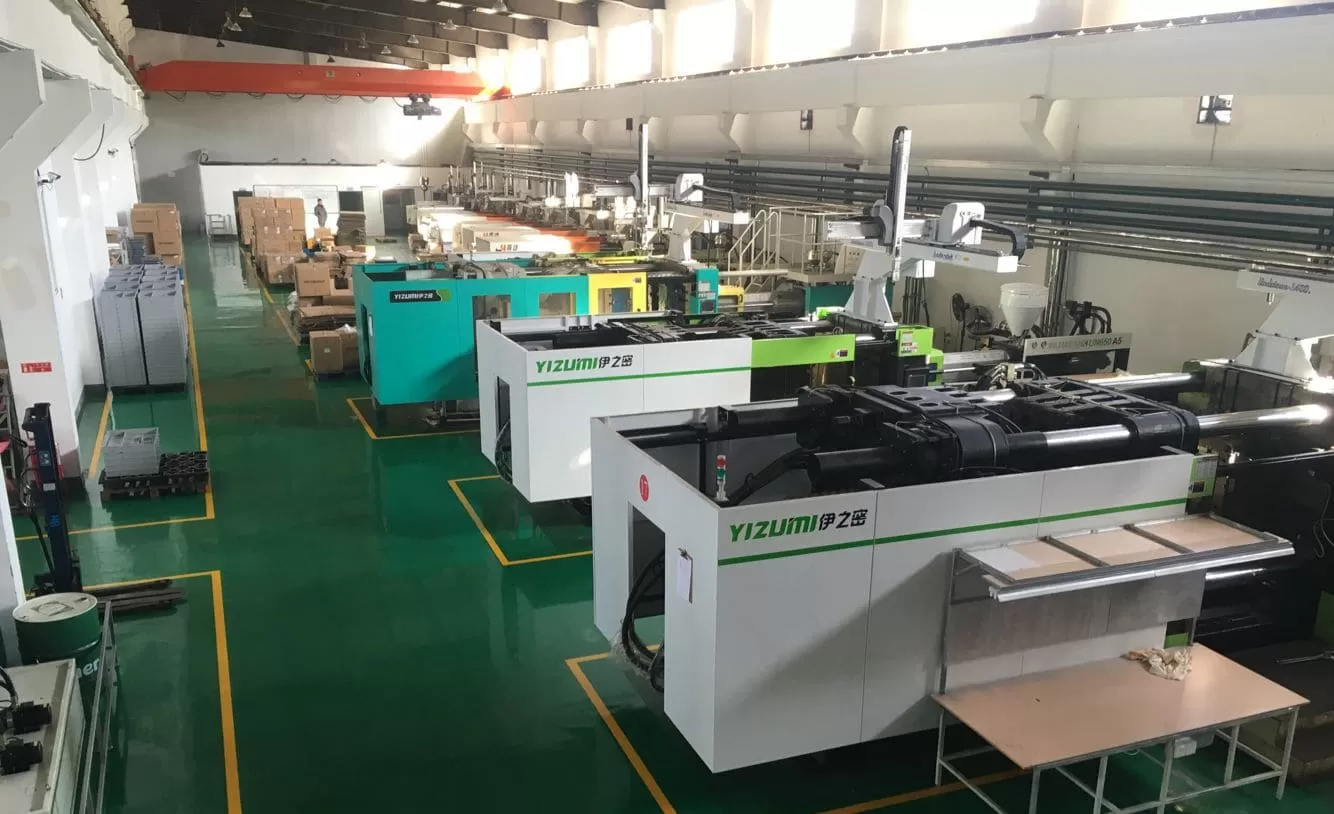
Wenn Sie Österreich und China für Spritzguss vergleichen, bietet ZetarMold einen direkten Vergleichspunkt. Unsere Fabrik in Shanghai betreibt 47 Spritzgießmaschinen von 90 t bis 1.850 t unter ISO 9001, ISO 13485, ISO 14001 und ISO 45001. Wir verfügen über 20+ Jahre Werkzeugerfahrung, 400+ validierte Materialien und 30+ englischsprachige Projektmanager, die Dokumentation, Mustererstellung und Versandkoordination übernehmen – dieselben Standards, die österreichische Käufer bereits von einem qualifizierten Lieferanten erwarten. Mit hauseigener Formenfertigung, die 100+ Formensätze pro Monat unterstützt, und 8 Senior-Ingenieuren, die Entwürfe mit UG, SOLIDWORKS und MOLDFLOW bearbeiten, können wir fertigungsreife Werkzeuge in Zeitplänen liefern, die mit europäischen Werkstätten konkurrieren, bei deutlich niedrigeren Stückkosten.
In unserer Fabrik in Shanghai betreiben wir 47 Spritzgießmaschinen von 90T bis 1850T unter ISO 9001, ISO 13485, ISO 14001 und ISO 45001 Systemen, sodass österreichische Angebotsanfragen mit einer dokumentierten Produktionsbasis verglichen werden können.
Unser Engineering-Team gibt DFM-Feedback innerhalb von 24 Stunden für aktive RFQs zurück, prüft Angusslayout, Abschaltstellen und Toleranzrisiko, bevor Stahl bearbeitet wird. Mit 20+ Jahren Werkzeugerfahrung und 400+ Kunststoffmaterialien in unserer Verarbeitungshistorie können wir dieselbe Teilgeometrie im selben Harz anbieten, sodass Ihr Kostenvergleich vergleichbar ist.
Für österreichische Unternehmen, die aus China beschaffen, sind die praktischen Vorteile klar: Werkzeugkosten sind 50–70 % niedriger, Stückpreise sind bei Volumen typischerweise 40–60 % niedriger, und unser englischsprachiges Engineering-Team (30+ fließend Englisch sprechende Mitarbeiter) schließt die Kommunikationslücke. Ob Sie eine Einzelkavitäten-Prototypform oder ein 32-Kavitäten-Produktionswerkzeug mit automatischem Entgraten benötigen – wir können innerhalb von 48 Stunden ein detailliertes Angebot erstellen.
Kostenloses Angebot anfordern → Senden Sie Ihre 3D-Dateien, Materialspezifikation und geschätzte Jahresmenge an das Engineering-Team von ZetarMold. Sie erhalten eine detaillierte Kostenaufstellung einschließlich Werkzeugkosten, Stückpreis und Lieferzeit, damit Sie eine datenbasierte Beschaffungsentscheidung treffen können. Unser Lieferanten-Beschaffungsleitfaden bietet einen umfassenden Rahmen.
Auftragsfertigung: Bei der Auftragsfertigung stellt ein Lieferant Teile oder Baugruppen nach Zeichnungen, Qualitätsanforderungen und Geschäftsbedingungen eines Kunden her. ↩
Thermoplaste: Thermoplaste sind Polymerwerkstoffe, die beim Erwärmen erweichen und beim Abkühlen wieder erstarren, wodurch sie sich für wiederholbare Spritzgießzyklen eignen. ↩
ISO 9001: ISO 9001 ist eine internationale Qualitätsmanagementnorm, die festlegt, wie eine Organisation wiederholbare Produktionsprozesse dokumentiert, steuert und verbessert. ↩