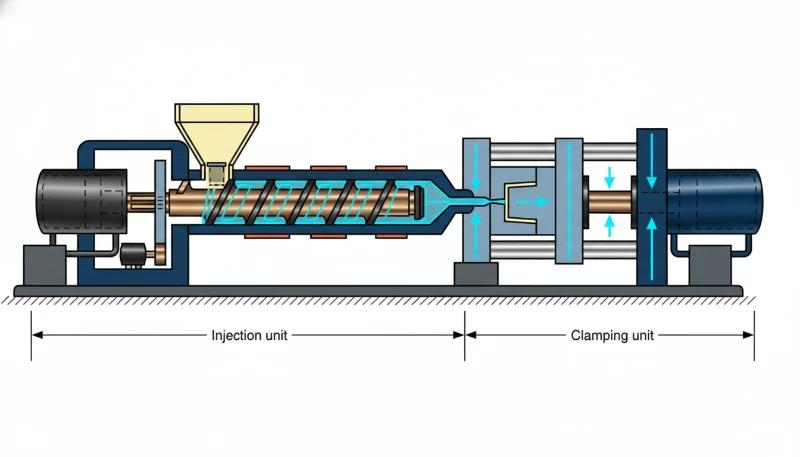
- Les fournisseurs autrichiens de cette liste couvrent les programmes de santé, de thermoplastiques et de moulage industriel de précision.
- La présélection doit comparer la propriété de la conception du moule, la rigueur de la validation et la rapidité de communication avant l’attribution de la RFQ.
- La capacité d’outillage seule ne suffit pas ; les acheteurs ont également besoin d’un contrôle qualité documenté et d’une gestion des modifications après T1.
- Un fournisseur offshore comme Zetar peut être comparé aux fournisseurs locaux lorsque la capacité, le coût ou les opérations secondaires sont importants.
- Utilisez une liste de contrôle de sélection des fournisseurs avant le devis final afin de réduire les risques de lancement et les surprises commerciales.
L’Autriche peut constituer un marché d’approvisionnement intéressant lorsqu’un acheteur recherche une assistance régionale, une communication stable et des fournisseurs maîtrisant les documents d’exportation propres aux programmes de moulage par injection. Que vous ayez besoin d’une fabrication sous contrat1 dédiée ou d’un modèle hybride, l’enjeu n’est pas la localisation autrichienne de l’entreprise, mais sa capacité à maîtriser durablement les choix d’outillage, les essais, les preuves qualité et les modifications techniques après le lancement.
Pour des pièces injectées en thermoplastiques2, la présélection doit comparer la maîtrise de la conception du moule d’injection, l’expérience des matériaux, la rigueur des contrôles, la prise en charge des opérations secondaires et la réactivité. Un fournisseur local peut convenir à une assistance régionale urgente, tandis qu’un fournisseur offshore devient intéressant lorsque la capacité d’outillage, la maîtrise des coûts ou la capacité de production globale constitue le facteur limitant.
Vous recherchez des entreprises de moulage par injection en Autriche ? Nous avons établi une liste restreinte de fournisseurs reconnus et ajouté une liste de contrôle issue de notre guide d’approvisionnement afin de comparer côte à côte leur expertise en conception de moules, leurs certifications qualité et leur flexibilité de production.
"L’Autriche accueille ENGEL, le premier fabricant mondial de machines de moulage par injection en chiffre d’affaires."True
ENGEL Austria GmbH, dont le siège est à Schwertberg, produit plus de 2,500 machines par an et détient la première part du marché mondial des presses à injecter, faisant de l’Autriche un nœud essentiel de la chaîne d’approvisionnement mondiale des équipements de moulage.
"Le moulage par injection autrichien est toujours plus cher que le moulage chinois en coût rendu."False
Pour les programmes à faible volume, inférieur à 10,000 unités par an et expédiés vers la région DACH, l'Autriche peut en réalité être moins chère en coût rendu, car vous supprimez le fret maritime (4-6 semaines), les droits d'importation (~6.5%) et le coût en fonds de roulement des stocks en transit. Le point de bascule dépend de la complexité de la pièce, de la matière et du volume.
À quoi ressemble le marché autrichien du moulage par injection ?
Le marché autrichien du moulage par injection représente EUR 8 milliards et plus de 250 entreprises concentrées en Haute-Autriche, en Styrie et dans le corridor viennois. Des constructeurs mondiaux de machines comme ENGEL et Wittmann Battenfeld structurent la chaîne d’approvisionnement, complétée par des mouleurs à façon de taille moyenne et des ateliers d’outillage de précision.
La répartition sectorielle des mouleurs autrichiens est approximativement la suivante : automobile 35-40% de la production, emballage 20-25%, médical et sciences de la vie 10-15%, électronique 10%, le reste étant partagé entre construction, biens de consommation et applications industrielles. La position de l’Autriche dans l’UE donne aux mouleurs locaux un accès sans friction aux acheteurs DACH, tandis que la proximité des constructeurs automobiles allemands (usines BMW, Volkswagen et Mercedes-Benz de l’autre côté de la frontière) maintient une forte demande de moules de précision et de moulage à tolérances serrées.
Quelles tendances façonnent l’industrie autrichienne du moulage par injection ?
Quatre tendances se dégagent lorsque l’on examine l’évolution du secteur autrichien du moulage par injection, et chacune influe différemment sur les décisions d’approvisionnement.
1. Les règles d’économie circulaire imposent d’innover sur les matériaux. Le règlement européen sur les emballages et déchets d’emballages (PPWR), applicable en 2025, fixe une teneur minimale en matière recyclée pour les emballages plastiques. Les moulistes autrichiens, notamment ceux de l’emballage alimentaire en Haute-Autriche, investissent dans des équipements capables de transformer des résines recyclées post-consommation (PCR) sans compromettre la stabilité dimensionnelle. Pour les acheteurs, valider la capacité d’un mouliste à traiter le PCR devient une exigence de base.
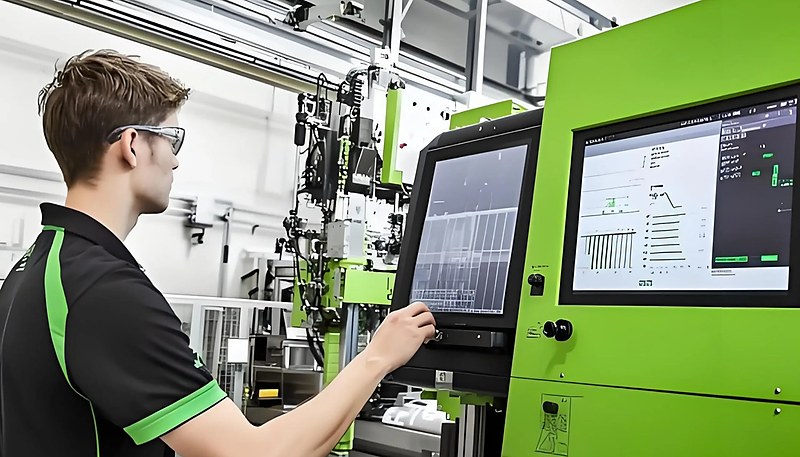
2. L’adoption des presses tout électriques s’accélère. Les séries e-mac et e-cap d’ENGEL, conçues et fabriquées à Schwertberg, remplacent les presses hydrauliques dans les ateliers autrichiens. Cette évolution est motivée par le coût de l’énergie — l’électricité industrielle autrichienne atteint 0,18 à 0,22 €/kWh — et par une consommation réduite de 50 à 70 % par cycle. Pour les pièces de précision aux tolérances serrées (±0,02 mm), l’absence de dérive thermique de l’huile hydraulique améliore aussi la qualité.
3. Les capacités de moulage médical et en salle blanche progressent. Ces trois dernières années, plusieurs moulistes autrichiens ont ajouté des cellules en salle blanche ISO classe 7 ou 8, portés par la relocalisation européenne des dispositifs médicaux. À Marchtrenk, Starlim exploite par exemple une salle blanche de 650 m² pour des composants médicaux en silicone et thermoplastique. Cette expansion offre aux acheteurs une solution européenne comparable en qualité au moulage médical asiatique, mais à un prix unitaire supérieur.
4. L’industrie 4.0 et le suivi des procédés sont désormais la norme. L’écosystème 4.0 de Wittmann, qui relie presses à injecter, robots, sécheurs et thermorégulateurs au sein d’un même réseau de données, a été développé en Autriche et largement adopté par les moulistes du pays. L’enregistrement en temps réel des données de cycle, la maîtrise statistique des procédés (SPC) et l’inspection qualité automatisée sont devenus indispensables aux fournisseurs autrichiens de taille moyenne.
Comment choisir un fournisseur de moulage par injection en Autriche ?
Le meilleur fournisseur autrichien est celui qui excelle en propriété des moules, diversité des matériaux, rigueur des contrôles et transparence des délais. Négligez l’un de ces critères et vous risquez ensuite des dépassements de coûts ou des défauts qualité non détectés.
Certifications et systèmes qualité. Exigez au minimum la norme ISO 90013. Pour l’automobile, l’IATF 16949 est incontournable ; pour le médical, il faut l’ISO 13485 et une certification de salle blanche. Écartez tout fournisseur revendiquant ces capacités sans présenter un certificat valide : la traçabilité des audits compte autant que le procédé lui-même. Vérifiez que sa documentation couvre le contrôle des matières entrantes, le SPC en cours de fabrication et les rapports dimensionnels finaux. Maîtrise de l’outillage. Demandez si les moules sont fabriqués en interne ou sous-traités. Une fabrication interne accélère les itérations — échantillons T1 en 4 à 6 semaines contre 8 à 12 — et améliore la maîtrise de la maintenance. Perzi, ARVAI-PLASTICS et Camo disposent notamment de leur propre atelier. En cas de sous-traitance, demandez le nom de l’outilleur et visitez-le si le programme est critique.
"Un fournisseur autrichien doté d’un atelier d’outillage intégré offrira toujours un coût total d’outillage inférieur à celui d’un fournisseur qui sous-traite la fabrication des moules."True
Pas toujours : l'outillage interne peut afficher un devis initial supérieur, car le fournisseur entretient un atelier de moulage dédié, mais le coût total de possession est souvent inférieur puisque les itérations et modifications de l'acier s'effectuent sans délais entre entreprises. Dans notre site de Shanghai, nous avons suivi le coût total d'outillage sur des dizaines de programmes : en tenant compte des cycles de modification, l'outillage interne économise 15-25%.
"Un fournisseur autrichien doté d’un atelier d’outillage intégré offrira toujours un coût total d’outillage inférieur à celui d’un fournisseur qui sous-traite la fabrication des moules."False
Pas toujours — un outillage réalisé en interne peut entraîner un devis initial plus élevé, car le fournisseur entretient un atelier de moulage dédié, mais le coût total de possession est souvent inférieur puisque les itérations et les modifications de l’acier s’effectuent sans délais entre entreprises.
Tonnage des machines et dimensions des pièces. Adaptez la plage de presses du fournisseur à la taille de votre pièce. L’Autriche couvre tout le spectre, des micromachines de 15 à 30 T chez Starlim aux presses de plus de 2 000 T chez Greiner Assistec. Si la presse la plus puissante d’un fournisseur couvre à peine le poids injecté, la régularité du remplissage sera difficile à maîtriser. Nous le constatons régulièrement dans notre usine de Shanghai : proche de la capacité maximale, la pression de maintien devient imprévisible et les variations entre cycles augmentent. Notre parc de 47 machines de 90 à 1 850 T offre la marge nécessaire pour affecter le bon tonnage à chaque projet sans compromis.
Communication et gestion de projet. La plupart des moulistes autrichiens travaillent en allemand et en anglais. Identifiez votre interlocuteur quotidien, la fréquence des comptes rendus et si les échanges techniques se feront directement avec les ingénieurs ou par l’intermédiaire du service commercial. Un fournisseur incapable de transmettre un retour DFM sous 48 heures pendant le chiffrage sera probablement peu réactif en production.
Conditions commerciales et logistique. Clarifiez les modalités de paiement, la propriété et le stockage des moules ainsi que les quantités minimales de commande (MOQ). Les fournisseurs autrichiens demandent généralement 30 à 50 % du coût d’outillage à la commande, le solde étant dû après validation T1. Les MOQ atteignent souvent 1 000 à 5 000 pièces, davantage qu’en Chine. Pour les importations depuis l’extérieur de l’UE, intégrez les droits de douane — en moyenne 6,5 % pour les articles en plastique du code SH 3926 — et le fret depuis Vienne ou Linz.
Quelles sont les principales entreprises de moulage par injection en Autriche ?
Voici dix entreprises autrichiennes dont les capacités de moulage par injection ont été vérifiées. La liste comprend des fabricants de machines qui proposent aussi des solutions de production, des mouleurs à façon desservant des secteurs précis et des outilleurs spécialisés. Chaque entrée indique le lieu, l’année de création, la tranche d’effectif, les principaux secteurs et les capacités clés.
1. Société ENGEL Austria GmbH
Lieu : Schwertberg, Haute-Autriche | Création : 1945 | Effectif : plus de 6,000 (monde) | Principaux secteurs : automobile, emballage, médical, électronique | Compétences clés : fabrication de presses à injecter, systèmes d’automatisation, conseil en procédés de production
ENGEL est le premier fabricant mondial de presses à injecter, dont le siège et la principale unité de production se trouvent à Schwertberg. L’entreprise conçoit et fabrique des machines hydrauliques, électriques et à genouillère de 25 T à 5,500 T. ENGEL exploite également des centres techniques spécialisés par application, où les acheteurs peuvent effectuer une production pilote avant de s’engager dans l’achat d’une machine. En matière d’approvisionnement, ENGEL n’est pas un mouleur à façon, mais ses centres techniques et ses équipes d’ingénierie des procédés peuvent vous mettre en relation avec des mouleurs autrichiens qualifiés utilisant des équipements ENGEL, ce qui constitue un raccourci pratique pour trouver un fournisseur.
2. Wittmann Battenfeld GmbH
Localisation : Kottingbrunn, Basse-Autriche | Fondation : 1878 (Wittmann Group), division Battenfeld 1982 | Employés : 300–399 (site de Kottingbrunn) | Industries principales : Automobile, emballage, médical, moulage technique | Capacités principales : Machines de moulage par injection, automatisation, robots, manutention des matériaux, contrôle de température
Wittmann Battenfeld produit une gamme complète de machines de moulage par injection — des séries compactes PowerScout aux presses hydrauliques de grande capacité. Le véritable différenciateur de l’entreprise est l’écosystème WITTMANN 4.0, qui interconnecte machines, robots, sécheurs et régulateurs de température sur une plateforme de données unifiée. Huit sites de production répartis dans cinq pays et 32 filiales dans le monde donnent à Wittmann une large couverture. Comme ENGEL, Wittmann est un constructeur de machines, mais ses ingénieurs applicatifs travaillent en étroite collaboration avec les ateliers de moulage autrichiens et peuvent faciliter les mises en relation.
3. Greiner Assistec (Greiner Packaging)
Localisation : Kremsmünster, Haute-Autriche | Fondation : 1960 (division emballage) | Employés : 5 000+ (Greiner Packaging total) | Industries principales : Emballage, automobile, biens de consommation, médical | Capacités principales : Moulage par injection, thermoformage, extrusion-soufflage, IML, moulage multi-composants
Greiner Assistec est l’unité commerciale de pièces techniques de Greiner Packaging, l’un des plus grands transformateurs d’emballages plastiques en Europe. L’usine de Kremsmünster exploite des machines de moulage par injection de 50 T à plus de 2 000 T, couvrant tout des emballages à paroi mince aux grands composants automobiles. L’échelle de Greiner leur permet de gérer des programmes à grand volume (millions d’unités) avec étiquetage dans le moule (IML) automatisé et des outillages multi-empreintes. Leur initiative de durabilité — intégrant du PET et du PP recyclés dans les emballages alimentaires — est parmi les plus avancées d’Europe.
4. Starlim Spritzguss GmbH (starlim sterner)
Localisation : Marchtrenk, Haute-Autriche | Fondation : 1993 | Employés : 300+ | Industries principales : Médical, électronique, automobile, horlogerie | Compétences principales : Micro-moulage par injection, moulage par injection de silicone, moulage en salle blanche, multi-composants
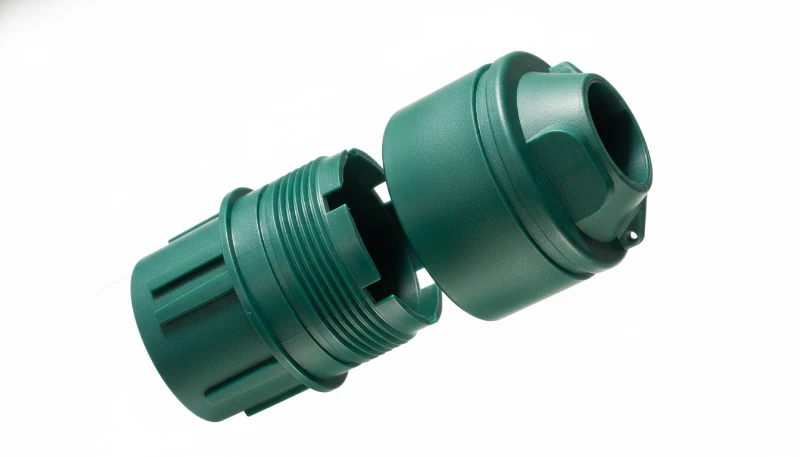
Starlim est le leader mondial du marché du moulage par injection de silicone et l’un des moulistes de précision les plus spécialisés d’Autriche. L’entreprise exploite une salle blanche ISO Classe 7 de 650 m² pour les composants médicaux et électroniques, avec des poids de pièce pouvant descendre à quelques milligrammes. Sa capacité en micro-moulage — produisant des roues dentées pour montres et des micro-boîtiers avec des tolérances de l’ordre du micromètre — est inhabituelle sur le marché européen. Pour les acheteurs nécessitant des pièces en silicone de qualité médicale ou des micro-pièces thermoplastiques, Starlim devrait figurer sur toute liste restreinte autrichienne.
5. ARVAI-PLASTICS GmbH
Localisation : Neumarkt am Wallersee, Salzbourg | Fondation : 1976 | Employés : 200–299 | Industries principales : Automobile, articles de sport, industriel | Compétences principales : Moulage par injection sur mesure, fabrication d’outils et de moules, finition de surface, assemblage
ARVAI-PLASTICS est un mouleur spécialisé familial avec une solide expérience automobile. L’établissement de Neumarkt utilise des presses d’injection de 25 T à 1 300 T, servant des OEM internationaux dans les secteurs automobile, sport et industriel. Son département interne d’outillage gère la conception des moules jusqu’à la maintenance, ce qui donne aux acheteurs un contrôle direct sur les modifications d’outils. Le style de gestion pratique de la famille Arvai permet des décisions techniques rapides — un avantage concret durant les phases de lancement.
6. Perzi Kunststoff GmbH (entreprise)
Localisation : Lustenau, Vorarlberg | Fondée : 1986 | Employés : 200–299 | Industries principales : Automobile, électronique, médical, consommation | Capacités principales : Injection, construction de moules, conseil en choix de matériaux, traitement de surface
Perzi est passé d’un atelier artisanal à un partenaire industriel de taille moyenne en cinq décennies. L’usine de Lustenau combine le moulage par injection avec la fabrication de moules interne, offrant aux acheteurs une solution unique de l’optimisation de conception à la production en série. La force de Perzi réside dans ses processus qualité certifiés — leur équipe met l’accent sur les conseils en sélection de matériaux, l’analyse d’écoulement des moules et l’optimisation étape par étape de la première esquisse au produit fini.
7. Robust Plastics GmbH
Localisation : Vienne (Hosnedlgasse) | Fondation : 1874 (groupe parent EWF Invest Group) | Employés : 200–299 | Industries principales : Automobile, pièces techniques, emballage industriel | Compétences principales : Moulage par injection sur mesure, développement de produits, conception d’outillage, livraison juste à temps
Robust Plastics est membre du groupe EWF Invest et se spécialise dans le moulage par injection sur mesure de haute qualité pour applications automobiles et industrielles. L’entreprise offre une chaîne de services complète — du développement produit et conception d’outillage à la livraison juste-à-temps. Leur concentration sur des produits moulés sur mesure sophistiqués (plutôt que des emballages de commodité) les positionne comme un mouleur technique pour les acheteurs nécessitant des résines de qualité ingénierie, des tolérances serrées et des processus qualité documentés.
8. Camo GmbH (entreprise)
Localisation : Schwanenstadt, Haute-Autriche | Fondation : 1988 | Employés : 100–199 | Industries principales : Automobile, électronique, ménage/construction, médical | Capacités principales : Fournisseur système — développement, fabrication de moules, moulage par injection, assemblage, moulage par insertion
Camo opère comme un fournisseur système complet, gérant toute la chaîne de valeur du développement produit à la fabrication de moules, en passant par le moulage par injection et l’assemblage. Leurs capacités en moulage par insertion et multi-composants sont particulièrement pertinentes pour les acheteurs nécessitant des connecteurs surmoulés, des inserts filetés ou des assemblages hybrides métal-plastique. L’usine de Schwanenstadt dessert les secteurs automobile, électronique et médical avec une approche consultative couvrant la planification, la construction et l’optimisation en amont.
9. Haidlmair GmbH
Localisation : Nußbach, Haute-Autriche | Fondation : 1979 | Employés : 300+ | Industries principales : Emballage, logistique, automobile, consommation | Compétences principales : Conception et fabrication de moules d’injection, moules pour grandes pièces, moules pour caisses de boissons, moules pour palettes
Haidlmair est le plus éminent spécialiste autrichien de fabrication de moules. Bien qu’ils ne mouillent pas directement des pièces, leurs moules d’injection sont utilisés par les grandes entreprises européennes d’emballage et de logistique produisant des caisses de boissons, des palettes et de grandes pièces techniques. Pour les acheteurs nécessitant des moules à haute cavitation ou des moules pour grandes pièces (poids d’injection supérieur à 5 kg), l’équipe d’ingénierie de Haidlmair peut concevoir, construire et entretenir les outillages de production. Ils ont récemment ouvert une filiale aux États-Unis, indiquant une demande mondiale pour leur expertise en fabrication de moules.
10. BOIDA Kunststofftechnik GmbH
Localisation : Autriche (plusieurs sites) | Fondation : 1988 | Employés : 100–199 | Industries principales : Automobile, électronique, médical, biens de consommation | Compétences principales : Moulage par injection multi-composants, moulage par insertion, production en salle blanche, contrôle statistique des processus (SPC)
BOIDA utilise des machines d’injection entièrement électriques ainsi que des systèmes à plateau tournant et multicomposants, visant les acheteurs nécessitant des pièces multimatériaux de précision. Ses procédures de contrôle statistique des processus (SPC) sont intégrées à la fabrication — les vérifications dimensionnelles et fonctionnelles sont documentées à chaque étape de production. Ce niveau de documentation est essentiel pour les acheteurs automobile et médical qui exigent une traçabilité complète. L’accent de BOIDA sur les machines électriques correspond aussi à la transition générale de l’Autriche vers une production écoénergétique.
Si vous avez besoin de plus d’options au-delà de ces dix, envisagez d’élargir votre recherche au sud de l’Allemagne (Bavière) ou au nord de l’Italie — les deux régions disposent de grappes denses de mouleurs de précision à quelques heures de route de la frontière autrichienne. Vous pouvez également comparer les devis autrichiens avec un fabricant basé en Chine comme ZetarMold pour comprendre tout le spectre coût-qualité avant de vous engager.
Comment le coût du moulage par injection en Autriche se compare-t-il à celui de la Chine ?
Les différences de coût entre l’Autriche et la Chine pour le moulage par injection sont significatives, mais il faut aller au-delà du prix unitaire pour avoir une vue complète. Voici une comparaison pratique basée sur les tarifs actuels du marché pour une pièce automobile de complexité moyenne (100 mm × 80 mm × 40 mm, PA6-GF30, surface de classe A, tolérance ±0,05 mm).
| Facteur de coût | Autriche (EUR) | Chine / ZetarMold (USD) |
|---|---|---|
| Outillage de moule (monocavité, acier dur) | €25,000–45,000 | $8,000–15,000 |
| Prix unitaire (volume annuel 10K) | €1.80–3.50 | $0.60–1.20 |
| Délai d'obtention d'échantillon T1 | 4–6 semaines | 3–5 semaines |
| Délai de production (par lot) | 2–3 semaines | 3–4 semaines (ajouter 1–2 semaines de fret) |
| MOQ | 1 000 à 5 000 pièces | 500 à 2 000 pièces |
| Maintenance des moules (incluse ?) | Habituellement supplémentaire | Souvent inclus dans l'outillage |
| Droits de douane (SH 3926, vers l'UE) | N/A (domestique) | ~6.5% |
| Fret vers l'Europe centrale | Inclus ou minimal | $0.08–0.15/pièce (mer) |
Le cadre du guide d’approvisionnement est utile ici : lorsque vous ajoutez les droits d’importation, le fret, l’assurance et le coût en temps du transport maritime (typiquement 4 à 6 semaines porte-à-porte), le coût réel débarqué des pièces moulées en Chine réduit l’écart avec l’Autriche. Pour des volumes inférieurs à 10 000 unités par an, l’Autriche peut en fait être moins chère sur une base de coût débarqué car vous éliminez complètement le fret et les droits. Pour des volumes supérieurs à 100 000 unités, l’avantage de prix unitaire de la Chine domine généralement.
Coûts cachés à surveiller : Les moulistes autrichiens facturent souvent séparément le stockage des moules, la maintenance et les tours d’échantillonnage au-delà de T3. Les fournisseurs chinois peuvent inclure ces éléments dans le prix de l’outillage. Le risque de change compte aussi — si vous payez en EUR pour des pièces autrichiennes et que vos revenus sont en USD, des fluctuations de taux de change de 5 à 10 % peuvent annuler l’avantage du délai. D’après notre expérience de plus de 100 programmes de moules à double source pour des OEM européens, nous recommandons de demander dès le départ un tableau du coût total de possession incluant l’amortissement de l’outillage, le prix à la pièce sur trois paliers de volume, les frais d’échantillonnage, les coûts de stockage des moules et le fret — car le prix unitaire le plus bas ne l’emporte rarement une fois que l’on considère l’ensemble du tableau commercial.
"À Marchtrenk, Starlim exploite la plus grande salle blanche autrichienne de moulage par injection de silicone pour les composants médicaux et électroniques."True
La salle blanche ISO Classe 7 de 650 m2 de Starlim transforme du silicone de grade médical et des thermoplastiques avec des tolérances micrométriques, ce qui en fait l'un des rares sites autrichiens capables de réaliser le micromoulage du silicone et des thermoplastiques en environnement contrôlé.
"Tous les mouleurs autrichiens peuvent gérer les projets multicomposants et de surmoulage."False
Seul un sous ensemble des moulistes autrichiens a investi dans des machines multi-composants (rotatives ou à plateau indexé). Camo, BOIDA, Greiner Assistec et Starlim offrent une capacité multi-composants vérifiée. De nombreux petits moulistes se concentrent sur la production mono-matériau et devraient externaliser l'étape de surmoulage à un partenaire.
Quand l’Autriche est-elle le bon choix d’approvisionnement pour le moulage par injection ?
L’Autriche est le bon choix pour un outillage de haute précision, certifié UE, avec des tolérances serrées et une logistique courte en Europe. Pour les pièces à grand volume et sensibles au coût, la Chine l’emporte souvent sur le prix unitaire.
Choisissez l’Autriche lorsque : votre marché final est la région DACH — Allemagne, Autriche et Suisse — et exige des délais courts, inférieurs à deux semaines ; vos pièces nécessitent un moulage médical en salle blanche conforme à l’ISO 13485 ; votre programme porte sur moins de 10 000 unités par an et l’amortissement favorise un fournisseur local ; vous avez besoin d’échanges techniques en allemand sans décalage horaire ; vos exigences REACH, RoHS ou de contact alimentaire européen favorisent un fournisseur déjà intégré au cadre réglementaire de l’UE.
Choisissez la Chine lorsque : vos volumes annuels dépassent 50 000 unités et une baisse du prix unitaire de 40 à 60 % justifie la logistique supplémentaire ; la géométrie est complexe et nécessite un moule multi-empreintes à forte cavitation, dont la fabrication coûte 50 à 70 % moins cher ; le programme consomme beaucoup de résines techniques et doit accéder à une chaîne d’approvisionnement plus large ; vous développez une nouvelle plateforme nécessitant de nombreuses itérations, les outilleurs chinois proposant souvent des modifications plus rapides et moins coûteuses.
Pour de nombreux acheteurs, la solution pratique n’est pas de choisir l’un ou l’autre, mais les deux. Adoptez une stratégie à double source : l’Autriche pour le lancement initial et l’approvisionnement européen, la Chine pour la montée en volume. Avec les équipementiers européens, l’approche la plus efficace consiste à démarrer avec un moule relais à faible volume en Autriche — moulage par injection de 500 à 5 000 unités — pendant que nous fabriquons un moule de production à Shanghai. Nous avons livré plus de 100 programmes de ce type, dans lesquels les économies unitaires réalisées en Chine ont financé tout l’outillage dès la première série.
Quelles questions les acheteurs devraient-ils poser avant de choisir un fournisseur autrichien de moulage par injection ?
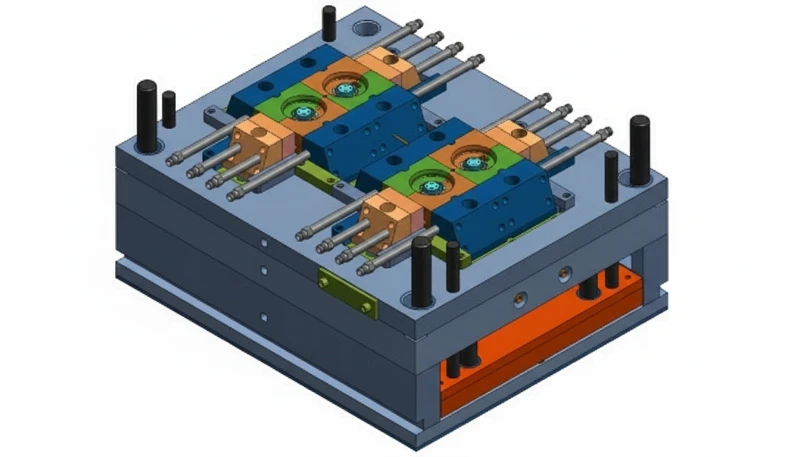
Questions fréquemment posées
Que dois-je vérifier avant de demander un devis à un fournisseur autrichien de moulage par injection ?
Commencez par les bases commerciales et techniques : dessins de pièces, volume annuel, qualité de matériau, tolérances critiques, exigences esthétiques et votre calendrier de lancement prévu. Vérifiez ensuite si le fournisseur possède un outillage interne, comment l’approbation des échantillons est gérée, quels enregistrements d’inspection peuvent être partagés, et si les demandes de modification sont documentées formellement. Pour une liste restreinte autrichienne, confirmez également la communication à l’export, les attentes en matière d’emballage et le support post-lancement afin de comparer la capacité d’exécution réelle plutôt que seulement les listes de machines ou les prix affichés. Une demande de prix solide devrait obliger chaque finaliste à répondre aux mêmes questions opérationnelles dans le même format.
Un fournisseur autrichien peut-il gérer à la fois la fabrication de moules et le moulage de production ?
Certains fournisseurs peuvent gérer les deux activités sur un même site, tandis que d’autres se concentrent sur le moulage et sous-traitent la fabrication de l’outillage. Cette différence est importante, car la propriété du moule, les changements d’acier, la maîtrise des délais et la responsabilité de la maintenance deviennent plus difficiles à gérer lorsque l’outillage et le moulage sont séparés. Lorsque vous comparez les fournisseurs, demandez qui conçoit le moule, qui approuve la spécification de l’acier, où se déroule l’échantillonnage T1 et qui paie les séries de modifications après l’examen du premier article. Les réponses indiquent si le fournisseur peut réellement prendre en charge le programme depuis la RFQ jusqu’à une production en série stable. Elles montrent également si le délai annoncé est crédible sur le plan opérationnel.
Quand dois-je comparer des fournisseurs offshore comme Zetar avec une source locale de moulage par injection en Autriche ?
Cette solution est généralement pertinente lorsque le projet exige une capacité d’outillage supérieure, un coût rendu inférieur pour l’outillage ou un éventail de procédés secondaires plus large que ne peut l’offrir une présélection locale. La comparaison ne doit pas se limiter à l’opposition entre local et étranger. Comparez plutôt la profondeur de conception des moules, la communication du projet, la rigueur de validation, l’emballage, la cadence d’expédition et la rapidité de la réponse technique après T1. Si une équipe étrangère peut documenter clairement ces contrôles tout en proposant une meilleure offre commerciale, elle mérite de figurer aux côtés des fournisseurs locaux dans la décision finale d’approvisionnement.
Quels documents qualité les acheteurs doivent-ils demander avant d’attribuer la production par moulage par injection ?
Un fournisseur sérieux doit pouvoir fournir un flux de processus, un plan de contrôle, des contrôles des matières entrantes, des relevés d’inspection dimensionnelle, des preuves d’approbation des échantillons et les certifications pertinentes pour votre secteur. Pour les programmes réglementés ou de haute précision, demandez un plan d’échantillonnage clair, une stratégie de mesure et une procédure d’escalade pour les pièces non conformes. Si l’outillage est inclus, renseignez-vous sur la propriété du plan du moule, les exigences de maintenance et la méthode de gestion des révisions utilisée lorsque des modifications de l’acier sont approuvées. Ces documents montrent si le fournisseur est capable d’exploiter un système de production répétable plutôt que de traiter la commande comme une opération ponctuelle.
Combien de fournisseurs de moulage par injection dois-je comparer avant de faire un choix définitif ?
Trois à cinq fournisseurs qualifiés constituent généralement la plage la plus efficace. Avec moins de trois, il est difficile de comparer les hypothèses techniques ; un nombre excessif de fournisseurs crée du bruit et ralentit les retours. Utilisez la première phase de sélection pour réduire la liste en fonction des capacités, de la qualité de la communication et des preuves de maîtrise des procédés. Demandez ensuite aux finalistes des devis comparables à partir du même dossier RFQ, des mêmes hypothèses matière et des mêmes exigences de qualité. Cette structure fournit une comparaison commerciale claire sans contraindre votre équipe d’ingénierie à évaluer un ensemble dispersé de propositions incohérentes.
Pourquoi ZetarMold est-il le bon partenaire pour les acheteurs autrichiens ?
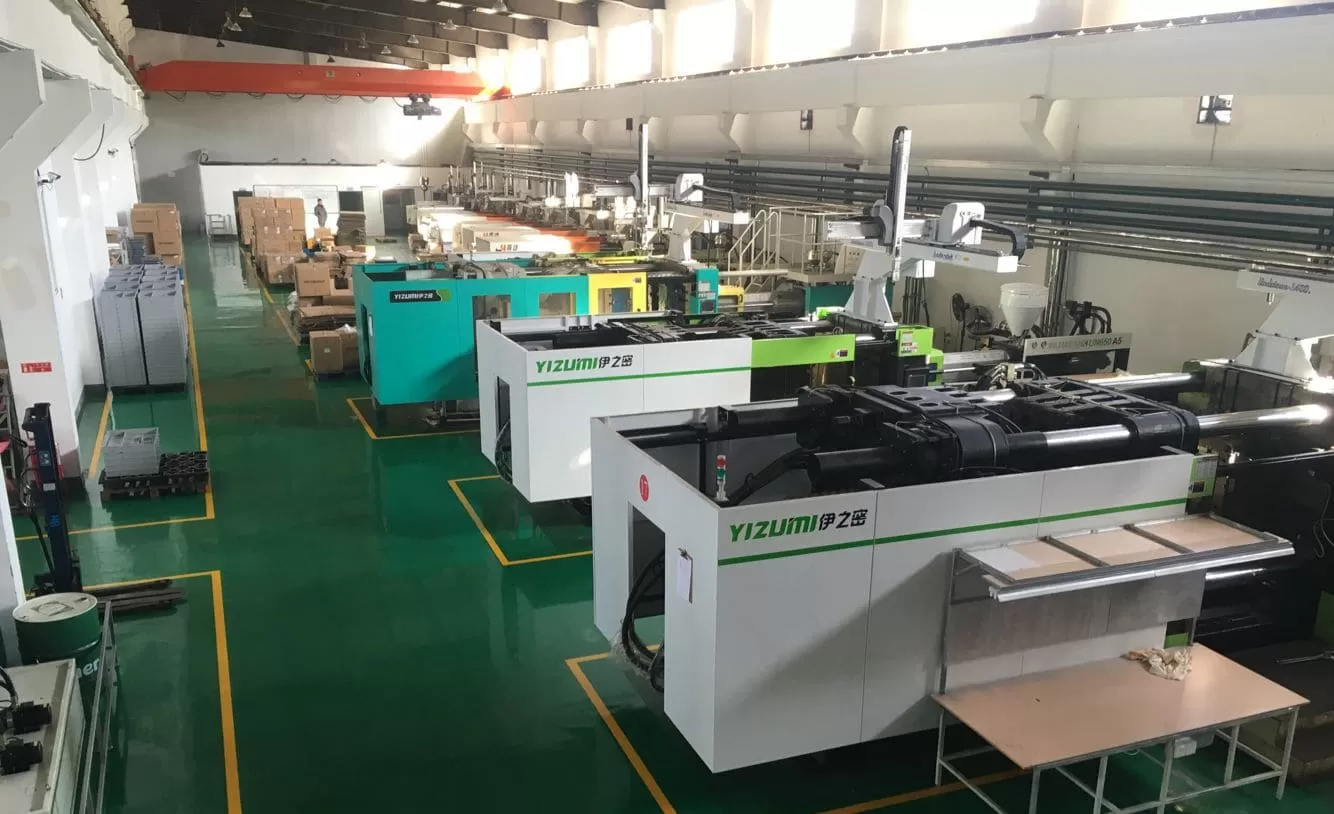
Si vous comparez l’Autriche et la Chine pour le moulage par injection, ZetarMold offre un point de comparaison direct. Notre usine de Shanghai exploite 47 presses à injection de 90 T à 1 850 T sous les systèmes ISO 9001, ISO 13485, ISO 14001 et ISO 45001. Nous avons plus de 20 ans d’expérience en outillage, plus de 400 matériaux validés et plus de 30 chefs de projet anglophones qui gèrent la documentation, l’échantillonnage et la coordination des expéditions — les mêmes disciplines que les acheteurs autrichiens attendent déjà d’un fournisseur qualifié. Avec une fabrication de moules interne soutenant plus de 100 jeux de moules par mois et 8 ingénieurs seniors qui font passer les conceptions sur UG, SOLIDWORKS et MOLDFLOW, nous pouvons livrer des outillages prêts pour la production dans des délais concurrentiels avec les ateliers européens tout en maintenant des coûts unitaires nettement inférieurs.
Dans notre usine de Shanghai, nous exploitons 47 machines de moulage par injection de 90T à 1850T sous les systèmes ISO 9001, ISO 13485, ISO 14001 et ISO 45001, afin que les demandes de prix liées à l'Autriche puissent être comparées à une base de production documentée.
Notre équipe d’ingénierie retourne un retour DFM dans les 24 heures pour les demandes de prix actives, examinant la disposition des entrées, les obturateurs et les risques de tolérance avant la coupe de l’acier. Avec plus de 20 ans d’expérience en outillage et plus de 400 matériaux plastiques dans notre historique de traitement, nous pouvons coter la même géométrie de pièce dans la même résine afin que votre comparaison de coûts soit équitable.
Pour les entreprises autrichiennes s’approvisionnant en Chine, les avantages pratiques sont clairs : l’outillage coûte 50 à 70 % de moins, les prix unitaires sont typiquement 40 à 60 % inférieurs en volume, et notre équipe d’ingénierie anglophone (plus de 30 personnes parlant couramment l’anglais) élimine l’écart de communication. Que vous ayez besoin d’un moule prototype à une empreinte ou d’un outillage de production à 32 empreintes avec démoulage automatique, nous pouvons fournir un devis détaillé sous 48 heures.
Demandez un devis gratuit → Envoyez vos fichiers 3D, la spécification du matériau et votre volume annuel estimé à l’équipe d’ingénierie de ZetarMold. Vous recevrez une ventilation détaillée des coûts — outillage, prix unitaire et délai — afin de prendre une décision d’approvisionnement fondée sur les données. Consultez notre guide de sélection des fournisseurs pour disposer d’un cadre complet.
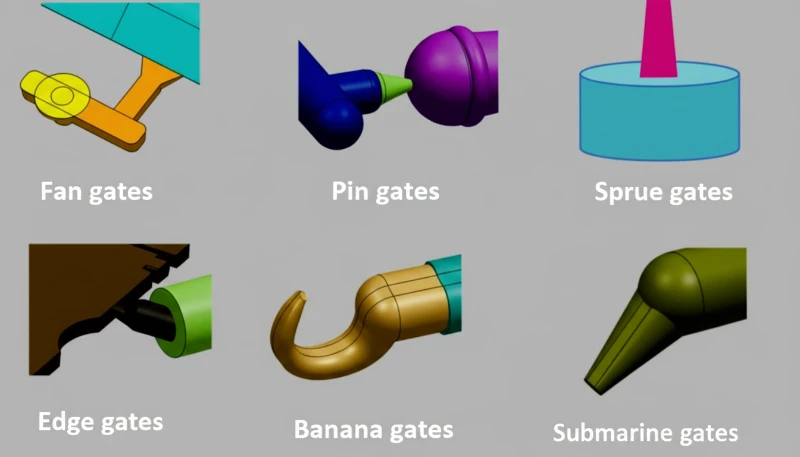
fabrication sous contrat : La fabrication sous contrat est un accord de production dans lequel un fournisseur fabrique des pièces ou des assemblages selon les plans, les exigences qualité et les conditions commerciales d’un client. ↩
thermoplastiques : Les thermoplastiques sont des polymères qui ramollissent lorsqu’ils sont chauffés et se solidifient de nouveau en refroidissant, ce qui les rend adaptés aux cycles répétables du moulage par injection. ↩
ISO 9001 : ISO 9001 est une norme internationale de management de la qualité qui définit la manière dont une organisation documente, maîtrise et améliore des procédés de production reproductibles. ↩