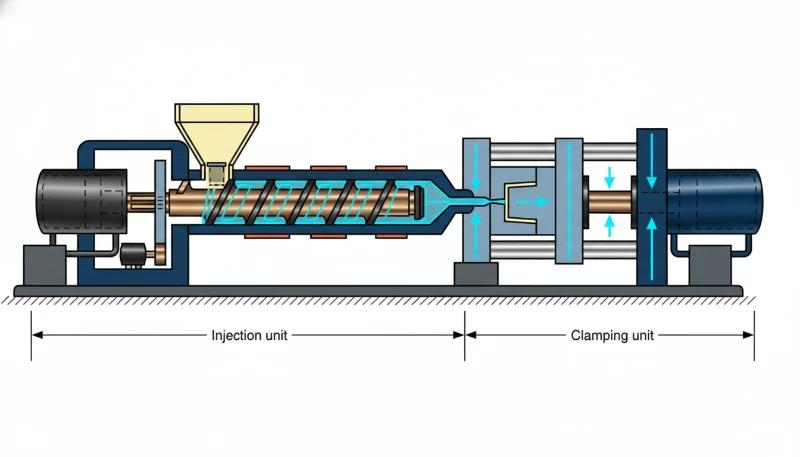
- I fornitori austriaci di questo elenco coprono programmi per il settore sanitario, i termoplastici e lo stampaggio industriale di precisione.
- La selezione preliminare deve confrontare la titolarità della progettazione dello stampo, il rigore della convalida e la rapidità di comunicazione prima dell'assegnazione della RFQ.
- La sola capacità di realizzare attrezzature non basta; gli acquirenti necessitano anche di un controllo qualità documentato e di una gestione delle modifiche successive alla T1.
- Un fornitore offshore come Zetar può essere confrontato con quelli locali quando contano capacità, costo o processi secondari.
- Utilizzare una lista di controllo per la selezione del fornitore prima dell'offerta definitiva, così da ridurre i rischi di avvio e le sorprese commerciali.
L’Austria può essere un mercato utile quando l’acquirente cerca supporto regionale, comunicazione stabile e fornitori esperti nella documentazione di esportazione per lo stampaggio a iniezione. Che serva produzione conto terzi1 dedicata o un modello ibrido, conta la capacità di controllare decisioni sugli stampi, campionatura, prove di qualità e modifiche tecniche dopo il lancio, non la semplice ubicazione.
Per i pezzi in termoplastici2 stampati a iniezione, la selezione deve confrontare responsabilità della progettazione dello stampo a iniezione, esperienza sui materiali, rigore dei controlli, processi secondari e rapidità di risposta. Un fornitore locale è adatto al supporto regionale urgente; uno offshore può servire quando capacità, costi o volumi diventano il limite.
Cerchi aziende di stampaggio a iniezione in Austria? Abbiamo raccolto fornitori consolidati e aggiunto una guida all’approvvigionamento per confrontare progettazione degli stampi, certificazioni di qualità e flessibilità produttiva.
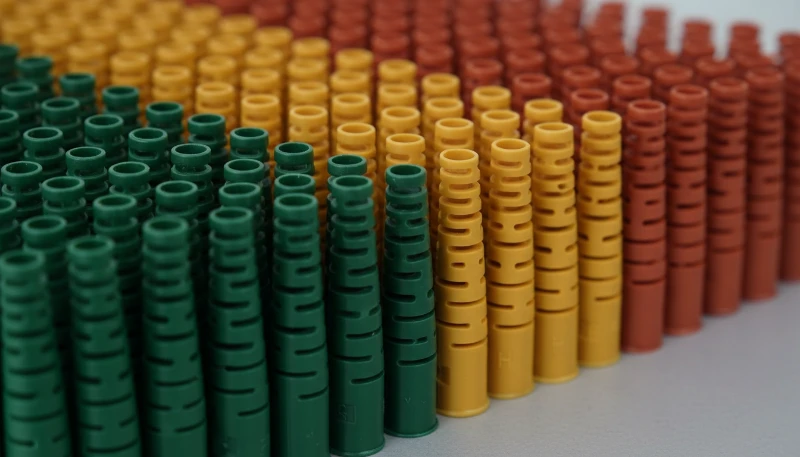
"L'Austria ospita ENGEL, il maggiore produttore mondiale di presse a iniezione per fatturato."True
ENGEL Austria GmbH, con sede a Schwertberg, produce oltre 2.500 macchine l'anno e detiene la maggiore quota mondiale nel mercato delle presse a iniezione, rendendo l'Austria un nodo critico della catena di fornitura globale delle attrezzature di stampaggio.
"Lo stampaggio a iniezione austriaco è sempre più costoso di quello cinese in termini di costo complessivo a destino."False
Per programmi a basso volume, inferiori a 10.000 unità annue, destinati alla regione DACH, l'Austria può essere più economica in termini di costo a destino perché elimina trasporto marittimo (4-6 settimane), dazi d'importazione (~6,5%) e costo del capitale circolante delle scorte in transito. Il punto di incrocio dipende da complessità, materiale e volume.
Com’è strutturato il mercato austriaco dello stampaggio a iniezione?
Il mercato austriaco dello stampaggio a iniezione è un settore da EUR 8 miliardi, con oltre 250 aziende concentrate in Alta Austria, Stiria e nel corridoio di Vienna. OEM globali di macchinari come ENGEL e Wittmann Battenfeld sostengono la catena di fornitura, mentre stampatori conto terzi di medie dimensioni e officine di stampi di precisione completano la capacità produttiva.
La distribuzione settoriale degli stampatori austriaci è indicativamente: automotive 35-40% della produzione, imballaggi 20-25%, medicale e scienze della vita 10-15%, elettronica 10%, resto suddiviso tra edilizia, beni di consumo e applicazioni industriali. La posizione dell’Austria nell’UE offre accesso senza attriti ai clienti DACH; la vicinanza agli OEM automobilistici tedeschi (stabilimenti BMW, Volkswagen e Mercedes-Benz oltre confine) mantiene elevata la domanda di stampi di precisione e stampaggio con tolleranze strette.
Quali tendenze stanno plasmando il settore dello stampaggio a iniezione in Austria?
Osservando la direzione intrapresa dal settore austriaco dello stampaggio a iniezione emergono quattro tendenze, ciascuna con effetti diversi sulle decisioni di approvvigionamento.
1. Le norme sull’economia circolare impongono l’innovazione dei materiali. Il regolamento UE sugli imballaggi (PPWR), in vigore dal 2025, fissa quote minime di riciclato. Gli stampatori austriaci, soprattutto alimentari in Alta Austria, investono in impianti per resine PCR senza perdere stabilità dimensionale. Per gli acquirenti, qualificare questa capacità sta diventando essenziale.
2. Cresce l’adozione di macchine completamente elettriche. Le serie e-mac ed e-cap di ENGEL, sviluppate a Schwertberg, sostituiscono le presse idrauliche. Con energia industriale a €0,18–0,22/kWh, consumano il 50–70% in meno per ciclo. Nei pezzi di precisione (±0,02 mm), l’assenza di deriva termica dell’olio migliora anche la qualità.
3. Aumenta la capacità medicale e in camera bianca. Negli ultimi tre anni diversi stampatori austriaci hanno aggiunto celle ISO Classe 7 o 8, spinte dal rientro in UE dei dispositivi medici. Starlim a Marchtrenk gestisce, per esempio, 650 m² per componenti medicali in silicone e termoplastico. È un’alternativa europea di qualità comparabile, ma più costosa.
4. Industria 4.0 e monitoraggio sono standard. L’ecosistema 4.0 di Wittmann collega presse, robot, essiccatori e termoregolatori in un’unica rete ed è diffuso tra gli stampatori austriaci. Registrazione dei cicli in tempo reale, controllo statistico (SPC) e ispezione automatica sono requisiti basilari per i fornitori medi.
Come scegliere un fornitore di stampaggio a iniezione in Austria?
Il miglior fornitore austriaco è quello che eccelle nella proprietà degli stampi, nell’ampiezza dei materiali, nel rigore delle ispezioni e nella trasparenza dei tempi di consegna. Trascurare uno di questi aspetti espone al rischio di sforamenti dei costi o difetti non rilevati in seguito.
Certificazioni e sistemi qualità. Come minimo, richiedete ISO 90013; per l’automotive IATF 16949 è imprescindibile, per il medicale ISO 13485 e camera bianca. Se il certificato attuale manca, scartate il fornitore. Verificate controlli in ingresso, SPC di processo e rapporti dimensionali. Competenza sugli stampi. Chiedete se sono costruiti internamente: ciò accelera le iterazioni (campioni T1 in 4–6 settimane contro 8–12) e migliora la manutenzione. Perzi, ARVAI-PLASTICS e Camo hanno attrezzerie interne; se esternalizzano, chiedete il nome dell’attrezzeria e visitatela per programmi critici.
"Un fornitore austriaco con costruzione interna degli stampi offrirà sempre un costo totale dello stampo inferiore rispetto a un fornitore che ne esternalizza la costruzione."True
Non sempre: l'attrezzaggio interno può comportare un preventivo iniziale più elevato perché il fornitore mantiene un reparto stampi dedicato, ma il costo totale di proprietà è spesso inferiore poiché i cicli di iterazione e le modifiche all'acciaio avvengono senza ritardi tra aziende. Nel nostro stabilimento di Shanghai abbiamo monitorato il costo totale dell'attrezzatura su decine di programmi: considerando i cicli di modifica, l'attrezzaggio interno consente un risparmio del 15-25%.
"Un fornitore austriaco con costruzione interna degli stampi offrirà sempre un costo totale dello stampo inferiore rispetto a un fornitore che ne esternalizza la costruzione."False
Non sempre: le attrezzature costruite internamente possono avere un preventivo iniziale più elevato perché il fornitore mantiene un'officina stampi dedicata, ma il costo totale di proprietà è spesso inferiore, poiché le iterazioni e le modifiche all'acciaio avvengono senza ritardi tra aziende diverse.
Tonnellaggio e ingombro del pezzo. Abbinate la gamma di presse alle dimensioni: in Austria va dalle micromacchine Starlim da 15–30 T alle presse Greiner Assistec da oltre 2.000 T. Una pressa al limite del peso d’iniezione avrà riempimento instabile. Nella nostra fabbrica di Shanghai, 47 macchine da 90 a 1.850 T permettono di assegnare ogni lavoro al tonnellaggio corretto senza compromessi.
Comunicazione e gestione del progetto. La maggior parte degli stampatori austriaci lavora in tedesco e inglese. Confermate referente quotidiano, frequenza degli aggiornamenti e contatto diretto con i tecnici. Chi non fornisce feedback DFM entro 48 ore in preventivazione difficilmente sarà reattivo in produzione.
Condizioni commerciali e logistica. Chiarite pagamenti, proprietà e deposito degli stampi e quantitativi minimi (MOQ). I fornitori austriaci chiedono in genere il 30–50% anticipato e il saldo all’approvazione T1; i MOQ sono spesso 1.000–5.000 pezzi. Per importazioni extra-UE considerate dazi (media 6,5% per articoli HS 3926) e trasporto da Vienna o Linz.
Quali sono le principali aziende di stampaggio a iniezione in Austria?
Di seguito sono elencate dieci aziende austriache con capacità verificate di stampaggio a iniezione. L’elenco comprende produttori di macchine che offrono anche soluzioni produttive, stampatori conto terzi per settori specifici e costruttori specializzati di utensili. Per ogni azienda sono indicati ubicazione, anno di fondazione, fascia del numero di dipendenti, settori principali e competenze chiave.
1. ENGEL Austria GmbH
Sede: Schwertberg, Alta Austria | Fondata: 1945 | Dipendenti: 6,000+ (a livello globale) | Settori principali: Automotive, imballaggio, medicale, elettronica | Competenze principali: Produzione di presse a iniezione, sistemi di automazione, consulenza sui processi produttivi
ENGEL è il più grande produttore mondiale di presse a iniezione, con sede e stabilimento produttivo principale a Schwertberg. L’azienda progetta e costruisce presse idrauliche, elettriche e a ginocchiera da 25 T a 5,500 T. ENGEL gestisce inoltre centri tecnici dedicati alle specifiche applicazioni, nei quali gli acquirenti possono effettuare produzioni pilota prima di impegnarsi nell’acquisto di una pressa. Ai fini dell’approvvigionamento, ENGEL non è uno stampatore conto terzi, ma i suoi centri tecnici e i team di ingegneria di processo possono mettervi in contatto con stampatori austriaci qualificati che utilizzano attrezzature ENGEL, offrendo una pratica scorciatoia per la ricerca di fornitori.
2. Wittmann Battenfeld GmbH
Località: Kottingbrunn, Bassa Austria | Fondazione: 1878 (Wittmann Group), divisione Battenfeld 1982 | Dipendenti: 300–399 (sede di Kottingbrunn) | Settori principali: automobilistico, imballaggio, medicale, stampaggio tecnico | Competenze principali: presse a iniezione, automazione, robot, movimentazione dei materiali, controllo della temperatura
Wittmann Battenfeld produce una gamma completa di presse a iniezione, dalla compatta serie PowerScout alle grandi presse idrauliche. Il vero elemento distintivo è l’ecosistema WITTMANN 4.0, che collega macchine, robot, essiccatori e termoregolatori in un’unica piattaforma dati. Otto siti produttivi in cinque paesi e 32 filiali garantiscono un’ampia presenza globale. Come ENGEL, Wittmann costruisce macchine, ma i suoi tecnici applicativi collaborano con gli stampatori austriaci e possono facilitare i contatti.
3. Greiner Assistec (Greiner Packaging)
Località: Kremsmünster, Alta Austria | Fondazione: 1960 (divisione imballaggi) | Dipendenti: oltre 5,000 (totale Greiner Packaging) | Settori principali: imballaggi, automobilistico, beni di consumo, medicale | Competenze principali: stampaggio a iniezione, termoformatura, estrusione-soffiaggio, IML, stampaggio multicomponente
Greiner Assistec è la business unit dedicata ai componenti tecnici di Greiner Packaging, azienda che figura tra i maggiori trasformatori europei di imballaggi in plastica. Lo stabilimento di Kremsmünster utilizza presse a iniezione da 50 T a 2,000+ T, coprendo applicazioni che vanno dagli imballaggi a parete sottile ai grandi componenti automobilistici. Le dimensioni di Greiner consentono di gestire programmi ad alto volume (milioni di unità) con etichettatura nello stampo automatizzata (IML) e stampi multicavità. La sua iniziativa per la sostenibilità, che integra PET e PP riciclati negli imballaggi per il contatto alimentare, è tra le più avanzate in Europa.
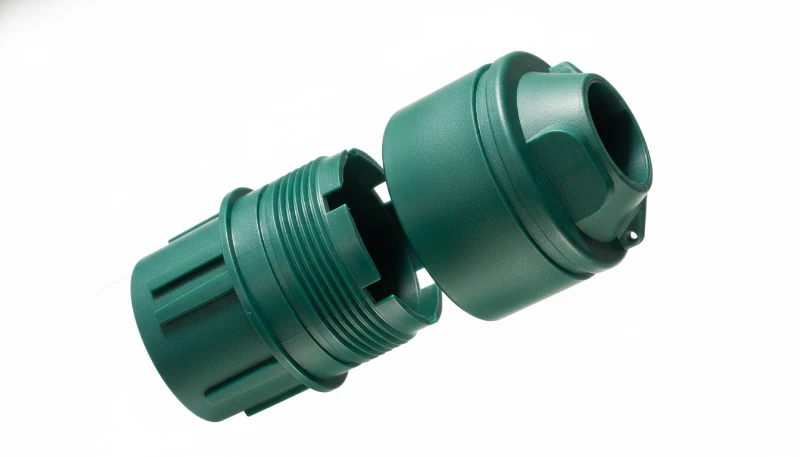
4. Starlim Spritzguss GmbH (starlim sterner)
Località: Marchtrenk, Alta Austria | Fondata nel: 1993 | Dipendenti: oltre 300 | Settori principali: medicale, elettronica, automobilistico, orologeria | Competenze principali: microstampaggio a iniezione, stampaggio a iniezione del silicone, stampaggio in camera bianca, multicomponente
Starlim è leader mondiale dello stampaggio a iniezione di silicone e una delle aziende austriache più specializzate nello stampaggio di precisione. L’azienda gestisce una camera bianca di 650 m² ISO Class 7 per componenti medicali ed elettronici, con pezzi dal peso di pochi milligrammi. La sua capacità di microstampaggio — che comprende la produzione di ruote dentate per orologi e microalloggiamenti con tolleranze dell’ordine dei micrometri — è rara nel mercato europeo. Per gli acquirenti che necessitano di componenti in silicone di grado medicale o di parti microstampate in materiale termoplastico, Starlim dovrebbe figurare in qualsiasi shortlist di fornitori austriaci.
5. ARVAI-PLASTICS GmbH
Sede: Neumarkt am Wallersee, Salisburgo | Fondata: 1976 | Dipendenti: 200–299 | Settori principali: automobilistico, articoli sportivi, industriale | Competenze principali: stampaggio a iniezione personalizzato, costruzione di utensili e stampi, finitura superficiale, assemblaggio
ARVAI-PLASTICS è un’azienda familiare di stampaggio su misura con una solida esperienza automobilistica. Lo stabilimento di Neumarkt utilizza presse a iniezione da 25 T a 1,300 T e serve OEM internazionali nei settori automobilistico, sportivo e industriale. Il reparto attrezzeria interno gestisce lo stampo dalla progettazione alla manutenzione, offrendo agli acquirenti un controllo diretto sulle modifiche. La gestione operativa della famiglia Arvai accelera le decisioni tecniche, un vantaggio concreto nelle fasi di lancio.
6. Perzi Kunststoff GmbH
Sede: Lustenau, Vorarlberg | Fondata: 1986 | Dipendenti: 200–299 | Settori principali: Automotive, elettronica, medicale, beni di consumo | Competenze principali: Stampaggio a iniezione, costruzione stampi, consulenza nella selezione dei materiali, trattamento superficiale
Nell’arco di cinque decenni, Perzi è passata da laboratorio artigianale a partner industriale di medie dimensioni. Lo stabilimento di Lustenau integra lo stampaggio a iniezione con la costruzione interna degli stampi, offrendo agli acquirenti un unico fornitore dall’ottimizzazione del progetto alla produzione in serie. Il punto di forza di Perzi risiede nei processi di qualità certificati — il suo team pone l’accento sulla consulenza nella scelta dei materiali, sull’analisi del flusso nello stampo e sull’ottimizzazione graduale dal primo schizzo al prodotto finito.
7. Robust Plastics GmbH
Sede: Vienna (Hosnedlgasse) | Fondata: 1874 (società madre EWF Invest Group) | Dipendenti: 200–299 | Settori principali: automobilistico, componenti tecnici, imballaggi industriali | Competenze principali: stampaggio a iniezione personalizzato, sviluppo prodotto, progettazione stampi, consegna JIT
Robust Plastics fa parte di EWF Invest Group ed è specializzata nello stampaggio a iniezione personalizzato di alta qualità per applicazioni automobilistiche e industriali. Offre una catena completa, dallo sviluppo prodotto e progettazione stampi alla consegna just-in-time. L’attenzione a prodotti sofisticati su misura, anziché a imballaggi standard, la posiziona come trasformatore tecnico per clienti che richiedono resine tecniche, tolleranze strette e processi qualità documentati.
8. Camo GmbH
Sede: Schwanenstadt, Alta Austria | Fondata: 1988 | Dipendenti: 100–199 | Settori principali: automotive, elettronica, casa/edilizia, medicale | Competenze: fornitore di sistema — sviluppo, costruzione stampi, stampaggio a iniezione, assemblaggio, insert molding
Camo opera come fornitore di sistemi completi, gestendo l’intera catena del valore dallo sviluppo del prodotto alla costruzione dello stampo, allo stampaggio a iniezione e all’assemblaggio. Le sue capacità di insert molding e stampaggio multicomponente sono particolarmente rilevanti per gli acquirenti che necessitano di connettori sovrastampati, inserti filettati o assemblaggi ibridi metallo-plastica. Lo stabilimento di Schwanenstadt serve i settori automotive, elettronico e medicale con un approccio consulenziale che copre fin dall’inizio pianificazione, costruzione e ottimizzazione.
9. Haidlmair GmbH
Sede: Nußbach, Alta Austria | Fondata: 1979 | Dipendenti: 300+ | Settori principali: Imballaggio, logistica, automotive, beni di consumo | Competenze principali: Progettazione e produzione di stampi a iniezione, stampi per pezzi di grandi dimensioni, stampi per casse di bevande, stampi per pallet
Haidlmair è il più importante specialista austriaco nella costruzione di stampi. Sebbene non stampi direttamente i pezzi, i suoi stampi a iniezione sono utilizzati da importanti aziende europee dei settori imballaggio e logistica per produrre cassette per bevande, pallet e grandi componenti tecnici. Per gli acquirenti che necessitano di stampi a elevato numero di cavità o per pezzi di grandi dimensioni (pesi di iniezione superiori a 5 kg), il team di ingegneri Haidlmair può progettare, costruire e manutenere gli stampi di produzione. L’azienda ha recentemente aperto una filiale negli Stati Uniti, segno della domanda globale per la sua competenza nella costruzione di stampi.
10. BOIDA Kunststofftechnik GmbH
Sede: Austria (più stabilimenti) | Fondata: 1988 | Dipendenti: 100–199 | Settori principali: Automotive, elettronica, medicale, beni di consumo | Competenze principali: Stampaggio a iniezione multicomponente, stampaggio con inserti, produzione in camera bianca, controllo di processo SPC
BOIDA utilizza presse a iniezione completamente elettriche insieme a sistemi a tavola rotante e multicomponente, rivolgendosi agli acquirenti che necessitano di pezzi multimateriale di precisione. Le sue procedure di controllo statistico del processo (SPC) sono integrate nella produzione: i controlli dimensionali e funzionali vengono documentati in ogni fase. Questo livello di documentazione è essenziale per acquirenti automotive e medicali che richiedono piena tracciabilità. L’attenzione di BOIDA alle presse elettriche è inoltre coerente con il più ampio passaggio dell’Austria verso una produzione efficiente dal punto di vista energetico.
Se servono altre opzioni oltre a queste dieci, ampliare la ricerca alla Germania meridionale (Baviera) o all’Italia settentrionale: entrambe le regioni concentrano numerosi stampatori di precisione a poche ore dal confine austriaco. È inoltre possibile confrontare le offerte austriache con quelle di un produttore cinese come ZetarMold per comprendere l’intero spettro costo-qualità prima di impegnarsi.
Come si confronta il costo dello stampaggio a iniezione in Austria con quello in Cina?
Le differenze di costo tra Austria e Cina nello stampaggio a iniezione sono significative, ma il quadro completo richiede di guardare oltre il prezzo unitario. Ecco un confronto pratico basato sulle attuali tariffe di mercato per un componente automobilistico di media complessità (100 mm × 80 mm × 40 mm, PA6-GF30, superficie Classe A, tolleranza ±0.05 mm).
| Fattore di costo | Austria (EUR) | Cina / ZetarMold (USD) |
|---|---|---|
| Attrezzatura dello stampo (cavità singola, acciaio temprato) | €25,000–45,000 | $8,000–15,000 |
| Prezzo unitario (volume annuo 10K) | €1.80–3.50 | $0.60–1.20 |
| Tempo di consegna del campione T1 | Durata: 4–6 settimane | Durata: 3–5 settimane |
| Tempi di consegna della produzione (per lotto) | 2–3 settimane | 3–4 settimane (aggiungere 1–2 settimane per il trasporto) |
| MOQ | 1,000–5,000 pz | 500–2.000 pezzi |
| Manutenzione dello stampo (inclusa?) | Generalmente extra | Spesso incluso nell'attrezzatura |
| Dazio d'importazione (HS 3926, verso UE) | N/A (nazionale) | ~6.5% |
| Trasporto verso Europa centrale | Incluso o minimo | €0.08–0.15/piece (mare) |
Il quadro della guida all’approvvigionamento è utile qui: quando aggiungi il dazio d’importazione, il trasporto, l’assicurazione e il costo del tempo della spedizione marittima (tipicamente 4–6 settimane porta a porta), il costo reale di consegna dei pezzi stampati in Cina riduce il divario con l’Austria. Per volumi inferiori a 10.000 unità all’anno, l’Austria potrebbe effettivamente essere più economica in base al costo di consegna perché elimini completamente trasporto e dazio. Per volumi superiori a 100.000 unità, il vantaggio del prezzo unitario della Cina di solito domina.
Costi nascosti da monitorare: gli stampatori austriaci spesso addebitano separatamente lo stoccaggio degli stampi, la manutenzione e i cicli di campionatura oltre T3. I fornitori cinesi potrebbero includere questi costi nel prezzo dello stampo. Anche il rischio valutario è importante — se paghi in EUR per i componenti austriaci e i tuoi ricavi sono in USD, le fluttuazioni del tasso di cambio del 5–10% possono annullare il vantaggio dei tempi di consegna. Dalla nostra esperienza nella gestione di oltre 100 programmi di stampi a doppia fonte per OEM europei, raccomandiamo di richiedere in anticipo un foglio di calcolo del costo totale di proprietà che includa l’ammortamento dello stampo, il prezzo per pezzo a tre livelli di volume, le spese di campionatura, i costi di stoccaggio degli stampi e il trasporto — perché il prezzo unitario più basso raramente vince una volta considerato il quadro commerciale completo.
"Starlim a Marchtrenk gestisce la più grande camera bianca austriaca per lo stampaggio a iniezione di silicone destinato a componenti medicali ed elettronici."True
La camera bianca ISO Class 7 di Starlim, con una superficie di 650 m2, lavora silicone di grado medicale e pezzi termoplastici con tolleranze nell'ordine del micrometro, risultando uno dei pochi impianti austriaci in grado di eseguire sia il microstampaggio del silicone sia quello dei materiali termoplastici in ambiente controllato.
"Tutti gli stampatori a iniezione austriaci sono in grado di gestire progetti multicomponente e di sovrastampaggio."False
Solo un sottoinsieme degli stampatori austriaci ha investito in macchine multi-componente (rotative o a piastra indice). Camo, BOIDA, Greiner Assistec e Starlim offrono capacità multi-componente verificate. Molti stampatori più piccoli si concentrano sulla produzione a materiale singolo e dovrebbero esternalizzare la fase di sovrastampaggio a un partner.
Quando l’Austria è la scelta giusta per l’approvvigionamento di stampaggio a iniezione?
L’Austria è la scelta corretta per utensili di alta precisione, certificati UE, con tolleranze strette e logistica breve in Europa. Per parti ad alto volume e sensibili al costo, la Cina spesso vince sul prezzo unitario.
Scegliete l’Austria quando: il mercato finale è DACH e servono consegne sotto due settimane; occorre stampaggio medicale in camera bianca ISO 13485; il volume è inferiore a 10.000 unità/anno e favorisce l’ammortamento locale; serve comunicazione tecnica nativa in tedesco senza fusi orari; REACH, RoHS o contatto alimentare UE favoriscono un fornitore già nel quadro normativo europeo.
Scegliete la Cina quando: i volumi superano 50.000 unità e un risparmio del 40–60% giustifica la logistica; la geometria complessa richiede stampi multicavità ad alta cavitazione, costruiti al 50–70% in meno; servono grandi quantità di resine tecniche e una filiera più ampia; una nuova piattaforma richiede rapide revisioni, spesso modificate più velocemente e a minor costo dalle attrezzerie cinesi.
Per molti acquirenti la risposta pratica è entrambe. Adottate una doppia fonte: Austria per lancio e distribuzione europea, Cina per aumentare i volumi. Con gli OEM europei usiamo uno stampo ponte a basso volume in Austria (stampaggio a iniezione per 500–5.000 unità) mentre costruiamo lo stampo produttivo a Shanghai. Oltre 100 programmi hanno ripagato l’intero investimento nel primo lotto grazie al risparmio unitario cinese.
Quali domande dovrebbero porsi gli acquirenti prima di scegliere un fornitore austriaco di stampaggio a iniezione?
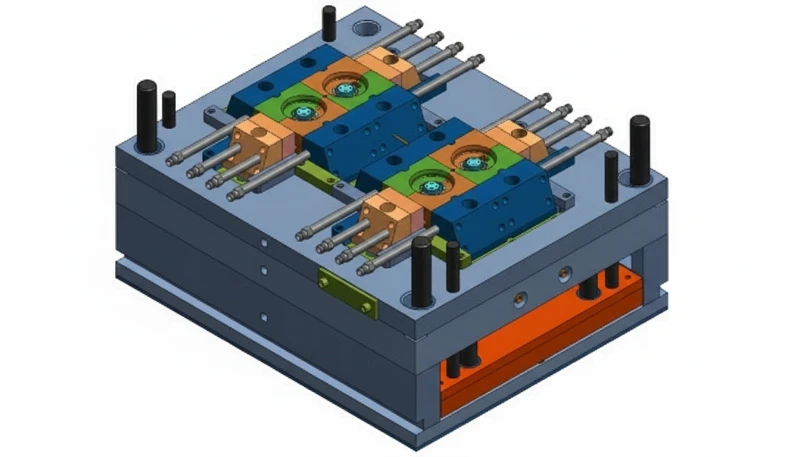
Domande frequenti
Cosa dovrei verificare prima di richiedere una quotazione da un fornitore austriaco di stampaggio a iniezione?
Iniziare con i fondamentali commerciali e ingegneristici: disegni delle parti, volume annuale, grado del materiale, tolleranze critiche, requisiti cosmetici e la tempistica di lancio prevista. Verificare poi se il fornitore possiede utensili interni, come viene gestita l’approvazione dei campioni, quali registri di controllo possono essere condivisi, e se le richieste di modifica sono documentate formalmente. Per una shortlist austriaca, confermare anche la comunicazione per l’esportazione, le aspettative di packaging e il supporto post-lancio così si sta comparando la capacità di esecuzione reale invece di solo liste di macchine o prezzi di headline. Una RFQ forte dovrebbe forzare ogni finalista a rispondere alle stesse domande operative nel stesso formato.
Un fornitore austriaco può gestire sia la costruzione dello stampo sia lo stampaggio di produzione?
Alcuni fornitori possono gestire entrambe le attività internamente, mentre altri si concentrano sullo stampaggio e affidano all’esterno la costruzione dello stampo. Questa differenza è importante perché la proprietà dello stampo, le modifiche all’acciaio, il controllo delle tempistiche e la responsabilità della manutenzione diventano più difficili da gestire quando costruzione e stampaggio sono separati. Nel confrontare i fornitori, chiedete chi progetta lo stampo, chi approva le specifiche dell’acciaio, dove avviene il campionamento T1 e chi paga i cicli di modifica dopo la verifica del primo articolo. Le risposte rivelano se il fornitore può davvero gestire il programma dalla RFQ fino a una produzione in serie stabile. Mostrano inoltre se il tempo di consegna quotato è operativamente credibile.
Quando dovrei comparare fornitori offshore come Zetar con una fonte locale austriaca di stampaggio a iniezione?
In genere è sensato quando il progetto richiede una maggiore capacità di attrezzaggio, un costo dell’attrezzaggio franco destino inferiore o un supporto più ampio per i processi secondari rispetto a quello offerto da una rosa di fornitori locali. Il confronto non deve essere formulato soltanto come locale contro offshore. Occorre invece confrontare la profondità della progettazione dello stampo, la comunicazione del progetto, il rigore della convalida, l’imballaggio, la cadenza delle spedizioni e la velocità della risposta tecnica dopo T1. Se un team offshore può documentare chiaramente questi controlli e offrire comunque un pacchetto commerciale migliore, merita di essere affiancato ai fornitori locali nella decisione finale di approvvigionamento.
Quali documenti di qualità devono richiedere gli acquirenti prima di affidare la produzione mediante stampaggio a iniezione?
Un fornitore affidabile deve essere in grado di fornire un flusso di processo, un piano di controllo, controlli sui materiali in ingresso, registri delle ispezioni dimensionali, prove di approvazione dei campioni e certificazioni pertinenti al settore. Per programmi regolamentati o ad alta precisione, richiedete un piano di campionamento chiaro, una strategia per gli strumenti di misura e un percorso di escalation per i pezzi non conformi. Se è incluso lo stampo, chiedete chi detiene la proprietà del layout dello stampo, quali sono le aspettative di manutenzione e quale metodo di controllo delle revisioni viene usato quando si approvano modifiche all’acciaio. Questi documenti mostrano se il fornitore è in grado di gestire un sistema produttivo ripetibile anziché trattare l’ordine come un lavoro occasionale.
Quanti fornitori di stampaggio a iniezione dovrei confrontare prima della selezione finale?
Da tre a cinque fornitori qualificati è generalmente l’intervallo più efficiente. Con meno di tre è difficile confrontare le ipotesi tecniche, mentre troppi fornitori generano confusione e rallentano il feedback. Utilizzare il primo ciclo di selezione per restringere l’elenco in base a capacità, qualità della comunicazione e prove del controllo di processo. Richiedere quindi offerte comparabili ai finalisti utilizzando lo stesso pacchetto RFQ, le stesse ipotesi sui materiali e gli stessi requisiti di qualità. Questa struttura offre un confronto commerciale chiaro senza costringere il team tecnico a valutare una serie frammentaria di proposte incoerenti.
Perché ZetarMold è il partner giusto per gli acquirenti austriaci?
Se stai valutando l’Austria rispetto alla Cina per lo stampaggio a iniezione, ZetarMold offre un punto di confronto diretto. Il nostro stabilimento di Shanghai opera 47 macchine per stampaggio a iniezione da 90 T a 1.850 T sotto i sistemi ISO 9001, ISO 13485, ISO 14001 e ISO 45001. Abbiamo oltre 20 anni di esperienza negli stampi, oltre 400 materiali validati e oltre 30 project manager di lingua inglese che gestiscono documentazione, campionatura e coordinamento delle spedizioni — le stesse discipline che gli acquirenti austriaci si aspettano già da un fornitore qualificato. Con la produzione interna di stampi che supporta oltre 100 set di stampi al mese e 8 ingegneri senior che eseguono progetti tramite UG, SOLIDWORKS e MOLDFLOW, possiamo fornire stampi pronti per la produzione in tempi che competono con i laboratori europei, mantenendo i costi unitari significativamente più bassi.
Nel nostro stabilimento di Shanghai, gestiamo 47 macchine per stampaggio a iniezione da 90T a 1850T sotto sistemi ISO 9001, ISO 13485, ISO 14001 e ISO 45001, così le RFQ correlate all'Austria possono essere comparate contro una baseline di produzione documentata.
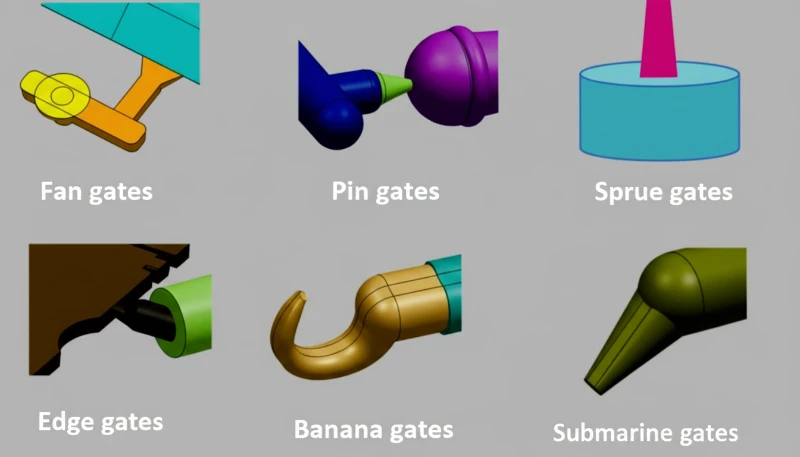
Il nostro team di ingegneria restituisce feedback DFM entro 24 ore per le RFQ attive, rivedendo il layout dei gate, gli arresti e il rischio di tolleranza prima che l’acciaio venga tagliato. Con oltre 20 anni di esperienza negli stampi e oltre 400 materiali plastici nella nostra storia di lavorazione, possiamo quotare la stessa geometria del pezzo nella stessa resina in modo che il tuo confronto dei costi sia omogeneo.
Per le compagnie austriache che si approvvigionano dalla Cina, i vantaggi pratici sono chiari: gli utensili costano 50–70% meno, i prezzi unitari sono tipicamente 40–60% inferiori a volume, e il nostro team ingegneristico anglofono (oltre 30 persone fluentemente inglese) elimina il gap comunicativo. Se necessitate di un stampo prototipo mono-cavità o di un utensile di produzione 32-cavità con degating automatizzato, possiamo fornire una quotazione dettagliata entro 48 ore.
Richiedi un preventivo gratuito → Invia file 3D, specifiche del materiale e volume annuo al team ZetarMold. Riceverai costi dettagliati di stampo, prezzo unitario e tempi per decidere sui dati. Consulta la nostra Guida alla selezione dei fornitori per un quadro completo.
produzione conto terzi: accordo in cui un fornitore fabbrica pezzi o assiemi secondo disegni, requisiti qualitativi e condizioni commerciali del cliente. ↩
termoplastici: materiali polimerici che si ammorbidiscono col calore e solidificano raffreddandosi, adatti a cicli ripetibili di stampaggio a iniezione. ↩
ISO 9001: norma internazionale di gestione della qualità che definisce come un'organizzazione documenta, controlla e migliora processi produttivi ripetibili. ↩