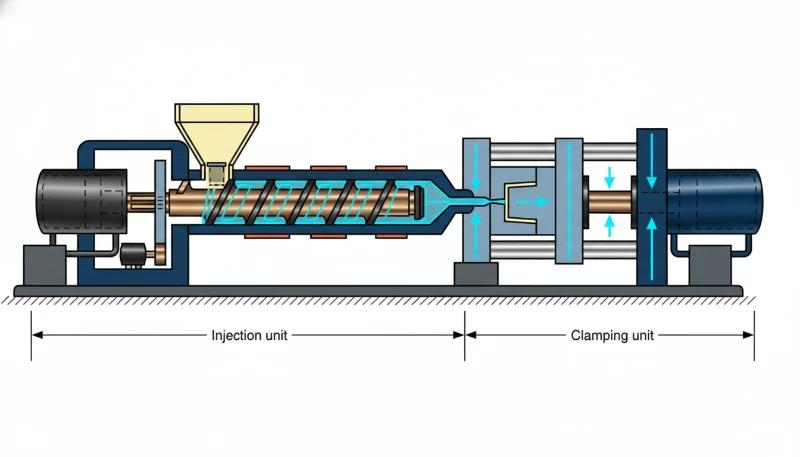
- Bu listedeki Avusturyalı tedarikçiler sağlık, termoplastik ve hassas endüstriyel kalıplama programlarını kapsar.
- Kısa liste oluştururken RFQ verilmeden önce enjeksiyon kalıbı tasarım sorumluluğu, doğrulama disiplini ve iletişim hızı karşılaştırılmalıdır.
- Yalnızca kalıp kapasitesi yeterli değildir; alıcılar ayrıca belgelenmiş kalite kontrolüne ve T1 sonrası değişiklik yönetimine ihtiyaç duyar.
- Kapasite, maliyet veya ikincil işlemler önemli olduğunda Zetar gibi denizaşırı bir tedarikçi yerel satıcılarla birlikte karşılaştırılabilir.
- Devreye alma riskini ve ticari sürprizleri azaltmak için nihai tekliften önce bir tedarikçi bulma kontrol listesi kullanın.
Bir alıcı bölgesel proje desteğine, istikrarlı iletişime ve enjeksiyon kalıplama programlarının ihracat belgelerine hâkim tedarikçilere ihtiyaç duyduğunda Avusturya yararlı bir tedarik pazarı olabilir. İster özel sözleşmeli üretim1 ister hibrit bir tedarikçi modeli arayın, asıl soru şirketin Avusturya’da bulunup bulunmadığı değil; üretim başladıktan sonra kalıp kararlarını, numune alımını, kalite kanıtlarını ve mühendislik değişikliklerini güvenilir biçimde yönetip yönetemediğidir.
Enjeksiyonla kalıplanmış termoplastik2 parçalar için kısa liste; enjeksiyon kalıbı tasarımının sahipliğini, malzeme deneyimini, denetim disiplinini, ikincil işlem desteğini ve yanıt hızını karşılaştırmalıdır. Acil bölgesel destek için yerel tedarikçi uygun olabilir; kalıp kapasitesi, maliyet kontrolü veya daha geniş üretim kapasitesi darboğaza dönüştüğünde denizaşırı tedarikçi yararlı olabilir.
Avusturya’da enjeksiyon kalıplama şirketi mi arıyorsunuz? Yerleşik tedarikçilerden oluşan bu kısa listeyi hazırladık ve enjeksiyon kalıbı tasarım derinliğini, kalite sertifikalarını ve üretim esnekliğini yan yana karşılaştırabilmeniz için alıcı odaklı bir tedarik kılavuzu kontrol listesi ekledik.
"Avusturya, gelir açısından dünyanın en büyük enjeksiyon kalıplama makinesi üreticisi ENGEL'e ev sahipliği yapar."True
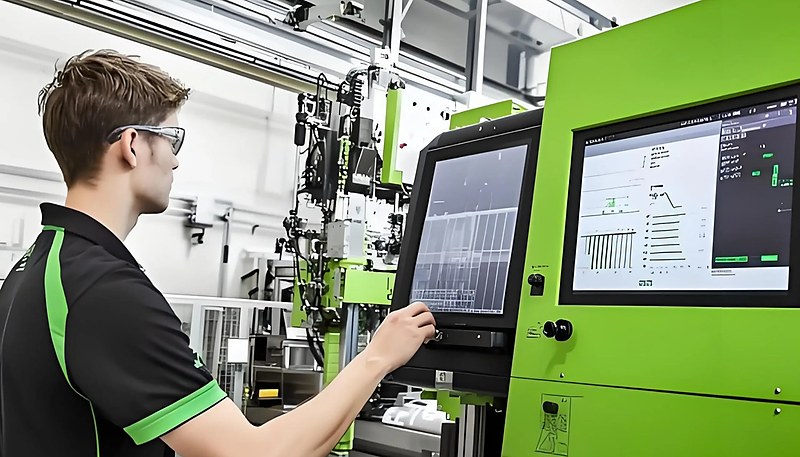
Merkezi Schwertberg'de bulunan ENGEL Austria GmbH, yılda 2,500'den fazla makine üretir ve enjeksiyon kalıplama makinelerinde en yüksek küresel pazar payına sahiptir; bu da Avusturya'yı kalıplama ekipmanlarının dünya çapındaki tedarik zincirinde kritik bir merkez hâline getirir.
"Avusturya'da enjeksiyon kalıplama, toplam teslim maliyeti bazında her zaman Çin'deki kalıplamadan daha pahalıdır."False
DACH bölgesine sevk edilen, yıllık 10,000 adedin altındaki düşük hacimli programlarda Avusturya; deniz taşımacılığını (4-6 hafta), ithalat vergilerini (~6.5%) ve transit stokun işletme sermayesi maliyetini ortadan kaldırdığınız için teslim edilmiş maliyet bazında daha ucuz olabilir. Başabaş noktası parça karmaşıklığına, malzemeye ve hacme bağlıdır.
Avusturya’nın Enjeksiyon Kalıplama Pazarı Nasıldır?
Avusturya’nın enjeksiyon kalıplama pazarı; Yukarı Avusturya, Steiermark ve Viyana koridorunda yoğunlaşan 250+ şirketle EUR 8 milyarlık bir sektördür. ENGEL ve Wittmann Battenfeld gibi küresel makine OEM’leri tedarik zincirinin omurgasını oluştururken orta ölçekli fason kalıpçılar ve hassas kalıp atölyeleri üretim kapasitesini tamamlar.
Avusturyalı kalıpçıların sektörel dağılımı yaklaşık şöyledir: üretimin %35-40’ı otomotiv, %20-25’i ambalaj, %10-15’i medikal ve yaşam bilimleri, %10’u elektronik; kalanı ise inşaat, tüketim malları ve endüstriyel uygulamalar arasında dağılır. Avusturya’nın AB içindeki konumu yerel kalıpçılara DACH alıcılarına engelsiz erişim sağlarken Almanya’daki otomotiv OEM’lerine (sınırın ötesindeki BMW, Volkswagen, Mercedes-Benz tesisleri) yakınlık, hassas kalıp yapımı ve dar toleranslı kalıplamaya yönelik talebi sürekli yüksek tutar.
Avusturya’nın Enjeksiyon Kalıplama Sektörünü Hangi Eğilimler Şekillendiriyor?
Avusturya’nın enjeksiyon kalıplama sektörünün yönüne bakıldığında dört eğilim öne çıkıyor ve her biri tedarik kararlarını farklı biçimde etkiliyor.
1. Döngüsel ekonomi düzenlemeleri malzeme inovasyonunu zorluyor. AB’nin 2025’te yürürlüğe giren Ambalaj ve Ambalaj Atıkları Tüzüğü (PPWR), plastik ambalajlarda asgari geri dönüştürülmüş içerik hedefleri getiriyor. Avusturyalı kalıpçılar, özellikle Yukarı Avusturya çevresindeki gıda ambalajı üreticileri, boyutsal kararlılığı bozmadan tüketici sonrası geri dönüştürülmüş (PCR) reçineleri işleyebilen ekipmanlara yatırım yapıyor. Alıcılar için kalıpçının PCR işleme yeteneğini doğrulamak temel gereklilik hâline geliyor.
2. Tam elektrikli makinelere geçiş hızlanıyor. ENGEL’in Schwertberg’de geliştirilen ve üretilen e-mac ve e-cap serileri, Avusturya’daki fason atölyelerde hidrolik preslerin yerini alıyor. Bunun nedeni enerji maliyeti: Avusturya’da sanayi elektriği €0.18–0.22/kWh düzeyine yükseldi ve tam elektrikli makineler çevrim başına %50–70 daha az enerji tüketiyor. Dar toleranslı (±0.02 mm) hassas parçalarda hidrolik yağ sıcaklığı sapmasının olmaması ek bir kalite avantajıdır.
3. Tıbbi ve temiz oda kalıplama kapasitesi genişliyor. AB’de tıbbi cihaz üretiminin yeniden bölgeye taşınmasıyla birkaç Avusturyalı kalıpçı son üç yılda ISO Class 7 veya Class 8 temiz oda hücreleri ekledi. Örneğin Marchtrenk’teki Starlim, silikon ve termoplastik tıbbi bileşenler için 650 m² temiz oda işletiyor. Bu genişleme, birim fiyatı daha yüksek olsa da alıcılara Asya’daki tıbbi kalıplamaya benzer kalitede bir Avrupa alternatifi sunuyor.
4. Endüstri 4.0 ve süreç izleme artık seçenek değil, standarttır. Enjeksiyon makinelerini, robotları, kurutucuları ve sıcaklık kontrol cihazlarını tek bir veri ağına bağlayan Wittmann 4.0 ekosistemi Avusturya’da geliştirildi ve ülkedeki kalıpçılar arasında yaygınlaştı. Gerçek zamanlı çevrim verisi kaydı, istatistiksel proses kontrolü (SPC) ve otomatik kalite denetimi orta ölçekli Avusturyalı tedarikçiler için temel gerekliliklerdir.
Avusturya’da Enjeksiyon Kalıplama Tedarikçisi Nasıl Seçilir?
En iyi Avusturyalı tedarikçi; kalıp mülkiyeti, malzeme çeşitliliği, muayene titizliği ve teslim süresi şeffaflığında üstün olandır. Bunlardan birini atlarsanız ileride maliyet aşımı veya kalite kaçakları riskiyle karşılaşırsınız.
Sertifikalar ve kalite sistemleri. En az ISO 90013 bekleyin. Otomotiv parçalarında IATF 16949 vazgeçilmezdir; tıbbi ürünlerde ISO 13485 ve temiz oda sertifikası gerekir. Tedarikçi otomotiv veya tıbbi yetkinlik iddia edip güncel sertifikayı gösteremiyorsa vazgeçin; denetim izi kalıplama süreci kadar önemlidir. Enjeksiyon kalıplama belgelerinde gelen malzeme denetimi, süreç içi SPC ve nihai boyut raporları bulunduğunu doğrulayın. Kalıpçılık derinliği. Tedarikçinin kalıpları kendi bünyesinde mi yaptığı yoksa bir kalıp atölyesine mi verdiğini sorun. Kurum içi kalıpçılık daha hızlı yineleme (8–12 yerine 4–6 haftada T1 numunesi) ve enjeksiyon kalıbı bakımında daha iyi kontrol sağlar. Perzi, ARVAI-PLASTICS ve Camo kendi kalıphanesine sahip Avusturyalı üreticilerdendir. Kalıp dışarıda yapılıyorsa atölyenin adını sorun ve program kritikse tesisi ziyaret edin.
"Kalıbı kendi bünyesinde üreten Avusturyalı bir tedarikçi, kalıp üretimini dışarı veren bir tedarikçiden her zaman daha düşük toplam kalıp maliyeti sunar."True
Her zaman değil — şirket içi kalıp üretimi, tedarikçi özel bir kalıphane işlettiği için başlangıçta daha yüksek teklif verebilir; ancak iterasyon çevrimleri ve çelik değişiklikleri şirketler arası gecikme olmadan gerçekleştiğinden toplam sahip olma maliyeti çoğu zaman daha düşüktür. Şanghay tesisimizde onlarca programın toplam kalıp maliyetini izledik — değişiklik turları hesaba katıldığında şirket içi kalıp üretimi 15-25% tasarruf sağlar.
"Kalıbı kendi bünyesinde üreten Avusturyalı bir tedarikçi, kalıp üretimini dışarı veren bir tedarikçiden her zaman daha düşük toplam kalıp maliyeti sunar."False
Her zaman değil; şirket içi takım üretimi, tedarikçi özel bir kalıphaneyi işlettiği için daha yüksek bir ilk teklif getirebilir. Ancak revizyon çevrimleri ve çelik değişiklikleri şirketler arası gecikme olmadan yapıldığından toplam sahip olma maliyeti çoğu zaman daha düşüktür.
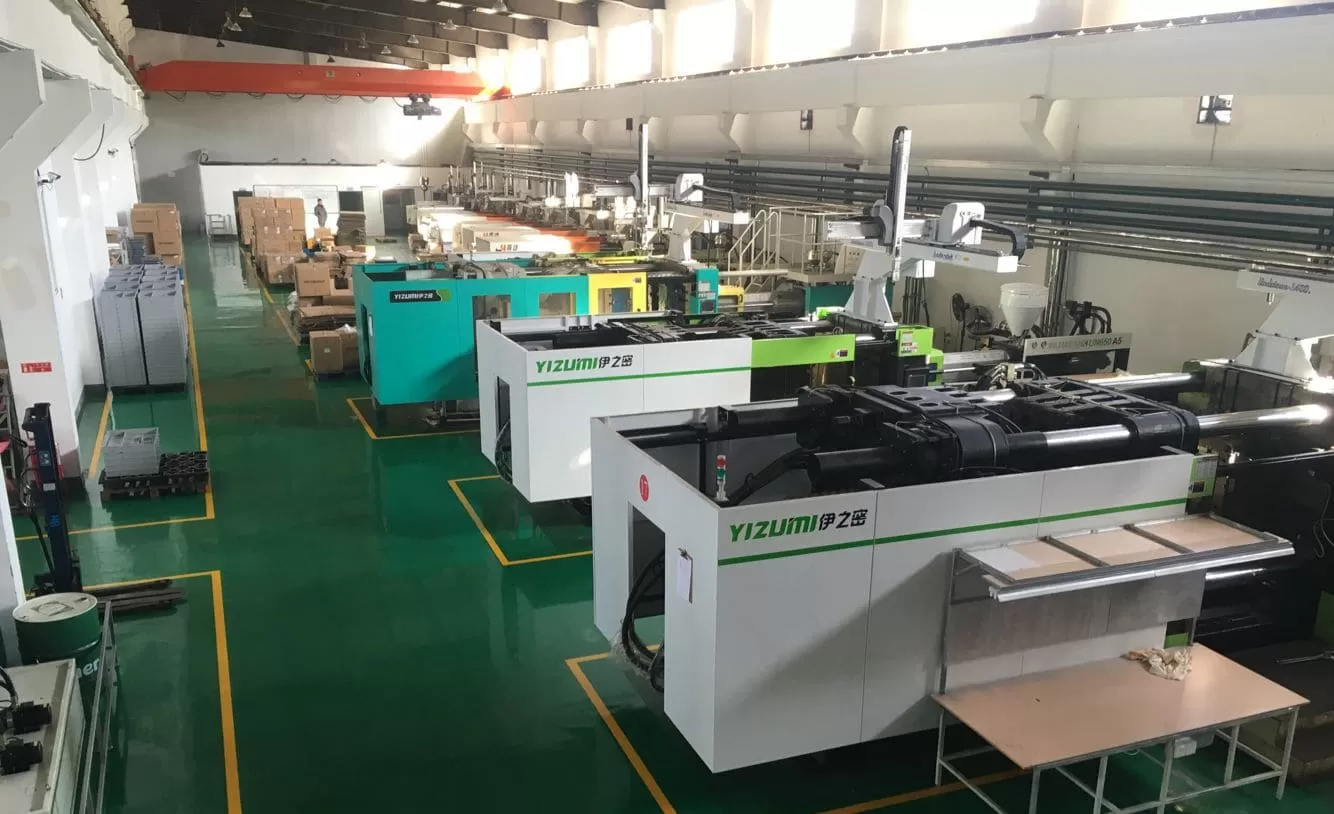
Makine tonajı ve parça zarfı. Tedarikçinin pres aralığını parça boyutunuzla eşleştirin. Avusturya’da Starlim’in mikro kalıplama makinelerinden (15–30 T) Greiner Assistec’in büyük tonajlı preslerine (2,000+ T) kadar tam bir aralık vardır. En büyük presi atım ağırlığınızı ancak karşılayan tedarikçi, dolum tutarlılığında zorlanır. Şanghay fabrikamızda bunu düzenli görüyoruz: Parça pres kapasitesinin üst sınırına yaklaştığında tutma basıncı öngörülemez olur ve çevrimler arası değişkenlik artar. 90 T ile 1,850 T arasında 47 makine işletmemiz, taviz vermeden her işi doğru tonajla eşleştirmemizi sağlar.
İletişim ve proje yönetimi. Avusturyalı kalıpçıların çoğu Almanca ve İngilizce çalışır. Günlük irtibat kişinizin kim olacağını, ilerleme güncellemelerini ne sıklıkta alacağınızı ve teknik görüşmelerin doğrudan mühendislerle mi yoksa satış ekibi üzerinden mi yürütüleceğini doğrulayın. Teklif aşamasında 48 saat içinde DFM geri bildirimi veremeyen tedarikçinin üretim sırasında hızlı yanıt vermesi beklenemez.
Ticari şartlar ve lojistik. Ödeme şartlarını, takım sahipliğini, kalıp depolamayı ve asgari sipariş miktarlarını (MOQ) netleştirin. Avusturyalı tedarikçiler genellikle kalıp bedelinin %30–50’sini peşin, kalanını T1 onayında ister. Üretim MOQ’ları çoğunlukla 1,000–5,000 adettir ve Çin’dekinden yüksektir. AB dışından parça ithal ediyorsanız gümrük vergilerini (HS 3926 kapsamındaki plastik ürünlerde ortalama %6.5) ve Viyana veya Linz’den navlun maliyetini hesaba katın.
Avusturya’nın Önde Gelen Enjeksiyon Kalıplama Şirketleri Hangileridir?
Aşağıda enjeksiyon kalıplama kabiliyeti doğrulanmış on Avusturyalı şirket yer alıyor. Liste; üretim çözümleri de sunan makine üreticilerini, belirli sektörlere hizmet veren özel kalıplama firmalarını ve uzman takım üreticilerini içeriyor. Her maddede konum, kuruluş yılı, çalışan sayısı aralığı, başlıca sektörler ve temel kabiliyetler belirtiliyor.
1. ENGEL Austria GmbH
Konum: Schwertberg, Yukarı Avusturya | Kuruluş: 1945 | Çalışanlar: 6,000+ (küresel) | Ana sektörler: Otomotiv, ambalaj, medikal, elektronik | Temel yetkinlikler: Enjeksiyon kalıplama makinesi üretimi, otomasyon sistemleri, üretim prosesi danışmanlığı
ENGEL, merkezi ve ana üretimi Schwertberg’de bulunan dünyanın en büyük enjeksiyon kalıplama makinesi üreticisidir. Şirket 25 T ile 5,500 T arasında hidrolik, elektrikli ve mafsallı makineler tasarlayıp üretir. ENGEL ayrıca alıcıların makine satın almaya karar vermeden önce pilot üretim yapabildiği uygulamaya özel teknik merkezler işletir. Tedarik açısından ENGEL özel üretim yapan bir kalıplama şirketi değildir — ancak teknik merkezleri ve proses mühendisliği ekipleri sizi ENGEL ekipmanı kullanan nitelikli Avusturyalı kalıplama şirketleriyle buluşturabilir; bu da tedarik için pratik bir kestirme yoldur.
2. Wittmann Battenfeld GmbH
Konum: Kottingbrunn, Lower Austria | Kuruluş: 1878 (Wittmann Group), Battenfeld bölümü 1982 | Çalışanlar: 300–399 (Kottingbrunn tesisi) | Başlıca sektörler: Otomotiv, ambalaj, medikal, teknik kalıplama | Temel kabiliyetler: Enjeksiyon kalıplama makineleri, otomasyon, robotlar, malzeme elleçleme, sıcaklık kontrolü
Wittmann Battenfeld, kompakt PowerScout serisinden yüksek tonajlı hidrolik preslere kadar eksiksiz bir enjeksiyon makinesi yelpazesi üretir. Şirketin asıl farkı, makineleri, robotları, kurutucuları ve sıcaklık kontrol cihazlarını birleşik bir veri platformunda ağa bağlayan WITTMANN 4.0 ekosistemidir. Beş ülkedeki sekiz üretim tesisi ve dünya genelindeki 32 iştiraki, Wittmann’a geniş erişim sağlar. ENGEL gibi Wittmann da bir makine üreticisidir; ancak uygulama mühendisleri Avusturyalı fason üreticilerle yakın çalışır ve bağlantı kurulmasını kolaylaştırabilir.
3. Greiner Assistec (Greiner Packaging)
Konum: Kremsmünster, Yukarı Avusturya | Kuruluş: 1960 (ambalaj bölümü) | Çalışanlar: 5,000+ (Greiner Packaging toplamı) | Başlıca sektörler: Ambalaj, otomotiv, tüketim malları, tıp | Temel yetkinlikler: Enjeksiyon kalıplama, termoform, ekstrüzyon şişirme, IML, çok bileşenli kalıplama
Greiner Assistec, Avrupa’nın en büyük plastik ambalaj işleyicilerinden Greiner Packaging’in teknik parça iş birimidir. Kremsmünster tesisi, ince cidarlı ambalajlardan büyük otomotiv bileşenlerine kadar üretim için 50 T ile 2,000+ T aralığında enjeksiyon kalıplama makineleri işletir. Greiner’ın ölçeği, otomatik kalıp içi etiketleme (IML) ve çok gözlü kalıplarla yüksek hacimli programları (milyonlarca adet) yürütebilmesini sağlar. Gıda temaslı ambalajlarda geri dönüştürülmüş PET ve PP kullanımını içeren sürdürülebilirlik girişimi, Avrupa’nın en ileri uygulamaları arasındadır.
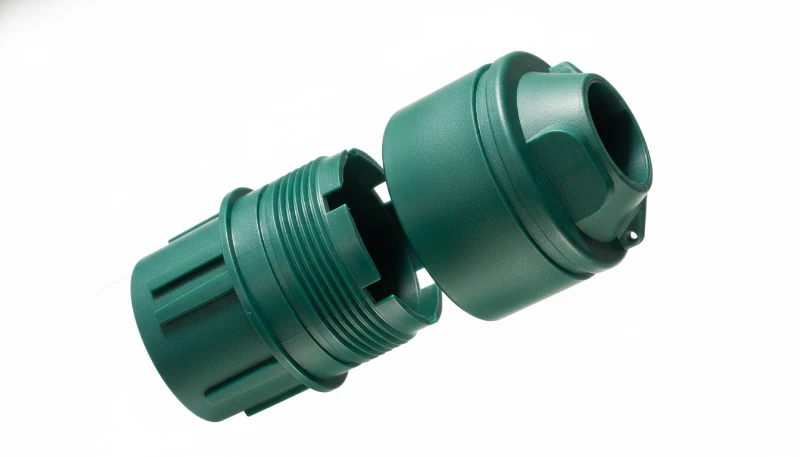
4. Starlim Spritzguss GmbH (starlim sterner)
Konum: Marchtrenk, Yukarı Avusturya | Kuruluş: 1993 | Çalışanlar: 300+ | Başlıca sektörler: Tıp, elektronik, otomotiv, saatçilik | Temel kabiliyetler: Mikro enjeksiyon kalıplama, silikon enjeksiyon kalıplama, temiz oda kalıplama, çok bileşenli
Starlim, silikon enjeksiyon kalıplamada küresel pazar lideri ve Avusturya’nın en uzmanlaşmış hassas kalıpçılarından biridir. Şirket, tıbbi ve elektronik bileşenler için parça ağırlıkları birkaç miligrama kadar düşebilen 650 m² büyüklüğünde bir ISO Class 7 temiz oda işletmektedir. Saatler için dişli çarklar ve mikrometre aralığında toleranslara sahip mikro muhafazalar üreten mikro kalıplama yetkinliği Avrupa pazarında sıra dışıdır. Tıbbi sınıf silikon veya mikro termoplastik parçalara ihtiyaç duyan alıcıların Avusturya kısa listesinde Starlim mutlaka yer almalıdır.
5. ARVAI-PLASTICS GmbH
Konum: Neumarkt am Wallersee, Salzburg | Kuruluş: 1976 | Çalışan Sayısı: 200–299 | Başlıca sektörler: Otomotiv, spor ürünleri, endüstriyel | Temel yetkinlikler: Özel enjeksiyon kalıplama, takım ve kalıp yapımı, yüzey işlemleri, montaj
ARVAI-PLASTICS, otomotiv alanında köklü deneyime sahip aile işletmesi bir özel kalıplama şirketidir. Neumarkt tesisi 25 T ile 1,300 T arasında enjeksiyon kalıplama presleri çalıştırarak otomotiv, spor ürünleri ve endüstriyel uygulamalardaki uluslararası OEM’lere hizmet verir. Şirket içi kalıp departmanı tasarımdan bakıma kadar tüm süreci yönetir; bu da alıcılara kalıp revizyonları üzerinde doğrudan kontrol sağlar. Arvai ailesinin sürece doğrudan katılan yönetim tarzı, teknik kararların hızla alınmasını sağlar; bu, devreye alma aşamalarında pratik bir avantajdır.
6. Perzi Kunststoff GmbH
Konum: Lustenau, Vorarlberg | Kuruluş: 1986 | Çalışanlar: 200–299 | Başlıca sektörler: Otomotiv, elektronik, medikal, tüketici ürünleri | Temel kabiliyetler: Enjeksiyon kalıplama, kalıp yapımı, malzeme seçimi danışmanlığı, yüzey işlemi
Perzi, elli yıl içinde bir zanaat atölyesinden orta ölçekli bir sanayi ortağına dönüşmüştür. Lustenau tesisi, enjeksiyon kalıplama ile şirket içi kalıp imalatını bir araya getirerek alıcılara tasarım optimizasyonundan seri üretime kadar tek kaynaklı bir çözüm sunar. Perzi’nin gücü, sertifikalı kalite proseslerindedir; ekipleri malzeme seçimi danışmanlığına, kalıp akış analizine ve ilk eskizden nihai ürüne kadar adım adım optimizasyona önem verir.
7. Robust Plastics GmbH
Konum: Viyana (Hosnedlgasse) | Kuruluş: 1874 (ana şirket EWF Invest Group) | Çalışanlar: 200–299 | Başlıca sektörler: Otomotiv, teknik parçalar, endüstriyel ambalaj | Temel yetkinlikler: Özel enjeksiyon kalıplama, ürün geliştirme, takım tasarımı, JIT teslimat
Robust Plastics, EWF Invest Group üyesidir ve otomotiv ile endüstriyel uygulamalar için yüksek kaliteli özel enjeksiyon kalıplama konusunda uzmanlaşmıştır. Şirket, ürün geliştirme ve takım tasarımından tam zamanında teslimata kadar tam hizmet zinciri sunar. Ticari ambalaj yerine gelişmiş ve özel kalıplanmış ürünlere odaklanması, onu mühendislik sınıfı reçinelere, sıkı toleranslara ve belgelenmiş kalite proseslerine ihtiyaç duyan alıcılar için teknik bir kalıpçı konumuna getirir.
8. Camo GmbH
Konum: Schwanenstadt, Yukarı Avusturya | Kuruluş: 1988 | Çalışan sayısı: 100–199 | Başlıca sektörler: Otomotiv, elektronik, ev ürünleri/inşaat, tıp | Temel kabiliyetler: Sistem tedarikçisi — geliştirme, kalıp yapımı, enjeksiyon kalıplama, montaj, insert kalıplama
Camo, ürün geliştirmeden kalıp yapımı, enjeksiyon kalıplama ve montaja kadar tüm değer zincirini yöneten tam sistem tedarikçisi olarak çalışır. Insert kalıplama ve çok bileşenli üretim kabiliyetleri; üzeri kalıplanmış konektörler, dişli insertler veya hibrit metal-plastik montajlar isteyen alıcılar için özellikle uygundur. Schwanenstadt tesisi, planlama, konstrüksiyon ve optimizasyonu baştan kapsayan danışmanlık yaklaşımıyla otomotiv, elektronik ve medikal sektörlerine hizmet verir.
9. Haidlmair GmbH
Konum: Nußbach, Yukarı Avusturya | Kuruluş: 1979 | Çalışanlar: 300+ | Başlıca sektörler: Ambalaj, lojistik, otomotiv, tüketici ürünleri | Temel yetkinlikler: Enjeksiyon kalıbı tasarımı ve üretimi, büyük parça kalıpları, içecek kasası kalıpları, palet kalıpları
Haidlmair, Avusturya’nın en önde gelen kalıp üretim uzmanıdır. Parçaları doğrudan kalıplamasalar da enjeksiyon kalıpları; içecek kasaları, paletler ve büyük teknik parçalar üreten başlıca Avrupalı ambalaj ve lojistik şirketleri tarafından kullanılır. Yüksek kaviteli veya büyük parça kalıplarına (5 kg’ın üzerindeki baskı ağırlıkları) ihtiyaç duyan alıcılar için Haidlmair’in mühendislik ekibi üretim takımlarını tasarlayabilir, üretebilir ve bakımını yapabilir. Yakın zamanda ABD’de bir iştirak açmaları, kalıp üretim uzmanlıklarına yönelik küresel talebi göstermektedir.
10. BOIDA Kunststofftechnik GmbH
Konum: Avusturya (birden fazla tesis) | Kuruluş: 1988 | Çalışanlar: 100–199 | Başlıca sektörler: Otomotiv, elektronik, tıbbi, tüketim malları | Temel kabiliyetler: Çok bileşenli enjeksiyon kalıplama, insert kalıplama, temiz oda üretimi, SPC süreç kontrolü
BOIDA, hassas çok malzemeli parçalara ihtiyaç duyan alıcılara yönelik olarak döner tablalı ve çok bileşenli sistemlerle birlikte tamamen elektrikli enjeksiyon makineleri işletir. İstatistiksel proses kontrolü (SPC) prosedürleri üretime entegredir; her üretim adımında ölçüsel ve işlevsel kontroller belgelenir. Bu düzeyde proses dokümantasyonu, tam izlenebilirliğe ihtiyaç duyan otomotiv ve medikal alıcılar için şarttır. BOIDA’nın elektrikli makinelere odaklanması, Avusturya’nın enerji verimli üretime geçişiyle de uyumludur.
Bu on seçeneğin ötesinde daha fazlasına ihtiyacınız varsa aramanızı Güney Almanya’ya (Bavyera) veya Kuzey İtalya’ya genişletin — her iki bölgede de Avusturya sınırına birkaç saatlik mesafede yoğun hassas kalıp üreticisi kümeleri vardır. Karar vermeden önce tüm maliyet-kalite aralığını anlamak için Avusturya tekliflerini ZetarMold gibi Çin merkezli bir üreticiyle de kıyaslayabilirsiniz.
Avusturya’nın Enjeksiyon Kalıplama Maliyeti Çin ile Nasıl Karşılaştırılır?
Avusturya ile Çin arasındaki enjeksiyon kalıplama maliyet farkları önemlidir, ancak tam tabloyu görmek için birim fiyatın ötesine bakmak gerekir. Orta karmaşıklıktaki bir otomotiv parçası (100 mm × 80 mm × 40 mm, PA6-GF30, Sınıf A yüzey, ±0.05 mm tolerans) için güncel piyasa fiyatlarına dayalı pratik bir karşılaştırma aşağıdadır.
| Maliyet Faktörü | Avusturya (EUR) | Çin / ZetarMold (USD) |
|---|---|---|
| Kalıp takımı (tek kavite, sertleştirilmiş çelik) | €25,000–45,000 | $8,000–15,000 |
| Birim fiyat (10K yıllık hacim) | €1.80–3.50 | $0.60–1.20 |
| T1 numunesi teslim süresi | 4–6 hafta | 3–5 hafta |
| Üretim termin süresi (parti başına) | 2–3 hafta | 3–4 hafta (navlun için 1–2 hafta ekleyin) |
| MOQ | 1,000–5,000 adet | 500–2,000 adet |
| Kalıp bakımı (dâhil mi?) | Genellikle ek ücretli | Genellikle takım maliyetine dâhildir |
| İthalat vergisi (HS 3926, AB'ye) | N/A (yurt içi) | ~6.5% |
| Orta Avrupa'ya navlun | Dâhil veya asgari düzeyde | $0.08–0.15/parça (deniz) |
Kaynak kılavuzu çerçevesi burada faydalıdır: ithalat vergisi, nakliye, sigorta ve deniz nakliye zaman maliyeti (genellikle 4–6 hafta kapıdan kapıya) eklediğinde, Çin kalıplama parçalarının gerçek teslim maliyeti Avusturya ile arasındaki farkı daraltır. Yıllık 10,000 ünite altı hacimler için, nakliye ve vergi tamamen elimine edildiğinde Avusturya teslim maliyeti bazında daha ucuz olabilir. 100,000 ünite üzeri hacimler için, Çin’in birim fiyat avantajı genellikle baskın olur.
Gizli maliyetler izlenmelidir: Avusturya kalıplamacıları kalıp depolama, bakım ve T3’ten fazla numune alma turları için ayrıca ücret alır. Çin tedarikçileri bunları kalıp fiyatına dahil edebilir. Para riski de önemlidir — Avusturya parçalarını EUR ile ödüyorsanız ve geliriniz USD’de, 5–10% döviz kuru dalgalanmaları teslimat avantajını siler. Avrupa OEM’leri için 100’den fazla çift kaynak kalıp programı yürütme deneyimimizden, kalıp amortismanı, üç hacim seviyesinde parça fiyatı, numune alma ücretleri, kalıp depolama ücretleri ve nakliye dahil bir toplam-maliyet tablosu talep etmenizi öneririz — en düşük birim fiyatı ticari tablo dikkate alındığında nadiren kazanır.
"Marchtrenk'teki Starlim, medikal ve elektronik bileşenler için Avusturya'nın en büyük silikon enjeksiyon kalıplama temiz odasını işletiyor."True
Starlim'in 650 m2 büyüklüğündeki ISO Class 7 temiz odası, tıbbi sınıf silikon ve termoplastik parçaları mikrometre aralığındaki toleranslarla işler; bu da tesisi, kontrollü bir ortamda hem silikon hem de termoplastik mikro kalıplama yapabilen az sayıdaki Avusturya tesisinden biri hâline getirir.
"Avusturya'daki tüm enjeksiyon kalıpçıları çok bileşenli ve üzeri kalıplama projelerini yürütebilir."False
Avusturya kalıpçılarının bir alt kümesi çok bileşenli makine yatırımı yapmıştır (rotary ya da index-platen). Camo, BOIDA, Greiner Assistec ve Starlim çok bileşenli kapasiteyi sunar. Küçük kalıpçılar tek malzeme üretimine odaklanır ve overmolding adımını partnerine outsource etmek gereksinir.
Enjeksiyon Kalıplama için Avusturya Ne Zaman Doğru Tedarik Seçimidir?
Avusturya, dar toleranslar ve kısa Avrupa içi lojistik ile yüksek hassasiyet, EU sertifikalı kalıplama için doğru seçimdir. Yüksek hacimli, maliyet hassas parçalar için Çin genellikle birim fiyatında kazanır.
Şu durumlarda Avusturya’yı seçin: Nihai pazarınız DACH bölgesiyse ve 2 haftadan kısa teslim süresi gerekiyorsa; parçalar tıbbi sınıf temiz oda kalıplaması (ISO 13485) gerektiriyorsa; program düşük hacimliyse (yılda 10,000 adetten az) ve kalıp amortismanı yerel tedarikçiyi avantajlı kılıyorsa; saat dilimi sorunu olmadan ana dili Almanca olan mühendislerle iletişim gerekiyorsa; REACH, RoHS ve AB gıda teması gibi uyum şartları AB mevzuatı içinde çalışan tedarikçiyi avantajlı kılıyorsa.
Şu durumlarda Çin’i seçin: Yıllık hacim 50,000 adedi aşıyor ve %40–60 birim fiyat tasarrufu lojistik yükünü karşılıyorsa; parça geometrisi karmaşıksa ve %50–70 daha düşük maliyetle çok gözlü, yüksek kavitasyonlu kalıp gerekiyorsa; program büyük miktarda mühendislik reçinesi ve daha geniş malzeme tedarik zinciri gerektiriyorsa; yeni bir platform geliştiriyor ve birçok tasarım revizyonunu hızla yinelemek istiyorsanız; Çinli kalıphaneler çoğu zaman daha hızlı ve ucuz kalıp değişikliği sunar.
Birçok alıcı için pratik yanıt ya biri ya diğeri değil, ikisidir. Çift kaynak stratejisi uygulayın: İlk lansman ve Avrupa teslimatı için Avusturya, hacim artışı için Çin. Avrupalı OEM’lerle deneyimimizde en etkili yaklaşım, Şanghay’da üretim sınıfı kalıp yaparken Avusturya’da düşük hacimli bir köprü kalıbıyla (500–5,000 adet için enjeksiyon kalıplama) başlamaktır. Ekibimiz, Çin üretiminden sağlanan birim tasarrufunun ilk üretim serisinde tüm kalıp yatırımını karşıladığı 100’den fazla çift kaynaklı kalıp programı teslim etti.
Avusturya Enjeksiyon Kalıplama Tedarikçisi Seçmeden Önce Alıcılar Hangi Soruları Sormalı?
Sıkça Sorulan Sorular
Avusturya enjeksiyon kalıplama tedarikçisine fiyat talebi yapmadan önce ne kontrol etmeliyim?
Ticari ve mühendislik temellerinden başlayın: parça çizimleri, yıllık hacim, malzeme derecesi, kritik toleranslar, görsel gereksinimler ve beklenen lansman zamanlaması. Ardından tedarikçinin dahili kalıp imalatına sahip olup olmadığını, numune onayının nasıl yürütüldüğünü, hangi kontrol kayıtları paylaşılabilir ve değişiklik taleplerinin formal olarak kaydedildiğini kontrol edin. Avusturya kısa listesi için, ihracat iletişimi, paketleme beklenenleri ve lansman sonrası desteği de doğrulayın, böylece gerçek uygulama kapasitesini karşılaştırırsınız, sadece makine listeleri veya başlık fiyatları değil. Güçlü bir RFQ her finalistin aynı operasyon sorularını aynı formatta cevaplamasını gerektirir.
Avusturya tedarikçisi hem kalıp imalatı hem üretim kalıplamasını yönetebilir mi?
Bazı tedarikçiler her iki faaliyeti de aynı çatı altında yürütebilirken diğerleri kalıplamaya odaklanır ve kalıp imalatını dış kaynakla gerçekleştirir. Bu fark önemlidir; çünkü kalıp sahipliği, çelik değişiklikleri, takvim kontrolü ve bakım sorumluluğunun yönetimi, kalıp imalatı ile kalıplama ayrıldığında zorlaşır. Tedarikçileri kıyaslarken kalıbı kimin tasarladığını, çelik şartnamesini kimin onayladığını, T1 numune çalışmasının nerede yapıldığını ve ilk parça incelemesinden sonraki modifikasyon turlarını kimin ödediğini sorun. Bu yanıtlar, tedarikçinin programı RFQ’dan kararlı seri üretime gerçekten taşıyıp taşıyamayacağını ortaya koyar. Ayrıca teklif edilen teslim süresinin operasyonel açıdan güvenilir olup olmadığını gösterir.
Zetar gibi offshore tedarikçileri yerel Avusturya enjeksiyon kalıplama kaynağı ile ne zaman karşılaştırmalıyım?
Proje, yerel bir kısa listenin sunabileceğinden daha güçlü takım kapasitesi, daha düşük teslim edilmiş takım maliyeti veya daha geniş ikincil proses desteği gerektirdiğinde bu yaklaşım genellikle anlamlıdır. Karşılaştırma yalnızca yerel ve denizaşırı ayrımıyla çerçevelenmemelidir. Bunun yerine kalıp tasarım derinliğini, proje iletişimini, doğrulama disiplinini, ambalajlamayı, sevkiyat sıklığını ve T1 sonrasındaki mühendislik yanıt hızını karşılaştırın. Denizaşırı bir ekip bu kontrolleri açıkça belgeleyip daha iyi bir ticari paket sunabiliyorsa nihai tedarik kararında yerel tedarikçilerin yanında değerlendirilmelidir.
Alıcılar enjeksiyon kalıplama üretimini vermeden önce hangi kalite belgelerini istemelidir?
Ciddi bir tedarikçi; proses akışı, kontrol planı, gelen malzeme kontrolleri, ölçüsel kontrol kayıtları, numune onay kanıtı ve sektörünüzle ilgili sertifikasyon kapsamını sunabilmelidir. Düzenlemeye tabi veya yüksek hassasiyetli programlarda net bir numune alma planı, ölçüm stratejisi ve uygunsuz parçalar için eskalasyon yolu talep edin. Kalıp dahilse kalıp yerleşimi mülkiyetini, bakım beklentilerini ve çelik değişiklikleri onaylandığında kullanılan revizyon kontrol yöntemini sorun. Bu belgeler, tedarikçinin siparişi tek seferlik bir iş olarak ele almak yerine tekrarlanabilir bir üretim sistemi yürütebildiğini gösterir.
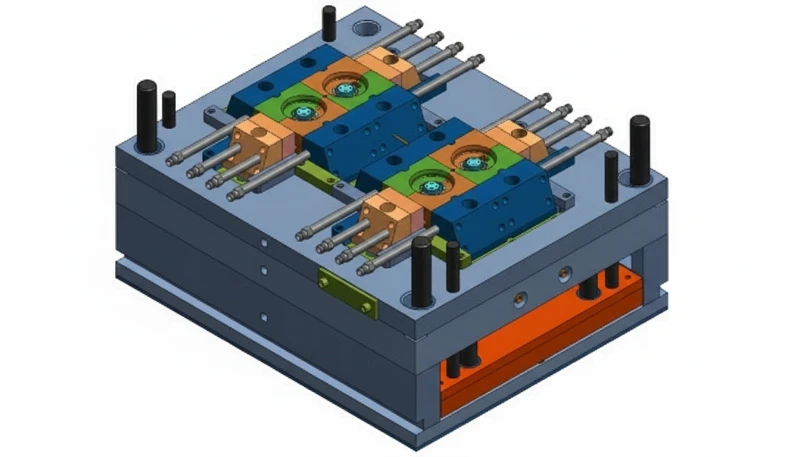
Tedarikçi yetenek incelemesi için kullanılan enjeksiyon kalıplama üretim iş akışı
Üç ila beş nitelikli tedarikçi genellikle en verimli aralıktır. Üçten az tedarikçi teknik varsayımları karşılaştırmayı zorlaştırırken, çok fazla tedarikçi bilgi kirliliği yaratır ve geri bildirimi yavaşlatır. İlk eleme turunda listeyi kabiliyet, iletişim kalitesi ve proses kontrolü kanıtlarına göre daraltın. Ardından finalistlerden aynı RFQ paketi, malzeme varsayımları ve kalite gerekliliklerini kullanarak karşılaştırılabilir teklifler isteyin. Bu yapı, mühendislik ekibinizi birbiriyle tutarsız ve dağınık teklifleri değerlendirmek zorunda bırakmadan net bir ticari karşılaştırma yapmanızı sağlar.
ZetarMold Avusturya Alıcıları için Doğru Partner Neden?
Avusturya ve Çin’i enjeksiyon kalıplama için değerlendiriyorsanız, ZetarMold doğrudan bir karşılaştırma noktası sunar. Shanghai fabrikamız ISO 9001, ISO 13485, ISO 14001 ve ISO 45001 sistemleri altında 90 T’den 1,850 T’ye kadar 47 enjeksiyon kalıplama makinesi çalıştırır. 20+ yıl kalıp deneyimi, 400+ sertifikalı malzeme ve dokümantasyon, numune alma ve nakliye koordinasyonunu yürüten 30+ İngilizce konuşan proje yöneticisine sahibiz — Avusturya alıcıları nitelikli bir tedarikçiden bekledikleri disiplinler. Dahili kalıp imalatıyla her ay 100+ kalıp seti desteklenir ve UG, SOLIDWORKS ve MOLDFLOW ile tasarımları yürüten 8 kıdemli mühendisimiz, Avrupa atölyeleriyle rekabet eden zamanlarda üretime hazır kalıplar teslim edebilirken birim maliyetlerini önemli ölçüde daha düşük tutar.
Shanghai fabrikamızda ISO 9001, ISO 13485, ISO 14001 ve ISO 45001 sistemleri altında 90T'den 1850T'ye kadar 47 enjeksiyon kalıplama makinesi çalıştırırız, bu nedenle Avusturya ile ilgili RFQ'lar kayıtlı bir üretim bazına karşılaştırılabilir.
Mühendislik ekibimiz aktif RFQ’lar için 24 saat içinde DFM geri bildirim sunar, gate layout, shut-offs ve tolerance risk steel kesilmeden önce incelenir. 20+ yıl kalıp deneyimi ve 400+ plastik malzeme processing geçmişi ile aynı parça geometrisini aynı resin içinde teklif edebiliriz, bu şekilde maliyet karşılaştırmanız apples-to-apples olur.
Çin’den tedarik eden Avusturya firmaları için pratik avantajlar açıktır: kalıp maliyeti 50–70% daha az, birim fiyatlar hacimde tipik olarak 40–60% daha düşük ve İngilizce konuşan mühendislik ekibimiz (30+ akıcı İngilizce konuşan) iletişim boşluğunu ortadan kaldırır. Tek boşluk prototip kalıp ya da otomatik degating ile 32 boşluk üretim kalıbı gereksiniminiz olursa, 48 saat içinde detaylı bir teklif sunabiliriz.
Ücretsiz Teklif Alın → 3D dosyalarınızı, malzeme şartnamenizi ve yıllık hacim tahmininizi ZetarMold mühendislik ekibine gönderin. Veriye dayalı tedarik kararı verebilmeniz için kalıp, birim fiyat ve teslim süresini içeren ayrıntılı maliyet dökümü alırsınız. Kapsamlı bir çerçeve için Tedarikçi Bulma Kılavuzumuza bakın.
sözleşmeli üretim: Tedarikçinin parçaları veya montajları müşterinin çizimlerine, kalite gerekliliklerine ve ticari şartlarına göre ürettiği üretim düzenidir. ↩
termoplastikler: Isıtıldığında yumuşayan, soğutulduğunda yeniden katılaşan ve bu nedenle tekrarlanabilir enjeksiyon kalıplama çevrimlerine uygun polimer malzemelerdir. ↩
ISO 9001: Bir kuruluşun tekrarlanabilir üretim süreçlerini nasıl belgelediğini, kontrol ettiğini ve geliştirdiğini tanımlayan uluslararası kalite yönetimi standardıdır. ↩