Wenn Sie ein Material für ein Strukturbauteil spezifizieren, das unter Last, bei Temperatur und über lange Zeit seine Form halten muss, steht glasfaserverstärktes Polyamid1 wahrscheinlich auf Ihrer engeren Auswahlliste. Durch Glasfasern wird Polyamid von einem zähen, aber flexiblen technischen Kunststoff zu einem Werkstoff, der mit Aluminiumdruckguss konkurriert.
Der Spritzgießprozess für glasfasergefüllte Typen unterscheidet sich jedoch grundlegend von ungefülltem Polyamid. Höhere Schmelzeviskosität, starker Werkzeugverschleiß, anisotrope Schwindung2[^2] und Empfindlichkeit gegenüber der Faserlänge bedeuten, dass die Parameter stimmen müssen – andernfalls zeigen Ihre Teile die Fehler unmissverständlich.
Dieser Leitfaden erläutert auf Grundlage von zwei Jahrzehnten Praxiserfahrung in realen Produktionsbetrieben, worauf es beim Spritzgießen glasfaserverstärkten Polyamids tatsächlich ankommt. Bei ZetarMold betreiben wir in unserem Werk in Shanghai 47 Spritzgießmaschinen (90T–1850T) und verarbeiten mehr als 400 Materialien.
- Glasgefülltes Nylon erhöht die Steifigkeit um 30–200 % gegenüber ungefüllten Typen
- Die Feuchtigkeit muss vor der Verarbeitung unter 0,1% liegen — 4–6 Stunden bei 80°C trocknen
- Schmelztemperaturen liegen je nach PA6 oder PA66 zwischen 260–300°C
- Die Faserorientierung verursacht anisotrope Schrumpfung – gestalten Sie die Angüsse entsprechend
- Formverschleiß ist 3–5× höher als bei ungefülltem Nylon – verwenden Sie gehärteten Werkzeugstahl
Was ist glasgefülltes Nylon und warum ist es wichtig?
Glasfaserverstärktes Polyamid ist mit kurzen Glasfasern verstärktes Polyamid und bietet bis zu 200 % mehr Steifigkeit sowie eine Wärmeformbeständigkeit über 250 °C. Wenn Sie Anbieter vergleichen, behandelt unser Leitfaden zur Auswahl eines Spritzgießlieferanten die Vorbereitung und Qualifizierung von Angebotsanfragen.
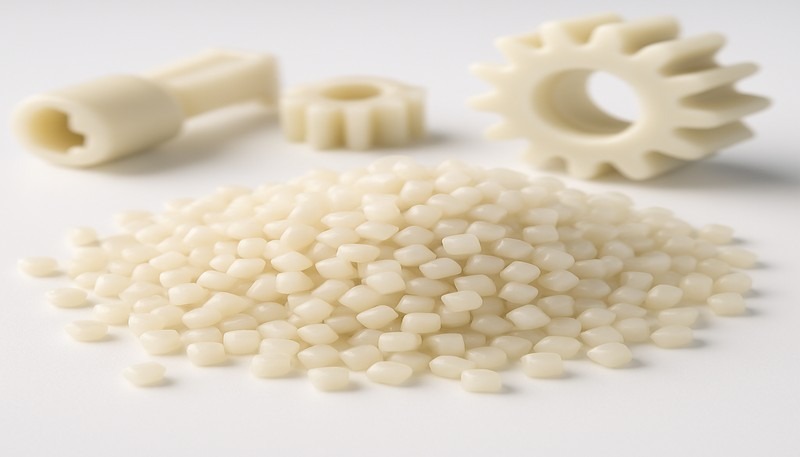
Glasfaserverstärktes Nylon[^1] ist Standardpolyamid (meist PA6 oder PA66), dem 10%, 20%, 30% oder 45% kurze Glasfasern nach Gewicht beigemischt werden. Das Ergebnis ist ein thermoplastischer Verbundwerkstoff, der erheblich steifer, fester und maßstabiler als sein unverstärktes Basismaterial ist.
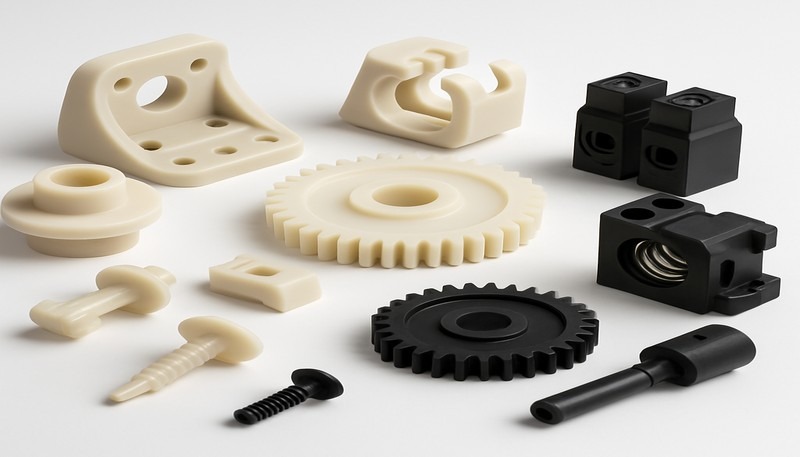
In unserem Betrieb gehören PA6 GF303 und PA66 GF30 zu den fünf am häufigsten verarbeiteten Materialien. Sie kommen in Komponenten für den Motorraum, Elektrogehäusen, Elektrowerkzeuggehäusen, Industriefittings und Strukturhalterungen für Konsumgüter zum Einsatz.
Die Wirtschaftlichkeit ist klar: Sie erhalten metallähnliche Steifigkeit bei Kunststoffverarbeitungsgeschwindigkeiten, und die Gesamtteilkosten unterbieten oft Druckguss oder CNC-Rohlinge, wenn die Stückzahlen die 5.000-Einheiten-Schwelle überschreiten.
Bei ZetarMold betreiben wir 47 Spritzgießmaschinen (90T–1850T) mit Erfahrung bei über 400 Materialien – PA6 GF30 und PA66 GF30 gehören zu den fünf am häufigsten verarbeiteten Typen in unserer Einrichtung in Shanghai.
Datenblätter erwähnen jedoch nicht, dass sich die Glasfasern beim Einspritzen in Fließrichtung ausrichten. Dadurch schwindet das Teil entlang des Fließwegs anders als quer dazu; diese anisotrope Schwindung ist die mit Abstand größte verarbeitungstechnische Herausforderung bei diesen Werkstoffen.
Was sind die wichtigsten Materialeigenschaften von glasgefülltem Nylon?
Wenn Sie PA66 30% Glasfaser hinzufügen, steigt die Zugfestigkeit von etwa 80 MPa auf 185 MPa – eine Steigerung um 130%. Der Biegemodul erhöht sich von etwa 2,9 GPa auf 9,0 GPa, was bedeutet, dass das Material dreimal steifer ist.
Die Wärmeformbeständigkeitstemperatur (HDT) bei 1,8 MPa steigt von etwa 75°C auf über 250°C, was ein Wendepunkt für Anwendungen unter der Motorhaube im Automobilbereich und für elektrische Anwendungen ist.
Es gibt jedoch Nachteile. Die Schlagzähigkeit sinkt, weil Glasfasern Spannungskonzentrationen erzeugen. Die Bruchdehnung fällt von 50%+ auf etwa 3%, sodass sich das Teil vor dem Bruch nicht biegt. Auch die Oberfläche wird deutlich rauer.
| Eigentum | Ungefülltes PA6 | PA6 GF30 | PA66 GF30 |
|---|---|---|---|
| Zugfestigkeit (MPa) | 79 | 170 | 185 |
| Biegemodul (GPa) | 2.8 | 8.5 | 9.0 |
| HDT bei 1.8 MPa (°C) | 65 | 215 | 255 |
| Kerbschlagarbeit Izod (J/m) | 55 | 110 | 105 |
| Schwindung - Fließrichtung (%) | 1.0–1.4 | 0.3–0.5 | 0.2–0.5 |
| Schwindung - quer (%) | 1.0–1.4 | 0.7–1.0 | 0.6–1.0 |
| Schmelzetemperaturbereich (°C) | 230–260 | 260–290 | 275–300 |
| Dichte (g/cm3) | 1.13 | 1.35 | 1.37 |
Beachten Sie den Schwindungsunterschied zwischen Fließ- und Querrichtung. Bei PA6 GF30 kann die Schwindung in Fließrichtung 0,3 % betragen, aber quer dazu 0,9 %. Dieser dreifache Unterschied macht die Formkonstruktion für glasgefülltes Nylon zu einer spezialisierten Aufgabe.
Welche Verarbeitungsparameter steuern das Spritzgießen von glasfaserverstärktem Nylon?
Trocknung, Schmelztemperatur, Werkzeugtemperatur und Einspritzgeschwindigkeit sind die vier Parameter, die die Qualität von GF-Nylon steuern. Diese Parameter sind weniger nachsichtig als bei ungefülltem Nylon, daher ist eine enge Prozesskontrolle unerlässlich.
Trocknen: Nicht verhandelbar
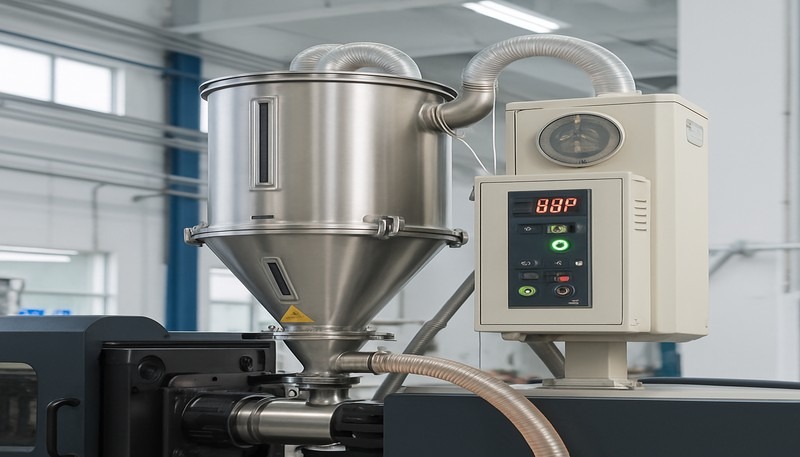
Nylon ist hygroskopisch — es nimmt Feuchtigkeit aus der Luft auf. Glasfasern ändern daran nichts. Verwenden Sie einen Trockenlufttrockner und trocknen Sie das Material 4–6 Stunden bei 75–85°C, um die Feuchte unter 0.1% zu senken. Andernfalls entstehen Silberstreifen und Schlieren sowie ein durch Hydrolyse verringertes Molekulargewicht.
Wir haben eingehendes Material mit 0.4% Feuchtigkeit gesehen, das mit bloßem Auge trocken wirkte — das war es nicht. Prüfen Sie es vor der Verarbeitung immer mit einem Feuchtemessgerät.
Schmelztemperatur
Für PA6 GF30 sollten Sie 260–285°C anstreben. Für PA66 GF30 benötigen Sie 275–300°C. Der höhere Bereich ermöglicht besseren Fluss und Faserbenetzung, erhöht aber das Risiko thermischer Zersetzung.
In unserer Einrichtung in Shanghai verarbeiten wir PA66 GF30 typischerweise bei 285–295°C — dieser Sweet Spot sorgt für eine gute Oberflächengüte, ohne die Schlichte auf den Glasfasern zu verbrennen.
Temperatur der Form
Formtemperatur bei 80–100°C für glasgefüllte Typen laufen lassen. Höhere Formtemperaturen verbessern Kristallinität, Oberflächengüte und Maßhaltigkeit. Sie verlängern jedoch die Zykluszeit.
Bei Teilen mit engen Toleranzen fahren wir mindestens 90°C. Unter 70°C sind Verzug nach dem Formen und uneinheitliche mechanische Eigenschaften zu erwarten — die Außenhaut kristallisiert anders als der Kern.
Einspritzgeschwindigkeit und -druck
Glasgefülltes Nylon hat eine höhere Schmelzviskosität, daher benötigen Sie 20–30 % mehr Einspritzdruck als bei ungefüllten Typen. Schnellere Einspritzgeschwindigkeiten helfen, die Faserlänge zu erhalten und Schweißnahtschwächen zu reduzieren.
Bei einer zu hohen Geschwindigkeit entstehen an dünnwandigen Bauteilen jedoch Freistrahlbildung oder Grat. Wir beginnen üblicherweise mit einem mittelschnellen bis schnellen Geschwindigkeitsprofil und passen es anhand einer Kurzschussanalyse an.
Wie beeinflusst der Glasfasergehalt Schrumpfung und Dimensionsstabilität?
Hier rechtfertigt glasfaserverstärktes Nylon wirklich seinen Aufpreis. Ungefülltes PA66 schrumpft in alle Richtungen etwa 1,0–1,4%. Bei Zugabe von 30% Glasfaser sinkt die Schrumpfung in Flussrichtung auf 0,2–0,5%.
Für präzisionstolerante Teile wie Getriebegehäuse, Sensorbrackets und Steckverbindereinsätze ist diese Vorhersagbarkeit jeden Cent des Materialaufpreises wert.
Die Querschwindung sinkt jedoch nur auf etwa 0.6–1.0%. Ihre Kavitätskonstruktion muss daher die unterschiedliche Schwindung berücksichtigen – im Werkzeugstahl wird im Wesentlichen eine asymmetrische Kompensation vorgesehen.
In unserem hausinternen Spritzgießformenbau haben unsere acht leitenden Ingenieure über Jahre der Werkzeugoptimierung gelernt, dieses Verhalten vorherzusagen. Entscheidend sind Faseranteil, Bauteilgeometrie, Anschnittposition und Verarbeitungsbedingungen.
Für Produktionsteile mit Toleranzen von ±0,05 mm empfehlen wir PA66 GF30 oder höher, verarbeitet mit einer Werkzeugtemperatur über 85°C und validiert durch Erstmusterprüfung mittels CMM-Messung.
Welche Designrichtlinien sollten Sie für glasfaserverstärkte Nylonteile beachten?
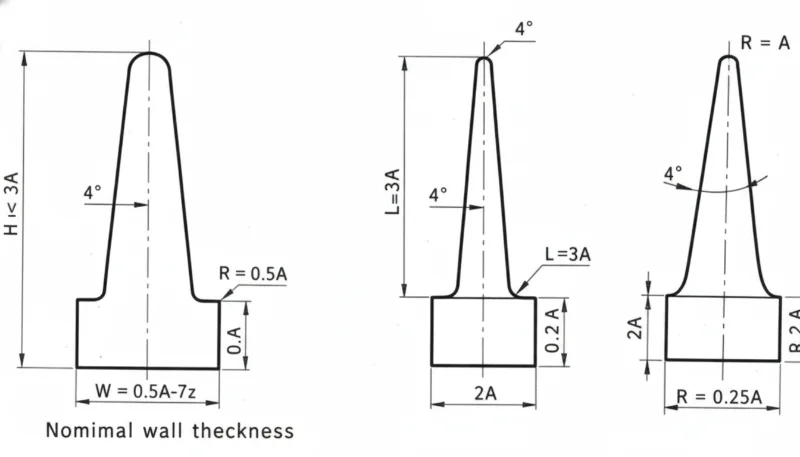
Halten Sie Wandstärken zwischen 2 und 3 mm, verwenden Sie Radien über 0,5 mm und fügen Sie einen Entformungswinkel von 1–3° hinzu – dies sind die wesentlichen Designrichtlinien für glasfaserverstärkte Nylonteile. Glasfasern erhöhen die Schrumpfungsanisotropie und den Werkzeugverschleiß, daher gelten die Standardregeln für unverstärktes Nylon nicht.
Wandstärke: Gleichmäßig halten
Eine gleichmäßige Wandstärke ist beim Spritzgießen immer wichtig, aber bei glasfaserverstärktem Nylon entscheidend. Wandstärkenübergänge führen zu unterschiedlichen Abkühl- und Schrumpfraten, was zu Verzug führt. Die Fasern orientieren sich in dicken und dünnen Bereichen auch unterschiedlich.
Wir empfehlen eine Nennwanddicke von 2.0–3.5 mm. Unter 1.5 mm ist mit Füllproblemen und Faserbruch zu rechnen. Über 4.0 mm treten Einfallstellen und übermäßig lange Zykluszeiten auf.
Radien: Großzügig, immer
Glasfasern erzeugen Spannungskonzentrationen an scharfen Innenecken. Der Innenradius muss mindestens 0.5 mm betragen; 1.0 mm wird bevorzugt. Wir haben beobachtet, dass die Ausfallraten um 40%+ sanken, nachdem die Innenradien von 0.3 mm auf 1.0 mm erhöht wurden.
Die Fasern können scharfen Ecken nicht folgen — sie häufen sich an und erzeugen harzreiche und faserreiche Zonen, die beide Schwachstellen darstellen.
Entformungswinkel: Mehr als Sie denken
Glasfaserverstärktes Nylon ist abrasiv, was bedeutet, dass das Teil beim Auswerfen an der Kavitätsoberfläche haftet. Mindestens 1,5° Entformungswinkel, vorzugsweise 2–3°, insbesondere auf texturierten Oberflächen.
Die Kosten für ein paar zusätzliche Grad Schrägung sind nichts im Vergleich zu festklebenden, verkratzten oder rissenden Teilen beim Auswerfen.
Rippen- und Boss-Design
Rippen sollten 50–75 % der Nennwandstärke betragen. Bei glasfaserverstärktem Nylon sind dünnere Rippen (50–60 %) sicherer, da das Material bereits steif ist. Bossen sollten dem gleichen Verhältnis folgen und ausgehöhlt werden, um die Masse zu reduzieren.
Was sind die häufigsten Fehler und wie behebt man sie?
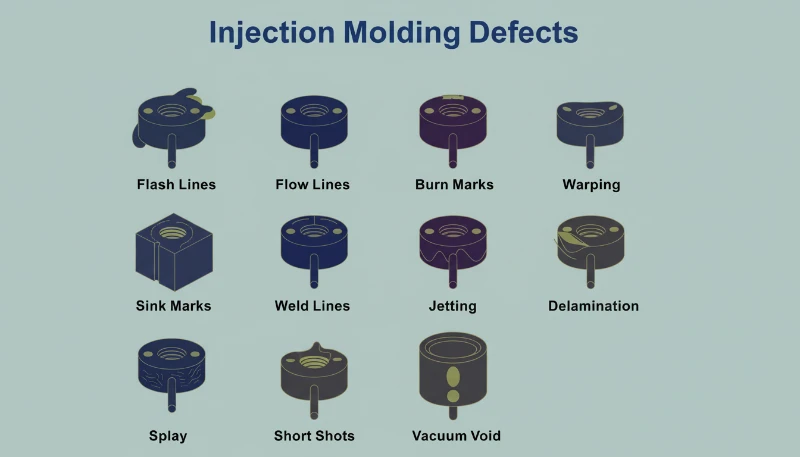
Faserfreilegung, Verzug, Schweißlinien und Feuchtigkeitsstreifen sind die vier häufigsten GF-Nylon-Fehler – und die meisten sind vermeidbar. Hier sind die Ursachen für jeden und wie wir sie in der Produktion beheben.
Faserfreilegung und schlechte Oberflächengüte
Wenn diese Glasfasern aus der Oberfläche herausragen, hat das Harz die Fasern an der Kavitätswand nicht vollständig umschlossen. Ursachen: zu niedrige Werkzeugtemperatur, zu geringe Einspritzgeschwindigkeit oder unzureichender Nachdruck.
Behebung: Erhöhen Sie die Werkzeugtemperatur auf 90–100°C, steigern Sie die Einspritzgeschwindigkeit und sorgen Sie für ausreichenden Nachdruck bei 60–80 % des Einspritzdrucks. Für kosmetische A-Oberflächen sollten Sie eine polierte Kavität und eine leichte Textur in Betracht ziehen, die das Faserbild maskiert.
Verzug und Maßabweichungen
Wird meist durch unterschiedliches Schrumpfen zwischen Fluss- und Querrichtung verursacht, verstärkt durch ungleichmäßige Wandstärke.
Behebung: Neukonstruktion für gleichmäßige Wandstärken, Verschiebung der Angüsse für ausgeglichenen Fluss, Erhöhung der Werkzeugtemperatur und Nachbehandlung bei 150–170°C für 30–60 Minuten zur Entspannung innerer Spannungen.
Schweißnähte
Glasfasern überqueren keine Bindenähte — sie richten sich parallel zur Fließfront aus. Der Bindennahtbereich besteht daher im Wesentlichen aus unverstärktem Nylon mit deutlich geringerer Festigkeit.
Lösung: Schweißlinien durch intelligente Angussplatzierung minimieren, sie in unkritischen Bereichen positionieren und höhere Schmelz- und Werkzeugtemperaturen verwenden, um die Verbindungsfestigkeit zu verbessern.
Feuchtigkeitsbedingte Fehler
Silberstreifen, Spritzer, Blasen und reduzierte mechanische Eigenschaften. Die Lösung ist immer dieselbe: das Material richtig auf unter 0,1% Feuchtigkeit trocknen.
In unserer Einrichtung überprüft die IQC den Feuchtigkeitsgehalt des Materials vor jedem Produktionslauf. Wir verwenden geschlossene Trichterlader, die während des gesamten Laufs trockene Luft aufrechterhalten.
Wie wählen Sie zwischen PA6 GF- und PA66 GF-Qualitäten?
Verwenden Sie PA6 GF30 für kostenempfindliche Teile unter 150°C; wählen Sie PA66 GF30 für höhere Temperaturen oder bessere Chemikalienbeständigkeit. Beide Qualitäten mit 30% Glasfaseranteil bieten hervorragende Steifigkeit – der Hauptunterschied liegt in der thermischen Leistung.
Wählen Sie PA6 GF30, wenn die Kosten der Haupttreiber sind (PA6-Harz ist typischerweise 10–15 % günstiger), das Teil dauerhaft unter 150°C arbeitet oder Sie eine etwas bessere Schlagzähigkeit benötigen. PA6 GF30 ist unsere erste Wahl für Gehäuse von Konsumelektronik und nicht-kritische Strukturteile.
Wählen Sie PA66 GF30, wenn das Teil über 150°C arbeitet (Automobil-Motorraum, elektrische Kontaktträger), Chemikalienbeständigkeit wichtig ist, Maßhaltigkeit bei erhöhter Temperatur kritisch ist oder Sie höhere Zugfestigkeit und Kriechbeständigkeit benötigen.
Für beide Typen sind 30 % Glasfaser der Sweet Spot. 10–15 % bieten moderate Verbesserungen. 40–45 % maximieren die Steifigkeit, führen aber zu schlechter Oberflächengüte, sehr hoher Viskosität und starkem Werkzeugverschleiß.
Glasfaserverstärktes Nylon vs. unverstärktes Nylon: Wann lohnt sich das Upgrade?
Das GF-Nylon-Upgrade lohnt sich, wenn das Teil eine Zugfestigkeit über 80 MPa, Betriebstemperaturen über 100°C oder eine Schrumpfung unter 0,4% benötigt. Das Material kostet 20–40% mehr pro Kilogramm, aber die Gesamtteilkosten gleichen sich oft aus.
Die Aufrüstung lohnt sich, wenn das Teil strukturelle Lasten trägt, die unverstärktes Nylon bei der geforderten Durchbiegungsgrenze nicht bewältigt, wenn Maßstabilität über Temperaturbereiche entscheidend ist oder wenn das Teil unter Bedingungen arbeitet, bei denen die HDT von 65–75°C unverstärkten Nylons unzureichend ist.
Die Aufrüstung lohnt sich nicht, wenn das Bauteil rein optische Anforderungen erfüllt, unverstärktes Nylon bereits der Spezifikation entspricht oder das Volumen zu gering ist, um den Aufpreis für den Werkzeugverschleiß zu rechtfertigen. Wir haben Kunden mehr als einmal von glasfaserverstärktem Nylon abgeraten – das ist die ehrliche Empfehlung.
Ein weiterer Aspekt: Werkzeuglebensdauer. Glasfaserverstärktes Nylon ist abrasiv – diese Fasern wirken wie mikroskopisches Sandpapier. Gehen Sie von einem 3–5-fach höheren Kavitätenverschleiß aus. In unserer Formenbaufertigung verwenden wir standardmäßig gehärteten Stahl (H13 oder S7) für alle Werkzeuge für GF-Nylon, weshalb unsere Formen über 500.000 Schüsse liefern, bevor eine größere Wartung anfällt.
Aus Beschaffungssicht ist glasfaserverstärktes Nylon bei großen Anbietern wie DuPont (Zytel), BASF (Ultramid) und EMS-Grivory breit verfügbar. Die Lieferzeiten für Standardtypen PA6 GF30 und PA66 GF30 betragen üblicherweise 2–4 Wochen, während Spezialtypen wie PA66 GF45 oder UV-stabilisierte Compounds 8–12 Wochen benötigen können. Planen Sie die Materialbeschaffung frühzeitig — wir haben Projekte erlebt, die sich verzögerten, weil der spezifizierte GF-Typ während der Hochsaison der Automobilindustrie kontingentiert war.
"Glasfaserverstärktes Nylon erfordert denselben Trocknungsprozess wie unverstärktes Nylon."True
Richtig. Die Nylonmatrix bleibt hygroskopisch, unabhängig vom Fasergehalt. Feuchtigkeit kann auch an der Grenzfläche zwischen Faser und Harz eingeschlossen werden. Beide Typen müssen vor der Verarbeitung auf unter 0,1 % Feuchtigkeit getrocknet werden.
"Glasfasergefüllte Nylonteile haben immer eine bessere Oberflächengüte als ungefülltes Nylon."False
Falsch. Glasfasern erzeugen eine matte, raue Oberfläche. Unverstärktes Nylon erzeugt eine glattere, glänzendere Oberfläche. Wenn das Aussehen wichtig ist, werden unverstärkte Typen oder Oberflächenbehandlungen bevorzugt.
Um zu verstehen, wie sich glasfaserverstärktes Nylon während der Verarbeitung verhält, ist praktische Erfahrung mit dem Material über verschiedene Bauteilgeometrien und Wandstärken hinweg erforderlich. Die Faserorientierungsmuster ändern sich mit jeder Angussverlagerung, Wandstärkenanpassung oder Prozessparameteränderung. In unserer Einrichtung in Shanghai haben unsere Ingenieure diese Verhaltensmuster über Tausende von Produktionsläufen dokumentiert und eine empirische Datenbank aufgebaut, die uns hilft, häufige Fehler vorherzusagen und zu verhindern, bevor sie in der Produktion auftreten.
"Die Schwindung von glasfaserverstärktem Nylon unterscheidet sich in Fließ- und Querrichtung."True
Richtig. Glasfasern richten sich während des Spritzgießens in Flussrichtung aus, was zu anisotroper Schwindung führt – typischerweise 0,3 % in Flussrichtung vs. 0,8 % quer für PA6 GF30. Diese Differenz ist die größte Herausforderung im Formendesign für diese Materialien.
"Ein höherer Glasfaseranteil ergibt immer ein festeres Bauteil."False
Falsch. Während Steifigkeit und Zugfestigkeit mit dem Fasergehalt steigen, kann die Schlagzähigkeit stagnieren oder abnehmen. Bei 45 % Füllung nehmen Sprödigkeit und Verarbeitungsschwierigkeiten deutlich zu. 30 % bleibt für die meisten Anwendungen die ausgewogenste Wahl.
Häufig gestellte Fragen
Häufig gestellte Fragen
Was ist die Spritzgusstemperatur für glasfaserverstärktes Nylon?
Für PA6 GF30 liegt der Schmelztemperaturbereich bei 260–285°C. Für PA66 GF30 sind 275–300°C zu verwenden. Für eine optimale Kristallinität und Oberflächengüte sollte die Formtemperatur bei 80–100°C gehalten werden. Prüfen Sie stets das Datenblatt der jeweiligen Materialtype, da die Rezepturen der Hersteller um plus oder minus 10°C variieren können. Eine zu heiße Verarbeitung schädigt die Faserschlichte; eine zu kalte Verarbeitung führt zu unzureichender Faserbenetzung und Oberflächenfehlern. In unserem Werk in Shanghai wählen wir üblicherweise die Mitte des jeweiligen Bereichs als Zielwert und passen ihn anhand von Kurzschussprüfungen und den Ergebnissen der Erstmusterprüfung an.
Wie beeinflusst der Glasfasergehalt das Schwindmaß von Nylon?
Glasfasern reduzieren das Schwindmaß in Fließrichtung drastisch – von etwa 1,2 % für ungefülltes PA66 auf nur 0,3 % für PA66 GF30. Das Querschwindmaß sinkt jedoch nur auf etwa 0,7–0,9 %, was ein signifikantes anisotropes Verhalten erzeugt, das beim Werkzeugdesign berücksichtigt werden muss. Höherer Fasergehalt reduziert das Gesamtschwindmaß weiter, erhöht aber die Differenz zwischen Fließ- und Querrichtung. Das bedeutet, ein PA66 GF45-Teil könnte nur 0,2 % in Fließrichtung schwinden, aber immer noch 0,6 % quer, was die Maßvorhersage für den Werkzeugkonstrukteur noch komplexer macht.
Kann man glasfaserverstärktes Nylon mit TPE oder TPU umspritzen?
Ja, glasgefülltes Nylon (typischerweise PA6 GF30) wird häufig als starres Substrat in Zweikomponenten- oder Umspritzungsanwendungen verwendet, wobei TPE oder TPU als weiches Umspritzmaterial dient. Die Haftung hängt von der chemischen Kompatibilität zwischen Substrat und Umspritzmaterial sowie der ordnungsgemäßen Substratoberflächenvorbereitung und Temperaturführung während des zweiten Schusses ab. Der Glasfasergehalt kann die mechanische Verbundfestigkeit im Vergleich zu ungefüllten Nylonsubstraten verringern, da die Fasern die verfügbare Oberfläche für die chemische Verzahnung mit der TPE- oder TPU-Schicht reduzieren.
Was verursacht die Sichtbarkeit von Fasern auf der Oberfläche von Teilen aus glasfaserverstärktem Nylon?
Faserfreilegung entsteht, wenn die Harzmatrix die Glasfasern an der Kavitätsoberfläche während der Nachdruckphase nicht vollständig umschließt. Häufige Ursachen sind eine Formtemperatur unter 80°C, eine langsame Einspritzgeschwindigkeit, die Fasern nicht von der Kavitätswand wegdrückt, unzureichender Nachdruck und ein Faseranteil über 30%. Am wirksamsten sind eine Erhöhung der Formtemperatur auf 90–100°C und eine höhere Einspritzgeschwindigkeit. Bei Teilen mit Anforderungen an eine optische A-surface-Qualität kann eine polierte Kavität in Verbindung mit einer dezenten Textur das werkstoffbedingte Durchscheinen der Fasern bei glasfaserverstärkten Typen kaschieren.
Ist glasgefülltes Nylon für lebensmittelkontaktgeeignete Anwendungen geeignet?
Glasfaserverstärktes Nylon kann bei Verwendung von Basisharz in Lebensmittelqualität und geeigneter Faserschlichte FDA-konform sein, doch nicht alle GF-Nylontypen sind für Lebensmittelkontakt zertifiziert. Die Glasfasern selbst sind inert — die Konformität hängt vollständig von der Nylonmatrix sowie den eingesetzten Additiven oder Farbstoffen ab. Prüfen Sie beim Werkstofflieferanten stets die FDA- oder EU 10/2011-Konformitätsdokumentation des konkreten Typs. Wenn Lebensmittelsicherheit erforderlich ist, geben Sie dies von Anfang an an, damit der Spritzgießer zertifiziertes Material beschafft und während des gesamten Produktionsprozesses eine angemessene Rückverfolgbarkeit dokumentiert.
Wie verhindert man Verzug bei spritzgegossenen Teilen aus glasfaserverstärktem Nylon?
Die Verhinderung von Verzug erfordert einen mehrgleisigen Ansatz: Konstruieren Sie für gleichmäßige Wandstärken zwischen 2,0 und 3,5 mm, verwenden Sie großzügige Innenradien von mindestens 1,0 mm, positionieren Sie Angüsse, um ausgeglichene Fließmuster zu erzeugen, halten Sie die Werkzeugtemperatur während des gesamten Zyklus über 85°C und gewährleisten Sie ausreichende Kühlzeit vor dem Auswerfen. Für Teile, die bereits in der Produktion Verzug zeigen, kann eine Nachspritzglühung bei 150–170°C für 30 bis 60 Minuten innere Spannungen abbauen und die Ebenheit verbessern. Die effektivste Strategie ist es, Verzug während der Werkzeugdesignprüfung anzugehen, anstatt zu versuchen, ihn nur durch Prozessanpassungen zu beheben.
Welcher Werkzeugstahl wird für Formen für glasfaserverstärktes Nylon empfohlen?
Vergütete Werkzeugstähle wie H13 mit 48–52 HRC oder S7 werden für Serienformen empfohlen, die mit glasfaserverstärktem Nylon laufen. Die abrasiven Glasfasern verursachen drei- bis fünfmal mehr Verschleiß als ungefülltes Nylon, was bedeutet, dass Standard-P20-Werkzeugstahl viel schneller Kavitätenabtrag und Maßverschiebung zeigt. Für Großserienproduktion über 500.000 Schüsse sollten PVD-Beschichtungen wie TiN oder TiCN auf Kavitätenoberflächen in Betracht gezogen werden, um die Werkzeuglebensdauer zu verlängern. Die anfängliche Investition in vergüteten Stahl amortisiert sich durch reduzierte Wartungsausfallzeiten und konstantere Teilequalität über die Lebensdauer der Form.
Benötigt glasgefülltes Nylon eine spezielle Spritzgießschnecke?
Eine Universalschnecke mit einem Kompressionsverhältnis von 2,5:1 bis 3,0:1 funktioniert gut für die meisten glasfaserverstärkten Nylonsorten. Vermeiden Sie sehr hohe Kompressionsverhältnisse über 3,5:1, die übermäßigen Faserbruch verursachen und die mechanische Verstärkung, die die Fasern bieten, reduzieren. Verschleißfeste Schnecken- und Zylindermaterialien wie bimetallische Liner oder Xaloy-beschichtete Komponenten werden aufgrund der abrasiven Natur der Glasfasern für lange Produktionsläufe dringend empfohlen. Eine verschlissene Schnecke mitten in einer Produktionsserie zu ersetzen, ist weitaus teurer als von Anfang an verschleißfeste Komponenten vorzusehen.
Benötigen Sie einen zuverlässigen Partner für Ihr Spritzgießprojekt mit glasfaserverstärktem Polyamid? ZetarMold verarbeitet seit 2005 GF-Polyamidtypen in seinem Werk in Shanghai. Mit 47 Maschinen (90T–1850T), einem eigenen Spritzgießformenbau und acht leitenden Ingenieuren fertigen wir täglich Teile aus PA6 GF303 und PA66 GF30 für Kunden aus Automobilindustrie, Elektronik und Industrie weltweit. Fordern Sie ein kostenloses Angebot an und lassen Sie unser Ingenieurteam Ihren Entwurf prüfen.
Glasfaserverstärktes Polyamid: Glasfaserverstärktes Polyamid bezeichnet Polyamid (PA6 oder PA66), das typischerweise mit 10–45 Gew.-% kurzen Glasfasern verstärkt ist, um Steifigkeit, Festigkeit und Wärmebeständigkeit zu verbessern. ↩
Anisotrope Schwindung: Anisotrope Schwindung bezeichnet die durch Faserorientierung beim Einspritzen verursachte unterschiedliche Schwindung in Fließ- und Querrichtung, die eine sorgfältige Kompensation bei der Formkonstruktion erfordert. ↩
PA6 GF30: PA6 GF30 bezeichnet Polyamid 6 mit 30 % Glasfaseranteil – einen verbreiteten Typ mit ausgewogenem Verhältnis aus mechanischer Leistung und Verarbeitbarkeit für Strukturanwendungen. ↩