負荷、温度、時間が経過しても形状を保持する必要がある構造部品の材料を指定している場合、おそらく ガラス入りナイロンZZQLINK1QXZ が候補リストに含まれます。ナイロンにガラス繊維を加えることで、ナイロンは丈夫で柔軟性のあるエンジニアリング プラスチックから、ダイカスト アルミニウムと競合するものに変わります。
しかし、ガラス充填グレードの射出成形プロセスは、充填されていないナイロンとは異なります。より高い溶融粘度、激しい工具摩耗、異方性収縮ZZQLINK1QXZ[^2]、および繊維長感度は、パラメーターを正しく設定する必要があることを意味します。そうしないと、部品がはっきりと通知します。
このガイドでは、ガラス入りナイロンを実際の製造現場で 20 年にわたって稼働させてきたことに基づいて、ガラス入りナイロンを成形する際に実際に何が重要なのかを説明します。 ZetarMold では、上海の施設で 400 以上の材料を使用した 47 台の 射出成形 マシン (90T ~ 1850T) を稼働させています。
- ガラス充填ナイロンは、未充填グレードに比べて剛性を30〜200%向上させます
- 加工前の水分含有率は0.1%以下である必要があります。80°Cで4~6時間乾燥してください。
- 溶融温度はPA6とPA66により260~300°Cの範囲です
- 繊維配向により異方性収縮が生じるため、ゲート設計に留意してください
- 金型の摩耗は、未充填ナイロンよりも3~5倍高いため、焼入れ工具鋼を使用してください
ガラス充填ナイロンとは何か、なぜ重要なのか?
ガラス繊維入りナイロンはガラス短繊維で強化されたポリアミドで、最大 200% 高い剛性と 250°C 以上の HDT を実現します。ベンダーを比較する場合は、射出成形サプライヤー 調達ガイドで RFQ の準備と認定について説明します。
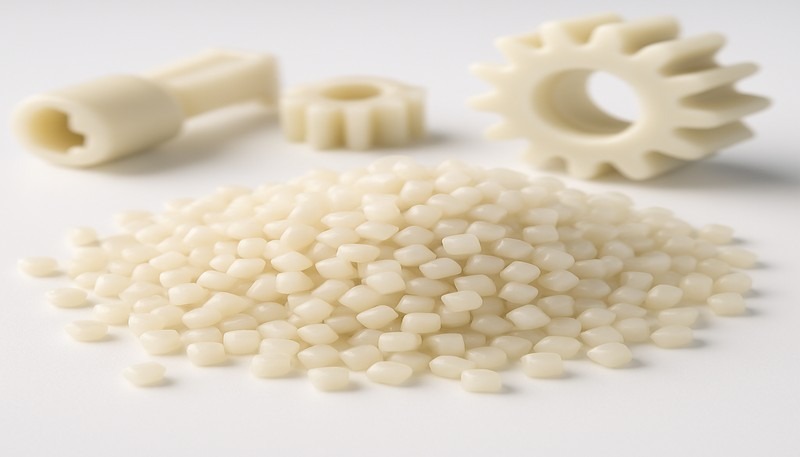
ガラス繊維強化ナイロン[^1]は、標準的なポリアミド(通常はPA6またはPA66)に、重量比10%、20%、30%、または45%の短ガラス繊維を配合した材料です。その結果、非強化の基材と比べて剛性、強度、寸法安定性が大幅に向上した複合熱可塑性樹脂となります。
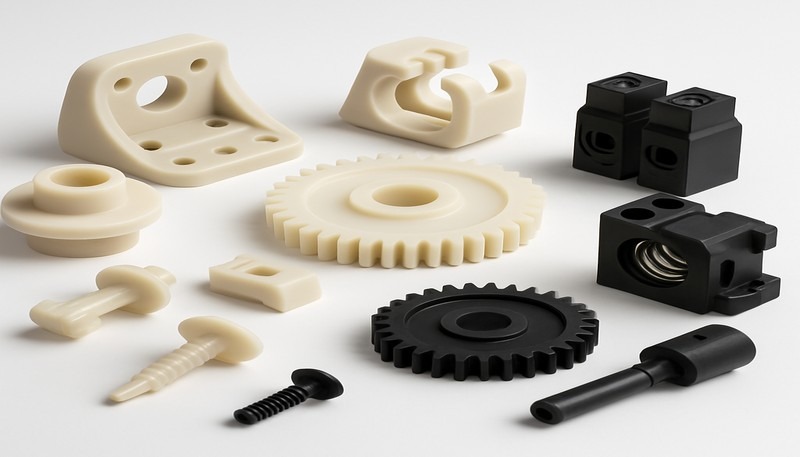
当店ではPA6 GF30XXQLINK1QXZとPA66 GF30がトップ5に入る成形数の多い材質です。これらは、自動車のボンネット下のコンポーネント、電気ハウジング、電動工具のケーシング、工業用付属品、および消費者グレードの構造ブラケットに使用されます。
経済性は明らかです:金属のような剛性をプラスチック加工速度で得られ、生産量が5,000個を超えると、総部品コストはダイカストやCNC素材加工を下回ることが多いです。
ZetarMoldでは、47台の射出成形機(90T~1850T)を運転し、400種類以上の材料を扱ってきました。PA6 GF30とPA66 GF30は、当社上海工場で最も多く成形されるグレードのトップ5に入っています。
ただし、データシートに記載されていない重要な点があります。射出時にガラス繊維が流動方向へ配向することです。その結果、成形品は流動方向とその直交方向で収縮量が異なり、この異方性収縮がこれらの材料における最大の成形課題となります。
ガラス充填ナイロンの主要な材料特性は何か?
PA66に30%のガラス繊維を添加すると、引張強度は約80 MPaから185 MPaへと跳ね上がり、130%の増加となります。曲げ弾性率は約2.9 GPaから9.0 GPaとなり、材料は3倍硬くなります。
1.8 MPaでの熱変形温度(HDT)は約75°Cから250°C以上に上昇し、これは自動車ボンネット内や電気機器用途において画期的な変化です。
ただし、トレードオフもあります。ガラス繊維が応力集中部を生じさせるため、衝撃強度は低下します。破断伸びは50%超から約3%まで低下し、部品は曲がる前に破断するようになります。表面仕上げも明らかに粗くなります。
| プロパティ | 非充填PA6 | PA6 GF30 | PA66 GF30 |
|---|---|---|---|
| 引張強さ (MPa) | 79 | 170 | 185 |
| 曲げ弾性率(GPa) | 2.8 | 8.5 | 9.0 |
| 1.8 MPaにおけるHDT(°C) | 65 | 215 | 255 |
| ノッチ付きアイゾット衝撃強さ (J/m) | 55 | 110 | 105 |
| 収縮率 - 流動方向 (%) | 1.0–1.4 | 0.3–0.5 | 0.2–0.5 |
| 成形収縮率 - 横方向(%) | 1.0–1.4 | 0.7–1.0 | 0.6–1.0 |
| 溶融温度範囲(℃) | 230–260 | 260–290 | 275–300 |
| 密度(g/cm3) | 1.13 | 1.35 | 1.37 |
流動方向と横方向の収縮率の違いに注目してください。PA6 GF30では、流動方向で0.3%の収縮率でも、それに垂直な方向では0.9%となることがあります。この3倍の差こそが、ガラス充填ナイロン用金型設計を専門技術たらしめる理由です。
ガラス充填ナイロン成形を制御する主要な加工パラメータは何か?
乾燥、溶融温度、金型温度、射出速度は、GFナイロンの品質を決定する4つのパラメータです。未充填ナイロンより許容範囲が狭いため、厳密なプロセス管理が不可欠です。
乾燥:非妥協項目
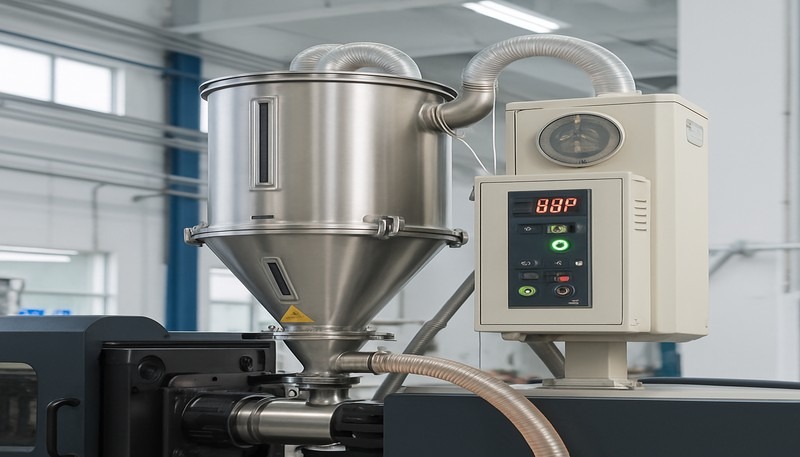
ナイロンは吸湿性があり、空気中の水分を吸収します。ガラス繊維を加えても変わりません。除湿乾燥機を使用し、75–85°Cで4–6時間乾燥して含水率を0.1%未満にする必要があります。省略すると、加水分解による分子量低下、銀条、シルバーストリークが発生します。
見た目には乾燥していても、受入材料の含水率が0.4%だった例があります。実際には乾燥していませんでした。成形前に必ず水分計で確認してください。
溶融温度
PA6 GF30では260~285°C、PA66 GF30では275~300°Cを目標とします。高温側は流動性と繊維の濡れ性を向上させますが、熱劣化リスクが高まります。
当社の上海工場では、通常PA66 GF30を285~295°Cで成形しています。この最適温度帯は、ガラス繊維のサイジングを焼損させることなく良好な表面仕上げを得られます。
金型温度
ガラス充填グレードでは、金型温度を80~100°Cで運転します。金型温度を高くすると、結晶性、表面仕上げ、寸法安定性が向上しますが、サイクルタイムは延長します。
厳しい公差が求められる部品では、最低でも90°Cで成形します。70°C未満では、成形後の反りや機械的特性のばらつきを招きます。外層と中心部で結晶化の状態が異なるためです。
射出速度と射出圧力
ガラス繊維強化ナイロンは溶融粘度が高いため、未充填グレードより20~30%高い射出圧力が必要です。高速射出は繊維長を維持し、溶接部の脆弱性を低減します。
ただし、速度が高すぎると薄肉部品にジェッティングやバリが発生します。通常は中速から高速の速度プロファイルで開始し、ショートショット解析に基づいて調整します。
ガラス繊維含有率は収縮と寸法安定性にどのような影響を与えるか?
ここがガラス充填ナイロンがプレミアム価格に見合う真価を発揮する点です。無充填PA66は全方向で約1.0〜1.4%収縮します。ガラス繊維30%を添加すると、流動方向の収縮率は0.2〜0.5%に低下します。
ギアハウジング、センサブラケット、コネクタインサートなどの厳密公差部品では、この予測可能性は材料プレミアムの費用に見合う価値があります。
しかし、横方向の収縮率は約0.6–1.0%までしか低下しません。そのため、キャビティ設計では収縮差を考慮する必要があります。つまり、工具鋼に非対称の補正を組み込むことになります。
社内の 射出成形金型 製造施設では、8 人の上級エンジニアが長年のツールの繰り返しを通じて、この動作を予測することを学びました。重要な要素は、繊維の割合、部品の形状、ゲートの位置、および加工条件です。
±0.05 mmの公差を必要とする生産部品には、PA66 GF30以上を推奨します。金型温度85°C以上で加工し、CMM測定による初品検査で検証します。
ガラス充填ナイロン部品の設計ガイドラインは?
ガラス充填ナイロン部品の基本的な設計指針は、壁厚を2〜3 mmに保ち、半径を0.5 mm以上とし、1〜3°のドラフト角を付けることです。ガラス繊維は収縮異方性と金型摩耗を増大させるため、通常の無充填ナイロンのルールは適用されません。
肉厚:均一に保つ
均一な肉厚は射出成形では常に重要ですが、ガラス充填ナイロンでは特に重要です。肉厚変化は冷却速度と収縮率の差を生み、反りを引き起こします。また、厚肉部と薄肉部では繊維の配向も異なります。
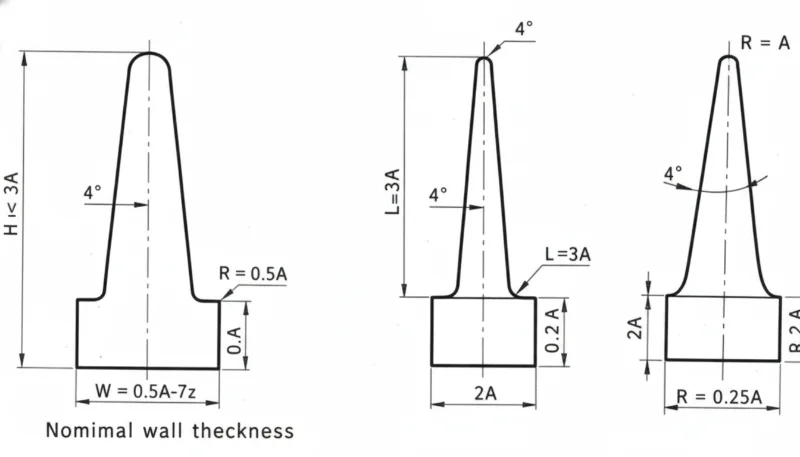
公称肉厚は2.0–3.5 mmを推奨します。1.5 mm未満では、充填不良や繊維破断が生じやすくなります。4.0 mmを超えると、ヒケやサイクルタイムの過度な延長が発生します。
R面:常に十分に大きく
ガラス繊維は、鋭い内角部に応力集中を生じさせます。内側Rは最小0.5 mm、推奨1.0 mmです。当社では、内側Rを0.3 mmから1.0 mmへ拡大することで、不良率が40%以上低下した事例があります。
繊維は鋭角部に沿って流れることができず、滞留して樹脂リッチ領域と繊維リッチ領域を形成します。どちらも強度上の弱点となります。
抜き勾配:想像以上に重要
ガラス充填ナイロンは研磨性があり、部品が離型時にキャビティ表面を掴むことを意味します。最小1.5°、できれば2〜3°の抜き勾配が必要で、特にテクスチャー加工された表面では重要です。
抜き勾配を数度追加するコストは、離型時の部品の引っ掛かり、傷つき、割れに比べれば無に等しいです。
リブとボスの設計
リブは名目肉厚の50〜75%であるべきです。ガラス充填ナイロンでは、材料自体が剛性が高いため、より薄いリブ(50〜60%)の方が安全です。ボスは質量削減のためコアリングを行い、同じ比率に従うべきです。
最も一般的な不良は何か、そしてどう解決するか?
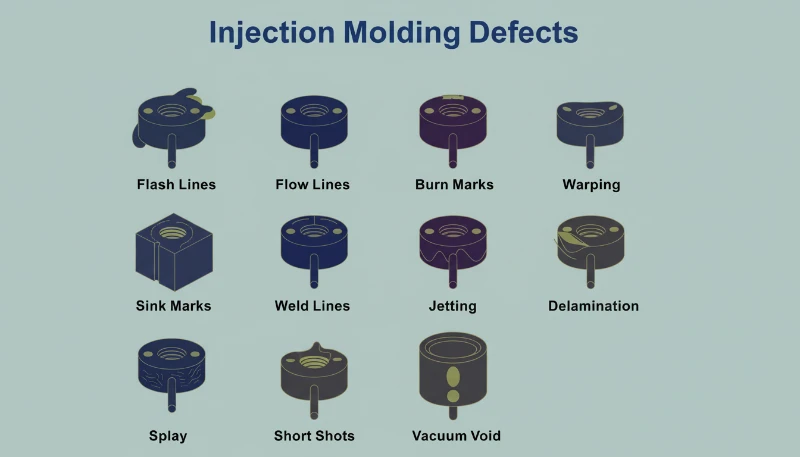
繊維露出、そり、溶接線、水分ストリークは、GFナイロンの4大欠陥であり、ほとんどは予防可能です。以下に、それぞれの原因と生産工程での対策方法を示します。
繊維露出と不良な表面仕上げ
表面に露出したガラス繊維は、キャビティ壁面で樹脂が繊維を完全に被覆できなかったことを示します。原因は、金型温度が低すぎる、射出速度が遅すぎる、または保圧が不足していることです。
修正:金型温度を90〜100°Cに上げ、射出速度を上げ、射出圧力の60〜80%の十分な保圧を確保してください。外観面(A面)では、鏡面仕上げのキャビティと繊維パターンを隠すわずかなテクスチャーを検討してください。
反りと寸法変動
通常、流動方向と横方向の収縮率差に加え、不均一な肉厚が複合して発生します。
修正:均一な肉厚になるように再設計し、バランスの取れた流動のためにゲート位置を変更し、金型温度を上げ、内部応力を緩和するために成形後150〜170°Cで30〜60分のアニーリングを検討してください。
溶接ライン
ガラス繊維はウェルドラインを横断せず、樹脂流動先端と平行に配向します。そのため、ウェルドライン部は実質的にガラス繊維が充填されていないナイロンとなり、強度が大幅に低下します。
修正:溶接線を最小限にするためにゲート配置を工夫し、非重要領域に配置し、溶融温度と金型温度を高くして溶着強度を向上させてください。
水分関連の欠陥
銀条痕、スプレー、気泡、機械的特性の低下。解決策は常に同じです:材料を0.1%以下の水分量まで適切に乾燥させること。
当社の施設では、IQCが生産開始前に材料の水分含有量を検証します。生産中は密閉式ホッパーローダーを使用し、乾燥空気を維持しています。
PA6 GFグレードとPA66 GFグレードの選択方法は?
150°C未満のコスト重視部品にはPA6 GF30を、より高温または優れた耐薬品性が必要な場合はPA66 GF30を選択してください。両グレードとも30%のガラス繊維含有量で優れた剛性を発揮します。主な違いは耐熱性能です。
コストが主な要因である場合(PA6樹脂は通常10〜15%安い)、部品が150°C以下で連続動作する場合、またはわずかに優れた耐衝撃性が必要な場合は、PA6 GF30を選択してください。PA6 GF30は、民生電子機器ハウジングや非重要な構造部品に当社が常用する材料です。
部品が150°C以上で動作する場合(自動車のフード下、電気接点キャリア)、耐薬品性が重要である場合、高温での寸法安定性が不可欠である場合、またはより高い引張強度とクリープ抵抗が必要な場合は、PA66 GF30を選択してください。
両グレードとも、ガラス繊維30%が最適点です。10〜15%では控えめな改善です。40〜45%では剛性は最大化されますが、表面仕上げが劣り、粘度が非常に高く、金型の摩耗が激しくなります。
ガラス充填ナイロン対未充填ナイロン:アップグレードが効果を発揮するのはいつか?
引張強度が80 MPa以上、作動温度が100°C以上、または収縮率が0.4%以下が必要な場合に、GFナイロンへのアップグレードは価値があります。材料費はキログラムあたり20〜40%高くなりますが、部品総コストはしばしば採算が取れます。
この材料強化が費用に見合うのは、要求たわみ限度において非強化ナイロンでは支えられない構造荷重を部品が負担する場合、温度範囲全体で寸法安定性が重要な場合、または非強化ナイロンのHDTである65~75°Cでは不十分な環境で部品を使用する場合です。
製品が外観用途のみである場合、非強化ナイロンですでに仕様を満たす場合、または生産数量が少なく金型摩耗による追加コストを正当化できない場合、この材料への変更は無駄になります。当社では、ガラス繊維強化ナイロンを採用しないようお客様に提案したことが一度ならずあります。それが誠実な推奨だからです。
もう一つの考慮点:金型寿命。ガラス充填ナイロンは研磨性があります。繊維は微細なサンドペーパーのように作用します。キャビティの摩耗は3〜5倍になると予想されます。当社の金型製造施設では、GFナイロン用金型には硬化鋼(H13またはS7)を標準採用しており、これが当社の金型が主要メンテナンス前に50万ショット以上を達成する理由です。
調達の観点では、ガラス繊維強化ナイロンはDuPont(Zytel)、BASF(Ultramid)、EMS-Grivoryなどの主要サプライヤーから広く入手できます。標準的なPA6 GF30およびPA66 GF30グレードのリードタイムは通常2–4週間ですが、PA66 GF45やUV安定化コンパウンドなどの特殊グレードは8–12週間かかる場合があります。材料調達は早期に計画してください。自動車業界の繁忙期に指定GFグレードが割当供給となり、プロジェクトが遅延した事例があります。
"ガラス繊維強化ナイロンには、非強化ナイロンと同じ乾燥手順が必要です。"True
正しい。ナイロン母材は繊維含有量に関わらず吸湿性を保持します。水分は繊維と樹脂の界面にも閉じ込められる可能性があります。両グレードとも加工前に0.1%以下の水分量まで乾燥させる必要があります。
"ガラス繊維強化ナイロン部品は、非強化ナイロンより常に表面仕上げが優れています。"False
誤り。ガラス繊維はマットで粗い表面を作ります。未充填ナイロンはより滑らかで光沢のある仕上がりになります。外観が重要な場合は、未充填グレードまたは表面処理が推奨されます。
ガラス充填ナイロンの加工中の挙動を理解するには、様々な部品形状や肉厚で材料を実際に扱う経験が必要です。繊維配向パターンは、ゲート位置の変更、肉厚調整、または加工パラメータの変更ごとに変化します。当社の上海施設では、エンジニアが数千回の生産実績にわたってこれらの挙動パターンを記録し、生産で発生する前に一般的な欠陥を予測・防止するのに役立つ経験的データベースを構築しています。
「ガラス繊維強化ナイロンの収縮率は、流動方向と直交方向で異なります。」True
正しい。ガラス繊維は射出時に流れ方向に配向し、異方性収縮を生じます ― PA6 GF30の場合、通常流れ方向0.3% vs 横方向0.8%。この差がこれらの材料の金型設計における最大の課題です。
"ガラス繊維の含有率を高めれば、必ず部品強度も向上する。"False
誤りです。剛性と引張強度は繊維含有量の増加とともに向上しますが、衝撃強度は頭打ちになるか、むしろ低下することがあります。45%の充填では、脆性と加工困難性が著しく増加します。30%充填がほとんどの用途で最もバランスの取れた選択肢です。
よくある質問
よくある質問
ガラス繊維強化ナイロンの射出成形温度は何度ですか?
PA6 GF30の溶融温度範囲は260–285°Cです。PA66 GF30では275–300°Cを使用してください。最適な結晶化度と表面仕上げを得るには、金型温度を80–100°Cに維持する必要があります。メーカーの配合によってプラスマイナス10°Cの差が生じるため、必ず該当グレードのデータシートで確認してください。温度が高すぎると繊維のサイジング剤が劣化し、低すぎると繊維への含浸不足や表面欠陥が生じます。当社の上海工場では通常、各範囲の中央値を目標とし、ショートショット試験と初回品検査の結果に基づいて調整しています。
ガラス繊維含有量はナイロンの収縮にどのような影響を与えますか?
ガラス繊維は流れ方向の収縮を劇的に低減します — 非強化PA66の約1.2%から、PA66 GF30では0.3%まで低下します。しかし、直角方向の収縮は約0.7~0.9%までしか低下せず、金型設計で考慮する必要のある著しい異方性挙動を生み出します。繊維含有量が高いと全体的な収縮はさらに減少しますが、流れ方向と直角方向の収縮率差は大きくなります。つまり、PA66 GF45部品は流れ方向では0.2%しか収縮しない一方、直角方向では依然として0.6%収縮する可能性があり、金型設計者にとって寸法予測がさらに複雑になります。
ガラス繊維強化ナイロンにTPEやTPUをオーバーモールドできますか?
はい、ガラス繊維強化ナイロン(一般的にPA6 GF30)は、ツーショット成形やオーバーモールド用途において、TPEやTPUを軟質オーバーモールド材として用いた場合の剛性基材として一般的に使用されます。密着性は、基材とオーバーモールド材の化学的適合性、ならびに適切な基材表面準備と第二射時の温度管理に依存します。ガラス繊維含有量は、非強化ナイロン基材と比較して機械的結合強度を低下させる可能性があります。これは、繊維がTPEまたはTPU層との化学的インターロックに利用可能な表面積を減少させるためです。
ガラス繊維強化ナイロン部品の表面に繊維が浮き出る原因は何ですか?
繊維露出は、保圧工程中に樹脂マトリックスがキャビティ表面のガラス繊維を完全に被覆できない場合に発生します。一般的な原因として、80°C未満の低い金型温度、繊維をキャビティ壁面から押し離せない低い射出速度、不十分な保圧、30%を超える高い繊維含有率が挙げられます。最も効果的な対策は、金型温度を90–100°Cに上げ、射出速度を高めることです。外観品質が求められるA面部品では、研磨したキャビティ仕上げと控えめなシボ模様を組み合わせることで、ガラス繊維強化グレードに固有の繊維浮きを目立ちにくくできます。
ガラス繊維強化ナイロンは食品接触用途に適していますか?
ガラス繊維強化ナイロンは、食品グレードのベース樹脂と適切な繊維表面処理剤を使用すればFDA適合となり得ますが、すべてのGFナイロングレードが食品接触認証を取得しているわけではありません。ガラス繊維自体は不活性であり、適合性はナイロンマトリックスとコンパウンドに使用される添加剤または着色剤に全面的に依存します。材料サプライヤーから、該当グレードのFDAまたはEU 10/2011適合文書を必ず確認してください。食品安全性が必要な場合は、成形業者が認証材料を調達し、製造工程全体で適切なトレーサビリティ文書を維持できるよう、事前に明記してください。
ガラス繊維強化ナイロンの射出成形部品の反りを防止するにはどうすればよいですか?
反りを防止するには、多角的なアプローチが必要です:肉厚を均一に(2.0~3.5 mm)設計し、内部Rを十分に(少なくとも1.0 mm)確保し、ゲート位置をバランスの取れた流動パターンが得られるように設定し、金型温度を85°C以上でサイクル全体を通して維持し、十分な冷却時間を確保してから取り出します。生産中に既に反りが見られる部品の場合、成形後150~170°Cで30~60分のアニーリングを行うことで内部応力を緩和し、平坦性を改善できます。最も効果的な戦略は、成形条件調整のみで修正しようとするのではなく、金型設計レビューの段階で反りに対処することです。
ガラス繊維強化ナイロン金型に推奨される工具鋼は何ですか?
ガラス繊維強化ナイロンの量産金型には、H13(48~52 HRC)やS7などの焼入れ工具鋼が推奨されます。研磨性のあるガラス繊維は、未強化ナイロンに比べて3~5倍の摩耗を引き起こすため、標準的なP20工具鋼ではキャビティの侵食や寸法変化が早期に発生します。50万ショットを超える大量生産では、金型寿命を延ばすため、キャビティ表面にTiNやTiCNなどのPVDコーティングを検討してください。焼入れ鋼への初期投資は、メンテナンスのダウンタイム削減と、金型寿命を通じた安定した部品品質によって回収されます。
ガラス繊維強化ナイロンには特殊な射出成形スクリューが必要ですか?
圧縮比2.5:1から3.0:1の汎用スクリューは、ほとんどのガラス繊維強化ナイロングレードに適しています。3.5:1を超える非常に高い圧縮比は、繊維の過度な破断を引き起こし、繊維が提供する機械的補強効果を低下させるため避けてください。ガラス繊維の摩耗性の高さから、長期生産には、バイメタルライナーやザロイコーティング部品などの耐摩耗性スクリュー・バレル材質の使用を強く推奨します。生産途中で摩耗したスクリューを交換するコストは、最初から耐摩耗性部品を選定するコストよりもはるかに高くなります。
ガラス入りナイロン 射出成形金型ing プロジェクトの信頼できるパートナーをお探しですか? ZetarMold は 2005 年以来、上海の施設全体で GF ナイロン グレードを稼働させています。 47 台の機械 (90T ~ 1850T)、社内の射出成形金型工場、および 8 人の上級エンジニアを擁し、世界中の自動車、エレクトロニクス、産業の顧客向けに PA6 GF30 および PA66 GF30 部品を毎日成形しています。 無料見積もりを取得する をクリックして、エンジニアリング チームに設計をレビューさせてください。