Çinli bir enjeksiyon kalıplama tedarikçisinden RFQ yanıtı aldınız. Kalıp maliyeti makul görünüyor: tek gözlü bir üretim kalıbı için 8.500 $. Ama sonra şunu görüyorsunuz: Her üretim partisi için minimum sipariş 10.000 parça. Yıllık talebiniz ise 3.000 adet. Bu, MOQ tuzağıdır. Bu kılavuzda minimum sipariş miktarlarını neyin belirlediğini, hangi sayıların gerçekçi olduğunu ve gerçek talebinize uygun bir düzenlemeyi nasıl müzakere edeceğinizi açıklıyorum.
- Tipik enjeksiyon kalıplama MOQ'ları parça karmaşıklığına bağlı olarak 500 ila 50.000+ parça arasında değişir
- Kalıp maliyetinin geri kazanılması, MOQ gereksinimlerinin en büyük belirleyicisidir
- Çok gözlü kalıplar parça başına maliyeti düşürür ancak minimum sipariş miktarını artırır
- Alüminyum kalıplar prototip üretimlerinde minimum sipariş miktarını 100–500 adede düşürebilir
- Tedarikçinin maliyet yapısını anladığınızda MOQ pazarlığı yapmak daha kolaydır
Enjeksiyon Kalıplamada MOQ Nedir?
Enjeksiyon kalıplamada MOQ (Minimum Sipariş Miktarı), bir tedarikçinin tek bir üretim serisinde üretmeyi kabul ettiği en düşük parça sayısıdır. Parça karmaşıklığına, malzeme gereksinimlerine ve kalıp yatırımına bağlı olarak genellikle 500 ila 50.000 adet arasında değişir. Tedarikçinizin MOQ’sunu neyin belirlediğini anlamak, her iki taraf için de uygun bir miktarı müzakere etmenin ilk adımıdır.

"“Enjeksiyon kalıplamadaki gecikmelerin çoğuna kalıp imalat sorunları neden olur.”"True
Uygulamada gecikmelerin çoğu kalıp üretiminden değil, DFM incelemesi ve numune onayı sırasında alıcının yavaş geri bildirim vermesinden kaynaklanır. Hızlı yanıt veren bir alıcı toplam zaman çizelgesini 1–2 hafta kısaltabilir.
"“Daha yüksek MOQ her zaman daha düşük parça başı fiyat sağlar.”"False
Parça fiyatı takım amortismanına, malzeme maliyetine, kurulum süresine ve makine ücretine bağlıdır. Belirli miktardan sonra takım tamamen amorti edildiği ve malzeme indirimleri kararlılaştığı için tasarruf yataylaşır. MOQ'yu 50K'dan 100K'ya çıkarmak bazı alıcıların beklediği %50 yerine birim fiyatı yalnızca %2–5 azaltabilir.
Enjeksiyon Kalıplı Parçaların MOQ’sunu Ne Belirler?
Bu bölüm, enjeksiyonla kalıplanmış parçaların MOQ’sunu neyin belirlediğini ve bunun maliyet, kalite, zamanlama ya da tedarik riski üzerindeki etkisini ele alır. Enjeksiyon kalıplama MOQ’sunu, kabaca etki sırasına göre beş faktör belirler: kalıp maliyetinin amortismanı, makine kurulum süresi (2–6 saat), ham madde minimumları (25–500 kg), parça boyutu ve ağırlığı ile fabrika planlama kısıtları. Bu maliyet etkenleri; kurulum ve ilk baskılardan soğutma, kontrol, paketleme ve onaya kadar enjeksiyon kalıplama adımları içinde yer alır.
1. Kalıp Maliyeti Amortismanı
En önemli konu budur. Üretim kalıbınızın maliyeti $15,000 ise ve tedarikçiniz bunu makul sayıda birime yaymak istiyorsa MOQ’yu buna göre belirleyecektir.
| Kalıp Maliyeti | Amortisman Hedefi | Örtük MOQ |
|---|---|---|
| $3,000 – $5,000 | 1,000 – 3,000 birim | 500 – 1,000 |
| $5,000 – $15,000 | 3,000 – 10,000 adet | 1,000 – 5,000 |
| $15,000 – $50,000 | 10,000 – 50,000 adet | 5,000 – 10,000 |
| $50,000+ | 50.000+ adet | 10,000 – 50,000+ |
Mantık basittir: Bir tedarikçi, 500 parça sipariş edip ortadan kaybolan bir müşteri için 25.000 dolarlık kalıp yapmak istemez. MOQ, takım yatırımını öngörülebilir bir süre içinde geri kazanmasını sağlar.
2. Makine Kurulumu ve Değiştirme
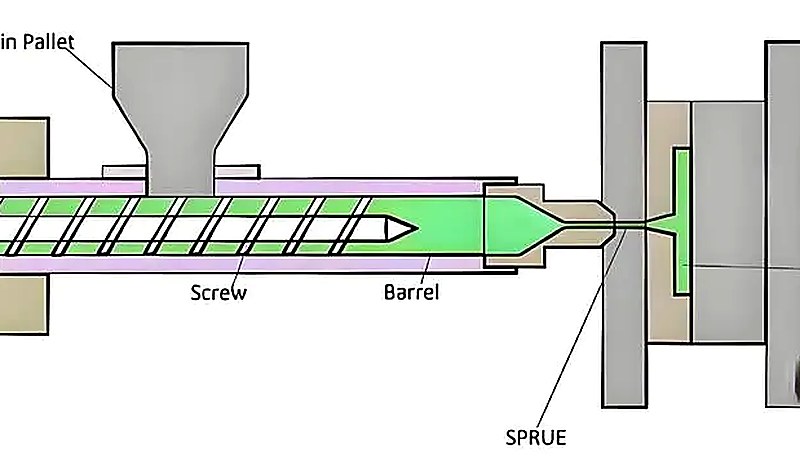
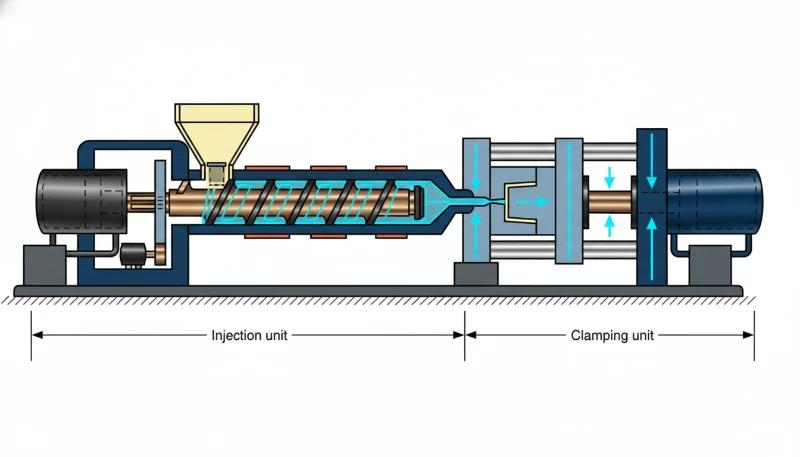
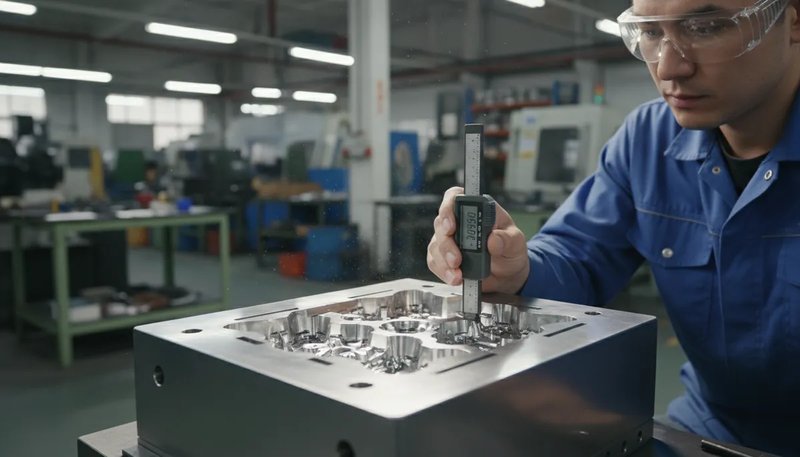
Her üretim partisi; kalıbın bağlanması, sıcaklık profillerinin ayarlanması, enjeksiyon kalıplama parametrelerinin ince ayarı ve İlk parça kontrolü1 (FAI) yapılmasını gerektirir. Standart bir kalıpta bu işlem genellikle 2–6 saat sürer. Bu sırada makine gelir getiren parçalar üretmez. Küçük bir siparişte parça başına kurulum maliyeti katlanır ve bir noktadan sonra iki taraf için de anlamlı olmaktan çıkar.
3. Minimum Hammadde Miktarları
Tecrübelerimize göre, orta hacimli projeler (10.000–50.000 ünite/yıl) için en ideal seçenek, P20 veya 718H gibi üretim kalitesinde bir çelikle 2-4 boşluklu kalıptır. Kalıp üzerinde gereğinden fazla taahhüt vermeden parça bazında makul ekonomik sonuçlar elde edersiniz.
4. Parça Boyutu ve Karmaşıklığı
Daha büyük parçalar baskı başına daha fazla makine süresi ve malzeme gerektirir; bu da doğal olarak MOQ’yu yükseltir. 200 gram ağırlığında ve 650T makine gerektiren bir muhafaza kapağının maliyet yapısı, 90T makinede üretilen 5 gramlık bir klipsten çok farklıdır.
5. Fabrika Planlama Kısıtları
Çin’deki enjeksiyon kalıplama fabrikalarının çoğu dönüşümlü olarak 20–30 aktif kalıp çalıştırır. Küçük siparişiniz, pres süresi için daha büyük ve kârlı üretim serileriyle yarışır. Bir tedarikçi, büyük işler arasına sığdırabiliyorsa 500 parçalık siparişi kabul edebilir; ancak bunun için 100,000 parçalık üretim programını aksatmaz.
Enjeksiyon kalıplama için gerçekçi bir MOQ nedir?
Gerçekçi bir enjeksiyon kalıplama minimum sipariş miktarı, bu bölümde açıklanan işlev, kısıtlar ve ödünleşimlerle tanımlanır. Gerçekçi enjeksiyon kalıplama MOQ’ları üç kademeye ayrılır: köprü kalıplama için 100–1.000 adet, standart tek gözlü üretim için 1.000–10.000 adet ve yüksek hacimli çok gözlü kalıplar için 10.000–100.000+ adet. Çoğu Çin fabrikası, standart tüketici ve endüstriyel parçalar için başlangıç noktası olarak 1.000–5.000 adet teklif verir.
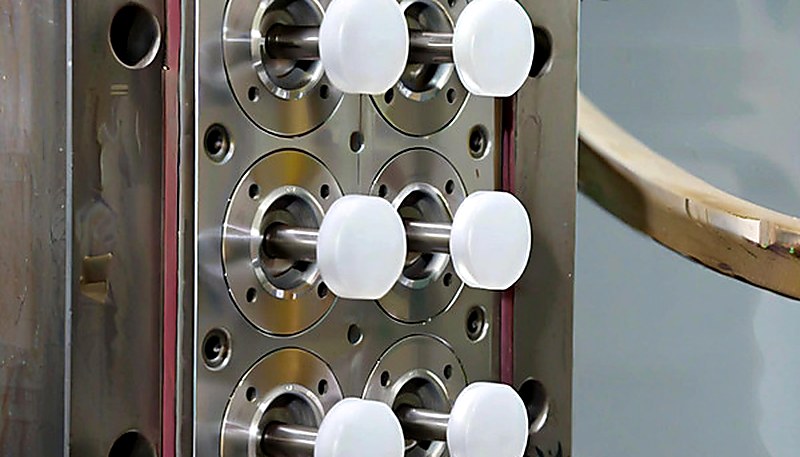
Gerçek şu ki tek bir “sektör standardı” MOQ yoktur. “Standart MOQ 5.000’dir” diyen herkes konuyu aşırı basitleştiriyordur. Gerçekçi sayı tamamen parçanızın, takımınızın, tedarikçinizin işleyişinin ve siparişi anlamlı kılmak için gereken toplam enjeksiyon kalıplama üretim süresi kesişimine bağlıdır.
| Üretim Türü | Tipik MOQ Aralığı | Takım Türü | İçin En İyisi |
|---|---|---|---|
| Prototip / Köprü | 100 – 1,000 | Alüminyum veya yumuşak çelik | Pazar testi, erken aşamadaki ürünler |
| Düşük Hacimli Üretim | 500 – 5,000 | Tek kaviteli çelik kalıp | Niş ürünler, tıbbi cihazlar |
| Standart Üretim | 1,000 – 10,000 | Üretim çeliği | Tüketim malları, endüstriyel parçalar |
| Yüksek Hacimli Üretim | 10,000 – 100,000+ | Çok kaviteli çelik kalıp | Otomotiv, elektronik, ambalaj |
Çin’deki fabrikaların standart malzemelerle çalışan basit, tek gözlü kalıplar için 500 adetlik MOQ teklif ettiğini de, aynı fabrikanın cam elyaf dolgulu PBT çalıştıran 16 gözlü bir kalıp için 30.000 adet teklif ettiğini de gördüm. Aralık bu kadar geniştir ve keyfî politikalardan değil, gerçek ekonomiden kaynaklanır.
"“Daha kısa teslim süreleri her zaman daha düşük kaliteli kalıplanmış parçalarla sonuçlanır.”"True
Teslim süresi ile kalite doğrudan bağlantılı değildir. Açık DFM ölçütleri, alıcının hızlı geri bildirimi ve deneyimli takım üreticileriyle iyi planlanan bir proje hem hızlı teslimat hem de yüksek kalite sağlayabilir. Kalite sorunları hızdan değil, zayıf proses kontrolünden kaynaklanır.
"“Üretim malzemelerini sipariş etmeden önce daima T1 numune onayını beklemelisiniz.”"False
Kalıp yapımı sırasında malzemelerin önceden sipariş edilmesi 1–2 hafta kazandıran standart bir uygulamadır. Teklif aşamasında kesin kaliteyi ve tedarikçiyi zaten belirlediyseniz risk asgari düzeydedir.
Özellikle Çin’den Tedarikçi bulma2 sürecindeki alıcılar, tipik bir tüketici veya endüstriyel parça için 1.000 ile 5.000 adet arasında MOQ beklemelidir. Parça özel bir malzeme kullanıyorsa veya çok gözlü kalıp gerektiriyorsa minimum miktar genellikle 2.000–10.000’e çıkar.
Şanghay fabrikamızda ekibimiz 90T ile 1850T arasında 47 enjeksiyon kalıplama makinesi işletiyor ve şirket içi kalıp üretimiyle ayda 100+ kalıp setini destekliyor. Bu kapasite MOQ görüşmelerinde önemlidir; mühendislerimiz her alıcıyı aynı minimum sipariş politikasına zorlamak yerine küçük pilot üretimleri, köprü kalıpları veya yüksek hacimli üretimi doğru presle eşleştirebilir.
Kalıp Göz Sayısı MOQ’nuzu Nasıl Etkiler?
Bu, çoğu alıcının tam olarak kavrayamadığı ödünleşimdir. 4 kaviteli bir kalıp kulağa harika gelir — çevrim başına bir yerine dört parça! — ancak aynı zamanda daha yüksek kalıp maliyeti, daha yüksek MOQ, her üretim çalışmasında daha fazla malzeme ve küçük partiler için daha az esneklik anlamına gelir.
| Kavite Sayısı | Kalıp Maliyeti (Tahm.) | Çevrim Çıktısı | Tipik MOQ |
|---|---|---|---|
| 1 (tek kavite) | $3,000 – $8,000 | Çevrim başına 1 parça | 500 – 2,000 |
| 2–4 kavite | $8,000 – $25,000 | 2–4 parça/çevrim | 2,000 – 10,000 |
| 8–16 kavite | $25,000 – $80,000 | Çevrim başına 8–16 parça | 10,000 – 50,000+ |
| 32+ göz | $80,000+ | Çevrim başına 32+ parça | 50,000 – 500,000+ |
Kalıp gözü sayısı kararı yıllık talebinizle uyumlu olmalıdır. Yılda 5.000 parçaya ihtiyacınız varsa tek gözlü kalıp neredeyse her zaman doğru seçimdir. Yılda 500.000 parçaya ihtiyacınız varsa 8 veya 16 gözlü kalıp ekonomik açıdan anlamlıdır. Yıllık 10.000 ile 100.000 arasındaki gri bölge ise kararın ilginçleştiği ve iyi Kalıp tasarımı3 tavsiyesinin önem kazandığı yerdir.
Deneyimlerimize göre orta hacimli projelerin çoğu (yılda 10,000–50,000 adet) için ideal nokta, P20 veya 718H gibi üretim sınıfı çelikten yapılmış 2 ila 4 kaviteli bir kalıptır. Takıma aşırı yatırım yapmadan parça başına makul bir maliyet elde edersiniz.
Projeniz İçin MOQ’yu Nasıl Azaltabilirsiniz?
Bu bölüm, projenizin MOQ değerini düşürmeyi ve bunun maliyet, kalite, zamanlama veya tedarik riski üzerindeki etkisini ele alır. Parça kalitesinden veya tedarikçinin iş birliği isteğinden ödün vermeden enjeksiyon kalıplama MOQ değerini düşürmenin en etkili beş yolu şunlardır:
"“Şirket içi bir kalıphane, dış kaynak kullanımına kıyasla kalıp teslim takvimi üzerinde daha iyi kontrol sağlar.”"True
Kalıp imalatı ve kalıplama aynı çatı altında olduğunda kalıp, takım tezgâhından prese günler yerine saatler içinde geçer. Ayrıca ayrı kalıp imalatı ve kalıplama şirketleri arasında lojistik gecikme veya iletişim hatası yaşanmaz.
"“Daha fazla göz her zaman daha düşük toplam proje maliyeti demektir.”"False
Daha fazla kavite parça başı maliyeti düşürür; ancak kalıp maliyetini, bakım karmaşıklığını ve malzeme atığını artırır. Düşük hacimli projelerde daha yüksek takım yatırımı hiçbir zaman geri kazanılamayabilir. Kavite sayısı yalnızca çıktıyı en üst düzeye çıkarmaya değil, talebe uygun olmalıdır.
Seçenek 1: Alüminyum veya Köprü Kalıp Kullanın
Alüminyum kalıplar sertleştirilmiş çelikten %40–60 daha ucuzdur ve malzeme ile geometriye bağlı olarak 1,000–10,000 parça üretebilir. Talebiniz yılda 5,000 adedin altındaysa bu çoğu zaman en uygun maliyetli yoldur. Ödün: Alüminyum kalıplar daha hızlı aşınır ve cam elyaf takviyeli naylon gibi aşındırıcı malzemelere uygun değildir.
Seçenek 2: Standart Malzemeleri Seçin
ABS, PP ve HDPE gibi malzemeler neredeyse her kalıplama fabrikasında toplu olarak stoklanır. Standart sınıf seçmek ham madde MOQ sorununu tamamen ortadan kaldırır. Özel sınıflar (PEEK, PEI, tıbbi sınıf polimerler) çoğu zaman 100–500 kg asgari sipariş gerektirir ve bu da parça MOQ’nuzu yükseltebilir.
Seçenek 3: Esnek Programlamayı Kabul Edin
Daha geniş bir teslim aralığını kabul edebilirseniz (örneğin “2 hafta yerine 4 hafta içinde gönderin”), fabrika özel bir üretim bloğu planlamak yerine siparişinizi makine boşluklarına yerleştirebilir. Kurulum maliyeti düzenli programa yayıldığından bu, MOQ gereksinimlerini %50 veya daha fazla azaltabilir.
Seçenek 4: Birden Fazla Parça İçin Aile Kalıpları
Ürününüzde birkaç plastik bileşen varsa (örneğin üst kapak, alt kapak ve düğme paneli), hepsini tek bir aile kalıbında çalıştırabilirsiniz. Tek kurulum, tek malzeme, tek üretim çalışması kullanılır ve MOQ her bir parçaya değil toplam çıktıya uygulanır. Bu yöntem, parçalar benzer boyuttaysa ve aynı malzemeyi kullanıyorsa en iyi sonucu verir.
Seçenek 5: Stok ve Devir Anlaşmaları
Bazı tedarikçiler daha büyük bir parti üretir (kendi MOQ değerlerini karşılar), ancak ürünleri size daha küçük partiler hâlinde gönderir. Ekonomik asgari miktarın altında üretim yaptırmak yerine depolama için ödeme yaparsınız. Talebiniz 6–12 aylık dönemde öngörülebiliyorsa ve parçalarla ilgili raf ömrü sorunu yoksa bu yöntem iyi sonuç verir.
MOQ ile MEA Arasındaki Fark Nedir?
MOQ ile MEA arasındaki fark, bu bölümde açıklanan işlev, kısıtlar ve ödünleşimlerle tanımlanır. MOQ, tedarikçinin kabul ettiği minimum sipariş miktarıdır (genellikle 500–50,000 adet); MEA (Minimum Verimli Miktar) ise parça başı maliyetin rekabetçi hâle geldiği üretim hacmidir — standart enjeksiyon kalıplama için genellikle 3,000–5,000 adet.
Bu ayrım önemlidir; çünkü bazen tedarikçi 500 parçalık siparişi kabul eder, ancak 500 adette parça başı maliyet 5.000 adettekinin 4–6 katı olabilir. Soru her zaman “Siparişimi kabul ederler mi?” değildir; bazen “Bu sipariş benim için ekonomik açıdan anlamlı mı?” sorusudur.
"“Kalıp üretimi sırasında üretim malzemelerinin önceden sipariş edilmesi toplam termin süresinden 1–2 hafta kazandırır.”"True
Malzeme tedariki ve kalıp üretimi, paralel yürütülebilen bağımsız iş akışlarıdır. Kalıp tasarımı onaylandığında malzeme siparişi vermek, kalıp işlenirken reçinenin ulaşmasını sağlar ve numune alımından sonraki tedarik boşluğunu ortadan kaldırır.
"“Daha ucuz bir kalıp teklifi her zaman daha kısa bir imalat süresi anlamına gelir.”"False
Daha düşük maliyet; daha basit yapıyı, daha düşük sınıf çeliği veya daha az deneyimli iş gücünü yansıtabilir ve bunların her biri yeniden işleme veya takım arızası nedeniyle üretim süresini uzatabilir. Fiyat ve teslim süresi ayrı ayrı değerlendirilmesi gereken bağımsız değişkenlerdir.
| Faktör | MOQ | MEA |
|---|---|---|
| Tanım | Tedarikçinin kabul edeceği asgari sipariş | Parça başı maliyetin rekabetçi olduğu hacim |
| Tipik Aralık | 500 – 50.000 parça | 3,000 – 5,000 adet |
| Belirleyen Etken | Tedarikçi politikası, kurulum maliyeti | Kalıp amortismanı ekonomisi |
| Pazarlık Yapabilir misiniz? | Evet, esneklikle | Yalnızca takımı veya malzemeyi değiştirerek |
Bu farkı anlamak, tedarikçilerle olan görüşmeyi çerçevelemenize yardımcı olur. MEA’nın altındaysanız, bir prim ödediğinizi bilirsiniz ve bu primin sizin özel durumunuz için buna değip değmeyeceğine karar verebilirsiniz.
Bir Tedarikçiyle Daha Düşük MOQ Nasıl Müzakere Edilir?
Bu bölüm, bir tedarikçiyle daha düşük MOQ müzakeresini ve bunun maliyet, kalite, termin veya tedarik riski üzerindeki etkisini ele alır. Gerçekten işe yarayan beş müzakere taktiği — çünkü yalnızca iyilik istemek yerine tedarikçinin gerçek maliyet kaygılarını ele alırlar:
Adım 1: Maliyet Yapılarını Anlayın
Tedarikçiden teklifini kalıp maliyeti, malzeme maliyeti, işleme maliyeti ve kurulum maliyeti olarak ayırmasını isteyin. MOQ alt sınırının nereden kaynaklandığını gördüğünüzde toplam miktar üzerinde körü körüne baskı yapmak yerine sorunu doğrudan ele alabilirsiniz.
Adım 2: Kalıp Ücretini Ayrı Ödeyin
Kalıbın bedelini ayrı bir kalem olarak öderseniz (parça başı fiyata amorti edilmezse), tedarikçinin takım riski sıfıra iner. En büyük maliyet unsuru denklemden çıkarıldığı için bu yaklaşım çoğu zaman önemli ölçüde daha düşük MOQ’ların önünü açar.
"“Kalıp için parça fiyatından ayrı ödeme yapmak çoğu zaman daha düşük etkin MOQ sağlar.”"True
Kalıp maliyeti parça başına fiyatlandırmadan ayrıldığında tedarikçinin takım yatırımını hacim üzerinden geri kazanması gerekmez. Bu, yüksek MOQ'ların en büyük tek nedenini ortadan kaldırır ve asgari siparişleri çoğu zaman 50–70% azaltır.
"“MOQ ve MEA aynı şeydir — sipariş edebileceğiniz en düşük parça sayısıdır.”"False
MOQ, tedarikçinin kabul ettiği minimum sipariş miktarıdır. MEA (Minimum Ekonomik Miktar), parça başı maliyetin ekonomik açıdan makul hâle geldiği miktardır. Bir tedarikçi 500 adet (MOQ) kabul edebilir, ancak birim maliyet yalnızca 5,000 adette (MEA) rekabetçi olabilir.
Adım 3: Esnek Teslimat Aralıklarını Kabul Edin
“1,000 parçaya ihtiyacım var, ancak takviminizde boşluk oluşana kadar bekleyebilirim” bir fabrikaya söyleyebileceğiniz en güçlü ifadelerden biridir. Küçük siparişinizi yük olmaktan çıkarıp üretim planındaki boşluğu dolduran işe dönüştürür.
Enjeksiyon Kalıplama MOQ: Gerçekçi Minimumlar ve Müzakere
Başarılı pilotun düzenli siparişlere dönüşeceği anlayışıyla 500–1,000 parçalık deneme serisi önerin. Birçok tedarikçi, özellikle kalıp zaten yapılmışsa ilk siparişte normalin altındaki MOQ’yu nitelikli numune serisi olarak kabul eder.
Adım 5: Yıllık Hacim Taahhüdü Verin
Yıllık talebi kabaca bile olsa öngörebiliyorsanız bunu tedarikçiyle paylaşın. “Önümüzdeki 12 ayda, 2.000 parçalık partiler hâlinde teslim edilecek 10.000 parça” taahhüdü, toplam hacim yatırımlarını haklı çıkardığı için üretim çalışması başına asgari sipariş miktarını (MOQ) düşürme konusunda onlara güven verir.
Tekrar tekrar işe yaradığını gördüğümüz bir nokta var: en iyi MOQ koşullarını elde eden alıcılar, müzakereyi ticari bir pazarlık değil, ortaklık görüşmesi olarak ele alanlardır. Tedarikçi sizi talebi büyüyen uzun vadeli bir müşteri olarak görürse MOQ çok daha esnek hale gelir.
Alıcılar Enjeksiyon Kalıplama MOQ’su Hakkında Hangi Soruları Soruyor?
"“Yıllık talep 10,000 adedin altındaysa tek gözlü bir kalıp neredeyse her zaman en iyi toplam maliyeti sağlar.”"True
Yılda 10,000 adedin altında tek kaviteli kalıbın takım tasarrufu ($3,000–$8,000; çok kaviteli için $15,000–$25,000), biraz daha yüksek parça başı üretim maliyetinden çok daha ağır basar. Çok kaviteli takımın başa baş noktası genellikle toplam kullanım ömrü boyunca 30,000–100,000 adet arasındadır.
"“Çok kaviteli kalıplar, tek kaviteli kalıplara kıyasla toplam teslim süresini her zaman azaltır.”"False
Çok gözlü kalıpların yapımı daha uzun sürer (göz başına ilave 5–7 gün), ancak üretimde parçaları daha hızlı üretir. Parça başı üretim süresi azalmasına rağmen takım aşaması uzadığı için toplam proje teslim süresi artar.
Sıkça Sorulan Sorular
Çin’de enjeksiyon kalıplama için tipik MOQ nedir?
Çin’de enjeksiyon kalıplama için gerçekçi bir MOQ, standart üretim parçalarında çoğu zaman 1,000 ila 5,000 adettir. Kesin sayı kalıp maliyetine, kurulum süresine, asgari malzeme satın alma miktarlarına, parça boyutuna ve tedarikçinin üretim çalışmasını programa ne kadar kolay yerleştirebildiğine bağlıdır. Basit PP veya ABS parçalar daha düşük miktarlardan başlayabilirken özel malzemeler ya da çok gözlü kalıplar genellikle daha yüksek miktarlar gerektirir. MOQ’yu yalnızca tedarikçi politikası olarak değil, ekonomik bir sonuç olarak değerlendirin ve minimum miktarı hangi maliyet unsurunun belirlediğini tedarikçiye sorun.
Enjeksiyon kalıplamayla 100 parça üretebilir misiniz?
Evet, 100 enjeksiyon kalıplı parça üretilebilir; ancak bu genellikle prototip kalıp, köprü kalıp veya üretimi ücretli mühendislik hizmeti olarak ele almayı kabul eden bir tedarikçiyle mümkündür. Normal çelik üretim kalıplarında 100 adet; kalıp kurulumunu, proses ayarını, ilk parça muayenesini ve malzeme hazırlığını nadiren karşılar. Test için 100 parçaya ihtiyacınız varsa alüminyum kalıp, aile tipi planlama veya kalıp maliyetini üretim maliyetinden ayıran ve kurulum maliyetini gerçek dışı birim fiyata gizlemeyen pilot üretim fiyatı isteyin.
Enjeksiyon kalıplama tedarikçilerinin neden asgari sipariş miktarı vardır?
Enjeksiyon kalıplama tedarikçileri minimum sipariş uygular; çünkü satılabilir ilk parça üretilmeden önce her üretim çalışmasının sabit maliyetleri vardır. Kalıp bağlanmalı, kovan temizlenmeli, sıcaklıklar dengelenmeli, proses parametreleri ayarlanmalı ve ilk parça kontrolü tamamlanmalıdır. Bu kurulum, basit bir parça için bile 2 ila 6 saat sürebilir. Sipariş miktarı çok düşükse bu sabit maliyetler gerçekçi olmayan birim fiyat oluşturur. MOQ; kurulum, işçilik, malzeme elleçleme ve kontrol yükünü üretimi uygulanabilir kılacak sayıda parçaya dağıtır.
MOQ yalnızca ilk sipariş için mi geçerlidir?
MOQ genellikle yalnızca ilk siparişe değil, her üretim çalışmasına uygulanır. Ancak kalıp doğrulandığı, proses penceresi bilindiği ve kalite kontrolleri belgelendiği için tekrar siparişlerde daha düşük miktarlar çoğu zaman müzakere edilebilir. Kurulum süresi kısaysa veya alıcı yıllık hacim taahhüt ederse tedarikçi daha küçük bir tekrar siparişini kabul edebilir. En uygun yapı çoğunlukla normal MOQ ile ilk üretim çalışması, ardından yıllık tahmin veya çerçeve satın alma siparişine bağlı daha küçük planlı teslimatlardır.
Parça Boyutu Enjeksiyon Kalıplama MOQ’sunu Nasıl Etkiler?
Parça boyutu MOQ’yu etkiler; çünkü daha büyük parçalar daha fazla reçine kullanır, daha büyük presler gerektirir, daha yavaş soğur ve her atışta daha fazla makine kapasitesi işgal eder. 5 gramlık bir klips, malzeme kullanımı ve çevrim süresi düşük olduğu için düşük bir MOQ’ya uygun olabilir. 500 gramlık bir muhafaza ise her çevrimde daha büyük bir makineyi daha uzun süre meşgul ettiği için daha yüksek bir MOQ gerektirebilir. Büyük parçalar ayrıca daha yüksek stok ve ambalaj maliyetleri yaratır. MOQ görüşmelerinde parça ağırlığını, boyutlarını, malzemeyi ve hedef yıllık talebi birlikte belirtin.
İlk siparişten sonra MOQ için yeniden pazarlık yapabilir misiniz?
Evet, MOQ konusunda ilk başarılı siparişten sonra pazarlık yapmak çoğu zaman daha kolaydır. Kalıp doğrulandıktan, proses parametreleri kaydedildikten ve kalite riskleri azaldıktan sonra tedarikçinin belirsizliği azalır. Daha küçük tekrar serileri, stoklayıp serbest bırakmalı üretim veya makinelerin boşluklarında esnek programlama talep edebilirsiniz. En güçlü pazarlık konumu yalnızca daha düşük MOQ istemek değildir; güvenilir yıllık talep göstermek, takım bedelini ayrı ödemek ve fabrikanın daha büyük üretim işlerini aksatmadan kapasite planlamasına yardımcı olan bir teslimat aralığını kabul etmektir.
Üzeri kalıplanmış veya çok malzemeli parçalar için MOQ nedir?
Üst kalıplanmış ve çok malzemeli parçaların MOQ’ları genellikle tek malzemeli parçalardan daha yüksektir; çünkü daha fazla kurulum, malzeme elleçleme ve proses doğrulaması gerektirirler. İki bileşenli kalıplama özel ekipman gerektirirken insert kalıplama veya üst kalıplama operatör yüklemesi, fikstür kontrolleri ve ek kontrol gerektirebilir. Basit bir tek malzemeli parça için 1,000 adetlik MOQ, karmaşık bir üst kalıplanmış parça için 3,000 ila 10,000 adede çıkabilir. Hacim belirsizse tam üretim ve stok taahhüdünden önce prototip kalıpla veya pilot siparişle başlayın.
Enjeksiyon kalıbı imalatının kendisi için bir MOQ var mı?
Takımlamada genellikle kalıplanmış parçalardaki gibi bir minimum miktar yoktur; tek bir kalıp sipariş edebilirsiniz. Asıl soru, beklenen üretim hacmi için kalıp yatırımının anlamlı olup olmadığıdır. Tedarikçi, varsayılan kullanım ömrü hacmine göre kalıp çeliği, kalıp gözü sayısı ve sıcak yolluk seçenekleri için teklif verebilir. Yalnızca birkaç yüz parçaya ihtiyacınız varsa köprü takım, tam üretim kalıbından daha akıllıca olabilir. Ekonominin şeffaf olması için takım maliyetini parça MOQ’sundan ayırın.
Kalıp üretimi (takım tezgahı) genellikle miktar minimumu yoktur — bir kalıp sipariş edersiniz. Ancak, kalıp maliyetinin kendisi, kalıp çeliği kalitesi ve karmaşıklığına yapılan yatırımı haklı çıkarmak için belirli bir üretim hacmi beklentisiyle fiyatlandırılabilir.
Doğru MOQ Stratejisini Nasıl Seçersiniz?
Doğru MOQ stratejisini seçmek; takım yetkinliği, kalite sistemleri, iletişim ve ticari uyumla ilgilidir. Bir sonraki RFQ’nuzu göndermeden önce beklemeniz gereken MOQ’yu ve hangi noktalara itiraz etmeniz gerektiğini tahmin etmek için bu kontrol listesini kullanın:
Toplam talep 1.000 adedin altındaysa → Alüminyum takım veya düşük hacimli kalıplama hizmetleri arayın
Yılda 1.000–5.000 adet → Tek gözlü çelik kalıp; 1.000–2.000 MOQ bekleyin
Yılda 5.000–50.000 adet → 2–4 gözlü kalıp; 2.000–5.000 MOQ standarttır
Yılda 50.000’in üzerinde adet → Çok gözlü üretim kalıbı; MOQ yerine fiyatı müzakere edin
Son bir kural: Bir tedarikçi yıllık talebinizin 3 katından fazla MOQ teklif ederse bunu hemen kabul etmeyin. Ya kalıp ihtiyaçlarınıza göre aşırı özelliklendirilmiştir ya da yanlış tedarikçiyle görüşüyorsunuzdur. Kalıbı gerçek taleple eşleştirmenin neredeyse her zaman bir yolu vardır — yalnızca doğru görüşme gerekir.
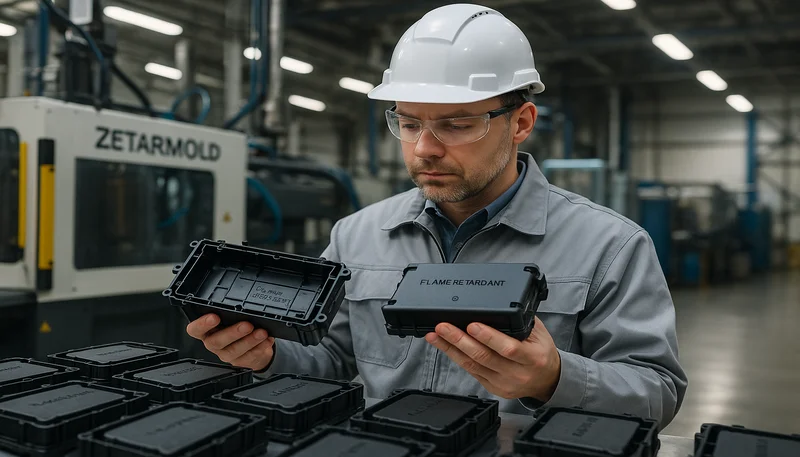
Projeniz için doğru MOQ’yu ve takım stratejisini belirlemede yardıma mı ihtiyacınız var? ZetarMold ekibi parça tasarımınızı incelemeye, hangi miktarların anlamlı olduğuna dair dürüst bir değerlendirme sunmaya ve buna göre fiyat vermeye hazırdır; şişirilmiş MOQ’lar ve gereksiz karmaşıklık yok. Daha fazla ayrıntı için kapsamlı enjeksiyon kalıplama tedarikçisi değerlendirme kılavuzumuza bakın.
İlk parça kontrolü: Yeni bir kalıptan üretilen ilk parçaların, tam üretim başlamadan önce boyutsal doğruluğu, yüzey kalitesini ve malzeme özelliklerini doğrulamak amacıyla tasarım şartnamelerine göre ölçüldüğü kalite kontrol prosesidir. ↩
Tedarikçi bulma: Tedarikçinin MOQ politikasının gerçek talebinizle uyumlu olmasını sağlamak açısından kritik olan; üretim ortağını kabiliyet, kalite sistemleri, iletişim ve maliyet yapısına göre değerlendirme ve seçme sürecidir. ↩
Kalıp tasarımı: Bir enjeksiyon kalıbının boşluk, maça, soğutma kanalları ve itici sistemini oluşturma mühendisliği sürecidir; parça kalitesini ve üretim verimliliğini doğrudan etkiler. ↩