U hebt zojuist een offerte ontvangen van een Chinese spuitgietleverancier. De matrijskosten lijken redelijk: $8.500 voor een productiegereedschap met één holte. Maar dan ziet u het: minimale bestelling 10.000 stuks per productierun. Uw jaarbehoefte is 3.000 stuks. Dit is de MOQ-valkuil. In deze gids leg ik uit wat minimale bestelhoeveelheden bepaalt, welke aantallen realistisch zijn en hoe u een opzet onderhandelt die bij uw werkelijke vraag past.
- Gebruikelijke minimale bestelhoeveelheden voor spuitgieten lopen uiteen van 500 tot meer dan 50.000 stuks, afhankelijk van de complexiteit van het onderdeel
- Het terugverdienen van de matrijskosten is veruit de belangrijkste bepalende factor voor MOQ-eisen
- Matrijzen met meerdere caviteiten verlagen de kosten per onderdeel, maar verhogen de minimale bestelhoeveelheid
- Aluminium matrijzen kunnen de minimale bestelhoeveelheid voor prototyperuns verlagen tot 100–500 stuks
- Onderhandelen over de MOQ is eenvoudiger wanneer u de kostenstructuur van de leverancier begrijpt
Wat betekent MOQ bij spuitgieten?
MOQ (minimale bestelhoeveelheid) bij spuitgieten is het kleinste aantal onderdelen dat een leverancier in één productierun wil produceren. Dit varieert doorgaans van 500 tot 50,000 stuks, afhankelijk van de complexiteit van het onderdeel, de materiaalvereisten en de investering in gereedschap. Begrijpen wat de MOQ van uw leverancier bepaalt, is de eerste stap bij het onderhandelen over een hoeveelheid die voor beide partijen werkt.

"“De meeste vertragingen bij spuitgieten worden veroorzaakt door problemen met de matrijsproductie.”"True
In de praktijk ontstaan de meeste vertragingen door trage feedback van de koper tijdens de DFM-beoordeling en goedkeuring van monsters, niet door de matrijsproductie. Een koper die snel reageert, kan de totale doorlooptijd met 1–2 weken verkorten.
"“Een hogere MOQ leidt altijd tot een lagere prijs per onderdeel.”"False
De prijs per onderdeel hangt af van de afschrijving van de matrijs, materiaalkosten, insteltijd en machinetarief. Boven een bepaalde hoeveelheid vlakt de besparing per onderdeel af, omdat de matrijskosten volledig zijn afgeschreven en materiaalkortingen stabiliseren. Verdubbeling van de MOQ van 50K naar 100K verlaagt de stukprijs mogelijk slechts met 2–5%, niet met de 50% die sommige inkopers verwachten.
Wat bepaalt de MOQ voor spuitgegoten onderdelen?
Dit gedeelte gaat over wat de MOQ voor gespuitgiete onderdelen bepaalt en welke invloed die heeft op kosten, kwaliteit, timing en inkooprisico. Vijf factoren bepalen de MOQ bij spuitgieten: afschrijving van de matrijskosten (,000–,000+), insteltijd van de machine (2–6 uur), minimale grondstofhoeveelheden (25–500 kg), afmetingen en gewicht van het onderdeel en beperkingen in de fabrieksplanning — grofweg gerangschikt naar invloed. Deze kostenfactoren maken deel uit van de normale stappen van het spuitgieten, van instellen en eerste shots tot koelen, inspecteren, verpakken en vrijgeven.
1. Afschrijving van matrijskosten
Dit is de belangrijkste factor. Als uw productiematrijs US$ 15.000 kost en uw leverancier deze over een redelijk aantal stuks wil afschrijven, stelt hij de MOQ dienovereenkomstig vast.
| Schimmelkosten | Afschrijvingsdoel | Impliciete MOQ |
|---|---|---|
| $3,000 – $5,000 | 1.000–3.000 stuks | 500 – 1,000 |
| $5,000 – $15,000 | 3,000 – 10,000 stuks | 1,000 – 5,000 |
| $15,000 – $50,000 | 10.000–50.000 stuks | 5,000 – 10,000 |
| $50,000+ | 50,000+ eenheden | 10,000 – 50,000+ |
De logica is eenvoudig: een leverancier wil geen matrijs van $25,000 bouwen voor een klant die 500 stuks bestelt en verdwijnt. De MOQ zorgt ervoor dat de investering in gereedschap binnen een voorspelbare termijn wordt terugverdiend.
2. Machine-instelling en ombouw
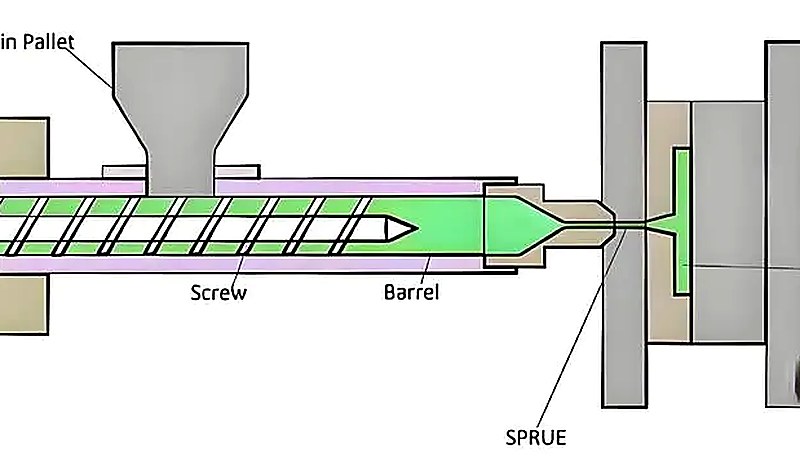
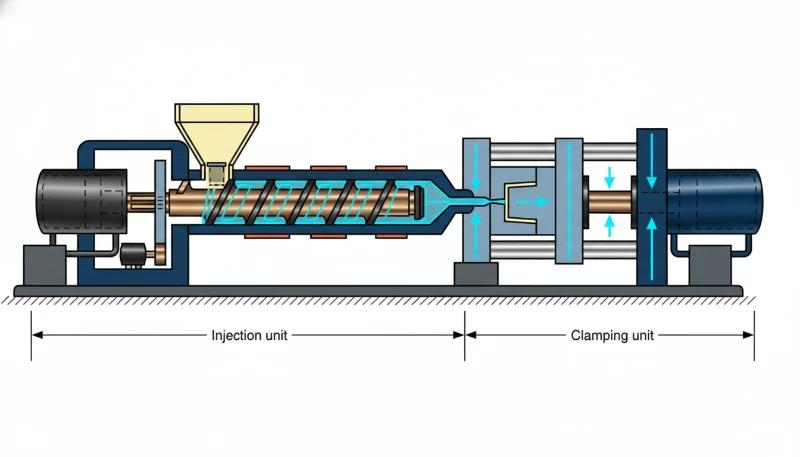
Elke productierun vereist een instelling: de matrijs monteren, temperatuurprofielen instellen, parameters voor spuitgieten afstellen en een eerste-artikelinspectie1 (FAI) uitvoeren. Bij een standaardmatrijs duurt dit doorgaans 2–6 uur. In die tijd produceert de machine geen omzetgenererende onderdelen. Bij een kleine bestelling lopen de instelkosten per onderdeel sterk op — en op een bepaald punt is dat voor geen van beide partijen zinvol.
3. Minimale grondstofhoeveelheden
Materiaalleveranciers hanteren hun eigen MOQ’s. Een standaardzak ABS-pellets kan bijvoorbeeld 25 kg bevatten. Als uw onderdeel 15 gram weegt, is die zak voldoende voor ongeveer 1.666 stuks. Voor speciale materialen — glasgevuld nylon, PEEK, polymeren van medische kwaliteit — kan de minimumafname echter 100–500 kg bedragen. Daardoor kan uw effectieve MOQ aanzienlijk stijgen, ongeacht wat de spuitgieter wil.
4. Onderdeelgrootte en complexiteit
Grotere onderdelen vragen meer machinetijd en meer materiaal per shot, waardoor de MOQ vanzelf stijgt. Een behuizingsdeksel dat 200 gram weegt en een machine van 650T nodig heeft, heeft een heel andere kostenstructuur dan een clip van 5 gram die op een machine van 90T wordt geproduceerd.
5. Beperkingen in de fabrieksplanning
De meeste Chinese spuitgietfabrieken gebruiken 20–30 actieve matrijzen in rotatie. Uw kleine bestelling concurreert om perstijd met grotere, winstgevendere series. Een leverancier kan een bestelling van 500 stuks accepteren als deze tussen grotere opdrachten past — maar zal er geen productieschema van 100,000 stuks voor onderbreken.
Wat is een realistische minimale bestelhoeveelheid voor spuitgieten?
Een realistische MOQ voor spuitgieten wordt bepaald door de functie, beperkingen en afwegingen die in dit gedeelte worden uitgelegd. Realistische MOQ’s voor spuitgieten vallen in drie niveaus: 100–1.000 eenheden voor overbruggingsgereedschappen, 1.000–10.000 eenheden voor standaardproductie met één holte en 10.000–100.000+ eenheden voor matrijzen met meerdere holtes voor grote volumes. De meeste Chinese fabrieken noemen 1.000–5.000 als uitgangspunt voor standaard consumenten- en industriële onderdelen.
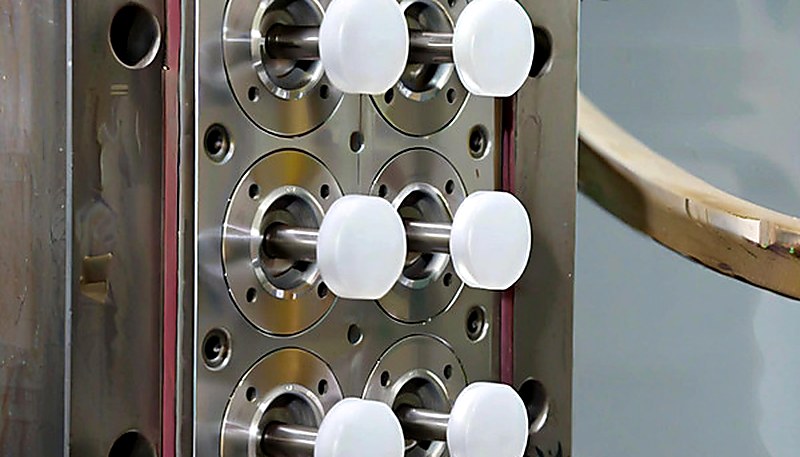
Er bestaat geen enkele ‘industriestandaard’ voor de MOQ. Wie zegt dat ‘de standaard-MOQ 5.000 is’, maakt het te eenvoudig. Het realistische aantal hangt volledig af van de combinatie van uw onderdeel, gereedschap en leverancier en van de totale productietijd voor spuitgieten die nodig is om de bestelling rendabel te maken.
| ““Meer holtes betekent altijd lagere totale projectkosten.”” | Typisch MOQ-bereik | Gereedschapstype | Beste voor |
|---|---|---|---|
| Prototype / brugmatrijs | 100 – 1,000 | Aluminium of zacht staal | Markttesten, producten in een vroege fase |
| Productie van kleine volumes | 500 – 5,000 | Staal voor één caviteit | Nicheproducten, medische hulpmiddelen |
| Standaardproductie | 1,000 – 10,000 | Productiestaal | Consumentengoederen, industriële onderdelen |
| Productie van grote volumes | 10,000 – 100,000+ | Staal met meerdere holten | Auto-industrie, elektronica, verpakkingen |
Ik heb fabrieken in China MOQ’s van 500 stuks zien offreren voor eenvoudige matrijzen met één holte en standaardmaterialen, en dezelfde fabriek 30,000 stuks zien offreren voor een matrijs met 16 holten die glasgevuld PBT verwerkt. Het bereik is zo groot en wordt bepaald door echte economische factoren — niet door willekeurig beleid.
"“Kortere doorlooptijden leiden altijd tot spuitgietonderdelen van lagere kwaliteit.”"True
Doorlooptijd en kwaliteit zijn niet rechtstreeks gecorreleerd. Een goed gepland project met duidelijke DFM-criteria, snelle feedback van de inkoper en ervaren matrijzenmakers kan zowel een korte doorlooptijd als hoge kwaliteit opleveren. Kwaliteitsproblemen ontstaan door gebrekkige procesbeheersing, niet door snelheid.
"‘Wacht altijd op goedkeuring van het T1-monster voordat u productiematerialen bestelt.’"False
Materialen vooraf bestellen tijdens de matrijsbouw is een standaardpraktijk die 1–2 weken bespaart. Het risico is minimaal als de exacte kwaliteit en leverancier al tijdens de offertefase zijn vastgelegd.
Kopers die specifiek in China aan leveranciersselectie2 doen, kunnen voor een doorsnee consumenten- of industrieel onderdeel MOQ’s tussen 1.000 en 5.000 stuks verwachten. Gebruikt het onderdeel een speciaal materiaal of is een matrijs met meerdere holtes nodig, dan stijgt het minimum doorgaans tot 2.000–10.000.
In onze fabriek in Shanghai beheert ons team 47 spuitgietmachines van 90T tot 1850T en ondersteunt het meer dan 100 matrijssets per maand via interne gereedschapsbouw. Die capaciteit is belangrijk voor MOQ-besprekingen omdat onze ingenieurs kleine proefruns, brugtooling of hoogvolumeproductie kunnen afstemmen op de juiste pers, in plaats van elke koper in hetzelfde minimumbestelbeleid te dwingen.
Hoe beïnvloedt het aantal matrijsholten uw MOQ?
Dit is de afweging die de meeste kopers niet volledig begrijpen. Een matrijs met 4 vormholten klinkt geweldig — vier onderdelen per cyclus in plaats van één! — maar betekent ook hogere matrijskosten, een hogere MOQ, meer materiaal per productierun en minder flexibiliteit voor kleine batches.
| Aantal caviteiten | Matrijskosten (schatting) | Cyclusoutput | Typische MOQ |
|---|---|---|---|
| 1 (één holte) | $3,000 – $8,000 | 1 onderdeel/cyclus | 500 – 2,000 |
| 2–4 caviteiten | $8,000 – $25,000 | 2–4 onderdelen/cyclus | 2,000 – 10,000 |
| 8–16 matrijsholten | $25,000 – $80,000 | 8–16 onderdelen/cyclus | 10,000 – 50,000+ |
| 32+ matrijsholten | $80,000+ | 32+ onderdelen/cyclus | 50,000 – 500,000+ |
Het aantal holtes moet aansluiten op uw jaarbehoefte. Hebt u 5.000 stuks per jaar nodig, dan is een matrijs met één holte bijna altijd de juiste keuze. Bij 500.000 stuks per jaar is een matrijs met 8 of 16 holtes economisch zinvol. In de grijze zone — een jaarvraag van 10.000 tot 100.000 — wordt de keuze interessant en is goed advies over matrijsontwerp3 belangrijk.
Volgens onze ervaring is voor de meeste projecten met middelgrote volumes (10,000–50,000 eenheden/jaar) een matrijs met 2 tot 4 caviteiten van productiestaal zoals P20 of 718H de beste balans. U bereikt behoorlijke kosten per onderdeel zonder te zwaar in gereedschap te investeren.
Hoe kunt u de MOQ voor uw project verlagen?
Dit gedeelte gaat over het verlagen van de MOQ voor uw project en de impact op kosten, kwaliteit, timing of inkooprisico. De vijf meest effectieve manieren om de MOQ voor spuitgieten te verlagen zonder in te leveren op onderdeelkwaliteit of leveranciersbereidheid:
"“Een interne gereedschapmakerij biedt meer controle over de leverplanning van matrijzen dan uitbesteding.”"True
Wanneer matrijzenbouw en spuitgieten onder één dak plaatsvinden, gaat de matrijs binnen enkele uren in plaats van dagen van de gereedschapswerkbank naar de pers. Ook zijn er geen logistieke vertragingen of misverstanden tussen afzonderlijke matrijzenbouw- en spuitgietbedrijven.
"“Meer matrijsholten betekent altijd lagere totale projectkosten.”"False
Een ding dat we keer op keer zien werken: de kopers die de beste MOQ voorwaarden krijgen zijn degenen die de onderhandeling behandelen als een partnerschapsdiscussie, niet als een transactionele onderhandeling. Als de leverancier je ziet als een langetermijnklant met groeiende vraag, wordt de MOQ veel flexibeler.
Optie 1: gebruik aluminium of overbruggingsgereedschappen
Aluminium matrijzen kosten 40–60% minder dan gehard staal en kunnen afhankelijk van materiaal en geometrie 1.000–10.000 onderdelen produceren. Als uw vraag minder dan 5.000 stuks per jaar bedraagt, is dit vaak de kosteneffectiefste route. Het nadeel: aluminium matrijzen slijten sneller en zijn niet geschikt voor abrasieve materialen zoals glasvezelversterkt nylon.
Optie 2: kies standaardmaterialen
Materialen zoals ABS, PP en HDPE worden door vrijwel elke spuitgietfabriek in bulk op voorraad gehouden. Door een standaardkwaliteit te kiezen, verdwijnt het MOQ-probleem voor grondstoffen volledig. Speciale kwaliteiten (PEEK, PEI, polymeren van medische kwaliteit) vereisen vaak minimale bestellingen van 100–500 kg, waardoor de MOQ van uw onderdeel kan stijgen.
Optie 3: Accepteer flexibele planning
Als u een ruimer leveringsvenster kunt accepteren (bijvoorbeeld ‘verzenden binnen 4 weken in plaats van 2’), kan de fabriek uw order inplannen tijdens machinestilstand in plaats van een speciaal productieblok te reserveren. Dit kan de MOQ-eis met 50% of meer verlagen, omdat de instelkosten in de reguliere planning worden opgenomen.
Optie 4: familiematrijzen voor meerdere onderdelen
Als uw product uit meerdere kunststofcomponenten bestaat (bijvoorbeeld een bovenkap, onderkap en knoppenpaneel), kunt u ze allemaal in één familiematrijs produceren. Eén instelling, één materiaal, één productierun — en de MOQ geldt voor de totale productie, niet voor elk afzonderlijk onderdeel. Dit werkt het best wanneer de onderdelen ongeveer even groot zijn en hetzelfde materiaal gebruiken.
Optie 5: voorraad- en vrijgaveovereenkomsten
Sommige leveranciers produceren een grotere partij (waarmee ze hun MOQ halen), maar leveren die in kleinere hoeveelheden aan u uit. U betaalt dan voor opslag in plaats van voor productie onder het economische minimum. Dit werkt goed als uw vraag over 6–12 maanden voorspelbaar is en de onderdelen geen beperkte houdbaarheid hebben.
Wat is het verschil tussen MOQ en MEA?
Het verschil tussen MOQ en MEA wordt bepaald door de functie, beperkingen en afwegingen die in dit gedeelte worden uitgelegd. MOQ is de minimale bestelhoeveelheid die de leverancier accepteert (doorgaans 500–50,000 stuks), terwijl MEA (Minimum Efficient Amount) het productievolume is waarbij de kosten per onderdeel concurrerend worden — meestal 3,000–5,000 eenheden voor standaardspuitgieten.
Dit onderscheid is belangrijk omdat u soms wel 500 stuks kunt bestellen (de leverancier accepteert de order), maar de prijs per onderdeel bij 500 stuks 4–6 keer zo hoog kan zijn als bij 5.000 stuks. De vraag is niet altijd ‘nemen ze mijn bestelling aan?’, maar soms ‘is deze bestelling voor mij economisch zinvol?’
"“Door productiematerialen tijdens de matrijsbouw vooruit te bestellen, wordt de totale doorlooptijd 1–2 weken korter.”"True
Materiaalinkoop en matrijsproductie zijn onafhankelijke werkstromen die parallel kunnen lopen. Door materiaal te bestellen zodra het matrijsontwerp is goedgekeurd, arriveert de hars terwijl de matrijs wordt verspaand en verdwijnt de inkoopvertraging na de bemonstering.
"“Een lagere matrijsofferte betekent altijd een kortere bouwtijd.”"False
Een lagere prijs kan wijzen op een eenvoudigere constructie, staal van lagere kwaliteit of minder ervaren personeel — elk hiervan kan de bouwtijd verlengen door nabewerking of gereedschapsuitval. Prijs en doorlooptijd zijn onafhankelijke variabelen die afzonderlijk moeten worden beoordeeld.
| Invloedsfactor | MOQ | MEA |
|---|---|---|
| Definitie | Minimale bestelhoeveelheid die de leverancier accepteert | Volume waarbij de stuksprijs concurrerend wordt |
| Gebruikelijk bereik | 500 – 50.000 stuks | 3.000 – 5.000 stuks |
| Bepaald door | Leveranciersbeleid, instelkosten | Economische afschrijving van matrijskosten |
| Kunt u onderhandelen? | Ja, met flexibiliteit | Alleen door gereedschap of materiaal te wijzigen |
Als u dit verschil begrijpt, kunt u het gesprek met leveranciers beter kaderen. Ligt u onder de MEA, dan weet u dat u een toeslag betaalt — en kunt u beslissen of die toeslag in uw specifieke situatie de moeite waard is.
Hoe onderhandelt u met een leverancier over een lagere MOQ?
Dit gedeelte gaat over het onderhandelen over een lagere MOQ met een leverancier en de impact op kosten, kwaliteit, timing of inkooprisico. Vijf onderhandelingstactieken die echt werken — omdat ze de werkelijke kostenbezwaren van de leverancier aanpakken in plaats van alleen om een gunst te vragen:
Stap 1: begrijp hun kostenstructuur
Vraag de leverancier om de offerte uit te splitsen in matrijskosten, materiaalkosten, verwerkingskosten en instelkosten. Als u ziet waar de MOQ-ondergrens vandaan komt, kunt u die specifiek aanpakken in plaats van blind op de totale hoeveelheid af te dingen.
Stap 2: Betaal de matrijs afzonderlijk
Als u de matrijs als afzonderlijke post betaalt (en niet in de prijs per onderdeel laat afschrijven), daalt het gereedschapsrisico van de leverancier tot nul. Dit maakt vaak aanzienlijk lagere MOQ’s mogelijk, omdat de grootste kostenfactor uit de berekening is verwijderd.
"‘De matrijs afzonderlijk van de stukprijs betalen leidt vaak tot een lagere effectieve MOQ.’"True
Wanneer de matrijskosten losstaan van de prijs per onderdeel, hoeft de leverancier de investering in gereedschap niet via het volume terug te verdienen. Daardoor verdwijnt de grootste afzonderlijke oorzaak van hoge minimale bestelhoeveelheden, waardoor de minimumorders vaak met 50–70% dalen.
"“MOQ en MEA betekenen hetzelfde: het minimale aantal onderdelen dat u kunt bestellen.”"False
MOQ is de minimale bestelhoeveelheid die de leverancier accepteert. MEA (Minimum Economic Amount) is de hoeveelheid waarbij de kosten per onderdeel economisch verantwoord worden. Een leverancier accepteert mogelijk 500 stuks (MOQ), terwijl de eenheidsprijs pas bij 5,000 stuks (MEA) concurrerend wordt.
Stap 3: accepteer flexibele levervensters
‘Ik heb 1.000 stuks nodig, maar kan wachten tot er ruimte in uw planning is’ is een van de krachtigste dingen die u tegen een fabriek kunt zeggen. Daarmee verandert uw kleine order van een ongemak in opvulling voor de productieplanning.
Stap 4: Begin met een proeforder
Stel een proefserie van 500–1.000 stuks voor, met de afspraak dat een geslaagde pilot tot regelmatige bestellingen leidt. Veel leveranciers accepteren voor de eerste bestelling een lager dan normale MOQ als gekwalificeerde proefserie, vooral als de matrijs al is gebouwd.
Stap 5: leg het jaarvolume vast
Als u de jaarvraag kunt ramen, ook al is het globaal, deel die dan met de leverancier. Een toezegging van “10,000 stuks in de komende 12 maanden, geleverd in batches van 2,000 stuks” geeft de leverancier vertrouwen om de MOQ per productierun te verlagen, omdat het totale volume de investering rechtvaardigt.
Eén aanpak zien we telkens weer werken: kopers die de beste MOQ-voorwaarden krijgen, behandelen de onderhandeling als een gesprek over samenwerking en niet als transactioneel afdingen. Als de leverancier u ziet als een langetermijnklant met een groeiende vraag, wordt de MOQ veel flexibeler.
Welke vragen stellen kopers over MOQ voor spuitgieten?
"‘Bij een jaarvraag van minder dan 10,000 units levert een enkelvoudige matrijs vrijwel altijd de laagste totale kosten.’"True
Bij minder dan 10.000 stuks per jaar wegen de gereedschapsbesparingen van een matrijs met één vormholte ($3.000–$8.000 tegenover $15.000–$25.000 voor meerdere vormholten) ruimschoots op tegen de iets hogere productiekosten per onderdeel. Het omslagpunt voor gereedschap met meerdere vormholten ligt doorgaans tussen 30.000 en 100.000 stuks over de totale levensduur.
"“Matrijzen met meerdere holten verkorten de totale doorlooptijd altijd ten opzichte van matrijzen met één holte.”"False
Matrijzen met meerdere caviteiten vergen meer bouwtijd (5–7 extra dagen per caviteit), maar produceren onderdelen sneller. De totale projectdoorlooptijd neemt toe doordat de gereedschapsfase langer is, hoewel de productietijd per onderdeel afneemt.
Veelgestelde vragen
Wat is een typische MOQ voor spuitgieten in China?
Een realistische MOQ voor spuitgieten in China is vaak 1.000 tot 5.000 stuks voor standaard productieonderdelen. Het exacte aantal hangt af van matrijskosten, opsteltijd, minimale materiaalaankopen, onderdeelgrootte en hoe gemakkelijk de leverancier de productie in het productieschema kan passen. Eenvoudige PP- of ABS-onderdelen kunnen lager beginnen, terwijl speciale materialen of meervoudige matrijzen vaak hogere hoeveelheden nodig hebben. Behandel MOQ als een economisch resultaat, niet alleen als een leveranciersbeleid, en vraag de leverancier welke kostendrijver het minimum bepaalt.
Kunt u 100 onderdelen spuitgieten?
Ja, 100 spuitgietonderdelen zijn mogelijk, maar meestal alleen met prototype gereedschap, brug gereedschap, of een leverancier die bereid is de productie als een betaalde technische dienst te behandelen. Voor normale stalen productiegereedschap dekt 100 stuks zelden de matrijsopstelling, procesafstelling, eerste-artikel inspectie en materiaalvoorbereiding. Als u 100 onderdelen nodig heeft voor testen, vraag dan naar aluminium gereedschap, familiescheduling, of een pilotrun prijs die de gereedschapskosten scheidt van de productiekosten en vermijdt om opstartkosten te verbergen in een nep eenheidsprijs.
Waarom hanteren spuitgietleveranciers minimumbestellingen?
Spuitgietleveranciers hanteren minimumbestellingen omdat elke productierun vaste kosten heeft voordat het eerste verkoopbare onderdeel wordt geproduceerd. De matrijs moet worden gemonteerd, de cilinder gespoeld, temperaturen gestabiliseerd, procesparameters afgesteld en eerste-onderdeelinspectie voltooid. Die opstelling kan 2 tot 6 uur duren, zelfs voor een eenvoudig onderdeel. Als de bestelhoeveelheid te klein is, zorgen die vaste kosten voor een onrealistische eenheidsprijs. MOQ verdeelt opstelling, arbeid, materiaalhandling en inspectie-inspanning over voldoende onderdelen om de productie levensvatbaar te maken.
Is MOQ alleen van toepassing op de eerste bestelling?
MOQ is meestal van toepassing op elke productierun, niet alleen op de eerste bestelling. Herhalingsruns kunnen echter vaak lager worden onderhandeld omdat de matrijs bewezen is, het procesvenster bekend is en kwaliteitscontroles al gedocumenteerd zijn. Een leverancier kan een kleinere herhalingsbestelling accepteren als de opstellingstijd korter is of als de koper zich verbindt tot een jaarlijks volume. De beste structuur is vaak een eerste productierun tegen normale MOQ, gevolgd door kleinere geplande leveringen op basis van een jaarlijkse prognose of een raamcontract.
Hoe beïnvloedt onderdeelgrootte de MOQ voor spuitgieten?
Onderdeelgrootte beïnvloedt MOQ omdat grotere onderdelen meer kunststof gebruiken, grotere persen vereisen, langzamer koelen en meer machinecapaciteit per schot in beslag nemen. Een clip van 5 gram kan een lage MOQ hebben omdat materiaalgebruik en cyclustijd klein zijn. Een behuizing van 500 gram kan een hogere MOQ vereisen omdat elke cyclus een grotere machine langer bezet houdt. Grote onderdelen veroorzaken ook hogere voorraad- en verpakkingskosten. Bespreek bij MOQ het onderdeelgewicht, afmetingen, materiaal en de verwachte jaarlijkse vraag samen.
Kunt u de MOQ na de eerste bestelling onderhandelen?
Ja, MOQ is vaak makkelijker te onderhandelen na de eerste succesvolle bestelling. Zodra de matrijs bewezen is, procesparameters zijn vastgelegd en kwaliteitsrisico’s lager zijn, heeft de leverancier minder onzekerheid. U kunt kleinere herhalingsruns, stock-and-release productie of flexibele planning tijdens machinegaten aanvragen. De sterkste onderhandelingspositie is niet simpelweg vragen om een lagere MOQ; het is het tonen van geloofwaardige jaarlijkse vraag, apart betalen voor gereedschap en het accepteren van een leveringsvenster dat de fabriek helpt capaciteit te plannen zonder grotere productiejobs te verstoren.
Wat is de MOQ voor overgemalen of multi-materiaal onderdelen?
Overmolded en multimateriaal onderdelen hebben meestal hogere MOQs dan enkelmateriaal onderdelen omdat ze meer opstelling, meer materiaalhandling en meer procesvalidatie vereisen. Two-shot spuitgieten heeft gespecialiseerde apparatuur nodig, terwijl insert molding of overmolding operatorlading, fixturecontroles en extra inspectie kan vereisen. Een MOQ van 1.000 stuks voor een eenvoudig enkelmateriaal onderdeel kan 3.000 tot 10.000 stuks worden voor een complex overmolded onderdeel. Als het volume onzeker is, begin dan met prototypegereedschap of een proefbestelling voordat u zich vastlegt aan volledige productie en voorraad.
Is er een MOQ voor de productie van spuitgietmatrijzen zelf?
Gereedschap heeft meestal geen hoeveelheidsminimum zoals gegoten onderdelen; u kunt één matrijs laten maken. De echte vraag is of de matrijsinvestering zinvol is voor het verwachte productievolume. Een leverancier kan matrijzenstaal, aantal holtes en hotrunner-opties quoteren op basis van het verwachte levensduurvolume. Als u slechts enkele honderden onderdelen nodig heeft, kan brugtooling slimmer zijn dan een volledige productiematrijs. Scheid de gereedschapskosten van de onderdeel-MOQ zodat de economie transparant is.
Voor de vervaardiging van een matrijs geldt doorgaans geen minimale bestelhoeveelheid — u laat één matrijs maken. De matrijskosten kunnen echter worden geoffreerd in de verwachting van een bepaald productievolume dat de investering in de kwaliteit en complexiteit van het matrijsstaal rechtvaardigt.
Hoe kiest u de juiste MOQ-strategie?
Bij het kiezen van de juiste MOQ-strategie gaat het om gereedschapscapaciteit, kwaliteitssystemen, communicatie en commerciële geschiktheid. Gebruik voordat u uw volgende offerteaanvraag verstuurt deze checklist om in te schatten welke MOQ u kunt verwachten — en waartegen u bezwaar moet maken:
Totale vraag onder 1.000 stuks → Zoek aluminium gereedschap of diensten voor productie in kleine series
1.000–5.000 stuks per jaar → Stalen matrijs met één holte; verwacht een MOQ van 1.000–2.000
5.000–50.000 stuks per jaar → Matrijs met 2–4 holtes; een MOQ van 2.000–5.000 is gebruikelijk
Meer dan 50.000 stuks per jaar → Productiematrijs met meerdere holtes; onderhandel over de prijs, niet over de MOQ
En nog één laatste regel: als een leverancier een MOQ opgeeft die meer dan 3× uw jaarlijkse vraag bedraagt, accepteer dat dan niet zomaar. De matrijs is dan te zwaar gespecificeerd voor uw behoeften, of u praat met de verkeerde leverancier. Er is bijna altijd een manier om de gereedschappen af te stemmen op de werkelijke vraag — daarvoor is alleen het juiste gesprek nodig.
Hulp nodig bij het bepalen van de juiste MOQ en gereedschapsstrategie voor uw project? Het ZetarMold-team beoordeelt graag uw onderdeelontwerp, geeft een eerlijke inschatting van zinvolle aantallen en maakt een passende offerte — zonder opgeblazen MOQ’s of onnodige complexiteit. Bekijk onze complete gids voor de beoordeling van spuitgietleveranciers voor meer informatie.
eerste-artikelinspectie: een kwaliteitscontroleproces waarbij de eerste onderdelen uit een nieuwe matrijs worden gemeten aan de hand van de ontwerpspecificaties om de maatnauwkeurigheid, oppervlakteafwerking en materiaaleigenschappen te verifiëren voordat de volledige productie begint. ↩
leveranciersselectie: het proces waarbij een productiepartner wordt beoordeeld en geselecteerd op basis van capaciteiten, kwaliteitssystemen, communicatie en kostenstructuur — cruciaal om te waarborgen dat het MOQ-beleid van de leverancier aansluit op uw werkelijke vraag. ↩
matrijsontwerp: het technische proces voor het ontwerpen van de matrijsholte, kern, koelkanalen en het uitwerpsysteem van een spuitgietmatrijs, dat de onderdeelkwaliteit en productie-efficiëntie rechtstreeks beïnvloedt. ↩