Sie haben gerade eine RFQ von einem chinesischen Spritzgießlieferanten zurückerhalten. Die Werkzeugkosten erscheinen angemessen — $8,500 für ein Einkavitäten-Produktionswerkzeug. Doch dann sehen Sie: Minimum order: 10,000 pieces per run. Ihr Jahresbedarf beträgt 3,000 Einheiten. Das ist die MOQ-Falle. In diesem Leitfaden erläutere ich, welche Faktoren Mindestbestellmengen bestimmen, welche Zahlen realistisch sind und wie Sie eine passende Vereinbarung aushandeln, die your tatsächlicher Bedarf.
- Typische Spritzguss-MOQs liegen je nach Bauteilkomplexität zwischen 500 und 50.000+ Teilen
- Die Amortisation der Werkzeugkosten ist der größte Treiber für Mindestabnahmemengen
- Mehrfachkavitäten-Werkzeuge senken die Kosten pro Teil, erhöhen aber die Mindestabnahmemenge
- Aluminiumwerkzeuge können MOQs für Prototypenläufe auf 100–500 Einheiten reduzieren
- Die Verhandlung der MOQ ist einfacher, wenn man die Kostenstruktur des Lieferanten versteht
Was ist MOQ im Spritzguss?
MOQ (Mindestabnahmemenge) im Spritzguss ist die kleinste Anzahl von Teilen, die ein Lieferant in einem einzigen Produktionslauf herzustellen bereit ist. Sie liegt typischerweise zwischen 500 und 50.000 Stück, abhängig von der Bauteilkomplexität, den Materialanforderungen und der Werkzeuginvestition. Zu verstehen, was die MOQ Ihres Lieferanten antreibt, ist der erste Schritt, um eine Menge auszuhandeln, die für beide Seiten funktioniert.

"„Die meisten Verzögerungen beim Spritzgießen werden durch Probleme in der Werkzeugfertigung verursacht.“"True
In der Praxis kommen die meisten Verzögerungen von langsamer Käuferrückmeldung während der DFM-Prüfung und Musterfreigabe, nicht von der Werkzeugherstellung. Ein reaktionsschneller Käufer kann die Gesamtzeit um 1–2 Wochen verkürzen.
"„Eine höhere MOQ führt immer zu einem niedrigeren Stückpreis.“"False
Der Stückpreis hängt von der Werkzeugamortisation, Materialkosten, Rüstzeit und Maschinenrate ab. Über eine bestimmte Menge hinaus stagnieren die Stückkosteneinsparungen, weil die Werkzeugkosten vollständig amortisiert sind und Materialrabatte sich stabilisieren. Eine Verdopplung der MOQ von 50.000 auf 100.000 könnte den Stückpreis nur um 2–5% senken, nicht um die 50%, die einige Käufer erwarten.
Was bestimmt die MOQ für spritzgegossene Teile?
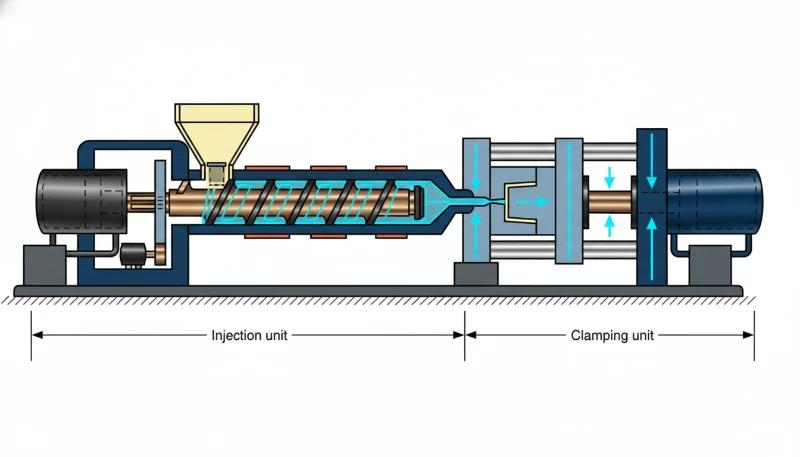
Dieser Abschnitt erläutert, wodurch die MOQ für Spritzgussteile bestimmt wird und wie sie Kosten, Qualität, Termine und Beschaffungsrisiken beeinflusst. Fünf Faktoren bestimmen die Mindestbestellmenge: Amortisierung der Werkzeugkosten, Maschinenrüstzeit (2–6 Stunden), Mindestabnahmemengen für Rohmaterial (25–500 kg), Bauteilgröße und -gewicht sowie Einschränkungen der Produktionsplanung — ungefähr in dieser Reihenfolge ihrer Bedeutung. Diese Kostentreiber gehören zu den üblichen Schritten des Spritzgießprozesses, vom Rüsten und den ersten Schüssen bis zu Kühlung, Prüfung, Verpackung und Freigabe.
1. Werkzeugkostenamortisation
Das ist der große Punkt. Wenn Ihre Produktionsform $15.000 kostet und Ihr Lieferant sie über eine angemessene Stückzahl amortisieren möchte, wird er die MOQ entsprechend festlegen.
| Form Kosten | Amortisationsziel | Implizite MOQ |
|---|---|---|
| $3,000 – $5,000 | 1.000 – 3.000 Einheiten | 500 – 1,000 |
| $5,000 – $15,000 | 3.000 – 10.000 Einheiten | 1,000 – 5,000 |
| $15,000 – $50,000 | 10.000 – 50.000 Einheiten | 5,000 – 10,000 |
| $50,000+ | 50.000+ Einheiten | 10,000 – 50,000+ |
Die Logik ist einfach: Ein Lieferant möchte keine $25.000 teure Form für einen Kunden bauen, der 500 Teile bestellt und dann verschwindet. Die MOQ stellt sicher, dass er seine Werkzeuginvestition innerhalb eines vorhersehbaren Zeitraums wieder hereinholt.
2. Maschineneinrichtung und Umrüstung
Jeder Produktionslauf erfordert Rüstarbeiten: das Werkzeug montieren, Temperaturprofile einstellen, Spritzgießparameter abstimmen und eine Erstmusterprüfung1 (FAI) durchführen. Bei einem Standardwerkzeug dauert dies typischerweise 2–6 Stunden. Während dieser Zeit produziert die Maschine keine verkaufsfähigen Teile. Bei einer kleinen Bestellung steigen die Rüstkosten pro Teil stark an — und ab einem bestimmten Punkt ist dies für keine der beiden Seiten mehr sinnvoll.
3. Mindestmengen an Rohmaterial
Materiallieferanten haben ihre eigenen MOQs. Eine Standardpackung ABS-Granulat könnte 25 kg sein. Wenn Ihr Teil 15 Gramm schwer ist, deckt diese Packung etwa 1.666 Stücke ab. Aber für Spezialmaterialien – glasgefülltes Nylon, PEEK, medizinische Polymer – könnte der Mindestabnahme 100–500 kg sein, was Ihre effektive MOQ unabhängig von den Wünschen des Formgebers deutlich erhöhen kann.
4. Bauteilgröße und -komplexität
Größere Teile benötigen mehr Maschinenzeit und mehr Material pro Schuss, was die Mindestabnahmemenge natürlich erhöht. Ein Gehäusedeckel, der 200 Gramm wiegt und eine 650T-Maschine benötigt, hat eine völlig andere Kostenstruktur als ein 5-Gramm-Clip, der auf einer 90T-Maschine läuft.
5. Fabrikplanungsbeschränkungen
Die meisten chinesischen Spritzgießfabriken betreiben 20–30 aktive Formen im Wechsel. Ihre kleine Bestellung konkurriert um Presszeit mit größeren, profitableren Serien. Ein Lieferant könnte eine 500-Teile-Bestellung annehmen, wenn er sie zwischen größeren Aufträgen unterbringen kann – aber er wird dafür keinen 100.000-Teile-Produktionsplan unterbrechen.
Was ist eine realistische MOQ für Spritzguss?
Eine realistische Mindestabnahmemenge (MOQ) für das Spritzgießen wird durch die Funktion, Einschränkungen und Kompromisse definiert, die in diesem Abschnitt erläutert werden. Realistische MOQs für das Spritzgießen lassen sich in drei Stufen einteilen: 100–1.000 Einheiten für Bridge-Werkzeuge, 1.000–10.000 Einheiten für die Standard-Einzelkavitätenfertigung und 10.000–100.000+ Einheiten für Hochvolumen-Mehrkavitenformen. Die meisten chinesischen Fabriken nennen 1.000–5.000 als Ausgangspunkt für Standard-Verbraucher- und Industrie-Teile.
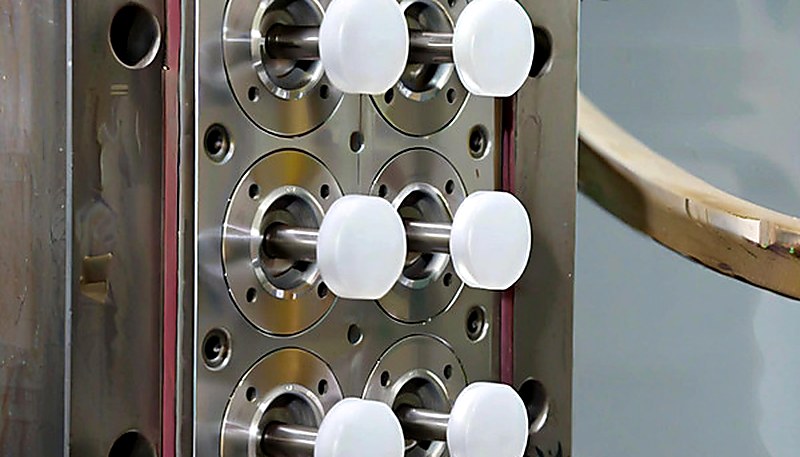
Entscheidend ist: Es gibt keine einheitliche branchenübliche MOQ. Wer behauptet, die Standard-MOQ betrage 5.000 Stück, vereinfacht zu stark. Die realistische Zahl hängt vollständig vom Zusammenspiel aus Bauteil, Werkzeug, Betriebsabläufen des Lieferanten und der gesamten Produktionszeit beim Spritzgießen ab, die erforderlich ist, damit sich der Auftrag lohnt.
| Fertigungstyp | Typischer MOQ-Bereich | Werkzeugtyp | Am besten für |
|---|---|---|---|
| Prototyp / Bridge | 100 – 1,000 | Aluminium oder Weichstahl | Markttest, frühe Produktphasen |
| Kleinserienproduktion | 500 – 5,000 | Einzelkavitäten-Stahl | Nischenprodukte, medizinische Geräte |
| Standardfertigung | 1,000 – 10,000 | Produktionsstahl | Verbrauchsgüter, Industrie-Teile |
| Großserienproduktion | 10,000 – 100,000+ | Mehrfachkavitäten-Stahl | Automobil, Elektronik, Verpackung |
Ich habe erlebt, dass Fabriken in China MOQs von 500 Stück für einfache Einzelkavitätenformen mit Standardmaterialien anbieten, und ich habe dieselbe Fabrik 30.000 Stück für eine 16-Kaviten-Form mit glasgefülltem PBT anbieten sehen. Die Bandbreite ist so groß, und sie wird von realer Wirtschaftlichkeit getrieben – nicht von willkürlicher Politik.
"„Kürzere Lieferzeiten führen immer zu Spritzgussteilen geringerer Qualität.“"True
Lieferzeit und Qualität stehen nicht in direktem Zusammenhang. Ein gut geplantes Projekt mit klaren DFM-Kriterien, reaktionsschnellem Käuferfeedback und erfahrenen Werkzeugbauern kann sowohl schnelle Umsetzung als auch hohe Qualität liefern. Qualitätsprobleme entstehen durch schlechte Prozesskontrolle, nicht durch Geschwindigkeit.
"“Sie sollten stets die Freigabe der T1-Muster abwarten, bevor Sie Produktionsmaterial bestellen.”"False
Die Vorabbestellung von Materialien während des Formenbaus ist eine Standardpraxis, die 1–2 Wochen spart. Das Risiko ist minimal, wenn Sie bereits während der Angebotsphase den exakten Typ und Lieferanten spezifiziert haben.
Für Käufer, die im Bereich Supplier sourcing2 speziell aus China sind bei typischen Verbraucher- oder Industrieteilen MOQs zwischen 1,000 und 5,000 Stück zu erwarten. Bei Spezialmaterialien oder einer Mehrkavitätenform steigt die Mindestmenge üblicherweise auf 2,000–10,000.
In unserer Fabrik in Shanghai betreibt unser Team 47 Spritzgießmaschinen von 90T bis 1850T und unterstützt über interne Werkzeugfertigung mehr als 100 Formensätze pro Monat. Diese Kapazität ist wichtig für MOQ-Diskussionen, weil unsere Ingenieure kleine Pilotserien, Übergangsformen oder höhere Volumenproduktionen auf die richtige Maschine abstimmen können, statt jeden Käufer in die gleiche Mindestabnahmepolitik zu zwängen.
Wie beeinflusst die Anzahl der Kavitäten im Werkzeug Ihre MOQ?
Dies ist der Kompromiss, den die meisten Käufer nicht vollständig verstehen. Eine 4-fach-Werkzeugform klingt großartig – vier Teile pro Zyklus statt einem! – aber sie bedeutet auch höhere Werkzeugkosten, höhere Mindestabnahmemenge, mehr Material pro Durchlauf und weniger Flexibilität für kleine Chargen.
| Kavitätenzahl | Formkosten (geschätzt) | Zyklusausstoß | Typische MOQ |
|---|---|---|---|
| 1 (eine Kavität) | $3,000 – $8,000 | 1 Teil/Zyklus | 500 – 2,000 |
| 2–4 Kavitäten | $8,000 – $25,000 | 2–4 Teile/Zyklus | 2,000 – 10,000 |
| 8–16 Kavitäten | $25,000 – $80,000 | 8–16 Teile/Zyklus | 10,000 – 50,000+ |
| 32+ Kavitäten | $80,000+ | 32+ Teile/Zyklus | 50,000 – 500,000+ |
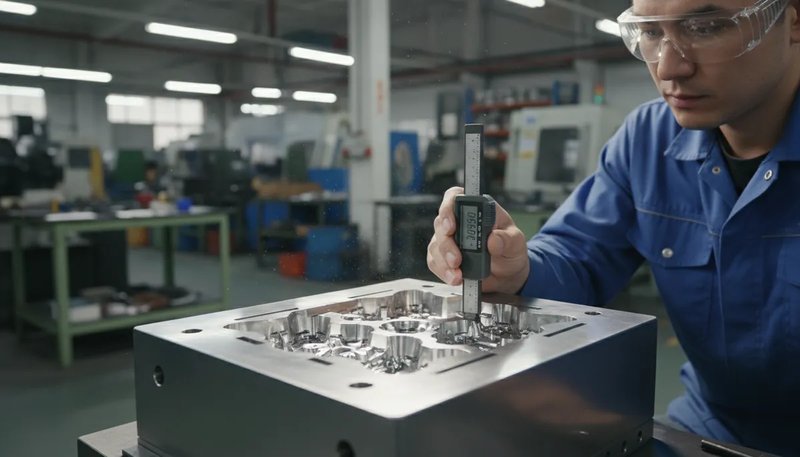
Die Kavitätenzahl sollte Ihrem Jahresbedarf entsprechen. Bei 5.000 Teilen pro Jahr ist ein Einkavitätenwerkzeug fast immer die richtige Wahl. Bei 500.000 Teilen pro Jahr ist ein Werkzeug mit 8 oder 16 Kavitäten wirtschaftlich sinnvoll. In der Grauzone von 10.000 bis 100.000 Teilen Jahresbedarf wird die Entscheidung anspruchsvoll; hier ist eine fundierte Beratung zur Werkzeugkonstruktion3 wichtig.
Nach unserer Erfahrung liegt der Sweet Spot für die meisten Projekte mit mittleren Stückzahlen (10.000–50.000 Einheiten/Jahr) bei einer 2- bis 4-fach-Form aus produktionsgerechtem Stahl wie P20 oder 718H. Sie erhalten eine akzeptable Stückkostenwirtschaftlichkeit, ohne sich bei der Werkzeugausstattung zu übernehmen.
Wie können Sie die MOQ für Ihr Projekt reduzieren?
Dieser Abschnitt behandelt die Reduzierung der MOQ für Ihr Projekt und deren Auswirkungen auf Kosten, Qualität, Zeitplan oder Beschaffungsrisiko. Die fünf effektivsten Möglichkeiten, die Mindestabnahmemenge für Spritzguss zu reduzieren, ohne die Teilqualität oder die Bereitschaft des Lieferanten zu beeinträchtigen:
"“Ein eigener Werkzeugbau ermöglicht eine bessere Kontrolle über den Liefertermin des Werkzeugs als eine Fremdvergabe.”"True
Wenn Tooling und Formung unter einem Dach sind, geht die Form vom Werkzeugtisch zur Presse in Stunden statt Tage. Es gibt auch keine Logistikverzögerung oder Misskommunikation zwischen separaten Tooling- und Formungsfirmen.
"“Mehr Kavitäten bedeuten immer niedrigere Gesamtprojektkosten.”"False
Mehr Kavitäten senken die Kosten pro Teil, erhöhen aber die Formkosten, die Wartungskomplexität und den Materialverschleiß. Bei Projekten mit geringem Volumen könnte sich die höhere Werkzeuginvestition nie amortisieren. Die Anzahl der Kavitäten sollte dem Bedarf entsprechen, nicht nur den Output maximieren.
Option 1: Aluminium- oder Bridge-Tooling verwenden
Aluminiumformen kosten 40–60% weniger als gehärteter Stahl und können 1.000–10.000 Teile produzieren, abhängig vom Material und der Geometrie. Wenn Ihr Bedarf unter 5.000 Einheiten pro Jahr liegt, ist dies oft der kosteneffektivste Weg. Der Tradeoff: Aluminiumformen nutzen sich schneller ab und sind nicht geeignet für abrasive Materialien wie glasgefülltes Nylon.
Option 2: Standardmaterialien wählen
Materialien wie ABS, PP und HDPE werden von praktisch jeder Formenfabrik in großen Mengen gelagert. Die Wahl einer Standardqualität eliminiert das Rohmaterial-MOQ-Problem komplett. Spezialqualitäten (PEEK, PEI, medizinische Polymere) benötigen oft 100–500 kg Mindestorder, was Ihre Teil-MOQ erhöhen kann.
Option 3: Flexible Planung akzeptieren
Wenn Sie einen größeren Lieferzeitrahmen akzeptieren können (z. B. „Lieferung innerhalb 4 Wochen statt 2 Wochen“), kann die Fabrik Ihre Order in Maschinenstillstand einplanen statt einen dedizierten Produktionsblock zu reservieren. Dies kann die MOQ-Anforderungen um 50% oder mehr reduzieren, weil die Einrichtungskosten in ihren regulären Plan integriert werden.
Option 4: Familienformen für mehrere Teile
Wenn Ihr Produkt mehrere Kunststoffkomponenten hat (z. B. eine Oberabdeckung, Unterabdeckung und Knopfplatte), können Sie alle in einer einzigen Familienform produzieren. Eine Einrichtung, ein Material, eine Produktionslauf – und die MOQ gilt für die Gesamtproduktion, nicht für jedes einzelne Teil. Dies funktioniert am besten, wenn die Teile ähnlich groß sind und das gleiche Material verwenden.
Option 5: Stock- und Release-Vereinbarungen
Einige Lieferanten produzieren eine größere Menge (die ihre MOQ erfüllt), aber liefern sie Ihnen in kleineren Teilen. Sie bezahlen für Lagerung statt für Produktion unter dem wirtschaftlichen Minimum. Dies funktioniert gut, wenn Sie eine vorhersehbare Nachfrage über 6–12 Monate haben und die Teile keine Lagerfähigkeitsprobleme haben.
Was ist der Unterschied zwischen MOQ und MEA?
Der Unterschied zwischen MOQ und MEA wird durch die Funktion, Einschränkungen und Kompromisse definiert, die in diesem Abschnitt erklärt werden. MOQ ist die vom Lieferanten akzeptierte Mindestbestellmenge (typischerweise 500–50.000 Stück), während MEA (Minimum Efficient Amount) die Produktionsmenge ist, bei der die Stückkosten wettbewerbsfähig werden – üblicherweise 3.000–5.000 Einheiten für Standard-Spritzguss.
Diese Unterscheidung ist wichtig, weil Sie can erhalten manchmal einen Auftrag über 500 Teile, den der Lieferant annimmt; bei 500 Teilen können die Stückkosten jedoch 4–6× so hoch sein wie bei 5,000 Teilen. Die Frage lautet nicht immer nur: „Nimmt der Lieferant meinen Auftrag an?“ Manchmal lautet sie: „Ist dieser Auftrag für mich wirtschaftlich sinnvoll?“
"“Die Vorabbestellung von Produktionsmaterial während des Werkzeugbaus verkürzt die Gesamtvorlaufzeit um 1–2 Wochen.”"True
Materialbeschaffung und Formfertigung sind unabhängige Stränge, die parallel laufen können. Materialorder bei Formdesignfreigabe bedeutet, dass das Granulat während der Formfertigung ankommt und den Beschaffungsgap nach Sampling eliminiert.
„„Ein günstigeres Werkzeugangebot bedeutet immer eine kürzere Bauzeit.““False
Niedrigere Kosten können einfachere Konstruktion, niedrigere Stahlqualität oder weniger erfahrene Arbeitskraft bedeuten – alles, was Bauzeit durch Nacharbeit oder Werkzeugversagen verlängern kann. Preis und Lieferzeit sind unabhängige Variablen, die separat evaluiert werden sollten.
| Faktor | MOQ | MEA |
|---|---|---|
| Begriffsdefinition | Mindestbestellmenge, die der Lieferant akzeptiert | Menge, bei der die Kosten pro Teil wettbewerbsfähig werden |
| Typischer Bereich | 500 – 50.000 Stück | 3.000 – 5.000 Stück |
| Angetrieben von | Lieferantenrichtlinie, Einrichtungskosten | Wirtschaftlichkeit der Werkzeugabschreibung |
| Kann man verhandeln? | Ja, mit Flexibilität | Nur durch Änderung der Werkzeuge oder des Materials |
Dieser Unterschied zu verstehen hilft Ihnen, das Gespräch mit Lieferanten zu strukturieren. Wenn Sie unter der MEA liegen, wissen Sie, dass Sie einen Aufschlag zahlen – und können entscheiden, ob sich dieser Aufschlag für Ihre spezifische Situation lohnt.
Wie verhandelt man eine niedrigere MOQ mit einem Lieferanten?
Dieser Abschnitt handelt davon, eine niedrigere MOQ mit einem Lieferanten auszuhandeln und deren Auswirkungen auf Kosten, Qualität, Termine oder Beschaffungsrisiken. Fünf Verhandlungstaktiken, die tatsächlich funktionieren – weil sie die echten Kostenbedenken des Lieferanten adressieren und nicht nur um einen Gefallen bitten:
Schritt 1: Verstehen Sie ihre Kostenstruktur
Bitten Sie den Lieferanten, sein Angebot in Formkosten, Materialkosten, Bearbeitungskosten und Einrichtungskosten aufzuschlüsseln. Wenn Sie sehen können, woher die MOQ-Untergrenze kommt, können Sie gezielt darauf eingehen, statt blind auf die Gesamtmenge zu drängen.
Schritt 2: Werkzeuge separat bezahlen
Wenn Sie die Form als separaten Posten bezahlen (nicht in den Stückpreis amortisiert), sinkt das Werkzeugrisiko des Lieferanten auf null. Dies ermöglicht oft deutlich niedrigere MOQs, weil der größte Kostentreiber aus seiner Kalkulation entfernt wurde.
"„Die separate Bezahlung des Werkzeugs unabhängig vom Stückpreis führt häufig zu einer niedrigeren effektiven MOQ.“"True
Wenn die Formkosten nicht in den Stückpreis eingerechnet werden, hat der Lieferant keinen Anreiz, die Werkzeuginvestition über die Menge zu amortisieren. Dadurch entfällt der größte einzelne Treiber für hohe MOQs, wodurch die Mindestbestellmengen oft um 50–70% sinken.
„„MOQ und MEA sind dasselbe — die Mindestanzahl bestellbarer Teile.““False
MOQ ist die vom Lieferanten akzeptierte Mindestbestellmenge. MEA (Minimum Economic Amount) ist die Menge, ab der die Stückkosten wirtschaftlich sinnvoll werden. Ein Lieferant kann 500 Stück als MOQ akzeptieren, während die Stückkosten möglicherweise erst bei 5,000 Stück als MEA wettbewerbsfähig werden.
Schritt 3: Flexible Lieferfenster akzeptieren
„Ich benötige 1.000 Stück, aber ich kann warten, bis Sie eine Lücke in Ihrem Plan haben“ ist eine der stärksten Aussagen, die Sie einer Fabrik machen können. Es macht Ihre kleine Order von einer Unannehmlichkeit zu einem Füller für ihre Produktionsplanung.
Schritt 4: Beginnen Sie mit einer Pilotbestellung
Schlagen Sie einen Probelauf mit 500–1.000 Teilen vor, mit dem Verständnis, dass eine erfolgreiche Pilotphase zu regulären Bestellungen führt. Viele Lieferanten akzeptieren für die erste Bestellung eine unterdurchschnittliche MOQ als qualifizierten Musterlauf, insbesondere wenn das Werkzeug bereits gebaut ist.
Schritt 5: Jahresvolumen zusagen
Wenn Sie den Jahresbedarf (auch grob) prognostizieren können, teilen Sie dies dem Lieferanten mit. Eine Zusage von „10.000 Stück über die nächsten 12 Monate, geliefert in Chargen von 2.000 Stück“ gibt ihm die Sicherheit, die MOQ pro Lauf zu senken, da das Gesamtvolumen seine Investition rechtfertigt.
Eine Sache, die wir wiederholt erfolgreich sehen: Die Käufer, die die besten MOQ-Terms erhalten, sind diejenigen, die die Verhandlung wie eine Partnerschaftsdiskussion behandeln, nicht wie eine transaktionale Preisverhandlung. Wenn der Lieferant Sie als langfristigen Kunden mit steigendem Bedarf sieht, wird die MOQ viel flexibler.
Welche Fragen stellen Käufer zur Spritzguss-MOQ?
"“Bei einem Jahresbedarf unter 10,000 Einheiten bietet ein Einkavitätenwerkzeug nahezu immer die niedrigsten Gesamtkosten.”"True
Unter 10.000 Einheiten pro Jahr überwiegen die Werkzeugeinsparungen eines Einfach-Werkzeugs ($3.000–$8.000 gegenüber $15.000–$25.000 für Mehrfach-Werkzeuge) bei weitem die etwas höheren Fertigungskosten pro Teil. Die Gewinnschwelle für Mehrfach-Werkzeuge liegt typischerweise zwischen 30.000–100.000 Gesamteinheiten über die Lebensdauer.
"„Mehrkavitätenwerkzeuge verkürzen die Gesamtdurchlaufzeit gegenüber Einkavitätenwerkzeugen immer.“"False
Mehrfach-Werkzeuge benötigen eine längere Bauzeit (5–7 zusätzliche Tage pro Kavität), produzieren Teile aber schneller in der Fertigung. Die gesamte Projektlaufzeit verlängert sich, weil die Werkzeugphase länger ist, auch wenn die Fertigungszeit pro Teil sinkt.
Häufig gestellte Fragen
Was ist eine typische MOQ für Spritzguss in China?
Eine realistische MOQ für Spritzgießen in China liegt oft bei 1.000 bis 5.000 Stück für Standard-Serienteile. Die genaue Zahl hängt von Werkzeugkosten, Rüstzeit, Mindestabnahmemengen des Materials, Teilgröße und der Einplanbarkeit in den Produktionsplan des Lieferanten ab. Einfache PP- oder ABS-Teile können niedriger beginnen, während Spezialmaterialien oder Mehrfach-Werkzeuge oft höhere Stückzahlen erfordern. Betrachten Sie MOQ als wirtschaftliches Ergebnis, nicht nur als Lieferantenrichtlinie, und fragen Sie den Lieferanten, welcher Kostentreiber das Minimum festlegt.
Können Sie 100 Teile spritzgießen?
Ja, 100 spritzgegossene Teile sind möglich, aber in der Regel nur mit Prototypenwerkzeugen, Brückenwerkzeugen oder einem Lieferanten, der den Lauf als bezahlten Ingenieursdienst behandeln will. Für normale Stahl-Produktionswerkzeuge decken 100 Teile selten die Werkzeugrüstung, Prozesseinstellung, Erstmusterprüfung und Materialvorbereitung ab. Wenn Sie 100 Teile zum Testen benötigen, fragen Sie nach Aluminiumwerkzeugen, Familienplanung oder einem Pilotlaufpreis, der Werkzeugkosten von Produktionskosten trennt und vermeidet, Rüstkosten in einem künstlichen Stückpreis zu verstecken.
Warum haben Spritzgusslieferanten Mindestbestellungen?
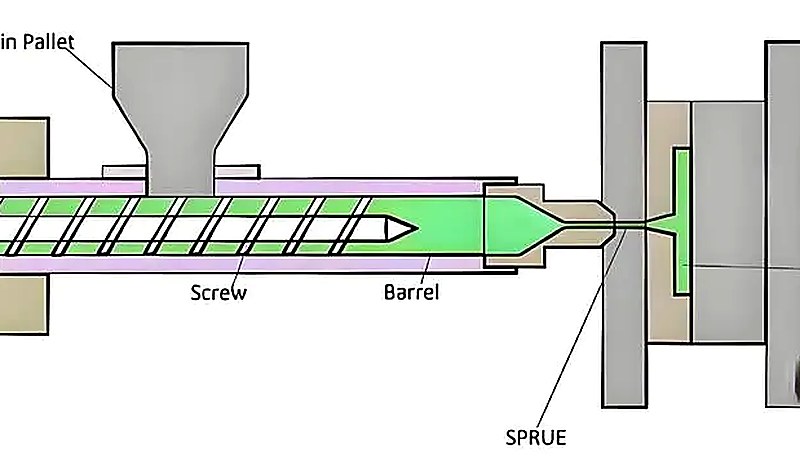
Spritzgießlieferanten verwenden Mindestbestellmengen, weil jeder Lauf Fixkosten verursacht, bevor das erste verkaufsfähige Teil produziert wird. Das Werkzeug muss montiert, die Zylinderschnecke gespült, die Temperaturen stabilisiert, Prozessparameter eingestellt und die Erstmusterprüfung abgeschlossen werden. Dieser Aufbau kann 2 bis 6 Stunden dauern, selbst für ein einfaches Teil. Wenn die Bestellmenge zu gering ist, erzeugen diese Fixkosten einen unrealistischen Stückpreis. MOQ verteilt Rüstung, Arbeitsaufwand, Materialhandling und Prüfaufwand auf genügend Teile, um die Produktion rentabel zu machen.
Gilt MOQ nur für die erste Bestellung?
MOQ gilt normalerweise für jeden Produktionslauf, nicht nur für die erste Bestellung. Wiederholungsläufe können jedoch häufig niedriger ausgehandelt werden, weil das Werkzeug erprobt ist, der Prozessfenster bekannt ist und Qualitätsprüfungen bereits dokumentiert sind. Ein Lieferant kann eine kleinere Wiederholungsbestellung akzeptieren, wenn die Rüstzeit kürzer ist oder der Käufer sich auf ein Jahresvolumen verpflichtet. Die beste Struktur ist oft ein erster Produktionslauf mit normaler MOQ, gefolgt von kleineren, geplanten Abrufen gegen eine Jahresprognose oder einen Rahmenauftrag.
Wie beeinflusst die Teilgröße die MOQ beim Spritzgießen?
Teilgröße beeinflusst MOQ, weil größere Teile mehr Kunststoff verwenden, größere Pressen benötigen, langsamer abkühlen und mehr Maschinenkapazität pro Schuss beanspruchen. Ein 5 Gramm Clip kann eine niedrige MOQ haben, weil Materialverbrauch und Zykluszeit gering sind. Ein 500 Gramm Gehäuse kann eine höhere MOQ benötigen, weil jeder Zyklus eine größere Maschine für längere Zeit bindet. Große Teile verursachen auch größere Lager- und Verpackungskosten. Wenn Sie MOQ diskutieren, geben Sie Teilgewicht, Dimensionen, Material und Zieljahresbedarf zusammen.
Kann man MOQ nach der ersten Bestellung verhandeln?
Ja, MOQ ist oft nach der ersten erfolgreichen Bestellung leichter verhandelbar. Sobald das Werkzeug geprüft ist, Prozessparameter dokumentiert sind und Qualitätsrisiken geringer sind, hat der Lieferant weniger Unsicherheit. Sie können kleinere Wiederholungsläufe, Lagerproduktion mit Freigabe oder flexible Terminplanung in Maschinenlücken anfordern. Die stärkste Verhandlungsposition ist nicht einfach, eine niedrigere MOQ zu verlangen; es ist, einen glaubwürdigen Jahresbedarf aufzuzeigen, das Werkzeug separat zu bezahlen und ein Lieferfenster zu akzeptieren, das der Fabrik hilft, Kapazitäten zu planen, ohne größere Produktionsaufträge zu stören.
Was ist die MOQ für überformte oder multimateriale Teile?
Überformte und multimateriale Teile haben meist höhere MOQs als Einzelmaterial-Teile, weil sie mehr Setup, mehr Materialhandling und mehr Prozessvalidierung benötigen. Zweischuss-Spritzguss benötigt spezialisierte Ausrüstung, während Einschuss- oder Überformung möglicherweise Operatorbeladung, Vorrichtungprüfungen und zusätzliche Inspektion benötigt. Eine 1.000-Stück MOQ für ein einfaches Einzelmaterialteil kann 3.000 bis 10.000 Stück für ein komplexes überformtes Teil werden. Wenn Volumen ungewiss ist, beginnen Sie mit Prototyp-Tooling oder einer Pilotbestellung bevor Sie Vollproduktion und Lagerbestände festlegen.
Gibt es eine MOQ für die Herstellung von Spritzgießwerkzeugen selbst?
Tooling hat typisch keine Mengenmindestgrenze wie Spritzgussteile; Sie können eine Form beauftragen. Die wahre Frage ist, ob die Forminvestition für das erwartete Produktionsvolumen Sinn macht. Ein Lieferant kann Formstahl, Kavitätenzahl und Hotrunner-Optionen basierend auf angenommenem Lebensvolumen kalkulieren. Wenn Sie nur ein paar hundert Teile benötigen, Bridge-Tooling kann smarter sein als eine Vollproduktionsform. Trennen Sie Tooling-Kosten von Teil-MOQ, so dass die Wirtschaftlichkeit transparent ist.
Die Formherstellung (Tooling) hat typisch keine Mengenmindestgrenze – Sie beauftragen eine Form. Allerdings kann die Formkosten selbst mit der Erwartung eines bestimmten Produktionsvolumens kalkuliert werden, um die Investition in Formstahlqualität und Komplexität zu rechtfertigen.
Wie wählen Sie die richtige MOQ-Strategie?
Die richtige MOQ-Strategie zu wählen dreht sich um Tooling-Kapazität, Qualitätssysteme, Kommunikation und kommerzielle Passung. Vor Sie die nächste RFQ senden, nutzen Sie diese Checkliste um zu schätzen, welche MOQ Sie erwarten sollten – und wo Sie Einspruch erheben sollten:
Under 1,000 units total demand → Suchen Sie nach Aluminiumwerkzeugen oder Spritzgussdienstleistungen für Kleinserien
1,000 – 5,000 units/year → Einkavitätenwerkzeug aus Stahl, erwartete MOQ: 1,000–2,000
5,000 – 50,000 units/year → 2–4-Kavitätenwerkzeug, MOQ von 2,000–5,000 ist üblich
50,000+ units/year → Mehrkavitäten-Produktionswerkzeug; über den Preis verhandeln, nicht über die MOQ
Und eine letzte Regel: wenn ein Lieferant Ihnen eine MOQ kalkuliert, die mehr als 3× Ihren Jahresbedarf ist, akzeptieren Sie sie nicht einfach. Entweder ist die Form über-spezifiziert für Ihre Bedürfnisse, oder Sie sprechen mit dem falschen Lieferant. Es gibt fast immer einen Weg, das Tooling mit dem tatsächlichen Bedarf zu passen – es braucht nur die richtige Konversation.
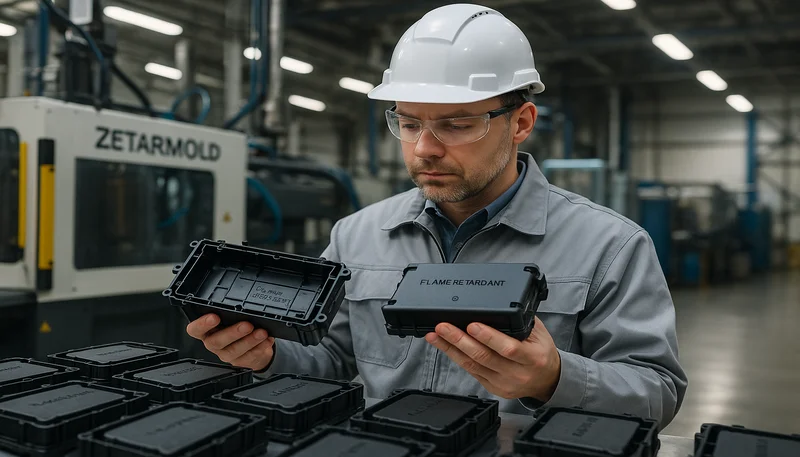
Benötigen Sie Hilfe bei der Wahl der richtigen MOQ und Werkzeugstrategie für Ihr Projekt? Das ZetarMold-Team prüft Ihre Bauteilkonstruktion, schätzt ehrlich ein, welche Stückzahlen sinnvoll sind, und erstellt ein passendes Angebot — ohne überhöhte MOQs und unnötige Komplexität. Weitere Einzelheiten finden Sie in unserem vollständigen Leitfaden zur Bewertung von Spritzgusslieferanten.
First-article inspection: ist ein Qualitätskontrollverfahren, bei dem die ersten mit einem neuen Werkzeug gefertigten Teile anhand der Konstruktionsspezifikationen vermessen werden, um Maßhaltigkeit, Oberflächenqualität und Werkstoffeigenschaften vor Beginn der Serienproduktion zu verifizieren. ↩
Lieferantenbeschaffung: Lieferantenbeschaffung bezeichnet den Prozess der Bewertung und Auswahl eines Fertigungspartners anhand von Kompetenzen, Qualitätssystemen, Kommunikation und Kostenstruktur — entscheidend dafür, dass die MOQ-Richtlinie des Lieferanten Ihrem tatsächlichen Bedarf entspricht. ↩
Werkzeugkonstruktion: bezeichnet den Konstruktionsprozess zur Auslegung von Kavität, Kern, Kühlkanälen und Auswerfersystem eines Spritzgießwerkzeugs und beeinflusst unmittelbar die Bauteilqualität und Produktionseffizienz. ↩