Acabou de receber a resposta a um pedido de cotação de um fornecedor chinês de moldagem por injeção. O custo do molde parece razoável — $8,500 por uma ferramenta de produção com uma única cavidade. Mas então repara: encomenda mínima de 10,000 peças por lote. A sua procura anual é de 3,000 unidades. Esta é a armadilha do MOQ. Neste guia, explico o que determina as quantidades mínimas de encomenda, quais os valores realistas e como negociar uma configuração adequada à sua procura real.
- As MOQ típicas da moldagem por injeção variam entre 500 e mais de 50,000 peças, dependendo da complexidade
- A recuperação do custo do molde é o principal fator das exigências de MOQ
- Moldes multicavidade reduzem o custo por peça, mas aumentam o pedido mínimo
- As ferramentas de alumínio podem reduzir as MOQ para 100–500 unidades em séries de protótipos
- Negociar o MOQ é mais fácil quando se compreende a estrutura de custos do fornecedor
O que é a MOQ na moldagem por injeção?
A MOQ (quantidade mínima de encomenda) na moldagem por injeção é o menor número de peças que um fornecedor aceita produzir numa única série. Normalmente varia entre 500 e 50,000 peças, dependendo da complexidade da peça, dos requisitos do material e do investimento no molde. Compreender o que determina a MOQ do fornecedor é o primeiro passo para negociar uma quantidade adequada para ambas as partes.
"“A maioria dos atrasos na moldação por injeção é causada por problemas no fabrico do molde.”"True
Na prática, a maioria dos atrasos decorre da lentidão do comprador em responder durante a análise de DFM e a aprovação das amostras, não da fabricação do molde. Um comprador ágil pode reduzir o prazo total em 1–2 semanas.
"“Uma MOQ mais elevada resulta sempre num preço unitário mais baixo.”"False
O preço por peça depende da amortização das ferramentas, do custo do material, do tempo de preparação e da tarifa da máquina. Acima de uma determinada quantidade, a redução do custo por peça estabiliza porque as ferramentas ficam totalmente amortizadas e os descontos de material se estabilizam. Duplicar a MOQ de 50K para 100K pode reduzir o preço unitário em apenas 2–5%, e não nos 50% que alguns compradores esperam.
O que determina a MOQ das peças moldadas por injeção?
Esta secção explica o que determina o MOQ das peças moldadas por injeção e o seu impacto no custo, na qualidade, nos prazos ou no risco de aprovisionamento. Cinco fatores determinam o MOQ da moldagem por injeção: amortização do custo do molde (,000–,000+), tempo de preparação da máquina (2–6 horas), mínimos de matéria-prima (25–500 kg), tamanho e peso da peça e limitações do planeamento da fábrica — aproximadamente por esta ordem de impacto. Estes fatores de custo integram as etapas normais da moldagem por injeção, desde a preparação e as primeiras injeções até ao arrefecimento, inspeção, embalagem e aprovação.
1. Amortização do custo do molde
Este é o principal fator. Se o molde de produção custa $15.000 e o fornecedor quer amortizá-lo em um número razoável de unidades, ele definirá a MOQ de acordo com esse cálculo.
| Custo do molde | Meta de amortização | MOQ implícita |
|---|---|---|
| $3,000 – $5,000 | 1.000–3.000 unidades | 500 – 1,000 |
| $5,000 – $15,000 | 3,000 – 10,000 unidades | 1,000 – 5,000 |
| $15,000 – $50,000 | 10.000–50.000 unidades | 5,000 – 10,000 |
| $50,000+ | 50,000+ unidades | 10,000 – 50,000+ |
A lógica é simples: um fornecedor não quer construir um molde de $25,000 para um cliente que encomenda 500 peças e desaparece. A quantidade mínima de pedido garante a recuperação do investimento no ferramental dentro de um prazo previsível.
2. Preparação e mudança de máquina
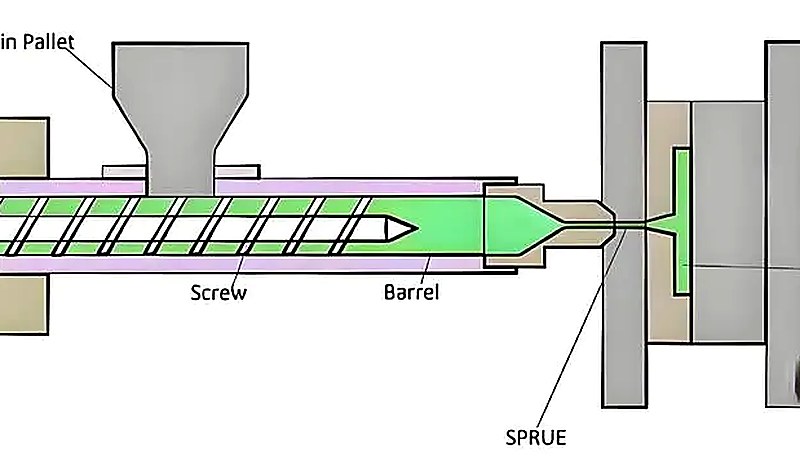
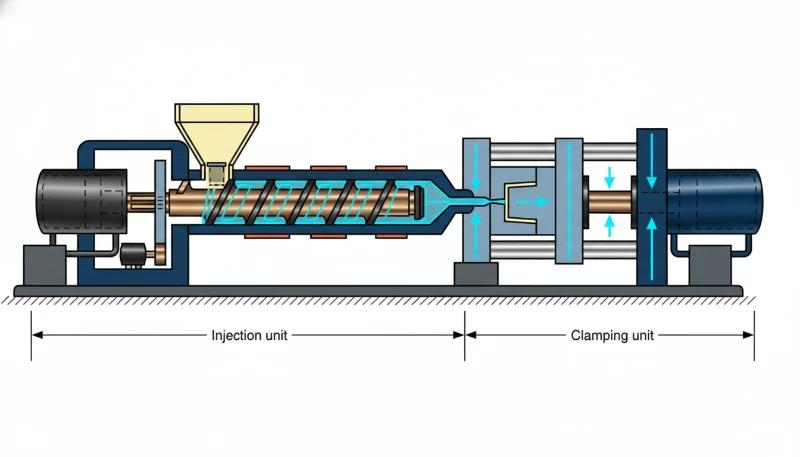
Cada lote de produção exige preparação: montar o molde, definir os perfis de temperatura, ajustar os parâmetros de moldagem por injeção e realizar a inspeção do primeiro artigo1 (FAI). Normalmente, isto demora 2–6 horas num molde padrão. Durante esse período, a máquina não produz peças que gerem receita. Numa encomenda pequena, o custo de preparação por peça dispara — e, a partir de certo ponto, deixa de fazer sentido para ambas as partes.
3. Mínimos de matéria-prima
Os cinco métodos mais eficazes para reduzir o MOQ de moldagem por injeção sem sacrificar a qualidade das peças ou a disposição do fornecedor:
4. Tamanho e complexidade da peça
As peças maiores exigem mais tempo de máquina e mais material por ciclo, o que aumenta naturalmente o MOQ. Uma tampa de caixa com 200 gramas que necessita de uma máquina de 650T tem uma estrutura de custos muito diferente da de um clipe de 5 gramas produzido numa máquina de 90T.
5. Restrições de programação da fábrica
A maioria das fábricas chinesas alterna 20–30 moldes ativos. A sua pequena encomenda compete com séries maiores. Um fornecedor pode encaixar 500 peças entre trabalhos, mas não interromperá uma série de 100,000.
Qual é uma MOQ realista para moldagem por injeção?
Um MOQ realista para moldagem por injeção é definido pela função, pelas restrições e pelos compromissos explicados nesta seção. Os MOQs realistas de moldagem por injeção se dividem em três níveis: 100–1.000 unidades para ferramental intermediário, 1.000–10.000 unidades para produção padrão com uma cavidade e 10.000–100.000+ unidades para moldes multicavidade de alto volume. A maioria das fábricas chinesas cota 1.000–5.000 como ponto de partida para peças padrão de consumo e industriais.
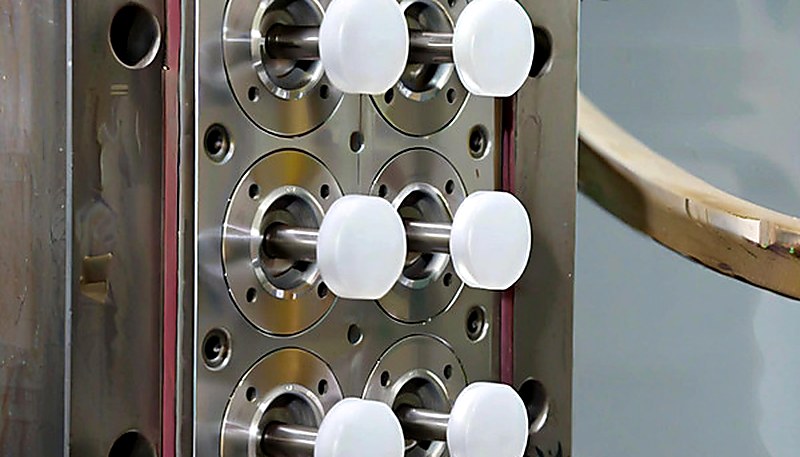
A questão é esta: não existe um único MOQ «padrão do setor». Quem afirma que «o MOQ padrão é 5,000» está a simplificar demasiado. O valor realista depende inteiramente da combinação entre a sua peça, as suas ferramentas, a operação do fornecedor e o tempo total de produção de moldagem por injeção necessário para tornar a encomenda viável.
| Tipo de produção | Faixa típica de MOQ | Tipo de ferramental | Melhor para |
|---|---|---|---|
| Protótipo / transição | 100 – 1,000 | Alumínio ou aço macio | Testes de mercado, produtos em fase inicial |
| Produção de baixo volume | 500 – 5,000 | Aço de cavidade única | Produtos de nicho, dispositivos médicos |
| Produção padrão | 1,000 – 10,000 | Aço para produção | Bens de consumo, peças industriais |
| Produção de grande volume | 10,000 – 100,000+ | Aço de múltiplas cavidades | Automotivo, eletrônicos, embalagens |
Já vi fábricas na China cotarem MOQs de 500 peças para moldes simples de cavidade única com materiais padrão, e vi a mesma fábrica cotar 30.000 peças para um molde de 16 cavidades processando PBT com fibra de vidro. A faixa é realmente ampla e é determinada pela economia real — não por uma política arbitrária.
"“Prazos mais curtos resultam sempre em peças moldadas de qualidade inferior.”"True
Prazo de entrega e qualidade não estão diretamente correlacionados. Um projeto bem planejado, com critérios claros de DFM, retorno rápido do comprador e ferramenteiros experientes, pode oferecer ao mesmo tempo agilidade e alta qualidade. Problemas de qualidade decorrem de um controle de processo inadequado, não da velocidade.
"“Deve aguardar sempre a aprovação da amostra T1 antes de encomendar os materiais de produção.”"False
A encomenda antecipada de materiais durante a construção do molde é uma prática padrão que economiza 1–2 semanas. O risco é mínimo se você já tiver especificado o grau exato e o fornecedor durante a cotação.
Para compradores que realizam especificamente o aprovisionamento de fornecedores2 na China, são de esperar MOQs entre 1,000 e 5,000 peças para uma peça típica de consumo ou industrial. Se a peça utilizar um material especial ou exigir um molde de várias cavidades, o mínimo normalmente aumenta para 2,000–10,000.
Na nossa fábrica de Xangai, a nossa equipa opera 47 máquinas de moldagem por injeção de 90T a 1850T e suporta mais de 100 conjuntos de moldes por mês através de ferramentaria interna. Essa capacidade é importante para discussões sobre MOQ porque os nossos engenheiros podem adequar pequenas corridas piloto, ferramentas de transição ou produção de maior volume à prensa correta, em vez de forçar todos os compradores a seguir a mesma política de quantidade mínima de encomenda.
Como o número de cavidades do molde afeta seu MOQ?
Esta é a relação de compromisso que a maioria dos compradores não compreende totalmente. Um molde de 4 cavidades parece ótimo — quatro peças por ciclo em vez de uma! —, mas também significa maior custo do molde, MOQ mais alto, mais material por ciclo e menos flexibilidade para pequenos lotes.
| Número de cavidades | Custo estimado do molde | Produção por ciclo | MOQ típico |
|---|---|---|---|
| 1 (cavidade única) | $3,000 – $8,000 | 1 peça/ciclo | 500 – 2,000 |
| 2–4 cavidades | $8,000 – $25,000 | 2–4 peças/ciclo | 2,000 – 10,000 |
| 8–16 cavidades | $25,000 – $80,000 | 8–16 peças/ciclo | 10,000 – 50,000+ |
| 32+ cavidades | $80,000+ | Mais de 32 peças/ciclo | 50,000 – 500,000+ |
A decisão sobre o número de cavidades deve corresponder à procura anual. Se precisar de 5,000 peças por ano, um molde de uma única cavidade é quase sempre a escolha certa. Se precisar de 500,000 por ano, um molde de 8 ou 16 cavidades faz sentido em termos económicos. A zona cinzenta — procura anual entre 10,000 e 100,000 unidades — é onde a decisão se torna interessante e onde bons conselhos sobre projeto de molde3 são importantes.
Na nossa experiência, o ponto ideal para a maioria dos projetos de volume médio (10 000–50 000 unidades/ano) é um molde de 2 a 4 cavidades com aço de produção como P20 ou 718H. Obtém-se uma economia razoável por peça sem investir excessivamente nas ferramentas.
Como reduzir o MOQ do seu projeto?
Esta secção é sobre reduzir o MOQ para o seu projeto e o seu impacto no custo, qualidade, calendário ou risco de aprovisionamento. As cinco formas mais eficazes de reduzir o MOQ da moldagem por injeção sem sacrificar a qualidade da peça ou a disponibilidade do fornecedor:
"“Uma ferramentaria interna permite controlar melhor o prazo de entrega do molde do que a subcontratação.”"True
Quando as ferramentas e a moldagem estão sob o mesmo teto, o molde passa da bancada de ferramentas para a prensa em horas, em vez de dias. Também não há atrasos logísticos nem falhas de comunicação entre empresas distintas de ferramentas e moldagem.
"“Mais cavidades significa sempre um custo total de projeto inferior.”"False
Um maior número de cavidades reduz o custo por peça, mas aumenta o custo do molde, a complexidade da manutenção e o desperdício de material. Em projetos de baixo volume, o maior investimento em ferramentas pode nunca ser recuperado. O número de cavidades deve corresponder à procura, e não apenas maximizar a produção.
Opção 1: Use ferramental de alumínio ou intermediário
Os moldes de alumínio custam 40–60% menos do que os de aço endurecido e podem produzir 1,000–10,000 peças, dependendo do material e da geometria. Se a procura for inferior a 5,000 unidades por ano, esta é frequentemente a opção mais económica. A contrapartida: os moldes de alumínio desgastam-se mais depressa e não são adequados para materiais abrasivos como nylon com fibra de vidro.
Opção 2: escolha materiais padrão
Materiais como ABS, PP e HDPE são armazenados a granel por praticamente todas as fábricas de moldagem. Escolher um grau convencional elimina por completo o problema do MOQ da matéria-prima. Graus especiais (PEEK, PEI, polímeros de grau médico) exigem frequentemente encomendas mínimas de 100–500 kg, o que pode aumentar o MOQ das peças.
Opção 3: aceitar programação flexível
Se aceitar uma janela de entrega mais ampla (por exemplo, 4 semanas em vez de 2), a fábrica pode encaixar a encomenda nas paragens da máquina em vez de reservar um bloco. Isto pode reduzir a MOQ em 50% ou mais, pois a preparação é absorvida pelo calendário normal.
Opção 4: Moldes família para várias peças
Se o seu produto tiver vários componentes plásticos (por exemplo, tampa superior, tampa inferior e painel de botões), você poderá produzi-los todos em um único molde-família. Uma preparação, um material, uma série de produção — e o MOQ se aplica à produção total, não a cada peça individual. Isso funciona melhor quando as peças têm tamanhos semelhantes e usam o mesmo material.
Opção 5: acordos de stock e libertação
Alguns fornecedores produzem um lote maior, atendendo ao MOQ, mas o enviam a você em parcelas menores. Você paga pelo armazenamento em vez de produzir abaixo do mínimo econômico. Essa opção funciona bem quando há demanda previsível para 6–12 meses e as peças não apresentam restrições de validade.
Qual é a diferença entre MOQ e MEA?
A diferença entre MOQ e MEA é definida pela função, pelas restrições e pelos compromissos explicados nesta secção. MOQ é a quantidade mínima de encomenda aceite pelo fornecedor (normalmente 500–50,000 peças), enquanto MEA (Quantidade Mínima Eficiente) é o volume de produção a partir do qual o custo por peça se torna competitivo — geralmente 3,000–5,000 unidades na moldagem por injeção convencional.
Esta distinção é importante porque, por vezes, é possível fazer uma encomenda de 500 peças (o fornecedor aceita-a), mas o custo por peça para 500 unidades pode ser 4–6 vezes superior ao de uma encomenda de 5,000 peças. A pergunta nem sempre é «aceitam a minha encomenda?» — por vezes, é «esta encomenda faz sentido do ponto de vista económico para mim?».
"“A encomenda antecipada dos materiais de produção durante o fabrico do molde reduz o prazo total em 1–2 semanas.”"True
A compra do material e a fabricação do molde são fluxos independentes que podem ocorrer em paralelo. Fazer o pedido do material quando o projeto do molde é aprovado permite que a resina chegue enquanto o molde está sendo usinado, eliminando o intervalo de compra após a amostragem.
"“Um orçamento de molde mais barato implica sempre um prazo de fabrico mais curto.”"False
Um custo menor pode refletir uma construção mais simples, aço de qualidade inferior ou mão de obra menos experiente — qualquer um desses fatores pode prolongar o prazo de fabricação devido a retrabalho ou falha do ferramental. Preço e prazo de entrega são variáveis independentes que devem ser avaliadas separadamente.
| Fator | MOQ | MEA |
|---|---|---|
| Definição | Pedido mínimo aceito pelo fornecedor | Volume em que o custo por peça se torna competitivo |
| Faixa típica | 500 – 50,000 peças | 3,000 – 5,000 peças |
| Determinado por | Política do fornecedor, custo de preparação | Economia da amortização das ferramentas |
| É possível negociar? | Sim, com flexibilidade | Somente alterando o ferramental ou o material |
Compreender esta diferença ajuda a enquadrar a conversa com os fornecedores. Se estiver abaixo da MEA, sabe que está a pagar um acréscimo — e pode decidir se esse acréscimo compensa na sua situação específica.
Como negociar um MOQ inferior com um fornecedor?
Esta secção é sobre negociar um MOQ mais baixo com um fornecedor e o seu impacto no custo, qualidade, calendário ou risco de aprovisionamento. Cinco táticas de negociação que realmente funcionam — porque abordam as verdadeiras preocupações de custo do fornecedor em vez de apenas pedir um favor:
Etapa 1: entender a estrutura de custos do fornecedor
Peça ao fornecedor que detalhe a cotação em custo do molde, custo do material, custo de processamento e custo de preparação. Ao identificar a origem do limite mínimo do MOQ, você pode tratá-la especificamente em vez de pressionar às cegas pela quantidade total.
Etapa 2: Pague o ferramental separadamente
Se você pagar pelo molde como um item separado (não amortizado no preço por peça), o risco do fornecedor relativo ao ferramental cai para zero. Isso frequentemente permite MOQs significativamente menores, pois o maior fator de custo foi removido da equação do fornecedor.
"“Pagar o molde separadamente do preço das peças resulta frequentemente num MOQ efetivo mais baixo.”"True
Quando o custo do molde é separado do preço por peça, o fornecedor não precisa recuperar o investimento em ferramental pelo volume. Isso elimina o maior fator das MOQs elevadas e frequentemente reduz os pedidos mínimos em 50–70%.
"“MOQ e MEA são a mesma coisa — o número mínimo de peças que pode encomendar.”"False
MOQ é a quantidade mínima de encomenda aceite pelo fornecedor. MEA (Minimum Economic Amount) é a quantidade a partir da qual o custo por peça se torna economicamente viável. Um fornecedor pode aceitar 500 peças (MOQ), mas o custo unitário pode só se tornar competitivo a partir de 5,000 peças (MEA).
Passo 3: Aceite janelas de entrega flexíveis
“Preciso de 1.000 peças, mas posso esperar até que haja uma lacuna em sua programação” é uma das frases mais eficazes para dizer a uma fábrica. Ela transforma seu pequeno pedido de inconveniente em preenchimento do planejamento da produção.
Etapa 4: comece com um pedido piloto
Injeção de Moldagem MOQ: Mínimos Realistas & Negociação
Etapa 5: comprometa-se com o volume anual
Se puder projetar a demanda anual, ainda que aproximadamente, compartilhe-a com o fornecedor. Um compromisso de “10,000 peças nos próximos 12 meses, entregues em lotes de 2,000” dá confiança para reduzir o MOQ por série, pois o volume total justifica o investimento.
Algo que vimos funcionar repetidamente: os compradores que conseguem as melhores condições de MOQ são aqueles que tratam a negociação como uma discussão de parceria, e não como uma barganha transacional. Se o fornecedor enxergar você como um cliente de longo prazo com demanda crescente, o MOQ se torna muito mais flexível.
Que Perguntas os Compradores Fazem Sobre o MOQ da Moldagem por Injeção?
"“Para uma procura anual inferior a 10,000 unidades, um molde de cavidade única proporciona quase sempre o melhor custo total.”"True
Abaixo de 10,000 unidades por ano, a economia de ferramental proporcionada por um molde de cavidade única ($3,000–$8,000 contra $15,000–$25,000 para um multicavidade) supera amplamente o custo de produção por peça ligeiramente superior. O ponto de equilíbrio do ferramental multicavidade situa-se normalmente entre 30,000–100,000 unidades totais ao longo da vida útil.
"“Os moldes de múltiplas cavidades reduzem sempre o prazo global comparativamente aos moldes de cavidade única.”"False
Os moldes multicavidade demoram mais tempo a fabricar (mais 5–7 dias por cavidade), mas produzem peças mais rapidamente. O prazo total do projeto aumenta porque a fase de fabrico da ferramenta é mais longa, embora o tempo de produção por peça diminua.
Perguntas mais frequentes
Qual é o MOQ típico para moldagem por injeção na China?
Um MOQ realista para moldagem por injeção na China é frequentemente de 1.000 a 5.000 peças para peças de produção padrão. O número exato depende do custo do molde, do tempo de configuração, dos mínimos de compra de material, do tamanho da peça e da facilidade com que o fornecedor consegue encaixar a corrida no calendário de produção. Peças simples de PP ou ABS podem começar mais baixo, enquanto materiais especiais ou moldes de múltiplas cavidades muitas vezes precisam de quantidades maiores. Trate o MOQ como um resultado económico, não apenas uma política do fornecedor, e pergunte ao fornecedor qual o fator de custo que está a definir o mínimo.
Pode moldar por injeção 100 peças?
Sim, 100 peças injetadas são possíveis, mas geralmente apenas com ferramentas de prototipagem, ferramentas de transição ou um fornecedor disposto a tratar a produção como um serviço de engenharia pago. Para ferramentas de produção em aço normais, 100 peças raramente cobrem a configuração do molde, o ajuste do processo, a inspeção do primeiro artigo e a preparação do material. Se precisar de 100 peças para testes, solicite ferramentas de alumínio, agendamento em família ou um preço de corrida piloto que separe o custo da ferramenta do custo de produção e evite esconder o custo de configuração dentro de um preço unitário falso.
Porque é que os fornecedores de moldagem por injeção têm pedidos mínimos?
Os fornecedores de moldagem por injeção usam pedidos mínimos porque cada corrida tem custos fixos antes da primeira peça vendável ser produzida. O molde tem de ser montado, o cano purgado, as temperaturas estabilizadas, os parâmetros do processo ajustados e a inspeção do primeiro artigo concluída. Essa configuração pode levar 2 a 6 horas, mesmo para uma peça simples. Se a quantidade do pedido for demasiado pequena, esses custos fixos criam um preço unitário irrealista. O MOQ distribui a configuração, mão de obra, manuseamento de material e esforço de inspeção por peças suficientes para tornar a produção viável.
O MOQ aplica-se apenas ao primeiro pedido?
O MOQ geralmente aplica-se a cada corrida de produção, não apenas ao primeiro pedido. No entanto, corridas repetidas podem frequentemente ser negociadas para quantidades mais baixas porque o molde está comprovado, a janela do processo é conhecida e as verificações de qualidade já estão documentadas. Um fornecedor pode aceitar um pedido repetido menor se o tempo de configuração for mais curto ou se o comprador se comprometer com um volume anual. A melhor estrutura é frequentemente uma primeira corrida de produção com o MOQ normal, seguida de lançamentos programados menores com base numa previsão anual ou numa ordem de compra global.
Como é que o tamanho da peça afeta o MOQ da moldagem por injeção?
O tamanho da peça afeta o MOQ porque peças maiores usam mais resina, requerem prensas maiores, arrefecem mais lentamente e ocupam mais capacidade da máquina por disparo. Um clipe de 5 gramas pode ter um MOQ baixo porque o uso de material e o tempo de ciclo são pequenos. Uma caixa de 500 gramas pode exigir um MOQ mais alto porque cada ciclo ocupa uma máquina maior por mais tempo. Peças grandes também criam maiores custos de inventário e embalagem. Ao discutir o MOQ, forneça o peso, dimensões, material e procura anual prevista da peça em conjunto.
Pode negociar o MOQ após o primeiro pedido?
Sim, o MOQ é frequentemente mais fácil de negociar após o primeiro pedido bem-sucedido. Uma vez que o molde está comprovado, os parâmetros do processo estão registados e os riscos de qualidade são menores, o fornecedor tem menos incerteza. Pode solicitar corridas repetidas menores, produção em stock e libertação, ou agendamento flexível durante intervalos da máquina. A posição de negociação mais forte não é simplesmente pedir um MOQ mais baixo; é mostrar uma procura anual credível, pagar a ferramentaria separadamente e aceitar uma janela de entrega que ajude a fábrica a planear a capacidade sem perturbar trabalhos de produção maiores.
Qual é o MOQ para peças sobremoldadas ou multimaterial?
Peças sobremoldadas e multimaterial geralmente têm MOQs mais altos do que peças de material único porque requerem mais configuração, mais manuseamento de materiais e mais validação do processo. A moldagem de dois disparos precisa de equipamento especializado, enquanto a moldagem por inserção ou sobremoldagem pode exigir carregamento por operador, verificações de fixação e inspeção extra. Um MOQ de 1.000 peças para uma peça simples de material único pode passar para 3.000 a 10.000 peças para uma peça sobremoldada complexa. Se o volume é incerto, comece com ferramentas de protótipo ou um pedido piloto antes de se comprometer com produção total e inventário.
Existe um MOQ para a fabricação do molde de injeção em si?
A ferramentaria geralmente não tem um mínimo de quantidade da mesma forma que as peças moldadas; pode encomendar um molde. A verdadeira questão é se o investimento no molde faz sentido para o volume de produção esperado. Um fornecedor pode cotar o aço do molde, o número de cavidades e as opções de canal quente com base no volume de vida útil assumido. Se precisar apenas de algumas centenas de peças, ferramentaria de ponte pode ser mais inteligente do que um molde de produção completo. Separe o custo da ferramentaria do MOQ da peça para que a economia seja transparente.
A fabricação de moldes (ferramentaria) normalmente não tem um mínimo de quantidade — encomenda-se um molde. No entanto, o custo do molde em si pode ser cotado com a expectativa de um certo volume de produção para justificar o investimento na qualidade e complexidade do aço do molde.
Como escolher a estratégia de MOQ adequada?
A escolha da estratégia de MOQ correta depende da capacidade de fabrico de moldes, dos sistemas de qualidade, da comunicação e da adequação comercial. Antes de enviar o próximo RFQ, utilize esta lista de verificação para estimar o MOQ que deve esperar — e os pontos que deve contestar:
Procura total inferior a 1,000 unidades → procure ferramentas de alumínio ou serviços de moldagem de baixo volume
1,000–5,000 unidades/ano → molde de aço com uma única cavidade; espere um MOQ de 1,000–2,000
5,000–50,000 unidades/ano → molde de 2–4 cavidades; um MOQ de 2,000–5,000 é habitual
Mais de 50,000 unidades/ano → molde de produção com várias cavidades; negoceie o preço, não o MOQ
E uma última regra: se um fornecedor cotar uma MOQ superior a 3× sua demanda anual, não aceite simplesmente. Ou o molde está superdimensionado para suas necessidades, ou você está falando com o fornecedor errado. Quase sempre há uma maneira de adequar o ferramental à demanda real — basta ter a conversa certa.
Precisa de ajuda para determinar o MOQ e a estratégia de ferramentas adequados ao seu projeto? A equipa da ZetarMold está pronta para analisar o projeto da peça, apresentar uma avaliação honesta das quantidades que fazem sentido e fornecer um orçamento correspondente — sem MOQs inflacionados nem complexidade desnecessária. Consulte o nosso guia completo de avaliação de fornecedores de moldagem por injeção para obter mais informações.
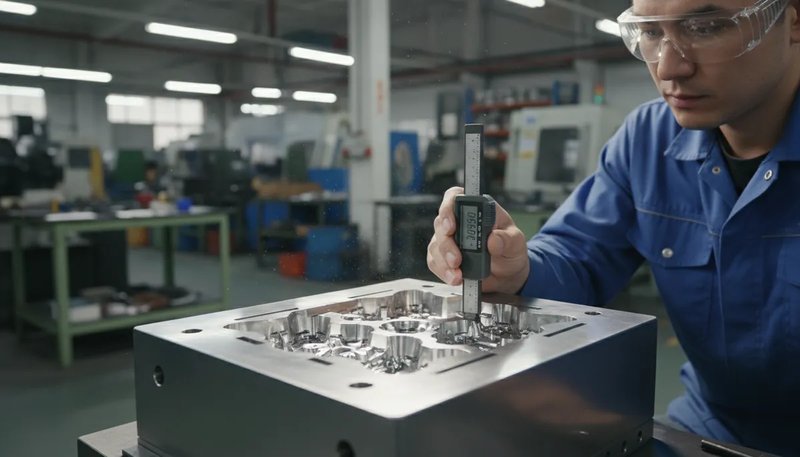
inspeção do primeiro artigo: é um processo de controlo da qualidade no qual as primeiras peças produzidas por um molde novo são medidas em relação às especificações de projeto para verificar a precisão dimensional, o acabamento superficial e as propriedades do material antes do início da produção integral. ↩
aprovisionamento de fornecedores: refere-se ao processo de avaliar e selecionar um parceiro de fabrico com base nas suas capacidades, sistemas de qualidade, comunicação e estrutura de custos — essencial para garantir que a política de MOQ do fornecedor corresponde à procura real. ↩
projeto de molde: refere-se ao processo de engenharia de criação da cavidade, do núcleo, dos canais de arrefecimento e do sistema de ejeção de um molde de injeção, afetando diretamente a qualidade da peça e a eficiência da produção. ↩