Avete appena ricevuto un RFQ da un fornitore cinese. Lo stampo costa ragionevolmente $8.500 per una cavità, ma compare: ordine minimo 10.000 pezzi per lotto. La vostra domanda annua è 3.000. È la trappola della MOQ. Questa guida spiega cosa determina i minimi, quali numeri sono realistici e come negoziare un assetto coerente con la domanda reale.
- I MOQ tipici per lo stampaggio a iniezione vanno da 500 a oltre 50.000 pezzi a seconda della complessità del componente
- Il recupero del costo dello stampo è il singolo fattore più importante che determina i requisiti di MOQ
- Gli stampi multi-cavità riducono il costo per pezzo ma aumentano la quantità minima d'ordine
- Gli utensili in alluminio possono ridurre i MOQ a 100–500 unità per le serie di prototipazione
- Negoziare il MOQ è più facile quando si comprende la struttura dei costi del fornitore
Cos’è la Quantità Minima d’Ordine nello Stampaggio a Iniezione?
Il MOQ (Quantità Minima d’Ordine) nello stampaggio a iniezione è il numero minimo di pezzi che un fornitore accetta di produrre in un singolo ciclo produttivo. Tipicamente varia da 500 a 50.000 pezzi a seconda della complessità del componente, dei requisiti del materiale e dell’investimento in attrezzatura. Comprendere cosa determina il MOQ del tuo fornitore è il primo passo per negoziare una quantità che funzioni per entrambe le parti.

"“La maggior parte dei ritardi nello stampaggio a iniezione è causata da problemi di fabbricazione dello stampo.”"True
Nella pratica, la maggior parte dei ritardi deriva dal feedback lento del committente durante la revisione DFM e l'approvazione dei campioni, non dalla produzione dello stampo. Un committente reattivo può ridurre il tempo totale di 1–2 settimane.
"“Un MOQ più elevato comporta sempre un prezzo unitario inferiore.”"False
Il prezzo per pezzo dipende dall'ammortamento degli utensili, dal costo del materiale, dal tempo di setup e dalla tariffa della macchina. Oltre una certa quantità, il risparmio per pezzo si stabilizza perché il costo degli utensili è completamente ammortizzato e gli sconti sui materiali si stabilizzano. Raddoppiare il MOQ da 50K a 100K potrebbe ridurre il prezzo unitario solo del 2–5%, non del 50% che alcuni acquirenti si aspettano.
Cosa Determina il MOQ per i Componenti Stampati a Iniezione?
Questa sezione spiega cosa determina la MOQ dei pezzi stampati a iniezione e il suo impatto su costi, qualità, tempi e rischio di approvvigionamento. Cinque fattori guidano la MOQ: ammortamento dello stampo (,000–,000+), attrezzaggio macchina (2–6 ore), minimi di materia prima (25–500 kg), dimensioni e peso del pezzo e vincoli di pianificazione. Questi costi rientrano nelle normali fasi dello stampaggio a iniezione, dall’attrezzaggio e prime stampate a raffreddamento, controllo, imballaggio e rilascio.
1. Ammortamento del Costo dello Stampo
Questo è il punto cruciale. Se il tuo stampo di produzione costa $15.000 e il tuo fornitore vuole ammortizzarlo su un numero ragionevole di unità, stabilirà il MOQ di conseguenza.
| Costo della muffa | Obiettivo di Ammortamento | MOQ Implicito |
|---|---|---|
| $3,000 – $5,000 | 1.000 – 3.000 unità | 500 – 1,000 |
| $5,000 – $15,000 | 3.000 – 10.000 unità | 1,000 – 5,000 |
| $15,000 – $50,000 | 10.000 – 50.000 unità | 5,000 – 10,000 |
| $50,000+ | 50.000+ unità | 10,000 – 50,000+ |
La logica è semplice: un fornitore non vuole costruire uno stampo da $25.000 per un cliente che ordina 500 pezzi e sparisce. Il MOQ garantisce che recuperino il loro investimento negli utensili entro un arco di tempo prevedibile.
2. Impostazione e Cambio Macchina
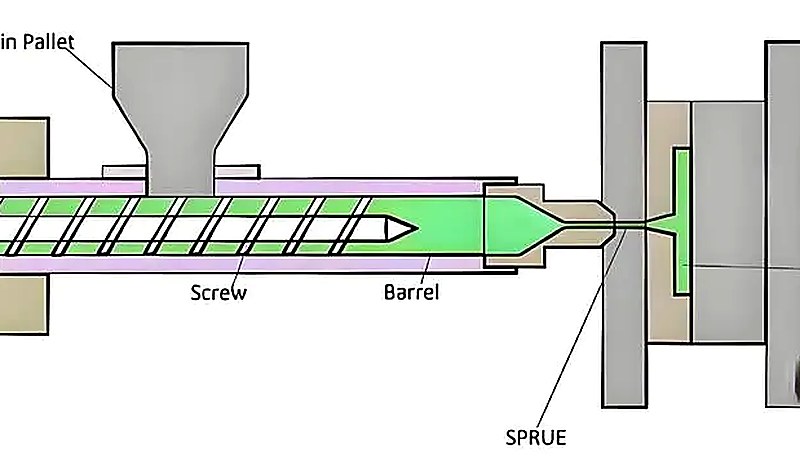
Ogni lotto richiede attrezzaggio: montaggio dello stampo, profili termici, regolazione dei parametri di stampaggio a iniezione e controllo del primo articolo1 (FAI). Per uno stampo standard servono in genere 2–6 ore, durante le quali la macchina non produce pezzi fatturabili. Con un piccolo ordine il costo di attrezzaggio unitario cresce fino a non convenire a nessuna delle parti.
3. Minimi di Materia Prima
I fornitori di materiali hanno i loro MOQ. Un sacco standard di granuli ABS potrebbe essere di 25 kg. Se il tuo pezzo pesa 15 grammi, quel sacco copre circa 1.666 pezzi. Ma per materiali speciali — nylon caricato con vetro, PEEK, polimeri di grado medico — l’acquisto minimo potrebbe essere di 100–500 kg, il che può far salire significativamente il tuo MOQ effettivo indipendentemente da ciò che desidera lo stampatore.
4. Dimensioni e Complessità del Pezzo
Parti più grandi richiedono più tempo macchina e più materiale per colpo, il che naturalmente aumenta il MOQ. Un coperchio di alloggiamento che pesa 200 grammi e richiede una macchina da 650T ha una struttura dei costi molto diversa rispetto a una clip da 5 grammi che lavora su una macchina da 90T.
5. Vincoli di Programmazione della Fabbrica
La maggior parte delle fabbriche cinesi di stampaggio a iniezione gestisce 20–30 stampi attivi in rotazione. Il vostro piccolo ordine compete per il tempo di pressa con produzioni più grandi e redditizie. Un fornitore potrebbe accettare un ordine di 500 pezzi se riesce a inserirlo tra lavori più grandi — ma non interromperà una programmazione di produzione da 100.000 pezzi per questo.
Qual è un MOQ Realistico per lo Stampaggio a Iniezione?
Un MOQ realistico per lo stampaggio a iniezione è definito dalla funzione, dai vincoli e dai compromessi spiegati in questa sezione. I MOQ realistici per lo stampaggio a iniezione rientrano in tre livelli: 100–1.000 unità per attrezzature ponte, 1.000–10.000 unità per la produzione standard a cavità singola e 10.000–100.000+ unità per stampi multi-cavità ad alto volume. La maggior parte delle fabbriche cinesi indica 1.000–5.000 come punto di partenza per componenti standard per consumatori e industriali.
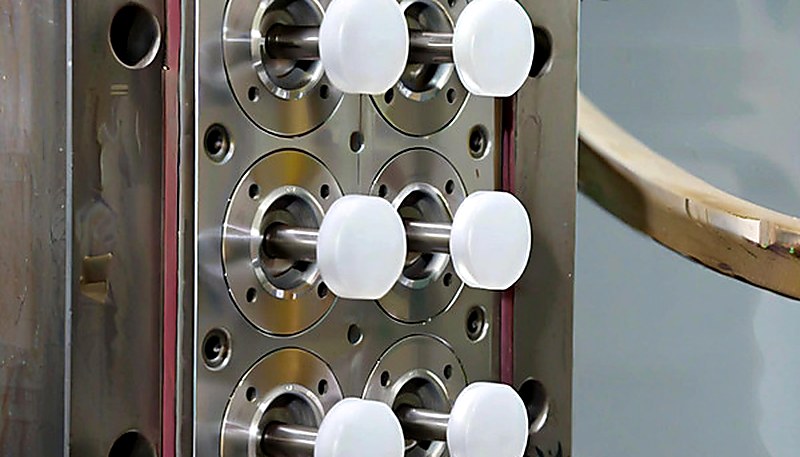
Non esiste un’unica MOQ standard di settore. Dire che la MOQ standard è 5.000 è una semplificazione. Il numero realistico dipende dall’intersezione tra pezzo, attrezzatura, attività del fornitore e tempo totale di produzione dello stampaggio a iniezione necessario perché l’ordine sia conveniente.
| Tipo di Produzione | Intervallo MOQ Tipico | Tipo di attrezzaggio | Il migliore per |
|---|---|---|---|
| Prototipo / Ponte | 100 – 1,000 | Alluminio o acciaio dolce | Test di mercato, prodotti in fase iniziale |
| Produzione a basso volume | 500 – 5,000 | Acciaio a cavità singola | Prodotti di nicchia, dispositivi medici |
| Produzione Standard | 1,000 – 10,000 | Acciaio di produzione | Beni di consumo, componenti industriali |
| Produzione ad alto volume | 10,000 – 100,000+ | Acciaio a più cavità | Automotive, elettronica, imballaggio |
Ho visto fabbriche in Cina quotare MOQ di 500 pezzi per stampi semplici a cavità singola su materiali standard, e ho visto la stessa fabbrica quotare 30.000 pezzi per uno stampo a 16 cavità che lavora PBT caricato con vetro. L’intervallo è così ampio, ed è guidato da reali fattori economici — non da politiche arbitrarie.
"“Tempi di consegna più brevi comportano sempre componenti stampati di qualità inferiore.”"True
Il tempo di consegna e la qualità non sono direttamente correlati. Un progetto ben pianificato con criteri DFM chiari, feedback tempestivi dell'acquirente e costruttori di stampi esperti può garantire sia tempi rapidi che alta qualità. I problemi di qualità derivano da un controllo di processo scadente, non dalla velocità.
"“Prima di ordinare i materiali di produzione, si dovrebbe sempre attendere l'approvazione del campione T1.”"False
L'ordinazione anticipata dei materiali durante la costruzione dello stampo è una pratica standard che fa risparmiare 1-2 settimane. Il rischio è minimo se si è già specificato il grado esatto e il fornitore durante la preventivazione.
Per chi svolge approvvigionamento dei fornitori2 specificamente dalla Cina, aspettatevi MOQ tra 1.000 e 5.000 pezzi per un tipico componente di consumo o industriale. Con materiale speciale o stampo multicavità, il minimo sale normalmente a 2.000–10.000.
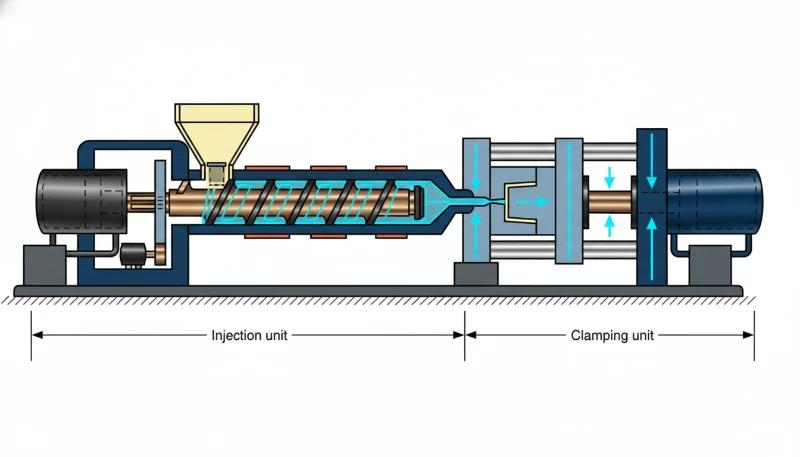
Nel nostro stabilimento di Shanghai, il nostro team gestisce 47 macchine per lo stampaggio a iniezione da 90T a 1850T e supporta oltre 100 set di stampi al mese attraverso la produzione interna di utensili. Questa capacità è importante per le discussioni sul MOQ perché i nostri ingegneri possono abbinare piccole serie pilota, utensili ponte o produzioni a volume più elevato alla pressa giusta, invece di costringere ogni acquirente alla stessa politica di ordine minimo.
Come Influisce il Numero di Cavità dello Stampo sul Tuo MOQ?
Questo è il compromesso che la maggior parte degli acquirenti non comprende appieno. Uno stampo a 4 cavità sembra ottimo — quattro parti per ciclo invece di una! — ma significa anche un costo dello stampo più alto, un MOQ più alto, più materiale per ciclo e meno flessibilità per piccoli lotti.
| Numero di cavità | Costo Stampo (Stima) | Produzione per Ciclo | MOQ Tipico |
|---|---|---|---|
| 1 (cavità singola) | $3,000 – $8,000 | 1 parte/ciclo | 500 – 2,000 |
| 2–4 cavità | $8,000 – $25,000 | 2–4 parti/ciclo | 2,000 – 10,000 |
| 8–16 cavità | $25,000 – $80,000 | 8–16 parti/ciclo | 10,000 – 50,000+ |
| 32+ cavità | $80,000+ | 32+ parti/ciclo | 50,000 – 500,000+ |
Il numero di cavità deve corrispondere alla domanda annua. Per 5.000 pezzi/anno è quasi sempre corretto uno stampo monocavità; per 500.000, uno stampo a 8 o 16 cavità ha senso economico. La zona grigia tra 10.000 e 100.000 è quella in cui la scelta diventa interessante e conta una buona consulenza sulla progettazione dello stampo3.
Nella nostra esperienza, il punto ottimale per la maggior parte dei progetti a medio volume (10.000–50.000 unità/anno) è uno stampo a 2-4 cavità con un acciaio di grado produzione come P20 o 718H. Ottieni un’economia decente per pezzo senza sovraimpegnarti sugli utensili.
Come Puoi Ridurre il MOQ per il Tuo Progetto?
Questa sezione riguarda la riduzione del moq per il tuo progetto e il suo impatto su costo, qualità, tempistiche o rischio di approvvigionamento. I cinque modi più efficaci per ridurre il MOQ dello stampaggio a iniezione senza sacrificare la qualità del pezzo o la disponibilità del fornitore:
"“Un'attrezzeria interna offre un controllo migliore sui tempi di consegna dello stampo rispetto all'esternalizzazione.”"True
Quando la costruzione degli stampi e lo stampaggio sono sotto lo stesso tetto, lo stampo passa dal banco di costruzione alla pressa in ore invece che in giorni. Non ci sono nemmeno ritardi logistici o incomprensioni tra aziende separate di costruzione stampi e stampaggio.
"“Un numero maggiore di cavità comporta sempre un costo totale del progetto inferiore.”"False
Più cavità abbassano il costo per pezzo ma aumentano il costo dello stampo, la complessità della manutenzione e lo spreco di materiale. Per progetti a basso volume, il maggiore investimento in utensileria potrebbe non essere mai recuperato. Il numero di cavità dovrebbe corrispondere alla domanda, non solo massimizzare la produzione.
Opzione 1: Usa Stampaggio in Alluminio o Bridge Tooling
Gli stampi in alluminio costano il 40-60% in meno dell’acciaio temprato e possono produrre 1.000-10.000 pezzi a seconda del materiale e della geometria. Se la tua domanda è sotto le 5.000 unità all’anno, questo è spesso il percorso più conveniente. Il compromesso: gli stampi in alluminio si consumano più velocemente e non sono adatti per materiali abrasivi come il nylon caricato con vetro.
Opzione 2: Scegli Materiali Standard
Materiali come ABS, PP e HDPE sono stoccati in grandi quantità da quasi tutte le fabbriche di stampaggio. Scegliere un grado standard elimina completamente il problema del MOQ della materia prima. I gradi speciali (PEEK, PEI, polimeri di grado medico) spesso richiedono ordini minimi di 100–500 kg, il che può forzare il MOQ del tuo pezzo verso l’alto.
Opzione 3: Accetta una Programmazione Flessibile
Se puoi accettare una finestra di consegna più ampia (ad esempio, “spedire entro 4 settimane invece di 2”), la fabbrica può inserire il tuo ordine nei tempi di inattività delle macchine invece di programmare un blocco di produzione dedicato. Questo può ridurre i requisiti di MOQ del 50% o più perché il costo di setup viene assorbito nel loro programma regolare.
Opzione 4: Stampo familiare per parti multiple
Se il tuo prodotto ha diversi componenti in plastica (ad esempio, un coperchio superiore, uno inferiore e un pannello dei pulsanti), puoi produrli tutti in un unico stampo familiare. Una sola configurazione, un solo materiale, una sola produzione — e la MOQ si applica alla produzione totale, non a ciascuna parte individuale. Funziona meglio quando le parti hanno dimensioni simili e utilizzano lo stesso materiale.
Opzione 5: Accordi di Stock e Rilascio
Alcuni fornitori produrranno un lotto più grande (soddisfacendo il loro MOQ) ma te lo spediranno in incrementi più piccoli. Paghi per lo stoccaggio invece di produrre al di sotto del minimo economico. Questo funziona bene se hai una domanda prevedibile in 6-12 mesi e i pezzi non hanno problemi di scadenza.
Qual è la differenza tra MOQ e MEA?
La differenza tra moq e mea è definita dalla funzione, dai vincoli e dai compromessi spiegati in questa sezione. MOQ è la quantità minima d’ordine accettata dal fornitore (tipicamente 500–50.000 pezzi), mentre MEA (Minimum Efficient Amount) è il volume di produzione al quale il costo per pezzo diventa competitivo — di solito 3.000–5.000 unità per lo stampaggio a iniezione standard.
La distinzione conta perché il fornitore può accettare 500 pezzi, ma il costo unitario potrebbe essere 4–6 volte quello di 5.000 pezzi. La domanda non è sempre «accetteranno l’ordine?», bensì «questo ordine ha senso economico per me?».
"“Ordinare in anticipo i materiali di produzione durante la costruzione dello stampo riduce di 1–2 settimane il tempo di consegna complessivo.”"True
L'approvvigionamento dei materiali e la produzione degli stampi sono flussi indipendenti che possono procedere in parallelo. Piazzare ordini di materiali quando il design dello stampo è approvato significa che la resina arriva mentre lo stampo viene tagliato, eliminando il gap di approvvigionamento dopo il campionamento.
"“Un preventivo più economico per lo stampo implica sempre tempi di costruzione più brevi.”"False
Un costo inferiore può riflettere una costruzione più semplice, acciaio di qualità inferiore o manodopera meno esperta — ognuno di questi fattori può prolungare il tempo di costruzione a causa di rifacimenti o guasti dello stampo. Prezzo e tempo di consegna sono variabili indipendenti che dovrebbero essere valutate separatamente.
| Fattore | MOQ | MEA |
|---|---|---|
| Definizione | Ordine minimo che il fornitore accetterà | Volume al quale il costo per pezzo diventa competitivo |
| Intervallo tipico | 500 – 50.000 pezzi | 3.000 – 5.000 pezzi |
| Guidato da | Politica del fornitore, costo di setup | Economia dell'ammortamento degli utensili |
| Si può negoziare? | Sì, con flessibilità | Solo modificando la costruzione dello stampo o il materiale |
Comprendere questa differenza ti aiuta a strutturare la conversazione con i fornitori. Se sei al di sotto della MEA, sai che stai pagando un premio — e puoi decidere se quel premio vale la pena per la tua situazione specifica.
Come si negozia una MOQ più bassa con un fornitore?
Questa sezione riguarda la negoziazione di una MOQ più bassa con un fornitore e il suo impatto su costi, qualità, tempistiche o rischio di approvvigionamento. Cinque tattiche di negoziazione che funzionano davvero — perché affrontano le reali preoccupazioni di costo del fornitore invece di chiedere semplicemente un favore:
Passo 1: Comprendi la Loro Struttura dei Costi
Chiedi al fornitore di suddividere il preventivo in costo dello stampo, costo del materiale, costo di lavorazione e costo di setup. Quando puoi vedere da dove deriva il limite MOQ, puoi affrontarlo specificamente invece di insistere ciecamente sulla quantità totale.
Passo 2: Paga per gli utensili separatamente
Se paghi lo stampo come una voce separata (non ammortizzata nel prezzo per pezzo), il rischio di utensileria del fornitore scende a zero. Questo spesso sblocca MOQ significativamente più bassi perché il principale fattore di costo è stato rimosso dalla loro equazione.
"“Pagare lo stampo separatamente dal prezzo unitario spesso consente di ottenere un MOQ effettivo inferiore.”"True
Quando il costo dello stampo è separato dal prezzo per pezzo, il fornitore non ha bisogno di recuperare l'investimento in utensileria attraverso il volume. Questo rimuove il principale fattore di MOQ elevati, spesso riducendo gli ordini minimi del 50-70%.
"“MOQ e MEA sono la stessa cosa — il numero minimo di pezzi ordinabili.”"False
MOQ è la quantità minima d’ordine accettata dal fornitore. MEA (Minimum Economic Amount) è la quantità alla quale il costo unitario diventa economicamente sostenibile. Un fornitore può accettare 500 pezzi (MOQ), ma il costo unitario potrebbe diventare competitivo solo a 5,000 pezzi (MEA).
Fase 3: accettare finestre di consegna flessibili
“Mi servono 1,000 pezzi, ma posso aspettare che abbiate uno spazio nel programma” è una delle frasi più efficaci da rivolgere a una fabbrica. Trasforma il piccolo ordine da inconveniente a riempitivo della pianificazione produttiva.
Fase 4: iniziare con un ordine pilota
Proporre una prova da 500–1,000 pezzi, seguita da ordini regolari se riuscita. Molti fornitori accettano un MOQ inferiore al normale per il primo ordine come campionatura qualificata, soprattutto se lo stampo esiste già.
Fase 5: Impegnarsi sul volume annuo
Se potete prevedere la domanda annua, anche approssimativamente, comunicatela al fornitore. Un impegno di “10,000 pezzi nei prossimi 12 mesi, consegnati in lotti da 2,000 pezzi” gli dà fiducia per ridurre il MOQ per ciclo, perché il volume totale giustifica il suo investimento.
Una cosa che abbiamo visto funzionare ripetutamente: gli acquirenti che ottengono le migliori condizioni di MOQ sono quelli che trattano la negoziazione come un confronto tra partner, non come una contrattazione puramente transazionale. Se il fornitore ti considera un cliente a lungo termine con una domanda in crescita, il MOQ diventa molto più flessibile.
Quali Domande Fanno gli Acquirenti sul MOQ dello Stampaggio a Iniezione?
"“Per una domanda annua inferiore a 10.000 unità, uno stampo monocavità offre quasi sempre il miglior costo totale.”"True
Sotto 10,000 unità annue, il risparmio di uno stampo monocavità ($3,000–$8,000 rispetto a $15,000–$25,000 per uno multicavità) supera ampiamente il costo per pezzo leggermente superiore. Il pareggio dello stampo multicavità si colloca in genere tra 30,000–100,000 unità totali nel ciclo di vita.
"“Gli stampi multicavità riducono sempre il lead time complessivo rispetto agli stampi a cavità singola.”"False
Gli stampi a più cavità richiedono più tempo per essere costruiti (5–7 giorni aggiuntivi per cavità), ma producono i componenti più rapidamente durante la produzione. Il tempo di realizzazione complessivo del progetto aumenta perché la fase di costruzione dello stampo è più lunga, anche se il tempo di produzione per componente diminuisce.
Domande frequenti
Qual è un MOQ tipico per lo stampaggio a iniezione in Cina?
Un MOQ realistico per lo stampaggio a iniezione in Cina è spesso compreso tra 1,000 e 5,000 pezzi per i componenti di produzione standard. Il numero esatto dipende dal costo dello stampo, dal tempo di attrezzaggio, dai quantitativi minimi di acquisto del materiale, dalle dimensioni del componente e dalla facilità con cui il fornitore può inserire il lotto nel programma di produzione. Per semplici componenti in PP o ABS si può partire da quantità inferiori, mentre i materiali speciali o gli stampi multicavità richiedono spesso quantità maggiori. Considerate il MOQ come il risultato di fattori economici, non soltanto come una politica del fornitore, e chiedete quale voce di costo determina il quantitativo minimo.
È possibile stampare a iniezione 100 pezzi?
Sì, è possibile produrre 100 pezzi stampati a iniezione, ma solitamente solo con stampi prototipali, stampi ponte o un fornitore disposto a trattare il lotto come un servizio di ingegneria a pagamento. Con normali stampi di produzione in acciaio, 100 pezzi raramente coprono l’allestimento dello stampo, la messa a punto del processo, l’ispezione del primo articolo e la preparazione del materiale. Se servono 100 pezzi per le prove, richiedete uno stampo in alluminio, una pianificazione per famiglie di pezzi o il prezzo di un lotto pilota che separi il costo dello stampo dal costo di produzione ed eviti di nascondere il costo di allestimento in un prezzo unitario fittizio.
Perché i fornitori di stampaggio a iniezione impongono ordini minimi?
I fornitori di stampaggio a iniezione applicano quantitativi minimi d’ordine perché ogni lotto comporta costi fissi prima ancora che venga prodotto il primo pezzo vendibile. Lo stampo deve essere montato, il cilindro spurgato, le temperature stabilizzate, i parametri di processo messi a punto e l’ispezione del primo articolo completata. Questo avviamento può richiedere da 2 a 6 ore, anche per un componente semplice. Se la quantità ordinata è troppo bassa, tali costi fissi determinano un prezzo unitario non realistico. Il MOQ ripartisce i costi di avviamento, manodopera, movimentazione dei materiali e ispezione su un numero di pezzi sufficiente a rendere sostenibile la produzione.
Il MOQ si applica soltanto al primo ordine?
Il MOQ si applica generalmente a ogni ciclo produttivo, non solo al primo ordine. Tuttavia, per le produzioni ripetute spesso è possibile negoziare quantità inferiori perché lo stampo è già collaudato, la finestra di processo è nota e i controlli qualità sono già documentati. Un fornitore può accettare un ordine ripetuto più piccolo se il tempo di attrezzaggio è minore o se l’acquirente si impegna su un volume annuo. La struttura migliore consiste spesso in un primo lotto al MOQ normale, seguito da consegne programmate più piccole sulla base di una previsione annuale o di un ordine quadro.
In che modo le dimensioni del pezzo influiscono sul MOQ dello stampaggio a iniezione?
Le dimensioni del componente influiscono sul MOQ perché i componenti più grandi utilizzano più resina, richiedono presse più grandi, si raffreddano più lentamente e occupano una maggiore capacità macchina per stampata. Una clip da 5 grammi può essere compatibile con un MOQ basso, poiché il consumo di materiale e il tempo ciclo sono ridotti. Un alloggiamento da 500 grammi può richiedere un MOQ più elevato perché ogni ciclo impegna più a lungo una macchina più grande. I componenti grandi comportano inoltre maggiori costi di inventario e imballaggio. Nel discutere il MOQ, indicare congiuntamente peso, dimensioni, materiale e domanda annua prevista del componente.
È possibile negoziare il MOQ dopo il primo ordine?
Sì, il MOQ è spesso più negoziabile dopo il primo ordine riuscito. Con stampo validato, parametri registrati e rischi minori, il fornitore ha meno incertezza. Si possono richiedere riordini ridotti, produzione con rilascio da scorta o programmazione nei vuoti macchina. La leva migliore è mostrare domanda annua credibile, pagare separatamente l’attrezzaggio e accettare una finestra di consegna utile alla pianificazione.
Qual è il MOQ per componenti sovrastampati o multimateriale?
I componenti sovrastampati e multimateriale hanno generalmente MOQ superiori rispetto a quelli monomateriale, poiché richiedono più preparazione, più movimentazione dei materiali e una convalida più estesa del processo. Lo stampaggio bicomponente richiede attrezzature specializzate, mentre lo stampaggio con inserti o il sovrastampaggio possono richiedere caricamento da parte dell’operatore, controllo delle attrezzature e ispezioni aggiuntive. Un MOQ di 1,000 pezzi per un semplice componente monomateriale può salire a 3,000–10,000 pezzi per un componente sovrastampato complesso. Se il volume è incerto, inizia con attrezzature prototipali o un ordine pilota prima di impegnarti nella produzione completa e nelle scorte.
Esiste un MOQ per la fabbricazione dello stampo a iniezione?
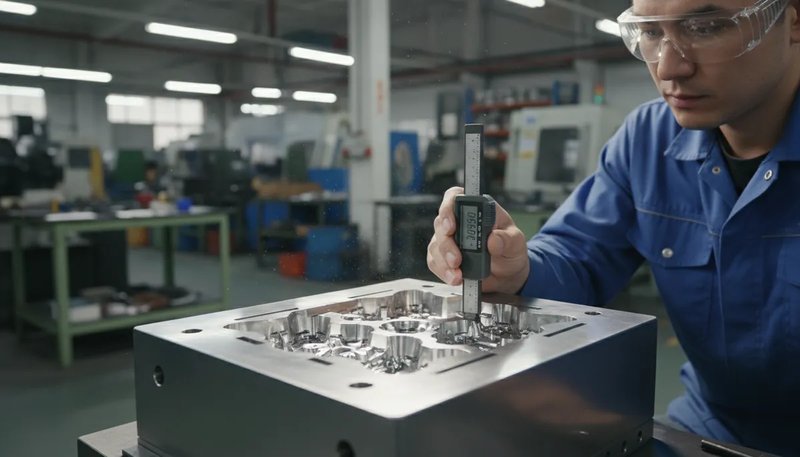
Gli stampi normalmente non hanno un quantitativo minimo come i pezzi stampati: è possibile commissionarne uno. La vera domanda è se l’investimento sia coerente con il volume previsto. Il fornitore può quotare acciaio, numero di cavità e opzioni a canale caldo in base alla vita utile stimata. Per poche centinaia di pezzi, uno stampo ponte può essere più sensato di uno stampo da produzione. Separare il costo dello stampo dal MOQ dei pezzi rende trasparenti i costi.
La fabbricazione dello stampo (attrezzaggio) in genere non prevede una quantità minima: si commissiona uno stampo. Tuttavia, il costo dello stampo può essere preventivato presupponendo un determinato volume produttivo che giustifichi l’investimento nella qualità dell’acciaio e nella complessità dello stampo.
Come si sceglie la giusta strategia MOQ?
La scelta della giusta strategia moq dipende dalla capacità di attrezzaggio, dai sistemi qualità, dalla comunicazione e dalla compatibilità commerciale. Prima di inviare la prossima RFQ, utilizzate questa checklist per stimare quale MOQ aspettarvi e su quali punti negoziare:
Domanda totale inferiore a 1.000 unità → cercate attrezzature in alluminio o servizi di stampaggio a basso volume
1.000–5.000 unità/anno → stampo monocavità in acciaio, MOQ prevista 1.000–2.000
5.000–50.000 unità/anno → stampo a 2–4 cavità, MOQ standard 2.000–5.000
Oltre 50.000 unità/anno → stampo produttivo multicavità, negoziate il prezzo e non la MOQ
Un’ultima regola: se un fornitore propone un MOQ superiore a 3× la domanda annua, non accettarlo passivamente. Lo stampo è sovradimensionato rispetto alle esigenze oppure il fornitore non è quello giusto. Esiste quasi sempre un modo per adeguare l’attrezzatura alla domanda effettiva: basta affrontare il tema con l’interlocutore giusto.
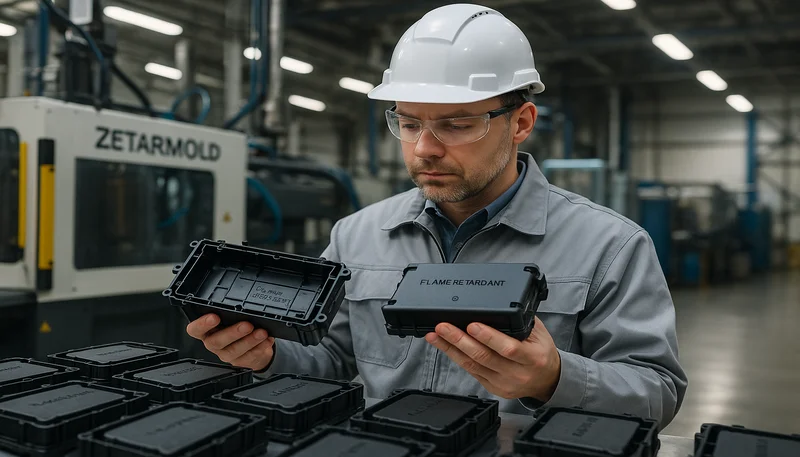
Serve aiuto per definire MOQ e strategia di attrezzaggio? Il team ZetarMold esaminerà il progetto, valuterà onestamente le quantità sensate e formulerà il preventivo di conseguenza, senza MOQ gonfiate né complessità inutile. Consultate la nostra guida completa alla valutazione dei fornitori di stampaggio a iniezione.
controllo del primo articolo: processo QC nel quale i primi pezzi di un nuovo stampo vengono misurati rispetto alle specifiche per verificare precisione dimensionale, finitura e proprietà prima della piena produzione. ↩
approvvigionamento dei fornitori: processo di valutazione e selezione di un partner produttivo in base a capacità, sistemi qualità, comunicazione e struttura dei costi, essenziale per allineare la politica MOQ alla domanda reale. ↩
progettazione dello stampo: processo ingegneristico di creazione di cavità, anima, canali di raffreddamento e sistema di espulsione di uno stampo a iniezione, con effetti diretti su qualità ed efficienza. ↩