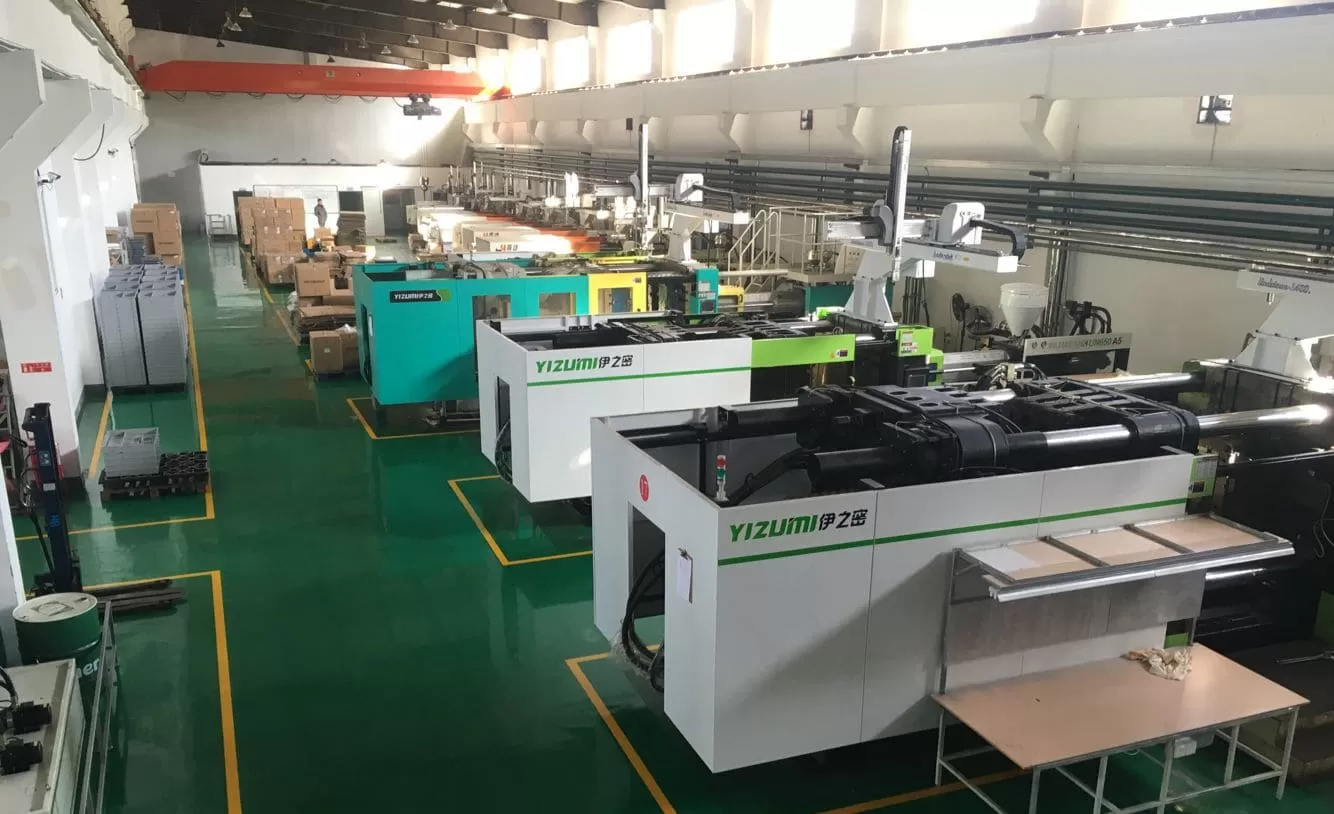
Endüstriyel bir muhafaza projesi için 200 adet büyük poliüretan1 gövdeye ihtiyacınız var. Geleneksel enjeksiyon kalıplama tekliflerinde yalnızca takım maliyeti $45,000 çıktı; 200 parçaya yayıldığında sadece kalıp için birim başına $225 eder. Reaksiyon Enjeksiyon Kalıplama (RIM), benzer yapısal performans sunarken bu takım maliyetini %60–80 azaltabilir. Bu kılavuz; RIM’i geleneksel enjeksiyon kalıplamaya tercih etmede kimyayı, proses parametrelerini, malzeme seçeneklerini, maliyet dengelerini ve gerçek karar ölçütlerini ele alır.
- RIM, parçaları eritme ve soğutmayla değil kimyasal reaksiyonla şekillendirir
- Kalıp maliyetleri geleneksel enjeksiyon kalıplamaya göre %60–80 daha düşüktür
- Düşük-orta hacimlerde (50–5,000 adet) büyük parçalar (>12 inches) için idealdir
- Öncelikle poliüretan bazlı termoset malzemelerle sınırlıdır
- Enjeksiyon basınçları, termoplastik enjeksiyon kalıplamaya göre 90–95% daha düşüktür
| Parametre | Tipik Değer |
|---|---|
| Enjeksiyon Basıncı | 50–200 psi (3.4–13.8 bar) |
| Kalıp Sıcaklığı | 100–180 °F (40–80 °C) |
| Birincil Malzeme | Poliüretan (PU) |
| İdeal Parça Boyutu | > 12 inç (300 mm) |
| Tipik Üretim Hacmi Aralığı | 50–5,000 adet/yıl |
| Kalıp Maliyeti ile IM Karşılaştırması | 60–80% daha düşük |
Reaksiyon Enjeksiyon Kalıplama (RIM) Nedir?
Reaksiyon enjeksiyon kalıplama (RIM), bu bölümde açıklanan işlev, kısıtlar ve ödünleşimlerle tanımlanır. Tedarikçileri karşılaştırıyor veya satın alma planlıyorsanız enjeksiyon kalıplama tedarikçisi bulma kılavuzumuz RFQ hazırlığını, yeterlilik değerlendirmesini ve ticari risk kontrollerini kapsar.
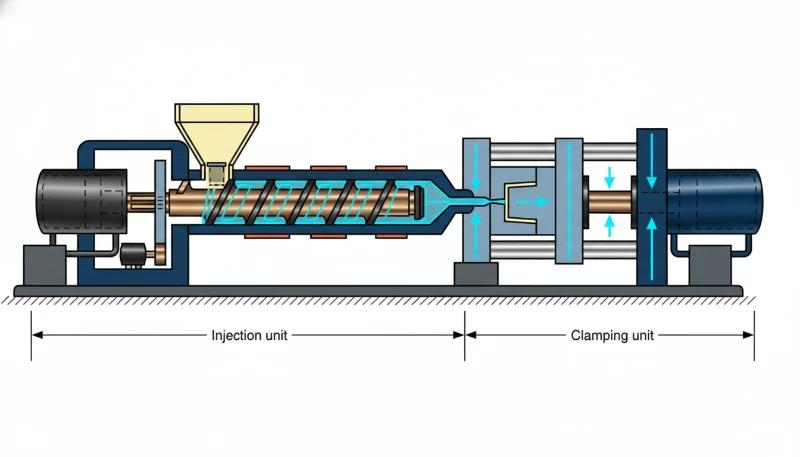
Reaksiyon Enjeksiyon Kalıplama (RIM), iki sıvı kimyasal bileşenin — genellikle bir poliol ve bir izosiyanatın — dozajlandığı, yüksek basınçlı çarpışmayla karıştırıldığı ve katı bir termoset2 parça oluşturmak üzere tepkimeye girdikleri kapalı bir kalıba enjekte edildiği düşük basınçlı bir üretim prosesidir. Katı plastik granülleri eritip 5,000–20,000 psi basınçla kalıba zorlayan geleneksel enjeksiyon kalıplamanın aksine RIM, parçayı oluşturmak için ısı ve basınca değil kimyaya dayanır.
Temel ayrım şudur: geleneksel enjeksiyon kalıplama fiziksel bir prosestir (erit → doldur → soğut → it). RIM kimyasal bir prosestir (karıştır → tepkimeye sok → kürle → kalıptan çıkar). Bu temel fark, sonraki her avantajı ve sınırlamayı belirler.
RIM 1960’ların sonunda geliştirildi ve 1970’ler ile 1980’lerde tampon kaplamaları, gövde panelleri ve iç bileşenlerin üretimi için otomotiv sektöründe yaygınlaştı. Günümüzde geleneksel enjeksiyon kalıplama takımının ekonomik olarak gerekçelendirilemediği hacimlerde büyük ve karmaşık poliüretan² parçalar için tercih edilen proses olmaya devam eder.
RIM Prosesi Adım Adım Nasıl İşler?
RIM prosesi beş adımdan oluşur: reaktif bir poliüretan parçayı dozajlama, karıştırma, doldurma, kürleme ve kalıptan çıkarma. Aşağıdaki sıra, mühendislerin kalite sorunlarını teşhis edip çevrim sürelerini optimize edebilmesi için RIM’i vidalı enjeksiyon kalıplama makinesi iş akışıyla karşılaştırır.
Adım 1: Malzeme Depolama ve Sıcaklık Kontrolü. İki bileşen — genellikle bir poliol karışımı (Bileşen A) ve bir izosiyanat (Bileşen B) — ayrı ısıtmalı tanklarda, çoğunlukla 80–120 °F (27–49 °C) aralığındaki kontrollü sıcaklıklarda saklanır. Viskozite değişimleri karışım kalitesini doğrudan etkilediğinden sıcaklık kararlılığı önemlidir. 10 °F’lik bir sapma viskoziteyi %15–25 değiştirebilir ve eksik karışıma yol açabilir.
Adım 2: Yüksek Basınçlı Dozajlama ve Karıştırma. Çevrim başladığında hassas dozaj pompaları iki bileşeni belirlenen oranda verir (genellikle hacimce 1:1, ancak formülasyona göre 100:30 ile 100:200 arasında değişir). Akışlar 1,500–3,000 psi basınçlı çarpışmalı karıştırma kafasında buluşur. Bu çarpışma enerjisi milisaniyeler içinde türbülanslı karışım oluşturur; mekanik karıştırıcı gerekmez.
Adım 3: Kalıbın Doldurulması. Karışmış sıvı nispeten düşük basınçta (50–200 psi) kapalı kalıba akar. Tepkimeye giren karışımın viskozitesi düşük olduğundan (suya benzer) karmaşık geometrileri ve ince cidarlı bölümleri kolayca doldurur. Kürlenme tepkimesini hızlandırmak için kalıp genellikle 100–180 °F’ye ısıtılır.
Adım 4: Kimyasal Tepkime ve Kürlenme. Kalıp içinde poliol ve izosiyanat çapraz bağlanırken ekzotermik bir tepkime3 gerçekleşir. Malzeme hafifçe genleşir (yapısal köpük RIM’deki köpürme etkisi), kalıbın tüm ayrıntılarını doldurur ve nihai katı hâline kürlenir. Formülasyona bağlı olarak kürlenme süresi 1–10 dakikadır. Kalıbın kendisi nispeten serin kalsa da iç sıcaklık 250–350 °F’ye ulaşabilir.
Adım 5: Kalıptan Çıkarma ve Son İşlemler. Kalıptan çıkarma süresine⁴ ulaşıldığında kalıp açılır ve parça çıkarılır. RIM parçalarının tam mekanik özelliklere ulaşması için genellikle son kürleme (ortam sıcaklığında 24–48 saat) gerekir. Çapak kesme, yüzey bitirme ve boyama yaygın ikincil işlemlerdir.
RIM’de Hangi Malzemeler Kullanılır?
RIM için malzeme yelpazesi, termoplastik enjeksiyon kalıplamaya göre çok daha dardır. Termoplastik IM onlarca polimer ailesinde binlerce reçine sınıfı sunarken RIM’de poliüretan kimyası baskındır. Bu hem gücüdür (PU içinde kapsamlı optimizasyon) hem de sınırlamasıdır (RIM makinesinde naylon, polikarbonat veya PEEK işleyemezsiniz).

Poliüretan (PU) Elastomerler. RIM’in temel malzemesidir. Katı elastomerik PU parçalar Shore A 50’den (yumuşak, kauçuksu) Shore D 80’e (sert, rijit) kadar uzanır. Tampon kaplamalarında, çamurluk uzantılarında ve endüstriyel muhafazalarda kullanılır. Tipik eğilme modülü: 5,000–300,000 psi.
Yapısal Köpük⁵ PU. Bir şişirici madde eklenerek (çoğunlukla fazla izosiyanatla tepkimeye girip CO₂ oluşturan su) RIM, hücresel çekirdekli ve katı kabuklu parçalar üretir. Bu, rijitliği korurken ağırlığı %10–30 azaltır. Cidar kalınlığı çökme izi olmadan 0.5 inçe ulaşabilir; termoplastik enjeksiyon kalıplamada bunun sağlanması zordur.
Takviyeli RIM (RRIM). Poliol bileşenine öğütülmüş cam elyafı (genellikle ağırlıkça %10–25) veya mineral dolgu eklemek rijitliği, boyutsal kararlılığı ve ısı direncini artırır. RRIM parçalarının eğilme modülü dolgusuz PU’dan 2–4 kat yüksektir; bu nedenle kamyonet kasa kaplamaları ve kapı panelleri gibi yarı yapısal otomotiv parçalarına uygundur.
PU Dışı Sistemler. Daha az yaygın olmakla birlikte ticari olarak bulunur: poliüre (daha hızlı kürlenme, daha iyi ısıl kararlılık), naylon blok kopolimerler (daha yüksek sıcaklıklı uygulamalar için) ve disiklopentadien (DCPD; tarım ekipmanı panelleri gibi son derece büyük parçalar için). Bunlar toplam RIM üretiminin %15’inden azını oluşturur.
| Malzeme Sistemi | Yoğunluk (g/cm³) | Eğilme Modülü (psi) | Tipik Kullanım |
|---|---|---|---|
| Katı PU Elastomer | 1.0–1.2 | 5,000–50,000 | Tampon kaplamaları, contalar |
| Yapısal Köpük PU | 0.4–0.8 | 20,000–100,000 | Paneller, muhafazalar |
| RRIM (20% cam) | 1.2–1.4 | 100,000–300,000 | Kapı panelleri, çamurluklar |
| Poliürea | 1.0–1.1 | 15,000–80,000 | Yüksek sıcaklık kapakları |
| DCPD | 1.0–1.1 | 200,000–350,000 | Büyük ekipman panelleri |
RIM’in Avantajları Nelerdir?
RIM’in avantajları, bu bölümde açıklanan ana kategoriler veya seçeneklerdir. RIM, bazı uygulamalarda doğru, diğerlerinde ise yanlış mühendislik seçimi olmasını sağlayan belirli avantajlar sunar. Pazarlama iddialarına değil gerçek üretim verilerine göre gerçekten başarılı olduğu alanlar şunlardır.
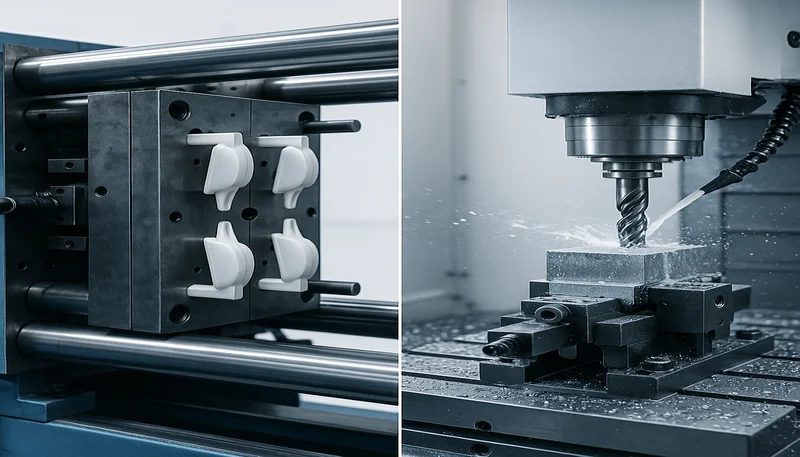
Düşük Takım Maliyeti. RIM kalıpları, termoplastik enjeksiyon kalıplamadaki 5,000–20,000 psi’ye karşılık 50–200 psi’de çalışır. Böylece kalıplar alüminyumdan, döküm epoksiden, hatta prototipleme için 3B baskılı reçinelerden yapılabilir. Orta karmaşıklıktaki bir parça için çelik üretim RIM kalıbı $5,000–$25,000 iken benzer enjeksiyon kalıbı $30,000–$150,000 tutar. 1,000 adedin altındaki hacimlerde yalnızca bu fark bile RIM’i çoğu zaman ekonomik açıdan mantıklı seçenek yapar.
Büyük Parça Yeteneği. RIM, standart enjeksiyon kalıplama için elverişsiz parçaları işleyebilir. 6 feet uzunluğa kadar otomobil tampon kaplamaları, tarım ekipmanı panelleri ve tıbbi ekipman muhafazaları rutin RIM uygulamalarıdır. Düşük dolum basıncı sayesinde gerekli sıkma kuvveti azdır; 10 tonluk bir mengene, termoplastik enjeksiyon kalıplamada 500 tonluk mengene gerektirecek parçaları üretebilir.

Tasarım Özgürlüğü. Tepkimeye giren sıvı su benzeri viskoziteye sahip olduğundan RIM, termoplastik enjeksiyon kalıplamanın gerektirdiği yüksek basınçlı ütüleme olmadan ters açıları, ince nervürleri ve karmaşık geometrileri doldurur. Aynı parça içindeki 3:1 cidar kalınlığı değişimleri yönetilebilir. Insertleri, dişli bossları ve yapısal takviyeleri tek atışta kalıplayabilirsiniz.
Kapsülleme. RIM metal insertleri, elektronik bileşenleri ve takviye yapılarını doğal olarak kapsüller. Düşük enjeksiyon basıncı (200 psi’nin altında) hassas elektroniklere zarar vermez. Bu özellik, gömülü PCB’li tıbbi cihaz gövdeleri, metal braketli otomotiv parçaları ve entegre EMI korumalı endüstriyel muhafazalar için idealdir.
Düşük Hacim Ekonomisi. Yılda 50–2,000 adetlik üretimlerde takım amortismanı hesaba katıldığında RIM, düşük hacimli enjeksiyon kalıplamaya göre çoğu zaman parça başına daha düşük toplam maliyet sağlar. Termoplastik enjeksiyon kalıplamayla başabaş noktası, parça geometrisine ve malzemeye bağlı olarak genellikle 2,000–5,000 adet arasındadır.
ZetarMold olarak, RIM'e daha uygun parçalar için düşük hacimli enjeksiyon kalıplama teklifi isteyen müşterilerle sıkça karşılaşıyoruz. Bir müşterinin 500 mm'lik bir muhafazadan 300 adet istemesi ve çelik takım tekliflerinin $40,000+ düzeyinde gelmesi hâlinde gerçek ödünleşimi açıklarız: 90T–1850T aralığında çalışan 45 enjeksiyon kalıplama makinemiz, 1,000+ adetlik termoplastik üretim hacimleri için optimize edilmiştir. Büyük poliüretan parçaların sub-1,000 adetlik serilerinde işi uzman bir RIM tesisine yönlendirecek olsak da ekonomik açıdan doğru seçim RIM'dir. Müşterilerin doğru prosesi bulmasına yardımcı olmak — proses bize ait olmasa bile — uzun vadeli güven oluşturur ve çoğu zaman üretim ölçekli termoplastik programlar için geri dönmelerini sağlar.
RIM’in Sınırlamaları Nelerdir?
RIM’in sınırlamaları, bu bölümde açıklanan ana kategoriler veya seçeneklerdir. Her üretim prosesinin kısıtları vardır. RIM’in sınırlamalarını anlamak, güçlü yönlerini bilmek kadar önemlidir; çünkü yanlış prosesi seçmek, doğru olanı seçmekten çok daha pahalıdır.
Dar Malzeme Seçimi. RIM büyük ölçüde poliüretan bazlı sistemlerle sınırlıdır. Uygulamanız PPS’nin kimyasal direncini, PMMA’nın şeffaflığını, PEEK’in boyutsal kararlılığını veya polipropilenin maliyet verimliliğini gerektiriyorsa RIM bunları sağlayamaz. Mühendislerin ilk değerlendirmeden sonra RIM’den vazgeçmesinin en yaygın nedeni budur.
Çevrim Süresi. RIM çevrimleri 2–10 dakika sürerken termoplastik enjeksiyon kalıplamada bu süre 10–60 saniyedir. Kimyasal tepkime, erimiş plastiği soğutmaktan daha uzun sürer. Yüksek hacimli üretimde (yılda 5,000 adedin üzerinde) takım tasarrufu ne olursa olsun RIM ekonomik değildir.
Yüzey Kalitesi. RIM parçaları A Sınıfı otomotiv standartlarında boyanabilse de ham kalıplanmış yüzeyde genellikle akış izleri, gözeneklilik ve renk farklılıkları görülür. Kozmetik kaliteli yüzeyler astarlama, dolgu ve boyama gerektirir; bunlar maliyet ve teslim süresi ekler. Doğrudan kalıptan kozmetik yüzey gerekiyorsa parlatılmış çelik takımlarla termoplastik enjeksiyon kalıplama daha iyi seçimdir.
Geri Dönüştürülebilirlik. Termoset poliüretanlar yeniden eritilip işlenemez. Öğütülüp yeniden kullanılabilen termoplastik hurdaların aksine RIM yollukları, çapakları ve reddedilen parçaları çöplüğe gider veya özel kimyasal geri dönüşüm gerektirir. Sürdürülebilirlik yükümlülüğü bulunan şirketler için bu gerçek bir kısıttır.
"RIM kalıpları, eşdeğer parça geometrilerinde termoplastik enjeksiyon kalıplama kalıplarından 60–80% daha düşük maliyetlidir."True
RIM, termoplastik IM'deki 5,000–20,000 psi yerine 50–200 psi basınçta çalışarak sertleştirilmiş çelik yerine alüminyum veya epoksi kalıpların kullanılmasını sağlar. Orta karmaşıklıktaki bir RIM kalıbı, enjeksiyon kalıbının $30,000–$150,000 maliyetine karşılık $5,000–$25,000 tutar.
"RIM; PEEK, PPS ve polikarbonat gibi mühendislik termoplastikleri dâhil her tür polimerden parça üretebilir."False
RIM temelde kimyasal reaksiyonla kürlenen termoset polimerlerle sınırlıdır; bunlar başlıca poliüretanlar, poliüreler ve birkaç özel sistemdir. Mühendislik termoplastikleri eritme ve soğutma gerektirir; bu da geleneksel enjeksiyon kalıplamanın alanıdır.
RIM, Geleneksel Enjeksiyon Kalıplamayla Nasıl Karşılaştırılır?
Aşağıdaki maliyet, teslim süresi ve kalite dengeleri programınızın ihtiyaçlarıyla örtüştüğünde RIM, geleneksel enjeksiyon kalıplamadan daha rekabetçidir. RIM; daha düşük takım basıncı, daha ucuz kalıp ve büyük parçaların daha kolay üretimi karşılığında daha yavaş çevrim süresini ve daha dar malzeme seçimini kabul eder. Fabrika teklif çalışmalarımızda kararın genellikle hacme, parça boyutuna, malzeme gereksinimlerine ve yüzey kalitesi standartlarına bağlı olduğunu gördük. Çevrim süresi kıyaslaması için RIM’in 2–10 dakikalık kürlenmesini standart enjeksiyon kalıplama üretim süresi ile karşılaştırın.
| Faktör | RIM | Geleneksel IM |
|---|---|---|
| Enjeksiyon Basıncı | 50–200 psi | 5,000–20,000 psi |
| Tipik Kalıp Maliyeti | $5,000–$25,000 | $30,000–$150,000 |
| Çevrim Süresi | 2–10 dakika | 10–60 saniye |
| Malzeme Seçenekleri | PU, poliüre, DCPD | 100+ termoplastik |
| Maksimum Parça Boyutu | 6+ fit (2m) | Pres tonajı ile sınırlı |
| Hacim Tatlı Noktası | 50–5,000 adet/yıl | 1.000–1.000.000+ adet/yıl |
| Yüzey Kalitesi (kalıptan çıktığı haliyle) | Boya gerektirir | A Sınıfı elde edilebilir |
| Duvar Kalınlığı Aralığı | 0.125–0.5 inç | 0.02–0.5 inç |
| Geri dönüştürülebilirlik | Geri dönüştürülemez (termoset) | Yeniden öğütülür ve yeniden kullanılır |
Kritik eşik üretim hacmidir. 2,000 adedin altında RIM’in kalıp tasarrufu genellikle daha yavaş çevrim süresini ve daha yüksek parça başı malzeme maliyetini dengeler. 5,000 adedin üzerinde termoplastik enjeksiyon kalıplamanın daha hızlı çevrimleri ve düşük malzeme maliyetleri açık üstünlük sağlar. 2,000–5,000 adet arasında karar; parça karmaşıklığına, malzeme gereksinimlerine ve yüzey kalitesi ihtiyacına bağlıdır.
Parça boyutu ikinci ana değişkendir. 12 inçten (300 mm) büyük parçalar için, RIM’in genellikle düşük hacimlerde uygun bir termoplastik alternatifi yoktur. Büyük formatlı bir enjeksiyon kalıbının maliyeti (1.000+ tonluk bir pres gerektiren) $200.000’i aşabilirken, karşılaştırılabilir bir RIM kalıbı $30.000’in altında kalır. Bu nedenle otomotiv, hatta seri üretim araçlarda bile tampon kaplamaları için onlarca yıldır RIM kullanmaktadır.

"Yıllık 2,000 adedin altındaki üretim hacimlerinde RIM, termoplastik enjeksiyon kalıplamaya göre genellikle parça başına daha düşük toplam maliyet sağlar."True
1,000 birime yayılan $20,000 tutarındaki bir RIM kalıbı, takım maliyetine birim başına $20 ekler. Aynı hacme yayılan $100,000 tutarındaki bir enjeksiyon kalıbı ise birim başına $100 ekler. RIM'in parça başı malzeme maliyeti daha yüksek olsa bile 2,000 altındaki hacimlerde toplam birim maliyeti daha düşüktür.
"RIM, çelik kalıpla enjeksiyon kalıplamayla aynı boyutsal doğruluk ve yüzey finisajına sahip parçalar üretir."False
RIM parçaları tipik olarak ±0.010–0.030 inç toleranslara ulaşırken, hassas enjeksiyon kalıplama için bu ±0.002–0.005 inçtir. Kalıptan çıktığı haliyle RIM yüzeyleri kozmetik kalite için astar ve boya gerektirirken, parlatılmış çelik enjeksiyon kalıpları doğrudan A Sınıfı yüzeyler sağlayabilir.
En Yaygın RIM Uygulamaları Nelerdir?
En yaygın rim uygulamaları, bu bölümde açıklanan ana kategoriler veya seçeneklerdir. RIM, düşük kalıp maliyeti, büyük parça kapasitesi ve tasarım özgürlüğü kombinasyonunun net avantajlar yarattığı belirli nişleri kendine özgü bir şekilde doldurmuştur. Bunlar teorik uygulamalar değildir — bugün RIM’in aktif olarak üretimde kullanıldığı alanları temsil ederler.
Otomotiv. Tampon kaplamaları dünya genelindeki en büyük RIM uygulaması olmaya devam eder. Diğer kullanım alanları çamurluk uzantıları, spoilerler, gösterge paneli altlıkları, kapı panelleri ve kamyonet kasa kaplamalarıdır. Otomotiv sektörü toplam RIM üretim hacminin yaklaşık %65’ini oluşturur.
Tıbbi Ekipman. MRI makineleri, CT tarayıcıları ve cerrahi robotlar için büyük ekipman muhafazaları başlıca RIM adaylarıdır. Bu parçalar genellikle büyüktür (300 mm’nin üzerinde), düşük hacimlerde gerekir (yılda 100–500 adet) ve elektronik bileşenleri kapsüllemelidir. Düşük enjeksiyon basıncı gömülü kabloların ve sensörlerin zarar görmesini önler.
Endüstriyel Muhafazalar. İnşaat ve tarım makineleri için kontrol paneli gövdeleri, elektrik bağlantı kutuları ve ekipman kapakları. RIM’in montaj donanımı için metal insertleri kalıplayabilmesi ve darbe ile kimyasallara direnmesi onu zorlu ortamlar için uygun kılar.
Havacılık ve Uzay. Uçak iç panelleri, kanallar ve kaportalar. Poliüretanın doğal alev geciktiriciliği (uygun katkılarla formüle edildiğinde) ve FAA duman ile toksisite gerekliliklerini karşılayabilmesi, RIM’i düşük hacimli havacılık iç parçaları için pratik bir seçenek yapar.
Tüketici Elektroniği. Oyun makineleri, ATM’ler ve kiosk kabinleri için büyük formatlı gövdeler. Üretim 1,000 adedin altında ve parçalar standart enjeksiyon kalıplama boyut sınırlarını aştığında RIM, enjeksiyon kalıplama ile elle yatırılan fiberglas arasında uygun maliyetli bir orta yol sunar.
Projeniz İçin Ne Zaman RIM’i Seçmelisiniz?
Yukarıdaki avantajları, sınırlamaları ve karşılaştırmaları okuduktan sonra, karar çerçevesi pratik bir kontrol listesine indirgenir. İşte RIM’in doğru cevap olduğu durumlar — ve olmadığı durumlar.
Şu durumlarda RIM’i seçin: Yıllık hacminiz 5,000 adedin altındaysa, parçanız herhangi bir boyutta 12 inçten büyükse, poliüretanın sağladığı malzeme özelliklerine (darbe direnci, esneklik veya köpük yalıtımı) ihtiyacınız varsa ve takım bütçeniz sınırlıysa. Bu dört koşuldan üçü sağlanıyorsa RIM ciddi biçimde değerlendirilmelidir.
Şu durumlarda RIM’i seçmeyin: Yılda 10,000 adetten fazlasına ihtiyacınız varsa (çevrim süresi ekonomiyi bozar), PEEK, PPS veya polikarbonat gibi enjeksiyon kalıbı malzemesi olan mühendislik termoplastiklerine ihtiyacınız varsa, boyasız A Sınıfı yüzey ya da dar toleranslar (±0.005 inç veya daha iyi) gerekiyorsa. Bu durumlarda doğru proses termoplastik enjeksiyon kalıplamadır.
Gri bölge (2,000–5,000 adet): Burada karar ayrıntılı maliyet modellemesi gerektirir. Şunları karşılaştıran bir tablo hazırlayın: (1) öngörülen ömür boyu hacme yayılan takım maliyeti, (2) parça başına malzeme maliyeti, (3) çevrim süresi × makine ücreti ve (4) ikincil işlemler (RIM için boyama, IM için olası kalıp değişiklikleri). Deneyimlerimize göre orta karmaşıklıktaki çoğu parça için eşik yaklaşık 3,000–3,500 adettir.
Reaksiyon Enjeksiyon Kalıplama Hakkında En Sık Sorulan Sorular Nelerdir?
RIM ile enjeksiyon kalıplama arasındaki fark nedir?
RIM, kalıp içinde reaksiyona girerek ve kürlenerek katı termoset parçalar oluşturan sıvı kimyasal bileşenler — tipik olarak bir poliol ve bir isosiyanat — kullanır ve sadece 50–200 psi enjeksiyon basıncında operasyon yapar. Geleneksel enjeksiyon kalıplama, katı termoplastik pelletleri eritir ve 5,000–20,000 psi basınçla kalıba zorlar, ardından katılaşması için soğutur. RIM, standart enjeksiyon kalıplamaya kıyasla önemli derecede daha düşük kalıp maliyeti (60–80% daha az) sunar ve çok daha büyük parçaları işler, ancak poliüretan bazlı malzemelerle sınırlıdır ve termoplastik IM için 10–60 saniye olan döngü zamanlarına karşılık 2–10 dakika döngü zamanlarına sahiptir. Enjeksiyon kalıplama, 100+ termoplastikler arasında geniş bir malzeme seçimi, daha hızlı üretim döngüleri ve daha dar dimensional toleranslar sağlar.
RIM kalıp maliyeti, enjeksiyon kalıplamaya kıyasla ne kadardır?
Orta karmaşıklıktaki parçalar için RIM takımları genellikle $5,000–$25,000 tutarken, eşdeğer termoplastik enjeksiyon kalıpları $30,000–$150,000 tutar — bu, 60–80% azalma demektir. Bu büyük maliyet farkı, RIM’in düşük çalışma basıncından (IM için 5,000–20,000 psi değerine karşılık 200 psi altında) kaynaklanır; böylece kalıplar sertleştirilmiş takım çeliği yerine alüminyum, döküm epoksi veya kompozit malzemelerden üretilebilir. Prototipleme ve çok kısa seriler için 3D baskılı RIM kalıpları $1,000 altında olabilir. Bunun karşılığında RIM kalıpları çelik enjeksiyon kalıplarından daha hızlı aşınır; sertleştirilmiş çelik takımların 100,000+ baskılık ömrüne karşılık genellikle 5,000–20,000 baskı dayanır.
RIM için en uygun parça tipleri nedir?
En iyi RIM kandidatları, herhangi bir dimensionda 12 inç (300 mm) üzerinde olan büyük parçalar, yılda 50–5,000 ünite düşük-orta üretim hacimlerinde gereken ve poliüretan malzeme özellikleri uygulama gereksinimlerini karşılayan parçalar. Ortak örnekler otomotiv bumper fasciası ve gövde panelleri, MRI ve CT makineleri için medikal ekipman kabukları, endüstriyel kontrol panel muhafazaları ve havacılık iç bileşenleri içerir. Metal eklerin, elektronik bileşenlerin veya yapısal takviyelerin encapsülasyonu gerektiren parçalar da güçlü RIM kandidatlarıdır, çünkü düşük enjeksiyon basıncı (200 psi altında) kalıplama sırasında gömülü hardware zarar vermez.
RIM, sıkı toleranslı parçalar üretebilir mi?
RIM, birçok yapısal gövde, muhafaza ve panel uygulaması için yeterli olan ±0.010–0.030 inch (0.25–0.75 mm) tipik toleranslara ulaşır. Ancak bu, sertleştirilmiş çelik kalıplarla termoplastik enjeksiyon kalıplamanın sağlayabileceği ±0.002–0.005 inch (0.05–0.13 mm) toleransların gerisinde kalır. Uygulamanız hassas rulman geçmeleri, contalar için sızdırmazlık yüzeyleri, birden fazla parça arasında sıkı eşleşen arayüzler veya ±0.010 inch’ten daha dar geometrik ölçülendirme ve toleranslandırma (GD&T) belirtimleri gerektiriyorsa, çelik takımlı geleneksel enjeksiyon kalıplama daha uygun üretim prosesidir.
RIM çevre dostu mıdır?
RIM, dürüst bir değerlendirme gerektiren karma bir çevre profiline sahiptir. Olumlu tarafı, RIM proses sırasında minimal malzeme atığı üretir, çünkü sıvı reaktantlar kalıp boşluğunu tam olarak doldurur ve proses, termoplastik enjeksiyon kalıplamaya kıyasla daha düşük operasyon ısıları (100–180 °F) ve basınçları (50–200 psi) nedeniyle parça başına önemli derecede daha az enerji kullanır. Ancak, termoset poliüretanlar konvansiyonel mekanik yöntemlerle geri dönüştürülemez — atık malzeme, runnerlar, flash ve kullanım ömrü sona eren parçalar termoplastiklerdeki gibi yeniden eritilemez ve reproses edilemez. Poliüretanlar için kimyasal geri dönüşüm prosesleri mevcuttur ancak henüz ticari ölçekte geniş bir kullanımı bulunmamaktadır, bu da RIM atıklarının çoğunun şu anda depolama alanlarına gittiği anlamına gelir.
Bir RIM parçasının kürlenmesi ne kadar sürer?
RIM döngü süreleri, parça kalınlığı, malzeme formülasyonu, kalıp sıcaklığı ve parça karmaşıklığına bağlı olarak atış başına 2-10 dakika arasında değişir. 6 mm altı duvar kalınlığına sahip ince duvarlı parçalar, hızlı tepki veren poliüre formülasyonları ile 2-3 dakikada kalıptan çıkarılabilirken, 12 mm’yi aşan kalın yapısal köpük parçalar, güvenli çıkarma öncesi yeterli yeşil mukavemet için 8-10 dakika gerektirebilir. Kalıptan çıkarma sonrası, RIM parçalar genellikle tam belirtilen mekanik özelliklerine ulaşmak için ortam sıcaklığında 24-48 saatlik bir son kürleme gerektirir. Bu son kür adımı esastır — son kür tamamlanmadan işlenen veya yüklenen parçalar kalıcı deformasyon veya azalmış darbe dayanımı sergileyebilir.
RIM ile üzerine kalıplama veya insert kalıplama yapabilir misiniz?
Evet, RIM doğal olarak tek bir kalıplama operasyonunda metal eklerin, elektronik bileşenlerin, vida bağlantı elemanlarının ve yapısal takviyelerin encapsülasyonunu destekler. Düşük enjeksiyon basıncı (200 psi altında), kalıp dolumu sırasında önceden yerleştirilen eklerin yerini değiştirmez veya zarar vermez. Termoplastik overmolding’in ikinci bir enjeksiyon ünitesi, hassas ısı kontrolü ve dikkatli malzeme uyumluluğu yönetimi gerektirmesiyle karşılaştırıldığında, RIM encapsülasyonu tek bir atışta gerçekleşir ve katmanlar arasında kimyasal bağlanma gerektirmez. Bu, RIM’i özellikle gömülü elektroniklerle medikal cihaz kabukları, önceden yerleştirilmiş metal bağlantı elemanlarıyla otomotiv bileşenleri ve entegre EMI koruması veya vida montaj noktalarıyla endüstriyel muhafazalar için etkili bir seçenek haline getirir.
poliüretan: Poliüretan (PU), diizosiyanatların poliollerle tepkimesinden oluşan; çok çeşitli sertlik ve mekanik özelliklerde esnek köpük, rijit köpük ve elastomer biçimlerinde bulunabilen çok yönlü bir polimerdir. ↩
termoset: Termoset, kürlenme sırasında geri döndürülemez bir kimyasal tepkime geçirerek yeniden eritilemeyen veya şekillendirilemeyen kalıcı çapraz bağlı moleküler yapı oluşturan polimerdir. ↩
ekzotermik tepkime: Ekzotermik tepkime, ürünlerin toplam enerjisinin reaktanlarınkinden düşük olduğu ve çevresine ısı biçiminde enerji veren kimyasal bir süreçtir. ↩