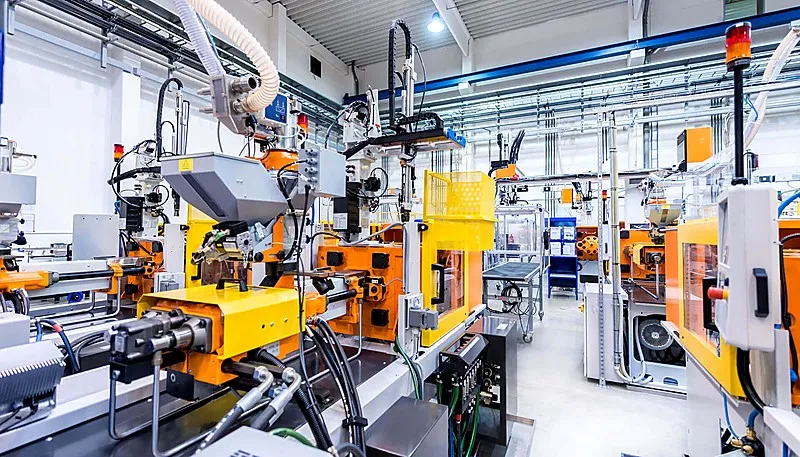
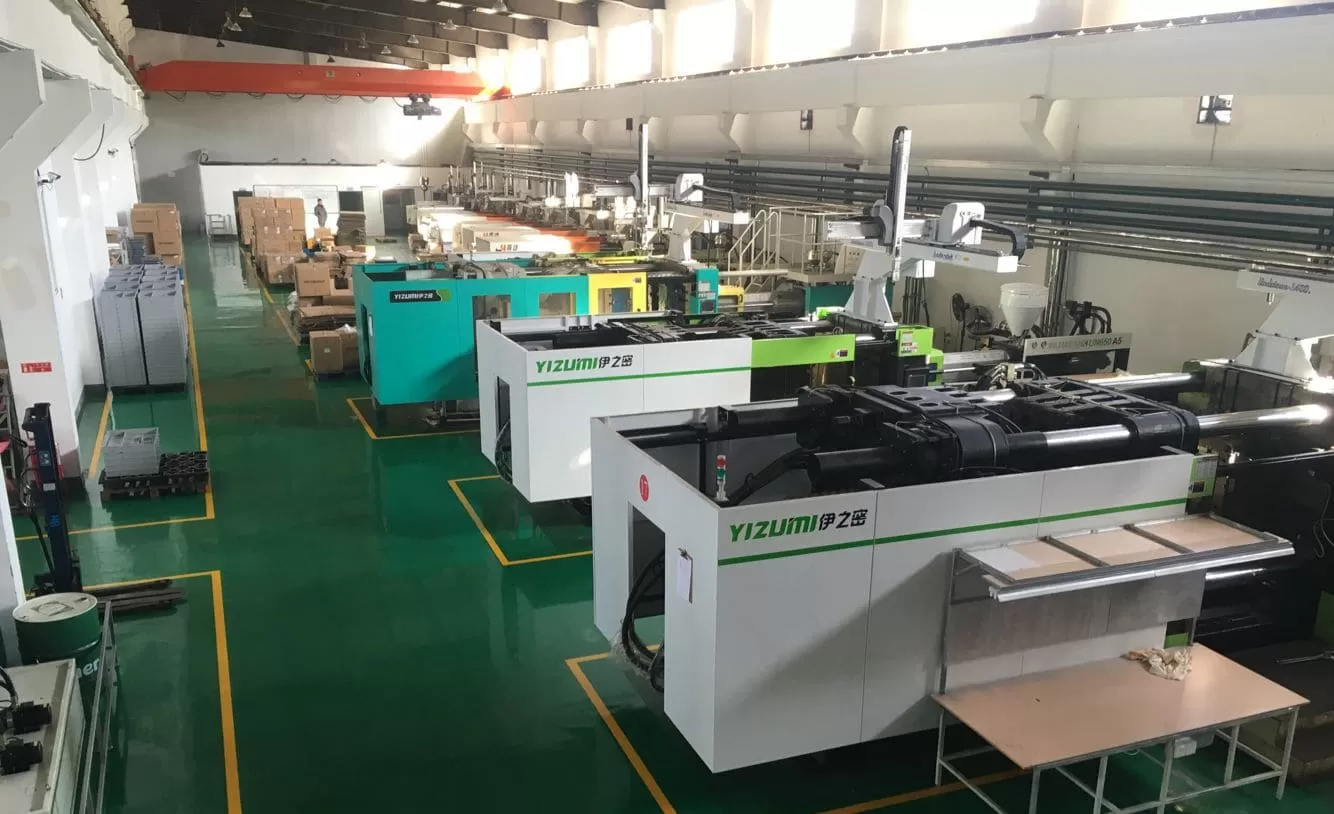
Enjeksiyon makineleri; otomotiv, medikal ve tüketim ürünleri gibi sektörlerde karmaşık plastik parçaların verimli üretimini mümkün kılan modern imalatın temelidir. Ancak bu makinelerin ne zaman değiştirileceğini bilmek; üretim verimliliğini, parça kalitesini ve maliyet etkinliğini korumak açısından kritiktir. Bu kılavuz, enjeksiyon makinelerinin değişim döngüsünü etkileyen faktörleri inceler ve karar vericilere performans, bakım ve teknolojik ilerlemeler arasında nasıl denge kurulacağına ilişkin bilgi sunar.
Enjeksiyon kalıplama makineleri, kullanıma ve bakıma bağlı olarak genellikle her 10 ila 15 yılda bir değiştirilir. Ağır kullanım bu süreyi 5-10 yıla kadar kısaltabilirken, bakımlı makineler 20 yıla kadar dayanabilir.
Bir enjeksiyon kalıplama makinesinin1 ne zaman değiştirileceğini anlamak; makinenin durumu, bakım maliyetleri ve değişen üretim ihtiyaçları gibi etkenlerin dikkatle değerlendirilmesini gerektirir. Üretim faaliyetleriniz için bilinçli kararlar vermek üzere aşağıdaki temel hususları inceleyin.
- Enjeksiyon kalıplama makineleri genellikle 10–15 yıl dayanır; yoğun kullanım bu süreyi 5–10 yıla düşürür.
- Bakım maliyetlerinin yeni makine fiyatının 50–60%'ını aşması, değiştirme zamanının geldiğini gösterir.
- Kestirimci bakım ve düzenli kontroller, makine ömrünü 20 yıla kadar uzatabilir.
- Modern elektrikli makineler, eski hidrolik modellere kıyasla %30–60 enerji tasarrufu sağlar.
- Yapılandırılmış bir maliyet-fayda analizi her değiştirme kararına yön vermelidir.
Bu kılavuz, temel kullanım ömrü beklentilerini anlamak ve bozulma uyarılarını belirlemekten maliyet-fayda ödünleşimlerini değerlendirmeye ve doğrudan değişim alternatiflerini araştırmaya kadar enjeksiyon kalıplama makinelerinin tüm yaşam döngüsü değerlendirmesini kapsar. İster tek bir presi yönetin ister Şanghay tesisimizdeki gibi 47 makinelik bir filoyu denetleyin, burada açıklanan karar çerçevesi verilere dayalı değişim kararları almanıza yardımcı olacaktır.
"Enjeksiyon kalıplama makineleri yüksek hacimli üretim için vazgeçilmezdir."True
Karmaşık parçaların verimli ve düzgün bir şekilde üretilmesini sağlayarak imalatta vazgeçilmez hale getirirler.
"Bir enjeksiyon kalıplama makinesini değiştirmek her zaman anında maliyet tasarrufu sağlar."False
Yeni makineler daha verimli olsa da, ilk yatırım ve çalışmama süreleri anında sağlanan tasarrufları dengeleyebilir.
Enjeksiyon Kalıplama Makinesi Nedir ve Nasıl Çalışır?
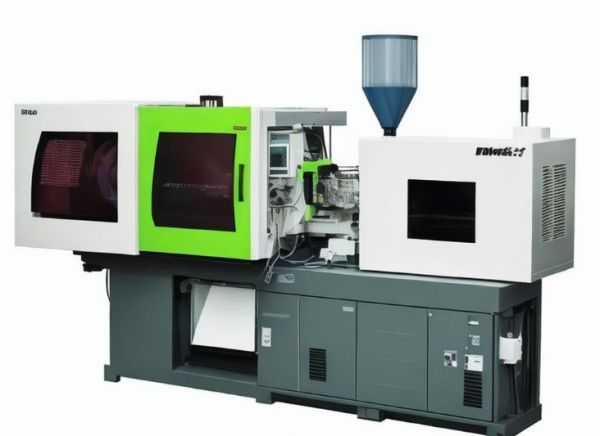
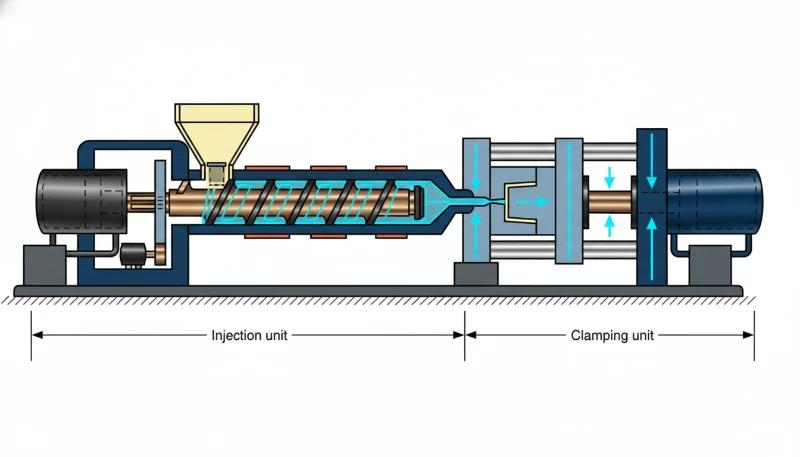
Bir enjeksiyon kalıplama makinesinin ne olduğu ve nasıl çalıştığı, bu bölümde açıklanan işlev, kısıtlar ve ödünleşimlerle tanımlanır. Enjeksiyon presi olarak da bilinen enjeksiyon kalıplama makinesi, erimiş malzemeyi bir enjeksiyon kalıbına enjekte ederek plastik parçalar üreten bir imalat cihazıdır. İki ana üniteden oluşur: malzemeyi eritip enjekte eden enjeksiyon ünitesi ve kalıbı yerinde tutan kapama ünitesi. Süreç; plastik granüllerin ısıtılmasını, erimiş plastiğin yüksek basınçla kalıp boşluğuna enjekte edilmesini, katılaşması için soğutulmasını ve bitmiş parçanın çıkarılmasını içerir.
Enjeksiyon kalıplama makineleri ağırlıklı olarak polietilen ve polipropilen gibi termoplastiklerin yanı sıra termoset polimerlerle de kullanılır; bu nedenle çeşitli sektörlerde çok yönlü bir çözüm sunar.
| Bileşen | Fonksiyon |
|---|---|
| Enjeksiyon Ünitesi | Plastiği eritir ve kalıba enjekte eder |
| Sıkıştırma Ünitesi | Enjeksiyon sırasında kalıbı kapalı tutar |
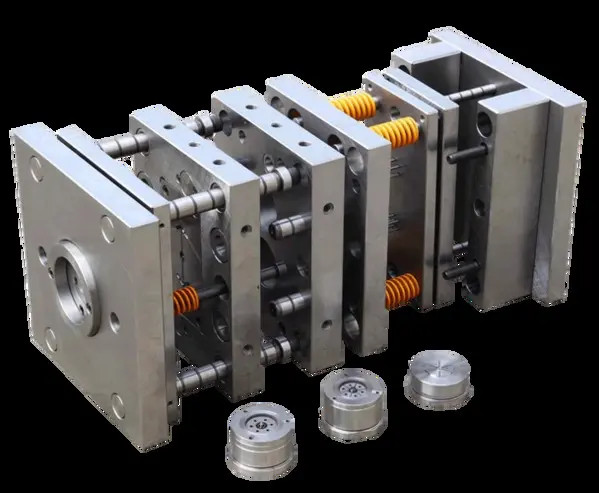
| Küf | Erimiş plastiği istenen parçaya şekillendirir |
Enjeksiyon Kalıplama Makinelerinin Sınıflandırılması
Süreç Perspektifi: Enjeksiyon kalıplama süreci, yüksek kaliteli parçalar üretmek için sıcaklık, basınç ve soğutmanın hassas biçimde kontrol edilmesini içerir.
Malzeme Perspektifi: Makineler, her biri optimum performans için özel ayarlar gerektiren termoplastikleri ve termoset polimerleri işleyecek şekilde tasarlanır.
Uygulama Perspektifi: Otomotiv (ör. gösterge panelleri), medikal (ör. şırıngalar) ve tüketici ürünleri (ör. oyuncaklar) gibi sektörlerde, her birine özgü üretim gereksinimleriyle kullanılır.
"Yeni enjeksiyon kalıplama makineleri her zaman daha iyi enerji verimliliği sunar."True
Modern makineler, özellikle elektrikli modeller, eski hidrolik sistemlere kıyasla daha az enerji tüketir.
"Enjeksiyon kalıplama yalnızca termoplastikler için uygundur."False
Genellikle termoplastiklerle kullanılsa da enjeksiyon kalıplama, doğru makine kurulumuyla termoset polimerleri de işleyebilir.
Bir Enjeksiyon Kalıplama Makinesini Değiştirmeyi Ne Zaman Düşünmelisiniz?
Bu bölüm, bir enjeksiyon kalıplama makinesini değiştirmeyi düşünmek ve bunun maliyet, kalite, zamanlama ya da tedarik riski üzerindeki etkisiyle ilgilidir. Duruş süresi, onarım maliyeti, enerji kullanımı veya kalite kaybı makineyi çalışır durumda tutmanın değerini aştığında makineyi değiştirin. Deneyimlerimize göre çoğu değişim değerlendirmesi makineler 10-15 yaşına geldiğinde başlar; ancak asıl tetikleyici performans sapmasıdır: artan hurda oranı, istikrarsız enjeksiyon kalıplama üretim süresi, tekrarlayan hidrolik arızalar veya güncel kalite gerekliliklerini artık destekleyemeyen kontrol sistemleri.
Otomotiv veya ambalajlama gibi yüksek hacimli üretimde kullanılan makinelerin aşınma ve yıpranma nedeniyle genellikle her 10-15 yılda bir değiştirilmesi gerekirken, teknolojik yükseltmeler verimlilik kazanımları için daha erken değiştirmeyi gerektirebilir.
Değiştirme için Tipik Uygulama Senaryoları
Yüksek Hacimli Üretim: Otomotiv ve ambalaj gibi sektörler, özellikle 7/24 çalışma koşullarında üretim miktarını ve kaliteyi korumak için makineleri daha sık değiştirmek zorunda kalabilir.
Teknolojik Yükseltmeler: Şirketler, enerji verimli modellere (ör. elektrikli veya hidrolik) ya da daha yüksek hassasiyet sağlayan gelişmiş kontrollere geçmek için makinelerini değiştirebilir; 2023 Enjeksiyon Kalıplama Trendleri.
Maliyet Yönetimi: Bakım maliyetleri yeni makine maliyetinin 50-60% düzeyini aştığında değiştirme daha ekonomik hâle gelir. Yeni Kalıplama Makinesi ile Mevcut Kalıplamayı Onarma karşılaştırması.
Enjeksiyon Kalıplama Makinesini Değiştirmenin Artıları ve Eksileri
Değiştirmenin Artıları:-
Geliştirilmiş verimlilik: Yeni makineler döngü sürelerini ve enerji tüketimini azaltır.
-
Geliştirilmiş ürün kalitesi: Modern makineler daha iyi hassasiyet sunar ve kusurları azaltır.
-
En yeni teknolojilere erişim: Yapay zekâ destekli izleme gibi özellikler, Enjeksiyon Kalıplama Makineleri için üretimde kestirimci bakımı2 optimize eder.
- Yüksek ilk yatırım: Yeni makineler on ila yüz binlerce dolara mal olabilir.
Üretimde kesinti: Bir makinenin değiştirilmesi işlemleri geçici olarak durdurabilir.
Potansiyel atık: Eski makineler yenilenirse hala değerli olabilir Bir kalıplama makinesinin ömrü için endüstri standardı nedir?
3D baskı gibi alternatiflerle karşılaştırıldığında, enjeksiyon kalıplama yüksek hacimli üretim için tercih edilmeye devam etmektedir, ancak gereksiz maliyetlerden kaçınmak için değiştirme zamanlamasının dikkatli bir şekilde değerlendirilmesi gerekir.
"Düzenli bakım, enjeksiyon makinesinin kullanım ömrünü uzatabilir."True
Düzenli kontroller ve zamanında onarımlar gibi uygun bakım, bir makinenin kullanım ömrünü önemli ölçüde uzatabilir.
"Enjeksiyon kalıplamanın yerini tüm sektörlerde 3D baskı alıyor."False
3D baskı büyürken, enjeksiyon kalıplama yüksek hacimli, tek tip üretim için baskın olmaya devam ediyor.
Bir Enjeksiyon Kalıplama Makinesinin Ömrünü Etkileyen Faktörler Nelerdir?
Bir enjeksiyon kalıplama makinesinin kullanım ömrünü kullanım yoğunluğu, bakım kalitesi ve malzeme uyumluluğu etkiler. Bu etkenleri anlamak, yenileme planlamasına ve gerçekçi sermaye harcaması tahminleri oluşturmaya yardımcı olur. Basit polipropilen parçalar işleyen bir makinenin aşınma profili, cam elyaf dolgulu naylon veya yüksek sıcaklık PEEK reçinesi işleyen bir makineninkinden çok farklı olacaktır.
Şanghay fabrikamızda 90T ila 1850T aralığında 47 enjeksiyon kalıplama makinesi işletiyoruz. 20+ yıllık çalışma süresinde, aşındırıcı cam elyaf dolgulu reçineleri işleyen makinelerin kovan ve vidalarının yaklaşık her 3–5 yılda bir değiştirilmesi gerektiğini; genel amaçlı makinelerin ise uygun önleyici bakım programlarıyla 15+ yıl çalışabildiğini öğrendik.
Ağır kullanım ve yetersiz bakım, bir makinenin ömrünü 5-10 yıla kadar düşürebilirken, iyi bakılan makineler 20 yıl veya daha uzun süre dayanabilir.
Makine Ömrünü Etkileyen Temel Faktörler
Kullanım Yoğunluğu: Yüksek hacimli üretimde 24/7 çalışan makineler, aralıklı kullanılanlardan daha hızlı aşınır.
Bakım Kalitesi: Yağ analizi ve bileşen kontrolleri gibi düzenli bakım, makine ömrünü uzatabilir. Kalıplama Makinesi Performansını Artıran Başlıca Bakım İpuçları.
Malzeme Uyumluluğu: Cam elyaf dolgulu plastikler gibi aşındırıcı malzemeler, kovan ve vida gibi bileşenlerin aşınmasını hızlandırarak ömrü kısaltır. Enjeksiyon kalıplama makineleri genellikle ne kadar dayanabilir?
Tablo: Kullanım ve Bakıma Dayalı Tahmini Kullanım Ömrü
| Kullanım Seviyesi | Bakım Kalitesi | Tahmini Kullanım Ömrü (Yıl) |
|---|---|---|
| Ağır (7/24) | Zayıf | 5-10 |
| Ağır (7/24) | İyi | 10-15 |
| Orta düzeyde | Zayıf | 8-12 |
| Orta düzeyde | İyi | 15-20 |
| Işık | İyi | 20+ |
"Tüm enjeksiyon kalıplama makineleri, kullanım şekli ne olursa olsun aynı hizmet ömrüne sahiptir."True
Kullanım ömrü, kullanım yoğunluğu ve bakım kalitesi gibi faktörlere bağlı olarak değişir.
"Makine değişimine karar verirken tek etken maliyet-fayda analizidir."False
Önemli olmakla birlikte, üretim ihtiyaçları ve teknolojik ilerlemeler gibi diğer faktörler de rol oynamaktadır.
Enjeksiyon Kalıplama Makinesinin Ne Zaman Değiştirileceğine Nasıl Karar Verilir?
Onarım maliyetini, duruş süresini, kalite riskini ve gelecekteki kapasiteyi yeni veya yenilenmiş bir makineyle karşılaştırarak değiştirme kararını verin. Ekibimiz makinenin durumu, bakım geçmişi, çevrim süresi eğilimi, kusur geçmişi, enerji tüketimi ve yaklaşan üretim talebiyle başlar; ardından bu girdileri değiştirme veya yenileme kararına dönüştürür.
Değişim kararları maliyet-fayda analizine, makine performans ölçütlerine ve gelecekteki üretim gereksinimlerine dayanmalı; ihtiyaca özel öneriler için uzman görüşü alınmalıdır. Yeni ekipman tedariki için enjeksiyon kalıplama tedarikçisi bulma kılavuzumuza bakın.
Karar Verme Sürecindeki Adımlar
Mevcut Makine Durumunu Değerlendirin: Çevrim süresi, duruş süresi ve kusur oranları gibi performans ölçütlerini değerlendirin. Düzenli incelemeler, kritik bileşenlerdeki aşınmayı belirleyebilir. Enjeksiyon Kalıplama Makinelerinizi Sağlıklı Tutmak İçin 6 Bakım İpucu.
Maliyet-Fayda Analizi Yapın: Süregelen bakım maliyetlerini yeni bir makinenin maliyetiyle karşılaştırın. Onarım maliyetleri yeni makine fiyatının 50-60% değerini aşıyorsa değiştirmek genellikle daha ekonomiktir. Yeni Kalıplama Makinesi ile Mevcut Kalıplama Makinesinin Onarımı.
Üretim Gereksinimlerini Değerlendirin: Enjeksiyon hacmi ve kapama kuvveti3 gibi etkenleri göz önünde bulundurarak makinenin mevcut ve gelecekteki talebi karşıladığından emin olun. Plastik Enjeksiyon Kalıplama Makinesi Satın Alırken Dikkate Alınacak 5 Etken.
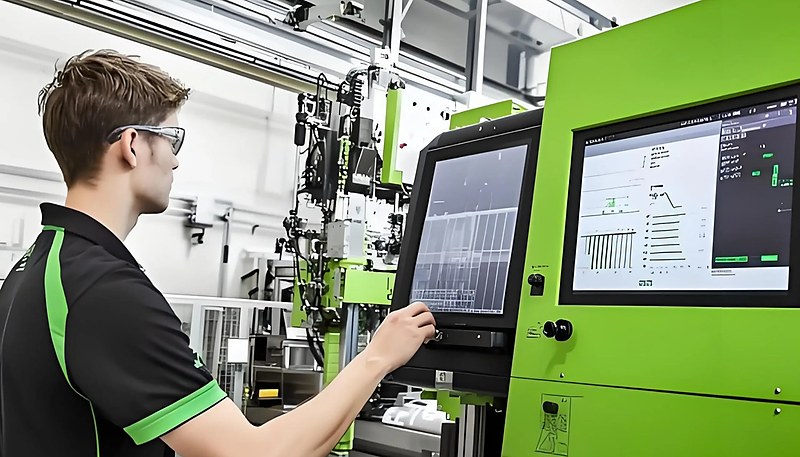
Teknolojik Gelişmeleri Değerlendirin: Yeni makineler, enerji tasarrufu sağlayan servo tahrikli sistemler gibi önemli iyileştirmeler sunabilir. Bir bakışta enjeksiyon kalıplama makineleri.
Yenileme için Tasarım Kontrol Listesi
Makine Yaşı ve Kullanımı: 10-15 yıldan eski makineler, özellikle yoğun kullanılmışsa daha fazla duruş yaşayabilir.
Bakım Kayıtları: Düzensiz servis gibi zayıf bakım geçmişi kullanım ömrünü kısaltabilir.
Performans Ölçütleri: Artan hata oranları veya uzayan çevrim süreleri, değiştirme gereksinimine işaret eder Enjeksiyon Kalıp Takımları Ne Zaman Değiştirilmelidir.
Enjeksiyon Kalıplama Makinesini Değiştirmenin Alternatifleri Nelerdir?
Enjeksiyon kalıplama makinesini değiştirmeye yönelik alternatifler, bu bölümde açıklanan başlıca kategori veya seçeneklerdir. Değişim bazen gerekli olsa da yenileme veya belirli bileşenleri yükseltme gibi alternatifler, yeni satın almanın sermaye gideri olmadan makine ömrünü uzatıp performansı artırabilir. Bu seçenekleri anlamak, tam değişim bütçesi bulunmayan ancak rekabetçi üretim kabiliyetlerini koruması gereken küçük ve orta ölçekli üreticiler için özellikle önemlidir.
Kontrol sistemi veya enjeksiyon ünitesi gibi bileşenlerin yenilenmesi veya yükseltilmesi, maliyet tasarrufu ve gelişmiş verimlilik sunarak tam değişimi geciktirebilir.
Değiştirme kararı vermeden önce kapsamlı bir toplam sahip olma maliyeti (TCO) analizi şarttır. TCO yalnızca satın alma fiyatını değil; kurulum maliyetlerini, operatör eğitimini, makinenin beklenen ömrü boyunca enerji tüketimini, öngörülen bakım giderlerini ve nihai devreden çıkarma maliyetlerini de içerir. Çoğu durumda kâğıt üzerinde daha ucuz görünen bir makine, enerji verimsizliği ve daha yüksek kusur oranları hesaba katıldığında 10 yıllık dönemde çok daha pahalıya mal olabilir. ISO 9001 ve ISO 13485 sertifikalarına sahip ZetarMold gibi deneyimli üreticiler, sermaye ekipmanı kararlarında müşterilere danışmanlık verirken titiz TCO çerçeveleri uygular.
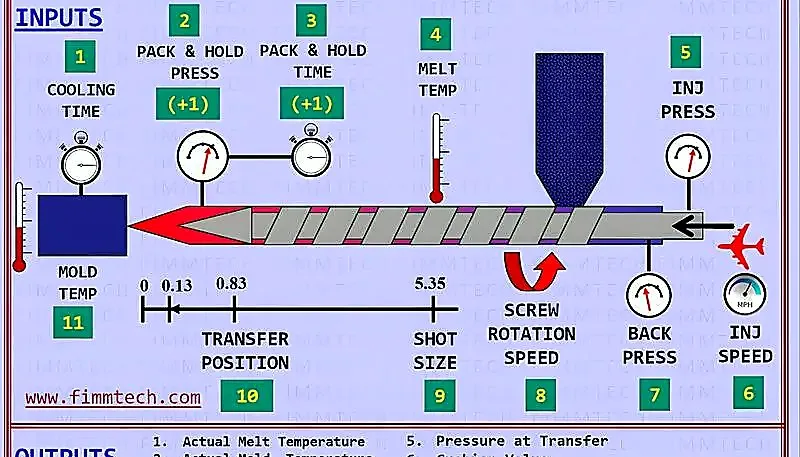
Makinenin temel yapısı — kolonlar, plakalar ve gövde — sağlam kaldığında belirli alt sistemleri yükseltmek çoğu zaman en uygun maliyetli yoldur. Yaygın yükseltmeler arasında eski röle tabanlı kontrolleri modern PLC sistemleriyle değiştirmek, çevrimler arası tutarlılığı iyileştirmek için servo tahrikli enjeksiyon üniteleri kurmak ve kestirimci bakım için gerçek zamanlı izleme sensörleri eklemek bulunur. Bu hedefli yatırımlar, yeni bir makine performans kazanımının 70–80% kadarını maliyetin 20–30% düzeyinde sağlayabilir.
Tam Değişime Alternatifler
Yenileme: Kovan, vida veya hidrolik sistem gibi aşınmış bileşenlerin kapsamlı bakım ve onarımı, değişimden daha düşük maliyetle performansı geri kazandırabilir.
Teknoloji Yükseltme: Enerji verimli tahrikler veya gelişmiş kontroller gibi modern özellikler eklemek, makinenin tamamını değiştirmeden verimliliği artırabilir.
Alternatif Proseslere Geçiş: Belirli uygulamalarda sıkıştırma kalıplama veya ekstrüzyon gibi prosesler uygun alternatifler olabilir; ancak tüm üretim gereksinimlerine uymayabilirler.
"Planlı bir değiştirme programı üretim kesintisini azaltır."True
Arıza oluşmadan önce duruş süresini, yedek parça bulunabilirliğini, doğrulama teslim süresini ve mevsimsel talebi inceleyen ekipler, acil üretim kesintileri olmadan değiştirme dönemlerini bütçeleyebilir.
"Bir enjeksiyon makinesini yenilemek her zaman değiştirmekten daha ucuzdur."False
Yenileme başlangıçta daha ucuz olabilir ancak makine kullanım ömrünün sonuna yaklaştığında kontrol hassasiyeti, enerji kullanımı, tekrarlanabilirlik veya yedek parça risklerini çözmeyebilir.
Hangi Bakım Uygulamaları Makine Değişimini Geciktirebilir?
Proaktif bakım, bir enjeksiyon kalıplama makinesinin kullanım ömrünü uzatmanın en etkili yoludur. Fabrikamızda bileşenlerin arızalanmasını beklemek yerine yağ kalitesi, vida/kovan aşınması, ısıtıcı performansı, kolon hizalaması ve kontrol sistemi sapması için yapılandırılmış önleyici ve kestirimci bakım uygularız.
İyi tasarlanmış bir önleyici bakım programı, Society of Plastics Engineers sektör kıyaslamalarına göre makine ömrünü 5–10 yıl uzatabilir ve plansız duruşları 50% oranına kadar azaltabilir.
Temel bakım uygulamaları şunlardır: kirlenmeyi erkenden saptamak için hidrolik sistemlerde düzenli yağ analizi planlamak; boyutsal toleranslar sapmadan önce vidalı enjeksiyon kalıplama makinesi kovanını incelemek; sıcaklık kontrol cihazlarını ve basınç dönüştürücülerini üç ayda bir kalibre etmek; tekrarlayan arıza örüntülerini belirlemek için eksiksiz servis kayıtları tutmak. ISO 45001 iş güvenliği yönetim sistemine sahip tesisler, ekipman bakımını çoğu zaman daha geniş iş sağlığı çerçevelerine dahil eder.
Kestirimci bakım; arızaları oluşmadan önce öngörmek için titreşim sensörleri, termal görüntüleme ve çevrim süresi analizlerinden yararlanarak bunu daha ileri taşır. Modern yenileme kitleri, eski makinelerin nispeten düşük maliyetle IoT sensörleriyle donatılmasını sağlayarak reaktif bakım kültürünü veriye dayalı kestirimci bir kültüre dönüştürür. Bu yaklaşım, bileşen aşınma hızlarının arttığı aşındırıcı veya korozif malzemeleri işleyen makinelerde özellikle değerlidir.
Sıkça Sorulan Sorular
Bir enjeksiyon kalıplama makinesi kaç yıl dayanır?
Çoğu enjeksiyon kalıplama makinesi normal çalışma koşullarında 10 ila 15 yıl dayanır. Ağır hizmet tipi 24/7 üretim ortamlarında makineler 5 ila 10 yılda aşınabilirken orta kullanım koşullarındaki bakımlı makineler 20 yıl veya daha uzun süre dayanabilir. Temel faktörler kullanım yoğunluğu, bakım kalitesi ve işlenen malzeme türleridir. Aşındırıcı cam elyaf dolgulu reçinelerle çalışan makinelerde kovan ve vida daha hızlı aşınırken basit ticari plastikleri işleyenler uygun önleyici bakım programları ve düzenli muayenelerle daha uzun ömürlü olur.
Enjeksiyon kalıplama makinemi ne zaman değiştirmeliyim?
Yıllık bakım maliyetleri yeni bir makinenin satın alma fiyatının yüzde 50 ila 60’ını aştığında, çevrim süreleri belirgin biçimde uzadığında, kusur oranları kabul edilebilir eşiklerin üzerine çıktığında veya makine artık üretim hacmi gereksinimlerinizi karşılayamadığında enjeksiyon kalıplama makinenizi değiştirmeyi düşünmelisiniz. Resmî bir maliyet-fayda analizi önerilir. Ayrıca makineniz teşhis kabiliyeti olmayan eski röle tabanlı kontroller kullanıyorsa PLC kontrollü ve IoT izlemeli modern bir makineye geçmek önemli verimlilik artışları sağlayabilir.
Bir enjeksiyon kalıplama makinesini onarmak mı yoksa değiştirmek mi daha iyidir?
Karar, kapsamlı bir maliyet-fayda analizine bağlıdır. Onarımlar küçükse ve makine üretim ihtiyaçlarını hâlâ karşılıyorsa onarım daha ekonomiktir. Ancak birikimli onarım maliyetleri yeni makine fiyatına yaklaştığında veya elektrikli modellerde yüzde 30 ila 60 enerji tasarrufu gibi önemli verimlilik kazançları sunan yeni teknoloji mevcutsa, değiştirme uzun vadede daha iyi yatırımdır. Bu değerlendirmede sık onarımlar sırasındaki plansız duruşların fırsat maliyetini de dikkate alın. Deneyimli ekipman uzmanlarına danışmak bu ödünleşimleri doğru biçimde sayısallaştırmaya yardımcı olur.
Yeni bir enjeksiyon kalıplama makinesinin maliyeti nedir?
Enjeksiyon kalıplama makinesi fiyatları tonaj, tip ve özelliklere göre büyük ölçüde değişir. 50 ila 100 tonluk küçük hidrolik makineler 15,000 ila 40,000 USD, 200 ila 500 tonluk orta sınıf makineler 50,000 ila 200,000 USD tutabilir; 1000 ton üzerindeki büyük ve yüksek hassasiyetli makineler ise 500,000 USD’yi aşabilir. Elektrikli makineler genellikle hidrolik muadillerinden yüzde 20 ila 30 daha pahalıdır ancak enerji tasarrufu ve daha yüksek hassasiyet sunar. Kullanılmış ve yenilenmiş makineler yeni makine fiyatının yüzde 40 ila 60’ına bulunabilir.
Enjeksiyon makinemin ömrünü nasıl uzatabilirim?
Düzenli önleyici bakım, makine ömrünü uzatmanın en etkili tek stratejisidir. Kontaminasyonu erken tespit etmek için hidrolik sistemlerde rutin yağ analizi planlayın, kovanları ve vidaları her 6 ila 12 ayda bir aşınma açısından inceleyin, sıcaklık kontrolörlerini ve basınç transdüserlerini üç ayda bir kalibre edin ve keçeleri ciddi biçimde arızalanmadan önce değiştirin. Titreşim sensörleri ve çevrim süresi izleme ile kestirimci bakım uygulamak, gelişmekte olan sorunları plansız duruşa yol açmadan önce yakalayabilir. Eksiksiz servis kayıtları tutmak tekrarlayan arıza örüntülerini belirlemeye yardımcı olur ve garanti taleplerini destekler.
Bir enjeksiyon kalıplama makinesinin değiştirilmesi gerektiğini gösteren işaretler nelerdir?
Başlıca uyarı işaretleri; sürekli uzayan çevrim süreleri, artan kusur veya ret oranları, sık plansız duruşlar, eski modeller için yedek parça tedarikinde güçlük ve referans değere göre artan enerji tüketimidir. Ayrıca aşınmış rulmanlardan gelen aşırı gürültü, bozulmuş hidrolik keçelerden yağ sızıntısı veya parça kalitesini etkileyen tutarsız baskı ağırlıkları görülebilir. Makineniz aynı anda bu işaretlerden üçünü veya daha fazlasını gösteriyorsa deneyimli ekipman uzmanlarının katkısıyla, yapılandırılmış bir toplam sahip olma maliyeti analizi çerçevesinde değişim seçeneği ciddi olarak değerlendirilmelidir.
Elektrikli enjeksiyon kalıplama makineleri hidrolik olanlardan daha mı iyidir?
Elektrikli makineler %30 ila %60 tasarrufla üstün enerji verimliliği, baskıdan baskıya %0.1 içinde tekrarlanabilirlikle daha yüksek hassasiyet, hidrolik yağ kirlenmesi riski olmadan daha temiz çalışma ve hidrolik makinelere göre daha düşük gürültü düzeyleri sunar. Bununla birlikte hidrolik makineler 1000 ton üzerindeki yüksek tonajlı uygulamalarda hâlâ üstündür ve ilk yatırım maliyetleri genellikle daha düşüktür. En iyi seçim, özel üretim gereksinimlerinize, bütçe kısıtlarınıza ve beklenen 5 ila 10 yıllık geri ödeme döneminde enerji tasarrufunun daha yüksek ilk yatırımı haklı çıkarıp çıkarmadığına bağlıdır.
Enjeksiyon Kalıplama Makineniz İçin Doğru Değiştirme Kararı Nasıl Verilir?
Enjeksiyon kalıplama makineleri genellikle 10 ila 15 yılda bir değiştirilir; ancak bu süre kullanıma, bakıma ve teknolojik gelişmelere göre değişebilir. Karar vericiler en uygun değişim zamanını belirlemek için makinenin durumunu, birikmiş bakım maliyetlerini ve değişen üretim ihtiyaçlarını değerlendirmelidir. Düzenli önleyici bakım, makinenin ömrünü 5-10 yıl uzatabilir; teknolojik yükseltmeler ise verimlilik kazanımları için daha erken değişimi haklı çıkarabilir. Tüm sürece kapsamlı bir bakış için Enjeksiyon Kalıplama Eksiksiz Kılavuzumuza bakın.
Enjeksiyon kalıplama makinelerinin ömrünü ve verimliliğini nasıl artıracağınızı, optimum üretimi nasıl sağlayacağınızı öğrenmek için bu kaynağı inceleyin. ↩
Bu unsurları anlamak, makinelerinizi ne zaman değiştireceğinize ilişkin bilinçli kararlar vermenize ve üretim ile maliyetleri optimize etmenize yardımcı olur. ↩
Bu malzemelerin üretim süreçlerindeki avantajlarını keşfederek enjeksiyon kalıplama için malzeme seçimi bilginizi geliştirin. ↩
Yüksek hacimli enjeksiyon kalıplama üretimindeki belirli zorlukları ve çözümleri anlamak için bu bağlantıyı inceleyin. ↩
Verimliliği ve hassasiyeti artırabilecek enjeksiyon kalıplama teknolojisindeki son gelişmeleri keşfedin. ↩
Doğru bakımın enjeksiyon kalıplama makinelerinizin ömrünü nasıl önemli ölçüde uzatabileceğini ve performansı nasıl iyileştirebileceğini öğrenin. ↩
Maliyet-fayda analizini anlamak, ekipman değişimi hakkında bilinçli kararlar vermek ve finansal verimliliği sağlamak açısından kritik önemdedir. ↩
Yenilemenin faydalarını öğrenmek, değiştirmeye uygun maliyetli alternatifler sunarak makine ömrünü uzatabilir ve performansı iyileştirebilir. ↩
En yeni gelişmeleri incelemek, verimliliği artırıp maliyetleri düşüren makineleri seçmenize ve üretiminizi rekabetçi tutmanıza yardımcı olur. ↩
İster tek bir makinenin değiştirilme zamanını değerlendiriyor ister tüm filoyu kapsayan bir yükseltme planlıyor olun, deneyimli mühendislik desteğine erişim maliyetli bir hata ile stratejik yatırım arasındaki farkı belirler. ZetarMold’un 20+ yıllık enjeksiyon kalıplama ve takım deneyimiyle desteklenen 8 kıdemli mühendisi, mevcut ekipmanınızı değerlendirmenize ve ileriye dönük en uygun maliyetli yolu önermenize yardımcı olabilir.
Enjeksiyon Kalıplama Projeniz İçin Teklif mi Gerekiyor?
ZetarMold mühendislik ekibinden rekabetçi fiyat, DFM geri bildirimi ve üretim zaman çizelgesi alın.
Ücretsiz Fiyat Teklifi İsteyin →
enjeksiyon kalıplama makinesi: Erimiş malzemeyi yüksek basınç altında bir kalıp boşluğuna enjekte ederek plastik parçalar üreten imalat cihazını ifade eder. ↩
kestirimci bakım: Planlanmamış duruş süresini azaltmak amacıyla ekipman arızalarını oluşmadan önce öngörmek için sensör verileri ve analizlerden yararlanan bakım stratejisidir. ↩
kapama kuvveti: Enjeksiyon işlemi sırasında kalıbı kapalı tutmak için enjeksiyon kalıplama makinesinin kapama ünitesince uygulanan, ton veya kilonewton cinsinden ölçülen kuvvet. ↩