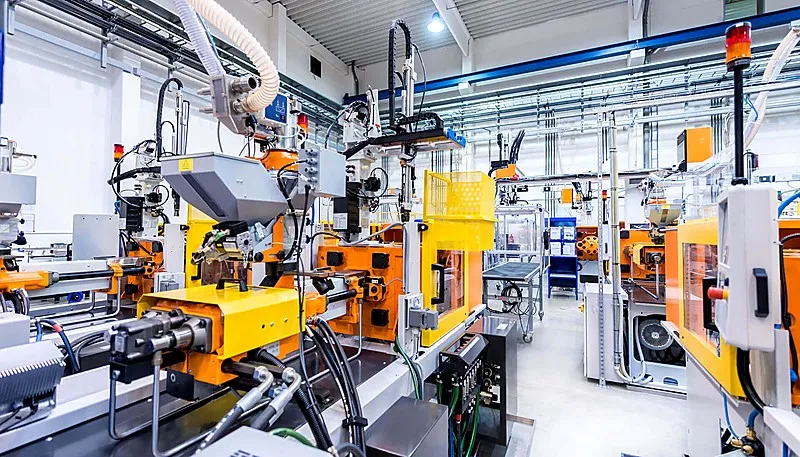
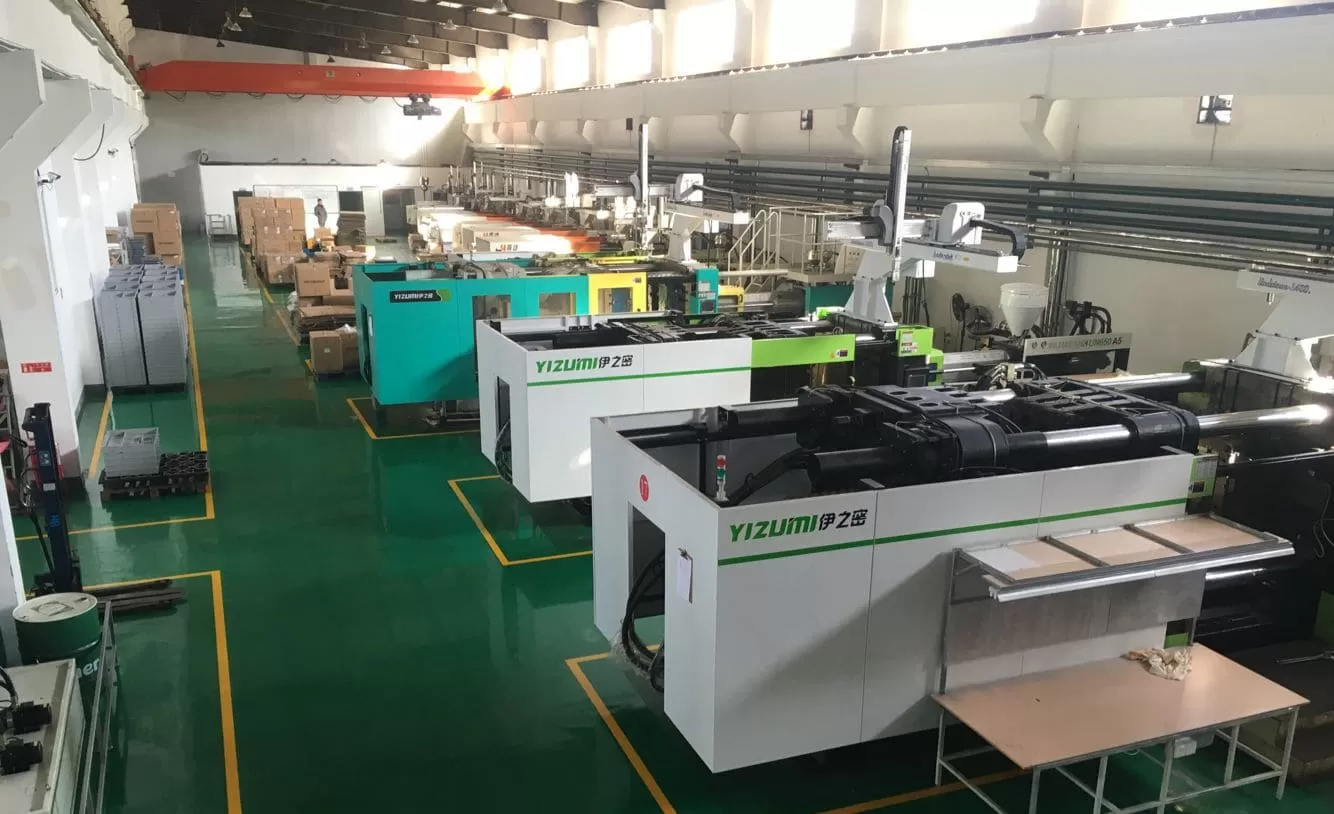
Le macchine per lo stampaggio a iniezione sono la spina dorsale della produzione moderna, consentendo la produzione efficiente di componenti plastici complessi in settori come automotive, medicale e beni di consumo. Tuttavia, sapere quando sostituire queste macchine è fondamentale per mantenere l’efficienza produttiva, la qualità dei pezzi e la convenienza dei costi. Questa guida esplora i fattori che influenzano il ciclo di sostituzione delle macchine per lo stampaggio a iniezione, offrendo spunti ai decisori su come bilanciare prestazioni, manutenzione e progressi tecnologici.
Le macchine per lo stampaggio a iniezione vengono in genere sostituite ogni 10-15 anni, a seconda dell’utilizzo e della manutenzione. Un uso intensivo può ridurre questo periodo a 5-10 anni, mentre le macchine ben mantenute possono durare fino a 20 anni.
Per capire quando sostituire una macchina per stampaggio a iniezione1 occorre valutare attentamente fattori quali le condizioni della macchina, i costi di manutenzione e l’evoluzione delle esigenze produttive. Esamina di seguito gli aspetti principali per prendere decisioni consapevoli sulle tue attività produttive.
- Le presse a iniezione durano normalmente 10–15 anni; l'uso intensivo riduce la durata a 5–10 anni.
- Costi di manutenzione superiori al 50–60% del prezzo di una macchina nuova indicano che è il momento di sostituirla.
- La manutenzione predittiva e le ispezioni regolari possono prolungare la vita utile della macchina fino a 20 anni.
- Le moderne macchine elettriche consentono un risparmio energetico del 30–60% rispetto ai vecchi modelli idraulici.
- Un'analisi strutturata costi-benefici dovrebbe guidare ogni decisione di sostituzione.
Questa guida tratta l’intera valutazione del ciclo di vita delle presse a iniezione: dalla comprensione delle aspettative di durata di riferimento e dall’individuazione dei segnali di degrado, fino alla valutazione dei compromessi tra costi e benefici e all’esame delle alternative alla sostituzione completa. Che gestiate una singola pressa o una flotta di 47 macchine come quella del nostro stabilimento di Shanghai, il quadro decisionale qui delineato vi aiuterà a prendere decisioni di sostituzione basate sui dati.
"Le presse a iniezione sono essenziali per la produzione in grandi volumi."True
Consentono una produzione efficiente e uniforme di pezzi complessi, rendendoli indispensabili nella produzione.
"La sostituzione di una pressa a iniezione comporta sempre un risparmio immediato sui costi."False
Anche se le nuove macchine possono essere più efficienti, l'investimento iniziale e i tempi di fermo possono compensare i risparmi immediati.
Che cos’è una macchina per lo stampaggio a iniezione e come funziona?
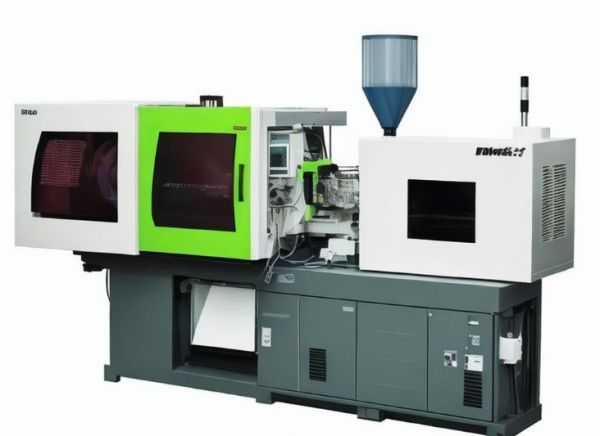
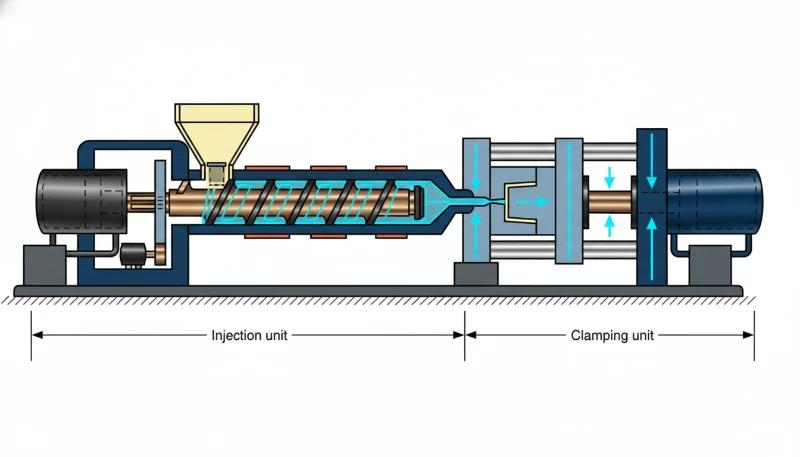
Questa sezione definisce che cos’è una macchina per stampaggio a iniezione e come funziona, illustrandone funzione, vincoli e compromessi. Una macchina per stampaggio a iniezione, detta anche pressa a iniezione, è un dispositivo produttivo che realizza pezzi in plastica iniettando materiale fuso in uno stampo a iniezione. È costituita da due unità principali: l’unità di iniezione, che fonde e inietta il materiale, e l’unità di chiusura, che mantiene lo stampo in posizione. Il processo consiste nel riscaldare i granuli di plastica, iniettare la plastica fusa ad alta pressione nella cavità dello stampo, raffreddarla fino alla solidificazione ed espellere il pezzo finito.
Le presse a iniezione vengono utilizzate principalmente con materiali termoplastici come polietilene e polipropilene, oltre che con polimeri termoindurenti, risultando versatili per vari settori.
| Componente | Funzione |
|---|---|
| Unità di iniezione | Fonde e inietta la plastica nello stampo |
| Unità di serraggio | Mantiene lo stampo chiuso durante l'iniezione |
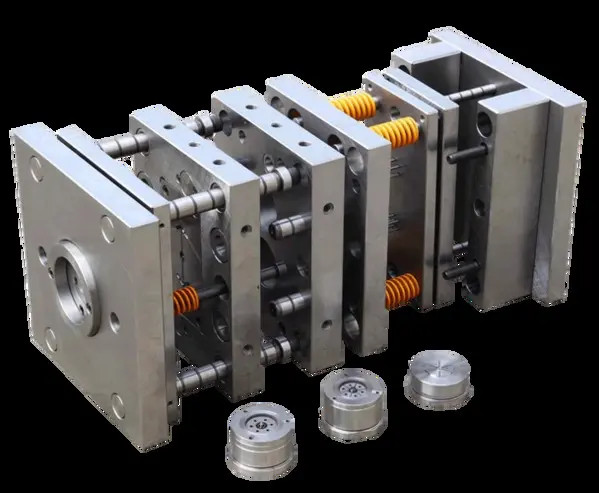
| Stampo | Modella la plastica fusa nel pezzo desiderato |
Classificazione delle macchine per lo stampaggio a iniezione
Prospettiva di processo: lo stampaggio a iniezione richiede un controllo preciso di temperatura, pressione e raffreddamento per produrre pezzi di alta qualità.
Prospettiva dei materiali: le macchine sono progettate per lavorare materiali termoplastici e polimeri termoindurenti, ciascuno dei quali richiede impostazioni specifiche per prestazioni ottimali.
Prospettiva applicativa: utilizzato in settori quali automotive (ad es. cruscotti), medicale (ad es. siringhe) e beni di consumo (ad es. giocattoli), ciascuno con esigenze produttive specifiche.
"Le nuove presse a iniezione offrono sempre una migliore efficienza energetica."True
Le macchine moderne, soprattutto i modelli elettrici, consumano meno energia rispetto ai vecchi sistemi idraulici.
"Lo stampaggio a iniezione è adatto solo ai materiali termoplastici."False
Sebbene sia comunemente usato con i termoplastici, lo stampaggio a iniezione può anche lavorare polimeri termoindurenti con la giusta configurazione della macchina.
Quando si dovrebbe considerare la sostituzione di una macchina per lo stampaggio a iniezione?
Questa sezione tratta quando valutare la sostituzione di una macchina per stampaggio a iniezione e il relativo impatto su costi, qualità, tempistiche o rischi di approvvigionamento. Sostituisci una macchina per stampaggio a iniezione quando i tempi di fermo, i costi di riparazione, il consumo energetico o il calo della qualità superano il valore derivante dal mantenerla in funzione. In base alla nostra esperienza, la maggior parte delle valutazioni di sostituzione inizia quando le macchine hanno 10-15 anni, ma il vero segnale è il peggioramento delle prestazioni: aumento degli scarti, instabilità del tempo di produzione dello stampaggio a iniezione, guasti idraulici ricorrenti o controlli che non riescono più a soddisfare gli attuali requisiti di qualità.
Le macchine utilizzate nella produzione di grandi volumi, come nel settore automobilistico o dell’imballaggio, spesso devono essere sostituite ogni 10-15 anni a causa dell’usura, mentre gli aggiornamenti tecnologici possono indurre a sostituirle prima per aumentare l’efficienza.
Scenari applicativi tipici per la sostituzione
Produzione ad alto volume: settori come quello automobilistico e dell’imballaggio potrebbero dover sostituire le macchine più frequentemente per mantenere produttività e qualità, soprattutto con un funzionamento 24/7.
Aggiornamenti tecnologici: le aziende possono sostituire le macchine per adottare modelli a maggiore efficienza energetica (ad es. elettrici anziché idraulici) o controlli avanzati per una maggiore precisione, secondo le tendenze dello stampaggio a iniezione nel 2023.
Gestione dei costi: quando i costi di manutenzione superano il 50-60% del costo di una nuova macchina, la sostituzione diventa più conveniente. Nuova pressa rispetto alla riparazione della pressa esistente.
Pro e contro della sostituzione di una macchina per lo stampaggio a iniezione
Pro della sostituzione:-
Maggiore efficienza: Le nuove macchine riducono i tempi di ciclo e il consumo energetico.
-
Migliore qualità del prodotto: Le macchine moderne offrono una migliore precisione e riducono i difetti.
-
Accesso alle tecnologie più recenti: funzionalità come il monitoraggio basato sull’IA ottimizzano la manutenzione predittiva2 della produzione per le macchine per stampaggio a iniezione.
- Elevato investimento iniziale: Le macchine nuove possono costare da decine a centinaia di migliaia di dollari.
Interruzione della produzione: La sostituzione di una macchina può interrompere temporaneamente le operazioni.
Potenziale spreco: Le macchine più vecchie possono avere ancora valore se ristrutturate Qual è lo standard industriale per la durata di una macchina per lo stampaggio?
Rispetto ad alternative come la stampa 3D, lo stampaggio a iniezione rimane la soluzione ideale per la produzione di grandi volumi, ma richiede un’attenta considerazione dei tempi di sostituzione per evitare costi inutili.
"La manutenzione regolare può prolungare la vita utile di una pressa a iniezione."True
Una cura adeguata, come ispezioni regolari e riparazioni tempestive, può prolungare notevolmente la vita utile di una macchina.
"Lo stampaggio a iniezione viene sostituito dalla stampa 3D in tutti i settori."False
Mentre la stampa 3D è in crescita, lo stampaggio a iniezione rimane dominante per la produzione uniforme e in grandi volumi.
Quali fattori influenzano la durata di vita di una pressa a iniezione?
La durata di una macchina per stampaggio a iniezione è influenzata dall’intensità d’uso, dalla qualità della manutenzione e dalla compatibilità dei materiali. Comprendere questi fattori aiuta a pianificare la sostituzione e a formulare previsioni realistiche delle spese in conto capitale. Una macchina che lavora semplici pezzi in polipropilene avrà un profilo di usura molto diverso da una che lavora nylon caricato con fibra di vetro o resina PEEK ad alta temperatura.
Nel nostro stabilimento di Shanghai utilizziamo 47 presse a iniezione da 90T a 1850T. In oltre 20 anni abbiamo appreso che le macchine che lavorano resine abrasive caricate con fibra di vetro richiedono la sostituzione di cilindro e vite circa ogni 3–5 anni, mentre quelle per uso generale possono funzionare oltre 15 anni con un'adeguata manutenzione preventiva.
L’uso intenso e la scarsa manutenzione possono ridurre la durata di una macchina a 5-10 anni, mentre le macchine ben tenute possono durare fino a 20 anni o più.
Fattori chiave che influenzano la durata della macchina
Intensità d’uso: le macchine impiegate 24/7 nella produzione in grandi volumi si usurano più rapidamente di quelle utilizzate a intermittenza.
Qualità della manutenzione: una manutenzione regolare, come l’analisi dell’olio e l’ispezione dei componenti, può prolungare la vita utile della macchina. Principali consigli di manutenzione per migliorare le prestazioni della pressa.
Compatibilità dei materiali: i materiali abrasivi, come le plastiche caricate con fibra di vetro, accelerano l’usura di componenti quali cilindri e viti, accorciandone la durata. In generale, quanto possono durare le macchine per stampaggio a iniezione?
Tabella: Durata di vita stimata in base all’uso e alla manutenzione
| Livello di utilizzo | Qualità della manutenzione | Durata di vita stimata (anni) |
|---|---|---|
| Pesante (24/7) | Povero | 5-10 |
| Pesante (24/7) | Buono | 10-15 |
| Moderato | Povero | 8-12 |
| Moderato | Buono | 15-20 |
| Luce | Buono | 20+ |
"Tutte le presse a iniezione hanno la stessa durata indipendentemente dall'uso."True
La durata di vita varia in base a fattori quali l'intensità di utilizzo e la qualità della manutenzione.
"L'analisi costi-benefici è l'unico fattore da considerare nella decisione di sostituire una macchina."False
Sebbene siano importanti, anche altri fattori come le esigenze di produzione e i progressi tecnologici giocano un ruolo importante.
Come decidere quando sostituire una macchina per lo stampaggio a iniezione?
Decidete la sostituzione confrontando costi di riparazione, tempi di fermo, rischio qualitativo e capacità futura con una macchina nuova o ricondizionata. Il nostro team parte da condizioni della macchina, cronologia della manutenzione, andamento del tempo ciclo, storico dei difetti, consumo energetico e domanda produttiva prevista, quindi trasforma questi dati in una decisione tra sostituzione e ricondizionamento.
Le decisioni sulla sostituzione devono basarsi su un’analisi costi-benefici, sugli indicatori di prestazione della macchina e sui futuri requisiti produttivi; per una consulenza su misura è raccomandato rivolgersi a un esperto. Per l’approvvigionamento di nuove attrezzature, consulta la nostra guida alla ricerca di fornitori per lo stampaggio a iniezione.
Fasi del processo decisionale
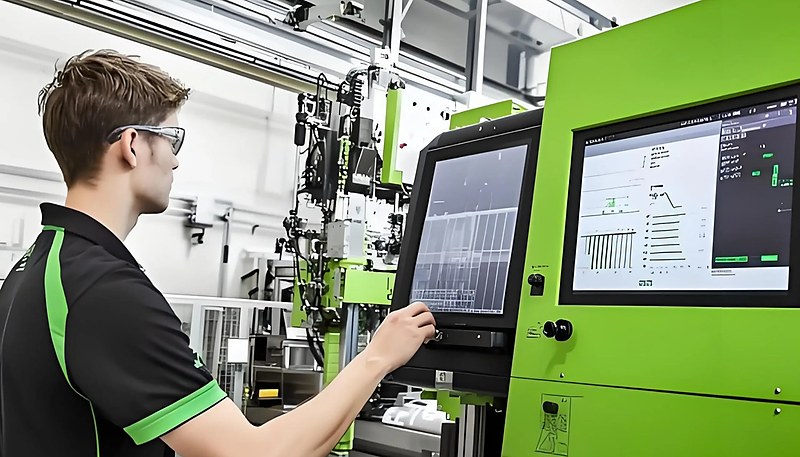
Valutare le condizioni attuali della macchina: esaminare indicatori di prestazione quali tempo ciclo, tempi di fermo e tassi di difettosità. Le ispezioni periodiche possono individuare l’usura dei componenti critici 6 consigli di manutenzione per mantenere efficienti le presse a iniezione.
Eseguire un’analisi costi-benefici: confrontare i costi di manutenzione continuativa con il costo di una nuova macchina. Se i costi di riparazione superano il 50-60% del prezzo di una nuova macchina, la sostituzione è spesso più conveniente. Nuova pressa per stampaggio o riparazione di quella esistente.
Valutare i requisiti produttivi: assicurarsi che la macchina soddisfi la domanda attuale e futura, considerando fattori quali il volume di iniezione e la forza di chiusura3. 5 fattori da considerare nell’acquisto di macchinari per lo stampaggio a iniezione della plastica.
Considerare i progressi tecnologici: le nuove macchine possono offrire miglioramenti significativi, come sistemi servoazionati per il risparmio energetico. Panoramica delle presse a iniezione.
Lista di controllo per la sostituzione
Età e utilizzo della macchina: le macchine con oltre 10-15 anni, soprattutto se sottoposte a uso intensivo, possono presentare tempi di fermo maggiori.
Registri di manutenzione: una manutenzione inadeguata, ad esempio interventi irregolari, può ridurre la durata utile.
Metriche prestazionali: l’aumento dei tassi di difetto o l’allungamento dei tempi ciclo indicano una possibile necessità di sostituzione. Quando sostituire l’attrezzatura per lo stampaggio a iniezione.
Quali sono le alternative alla sostituzione di una pressa a iniezione?
Le alternative alla sostituzione di una pressa per stampaggio a iniezione comprendono le principali categorie e opzioni illustrate in questa sezione. Sebbene in alcuni casi la sostituzione sia necessaria, soluzioni quali il ricondizionamento o l’aggiornamento di componenti specifici possono prolungare la vita utile della macchina e migliorarne le prestazioni senza l’esborso di capitale richiesto da un nuovo acquisto. Conoscere queste opzioni è particolarmente importante per i produttori di piccole e medie dimensioni, che potrebbero non disporre del budget necessario per una sostituzione completa ma devono comunque mantenere capacità produttive competitive.
La ristrutturazione o l’aggiornamento di componenti come il sistema di controllo o l’unità di iniezione possono ritardare la sostituzione completa, consentendo di risparmiare sui costi e di migliorare l’efficienza.
Prima di decidere la sostituzione è essenziale un’analisi completa del costo totale di proprietà (TCO). Il TCO comprende prezzo d’acquisto, installazione, formazione degli operatori, consumo energetico durante la vita prevista, manutenzione stimata e dismissione finale. In molti casi una macchina apparentemente meno costosa può costare molto di più su 10 anni, considerando inefficienza energetica e maggiori difetti. Produttori esperti come ZetarMold, certificati ISO 9001 e ISO 13485, applicano rigorosi modelli TCO quando consigliano i clienti sulle attrezzature di capitale.
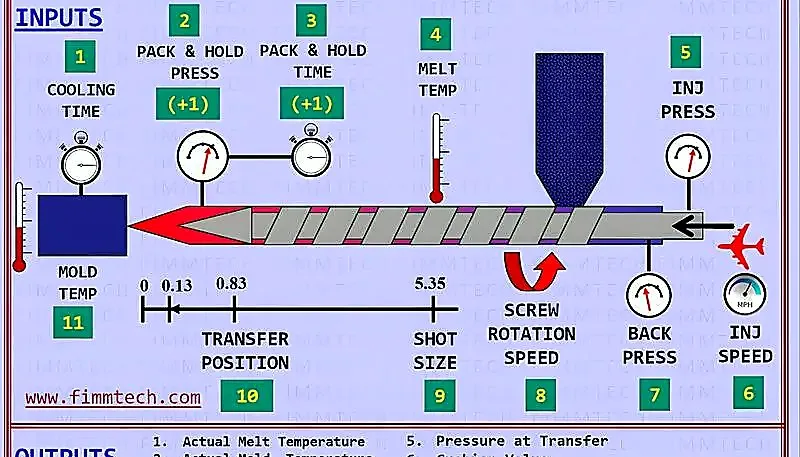
L’aggiornamento di sottosistemi specifici è spesso la soluzione più conveniente quando la struttura principale della macchina, ossia colonne, piani e telaio, rimane integra. Gli interventi comuni comprendono la sostituzione dei vecchi controlli a relè con moderni sistemi PLC, l’installazione di unità di iniezione servoassistite per migliorare l’uniformità tra le iniezioni e l’aggiunta di sensori di monitoraggio in tempo reale per la manutenzione predittiva. Questi investimenti mirati possono offrire il 70–80% dell’incremento prestazionale di una macchina nuova al 20–30% del costo.
Alternative alla sostituzione completa
Ricondizionamento: la revisione di componenti usurati come cilindri, viti o sistemi idraulici può ripristinare le prestazioni a un costo inferiore rispetto alla sostituzione.
Aggiornamento tecnologico: l’aggiunta di funzioni moderne, come azionamenti a basso consumo energetico o controlli avanzati, può aumentare l’efficienza senza sostituire l’intera macchina.
Passaggio a processi alternativi: per applicazioni specifiche, processi come lo stampaggio a compressione o l’estrusione possono essere alternative praticabili, sebbene possano non essere adatti a tutte le esigenze produttive.
"Un programma di sostituzione pianificato riduce le interruzioni della produzione."True
La forza applicata dall'unità di serraggio di una macchina per lo stampaggio a iniezione per mantenere lo stampo chiuso durante il processo di iniezione, misurata in tonnellate o kilonewton.
"Ricondizionare una pressa a iniezione è sempre più economico che sostituirla."False
Il ricondizionamento può essere inizialmente più economico, ma quando la macchina è prossima alla fine della vita utile potrebbe non risolvere i problemi di precisione del controllo, consumo energetico, ripetibilità o disponibilità dei ricambi.
Quali pratiche di manutenzione possono ritardare la sostituzione della macchina?
La manutenzione proattiva è il metodo più efficace per prolungare la vita utile di una pressa a iniezione. Nella nostra fabbrica non attendiamo il guasto dei componenti: attuiamo una manutenzione preventiva e predittiva strutturata su qualità dell’olio, usura di vite e cilindro, prestazioni dei riscaldatori, allineamento delle colonne e deriva del sistema di controllo.
Secondo i parametri di riferimento del settore forniti dalla Society of Plastics Engineers, un programma di manutenzione preventiva ben progettato può prolungare la vita della macchina di 5–10 anni e ridurre i tempi di fermo non programmati fino al 50%.
Le principali pratiche di manutenzione includono: programmare analisi regolari dell’olio dei sistemi idraulici per rilevare tempestivamente la contaminazione; ispezionare il cilindro della macchina per stampaggio a iniezione a vite prima che le tolleranze dimensionali si discostino; calibrare trimestralmente i regolatori di temperatura e i trasduttori di pressione; mantenere registri di assistenza completi per individuare schemi di guasto ricorrenti. Gli stabilimenti dotati di sistemi di gestione della sicurezza ISO 45001 spesso integrano la manutenzione delle attrezzature nel più ampio quadro di tutela della salute sul lavoro.
La manutenzione predittiva compie un ulteriore passo utilizzando sensori di vibrazione, termografia e analisi del tempo ciclo per prevedere i guasti prima che si verifichino. I moderni kit di retrofit consentono di dotare le macchine più vecchie di sensori IoT a costi relativamente contenuti, trasformando una cultura di manutenzione reattiva in una predittiva basata sui dati. Questo approccio è particolarmente utile per le macchine che lavorano materiali abrasivi o corrosivi, nei quali l’usura dei componenti è accelerata.
Domande frequenti
Quanti anni dura una pressa a iniezione?
La maggior parte delle presse a iniezione dura da 10 a 15 anni in normali condizioni operative. Negli ambienti di produzione intensiva 24/7 le macchine possono usurarsi in 5–10 anni, mentre quelle ben mantenute e utilizzate moderatamente possono durare 20 anni o più. I fattori principali sono l’intensità d’uso, la qualità della manutenzione e i tipi di materiali lavorati. Le macchine che lavorano resine abrasive rinforzate con fibra di vetro subiscono un’usura più rapida di cilindro e vite; quelle che lavorano semplici plastiche di largo consumo tendono invece a durare più a lungo se vengono applicati programmi corretti di manutenzione preventiva e ispezioni regolari.
Quando devo sostituire la mia pressa a iniezione?
Dovresti valutare la sostituzione della pressa a iniezione quando i costi annuali di manutenzione superano il 50-60% del prezzo di acquisto di una macchina nuova, quando i tempi ciclo aumentano sensibilmente, quando il tasso di difetti supera le soglie accettabili o quando la macchina non riesce più a soddisfare i requisiti di volume produttivo. Si raccomanda un’analisi formale costi-benefici. Inoltre, se la macchina utilizza controlli obsoleti a relè privi di capacità diagnostiche, il passaggio a una macchina moderna con controlli PLC e monitoraggio IoT può offrire notevoli incrementi di produttività.
È meglio riparare o sostituire una macchina di stampaggio a iniezione?
La decisione dipende da un’analisi approfondita di costi e benefici. Se le riparazioni sono limitate e la macchina soddisfa ancora le esigenze produttive, ripararla è più economico. Tuttavia, quando i costi cumulativi delle riparazioni si avvicinano al prezzo di una macchina nuova, oppure quando una tecnologia più recente offre guadagni di efficienza rilevanti, come un risparmio energetico dal 30 al 60 percento con i modelli elettrici, la sostituzione diventa il migliore investimento a lungo termine. Nella valutazione occorre considerare anche il costo opportunità dei fermi imprevisti dovuti alle riparazioni frequenti. La consulenza di specialisti esperti in macchinari può aiutare a quantificare con precisione questi compromessi.
Quanto costa una nuova pressa a iniezione?
I prezzi delle presse a iniezione variano notevolmente in base al tonnellaggio, al tipo e alle caratteristiche. Le piccole presse idrauliche da 50 a 100 tonnellate possono costare da 15.000 a 40.000 USD, quelle di fascia media da 200 a 500 tonnellate da 50.000 a 200.000 USD e le grandi presse ad alta precisione oltre 1.000 tonnellate possono superare 500.000 USD. Le presse elettriche costano in genere dal 20 al 30% in più rispetto alle equivalenti idrauliche, ma offrono risparmio energetico e maggiore precisione. Le macchine usate e ricondizionate sono disponibili al 40–60% del prezzo del nuovo.
Come posso prolungare la vita della mia pressa a iniezione?
La manutenzione preventiva regolare è la strategia più efficace per prolungare la vita utile della macchina. Programmare analisi periodiche dell’olio degli impianti idraulici per rilevare tempestivamente la contaminazione, ispezionare cilindri e viti ogni 6-12 mesi per verificarne l’usura, calibrare trimestralmente i regolatori di temperatura e i trasduttori di pressione e sostituire le guarnizioni prima che si verifichino guasti catastrofici. L’implementazione della manutenzione predittiva con sensori di vibrazione e monitoraggio del tempo ciclo consente di rilevare i problemi in evoluzione prima che provochino fermi non pianificati. La conservazione di registri di assistenza completi aiuta a identificare gli schemi di guasto ricorrenti e supporta le richieste in garanzia.
Quali segnali indicano che una pressa a iniezione deve essere sostituita?
Tra i principali segnali di allarme vi sono tempi ciclo in costante aumento, tassi crescenti di difetti o scarti, frequenti fermi non pianificati, difficoltà nel reperire ricambi per modelli obsoleti e consumi energetici in aumento rispetto al valore di riferimento. Si possono inoltre notare rumori eccessivi dovuti a cuscinetti usurati, perdite d’olio da guarnizioni idrauliche deteriorate o pesi stampata incoerenti che compromettono la qualità dei pezzi. Se la macchina mostra simultaneamente tre o più di questi segnali, la sostituzione deve essere valutata seriamente mediante un’analisi strutturata del costo totale di proprietà, con il contributo di specialisti esperti delle attrezzature.
Le presse a iniezione elettriche sono migliori di quelle idrauliche?
Le macchine elettriche offrono un’efficienza energetica superiore, con risparmi dal 30 al 60%, maggiore precisione con ripetibilità da stampata a stampata entro lo 0.1%, funzionamento più pulito senza rischio di contaminazione da olio idraulico e livelli di rumorosità inferiori rispetto alle macchine idrauliche. Tuttavia, le macchine idrauliche eccellono ancora nelle applicazioni ad alto tonnellaggio, oltre 1000 tonnellate, e in genere hanno un costo iniziale inferiore. La scelta migliore dipende dai requisiti specifici di produzione, dai vincoli di budget e dal fatto che il risparmio energetico giustifichi l’investimento iniziale più elevato nel periodo di ammortamento previsto di 5–10 anni.
Come prendere la decisione corretta sulla sostituzione della pressa a iniezione?
Le macchine per stampaggio a iniezione vengono generalmente sostituite ogni 10-15 anni, ma l’intervallo può variare in base all’utilizzo, alla manutenzione e ai progressi tecnologici. I responsabili decisionali devono valutare le condizioni della macchina, i costi cumulativi di manutenzione e l’evoluzione delle esigenze produttive per determinare il momento ottimale per la sostituzione. Una manutenzione preventiva regolare può prolungare la vita utile di una macchina di 5-10 anni, mentre gli aggiornamenti tecnologici possono giustificare una sostituzione anticipata per ottenere maggiore efficienza. Per una panoramica completa dell’intero processo, consulta la nostra Guida completa allo stampaggio a iniezione.
Consulta questa risorsa per scoprire come prolungare durata ed efficienza delle presse a iniezione, garantendo una produzione ottimale. ↩
Comprendere questi fattori può aiutare a decidere consapevolmente quando sostituire le macchine, ottimizzando produzione e costi. ↩
Scoprite i vantaggi di questi materiali nei processi produttivi e approfondite la selezione dei materiali per lo stampaggio a iniezione. ↩
Consultate questo link per comprendere le sfide e le soluzioni specifiche nella produzione mediante stampaggio a iniezione ad alto volume. ↩
Scoprite i più recenti progressi nella tecnologia dello stampaggio a iniezione in grado di migliorare efficienza e precisione. ↩
Scoprite come una manutenzione corretta possa prolungare sensibilmente la vita delle presse a iniezione e migliorarne le prestazioni. ↩
Comprendere l’analisi costi-benefici è fondamentale per prendere decisioni informate sulla sostituzione delle attrezzature e garantire l’efficienza finanziaria. ↩
Conoscere i vantaggi della ricondizionatura può offrire alternative convenienti alla sostituzione, prolungando la vita della macchina e migliorandone le prestazioni. ↩
Esplorare i progressi più recenti può aiutare a scegliere macchine che aumentino l’efficienza e riducano i costi, mantenendo competitiva la produzione. ↩
Che stiate valutando quando sostituire una singola macchina o pianificando l’aggiornamento dell’intero parco, l’accesso a un supporto tecnico esperto fa la differenza tra un errore costoso e un investimento strategico. Il team di ZetarMold, composto da 8 ingegneri senior e supportato da oltre 20 anni di esperienza nello stampaggio a iniezione e nell’attrezzaggio, può aiutarvi a valutare le apparecchiature attuali e consigliare il percorso più conveniente.
Serve un preventivo per il tuo progetto di stampaggio a iniezione?
Richiedi prezzi competitivi, feedback DFM e tempistiche di produzione al team tecnico di ZetarMold.
Richiedete un preventivo gratuito →
macchina per stampaggio a iniezione: una macchina per stampaggio a iniezione è un dispositivo produttivo che realizza pezzi in plastica iniettando materiale fuso ad alta pressione nella cavità di uno stampo. ↩
manutenzione predittiva: la manutenzione predittiva è una strategia che utilizza dati dei sensori e analisi per prevedere i guasti delle attrezzature prima che si verifichino, riducendo i fermi non pianificati. ↩
forza di chiusura: la forza esercitata dall'unità di chiusura di una macchina per stampaggio a iniezione per mantenere chiuso lo stampo durante il processo di iniezione, misurata in tonnellate o kilonewton. ↩