Las máquinas de moldeo por inyección son la columna vertebral de la fabricación moderna, permitiendo la producción eficiente de piezas plásticas complejas en industrias como la automotriz, médica y de bienes de consumo. Sin embargo, saber cuándo reemplazar estas máquinas es fundamental para mantener la eficiencia de producción, la calidad de las piezas y la rentabilidad. Esta guía explora los factores que influyen en el ciclo de reemplazo de las máquinas de moldeo por inyección, ofreciendo información a los tomadores de decisiones sobre cómo equilibrar el rendimiento, el mantenimiento y los avances tecnológicos.
Las máquinas de moldeo por inyección suelen sustituirse cada 10 ó 15 años, en función del uso y el mantenimiento. Un uso intensivo puede acortar este periodo a 5-10 años, mientras que las máquinas bien mantenidas pueden durar hasta 20 años.
Determinar cuándo sustituir una máquina de moldeo por inyección1 exige evaluar cuidadosamente factores como el estado de la máquina, los costes de mantenimiento y la evolución de las necesidades de producción. Analice a continuación las consideraciones clave para tomar decisiones informadas sobre sus operaciones de fabricación.
- Las máquinas de moldeo por inyección suelen durar 10-15 años; el uso intensivo reduce esto a 5-10 años.
- Cuando los costes de mantenimiento superan el 50–60% del precio de una máquina nueva, es el momento de sustituirla.
- El mantenimiento predictivo y las inspecciones regulares pueden extender la vida útil de la máquina hasta 20 años.
- Las máquinas eléctricas modernas ofrecen un ahorro de energía del 30-60% sobre los modelos hidráulicos más antiguos.
- Un análisis estructurado de costo-beneficio debe guiar cada decisión de reemplazo.
Esta guía cubre la evaluación del ciclo de vida completo de las máquinas de moldeo por inyección, desde comprender las expectativas de vida útil de referencia e identificar signos de advertencia de degradación, hasta evaluar las compensaciones de costo-beneficio y explorar alternativas al reemplazo total. Ya sea que gestione una sola prensa o supervise una flota de 47 máquinas como nuestra instalación en Shanghái, el marco de decisión descrito aquí le ayudará a tomar decisiones de reemplazo basadas en datos.
"Las máquinas de moldeo por inyección son esenciales para la producción de gran volumen."True
Permiten una producción eficaz y uniforme de piezas complejas, lo que las hace indispensables en la fabricación.
"Sustituir una máquina de moldeo por inyección siempre genera un ahorro de costes inmediato."False
Aunque las máquinas nuevas pueden ser más eficientes, la inversión inicial y el tiempo de inactividad pueden compensar el ahorro inmediato.
¿Qué es una máquina de moldeo por inyección y cómo funciona?
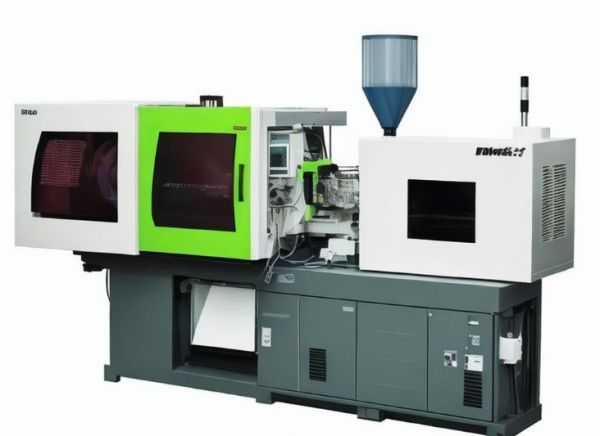
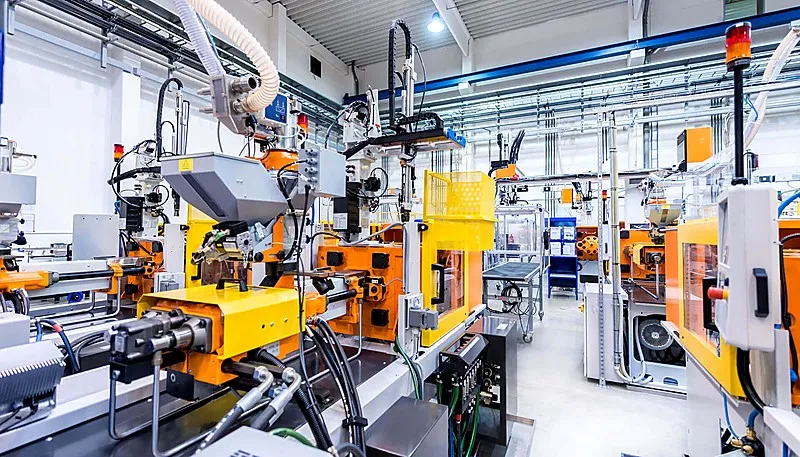
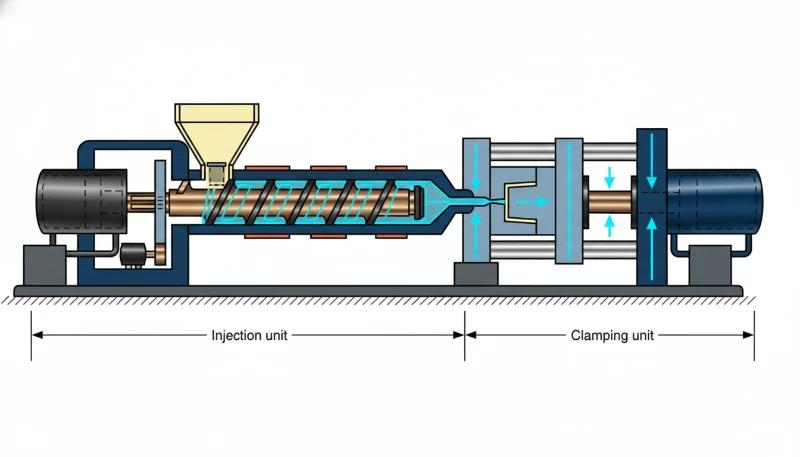
Qué es una máquina de moldeo por inyección y cómo funciona queda definido por la función, las restricciones y las concesiones explicadas en esta sección. Una máquina de moldeo por inyección, también llamada prensa de inyección, es un equipo de fabricación que produce piezas de plástico inyectando material fundido en un molde de inyección. Consta de dos unidades principales: la unidad de inyección, que funde e inyecta el material, y la unidad de cierre, que mantiene el molde en su sitio. El proceso consiste en calentar gránulos de plástico, inyectar el plástico fundido a alta presión en la cavidad del molde, enfriarlo hasta que solidifique y expulsar la pieza terminada.
Las máquinas de moldeo por inyección se utilizan principalmente con termoplásticos como polietileno y polipropileno, así como con polímeros termoestables, lo que las hace versátiles para diversas industrias.
| Componente | Función |
|---|---|
| Unidad de inyección | Funde e inyecta plástico en el molde |
| Unidad de sujeción | Mantiene el molde cerrado durante la inyección |
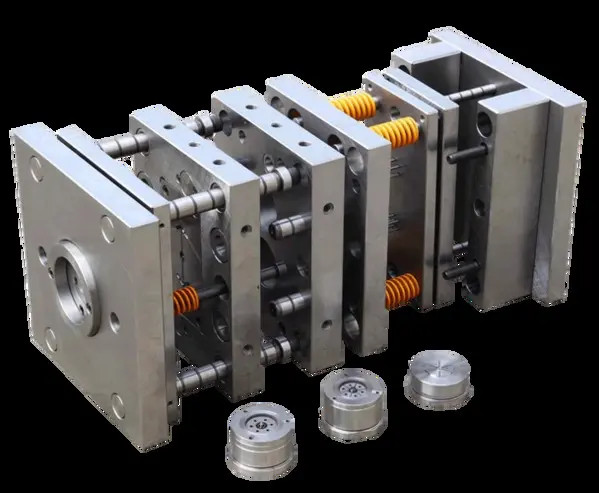
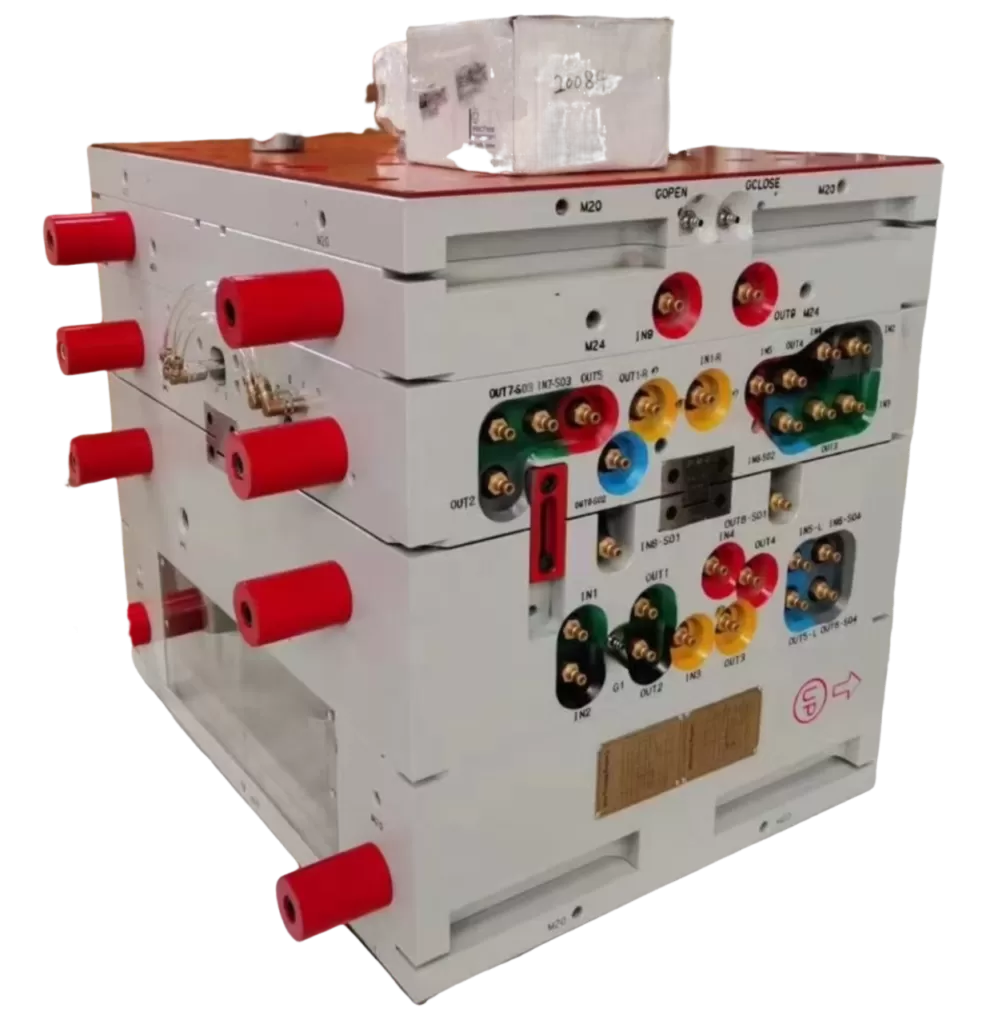
| Moho | Da forma a la pieza deseada con el plástico fundido |
Clasificación de las máquinas de moldeo por inyección
Perspectiva del proceso: El proceso de moldeo por inyección implica un control preciso de la temperatura, la presión y el enfriamiento para producir piezas de alta calidad.
Perspectiva de Materiales: Las máquinas están diseñadas para manejar termoplásticos y polímeros termoestables, cada uno requiere configuraciones específicas para un rendimiento óptimo.
Perspectiva de aplicación: Se utilizan en industrias como la automotriz (por ejemplo, tableros), médica (por ejemplo, jeringas) y bienes de consumo (por ejemplo, juguetes), cada una con demandas de producción únicas.
"Las máquinas de moldeo por inyección nuevas siempre ofrecen una mayor eficiencia energética."True
Las máquinas modernas, especialmente los modelos eléctricos, consumen menos energía que los antiguos sistemas hidráulicos.
"El moldeo por inyección solo es adecuado para termoplásticos."False
Aunque se suele utilizar con termoplásticos, el moldeo por inyección también puede procesar polímeros termoestables con la configuración de máquina adecuada.
¿Cuándo debe plantearse sustituir una máquina de moldeo por inyección?
Esta sección trata sobre cuándo conviene sustituir una máquina de moldeo por inyección y cómo afecta esa decisión al coste, la calidad, los plazos o el riesgo de abastecimiento. Sustituya la máquina cuando el tiempo de inactividad, el coste de reparación, el consumo energético o la pérdida de calidad superen el valor de mantenerla en servicio. Según nuestra experiencia, la mayoría de las revisiones para sustitución comienzan cuando las máquinas tienen entre 10 y 15 años, pero el verdadero desencadenante es el deterioro del rendimiento: aumento de los rechazos, tiempo de producción del moldeo por inyección inestable, fallos hidráulicos repetidos o controles que ya no permiten cumplir los requisitos de calidad actuales.
Las máquinas utilizadas en la producción de grandes volúmenes, como en la automoción o el envasado, suelen requerir una sustitución cada 10-15 años debido al desgaste, mientras que las actualizaciones tecnológicas pueden provocar una sustitución más temprana para aumentar la eficiencia.
Escenarios de aplicación típicos para la sustitución
Producción de Alto Volumen: Industrias como la automotriz y el embalaje pueden necesitar reemplazar máquinas con más frecuencia para mantener la producción y la calidad, especialmente bajo operación 24/7.
Actualizaciones Tecnológicas: Las empresas pueden reemplazar máquinas para adoptar modelos energéticamente eficientes (por ejemplo, eléctricas frente a hidráulicas) o controles avanzados para una mejor precisión Tendencias del Moldeo por Inyección en 2023.
Gestión de Costos: Cuando los costos de mantenimiento superan el 50-60% del costo de una máquina nueva, el reemplazo se vuelve más económico Nueva Máquina de Moldeo vs. Reparar Moldeo Existente.
Ventajas e inconvenientes de sustituir una máquina de moldeo por inyección
Pros de la sustitución:-
Mayor eficacia: Las nuevas máquinas reducen la duración de los ciclos y el consumo de energía.
-
Mayor calidad del producto: Las máquinas modernas ofrecen mayor precisión y reducen los defectos.
-
Acceso a las tecnologías más recientes: funciones como la supervisión basada en IA optimizan el mantenimiento predictivo2 de las máquinas de moldeo por inyección.
- Inversión inicial elevada: Las máquinas nuevas pueden costar entre decenas y cientos de miles de dólares.
Interrupción de la producción: La sustitución de una máquina puede detener temporalmente las operaciones.
Desperdicio potencial: Las máquinas antiguas aún pueden tener valor si se reacondicionan ¿Cuál es la norma industrial para la vida útil de una máquina de moldeo?
En comparación con otras alternativas como la impresión 3D, el moldeo por inyección sigue siendo la mejor opción para la producción de grandes volúmenes, pero requiere una cuidadosa consideración de los plazos de sustitución para evitar costes innecesarios.
"El mantenimiento periódico puede prolongar la vida útil de una máquina de moldeo por inyección."True
Un cuidado adecuado, como inspecciones periódicas y reparaciones a tiempo, puede prolongar considerablemente la vida útil de una máquina.
"La impresión 3D está sustituyendo al moldeo por inyección en todos los sectores."False
Aunque la impresión 3D está creciendo, el moldeo por inyección sigue siendo dominante para la producción uniforme de grandes volúmenes.
¿Qué factores influyen en la vida útil de una máquina de moldeo por inyección?
La vida útil de una máquina de moldeo por inyección está influenciada por la intensidad de uso, la calidad del mantenimiento y la compatibilidad de materiales. Comprender estos factores ayuda en la planificación del reemplazo y en la construcción de pronósticos realistas de gastos de capital. Una máquina que procesa piezas simples de polipropileno tendrá un perfil de desgaste muy diferente al de una que trabaja con nailon relleno de vidrio o resina PEEK de alta temperatura.
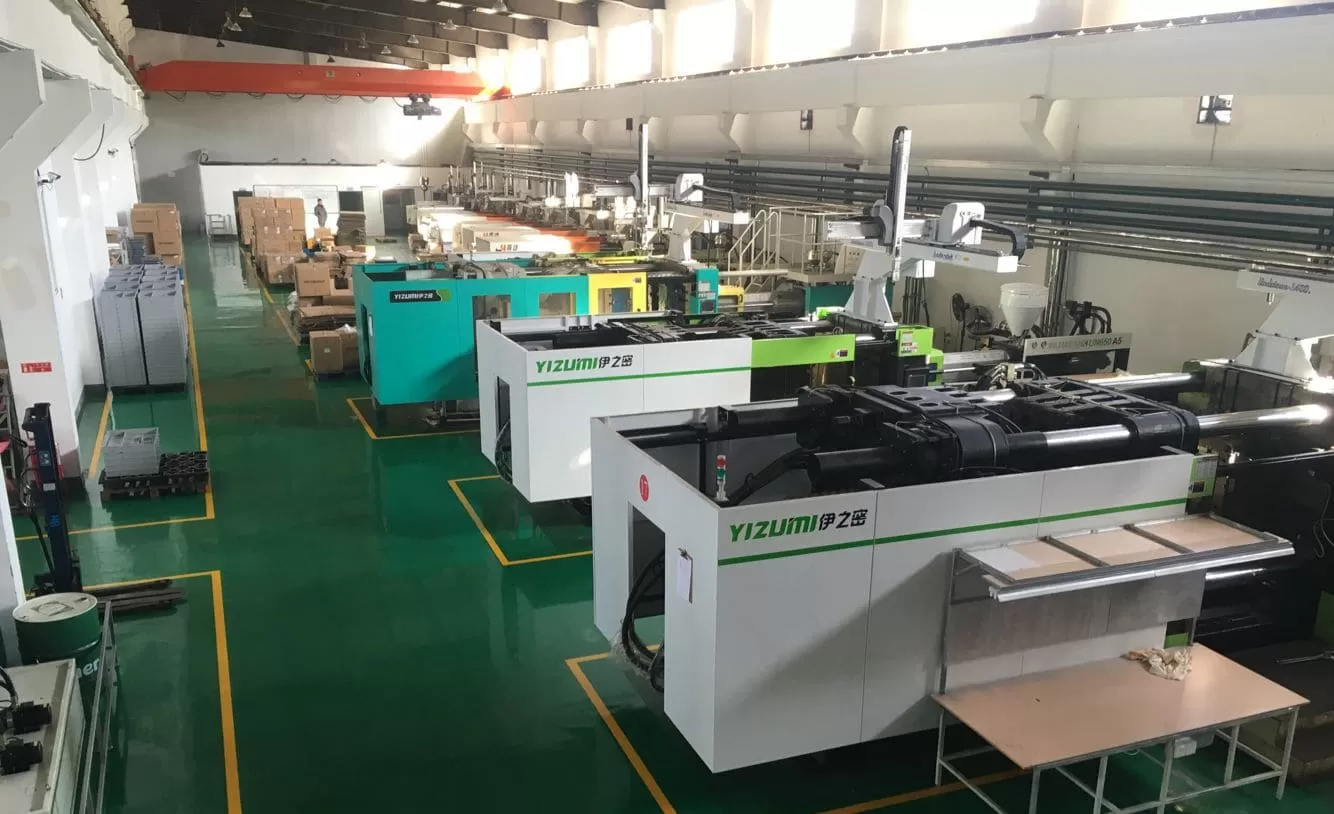
En nuestra fábrica de Shanghái, operamos 47 máquinas de moldeo por inyección que van desde 90T hasta 1850T. En más de 20 años de operación, hemos aprendido que las máquinas que procesan resinas abrasivas con vidrio necesitan reemplazos de cañón y tornillo aproximadamente cada 3-5 años, mientras que las máquinas de propósito general pueden funcionar más de 15 años con programas adecuados de mantenimiento preventivo.
Un uso intensivo y un mantenimiento deficiente pueden reducir la vida útil de una máquina a 5-10 años, mientras que las máquinas bien mantenidas pueden durar hasta 20 años o más.
Factores clave que afectan a la vida útil de las máquinas
Intensidad de Uso: Las máquinas que funcionan las 24 horas en producción de alto volumen se desgastan más rápido que las utilizadas intermitentemente.
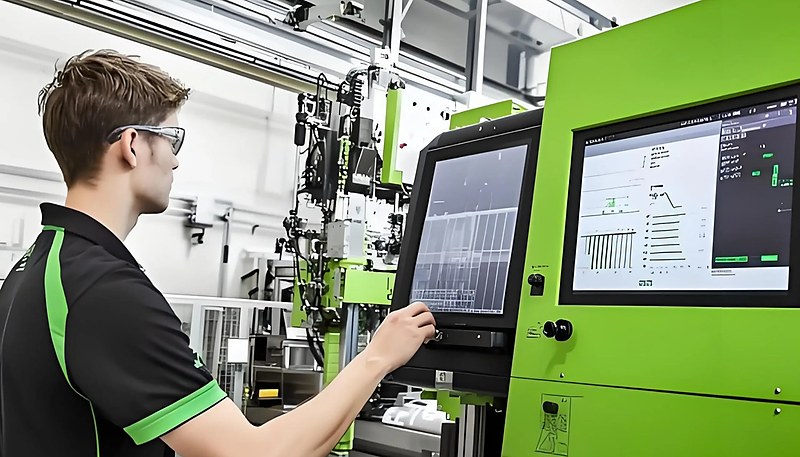
Calidad del mantenimiento: El mantenimiento regular, como el análisis de aceite y las inspecciones de componentes, puede extender la vida útil de la máquina. Principales consejos de mantenimiento para mejorar el rendimiento de la máquina de moldeo.
Compatibilidad de materiales: Materiales abrasivos como los plásticos rellenos de vidrio aceleran el desgaste de componentes como cilindros y tornillos, acortando la vida útil. ¿Cuánto tiempo pueden durar generalmente las máquinas de moldeo por inyección?
Tabla: Vida útil estimada en función del uso y el mantenimiento
| Nivel de uso | Calidad del mantenimiento | Vida útil estimada (años) |
|---|---|---|
| Pesado (24/7) | Pobre | 5-10 |
| Pesado (24/7) | Bien | 10-15 |
| Moderado | Pobre | 8-12 |
| Moderado | Bien | 15-20 |
| Luz | Bien | 20+ |
"Todas las máquinas de moldeo por inyección tienen la misma vida útil con independencia de su uso."True
La vida útil varía en función de factores como la intensidad de uso y la calidad del mantenimiento.
"El análisis coste-beneficio es el único factor para decidir la sustitución de una máquina."False
Aunque son importantes, también influyen otros factores como las necesidades de producción y los avances tecnológicos.
¿Cómo decidir cuándo sustituir una máquina de moldeo por inyección?
Decida el reemplazo comparando el costo de reparación, el tiempo de inactividad, el riesgo de calidad y la capacidad futura con una máquina nueva o reacondicionada. Nuestro equipo comienza con la condición de la máquina, el historial de mantenimiento, la tendencia del tiempo de ciclo, el historial de defectos, el consumo de energía y la demanda de producción futura, luego convierte esas entradas en una decisión de reemplazo versus reacondicionamiento.
Las decisiones de sustitución deben basarse en un análisis de costes y beneficios, las métricas de rendimiento de la máquina y los requisitos de producción futuros; se recomienda consultar a un experto para obtener asesoramiento adaptado. Para adquirir equipos nuevos, consulte nuestra guía de búsqueda de proveedores de moldeo por inyección.
Etapas del proceso de toma de decisiones
Evaluar el Estado Actual de la Máquina: Evalúe métricas de rendimiento como el tiempo de ciclo, el tiempo de inactividad y las tasas de defectos. Las inspecciones regulares pueden identificar el desgaste en componentes críticos 6 Consejos de Mantenimiento para Mantener Saludables sus Máquinas de Moldeo por Inyección.
Realice un Análisis de Costo-Beneficio: Compare los costos de mantenimiento continuo con el costo de una máquina nueva. Si los costos de reparación superan el 50-60% del precio de una máquina nueva, el reemplazo suele ser más económico Nueva Máquina de Moldeo vs. Reparar Moldeo Existente.
Evalúe los requisitos de producción: asegúrese de que la máquina satisfaga la demanda actual y futura, teniendo en cuenta factores como el volumen de inyección y la fuerza de cierre3. 5 factores que debe considerar al comprar maquinaria de moldeo por inyección de plástico.
Considere los avances tecnológicos: Las máquinas nuevas pueden ofrecer mejoras significativas, como sistemas servoaccionados para ahorro de energía. Máquinas de moldeo por inyección de un vistazo.
Lista de comprobación del diseño para la sustitución
Edad y Uso de la Máquina: Las máquinas con más de 10-15 años, especialmente bajo uso intensivo, pueden mostrar un mayor tiempo de inactividad.
Registros de Mantenimiento: Un historial de mantenimiento deficiente, como un servicio irregular, puede acortar la vida útil.
Métricas de Rendimiento: El aumento de las tasas de defectos o los tiempos de ciclo más largos indican posibles necesidades de reemplazo Cuándo Reemplazar la Herramienta de Moldeo por Inyección.
¿Cuáles son las alternativas a la sustitución de una máquina de moldeo por inyección?
Las alternativas a sustituir una máquina de moldeo por inyección son las categorías principales explicadas aquí. Aunque a veces es necesario reemplazarla, reacondicionarla o actualizar componentes específicos puede prolongar su vida y mejorar el rendimiento sin la inversión de una compra nueva. Comprender estas opciones es especialmente importante para fabricantes pequeños y medianos sin presupuesto para una sustitución completa que aún deben mantener una producción competitiva.
El reacondicionamiento o la actualización de componentes como el sistema de control o la unidad de inyección pueden retrasar la sustitución completa, lo que supone un ahorro de costes y una mejora de la eficiencia.
Es esencial realizar un análisis exhaustivo del coste total de propiedad (TCO) antes de comprometerse con una sustitución. El TCO no solo incluye el precio de compra, sino también los costes de instalación, la formación de los operarios, el consumo energético durante la vida útil prevista de la máquina, los gastos de mantenimiento proyectados y los costes finales de retirada. En muchos casos, una máquina que parece más barata sobre el papel puede costar considerablemente más a lo largo de un periodo de 10 años al tener en cuenta la ineficiencia energética y las mayores tasas de defectos. Fabricantes experimentados como ZetarMold, con certificaciones ISO 9001 e ISO 13485, aplican marcos TCO rigurosos al asesorar a sus clientes sobre decisiones relativas a bienes de equipo.
Actualizar subsistemas específicos suele ser la vía más rentable cuando la estructura principal de la máquina —barras de unión, platinas y bastidor— sigue en buen estado. Los objetivos de actualización habituales incluyen sustituir los controles antiguos basados en relés por sistemas PLC modernos, instalar unidades de inyección servoaccionadas para mejorar la uniformidad entre ciclos y añadir sensores de supervisión en tiempo real para posibilitar el mantenimiento predictivo. Estas inversiones específicas pueden proporcionar el 70–80% de las mejoras de rendimiento de una máquina nueva por el 20–30% de su coste.
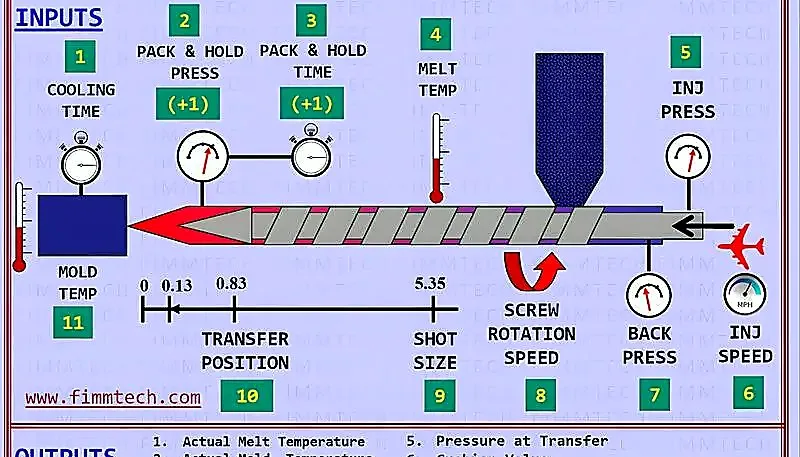
Alternativas a la sustitución completa
Renovación: La revisión de componentes desgastados como cilindros, tornillos o sistemas hidráulicos puede restaurar el rendimiento a un costo menor que el reemplazo.
Actualización tecnológica: Agregar características modernas como accionamientos energéticamente eficientes o controles avanzados puede mejorar la eficiencia sin reemplazar toda la máquina.
Cambiar a Procesos Alternativos: Para aplicaciones específicas, procesos como el moldeo por compresión o la extrusión pueden ser alternativas viables, aunque pueden no satisfacer todas las necesidades de producción.
"Un programa de sustitución planificado reduce las interrupciones de la producción."True
Los equipos que revisan el tiempo de inactividad, la disponibilidad de repuestos, el tiempo de validación y la demanda estacional antes de una falla pueden presupuestar ventanas de reemplazo sin interrupciones urgentes de la producción.
"Reacondicionar una máquina de moldeo por inyección siempre es más económico que sustituirla."False
La renovación puede ser más barata al principio, pero puede no resolver problemas de precisión de control, uso de energía, repetibilidad o riesgos de repuestos cuando la máquina está cerca del fin de su vida útil.
¿Qué prácticas de mantenimiento pueden retrasar el reemplazo de la máquina?
El mantenimiento proactivo es la forma única más efectiva de extender la vida útil de una máquina de moldeo por inyección. En nuestra fábrica, en lugar de esperar a que fallen los componentes, implementamos mantenimiento preventivo y predictivo estructurado centrado en la calidad del aceite, el desgaste del tornillo/cañón, el rendimiento del calentador, la alineación de las barras de conexión y la deriva del sistema de control.
Un programa de mantenimiento preventivo bien diseñado puede extender la vida útil de la máquina de 5 a 10 años y reducir el tiempo de inactividad no planificado hasta en un 50%, según los puntos de referencia de la industria de la Sociedad de Ingenieros de Plásticos.
Entre las prácticas de mantenimiento esenciales se incluyen programar análisis periódicos del aceite de los sistemas hidráulicos para detectar pronto la contaminación; inspeccionar el cilindro de la máquina de moldeo por inyección de tornillo antes de que se desvíen las tolerancias dimensionales; calibrar trimestralmente los controladores de temperatura y los transductores de presión; y mantener historiales de servicio completos para identificar patrones de fallo recurrentes. Las instalaciones con sistemas de gestión de la seguridad ISO 45001 suelen integrar el mantenimiento de los equipos en su marco general de salud laboral.
El mantenimiento predictivo lleva esto más allá al usar sensores de vibración, imágenes térmicas y análisis de tiempo de ciclo para predecir fallas antes de que ocurran. Los kits de modernización modernos permiten equipar máquinas antiguas con sensores IoT a un costo relativamente bajo, transformando una cultura de mantenimiento reactivo en una predictiva basada en datos. Este enfoque es particularmente valioso para máquinas que procesan materiales abrasivos o corrosivos, donde las tasas de desgaste de los componentes se aceleran.
Preguntas frecuentes
¿Cuántos años dura una máquina de moldeo por inyección?
La mayoría de las máquinas de moldeo por inyección duran de 10 a 15 años en condiciones normales de operación. Los entornos de producción pesada las 24 horas del día, los 7 días de la semana pueden ver que las máquinas se desgasten en 5 a 10 años, mientras que las máquinas bien mantenidas en entornos de uso moderado pueden durar 20 años o más. Los factores clave son la intensidad de uso, la calidad del mantenimiento y los tipos de materiales procesados. Las máquinas que procesan resinas abrasivas con vidrio experimentan un desgaste más rápido del cañón y del tornillo, mientras que aquellas que procesan plásticos comunes simples tienden a durar más con programas de mantenimiento preventivo adecuados e inspecciones regulares.
¿Cuándo debo reemplazar mi máquina de moldeo por inyección?
Debería considerar reemplazar su máquina de moldeo por inyección cuando los costos anuales de mantenimiento superen el 50 al 60 por ciento del precio de compra de una máquina nueva, cuando los tiempos de ciclo aumenten notablemente, cuando las tasas de defectos superen los umbrales aceptables, o cuando la máquina ya no pueda cumplir con sus requisitos de volumen de producción. Se recomienda un análisis formal de costo-beneficio. Además, si su máquina utiliza controles obsoletos basados en relés que carecen de capacidades de diagnóstico, actualizar a una máquina moderna con controles PLC y monitoreo IoT puede generar ganancias sustanciales de productividad.
¿Es mejor reparar o reemplazar una máquina de moldeo por inyección?
La decisión depende de un análisis exhaustivo de costo-beneficio. Si las reparaciones son menores y la máquina aún satisface las necesidades de producción, reparar es más económico. Sin embargo, cuando los costos acumulados de reparación se acercan al precio de una máquina nueva, o cuando tecnologías más nuevas ofrecen ganancias significativas de eficiencia, como ahorros de energía del 30 al 60 por ciento con modelos eléctricos, el reemplazo se convierte en la mejor inversión a largo plazo. Considere también el costo de oportunidad del tiempo de inactividad no planificado durante reparaciones frecuentes al realizar esta evaluación. Consultar con especialistas en equipos experimentados puede ayudar a cuantificar estas compensaciones con precisión.
¿Cuál es el costo de una nueva máquina de moldeo por inyección?
Los precios de las máquinas de moldeo por inyección varían ampliamente según la tonelada, el tipo y las características. Las máquinas hidráulicas pequeñas de 50 a 100 toneladas pueden costar entre 15.000 y 40.000 USD, las máquinas de rango medio de 200 a 500 toneladas oscilan entre 50.000 y 200.000 USD, y las máquinas grandes de alta precisión por encima de 1000 toneladas pueden superar los 500.000 USD. Las máquinas eléctricas suelen costar entre un 20 y un 30 por ciento más que sus equivalentes hidráulicas, pero ofrecen ahorro energético y mayor precisión. Las máquinas usadas y reacondicionadas están disponibles entre el 40 y el 60 por ciento del precio de las nuevas.
¿Cómo puedo extender la vida útil de mi máquina de moldeo por inyección?
El mantenimiento preventivo regular es la estrategia única más efectiva para extender la vida útil de la máquina. Programe análisis rutinarios de aceite para sistemas hidráulicos para detectar contaminación temprano, inspeccione cañones y tornillos por desgaste cada 6 a 12 meses, calibre controladores de temperatura y transductores de presión trimestralmente, y reemplace sellos antes de que fallen catastróficamente. Implementar mantenimiento predictivo con sensores de vibración y monitoreo del tiempo de ciclo puede detectar problemas en desarrollo antes de que causen tiempo de inactividad no planificado. Mantener registros de servicio completos ayuda a identificar patrones de falla recurrentes y respalda las reclamaciones de garantía.
¿Cuáles son las señales de que una máquina de moldeo por inyección necesita reemplazo?
Las señales de advertencia clave incluyen tiempos de ciclo en aumento constante, tasas crecientes de defectos o rechazos, eventos frecuentes de tiempo de inactividad no planificado, dificultad para obtener repuestos para modelos obsoletos y aumento del consumo de energía en comparación con la línea base. También puede notar ruido excesivo de rodamientos desgastados, fugas de aceite de sellos hidráulicos degradados o pesos de inyección inconsistentes que afectan la calidad de las piezas. Si su máquina muestra tres o más de estas señales simultáneamente, se debe evaluar seriamente el reemplazo utilizando un marco estructurado de análisis de costo total de propiedad con aportes de especialistas en equipos experimentados.
¿Son mejores las máquinas de moldeo por inyección eléctricas que las hidráulicas?
Las máquinas eléctricas ofrecen una eficiencia energética superior con ahorros del 30 al 60 por ciento, mayor precisión con repetibilidad de disparo a disparo dentro del 0,1 por ciento, funcionamiento más limpio sin riesgo de contaminación por aceite hidráulico y niveles de ruido más bajos en comparación con las máquinas hidráulicas. Sin embargo, las máquinas hidráulicas aún sobresalen en aplicaciones de alto tonelaje por encima de las 1000 toneladas y suelen ser menos costosas inicialmente. La mejor elección depende de sus requisitos de producción específicos, limitaciones presupuestarias y de si los ahorros de energía justifican la mayor inversión inicial durante el período de recuperación esperado de 5 a 10 años.
¿Cómo tomar la decisión correcta de reemplazo para su máquina de moldeo por inyección?
Las máquinas de moldeo por inyección suelen sustituirse cada 10 a 15 años, aunque este plazo puede variar según el uso, el mantenimiento y los avances tecnológicos. Los responsables deben evaluar el estado de la máquina, los costes acumulados de mantenimiento y la evolución de las necesidades de producción para determinar el momento óptimo de sustitución. Un mantenimiento preventivo periódico puede prolongar la vida útil de una máquina entre 5 y 10 años, mientras que las mejoras tecnológicas pueden justificar una sustitución más temprana para ganar eficiencia. Para obtener una visión completa de todo el proceso, consulte nuestra guía completa del moldeo por inyección.
Explore este recurso para aprender cómo extender la vida útil y la eficiencia de las máquinas de moldeo por inyección, asegurando una producción óptima. ↩
Comprender estos factores puede ayudarle a tomar decisiones informadas sobre cuándo reemplazar sus máquinas, optimizando la producción y los costos. ↩
Descubra los beneficios de estos materiales en los procesos de fabricación, mejorando su conocimiento sobre la selección de materiales para el moldeo por inyección. ↩
Explore este enlace para comprender los desafíos y soluciones específicos en la producción de moldeo por inyección de alto volumen. ↩
Descubra los últimos avances en tecnología de moldeo por inyección que pueden mejorar la eficiencia y la precisión. ↩
Aprenda cómo un mantenimiento adecuado puede extender significativamente la vida útil de sus máquinas de moldeo por inyección y mejorar su rendimiento. ↩
Comprender el análisis costo-beneficio es crucial para tomar decisiones informadas sobre el reemplazo de equipos, asegurando la eficiencia financiera. ↩
Aprender sobre los beneficios de la renovación puede proporcionar alternativas rentables al reemplazo, extendiendo la vida útil de la máquina y mejorando su rendimiento. ↩
Explorar los últimos avances puede ayudarte a elegir máquinas que mejoren la eficiencia y reduzcan costos, manteniendo tu producción competitiva. ↩
Tanto si evalúa cuándo sustituir una sola máquina como si planifica la actualización de toda una flota, disponer de apoyo de ingeniería experimentado marca la diferencia entre un error costoso y una inversión estratégica. El equipo de ZetarMold, formado por 8 ingenieros sénior y respaldado por más de 20 años de experiencia en moldeo por inyección y utillaje, puede ayudarle a evaluar sus equipos actuales y recomendar el camino más rentable.
¿Necesita un presupuesto para su proyecto de moldeo por inyección?
Obtenga precios competitivos, comentarios de DFM y un calendario de producción del equipo de ingeniería de ZetarMold.
Solicite un presupuesto gratuito →
máquina de moldeo por inyección: dispositivo de fabricación que produce piezas de plástico inyectando material fundido a alta presión en la cavidad de un molde. ↩
mantenimiento predictivo: estrategia de mantenimiento que utiliza datos de sensores y análisis para predecir fallos de los equipos antes de que ocurran, reduciendo así las paradas imprevistas. ↩
fuerza de cierre: fuerza que aplica la unidad de cierre de una máquina de moldeo por inyección para mantener cerrado el molde durante la inyección, medida en toneladas o kilonewtons. ↩