Injection molding machines are the backbone of modern manufacturing, enabling the efficient production of complex plastic parts across industries like automotive, medical, and consumer goods. However, knowing when to replace these machines is critical for maintaining production efficiency, part quality, and cost-effectiveness. This guide explores the factors that influence the replacement cycle of injection molding machines, offering insights for decision-makers on how to balance performance, maintenance, and technological advancements.
사출 성형기는 일반적으로 사용량과 유지 보수에 따라 10~15년마다 교체합니다. 사용량이 많으면 5~10년으로 단축될 수 있으며, 잘 관리된 기계는 최대 20년까지 사용할 수 있습니다.
Understanding when to replace an 사출 성형기1 requires a careful evaluation of factors like machine condition, maintenance costs, and evolving production needs. Explore the key considerations below to make informed decisions for your manufacturing operations.
- Injection molding machines typically last 10–15 years; heavy use shortens this to 5–10 years.
- Rising maintenance costs above 50–60% of a new machine’s price signal it is time to replace.
- Predictive maintenance and regular inspections can extend machine life up to 20 years.
- Modern electric machines offer 30–60% energy savings over older hydraulic models.
- A structured cost-benefit analysis should guide every replacement decision.
This guide covers the full lifecycle assessment of injection molding machines—from understanding baseline lifespan expectations and identifying warning signs of degradation, to evaluating cost-benefit tradeoffs and exploring alternatives to outright replacement. Whether you manage a single press or oversee a fleet of 47 machines like our Shanghai facility, the decision framework outlined here will help you make data-driven replacement decisions.
“Injection molding machines are essential for high-volume production.”True
복잡한 부품을 효율적이고 균일하게 생산할 수 있어 제조업에서 없어서는 안 될 필수 요소입니다.
“Replacing an injection molding machine always leads to immediate cost savings.”False
새 기계가 더 효율적일 수 있지만 초기 투자 비용과 다운타임으로 인해 즉각적인 비용 절감 효과가 상쇄될 수 있습니다.
사출 성형기란 무엇이며 어떻게 작동하나요?
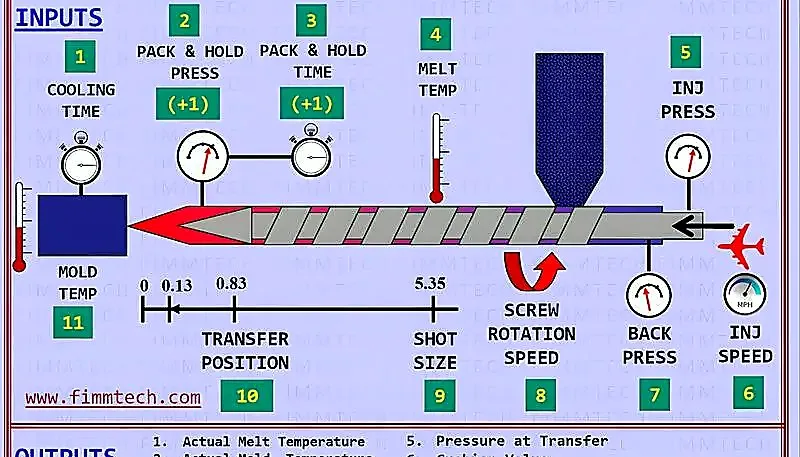
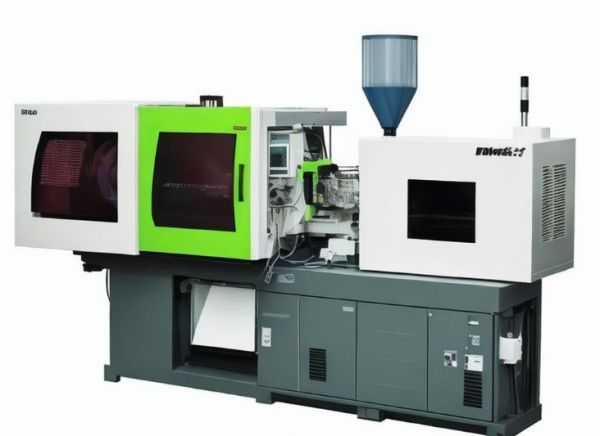
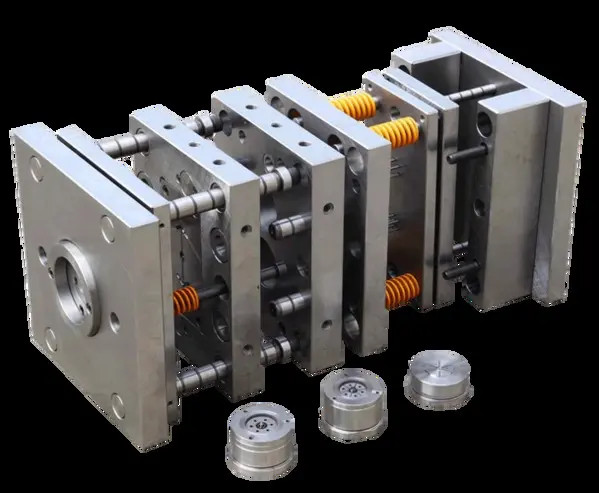
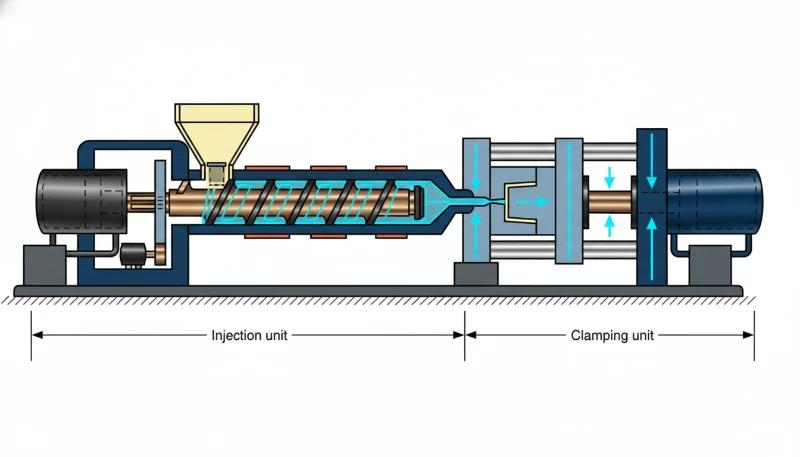
An injection molding machine and how does it work is defined by the function, constraints, and tradeoffs explained in this section. An injection molding machine, also known as an injection press, is a manufacturing device that produces plastic parts by injecting molten material into a 사출 금형. It consists of two main units: the injection unit, which melts and injects the material, and the clamping unit, which holds the mold in place. The process involves heating plastic pellets, injecting the molten plastic under high pressure into a mold cavity, cooling it to solidify, and ejecting the finished part.
Injection molding machines are primarily used with thermoplastics like polyethylene and polypropylene, as well as thermosetting polymers, making them versatile for various industries.
| 구성 요소 | 기능 |
|---|---|
| 주입 장치 | 플라스틱을 녹여 금형에 주입 |
| 클램핑 유닛 | 사출 중 금형 폐쇄 유지 |
| 곰팡이 | 녹은 플라스틱을 원하는 부분으로 성형합니다. |
사출 성형기의 분류
Process Perspective: The injection molding process involves precise control of temperature, pressure, and cooling to produce high-quality parts.
Material Perspective: Machines are designed to handle thermoplastics and thermosetting polymers, each requiring specific settings for optimal performance.
Application Perspective: Used across industries like automotive (e.g., dashboards), medical (e.g., syringes), and consumer goods (e.g., toys), each with unique production demands.
“New injection molding machines always offer better energy efficiency.”True
최신 기계, 특히 전기 모델은 구형 유압 시스템에 비해 에너지 소비가 적습니다.
“Injection molding is only suitable for thermoplastics.”False
일반적으로 열가소성 플라스틱에 사용되지만 사출 성형은 올바른 기계 설정으로 열경화성 폴리머도 가공할 수 있습니다.
사출 성형기 교체는 언제 고려해야 할까요?
This section is about consider replacing an injection molding machine and its impact on cost, quality, timing, or sourcing risk. Replace an injection molding machine when downtime, repair cost, energy use, or quality loss outweigh the value of keeping it running. In our experience, most replacement reviews start when machines are 10-15 years old, but the real trigger is performance drift: rising scrap, unstable 사출 성형 생산 시간, repeated hydraulic failures, or controls that can no longer support current quality requirements.
자동차나 포장 등 대량 생산에 사용되는 기계는 마모로 인해 10~15년마다 교체해야 하는 경우가 많으며, 기술 업그레이드로 인해 효율성을 높이기 위해 더 일찍 교체해야 할 수도 있습니다.
교체를 위한 일반적인 애플리케이션 시나리오
High-Volume Production: Industries like automotive and packaging may need to replace machines more frequently to maintain output and quality, especially under 24/7 operation.
Technological Upgrades: Companies may replace machines to adopt energy-efficient models (e.g., electric vs. hydraulic) or advanced controls for better precision Injection Molding Trends in 2023.
Cost Management: When maintenance costs exceed 50-60% of the cost of a new machine, replacement becomes more economical New Molding Machine vs. Repair Existing Molding.
사출 성형기 교체 시 장단점
교체의 장점:
-
효율성 향상: 새로운 기계는 사이클 타임과 에너지 소비를 줄여줍니다.
-
향상된 제품 품질: 최신 기계는 더 나은 정밀도를 제공하고 결함을 줄입니다.
-
Access to latest technologies: Features like AI-driven monitoring optimize production predictive maintenance2 for Injection Molding Machines.
교체 시 단점:
- 높은 초기 투자 비용: 새 기계는 수만에서 수십만 달러의 비용이 들 수 있습니다.
생산 중단: 기계를 교체하면 일시적으로 운영이 중단될 수 있습니다.
잠재적 낭비: 구형 기계도 리퍼브하면 여전히 가치가 있을 수 있습니다. 성형기 수명에 대한 업계 표준은 무엇인가요?
3D 프린팅과 같은 대안에 비해 사출 성형은 여전히 대량 생산에 적합하지만, 불필요한 비용을 피하기 위해 교체 시기를 신중하게 고려해야 합니다.
“Regular maintenance can extend the lifespan of an injection molding machine.”True
정기적인 점검과 적시에 수리하는 등 적절한 관리를 통해 기계의 수명을 크게 연장할 수 있습니다.
“Injection molding is being replaced by 3D printing in all industries.”False
3D 프린팅이 성장하고 있지만, 대량 균일 생산에는 여전히 사출 성형이 주류를 이루고 있습니다.
사출 성형기의 수명에 영향을 미치는 요인은 무엇일까요?
The lifespan of an injection molding machine is influenced by usage intensity, maintenance quality, and material compatibility. Understanding these factors helps in planning for replacement and building realistic capital expenditure forecasts. A machine that processes simple polypropylene parts will have a very different wear profile from one running glass-filled nylon or high-temperature PEEK resin.
In our Shanghai factory, we run 47 injection molding machines ranging from 90T to 1850T. Over 20+ years of operation, we have learned that machines processing abrasive glass-filled resins need barrel and screw replacements roughly every 3–5 years, while general-purpose machines can run 15+ years with proper preventive maintenance schedules.
사용량이 많고 유지보수가 제대로 이루어지지 않으면 기계의 수명이 5~10년으로 줄어들 수 있지만, 잘 관리된 기계는 최대 20년 이상 사용할 수 있습니다.
기계 수명에 영향을 미치는 주요 요인
Usage Intensity: Machines running 24/7 in high-volume production wear out faster than those used intermittently.
Maintenance Quality: Regular maintenance, such as oil analysis and component inspections, can extend machine life Top Maintenance Tips to Boost Molding Machine Performance.
Material Compatibility: Abrasive materials like glass-filled plastics accelerate wear on components like barrels and screws, shortening lifespan How long can injection molding machines generally last?
표: 표: 사용 및 유지 관리에 따른 예상 수명
| 사용 수준 | 유지 관리 품질 | 예상 수명(년) |
|---|---|---|
| 헤비(24/7) | Poor | 5-10 |
| 헤비(24/7) | Good | 10-15 |
| 보통 | Poor | 8-12 |
| 보통 | Good | 15-20 |
| 빛 | Good | 20+ |
“All injection molding machines have the same lifespan regardless of usage.”True
수명은 사용 강도 및 유지 관리 품질과 같은 요인에 따라 달라집니다.
“Cost-benefit analysis is the only factor in deciding machine replacement.”False
생산 요구 사항이나 기술 발전과 같은 다른 요소도 중요하지만, 이 역시 중요한 역할을 합니다.
사출 성형기의 교체 시기는 어떻게 결정하나요?
Decide replacement by comparing repair cost, downtime, quality risk, and future capacity against a new or refurbished machine. Our team starts with the machine condition, maintenance history, cycle-time trend, defect history, energy consumption, and upcoming production demand, then converts those inputs into a replacement-versus-refurbishment decision.
Replacement decisions should be based on cost-benefit analysis, machine performance metrics, and future production requirements, with expert consultation recommended for tailored advice. For sourcing new equipment, see our injection molding supplier sourcing guide.
의사 결정 과정의 단계
Assess Current Machine Condition: Evaluate performance metrics like cycle time, downtime, and defect rates. Regular inspections can identify wear on critical components 6 Maintenance Tips to Keep Your Injection Molding Machines Healthy.
Conduct Cost-Benefit Analysis: Compare ongoing maintenance costs with the cost of a new machine. If repair costs exceed 50-60% of a new machine’s price, replacement is often more economical New Molding Machine vs. Repair Existing Molding.
Evaluate Production Requirements: Ensure the machine meets current and future demand, considering factors like shot size and 클램핑 력3 5 Factors to Consider When Buying Plastic Injection Molding Machinery.
Consider Technological Advancements: New machines may offer significant improvements, such as servo-driven systems for energy savings Injection molding machines at a glance.
교체를 위한 설계 체크리스트
Machine Age and Usage: Machines over 10-15 years old, especially under heavy use, may show increased downtime.
Maintenance Records: Poor maintenance history, such as irregular servicing, can shorten lifespan.
Performance Metrics: Rising defect rates or longer cycle times indicate potential replacement needs When to Replace Injection Molding Tooling.
사출 성형기를 대체할 수 있는 대안은 무엇인가요?
The alternatives to replacing an injection molding machine are the main categories or options explained in this section. While replacement is sometimes necessary, alternatives like refurbishment or upgrading specific components can extend a machine’s life and improve performance without the capital outlay of a new purchase. Understanding these options is particularly important for small and medium-sized manufacturers who may not have the budget for a full replacement but still need to maintain competitive production capabilities.
제어 시스템이나 사출 장치와 같은 구성 요소를 리퍼브하거나 업그레이드하면 전체 교체를 지연시켜 비용을 절감하고 효율성을 개선할 수 있습니다.
A thorough total cost of ownership (TCO) analysis is essential before committing to replacement. TCO includes not just the purchase price but also installation costs, operator training, energy consumption over the machine’s expected life, projected maintenance expenses, and eventual decommissioning costs. In many cases, a machine that appears cheaper on paper can cost significantly more over a 10-year horizon when energy inefficiency and higher defect rates are factored in. Experienced manufacturers like ZetarMold, with ISO 9001 and ISO 13485 certifications, apply rigorous TCO frameworks when advising clients on capital equipment decisions.
Upgrading specific subsystems is often the most cost-effective path when the machine’s core structure—tie bars, platens, and frame—remains sound. Common upgrade targets include replacing legacy relay-based controls with modern PLC systems, installing servo-driven injection units for better shot-to-shot consistency, and adding real-time monitoring sensors for predictive maintenance capabilities. These targeted investments can deliver 70–80% of the performance gains of a new machine at 20–30% of the cost.

전체 교체에 대한 대안
Refurbishment: Overhauling worn components like barrels, screws, or hydraulic systems can restore performance at a lower cost than replacement.
Upgrading Technology: Adding modern features like energy-efficient drives or advanced controls can enhance efficiency without replacing the entire machine.
Switching to Alternative Processes: For specific applications, processes like compression molding or extrusion may be viable alternatives, though they may not suit all production needs.
“A planned replacement schedule reduces production disruption.”True
Teams that review downtime, spare parts availability, validation lead time, and seasonal demand before a failure can budget replacement windows without urgent production shutdowns.
“Refurbishing an injection molding machine is always cheaper than replacement.”False
Refurbishment can be cheaper at first, but it may not solve control accuracy, energy use, repeatability, or spare-parts risks when the machine is near end of life.
What Maintenance Practices Can Delay Machine Replacement?
Proactive maintenance is the single most effective way to extend the useful life of an injection molding machine. In our factory, rather than waiting for components to fail, we implement structured preventive and predictive maintenance around oil quality, screw/barrel wear, heater performance, tie-bar alignment, and control-system drift.
A well-designed preventive maintenance program can extend machine life by 5–10 years and reduce unplanned downtime by up to 50%, according to industry benchmarks from the Society of Plastics Engineers.
Key maintenance practices include: scheduling regular oil analysis for hydraulic systems to detect contamination early; inspecting the 스크류 사출 성형기 barrel before dimensional tolerances drift; calibrating temperature controllers and pressure transducers quarterly; and maintaining complete service records to identify recurring failure patterns. Facilities with ISO 45001 safety management systems often integrate equipment maintenance into their broader occupational health framework.
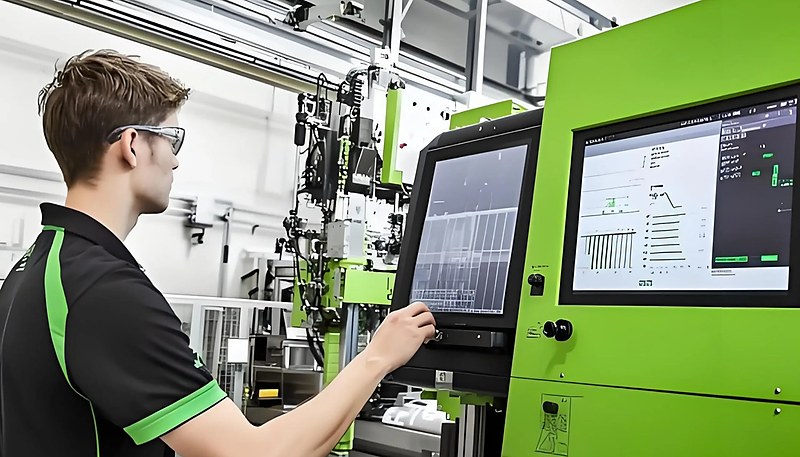
Predictive maintenance takes this further by using vibration sensors, thermal imaging, and cycle-time analytics to predict failures before they happen. Modern retrofit kits allow older machines to be equipped with IoT sensors at relatively low cost, transforming a reactive maintenance culture into a data-driven predictive one. This approach is particularly valuable for machines processing abrasive or corrosive materials, where component wear rates are accelerated.
자주 묻는 질문
How many years does an injection molding machine last?
Most injection molding machines last 10 to 15 years under normal operating conditions. Heavy-duty 24/7 production environments may see machines wear out in 5 to 10 years, while well-maintained machines in moderate-use settings can last 20 years or more. The key factors are usage intensity, maintenance quality, and the types of materials processed. Machines running abrasive glass-filled resins experience faster barrel and screw wear, while those processing simple commodity plastics tend to last longer with proper preventive maintenance schedules and regular inspections.
When should I replace my injection molding machine?
You should consider replacing your injection molding machine when annual maintenance costs exceed 50 to 60 percent of a new machine purchase price, when cycle times increase noticeably, when defect rates rise above acceptable thresholds, or when the machine can no longer meet your production volume requirements. A formal cost-benefit analysis is recommended. Additionally, if your machine uses outdated relay-based controls that lack diagnostic capabilities, upgrading to a modern machine with PLC controls and IoT monitoring can deliver substantial productivity gains.
Is it better to repair or replace an injection molding machine?
The decision depends on a thorough cost-benefit analysis. If repairs are minor and the machine still meets production needs, repairing is more economical. However, when cumulative repair costs approach the price of a new machine, or when newer technology offers significant efficiency gains such as 30 to 60 percent energy savings with electric models, replacement becomes the better long-term investment. Consider also the opportunity cost of unplanned downtime during frequent repairs when making this assessment. Consulting with experienced equipment specialists can help quantify these tradeoffs accurately.
What is the cost of a new injection molding machine?
Injection molding machine prices vary widely based on tonnage, type, and features. Small hydraulic machines from 50 to 100 tons may cost 15,000 to 40,000 USD, mid-range machines from 200 to 500 tons range from 50,000 to 200,000 USD, and large high-precision machines above 1000 tons can exceed 500,000 USD. Electric machines typically cost 20 to 30 percent more than hydraulic equivalents but offer energy savings and higher precision. Used and refurbished machines are available at 40 to 60 percent of new prices.
How can I extend the life of my injection molding machine?
Regular preventive maintenance is the single most effective strategy for extending machine life. Schedule routine oil analysis for hydraulic systems to detect contamination early, inspect barrels and screws for wear every 6 to 12 months, calibrate temperature controllers and pressure transducers quarterly, and replace seals before they fail catastrophically. Implementing predictive maintenance with vibration sensors and cycle-time monitoring can catch developing issues before they cause unplanned downtime. Maintaining complete service records helps identify recurring failure patterns and supports warranty claims.
What are the signs that an injection molding machine needs replacement?
Key warning signs include consistently rising cycle times, increasing defect or reject rates, frequent unplanned downtime events, difficulty sourcing spare parts for outdated models, and rising energy consumption compared to baseline. You may also notice excessive noise from worn bearings, oil leaks from degraded hydraulic seals, or inconsistent shot weights that affect part quality. If your machine shows three or more of these signs simultaneously, replacement should be seriously evaluated using a structured total cost of ownership analysis framework with input from experienced equipment specialists.
Are electric injection molding machines better than hydraulic ones?
Electric machines offer superior energy efficiency with 30 to 60 percent savings, higher precision with shot-to-shot repeatability within 0.1 percent, cleaner operation without hydraulic oil contamination risk, and lower noise levels compared to hydraulic machines. However, hydraulic machines still excel in high-tonnage applications above 1000 tons and are typically less expensive upfront. The best choice depends on your specific production requirements, budget constraints, and whether energy savings justify the higher initial investment over the expected 5 to 10 year payback period.
How to Make the Right Replacement Decision for Your Injection Molding Machine?
Injection molding machines are typically replaced every 10 to 15 years, but this can vary based on usage, maintenance, and technological advancements. Decision-makers should assess machine condition, cumulative maintenance costs, and evolving production needs to determine the optimal replacement time. Regular preventive maintenance can extend a machine’s lifespan by 5-10 years, while technological upgrades may justify earlier replacement for efficiency gains. For a comprehensive overview of the entire process, see our Injection Molding Complete Guide.
Explore this resource to learn how to extend the lifespan and efficiency of injection molding machines, ensuring optimal production. ↩
Understanding these factors can help you make informed decisions about when to replace your machines, optimizing production and costs. ↩
Discover the benefits of these materials in manufacturing processes, enhancing your knowledge of material selection for injection molding. ↩
Explore this link to understand the specific challenges and solutions in high-volume injection molding production. ↩
Discover the latest advancements in injection molding technology that can enhance efficiency and precision. ↩
Learn how proper maintenance can significantly extend the life of your injection molding machines and improve performance. ↩
Understanding cost-benefit analysis is crucial for making informed decisions about equipment replacement, ensuring financial efficiency. ↩
Learning about refurbishment benefits can provide cost-effective alternatives to replacement, extending machine life and improving performance. ↩
Exploring the latest advancements can help you choose machines that enhance efficiency and reduce costs, keeping your production competitive. ↩
Whether you are evaluating replacement timing for a single machine or planning a fleet-wide upgrade, having access to experienced engineering support makes the difference between a costly mistake and a strategic investment. ZetarMold’s team of 8 senior engineers, backed by 20+ years of injection molding and tooling experience, can help you assess your current equipment and recommend the most cost-effective path forward.
Need a Quote for Your Injection Molding Project?
Get competitive pricing, DFM feedback, and production timeline from ZetarMold’s engineering team.
Request a Free Quote →
-
사출 성형 기계: injection molding machine refers to a manufacturing device that produces plastic parts by injecting molten material into a mold cavity under high pressure. ↩
-
predictive maintenance: predictive maintenance refers to a maintenance strategy that uses sensor data and analytics to predict equipment failures before they occur, reducing unplanned downtime. ↩
-
clamping force: The force applied by the clamping unit of an injection molding machine to keep the mold closed during the injection process, measured in tons or kilonewtons. ↩