 Перейти к содержанию

вытягивание сердечника1 в литьё под давлением — это механизм пресс-формы, который отводит внутренние сердечники для освобождения деталей с поднутрениями, внутренними резьбами и боковыми отверстиями, которые невозможно сформировать при обычном направлении раскрытия формы. Без него производителям потребовались бы дорогостоящие дополнительные операции — или они просто не смогли бы производить многие сложные геометрии в больших объемах. По нашему опыту в ZetarMold, выдвижение сердечника — одна из трех главных особенностей пресс-формы, отличающих хороший дизайн формы от отличного.
- Механизмы вытягивания сердечника позволяют пресс-формам формировать поднутрения, боковые отверстия и внутреннюю резьбу, которые невозможно создать при обычном открытии формы
- Существует три основных типа: гидравлические, механические и пневматические — каждый подходит для различных требований к усилию и точности.
- Вытягивание сердечника добавляет 15-30% к стоимости пресс-формы, но часто полностью исключает вторичные механические операции
- Правильная синхронизация последовательности выдвижения сердечника критически важна для предотвращения дефектов детали и повреждения формы.
- Достаточные углы уклона и толщина стенок вокруг элементов с выдвижным сердечником значительно снижают процент брака
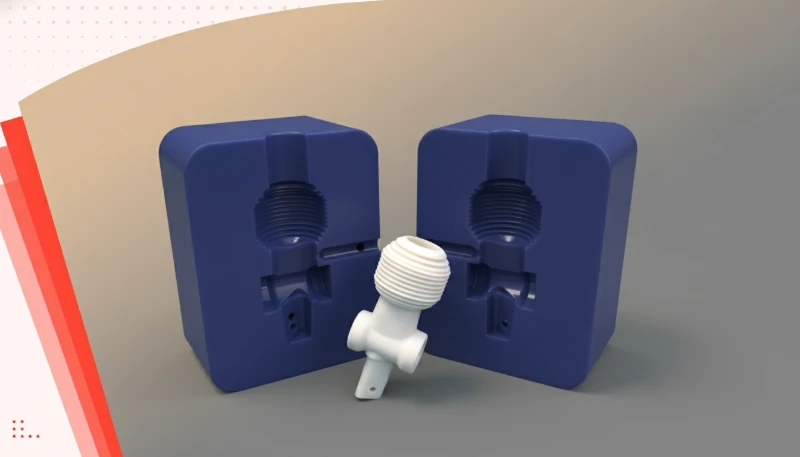
Что такое стержневая тяга в литье под давлением?
Вытягивание сердечника — это подвижный литьевая форма секция, которая отводится перед выталкиванием для освобождения поднутрений, внутренних резьб, боковых отверстий или углубленных пазов. Сердечник удерживается на месте во время впрыска, затем отводится до или во время раскрытия формы, чтобы деталь могла свободно извлекаться. На практике выдвижение сердечников приводится в действие гидравлическими цилиндрами, механический угловой штифт2s, или пневматические системы.
Выбор зависит от требуемого усилия, ограничений по времени цикла и геометрии детали. На нашем заводе в Шанхае мы регулярно создаем пресс-формы с до восьми независимых выдвижных сердечников на одном инструменте для автомобильных и медицинских компонентов.
На нашем заводе в Шанхае мы эксплуатируем 47 литьевых машин мощностью от 90 до 1850 тонн, что дает нам возможность использовать формы с выдвижным сердечником для широкого спектра размеров деталей и материалов.
Механизм выдвижения сердечника отличается от стандартной системы выталкивания. В то время как выталкиватели выталкивают деталь из формы после раскрытия, выдвижные сердечники втягивают внутренние формообразующие элементы до или во время раскрытия формы. Эта последовательность — сначала втягивание сердечника, затем раскрытие формы, затем выталкивание — позволяет создавать элементы с поднутрением без повреждения детали.
Вытягивание сердечника особенно распространено в автомобильных разъёмах, корпусах медицинских устройств, корпусах потребительской электроники и любых применениях, где внутренние защёлки, защёлкивающиеся соединения или резьбовые вставки отливаются непосредственно в деталь, а не добавляются в качестве вторичных операций.
Зачем используется выдвижение сердечника в литье под давлением?
Основная причина проста: стандартные пресс-формы для литья под давлением могут выпускать только детали, не имеющие элементов, перпендикулярных направлению раскрытия формы. Любой поднутрение, внутренняя резьба или боковое отверстие требуют механизма для отвода формирующей стали перед извлечением детали. Без выдвижения сердечника производители сталкиваются с тремя плохими альтернативами. Во-первых, перепроектировать деталь, чтобы устранить поднутрения, — что часто ухудшает функциональность. Во-вторых, добавить дополнительную механическую обработку для создания элемента после формования — что увеличивает стоимость, время и потенциальные вариации качества. В-третьих, использовать съемную вставку, которую оператор вручную устанавливает и извлекает каждый цикл — что резко замедляет производство и приводит к нестабильности. Выдвижение сердечника решает все три проблемы одновременно.
Элемент формуется на месте с высокой точностью, время цикла остается автоматизированным, и не требуется дополнительных операций. Для крупносерийного производства сложных деталей окупаемость оснастки с выдвижным сердечником обычно достигается в течение первых 10 000–50 000 циклов, в зависимости от сложности детали.
| Преимущество | Без выдвижения сердечника | С выдвижным сердечником |
|---|---|---|
| Внутренние резьбы | Дополнительная операция нарезки резьбы | Отформовано на месте, нулевые вторичные затраты |
| Боковые отверстия | Сверление после формования | Образуется во время цикла впрыска |
| Зажимы с поднутрением | Перепроектирование детали или использование съемной вставки | Автоматическое формование и извлечение |
| Цикличная согласованность | Ручная установка вставок варьируется | Полная автоматизация, воспроизводимые результаты |
| Tooling cost | Ниже начальная, выше стоимость на деталь | Выше начальная, ниже стоимость на деталь |
«Механизмы вытягивания сердечника позволяют литьевым пресс-формам производить детали с элементами, которые невозможны в стандартных двухплитных формах.»Правда
Верно. Выдвижные сердечники втягивают внутренние формообразующие элементы, позволяя создавать поднутрения, внутреннюю резьбу и боковые отверстия, которые невозможно извлечь при обычном направлении раскрытия формы.
«Выдвижение сердечника необходимо только для очень крупных литых деталей».Ложь
Неверно. Выдвижение сердечника используется для деталей всех размеров — от микролитых медицинских компонентов менее 5 мм до крупных автомобильных панелей. Решающий фактор — геометрия детали (поднутрения, резьбы, боковые отверстия), а не ее размер.
Какие типы механизмов выдвижения сердечника существуют в литье под давлением?
В литье под давлением существуют три основных метода активации выдвижения сердечника: гидравлический, механический и пневматический. Каждый из них имеет свои преимущества, и правильный выбор зависит от требований к усилию, ограничений по времени цикла, размера формы и соображений по обслуживанию. гидравлическое выдвижение сердечника3 — самый распространенный тип для средних и крупных пресс-форм и применений, требующих высокого усилия. Гидравлические цилиндры устанавливаются на пресс-форму и подключаются к гидравлической системе машины. Они обеспечивают высокое усилие отвода — обычно от 5 до 50+ тонн — что делает их идеальными для крупных сердечников, многогнездных пресс-форм и применений, где сердечник должен преодолеть значительное давление уплотнения перед отводом. Основные преимущества — высокая мощность усилия и точное управление скоростью.
Недостатки — возможная утечка масла (что критично в чистых помещениях), несколько более медленный отклик по сравнению с механическими системами и необходимость гидравлических линий, усложняющих установку формы.
«Выталкивающие механизмы могут исключить необходимость дополнительных операций обработки в большинстве деталей, литых под давлением.»Правда
Верно. Выталкиватель позволяет формировать такие элементы, как внутренние резьбы, боковые отверстия и поднутрения непосредственно во время цикла инжекции. Это исключает дорогостоящие дополнительные операции сверления, нарезания резьбы или фрезерования, снижая стоимость каждой детали и вариативность качества. В производственных условиях одна функция выталкивания может экономить $0.50-$5.00 на деталь по сравнению с пост-формовочной обработкой.
«Добавление выталкивателя в пресс-форму всегда значительно увеличивает время цикла.»Ложь
Неверно. Механические выталкивающие механизмы отводятся одновременно с открытием формы, не добавляя времени цикла. Гидравлические и пневматические системы добавляют 2-5 секунд за каждый выталкивающий механизм, что часто компенсируется дополнительными операциями, которые они исключают.
Механическое выдвижение сердечника использует угловые штифты (также называемые роговыми штифтами), подъемники или рычажные механизмы, которые приводятся движением открытия пресс-формы. Когда пресс-форма открывается, угловой штифт заставляет выталкивающий ползун двигаться боковым образом. Не требуется внешний источник питания — механизм самодействующий. Механические выталкиватели идеальны для небольших и средних пресс-форм с умеренной глубиной поднутрений (обычно менее 30 мм). Они надежны, требуют низкого обслуживания и не имеют штрафа по времени цикла, поскольку выталкиватель выталкивается одновременно с открытием пресс-формы. Однако расстояние выталкивания ограничено геометрией углового штифта, а усилие ограничено силой открытия пресс-формы.
Они также требуют точной механической обработки — плохо подогнанный угловой штифт быстро износится и создаст облой на детали. В нашей мастерской по изготовлению пресс-форм мы используем механическое выдвижение сердечника примерно в 40% наших пресс-форм — особенно для корпусов потребительской электроники и небольших автомобильных разъемов, где глубина поднутрения невелика, а скорость цикла критически важна.
Наша собственная производственная площадка для изготовления пресс-форм выпускает более 100 комплектов пресс-форм в месяц, включая многие с многоосевыми системами выталкивания, разработанными и изготовленными полностью в одном месте.
Пневматический выталкиватель использует сжатый воздух для активации небольших цилиндров, которые выталкивают выталкиватели. Пневматические системы чисты (без гидравлического масла), быстро действуют и относительно недороги. Они лучше всего подходят для применений с низким усилием — небольшие выталкиватели, тонкостенные элементы или микроформованные детали, где требуемое усилие выталкивания составляет менее 500 кг.
Ограничение — сила: сжатый воздух при обычном давлении в цехе (6–8 бар) не может создать силы отвода, необходимые для больших выталкивающих механизмов или ситуаций высокого давления уплотнения. Пневматические выталкивающие механизмы также чувствительны к колебаниям давления воздуха, которые могут вызывать непостоянное позиционирование выталкивающего механизма, если система воздуха в цехе не хорошо регулируется.
| Характеристика | Переход от гидравлических приводов к полностью электрическим и гибридным ускоряется во всем мире. Серводвигатели обеспечивают замкнутый контур управления положением, что означает, что машина точно знает, где находится винт в каждую миллисекунду хода впрыска. Это позволяет осуществлять научное формование — вы можете задать профиль скорости в 5–10 сегментах и достигать одной и той же кривой выстрел за выстрелом. Для массового производства медицинской и электронной продукции эта повторяемость не просто желательна; это требование нормативных документов. | Mechanical | Пневматический |
|---|---|---|---|
| Силовая способность | Высокий (5–50+ тонн) | Средняя (сила открытия пресс-формы) | Низкая (до 500 кг) |
| Скорость | Средний | Быстрая (совместно с открытием) | Быстрый |
| Чистота | Риск утечки масла | Чистый | Чистый |
| Техническое обслуживание | Уплотнения, шланги, цилиндры | Износ на угловых штифтах | Уплотнения, воздушные линии |
| Best for | Большие пресс-формы, высокое усилие | Малые и средние поднутрения | Микродетали, низкое усилие |
| Влияние на стоимость | Высокая (+25–40%) | Средняя (+15–25%) | Низкая (+10–15%) |
Как вытягивание сердечника влияет на конструкцию и стоимость пресс-формы?
Этот раздел касается того, как выталкивающий механизм влияет на дизайн и стоимость формы и его влияние на стоимость, качество, сроки или риски поставок. Выталкивающий механизм влияет на дизайн и стоимость формы добавлением подвижной стали, поверхностей запирания, зазора движения, компонентов износа и контроля последовательности. В сравнении с базовым этапы литья под давлением, форма с выталкивающим механизмом также должна проверять синхронизацию выталкивающего механизма, сопротивление боковой нагрузке, охлаждение вокруг скользящего механизма и доступ для обслуживания. Добавленная стоимость оправдана, когда она исключает дополнительную обработку или позволяет геометрии, которая не может быть отформована другим способом.
Выталкивающие механизмы создают внутреннюю сталь, которую трудно достичь стандартными охлаждающими каналами. В большинстве случаев используются вставки из бериллиевой меди или конформное охлаждение (через 3D-печатные вставки формы) для сохранения времени цикла. Без достаточного охлаждения вокруг выталкивающего механизма время цикла увеличивается на 20–40%. В отношении затрат, один гидравлический выталкивающий механизм обычно добавляет $2,000–$8,000 к стоимости формы, зависящей от размера и сложности. Полная многопозиционная система выталкивающих механизмов на сложной форме автомобильного соединителя может добавить $15,000–$40,000. Однако, когда учитываются исключённые дополнительные операции — которые могут стоить $0.50–$5.00 за деталь — период возврата обычно измеряется неделями для программ с большим объёмом.
«Механизмы выталкивания обычно добавляют 15-30% к стоимости базовой пресс-формы, но исключают дорогостоящие дополнительные операции.»Правда
Верно. Хотя первоначальные инвестиции в форму выше, исключение пост-формовочной обработки, нарезки или ручной установки вставок значительно снижает стоимость детали для производственных объёмов выше 10,000 единиц.
«Выталкивающие механизмы требуют значительно меньше обслуживания, чем стандартные формы.»Ложь
Неверно. Формы с выталкивающими механизмами фактически требуют больше обслуживания из-за поверхностей скольжения, гидравлических уплотнений и механизмов синхронизации. Заменяемые износостойкие пластины и плановый план обслуживания необходимы для постоянного качества производства.
Когда следует использовать выдвижение сердечника при литье под давлением?
Выталкивающий механизм полезен, когда деталь имеет подрезы, боковые отверстия, внутренние резьбы, байонетные элементы или защёлкивающиеся соединения, которые блокируют прямую выталкивание. Самые явные случаи использования — элементы, которые в противном случае требовали сверления, отвинчивания, ручных вставок или перепроектирования. Если дополнительная операция добавляет значительную стоимость или допуск элемента должен оставаться точным, выталкивающий механизм внутри формы обычно является лучшим производственным выбором.
Попытка добавить эти элементы путем сверления после формования возможна, но добавляет накопление допусков и увеличивает время цикла. Поднутрения для защелок и клипс. Потребительская электроника, медицинские устройства и интерьеры автомобилей часто используют защелкивающиеся элементы для сборки. Когда эти элементы являются внутренними (направленными внутрь), выдвижение сердечника — единственный способ отформовать их за один шаг. Многоматериальные детали или детали с вставками. При литье вокруг металлических вставок или электронных компонентов механизмы выдвижения сердечника могут удерживать вставку в точном положении во время впрыска и освобождать её, не нарушая отформованный материал.
Как правило, от нашей инженерной команды: если элемент добавляет более $0.10 на деталь в дополнительных затратах, или если позиционное допущение должно быть менее 0.1 мм, выталкиватель в пресс-форме почти всегда является правильным выбором.
С более чем 20-летним опытом работы с 400+ пластиковыми материалами, наша инженерная команда оценивает требования к выталкиванию во время обзора DFM, чтобы рекомендовать наиболее экономически эффективный механизм для каждого проекта.
Какие распространенные проблемы возникают с выдвижением сердечника при литье под давлением?
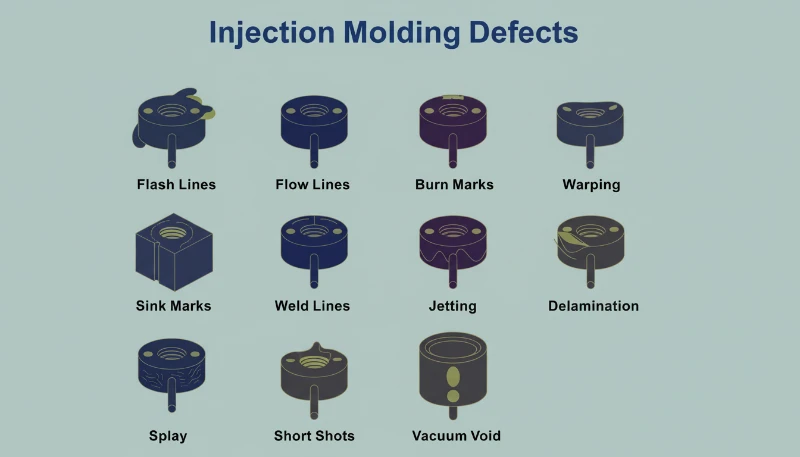
Механизмы выдвижения сердечника мощные, но они вносят режимы отказа, которых нет в стандартных пресс-формах. Понимание этих проблем заранее помогает при проектировании пресс-формы и настройке процесса. Перелив на линии разъёма. Самая распространенная дефект. Если выталкивающий ползун не фиксируется надежно относительно полости во время инжекции, высокое давление уплотнения заставляет материал попадать в зазор. Даже зазор 0.02 мм может создать видимый облой. Для предотвращения требуется точная обработка противоизносных плит, достаточная сила фиксации и регулярное обслуживание скользящих поверхностей. Преждевременный износ. Выталкивающие механизмы циклируются тысячи раз за производственный цикл. Поверхности скольжения — особенно на механических системах с угловыми штифтами — изнашиваются постепенно. При увеличении износа зазоры открываются и появляется перелив.
Упорные плиты из закаленной стали (HRC 50+) и регулярная смазка обязательны. В ZetarMold мы предусматриваем сменные упорные плиты на всех формах с выдвижным сердечником, чтобы обслуживание не требовало переточки основной плиты формы. Timing errors. The core must retract at the right moment in the mold opening sequence. If it retracts too early (while the material is still soft), the part deforms. If it retracts too late (after the mold has opened enough to stress the undercut), the part cracks or the core is damaged. Modern injection molding machines handle this with programmable core pull sequences, but older machines require careful mechanical timing with limit switches.
Inadequate cooling around cores. Core pull mechanisms occupy space that would normally be used for cooling channels. Poor cooling in the core area leads to extended cycle times, sink marks, and dimensional instability — especially on thick-wall sections adjacent to core-pulled features.
“Flash on core pull parting lines is the most common defect in core pull molds.”Правда
Correct. Even a 0.02mm clearance between the core slide and cavity can allow material to seep through under high packing pressure, producing visible flash that requires post-mold trimming.
“Core pull molds can ignore lubrication and wear planning because the side cores move only once per cycle.”Ложь
False. Core pull mechanisms create repeated sliding contact under load, so lubrication, wear plates, guide rails, and replaceable locking surfaces are essential. Ignoring wear planning increases flash risk, maintenance downtime, and long-term dimensional drift.
Как проектировать для выдвижения сердечника при литье под давлением?
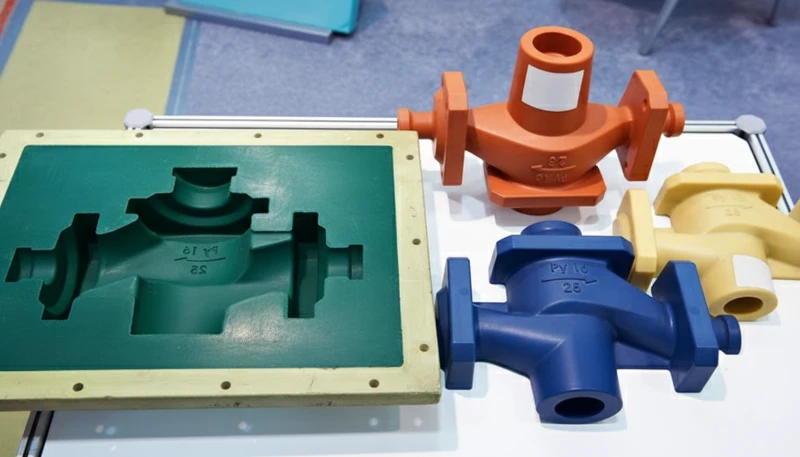
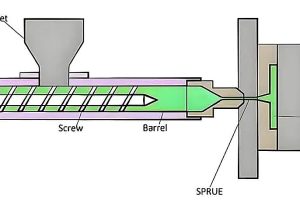
Good core pull design is planned during part design, not after the mold layout is almost finished. Engineers should confirm pull direction, stroke, shutoff angle, draft, cooling, and the available space around the винтовая литьевая машина setup before steel cutting. Early collaboration between product engineering and mold design prevents flash, galling, weak shutoffs, and slow cycle time.
This is especially important for textured or polished surfaces where the coefficient of friction is higher. Maintain uniform wall thickness. Core pulls create internal steel that displaces material flow. If the wall thickness around a core-pulled feature varies significantly, you will see sink marks on the cosmetic side. Design for uniform wall thickness or use ribs to compensate for thick sections. Plan for cooling access. During mold design, ensure that cooling channels can reach the core area. Baffles, bubblers, or heat pipes may be needed inside or adjacent to the core. Inadequate cooling is the number-one cause of cycle time penalties in core pull molds.
Specify replaceable wear components. Every core pull mold should have replaceable wear plates, guide rails, and locking blocks. These components will wear — that is expected. Making them replaceable turns a multi-day mold overhaul into a 2-hour maintenance swap. If you are working on injection molding supplier sourcing for a core pull project, make sure the DFM review specifically addresses core pull feasibility, wear planning, and cooling strategy before mold construction begins.
Часто задаваемые вопросы
What is the difference between core pull and lifters in injection molding?
Core pull and lifters both create undercut features, but they work differently. Core pulls retract linearly into the mold, making them ideal for deep undercuts, internal threads, and blind holes. Lifters pivot outward at an angle during ejection, which is better for shallow external undercuts. Core pulls handle deeper features but require more mold space and external actuation power. Lifters are more compact but limited in undercut depth and angle. In practice, many production molds combine both mechanisms to handle complex part geometries efficiently and minimize per-part cost.
How much does core pull add to mold cost?
Core pull typically adds 15-30% to the base mold cost. A single hydraulic core pull on a medium-size mold costs approximately $2,000-$8,000, while a full multi-axis system for a complex automotive connector can add $15,000-$40,000. This investment is offset by eliminating secondary operations that often cost $0.50-$5.00 per part. Payback typically occurs within 10,000-50,000 cycles for high-volume programs. Buyers should evaluate the total cost of ownership, including tooling amortization and per-part savings, rather than focusing solely on initial mold price.
Can core pull be used with all plastic materials?
Yes, core pull is compatible with all thermoplastic materials. However, the mechanism choice varies significantly by material. Glass-filled materials like PA6-GF30 generate higher packing pressures and require hydraulic core pulls with robust locking mechanisms to prevent flash. Soft, flexible materials like TPE or TPU may allow mechanical or pneumatic pulls since the material flexes slightly during core retraction. High-temperature engineering plastics such as PEEK or PPS may require special heat-resistant components for the core pull mechanism to maintain reliability over long production runs.
What maintenance does a core pull mold require?
Core pull molds require more maintenance than standard molds due to their additional moving components. Key tasks include lubricating sliding surfaces every 50,000-100,000 cycles, replacing wear plates every 200,000-500,000 cycles, checking hydraulic seals for leakage, and verifying timing sequences on programmable systems. Using replaceable wear components makes maintenance straightforward and minimizes production downtime. A well-maintained core pull mold can exceed one million cycles reliably. Establishing a preventive maintenance schedule during the mold design phase helps avoid unplanned stoppages and extends tool life significantly.
Is core pull necessary for threaded injection-molded parts?
For internal threads, yes. Core pull, specifically unscrewing cores, is almost always required to form precise thread profiles. The core forms the thread during injection and then unscrews or collapses before part ejection. For external threads, a split-cavity design may work instead. When thread precision must be under 0.1mm tolerance, an unscrewing core driven by a hydraulic motor or gear rack is preferred over a collapsible core. Threaded inserts can be overmolded as an alternative, but this adds material cost and an extra process step compared to molded-in-place threads.
How does core pull affect injection molding cycle time?
Mechanical core pulls add zero cycle time since they retract simultaneously with mold opening. Hydraulic pulls add 2-5 seconds per pull for the retract and lock sequence. Pneumatic pulls add 1-2 seconds. The overall impact depends on the number of pulls and whether they operate sequentially or simultaneously. Often, the cycle time added by core pull is less than the secondary operations it eliminates, such as drilling side holes or tapping threads. Engineers should compare total cycle time including any post-molding operations to make an accurate assessment.
What is the maximum undercut depth achievable with core pull?
There is no fixed maximum, but practical limits apply based on mechanism type and mold size. Mechanical angle-pin systems handle undercuts up to 30mm depth reliably. Hydraulic systems manage 50mm or more, with specialized applications reaching 100mm. Deeper undercuts require larger mechanisms, more mold space, and higher cost. Very deep undercuts may need two-stage retraction to prevent part damage during core withdrawal. The undercut angle also matters: steeper angles reduce the required retraction distance. Discuss your specific geometry with the tooling engineer early in the design phase.
Can core pull be retrofitted to an existing mold?
In most cases, no. Core pull requires dedicated space in the mold base for slides, cylinders, guide rails, and locking surfaces. A mold designed without core pull typically lacks this space entirely. Retrofitting requires remanufacturing significant mold portions, often costing 60-80% of a new mold price. Planning for core pull during the initial DFM review and mold design phase is far more cost-effective. If your product roadmap includes features needing undercuts, specify this requirement upfront so the tooling designer can allocate proper mold base space from the start.
Need a core pull mold for your next project? ZetarMold’s engineering team brings 20+ years of experience designing and building complex core pull molds for automotive, medical, and consumer applications. Get competitive pricing, full DFM analysis, and production timeline — all from our in-house tooling facility in Shanghai.
Запросить бесплатное предложение
-
core pull: core pull refers to mechanisms in injection molding create features that the normal mold opening direction cannot form, including undercuts and internal threads. ↩
-
mechanical angle pin: mechanical angle pin refers to (horn pin) core pulls use the mold opening motion to retract cores laterally, requiring no external power source. ↩
-
hydraulic core pull: hydraulic core pull refers to systems provide high retract forces (5-50+ tons) and are standard for medium-to-large molds with deep undercuts or multi-cavity layouts. ↩



 EN
EN  ES
ES  FR
FR  DE
DE  PT
PT  AR
AR  RU
RU  JA
JA  KO
KO  IT
IT  NL
NL  TR
TR  PL
PL 