L’estrazione dell’anima1 nello stampaggio a iniezione è un meccanismo dello stampo che ritrae le anime interne per liberare pezzi con sottosquadri, filettature interne e fori laterali, impossibili da formare nella normale direzione di apertura dello stampo. Senza questo meccanismo, i produttori dovrebbero ricorrere a costose lavorazioni secondarie oppure non potrebbero realizzare su larga scala molte geometrie complesse. Secondo l’esperienza di ZetarMold, l’estrazione dell’anima è una delle tre principali caratteristiche che distinguono un buon progetto di stampo da uno eccellente.
- I meccanismi di ritiro del nucleo consentono agli stampi di formare sottosquadri, fori laterali e filettature interne che la normale apertura dello stampo non può creare
- Esistono tre tipi principali: idraulico, meccanico e pneumatico — ciascuno adatto a diversi requisiti di forza e precisione
- Il ritiro del nucleo aggiunge 15-30% al costo dello stampo ma spesso elimina completamente le operazioni di lavorazione secondarie
- La corretta tempistica della sequenza di ritiro del nucleo è fondamentale per evitare difetti delle parti e danni allo stampo
- Angoli di sformo e spessori di parete adeguati attorno alle caratteristiche con estrazione del nucleo riducono significativamente i tassi di difetti
Che cos’è il core pull nello stampaggio a iniezione?
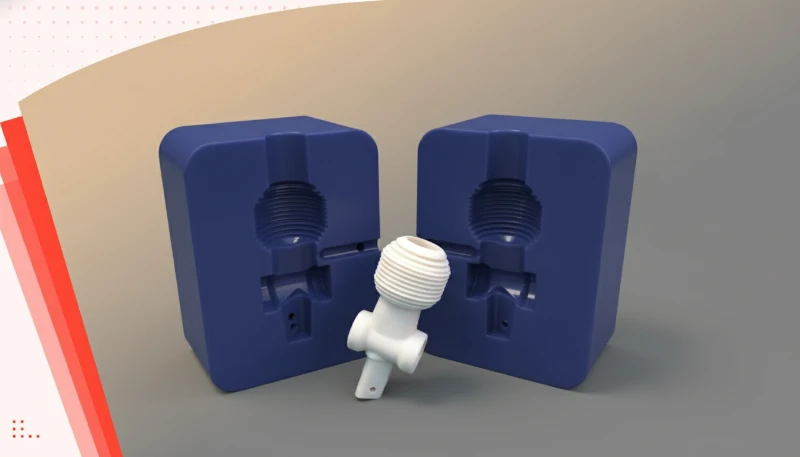
Un’estrazione dell’anima è una sezione mobile dello stampo a iniezione che si ritrae prima dell’espulsione per liberare sottosquadri, filettature interne, fori laterali o scanalature incassate. L’anima rimane in posizione durante l’iniezione, quindi viene estratta prima o durante l’apertura dello stampo affinché il pezzo possa essere espulso liberamente. In pratica, le estrazioni dell’anima sono azionate da cilindri idraulici, spine angolate meccaniche2 o sistemi pneumatici.
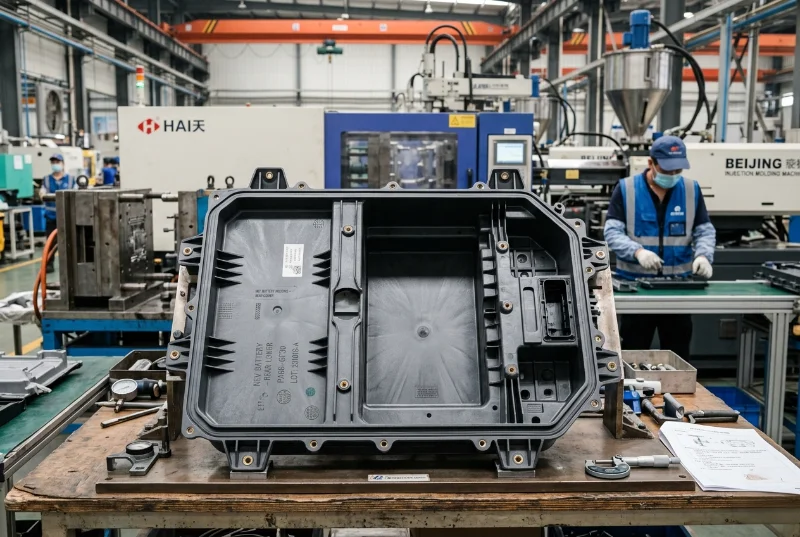
La scelta dipende dalla forza richiesta, dai vincoli di tempo ciclo e dalla geometria del pezzo. Nella nostra fabbrica di Shanghai, realizziamo regolarmente stampi con fino a otto core pull indipendenti su un unico strumento per componenti automobilistici e medicali.
Nella nostra fabbrica di Shanghai, operiamo 47 macchine per stampaggio a iniezione da 90T a 1850T, dandoci la flessibilità di utilizzare stampi a ritiro del nucleo per un'ampia gamma di dimensioni e materiali delle parti.
Il meccanismo di estrazione dell’anima è distinto dal sistema di espulsione standard. Mentre gli espulsori spingono il pezzo fuori dallo stampo dopo l’apertura, gli estrattori retraggono gli elementi interni di formatura prima o durante l’apertura. Questa sequenza, prima retrazione dell’anima, poi apertura dello stampo e infine espulsione, consente di realizzare sottosquadri senza danneggiare il pezzo. Gli estrattori d’anima sono particolarmente comuni nei connettori automobilistici, negli alloggiamenti di dispositivi medici, nelle custodie dell’elettronica di consumo e in qualsiasi applicazione in cui clip interne, accoppiamenti a scatto o inserti filettati siano stampati direttamente nel pezzo anziché aggiunti con lavorazioni secondarie.
Perché si utilizza il core pull nello stampaggio a iniezione?
La ragione principale è semplice: gli stampi per iniezione standard possono rilasciare solo parti che non hanno caratteristiche perpendicolari alla direzione di apertura dello stampo. Qualsiasi sottosquadro, filettatura interna o foro laterale richiede un meccanismo per ritrarre l’acciaio formativo prima che la parte possa essere espulsa. Senza il ritiro del nucleo, i produttori affrontano tre alternative negative. Primo, ridisegnare la parte per eliminare i sottosquadri — il che spesso compromette la funzionalità. Secondo, aggiungere un’operazione di lavorazione secondaria per creare la caratteristica dopo lo stampaggio — aumentando costi, tempi e potenziali variazioni qualitative. Terzo, utilizzare un inserto sciolto che un operatore posiziona e rimuove manualmente ogni ciclo — rallentando drasticamente la produzione e introducendo incoerenza. Il ritiro del nucleo risolve tutti e tre i problemi contemporaneamente.
La caratteristica viene stampata in sede con piena precisione, il tempo di ciclo rimane automatizzato e non è necessaria alcuna operazione secondaria. Per produzioni in serie di parti complesse, il ritorno sull’investimento per gli utensili a ritiro del nucleo viene generalmente realizzato entro i primi 10.000-50.000 cicli, a seconda della complessità del pezzo.
| Vantaggio | Senza Estrazione del Nucleo | Con Ritiro del Nucleo |
|---|---|---|
| Filettature interne | Operazione di filettatura secondaria | Stampati in posizione, costo secondario zero |
| Fori laterali | Foratura post-stampaggio | Formato durante il ciclo di iniezione |
| Sottosquadri a clip | Riprogettazione del componente o inserto mobile | Formazione e rilascio automatizzati |
| Consistenza del ciclo | Il posizionamento manuale dell'inserto varia | Automazione completa, risultati ripetibili |
| Costo dell’attrezzatura | Costo iniziale inferiore, costo per parte più alto | Costo iniziale più alto, costo per parte più basso |
"I meccanismi di estrazione anime consentono agli stampi a iniezione di produrre pezzi con caratteristiche impossibili per i comuni stampi a due piastre."True
Corretto. I core pull ritraggono gli elementi di formatura interni, consentendo sottosquadri, filettature interne e fori laterali che la normale direzione di apertura dello stampo non può rilasciare.
"L'estrazione dell'anima è necessaria solo per pezzi stampati a iniezione molto grandi."False
Falso. L'estrazione del nucleo viene utilizzata su parti di tutte le dimensioni — dai componenti medicali micro-stampati sotto i 5 mm ai grandi pannelli automobilistici. Il fattore decisivo è la geometria della parte (sottosquadri, filettature, fori laterali), non le dimensioni della parte.
Quali tipi di meccanismi di ritiro del nucleo esistono nello stampaggio a iniezione?
Esistono tre metodi principali per azionare l’estrazione dell’anima nello stampaggio a iniezione: idraulico, meccanico e pneumatico. Ognuno offre vantaggi specifici e la scelta dipende dalla forza richiesta, dai vincoli del tempo ciclo, dalle dimensioni dello stampo e dalla manutenzione. L’estrazione idraulica dell’anima3 è la soluzione più comune per stampi medio-grandi e applicazioni ad alta forza. I cilindri idraulici sono montati sullo stampo e collegati al sistema idraulico della macchina. Forniscono elevate forze di retrazione, in genere da 5 a oltre 50 tonnellate, e sono quindi ideali per anime grandi, stampi multicavità e applicazioni in cui l’anima deve vincere una notevole pressione di compattazione prima di ritrarsi. I vantaggi principali sono l’elevata capacità di forza e il controllo preciso della velocità.
Gli svantaggi sono la potenziale perdita di olio (un problema negli ambienti di cleanroom), una risposta leggermente più lenta rispetto ai sistemi meccanici e la necessità di linee idrauliche che complicano l’installazione dello stampo.
"I meccanismi di estrazione delle anime possono eliminare la necessità di lavorazioni secondarie nella maggior parte dei pezzi stampati a iniezione."True
Corretto. Il core pull consente di formare direttamente durante il ciclo di iniezione caratteristiche come filettature interne, fori laterali e sottosquadri. Ciò elimina costose operazioni secondarie di foratura, filettatura o fresatura, riducendo sia il costo per pezzo che la variabilità della qualità. In ambienti produttivi, una singola caratteristica a core pull può far risparmiare da 0,50 a 5,00 euro per pezzo rispetto alla lavorazione post-stampo.
"L'aggiunta di un'estrazione del maschio a uno stampo aumenta sempre notevolmente il tempo di ciclo."False
Falso. I core pull meccanici si ritirano simultaneamente all'apertura dello stampo, senza aggiungere tempo ciclo. I sistemi idraulici e pneumatici aggiungono 2-5 secondi per ogni estrazione, spesso compensati dalle operazioni secondarie che eliminano.
L’estrazione meccanica dell’anima utilizza spine angolate, dette anche horn pin, sollevatori o leveraggi azionati dal movimento di apertura dello stampo. Quando lo stampo si apre, la spina inclinata obbliga la slitta dell’anima a spostarsi lateralmente. Non serve alcuna fonte di energia esterna: il meccanismo si aziona da solo. Le estrazioni meccaniche sono ideali per stampi piccoli e medi con sottosquadri di profondità moderata, solitamente inferiori a 30 mm. Sono affidabili, richiedono poca manutenzione e non penalizzano il tempo ciclo, poiché l’anima si ritrae contemporaneamente all’apertura dello stampo. Tuttavia, la corsa è limitata dalla geometria della spina angolata e la forza dipende dalla forza di apertura dello stampo.
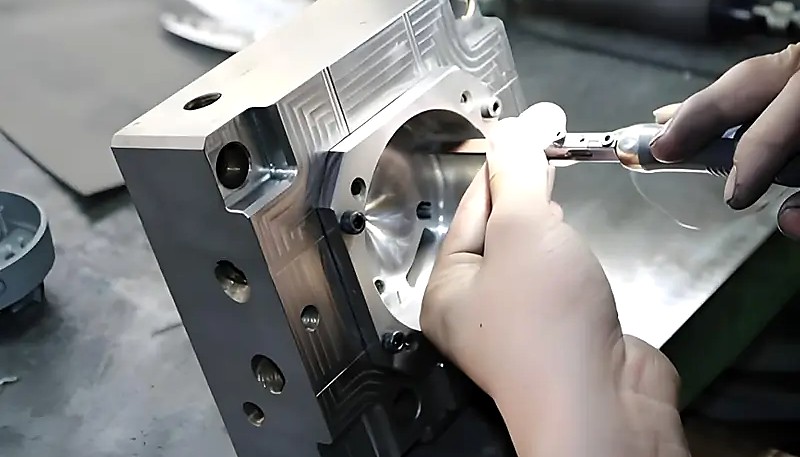
Richiedono anche una lavorazione precisa — un perno angolare mal montato si consumerà rapidamente e produrrà sbavature sul pezzo. Nel nostro laboratorio di attrezzature, utilizziamo estrazioni meccaniche del nucleo per circa il 40% dei nostri stampi — in particolare per custodie di elettronica di consumo e piccoli connettori automobilistici dove la profondità del sottosquadro è modesta e la velocità di ciclo è critica.
Il nostro stabilimento interno di produzione stampi produce oltre 100 set di stampi al mese, inclusi molti con sistemi di estrazione del nucleo multiasse progettati e costruiti interamente sotto lo stesso tetto.
L’estrazione pneumatica dell’anima utilizza aria compressa per azionare piccoli cilindri che ritraggono le anime. I sistemi pneumatici sono puliti, perché privi di olio idraulico, rapidi e relativamente economici. Sono indicati per applicazioni a bassa forza: anime piccole, elementi a parete sottile o pezzi microstampati che richiedono una forza di retrazione inferiore a 500 kg. Il limite è la forza: alla normale pressione di officina, pari a 6–8 bar, l’aria compressa non può generare la forza necessaria per anime grandi o situazioni di compattazione ad alta pressione. Questi sistemi risentono inoltre delle oscillazioni della pressione dell’aria, che possono rendere incoerente il posizionamento dell’anima se l’impianto non è ben regolato.
| Caratteristica | Sistema idraulico | Meccanico | Pneumatico |
|---|---|---|---|
| Capacità di forza | Alta (5–50+ tonnellate) | Medio (forza di apertura dello stampo) | Bassa (sotto i 500 kg) |
| Velocità | Medio | Veloce (simultanea all'apertura) | Veloce |
| Pulizia | Rischio di perdite d'olio | Pulito | Pulito |
| Manutenzione | Guarnizioni, tubi, cilindri | Usura sui perni angolati | Guarnizioni, linee aria |
| Ideale per | Stampo grande, alta forza | Sottosquadri piccoli-medio | Microcomponenti, bassa forza |
| Impatto sui costi | Alto (+25–40%) | Medio (+15–25%) | Basso (+10–15%) |
Come influisce l’estrazione del nucleo sulla progettazione e sul costo dello stampo?
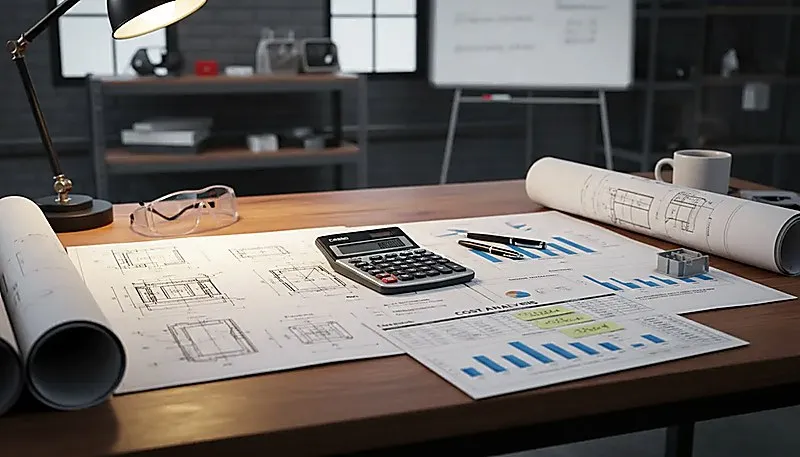
Questa sezione spiega come l’estrazione dell’anima influisce sulla progettazione e sui costi dello stampo, nonché su qualità, tempistiche e rischi di approvvigionamento. Il meccanismo aggiunge acciaio mobile, superfici di bloccaggio, spazio per la corsa, componenti soggetti a usura e controllo della sequenza. Rispetto alle fasi fondamentali dello stampaggio a iniezione, uno stampo con estrazione dell’anima deve verificare anche la sequenza dell’anima, la resistenza ai carichi laterali, il raffreddamento attorno alla slitta e l’accessibilità per la manutenzione. Il costo aggiuntivo è giustificato quando elimina lavorazioni secondarie o consente geometrie altrimenti impossibili da stampare.
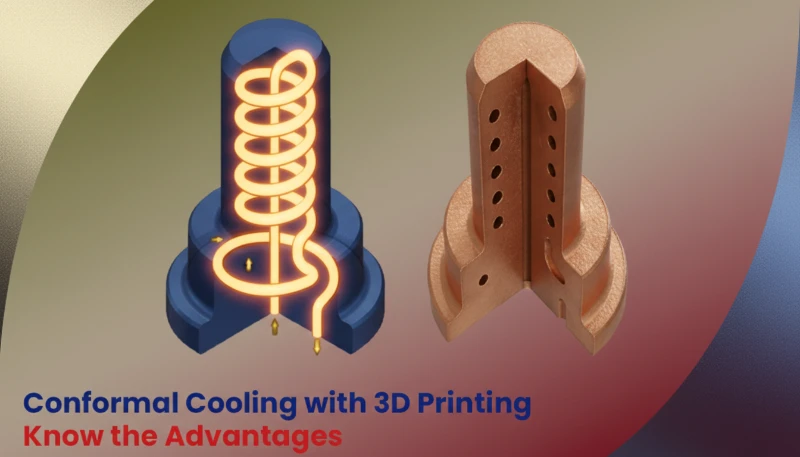
Le estrazioni del nucleo creano acciaio interno difficile da raggiungere con canali di raffreddamento standard. In molti casi, si utilizzano inserti in berillio-rame o raffreddamento conforme (tramite inserti stampati in 3D) per mantenere il tempo di ciclo. Senza un adeguato raffreddamento intorno al nucleo, i tempi di ciclo aumentano del 20–40%. Dal lato dei costi, una singola estrazione del nucleo idraulica aggiunge tipicamente $2.000–$8.000 al costo dello stampo, a seconda delle dimensioni e della complessità. Un sistema completo di estrazione del nucleo multiasse su uno stampo complesso per connettori automobilistici può aggiungere $15.000–$40.000. Tuttavia, considerando le operazioni secondarie eliminate — che potrebbero costare $0,50–$5,00 per pezzo — il periodo di ammortamento è solitamente di poche settimane per programmi ad alto volume.
"I meccanismi di estrazione dell’anima aumentano generalmente del 15-30% il costo della base stampo, ma eliminano costose operazioni secondarie."True
Corretto. Sebbene l'investimento iniziale per lo stampo sia maggiore, l'eliminazione della lavorazione post-stampaggio, della filettatura o della gestione manuale degli inserti riduce significativamente il costo per pezzo per volumi di produzione superiori a 10.000 unità.
"Gli stampi con estrazione anima richiedono molta meno manutenzione degli stampi standard."False
Falso. Le matrici con estrattori richiedono effettivamente una manutenzione maggiore a causa delle superfici di scorrimento soggette a usura, delle guarnizioni idrauliche e dei meccanismi di temporizzazione. Le piastre di usura sostituibili e un piano di manutenzione programmata sono essenziali per una qualità di produzione costante.
Quando dovresti utilizzare l’estrazione del nucleo nello stampaggio a iniezione?
L’estrattore è utile quando il pezzo presenta sottosquadri, fori laterali, filettature interne, caratteristiche a baionetta o agganci a scatto che impediscono l’estrazione lineare. I casi d’uso più chiari sono le caratteristiche che altrimenti richiederebbero foratura, svitamento, inserti manuali o riprogettazione. Se l’operazione secondaria aggiunge un costo significativo o la tolleranza della caratteristica deve rimanere stretta, l’estrattore all’interno dello stampo è solitamente la scelta produttiva migliore.
È possibile aggiungere queste caratteristiche praticando fori dopo lo stampaggio, ma ciò aumenta l’accumulo delle tolleranze e il tempo ciclo. Agganci a scatto e clip sottosquadro. L’elettronica di consumo, i dispositivi medici e gli interni automobilistici utilizzano spesso elementi a scatto per l’assemblaggio. Quando sono interni e rivolti verso l’interno, l’estrazione dell’anima è l’unico modo per stamparli in un’unica fase. Pezzi multimateriale o sovrastampati con inserti. Quando si sovrastampano inserti metallici o componenti elettronici, le anime mobili possono mantenerli nella posizione esatta durante l’iniezione e liberarli senza alterare il materiale stampato.
Come regola generale del nostro team di ingegneria: se la caratteristica aggiunge più di $0,10 per pezzo in costo secondario, o se la tolleranza posizionale deve essere inferiore a 0,1 mm, l’estrazione del nucleo nello stampo è quasi sempre la scelta giusta.
Con oltre 20 anni di esperienza su oltre 400 materiali plastici, il nostro team di ingegneria valuta i requisiti degli estrattori durante la revisione DFM per consigliare il meccanismo più conveniente per ogni progetto.
Quali sono i problemi comuni con gli estrattori nello stampaggio a iniezione?
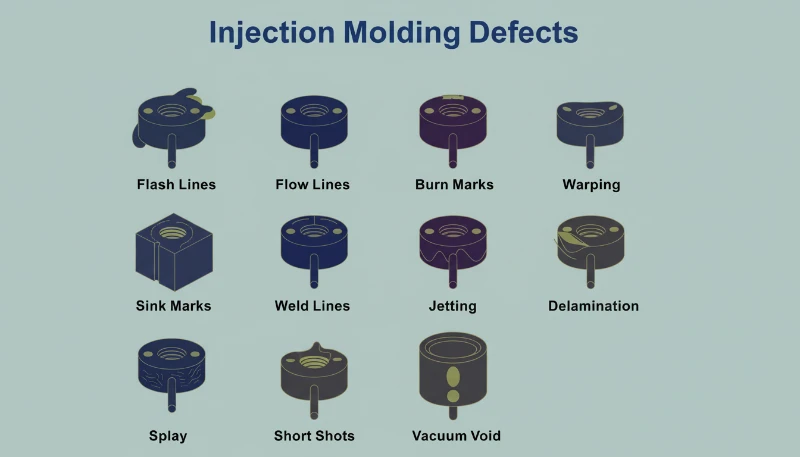
I meccanismi di estrazione dell’anima sono efficaci, ma introducono modalità di guasto assenti negli stampi standard. Conoscerle in anticipo aiuta nella progettazione dello stampo e nell’impostazione del processo. Bava sulla linea di divisione. È il difetto più comune. Se la slitta dell’anima non si blocca saldamente contro la cavità durante l’iniezione, l’elevata pressione di compattazione spinge il materiale nella fessura. Anche un gioco di 0,02 mm può produrre una bava visibile. Per prevenirla servono lavorazioni precise delle piastre di usura, una forza di bloccaggio adeguata e la manutenzione regolare delle superfici di scorrimento. Usura prematura. Le slitte compiono migliaia di cicli per ogni lotto produttivo. Le superfici di scorrimento, soprattutto nei sistemi meccanici con spine angolate, si usurano progressivamente. Aumentando l’usura, i giochi si ampliano e compare la bava.
Sono essenziali piastre di usura in acciaio temprato (HRC 50+) e una lubrificazione regolare. In ZetarMold specifichiamo piastre sostituibili per tutti gli stampi con estrazione dell’anima, così la manutenzione non richiede di rilavorare la base principale dello stampo. Errori di sequenza. L’anima deve ritrarsi al momento giusto durante l’apertura. Se si ritrae troppo presto, mentre il materiale è ancora morbido, il pezzo si deforma. Se si ritrae troppo tardi, dopo che lo stampo si è aperto abbastanza da sollecitare il sottosquadro, il pezzo si rompe o l’anima si danneggia. Le moderne presse a iniezione gestiscono il movimento con sequenze programmabili, mentre le macchine più datate richiedono un’attenta temporizzazione meccanica mediante finecorsa.
Raffreddamento insufficiente attorno alle anime. I meccanismi di estrazione occupano spazio normalmente destinato ai canali di raffreddamento. Un raffreddamento inadeguato nella zona dell’anima prolunga i tempi ciclo e provoca ritiri e instabilità dimensionale, soprattutto nelle sezioni a parete spessa adiacenti agli elementi realizzati con anime mobili.
"La bava sulle linee di divisione degli estrattori d'anima è il difetto più comune negli stampi con estrazione d'anima."True
Corretto. Anche un gioco di 0,02mm tra il carrello dell'anima e la cavità può consentire al materiale di infiltrarsi sotto un'elevata pressione di mantenimento, producendo bave visibili che richiedono rifilatura dopo lo stampaggio.
"Gli stampi con estrazione dell'anima possono ignorare la pianificazione della lubrificazione e dell'usura perché le anime laterali si muovono una sola volta per ciclo."False
Falso. I meccanismi di estrazione anima producono contatto strisciante ripetuto sotto carico; lubrificazione, piastre antiusura, guide e superfici di bloccaggio sostituibili sono quindi essenziali. Ignorare l’usura aumenta il rischio di bava, i fermi manutentivi e la deriva dimensionale a lungo termine.
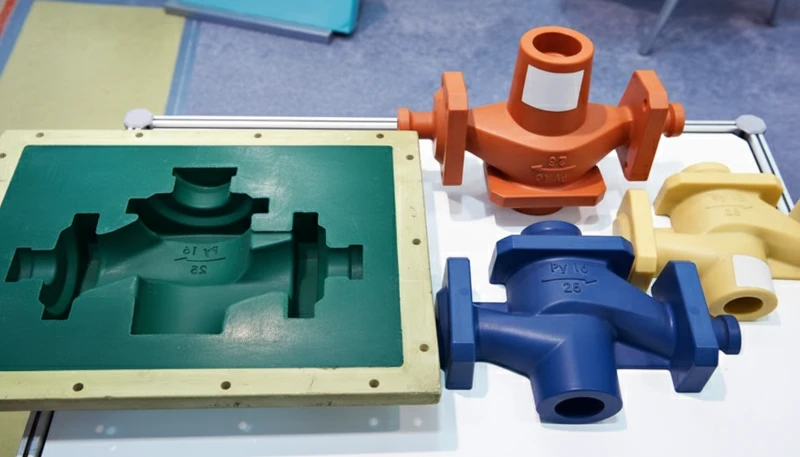
Come si progetta l’estrazione dell’anima nello stampaggio a iniezione?
Una buona estrazione dell’anima va pianificata durante la progettazione del pezzo, non quando il layout dello stampo è quasi ultimato. Prima di tagliare l’acciaio, gli ingegneri devono confermare direzione e corsa di estrazione, angolo di chiusura, sformo, raffreddamento e spazio disponibile attorno alla configurazione della pressa a iniezione a vite. La collaborazione tempestiva tra progettazione del prodotto e dello stampo evita bave, grippaggi, chiusure deboli e tempi ciclo lunghi.
Ciò è particolarmente importante per le superfici testurizzate o lucidate, dove il coefficiente di attrito è maggiore. Mantenere uniforme lo spessore delle pareti. Le anime mobili introducono acciaio interno che devia il flusso del materiale. Se lo spessore attorno all’elemento varia molto, sul lato estetico compariranno segni di ritiro. Progettare pareti uniformi o usare nervature per compensare le sezioni spesse. Pianificare l’accesso del raffreddamento. Durante la progettazione dello stampo, assicurarsi che i canali raggiungano la zona dell’anima. All’interno o accanto all’anima possono servire deflettori, gorgogliatori o tubi di calore. Il raffreddamento insufficiente è la principale causa dell’aumento del tempo ciclo negli stampi con estrazione dell’anima.
Specificare componenti di usura sostituibili. Ogni stampo con estrazione dell’anima deve avere piastre di usura, guide e blocchi di chiusura sostituibili. Questi componenti si usureranno: è previsto. Renderli sostituibili trasforma una revisione dello stampo di più giorni in un intervento di manutenzione di due ore. Se stai selezionando un fornitore di stampaggio a iniezione per un progetto con estrazione dell’anima, assicurati che la revisione DFM affronti specificamente fattibilità del meccanismo, pianificazione dell’usura e strategia di raffreddamento prima della costruzione dello stampo.
Domande frequenti
Qual è la differenza tra estrattori d’anima e lifter nello stampaggio a iniezione?
I carrelli e gli estrattori inclinati realizzano entrambi elementi sottosquadra, ma funzionano in modo diverso. I carrelli arretrano linearmente nello stampo e sono quindi ideali per sottosquadri profondi, filettature interne e fori ciechi. Gli estrattori inclinati ruotano verso l’esterno con un movimento angolare durante l’espulsione, più adatto ai sottosquadri esterni poco profondi. I carrelli gestiscono elementi più profondi, ma richiedono più spazio nello stampo e una fonte di azionamento esterna. Gli estrattori inclinati sono più compatti, ma limitati per profondità e angolo del sottosquadro. In pratica, molti stampi di produzione combinano entrambi i meccanismi per gestire in modo efficiente geometrie complesse e ridurre al minimo il costo per pezzo.
Quanto incide un carrello sul costo dello stampo?
L’estrazione del maschio aumenta generalmente del 15-30% il costo base dello stampo. Una singola estrazione idraulica su uno stampo di medie dimensioni costa circa $2,000-$8,000, mentre un sistema completo multiasse per un connettore automobilistico complesso può aggiungere $15,000-$40,000. L’investimento è compensato dall’eliminazione di operazioni secondarie che spesso costano $0.50-$5.00 per pezzo. Nei programmi ad alto volume, il ritorno si ottiene generalmente entro 10,000-50,000 cicli. Gli acquirenti devono valutare il costo totale di proprietà, inclusi ammortamento dell’attrezzatura e risparmi per pezzo, anziché concentrarsi soltanto sul prezzo iniziale dello stampo.
L’estrazione dell’anima può essere utilizzata con tutti i materiali plastici?
Sì, l’estrazione dell’anima è compatibile con tutti i materiali termoplastici. Tuttavia, la scelta del meccanismo varia notevolmente in funzione del materiale. I materiali caricati con fibra di vetro, come PA6-GF30, generano pressioni di compattazione più elevate e richiedono estrattori idraulici dell’anima con robusti meccanismi di bloccaggio per evitare la formazione di bave. I materiali morbidi e flessibili, come TPE o TPU, possono consentire l’impiego di estrattori meccanici o pneumatici, poiché si flettono leggermente durante la retrazione dell’anima. I tecnopolimeri per alte temperature, come PEEK o PPS, possono richiedere componenti speciali resistenti al calore per garantire l’affidabilità del meccanismo di estrazione dell’anima durante lunghi cicli produttivi.
Quale manutenzione richiede uno stampo con estrattore d’anima?
Gli stampi con estrazione del nucleo richiedono più manutenzione degli stampi standard per la presenza di componenti mobili aggiuntivi. Le attività principali comprendono la lubrificazione delle superfici di scorrimento ogni 50,000-100,000 cicli, la sostituzione delle piastre antiusura ogni 200,000-500,000 cicli, il controllo delle guarnizioni idrauliche e la verifica delle sequenze temporali nei sistemi programmabili. I componenti antiusura sostituibili semplificano la manutenzione e riducono i fermi produttivi. Uno stampo ben mantenuto può superare in modo affidabile un milione di cicli. Definire un piano di manutenzione preventiva durante la progettazione dello stampo evita arresti imprevisti e prolunga notevolmente la vita dell’attrezzatura.
L’estrazione del maschio è necessaria per i pezzi stampati a iniezione con filettatura?
Per filettature interne sì. Servono quasi sempre anime svitanti o collassabili. L’anima forma il filetto e si svita prima dell’espulsione. Per filettature esterne può bastare una cavità divisa. Sotto 0.1mm di tolleranza è preferibile un’anima svitante idraulica o a cremagliera. Gli inserti filettati sovrastampati sono un’alternativa, ma aggiungono costo e una fase.
In che modo l’estrazione dell’anima influisce sul tempo di ciclo dello stampaggio a iniezione?
Le estrazioni meccaniche delle anime non aggiungono tempo ciclo perché arretrano insieme all’apertura dello stampo. Quelle idrauliche aggiungono 2-5 secondi per estrazione per la sequenza di arretramento e bloccaggio; quelle pneumatiche 1-2 secondi. L’impatto complessivo dipende dal numero di estrazioni e dal loro funzionamento sequenziale o simultaneo. Spesso il tempo aggiunto dall’estrazione dell’anima è inferiore a quello delle lavorazioni secondarie eliminate, come la foratura laterale o la maschiatura. Per una valutazione accurata, gli ingegneri devono confrontare il tempo ciclo totale, incluse le operazioni successive allo stampaggio.
Qual è la profondità massima del sottosquadro ottenibile con un carrello?
Non esiste un limite massimo fisso, ma si applicano limiti pratici in base al tipo di meccanismo e alle dimensioni dello stampo. I sistemi meccanici a perno inclinato gestiscono in modo affidabile sottosquadri profondi fino a 30mm. I sistemi idraulici gestiscono almeno 50mm, mentre le applicazioni specializzate raggiungono 100mm. Sottosquadri più profondi richiedono meccanismi più grandi, maggiore spazio nello stampo e costi superiori. I sottosquadri molto profondi possono richiedere una retrazione in due fasi per evitare danni al componente durante l’estrazione del nucleo. Anche l’angolo del sottosquadro è importante: angoli più ripidi riducono la corsa di retrazione necessaria. Discutete la geometria specifica con l’ingegnere degli stampi nelle prime fasi della progettazione.
È possibile aggiungere un’estrazione dell’anima a uno stampo esistente?
Nella maggior parte dei casi, no. L’estrazione dell’anima richiede spazio dedicato nella base stampo per carrelli, cilindri, guide e superfici di bloccaggio. Uno stampo progettato senza estrazione dell’anima generalmente non dispone di questo spazio. L’adeguamento richiede la rilavorazione di porzioni rilevanti dello stampo e spesso costa il 60-80% di uno stampo nuovo. Prevedere l’estrazione dell’anima durante la revisione DFM iniziale e la progettazione dello stampo è molto più conveniente. Se la roadmap del prodotto include sottosquadri, specificare subito il requisito affinché il progettista riservi lo spazio necessario nella base stampo.
Ti serve uno stampo con estrazione dell’anima per il prossimo progetto? Il team di ingegneri ZetarMold vanta oltre 20 anni di esperienza nella progettazione e costruzione di stampi complessi con estrazione dell’anima per applicazioni automobilistiche, medicali e di consumo. Ottieni un prezzo competitivo, un’analisi DFM completa e un programma di produzione, tutto dal nostro reparto interno di costruzione stampi a Shanghai.
Richiedete un preventivo gratuito
estrazione dell'anima: indica i meccanismi che, nello stampaggio a iniezione, creano elementi impossibili da formare nella normale direzione di apertura dello stampo, tra cui sottosquadri e filettature interne. ↩
spina angolata meccanica: detta anche horn pin, utilizza il movimento di apertura dello stampo per ritrarre lateralmente le anime senza alcuna fonte di energia esterna. ↩
estrazione idraulica dell'anima: indica sistemi che forniscono elevate forze di retrazione (5–50+ tonnellate) e sono lo standard per stampi medio-grandi con sottosquadri profondi o configurazioni multicavità. ↩