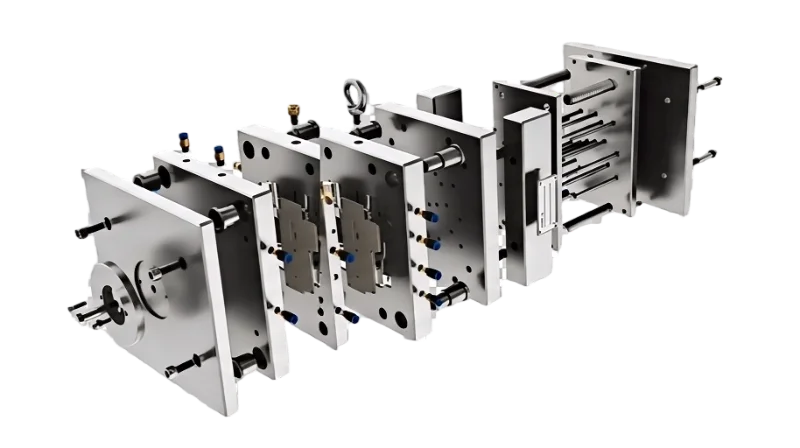
Что такое стандарт качества поверхности SPI?
Стандарт обработки поверхности SPI1 — это четырёхуровневая система (от A до D), определяющая качество поверхности полости пресс-формы.
Ознакомьтесь с нашим руководством по поиску поставщиков, подготовке RFQ и их квалификации.
Более широкий обзор проектирования пресс-форм для литья под давлением приведён в нашем основном руководстве, где рассматриваются конструкция оснастки, терморегулирование и компромиссы технологичности.
Стандарт обработки поверхности SPI — это система классификации, применяемая в проектах литья под давлением для определения требований к внешнему виду и тактильным свойствам формованных пластиковых деталей. Для заказчиков он создаёт общий язык для расчёта цены, полировки пресс-формы2, контрольных образцов и окончательного утверждения детали.
- Класс отделки поверхности SPI — это одновременно требование к внешнему виду и фактор стоимости оснастки, а не просто примечание на чертеже.
- Выбирайте отделку с учётом полимера, угла уклона, марки стали, схемы выталкивания, требований к окраске или текстуре и метода контроля.
- Зафиксируйте требуемую чистоту поверхности на этапе DFM, чтобы полировка, изготовление образцов и окончательное утверждение не привели к неожиданным затратам или задержкам на поздней стадии.
Эти стандарты создают общий язык для промышленных дизайнеров, инженеров, изготовителей пресс-форм, руководителей проектов и служб качества. Когда все ссылаются на одну марку SPI, исчезает неоднозначность в отношении внешнего вида поверхности, требуемого объема полировки, ожидаемой стоимости и срока изготовления. Система SPI также устраняет разрывы в коммуникации между OEM и зарубежными производителями пресс-форм, где различия в терминологии или региональные стандарты, такие как VDI 3400, иначе могли бы вызвать путаницу.
Стандарты подразделяются на четыре основных класса; до окончательного предложения на форму каждый класс следует связать с четкой декоративной целью, методом контроля, выбором смолы и бюджетом оснастки:
Класс A (глянец/алмазная полировка): зеркальная поверхность для оптических, прозрачных или премиальных декоративных деталей, на которых особенно заметны царапины и утяжины.
Класс B (полуглянец/наждачная бумага): гладкая поверхность без сильного отражения.
Класс C (матовая/обработанная камнем): неотражающая стандартная промышленная поверхность.
Класс D (текстурированная/струйная обработка): шероховатая поверхность, полученная сухой струйной обработкой или электроэрозионной обработкой (EDM).
Каковы технические параметры отделки SPI?
Технические параметры классов отделки SPI — шероховатость поверхности (Ra), метод полировки и минимальный угол уклона для каждого класса.
Для обеспечения технологичности инженеры должны соблюдать определённые требования к средней шероховатости (Ra) и углам уклона. В следующей таблице подробно описаны двенадцать основных обозначений SPI.
| Класс SPI | Описание отделки | Способ нанесения | Типичная Ra (µm) | Типичная шероховатость Ra (µin) | Мин. угол уклона | Основной сценарий применения |
|---|---|---|---|---|---|---|
| A-1 | Сверхвысокий глянец | Алмазная полировка класса #3 | 0.012 – 0.025 | 0 – 1 | 1° | Линзы, зеркала, визоры |
| A-2 | Высокий глянец | Алмазная полировка класса #6 | 0.025 – 0.05 | 1 – 2 | 1° | Косметические футляры, электроника |
| A-3 | Текстурированный / Матовый | Алмазная полировка Grade #15 | 0.05 – 0.10 | 2 – 4 | 2° | Бытовые изделия, непрозрачные детали |
| B-1 | Гладкая / полуглянцевая | Наждачная бумага зернистостью 600 | 0.05 – 0.10 | 2 – 3 | 1° | Детали со средней полировкой |
| B-2 | Гладкая / средняя | Наждачная бумага зернистостью 400 | 0.10 – 0.15 | 4 – 5 | 1° | Литьё общего назначения, окрашиваемые детали |
| B-3 | Гладкая / слабый блеск | Наждачная бумага зернистостью 320 | 0.28 – 0.32 | 9 – 10 | 2° | Экономичное литьё |
| C-1 | Матовая / мелкозернистая | Абразивный камень зернистостью 600 | 0.35 – 0.40 | 10 – 12 | 1.5° | Внешний вид литого металла, внутренние детали |
| C-2 | Матовая / средняя | Абразивный камень зернистостью 400 | 0.80 – 0.95 | 25 – 28 | 1.5° | Конструкционные детали, легкое извлечение |
| C-3 | Матовая / шероховатая | Шлифовальный камень зернистостью 320 | 0.95 – 1.10 | 38 – 42 | 2° | Крупные детали общего назначения |
| D-1 | Текстурированная / сатиновая | Сухая струйная обработка (стеклянные шарики) | Различается | Различается | 2.5°+ | Ручки с сатинированной поверхностью |
| D-2 | Текстурированный / матовый | Отделка. Текстура рассеивает отражение света, делая утяжины практически невидимыми для невооруженного глаза. | Различается | Различается | 3°+ | Промышленный корпус, рукоятка |
| D-3 | Текстурированная / шероховатая | Сухая струйная обработка (оксид #24) | Различается | Различается | 3°+ | Грубая текстура, скрытие дефектов |
Как пошагово выполняется процесс полировки?
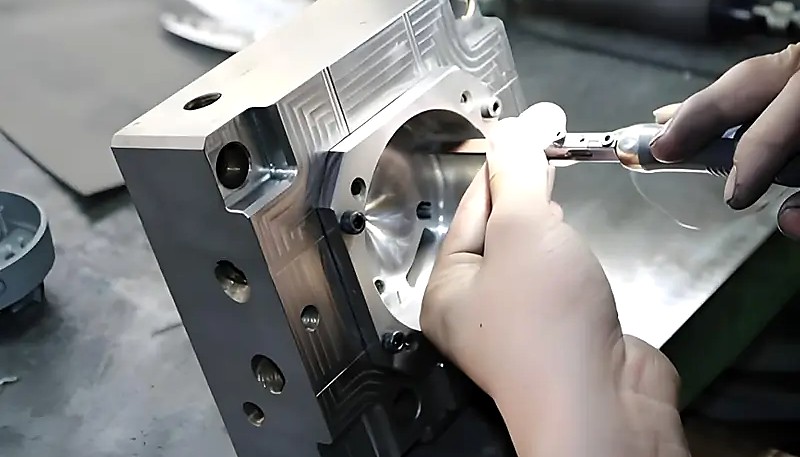
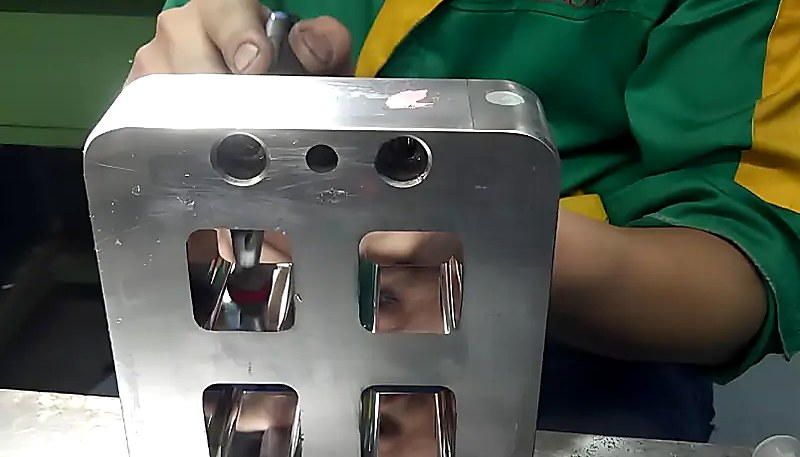
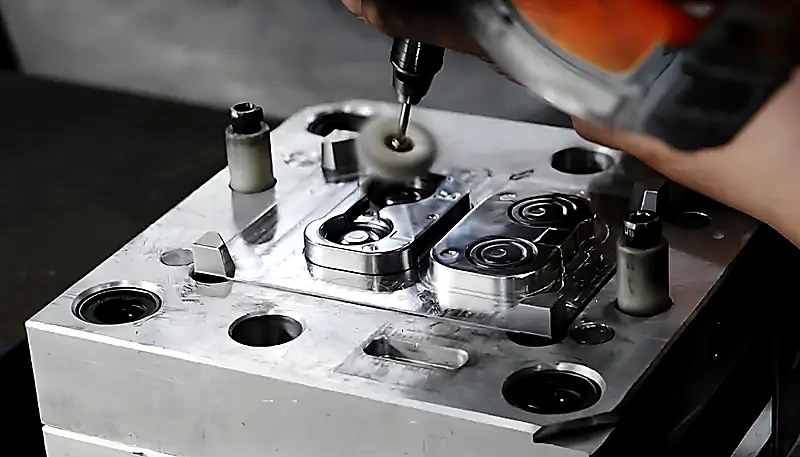
Получение определённого класса поверхности SPI представляет собой процесс обработки с удалением материала, применяемый к стали гнезда формы.
Черновая обработка: сердечник и полость формы обрабатывают на CNC до приблизительной формы. Поверхность остаётся грубой, часто со следами инструмента.
Обработка абразивным камнем (выравнивание): инструментальщики удаляют следы CNC и выравнивают поверхность абразивными камнями. Это базовый уровень для классов C.
Полировка наждачной бумагой: если нужна более гладкая поверхность, её последовательно шлифуют бумагой с всё более мелким зерном (от 320 до 600 grit). Так получают классы B.
Производственная практика: в нашем инструментальном цехе в Шанхае команда оценивает качество поверхности по SPI с учётом выбранной смолы, угла уклона, схемы расположения выталкивателей и освещения при контроле. До подготовки коммерческого предложения наши инженеры сопоставляют требования к поверхности с 400+ вариантами полимерных материалов и возможностями 47 термопластавтоматов. Мы также уточняем, будет ли поверхность окрашиваться, подвергаться лазерной маркировке, контактировать с пользователями, очищаться химическими средствами или проходить приёмку при ярком освещении, поскольку именно эти условия определяют, создаёт ли зеркальная полировка ценность или лишь увеличивает затраты.
Алмазная полировка (необязательно): для классов A алмазную пасту наносят на вращающийся полировальный инструмент. Сталь полируют до оптической отражательной способности.
Каковы преимущества и недостатки каждой категории марок?
Преимущества и недостатки классов SPI определяются компромиссом между уровнем полировки поверхности, стоимостью оснастки и заметностью дефектов.
| Категория SPI | Преимущества | Недостатки |
|---|---|---|
| Класс A (глянец) | Максимальная эстетическая привлекательность; оптическая прозрачность прозрачных деталей; воспринимаемая высокая ценность. | Самая высокая стоимость оснастки; склонность к прилипанию из-за «вакуумного эффекта»; подчеркивает дефекты поверхности (царапины, отпечатки пальцев, утяжины. |
| Класс B (полуглянцевая поверхность) | Хороший баланс стоимости и эстетики; подходит для окрашивания или нанесения гальванического покрытия; удаляет следы механической обработки. | Некоторые дефекты формования всё ещё возможны; требуется ручная полировка. |
| Класс C (матовая поверхность) | Низкая стоимость оснастки (самая быстрая обработка); отлично подходит для извлечения деталей; скрывает небольшие следы инструмента. | Может выглядеть «незавершённой» или промышленной; не подходит для премиальных поверхностей потребительских изделий. |
| Класс D (текстурированный) | Отлично скрывает утяжины и линии течения; улучшает сцепление; обеспечивает долговечный внешний вид поверхности. | Наиболее сложная очистка из-за следов от пальцев; для текстурированных поверхностей требуются значительные углы уклона; повреждённую пресс-форму трудно ремонтировать. |
«Для текстурированных поверхностей (SPI D-series) обычно требуется больший уклон на единицу глубины текстуры, чем для полированных поверхностей, чтобы деталь не застревала».True
Текстура создает поднутрения на микроскопическом уровне; общее правило для предотвращения задиров — 1.5 градуса уклона на каждые 0.001 дюйма глубины текстуры.
"Более высокий класс отделки SPI, например A-1, всегда облегчает извлечение детали."False
Зеркальная поверхность может создавать эффект вакуумного уплотнения между деталью и сталью формы, из-за чего деталь прилипает. Для извлечения без деформации часто требуются воздушные клапаны или вакуумные разгрузчики.
Какие практические рекомендации помогают оптимизировать выбор качества поверхности?
Совместимость материалов: не каждая смола способна воспроизвести любой класс SPI. PC, PMMA и ABS обычно хорошо передают высокоглянцевую поверхность класса A, а PP, POM и нейлон могут иметь разную фактуру вдоль и поперёк потока. Сложнее всего материалы со стекловолокном: выше C-1 волокна проступают на поверхности. Для поверхности класса A из нейлона с 30% стекловолокна заложите сталь S136 или H13, дополнительную полировку и реалистичное согласование образцов.
Стратегия борьбы с утяжинами: они заметнее всего на глянцевой поверхности класса A, где при контрольном освещении выделяется даже углубление 0.05 mm. На матовой поверхности C или текстурированной D та же утяжина гораздо менее очевидна. Применяйте A только на обращённых к заказчику поверхностях, а C или D — на скрытых сторонах с рёбрами, бобышками или изменением толщины. Такой подход снижает стоимость полировки на 30%–50% без потери воспринимаемого качества.
Управление затратами: полировка — важная переменная статья стоимости формы. Переход с C-1 на A-1 может увеличить цену формы на 15%–30%, поскольку алмазная полировка требует долгой квалифицированной работы. Глубокие рёбра, поднутрения и сложные линии разъёма усиливают этот эффект. Составьте карту классов: A для основной декоративной поверхности, B для вторичных, C или D для скрытых. Это сохраняет конкурентную цену формы и снижает риск обслуживания в производстве.
Каковы распространённые сценарии применения?
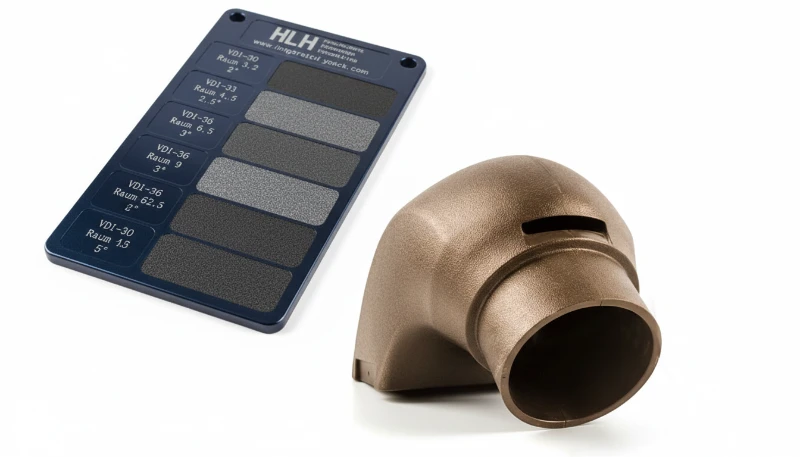
Типовые области применения SPI соответствуют типу изделия: оптические линзы используют A-1, потребительские корпуса — B-1, рукоятки инструментов — D-2.
SPI A-1 (Diamond #1): линзы автомобильных фар, оптические призмы, медицинские пипетки и премиальная косметическая упаковка, где безупречная прозрачность — главное преимущество. При прямом освещении сразу видны дефекты, микроцарапины и линии течения, поэтому стабильный результат дают лишь высококачественная полировка стали и тщательный контроль процесса. A-1 также задают для окон медицинских устройств и деталей каналов жидкости, где шероховатость может удерживать загрязнения или влиять на гидродинамику.
SPI A-2 (Diamond #2): экраны смартфонов, премиальные косметические футляры, отделка салона автомобиля и корпуса дорогих потребительских товаров. A-2 даёт почти зеркальное отражение при немного большей допустимости следов инструмента, чем A-1, поэтому подходит для видимых поверхностей с профессиональным полированным видом. Производители электроники часто выбирают A-2 для рамок дисплеев и панелей управления, чтобы получить премиальный вид без затрат на оснастку A-1.
Когда применять текстурированные и промышленные поверхности
SPI B-1 (Paper #1): клавиши, корпуса под окраску, оболочки электроники и крышки приборов. Поверхности B достаточно гладкие для окраски, печати или текстурных покрытий без дорогой алмазной полировки. По нашему опыту, B-1 наиболее экономичен, если после литья предусмотрена вторичная обработка. Его также широко применяют для внутренних кронштейнов и скрытых компонентов, которым нужна чистая однородная поверхность для сборки.
SPI C-3 и классы D: рукоятки электроинструмента, кожухи рулевых колонок, защищённые корпуса ноутбуков и наружного оборудования — везде, где хват, долговечность и маскировка следов процесса важнее глянца. Текстурированные поверхности D особенно хорошо скрывают утяжины, линии спая и течения, резко заметные на полировке, поэтому их обычно выбирают для конструкционных и промышленных компонентов.
Как пошагово выбрать подходящий класс обработки поверхности SPI?
Правильную текстуру SPI выбирают за пять шагов: определяют функцию, проверяют полимер, оценивают уклон, задают бюджет и консультируются с литейщиком.
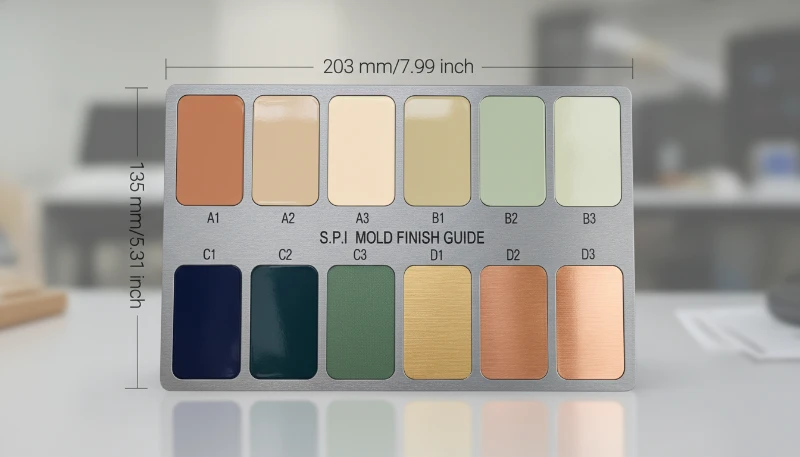
Определите функцию: нужна прозрачность? Выберите A. Нужен хват или тактильная поверхность? Выберите D. Нужно лёгкое извлечение при минимальном уклоне? Выберите C. Начинайте выбор SPI с функционального требования, а не предпочтения внешнего вида. Они нередко противоречат друг другу; чем раньше это выявлено, тем быстрее решение будет найдено вместе с изготовителем оснастки.
Проверьте полимер: материал ненаполненный или со стекловолокном? Для стеклонаполненного ограничьте ожидания классом B-3 или C-1: ориентация волокон создаёт полосы, не устранимые полировкой. Зафиксируйте марку смолы, долю наполнителя, цвет, целевой глянец и образцы в спецификации SPI, чтобы исключить разночтения между заказчиком и литейщиком.
Проверьте уклоны: при уклоне вертикальных стенок 0 или 0.5 градуса текстура D неприменима, поскольку шероховатость повышает трение при извлечении и вызывает застревание или коробление. Для текстуры добавьте уклон не менее 1–3 градусов либо выберите полировку, допускающую меньший уклон.
Определите бюджет: если главное — цена, задайте SPI C-1. Это стандартная механически обработанная поверхность с минимальной последующей обработкой, достижимая на стали P20. Переход с C-1 на A-2 повышает стоимость формы на 20%–40% из-за дополнительных часов полировки. Запрашивайте цену оснастки с точным классом SPI, а не с абстрактным стандартным уровнем.
Проконсультируйтесь с литейщиком: до утверждения выясните, требует ли поверхность определённой стали, например H13 вместо P20, что влияет на срок и цену. Опытный литейщик также оценит совместимость со смолой, видимость следов выталкивателей и совместимость окраски или дополнительного текстурирования с базовым классом SPI.
"Класс поверхности SPI следует согласовать до окончательной полировки стали формы."True
Поздние изменения отделки могут потребовать повторной полировки, повторного текстурирования, дополнительной проверки конусности и увеличения времени на пробные образцы, особенно при переходе от матовой к высокоглянцевой поверхности.
"Для всех классов обработки поверхности SPI требуются одинаковые уклоны для извлечения из формы и настройки выталкивания."False
Глянцевые, матовые и текстурированные поверхности ведут себя по-разному при извлечении, поэтому необходимо совместно оценивать конусность, направление полировки, усадку смолы и усилие выталкивания.
Какие вопросы о чистоте поверхности SPI задают покупатели?
В чём разница между стандартами SPI и VDI 3400?
SPI обычно используется в североамериканских проектах литья под давлением, тогда как VDI 3400 широко используется в европейской практике общения по инструментальной оснастке. Оба стандарта описывают текстуру поверхности, но они не имеют идеального соответствия, поскольку методы измерения и семейства текстур различаются. Если на чертеже указан один стандарт, а поставщик использует другой, запросите таблицу преобразования, образец текстуры или утверждённый образец. Это позволяет избежать ситуации, когда одна и та же поверхность по-разному интерпретируется конструктором, изготовителем пресс-формы, конечным контролёром и покупателем во время утверждения производства.
Можно ли изменить чистоту поверхности после изготовления пресс-формы?
Иногда, но направление изменения имеет большое значение. Переход от полированной поверхности к более грубой текстуре часто возможен, потому что инструмент можно подвергнуть пескоструйной обработке, травлению или текстурированию после полировки. Переход от шероховатой или обработанной электроэрозией поверхности обратно к глянцевому покрытию гораздо сложнее, поскольку необходимо удалить сталь и повторно отполировать её, что может изменить критические размеры. Глубокие рёбра жёсткости, запирающие поверхности и текстурированные вертикальные стенки также могут потребовать дополнительной проверки углов съёма и пробных отливок. Именно поэтому окончательное решение по чистоте поверхности должно быть зафиксировано на этапе анализа технологичности конструкции, а не после первых пробных отливок, чтобы избежать дорогостоящей доработки и задержек.
Влияет ли чистота поверхности на время цикла?
Да. Высокоглянцевая поверхность может потребовать более тщательного охлаждения, более медленного извлечения и лучшей вентиляции, чтобы избежать следов вытягивания или косметических напряжений. Текстурированная поверхность может увеличить прилипание детали, если угол съёма слишком мал, что может замедлить извлечение или вызвать задиры. Чистота поверхности также влияет на стандарты контроля, поскольку косметические дефекты легче увидеть на глянцевых деталях. Для планирования производства инженеры должны совместно рассмотреть чистоту поверхности, материал, угол съёма, схему извлечения, допустимые критерии дефектов, ожидаемые следы обработки и целевые показатели времени цикла до проведения пробных отливок.
Какая отделка SPI лучше всего подходит для окрашенных пластиковых деталей?
SPI B-1 или B-2 часто являются практичной отправной точкой для окрашенных пластиковых деталей, поскольку поверхность достаточно гладкая для адгезии покрытия, но не такая дорогая, как зеркальная отделка класса A. Точный выбор зависит от системы окраски, типа смолы, совместимости грунтовки, ожидаемого уровня глянца и того, будет ли деталь шлифоваться перед покраской. Очень грубая поверхность может проявить текстуру сквозь краску, а чрезмерно глянцевая поверхность может снизить адгезию грунтовки. Всегда подтверждайте процесс нанесения покрытия на пробных деталях перед запуском массового производства, особенно для многослойных или металлизированных покрытий.
Влияет ли сталь пресс-формы на итоговую отделку по SPI?
Безусловно. Нельзя добиться любой отделки на каждой марке стали. Зеркальные поверхности обычно требуют высококачественной инструментальной стали, такой как H13 или S136, с тщательной полировкой, в то время как более мягкие материалы или алюминиевая оснастка могут ограничить достижимое качество поверхности. Твёрдость стали, чистота, равномерность термообработки, сварные ремонты и переплавленные слои после электроэрозионной обработки — всё это может повлиять на окончательный вид. Для критически важных косметических деталей в коммерческом предложении на пресс-форму должны быть указаны тип стали, целевая чистота поверхности, метод контроля и любые необходимые для утверждения образцы текстуры или глянца до того, как инструмент будет передан в производство.
Как класс чистоты поверхности SPI влияет на стоимость литья под давлением?
Класс чистоты поверхности SPI оказывает прямое и значительное влияние на стоимость пресс-формы. Переход от шлифовки камнем класса C к алмазной полировке класса A может увеличить время изготовления пресс-формы на 15–30 процентов, потому что каждый более высокий класс требует всё больше ручного полировочного труда. Отделка класса A также может потребовать инструментальной стали более высокого качества, дополнительных раундов пробных отливок и более строгих критериев косметического контроля во время производства. Для проектов с ограниченным бюджетом инженеры часто указывают отделку класса A только на видимых поверхностях, используя классы C или D на невидимых или внутренних поверхностях, чтобы сбалансировать внешний вид с общими инвестициями в оснастку.
Какова суть стандартов отделки поверхности по SPI?
Итоговый выбор стандарта поверхности SPI определяется функцией, ограничениями и компромиссами. Это не только эстетика: класс задаёт сталь формы, уклон для извлечения и итоговую стоимость. Классы A обеспечивают премиальный оптический вид, но дороже в изготовлении и обслуживании. C и D дают практичные прочные поверхности, скрывают дефекты и снижают стоимость оснастки. Инженер должен согласовать внешний вид с полимером и геометрией детали. Подробности см. в нашем Полном руководстве по пресс-формам для литья под давлением.
Нужно коммерческое предложение для вашего проекта литья под давлением?
Получите конкурентное ценовое предложение, рекомендации DFM и график производства от инженерной команды ZetarMold. Дополнительную информацию о закупках см. в нашем руководстве по выбору поставщика услуг литья под давлением.
Запросить бесплатное предложение →
SPI: SPI — классификация качества поверхности для согласования декоративных требований и требований к оснастке для литых пластиковых деталей. ↩
Полировка пресс-формы: контролируемая абразивная обработка стали полости формы для получения заданной шероховатости и декоративного класса. ↩
Ra (средняя шероховатость): количественная мера фактуры поверхности, равная среднему арифметическому абсолютных отклонений высоты от средней линии. ↩