Czym jest standard wykończenia powierzchni SPI?
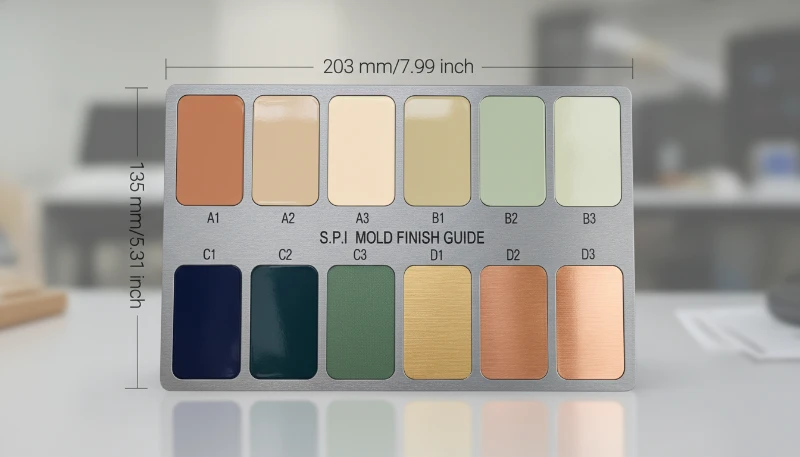
Standard wykończenia powierzchni SPI1 to czterostopniowy system (od A do D), który określa jakość powierzchni gniazda formy.
Zapoznaj się z naszym przewodnikiem po pozyskiwaniu dostawców, aby przygotować zapytanie ofertowe i przeprowadzić kwalifikację dostawcy.
Szersze omówienie projektowania form wtryskowych zawiera nasz przewodnik filarowy, który obejmuje budowę oprzyrządowania, kontrolę cieplną i kompromisy związane z wykonalnością produkcyjną.
Standard wykończenia powierzchni SPI to system klasyfikacji stosowany w projektach formowania wtryskowego do określania wymagań dotyczących wyglądu i właściwości dotykowych powierzchni formowanych części z tworzyw sztucznych. Dla kupujących stanowi wspólny język używany przy wycenie, polerowaniu formy2, próbkach kontrolnych i końcowej akceptacji części.
- Wykończenie powierzchni według SPI jest zarówno wymaganiem estetycznym, jak i decyzją wpływającą na koszt oprzyrządowania, a nie tylko adnotacją na rysunku.
- Dobierz wykończenie łącznie z tworzywem, kątem pochylenia, gatunkiem stali, układem wypychania, wymaganiami dotyczącymi malowania lub faktury oraz metodą kontroli.
- Ustal docelowe wykończenie powierzchni na etapie DFM, aby polerowanie, próby i ostateczne zatwierdzenie nie spowodowały na późnym etapie nieoczekiwanych kosztów ani wydłużenia terminu realizacji.
Normy te zapewniają wspólny język projektantom przemysłowym, inżynierom, producentom form, kierownikom projektów i zespołom jakości. Gdy wszyscy posługują się tą samą klasą SPI, znika niejednoznaczność dotycząca wyglądu powierzchni, wymaganego nakładu pracy na polerowanie oraz oczekiwanych kosztów i terminów realizacji. System SPI ułatwia także komunikację między producentami OEM a zagranicznymi narzędziowniami, w której odmienne nazewnictwo lub regionalne normy, takie jak VDI 3400, mogłyby prowadzić do nieporozumień.
Standardy dzielą się na cztery główne klasy. Przed finalizacją oferty każdą trzeba powiązać z celem kosmetycznym, metodą kontroli, żywicą i budżetem formy:
Klasa A (połysk/polerowanie diamentowe): Lustrzane wykończenie części optycznych, przezroczystych lub ekskluzywnych części dekoracyjnych, na których rysy i zapadnięcia są bardzo widoczne.
Klasa B (półpołysk/papier ścierny): Gładkie wykończenie bez silnego odbicia światła.
Klasa C (mat/kamień): Nieodblaskowe, standardowe wykończenie przemysłowe.
Klasa D (tekstura/obróbka strumieniowo-ścierna): Chropowate wykończenie uzyskiwane przez obróbkę suchym ścierniwem lub elektrodrążenie (EDM).
Jakie są parametry techniczne wykończeń SPI?
Parametry techniczne wykończeń SPI obejmują chropowatość powierzchni (Ra), metodę polerowania oraz minimalny kąt pochylenia dla każdej klasy.
Aby zapewnić wykonalność produkcyjną, inżynierowie muszą przestrzegać określonych wymagań dotyczących średniej chropowatości (Ra) i kąta pochylenia. Poniższa tabela przedstawia dwanaście głównych oznaczeń SPI.
| Klasa SPI | Opis wykończenia | Metoda nakładania | Typowa chropowatość Ra (µm) | Typowa wartość Ra (µin) | Min. kąt pochylenia | Główne zastosowanie |
|---|---|---|---|---|---|---|
| A-1 | Bardzo wysoki połysk | Polerowanie diamentowe klasy nr 3 | 0.012 – 0.025 | 0 – 1 | 1° | Soczewki, lustra, wizjery |
| A-2 | Wysoki połysk | Polerowanie diamentowe klasy #6 | 0.025 – 0.05 | 1 – 2 | 1° | Obudowy kosmetyków, elektronika |
| A-3 | Normalny połysk | Polerowanie diamentowe klasy #15 | 0.05 – 0.10 | 2 – 4 | 2° | Artykuły gospodarstwa domowego, części nieprzezroczyste |
| B-1 | Gładka / półpołysk | Papier ścierny o gradacji 600 | 0.05 – 0.10 | 2 – 3 | 1° | Części o średnim stopniu polerowania |
| B-2 | Gładka / średnia | Papier ścierny o gradacji 400 | 0.10 – 0.15 | 4 – 5 | 1° | Jakie są zalety i wady każdej kategorii ocen? |
| B-3 | Gładka / niski połysk | Papier ścierny o gradacji 320 | 0.28 – 0.32 | 9 – 10 | 2° | Ekonomiczne formowanie |
| C-1 | Matowa / drobna | Kamień ścierny o ziarnistości 600 | 0.35 – 0.40 | 10 – 12 | 1.5° | Wygląd odlewu ciśnieniowego, elementy wewnętrzne |
| C-2 | Matowe / średnie | Kamień ścierny o gradacji 400 | 0.80 – 0.95 | 25 – 28 | 1.5° | Części konstrukcyjne, łatwe uwalnianie |
| C-3 | Matowa / szorstka | Kamień ścierny o gradacji 320 | 0.95 – 1.10 | 38 – 42 | 2° | Ciężkie części użytkowe |
| D-1 | Teksturowane / satynowe | Obróbka strumieniowo-ścierna na sucho (kulki szklane) | Zmienna | Zmienna | 2.5°+ | Uchwyty o satynowym wykończeniu |
| D-2 | Teksturowany / matowy | Obróbka strumieniowo-ścierna na sucho (tlenek glinu) | Zmienna | Zmienna | 3°+ | Obudowa przemysłowa, uchwyt |
| D-3 | Teksturowana / szorstka | Obróbka strumieniowo-ścierna na sucho (tlenek #24) | Zmienna | Zmienna | 3°+ | Wyraźna faktura, maskowanie wad |
Jak przebiega proces polerowania krok po kroku?
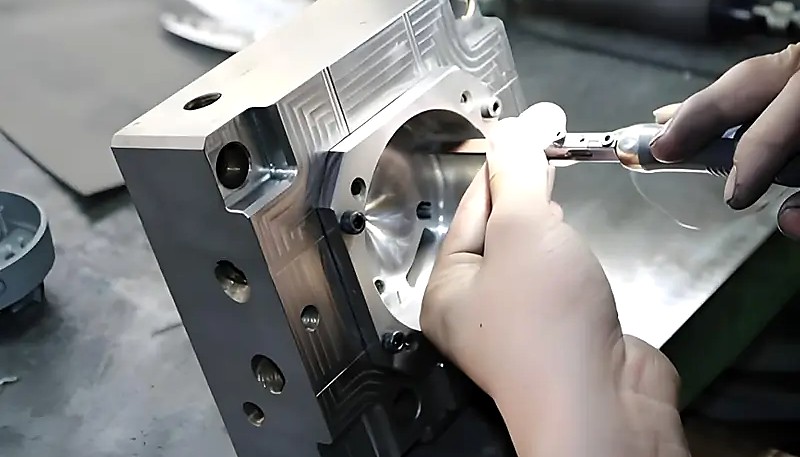
Uzyskanie określonego wykończenia SPI jest procesem obróbki ubytkowej wykonywanym na stali gniazda formy.
Obróbka zgrubna: Rdzeń i gniazdo formy są obrabiane CNC do przybliżonego kształtu. Powierzchnia jest chropowata i często widać na niej ślady narzędzi.
Obróbka kamieniem (wyrównywanie): Narzędziowcy używają kamieni ściernych do usuwania śladów obróbki CNC i wyrównywania powierzchni. Jest to poziom bazowy dla klas C.
Polerowanie papierem ściernym: Jeśli wymagane jest gładsze wykończenie, powierzchnię szlifuje się papierem ściernym o stopniowo coraz drobniejszym ziarnie (od 320 do 600). W ten sposób uzyskuje się klasy B.
Wnioski z fabryki: W naszej narzędziowni w Szanghaju zespół ocenia wykończenie SPI łącznie z doborem żywicy, kątem pochylenia, układem wypychaczy i oświetleniem inspekcyjnym. Przed przygotowaniem wyceny nasi inżynierowie porównują wymagane wykończenie z ponad 400 dostępnymi tworzywami sztucznymi i możliwościami 47 wtryskarek. Pytamy również, czy powierzchnia będzie malowana, znakowana laserowo, dotykana przez użytkowników, czyszczona chemicznie lub oceniana w silnym świetle, ponieważ te szczegóły decydują o tym, czy polerowanie lustrzane wniesie wartość, czy jedynie zwiększy koszt.
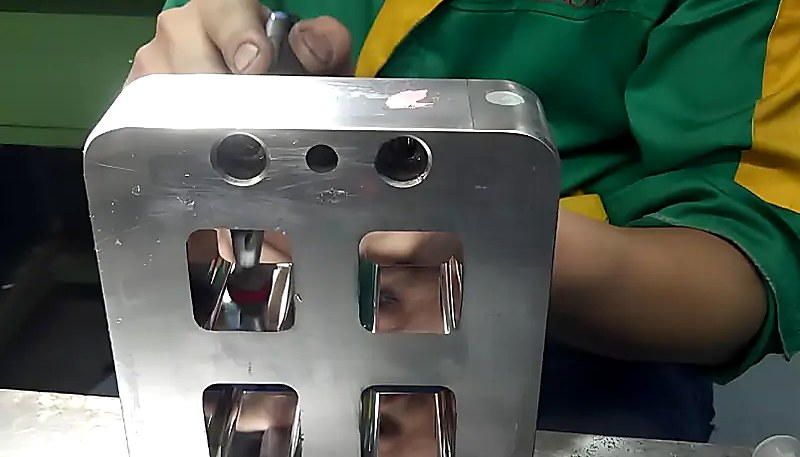
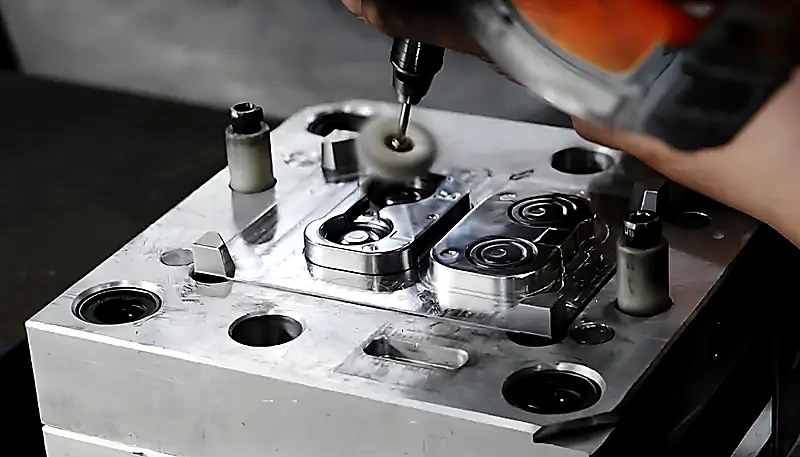
Polerowanie diamentowe (opcjonalne): Aby uzyskać klasy A, na obrotowe narzędzie polerskie nakłada się pastę diamentową. Stal jest polerowana aż do uzyskania optycznej zdolności odbijania światła.
Jakie są zalety i wady poszczególnych kategorii gatunków?
Zalety i wady klas SPI wynikają z kompromisu między stopniem wypolerowania powierzchni, kosztem oprzyrządowania a widocznością wad.
| Skonsultuj się z Molderem: | Zalety | Wady |
|---|---|---|
| Klasa A (połysk) | Najwyższe walory estetyczne; przejrzystość optyczna detali przezroczystych; postrzegana wysoka wartość. | Najwyższy koszt oprzyrządowania; podatność na przywieranie wskutek efektu „przyssania”; uwydatnia wady powierzchni (zarysowania, odciski palców, zapadnięcia. |
| Klasa B (półpołysk) | Dobra równowaga między kosztem a estetyką; nadaje się do malowania lub galwanizacji; usuwa ślady obróbki. | Nadal mogą występować pewne wady formowania; wymaga ręcznego polerowania. |
| Klasa C (matowa) | Niski koszt oprzyrządowania (najszybsza obróbka); doskonałe uwalnianie części; ukrywa drobne ślady narzędzi. | Może wyglądać na niewykończoną lub przemysłową; nie nadaje się do eksponowanych powierzchni wysokiej klasy produktów konsumenckich. |
| Klasa D (teksturowana) | Doskonałe rozwiązanie do ukrywania zapadnięć i linii płynięcia; poprawia chwyt; zapewnia trwały wygląd powierzchni. | Najtrudniejsza do czyszczenia (zatrzymuje odciski palców); wymaga znacznych kątów pochylenia w przypadku powierzchni teksturowanych; trudna do naprawy po uszkodzeniu formy. |
"Powierzchnie fakturowane (SPI D-series) wymagają na ogół większego pochylenia na jednostkę głębokości faktury niż powierzchnie polerowane, aby zapobiec zakleszczaniu się detalu."True
Faktury tworzą podcięcia w skali mikroskopowej; ogólna zasada przewiduje 1.5 stopnia pochylenia na każde 0.001 cala głębokości faktury, aby zapobiec śladom tarcia przy wyjmowaniu detalu.
„Wyższa klasa wykończenia SPI (np. A-1) zawsze ułatwia wyrzut części.”False
Lustrzane wykończenie może wytworzyć efekt uszczelnienia próżniowego między częścią a stalą formy, powodując przywieranie części. Często wymaga to zaworów nadmuchowych lub przerywaczy próżni, aby wypchnąć część bez odkształcenia.
Jakie praktyczne wskazówki pomagają zoptymalizować dobór wykończenia powierzchni?
Zgodność materiałowa: Nie każda żywica może odwzorować każdą klasę SPI. PC, PMMA i ABS zwykle dobrze zachowują wykończenia klasy A o wysokim połysku, natomiast PP, POM i nylon mogą wykazywać różną teksturę zależnie od kierunku przepływu. Najtrudniejsze są gatunki wzmacniane włóknem szklanym, ponieważ powyżej C-1 włókna stają się widoczne na powierzchni. Jeśli dla nylonu z 30% włókna szklanego określisz powierzchnię klasy A, uwzględnij w budżecie stal S136 lub H13, dodatkowe polerowanie i realistyczną procedurę zatwierdzania próbek.
Strategia dotycząca zapadnięć: Zapadnięcia są najbardziej widoczne na błyszczących powierzchniach klasy A, gdzie nawet wgłębienie 0.05 mm może rzucać się w oczy w oświetleniu kontrolnym. Na matowych powierzchniach klasy C lub teksturowanych powierzchniach klasy D takie samo zapadnięcie jest znacznie mniej widoczne. Stosuj klasę A tylko na powierzchniach widocznych dla kupującego, a klasę C lub D na ukrytych stronach z żebrami, występami lub zmienną grubością ścianek. Takie rozdzielenie klas może obniżyć koszt polerowania o 30% do 50%, zachowując postrzeganą jakość.
Zarządzanie kosztami: Praca związana z polerowaniem jest istotnym kosztem zmiennym w produkcji form. Przejście z C-1 na A-1 może zwiększyć koszt formy o 15% do 30%, ponieważ polerowanie diamentowe jest powolną pracą wymagającą kwalifikacji. Głębokie żebra, podcięcia i złożone linie podziału dodatkowo zwiększają ten mnożnik. Przypisz części klasy: A na głównej powierzchni dekoracyjnej, B na powierzchniach drugorzędnych oraz C lub D na powierzchniach ukrytych. Pozwala to zachować konkurencyjność formy i zmniejsza ryzyko związane z konserwacją podczas produkcji.
Jakie są typowe scenariusze zastosowań?
Typowe zastosowania klas SPI są dopasowane do rodzaju produktu: w soczewkach optycznych stosuje się A-1, w obudowach konsumenckich B-1, a w uchwytach narzędzi D-2.
SPI A-1 (diament #1): Soczewki reflektorów samochodowych, pryzmaty optyczne, pipety medyczne i ekskluzywne opakowania kosmetyczne, w których nieskazitelna przejrzystość jest głównym atutem sprzedażowym. Każda wada powierzchni, mikrorysa lub linia płynięcia staje się natychmiast widoczna w bezpośrednim świetle, dlatego tylko polerowanie stali najwyższej klasy i skrupulatna kontrola procesu pozwalają konsekwentnie uzyskiwać takie wykończenie. A-1 stosuje się również dla okienek urządzeń medycznych i elementów toru przepływu płynów, gdzie chropowatość powierzchni mogłaby zatrzymywać zanieczyszczenia lub wpływać na dynamikę płynu.
SPI A-2 (diament #2): Ekrany smartfonów, ekskluzywne puderniczki kosmetyczne, elementy wykończenia wnętrz samochodów i obudowy produktów konsumenckich klasy premium, w których wygląd bezpośrednio wpływa na postrzeganą jakość produktu. A-2 zapewnia odbicie niemal lustrzane przy nieco większej tolerancji śladów narzędzi niż A-1, dzięki czemu jest praktycznym wyborem dla widocznych powierzchni, które nadal wymagają wypolerowanego, profesjonalnego wyglądu w konkurencyjnym środowisku handlu detalicznego. Producenci elektroniki użytkowej często wybierają A-2 dla ramek wyświetlaczy i paneli sterowania, które muszą wyglądać ekskluzywnie bez ponoszenia kosztów oprzyrządowania A-1.
Kiedy stosować wykończenia teksturowane i przemysłowe
SPI B-1 (papier #1): Klawisze klawiatur, obudowy przeznaczone do malowania, obudowy elektroniki użytkowej i osłony urządzeń. Wykończenia klasy B zapewniają gładkość wystarczającą do operacji wykonywanych po formowaniu, takich jak malowanie, drukowanie czy nakładanie powłok teksturowych, bez kosztownego polerowania diamentowego. Z naszego doświadczenia wynika, że B-1 jest najbardziej opłacalną klasą, gdy część po formowaniu zostanie poddana wtórnej obróbce powierzchni. Klasa ta jest również szeroko stosowana w wewnętrznych wspornikach konstrukcyjnych i ukrytych elementach, które nadal wymagają czystej, jednolitej powierzchni zapewniającej właściwe dopasowanie montażowe.
SPI C-3 i klasy D: Uchwyty elektronarzędzi, osłony kolumn kierowniczych, obudowy wzmocnionych laptopów, obudowy sprzętu zewnętrznego i wszelkie zastosowania, w których połączenie pewnego chwytu, trwałości i wizualnego ukrycia śladów procesu jest ważniejsze niż połysk. Teksturowane wykończenia klasy D szczególnie skutecznie ukrywają zapadnięcia, linie łączenia i ślady płynięcia, które byłyby rażące na polerowanej powierzchni. Dlatego są domyślnym wyborem dla elementów konstrukcyjnych i przemysłowych.
Jak krok po kroku wybrać odpowiednią klasę wykończenia SPI?
Dobór właściwej klasy wykończenia SPI przebiega w pięciu etapach: określenie funkcji, sprawdzenie polimeru, analiza pochylenia, ustalenie budżetu i konsultacja z wykonawcą formowania.
Określ funkcję: Czy część musi być przezroczysta? (Wybierz A). Czy musi zapewniać dobry chwyt lub mieć wyczuwalną teksturę? (Wybierz D). Czy musi łatwo wychodzić z formy przy minimalnym kącie pochylenia? (Wybierz C). Każdy wybór SPI rozpocznij od zapisania wymagań funkcjonalnych, a nie preferowanego wyglądu. W wielu przypadkach cel estetyczny koliduje z potrzebą funkcjonalną, a im wcześniej ujawnisz to napięcie, tym szybciej rozwiążesz je z partnerem odpowiedzialnym za oprzyrządowanie.
Sprawdź polimer: Czy materiał jest niewypełniony, czy wzmocniony włóknem szklanym? Jeśli jest wzmacniany włóknem szklanym, ogranicz oczekiwania do B-3 lub C-1, ponieważ ułożenie włókien na powierzchni tworzy widoczne smugi, których nie usunie żadne polerowanie. Zapisz gatunek żywicy, procentową zawartość wypełniacza, kolor, docelowy połysk i wzorniki w dokumencie specyfikacji SPI, aby wyeliminować niejasności między kupującym a firmą formującą.
Sprawdź wymagania dotyczące pochylenia: Skontroluj model CAD. Jeśli pionowe ścianki mają pochylenie 0 stopni lub 0.5 stopnia, nie można zastosować tekstury (klasy D), ponieważ chropowata powierzchnia zwiększa tarcie podczas wypychania i powoduje przywieranie lub odkształcenie części. Dla wykończeń teksturowanych trzeba dodać co najmniej 1 do 3 stopni pochylenia albo przejść na wykończenie polerowane, które pozwala zastosować mniejsze kąty.
Określ budżet: Jeśli głównym kryterium jest koszt, wybierz SPI C-1. Jest to standardowe wykończenie po obróbce skrawaniem, które wymaga minimalnej obróbki końcowej i można je uzyskać na standardowej stali narzędziowej P20. Przejście z C-1 na A-2 może zwiększyć koszt formy o 20% do 40% z powodu dodatkowych godzin polerowania. Zawsze uzyskuj wycenę oprzyrządowania z podaną dokładną klasą SPI, a nie tylko domyślnym poziomem wykończenia.
Skonsultuj się z firmą formującą: Przed podjęciem ostatecznej decyzji zapytaj firmę zajmującą się formowaniem wtryskowym, czy wybrane wykończenie wymaga określonej stali na formy, na przykład H13 zamiast P20, co mogłoby wpłynąć na czas realizacji i koszt. Doświadczona firma może również ocenić, czy wykończenie będzie dobrze współpracować z wybraną żywicą, czy ślady wypychaczy będą widoczne przy docelowym poziomie wykończenia oraz czy operacje wtórne, takie jak malowanie lub nakładanie tekstury, są zgodne z bazową klasą SPI.
"Wykończenie SPI należy zatwierdzić przed końcowym polerowaniem stali formy."True
Późne zmiany wykończenia mogą wymagać ponownego polerowania, ponownego teksturowania, dodatkowego przeglądu skosów i dodatkowego czasu na próbki, szczególnie przy przejściu z powierzchni matowych na wysoki połysk.
"Wszystkie klasy wykończenia powierzchni według SPI wymagają takiego samego pochylenia ułatwiającego wyjmowanie z formy i takich samych nastaw wypychania."False
Wykończenia błyszczące, matowe i teksturowane zachowują się inaczej podczas zwalniania, dlatego skos, kierunek polerowania, skurcz żywicy i siła wypychania muszą być przeanalizowane razem.
Jakich pytań dotyczących wykończeń SPI zadają kupujący?
Jaka jest różnica między standardami SPI a VDI 3400?
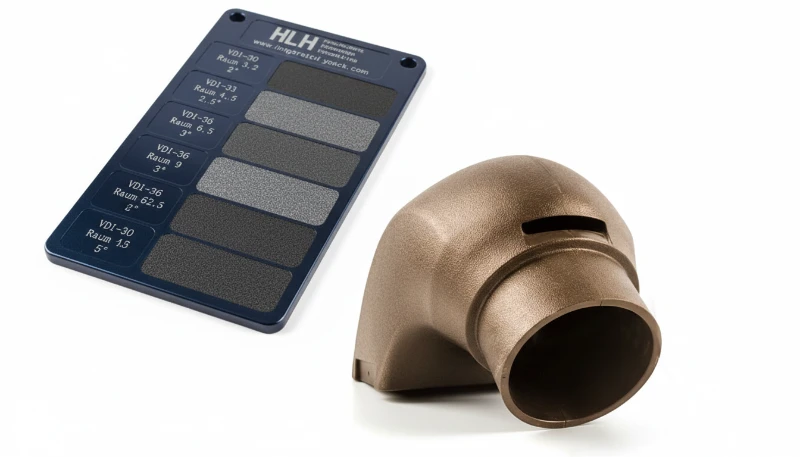
SPI jest powszechnie stosowane w projektach formowania wtryskowego w Ameryce Północnej, podczas gdy VDI 3400 jest szeroko używane w komunikacji narzędziowej w Europie. Oba opisują teksturę powierzchni, ale nie są idealnie odwzorowane, ponieważ metody pomiaru i rodziny tekstur różnią się. Jeśli rysunek wymienia jeden standard, a dostawca używa innego, poproś o tabelę konwersji, płytkę tekstury lub zatwierdzoną próbkę. Unika to sytuacji, w której ta sama powierzchnia jest interpretowana inaczej przez projektanta, wytwórcę formy, końcowego inspektora i kupującego podczas zatwierdzania produkcji.
Czy mogę zmienić wykończenie powierzchni po wykonaniu formy?
Czasami, ale kierunek zmiany ma znaczące znaczenie. Przejście z wypolerowanej powierzchni na bardziej chropowatą teksturę jest często możliwe, ponieważ narzędzie może być po polerowaniu piaskowane, trawione lub teksturowane. Przejście z chropowatej lub powierzchni EDM z powrotem na wysoki połysk jest znacznie trudniejsze, ponieważ stal musi zostać usunięta i ponownie wypolerowana, co może zmienić krytyczne wymiary. Głębokie żebra, zamknięcia i teksturowane ściany pionowe mogą również wymagać dodatkowego przeglądu skosów i próbkowania. Dlatego ostateczny zamiar wykończenia powinien być ustalony podczas DFM, a nie po pierwszym próbkowaniu, aby uniknąć kosztownych przeróbek i opóźnień.
Czy wykończenie powierzchni wpływa na czas cyklu?
Tak. Wysokie wykończenie połyskowe może wymagać bardziej starannego chłodzenia, wolniejszego wypychania i lepszego odpowietrzania, aby uniknąć śladów ciągnięcia lub naprężeń kosmetycznych. Teksturowane wykończenie może zwiększyć przywieranie części, jeśli skos jest zbyt mały, co może spowolnić wypychanie lub powodować zadrapania. Wykończenie powierzchni wpływa również na standardy kontroli, ponieważ wady kosmetyczne są łatwiej widoczne na błyszczących częściach. Do planowania produkcji inżynierowie powinni przeanalizować razem wykończenie, żywicę, kąt skosu, układ wypychania, akceptowalne kryteria wad, oczekiwane ślady obróbki i docelowe czasy cyklu przed próbkowaniem.
Które wykończenie SPI jest najlepsze dla malowanych części plastikowych?
SPI B-1 lub B-2 jest często praktycznym punktem wyjścia dla malowanych części plastikowych, ponieważ powierzchnia jest wystarczająco gładka dla przyczepności powłoki, ale nie tak droga jak wykończenie lustrzane klasy A. Dokładny wybór zależy od systemu malowania, typu żywicy, kompatybilności podkładu, oczekiwanego poziomu połysku oraz tego, czy część będzie szlifowana przed malowaniem. Bardzo chropowata powierzchnia może przenosić fakturę przez farbę, podczas gdy nadmiernie błyszcząca powierzchnia może zmniejszyć przyczepność podkładu. Zawsze potwierdzaj proces powlekania na próbkach części przed zaangażowaniem się w produkcję masową, szczególnie dla wykończeń wielowarstwowych lub metalicznych.
Czy stal formerska wpływa na końcowe wykończenie SPI?
Absolutnie. Nie można osiągnąć każdego wykończenia na każdej klasie stali. Wykończenia lustrzane zazwyczaj wymagają wysokiej jakości stali narzędziowej, takiej jak H13 lub S136, z ostrożnym polerowaniem, podczas gdy miększe materiały lub narzędzia aluminiowe mogą ograniczać osiągalną jakość powierzchni. Twardość stali, czystość, jednorodność obróbki cieplnej, naprawy spawalnicze i warstwy przetopu EDM mogą wpływać na końcowy wygląd. Dla krytycznych części kosmetycznych, oferta formy powinna określać typ stali, cel wykończenia, metodę inspekcji oraz wszelkie próbki faktury lub połysku potrzebne do zatwierdzenia przed wydaniem narzędzia do produkcji.
Jak klasa wykończenia SPI wpływa na koszt wtryskiwania?
Klasa wykończenia SPI ma bezpośredni i znaczący wpływ na koszt formy. Przejście z wykończenia kamieniem klasy C na polerowanie diamentowe klasy A może zwiększyć czas wytwarzania formy o 15 do 30 procent, ponieważ każdy kolejny krok wymaga coraz więcej ręcznej pracy polerskiej. Wykończenia klasy A mogą również wymagać stali narzędziowej wyższej jakości, dodatkowych rund próbkowania i surowszych kryteriów inspekcji kosmetycznej podczas produkcji. Dla projektów wrażliwych na budżet, inżynierowie często określają wykończenia klasy A tylko na widocznych powierzchniach, używając klas C lub D na niewidocznych lub wewnętrznych powierzchniach, aby zrównoważyć wygląd z całkowitą inwestycją w narzędzia.
Jaka jest istota standardów wykończenia powierzchni SPI?
Najważniejszy wniosek dotyczący standardów wykończenia powierzchni SPI wynika z funkcji, ograniczeń i kompromisów opisanych w tej sekcji. Wybór właściwego wykończenia powierzchni SPI nie jest jedynie decyzją estetyczną — determinuje stal formy, pochylenie wymagane do czystego uwolnienia części oraz końcowy koszt narzędzia. Klasy SPI A oferują ekskluzywny wygląd o jakości optycznej, lecz wiążą się z wyższymi kosztami konserwacji i produkcji. Klasy SPI C i D zapewniają praktyczne, wytrzymałe powierzchnie, które ukrywają wady formowania i obniżają koszty oprzyrządowania. Inżynierowie muszą równoważyć wymagania wizualne z fizycznymi właściwościami wybranego polimeru i geometrii części. Pełne omówienie zawiera nasz Kompletny przewodnik po formach wtryskowych.
Potrzebujesz wyceny projektu formowania wtryskowego?
Uzyskaj konkurencyjną wycenę, informacje zwrotne z analizy DFM oraz harmonogram produkcji od zespołu inżynierów ZetarMold. Dodatkowe informacje dotyczące zaopatrzenia znajdziesz w naszym przewodniku po wyborze dostawcy usług formowania wtryskowego.
Poproś o bezpłatną wycenę →
SPI: SPI to klasyfikacja wykończenia powierzchni służąca do przekazywania wymagań estetycznych i narzędziowych dotyczących formowanych części z tworzyw sztucznych. ↩
Polerowanie formy: Polerowanie to kontrolowany proces ścierania powierzchni stalowego gniazda formy w celu uzyskania określonej chropowatości powierzchni i klasy estetycznej. ↩
Ra (średnia chropowatość): Ra (średnia chropowatość) jest ilościową miarą tekstury powierzchni, obliczaną jako średnia arytmetyczna wartości bezwzględnych odchyleń wysokości powierzchni od linii średniej. ↩