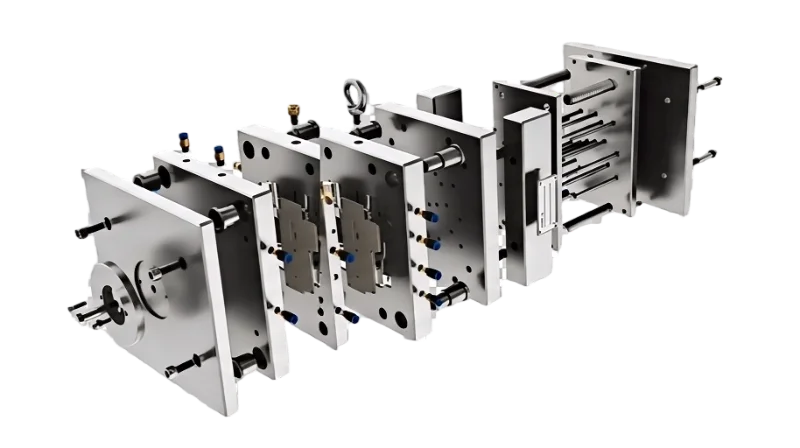
Wat is de SPI-norm voor oppervlakteafwerking?
De SPI1-norm voor oppervlakteafwerking is een systeem met vier klassen (A tot en met D) dat de oppervlaktekwaliteit van de matrijsholte definieert.
Bekijk onze gids voor leveranciersselectie voor de voorbereiding van RFQ’s en de kwalificatie van leveranciers.
Voor een bredere kijk op het ontwerp voor spuitgietmatrijzen behandelt onze hoofdgids de gereedschapsstructuur, temperatuurregeling en afwegingen rond maakbaarheid.
De SPI-norm voor oppervlakteafwerking is een classificatiesysteem dat in spuitgietprojecten wordt gebruikt om eisen aan de cosmetische en tactiele afwerking van gegoten kunststofonderdelen vast te leggen. Voor inkopers biedt dit een gemeenschappelijke taal voor offertes, matrijspolijsten2, inspectiemonsters en de definitieve goedkeuring van onderdelen.
- SPI-oppervlakteafwerking is zowel een cosmetische eis als een gereedschapskostenbeslissing, niet slechts een tekeningnotitie.
- Kies de afwerking samen met de hars, lossingshoek, staalsoort, uitwerpopstelling, verf- of textuurvereisten en inspectiemethode.
- Leg de beoogde afwerking tijdens DFM vast, zodat polijsten, bemonstering en eindgoedkeuring niet pas laat tot onverwachte kosten of doorlooptijd leiden.
Deze normen bieden een gemeenschappelijke taal voor industrieel ontwerpers, engineers, matrijzenmakers, projectmanagers en kwaliteitsteams. Wanneer iedereen naar dezelfde SPI-klasse verwijst, verdwijnt de onduidelijkheid over hoe een oppervlak eruit moet zien, hoeveel polijstwerk nodig is en welke kosten en doorlooptijd te verwachten zijn. Het SPI-systeem helpt ook communicatiekloven tussen OEM’s en buitenlandse matrijzenbouwers te overbruggen, waar andere terminologie of regionale normen zoals VDI 3400 anders verwarring kunnen veroorzaken.
De normen zijn ingedeeld in vier hoofdklassen. Koppel elke klasse aan een duidelijk cosmetisch doel, inspectiemethode, harskeuze en gereedschapsbudget voordat de matrijsofferte definitief wordt:
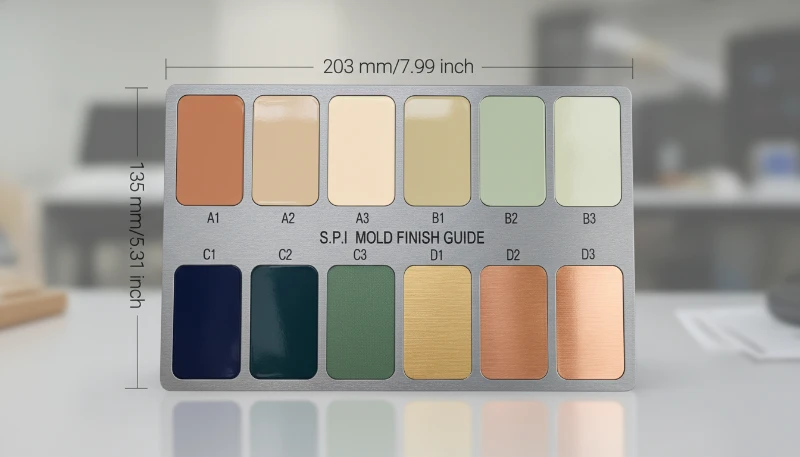
Klasse A (glans/diamantpolijsten): spiegelachtige afwerking voor optische, transparante of hoogwaardige cosmetische onderdelen waarop krassen en invalplekken zeer goed zichtbaar zijn.
Klasse B (zijdeglans/schuurpapier): gladde afwerking zonder sterke reflectie.
Klasse C (mat/steen): niet-reflecterende, standaard industriële afwerking.
Klasse D (structuur/stralen): ruwe afwerking die ontstaat door droogstralen of vonkverspanen (EDM).
Wat zijn de technische parameters van SPI-afwerkingen?
De technische parameters voor SPI-afwerkingen zijn oppervlakteruwheid (Ra), polijstmethode en minimale lossingshoek per klasse.
Om de maakbaarheid te waarborgen, moeten ingenieurs voldoen aan specifieke gemiddelde ruwheidswaarden (Ra) en eisen voor lossingshoeken. De volgende tabel beschrijft de twaalf belangrijkste SPI-aanduidingen.
| SPI-klasse | Beschrijving van de afwerking | Toepassingsmethode | Typische Ra (µm) | Typische Ra (µin) | Min. lossingshoek | Primaire toepassing |
|---|---|---|---|---|---|---|
| A-1 | Zeer hoogglans | Diamantpolijsting klasse #3 | 0.012 – 0.025 | 0 – 1 | 1° | Lenzen, spiegels, vizieren |
| A-2 | Hoogglans | Kwaliteit nr. 6, diamantpolijsting | 0.025 – 0.05 | 1 – 2 | 1° | Cosmeticabehuizingen, elektronica |
| A-3 | Normale glans | Korrel #15 diamantpolijsting | 0.05 – 0.10 | 2 – 4 | 2° | Huishoudelijke artikelen, ondoorzichtige onderdelen |
| B-1 | Glad / halfglanzend | Schuurpapier korrel 600 | 0.05 – 0.10 | 2 – 3 | 1° | Onderdelen met gemiddelde polijstgraad |
| B-2 | Glad / gemiddeld | D-Grades | 0.10 – 0.15 | 4 – 5 | 1° | Algemeen spuitgieten, overschilderbare onderdelen |
| B-3 | Glad / lage glans | Schuurpapier korrel 320 | 0.28 – 0.32 | 9 – 10 | 2° | Economisch spuitgieten |
| C-1 | Mat / fijn | Slijpsteen met korrel 600 | 0.35 – 0.40 | 10 – 12 | 1.5° | Drukgietuitstraling, interne onderdelen |
| C-2 | Mat / Gemiddeld | Slijpsteen korrel 400 | 0.80 – 0.95 | 25 – 28 | 1.5° | Structurele onderdelen, eenvoudig lossen |
| C-3 | Mat / ruw | Slijpsteen korrel 320 | 0.95 – 1.10 | 38 – 42 | 2° | Zware functionele onderdelen |
| D-1 | Getextureerd / Satijn | Droogstralen (glasparel) | Varieert | Varieert | 2.5°+ | Handgrepen met satijnafwerking |
| D-2 | Getextureerd / mat | Droogstralen (aluminiumoxide) | Varieert | Varieert | 3°+ | Industriële behuizing, handgreep |
| D-3 | Getextureerd / ruw | Droogstralen (#24 oxide) | Varieert | Varieert | 3°+ | Zware textuur, verbergt defecten |
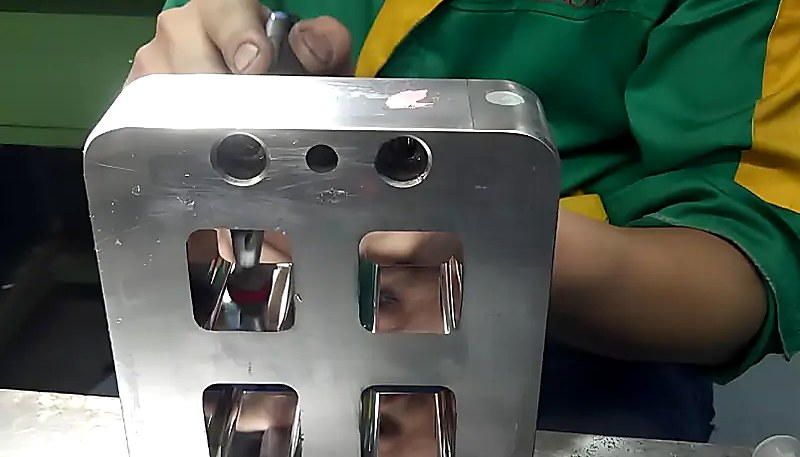
Hoe wordt het polijstproces stap voor stap uitgevoerd?
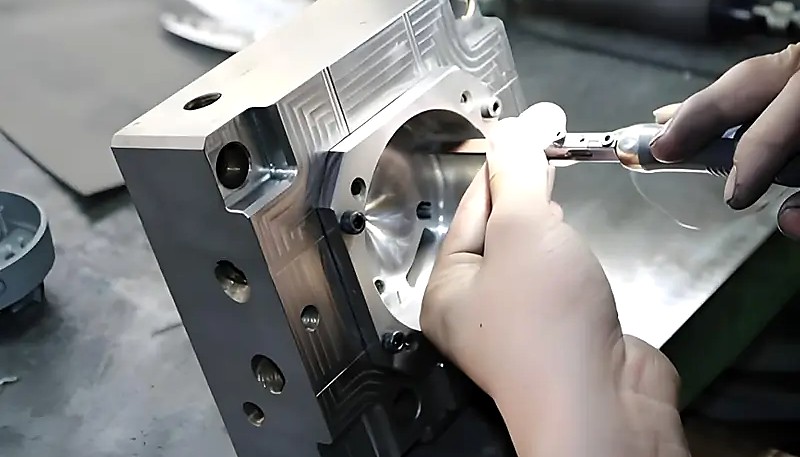
Het realiseren van een specifieke SPI-afwerking is een verspanend productieproces dat op het staal van de matrijsholte wordt toegepast.
Ruwverspanen: de matrijskern en -holte worden met CNC-machines bij benadering in vorm gebracht. Het oppervlak is ruw en vertoont vaak gereedschapssporen.
Stenen (egaliseren): gereedschapmakers gebruiken slijpstenen om CNC-gereedschapssporen te verwijderen en het oppervlak te egaliseren. Dit is de basis voor C-klassen.
Polijsten met schuurpapier: als een gladdere afwerking nodig is, wordt het oppervlak geschuurd met steeds fijner schuurpapier (korrel 320 tot 600). Hiermee worden B-klassen bereikt.
Inzicht uit de fabriek: In onze matrijzenmakerij in Shanghai beoordeelt ons team de SPI-oppervlakteafwerking in samenhang met de harskeuze, lossingshoek, uitwerperindeling en inspectieverlichting. Vóór de offerte vergelijken onze engineers de gewenste afwerking met 400+ kunststofopties en 47 spuitgietmachines. We vragen ook of het oppervlak wordt gelakt, lasergemarkeerd, door gebruikers wordt aangeraakt, met chemicaliën wordt gereinigd of onder fel licht wordt goedgekeurd, omdat deze details bepalen of spiegelpolijsten waarde toevoegt of alleen kosten.
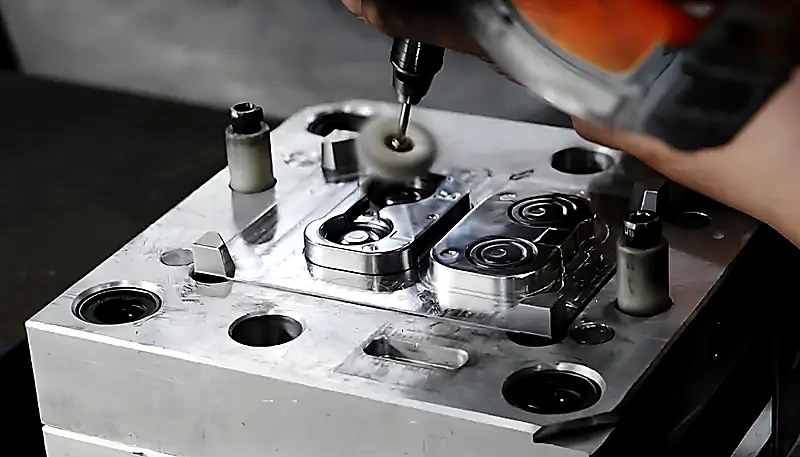
Diamantpolijsten (optioneel): voor A-klassen wordt diamantpasta op een roterende polijstschijf aangebracht. Het staal wordt gepolijst tot het optisch reflecteert.
Wat zijn de voor- en nadelen van elke kwaliteitscategorie?
De voor- en nadelen van SPI-klassen worden bepaald door de afweging tussen het polijstniveau van het oppervlak, de gereedschapskosten en de zichtbaarheid van defecten.
| SPI-categorie | Voordelen | Nadelen |
|---|---|---|
| Klasse A (glans) | Hoogste esthetische aantrekkingskracht; optische helderheid voor transparante onderdelen; hoge gepercipieerde waarde. | Hoogste matrijskosten; gevoelig voor vastkleven door ‘vacuümafdichting’; benadrukt oppervlaktedefecten (krassen, vingerafdrukken, inval. |
| Klasse B (zijdeglans) | Goede balans tussen kosten en esthetiek; geschikt voor lakken of galvaniseren; verwijdert bewerkingssporen. | Kan nog enkele vormdefecten vertonen; vereist handmatige polijstarbeid. |
| Klasse C (mat) | Lage gereedschapskosten (het snelst te bewerken); uitstekend voor het lossen van onderdelen; verbergt kleine gereedschapssporen. | Kan er ‘onafgewerkt’ of industrieel uitzien; niet geschikt voor hoogwaardige zichtvlakken van consumentenproducten. |
| Klasse D (gestructureerd) | Uitstekend voor het verbergen van inval en vloeilijnen; verbetert de grip; duurzaam uiterlijk van het oppervlak. | Het moeilijkst te reinigen (vingerafdrukken blijven gemakkelijk achter); vereist aanzienlijke lossingshoeken voor gestructureerde oppervlakken; moeilijk te repareren als de matrijs beschadigd raakt. |
"Oppervlakken met textuur (SPI D-series) vereisen doorgaans een grotere lossingshoek per eenheid textuurdiepte dan gepolijste oppervlakken om te voorkomen dat het onderdeel blijft vastzitten."True
Texturen creëren ondersnijdingen op microscopisch niveau; als algemene regel geldt 1.5 graden lossingshoek per 0.001 inch textuurdiepte om sleepsporen te voorkomen.
"Een hogere SPI-afwerkingsklasse (zoals A-1) verbetert altijd het uitwerpen van onderdelen."False
Spiegelafwerkingen kunnen feitelijk een vacuümafdichting tussen het onderdeel en het matrijsstaal creëren, waardoor onderdelen blijven kleven. Vaak zijn dan luchtventielen of vacuümbrekers nodig om het onderdeel zonder vervorming uit te werpen.
Welke praktische tips helpen bij het optimaliseren van de keuze van oppervlakteafwerking?
Materiaalcompatibiliteit: niet elke hars kan elke SPI-klasse reproduceren. PC, PMMA en ABS behouden doorgaans goed een hoogglanzende A-afwerking, terwijl PP, POM en nylon in de vloeirichting een afwijkende structuur kunnen vertonen. Glasgevulde kwaliteiten zijn het lastigst, omdat boven C-1 vezelaftekening zichtbaar wordt. Als u voor 30% glasgevuld nylon een klasse-A-oppervlak voorschrijft, houd dan rekening met S136- of H13-staal, extra polijstwerk en een realistische monstergoedkeuring.
Strategie tegen invalplekken: invalplekken zijn het best zichtbaar op glanzende A-oppervlakken, waar zelfs een verdieping van 0,05 mm onder inspectieverlichting kan opvallen. Op matte C- of gestructureerde D-oppervlakken valt dezelfde invalplek veel minder op. Gebruik A alleen op zichtzijden voor de koper en C of D op verborgen zijden met ribben, nokken of variërende wanddiktes. Deze aanpak met verschillende klassen kan de polijstkosten met 30% tot 50% verlagen zonder afbreuk te doen aan de waargenomen kwaliteit.
Kostenbeheersing: polijstwerk is een belangrijke variabele kostenpost bij de matrijsproductie. De stap van C-1 naar A-1 kan de matrijskosten met 15% tot 30% verhogen, omdat diamantpolijsten langzaam vakwerk is. Diepe ribben, ondersnijdingen en complexe deellijnen vergroten die factor. Maak een klassekaart van het onderdeel: A op het primaire zichtvlak, B op secundaire oppervlakken en C of D op verborgen vlakken. Zo blijft de matrijs concurrerend en neemt het onderhoudsrisico tijdens de productie af.
Wat zijn veelvoorkomende toepassingsscenario’s?
Gangbare SPI-toepassingen worden afgestemd op het producttype: optische lenzen gebruiken A-1, consumentenbehuizingen B-1 en gereedschapsgrepen D-2.
SPI A-1 (diamant nr. 1): koplamplenzen, optische prisma’s, medische pipetten en hoogwaardige cosmeticaverpakkingen waarbij perfecte helderheid het belangrijkste verkoopargument is. Elk oppervlaktedefect, microkrasje of elke vloeistreep wordt direct zichtbaar onder rechtstreeks licht. Alleen polijsten van staal van de hoogste kwaliteit en nauwgezette procesbeheersing kunnen deze afwerking daarom consequent realiseren. A-1 wordt ook voorgeschreven voor vensters van medische hulpmiddelen en onderdelen in vloeistoftrajecten, waar oppervlakteruwheid verontreinigingen kan vasthouden of de vloeistofdynamica kan beïnvloeden.
SPI A-2 (diamant nr. 2): smartphoneschermen, hoogwaardige cosmeticadoosjes, interieurdelen van auto’s en luxe behuizingen van consumentenproducten waarbij de uitstraling rechtstreeks van invloed is op de waargenomen productkwaliteit. A-2 biedt een bijna spiegelende reflectie en tolereert iets meer gereedschapssporen dan A-1. Daardoor is het een praktische keuze voor zichtvlakken die in concurrerende winkelomgevingen toch een gepolijste, professionele uitstraling moeten hebben. Fabrikanten van consumentenelektronica kiezen A-2 vaak voor schermranden en bedieningspanelen die er hoogwaardig uit moeten zien zonder de gereedschapskosten van A-1.
Wanneer getextureerde en industriële afwerkingen gebruiken
SPI B-1 (schuurpapier nr. 1): toetsenbordtoetsen, te lakken behuizingen, omkastingen van consumentenelektronica en afdekkingen van apparaten. B-afwerkingen zijn glad genoeg voor nabewerkingen zoals lakken, bedrukken of het aanbrengen van structuurcoatings, zonder de kosten van diamantpolijsten. Onze ervaring is dat B-1 de voordeligste klasse is wanneer het onderdeel na het vormen nog een oppervlaktebehandeling krijgt. Deze klasse wordt ook veel gebruikt voor interne constructiebeugels en verborgen onderdelen die voor een goede passing bij de montage toch een schoon en consistent oppervlak vereisen.
SPI C-3- en D-klassen: handgrepen van elektrisch gereedschap, stuurkolomkappen, robuuste laptopbehuizingen, omkastingen voor buitenapparatuur en elke toepassing waarbij grip, duurzaamheid en het visueel verbergen van procesartefacten belangrijker zijn dan glans. Gestructureerde D-afwerkingen verbergen invalplekken, laslijnen en vloeisporen die op een gepolijst oppervlak sterk zouden opvallen bijzonder goed. Daarom zijn ze de standaardkeuze voor constructieve en industriële onderdelen.
Hoe kiest u stap voor stap de juiste SPI-afwerking?
Het kiezen van de juiste SPI-afwerking is een proces in vijf stappen: bepaal de functie, controleer het polymeer, beoordeel de lossingshoek, stel het budget vast en raadpleeg vervolgens uw spuitgieter.
Bepaal de functionaliteit: moet het onderdeel transparant zijn? (Kies A.) Moet het grip of een voelbaar oppervlak bieden? (Kies D.) Moet het met minimale lossingshoek gemakkelijk uit de matrijs komen? (Kies C.) Begin elke SPI-keuze door de functionele eis vast te leggen, niet de voorkeur voor het uiterlijk. Vaak botst het cosmetische doel met de functionele behoefte. Hoe eerder u die spanning aan het licht brengt, hoe sneller u deze samen met uw gereedschapspartner kunt oplossen.
Controleer het polymeer: is het materiaal ongevuld of glasgevuld? Beperk bij glasvulling uw verwachtingen tot B-3 of C-1, omdat de vezeloriëntatie aan het oppervlak zichtbare strepen veroorzaakt die met geen enkele hoeveelheid polijstwerk te verwijderen zijn. Leg harskwaliteit, vulstofpercentage, kleur, gewenste glans en kleurmonsters vast in uw SPI-specificatie, zodat er geen onduidelijkheid ontstaat tussen inkoper en spuitgieter.
Controleer de lossingshoeken: bekijk uw CAD-model. Bij een lossingshoek van 0 of 0,5 graden op verticale wanden kunt u geen structuur (D-klasse) gebruiken, omdat het ruwe oppervlak tijdens het uitwerpen meer wrijving veroorzaakt en het onderdeel daardoor blijft steken of vervormt. Voor gestructureerde afwerkingen moet u minimaal 1 tot 3 graden lossingshoek toevoegen, of overstappen op een gepolijste afwerking die kleinere lossingshoeken toelaat.
Bepaal het budget: als kosten de belangrijkste factor zijn, schrijft u SPI C-1 voor. Dit is de standaard machinale afwerking die minimale nabewerking vereist en haalbaar is met standaard P20-gereedschapsstaal. Een upgrade van C-1 naar A-2 kan de matrijskosten door de extra polijsturen met 20% tot 40% verhogen. Vraag altijd een gereedschapsofferte aan waarin de exacte SPI-klasse is vermeld, niet alleen een standaard afwerkingsniveau.
Raadpleeg de spuitgieter: vraag vóór de definitieve keuze of de gekozen afwerking specifieke matrijsstaalsoorten vereist, zoals H13 in plaats van P20, aangezien dit de doorlooptijd en kosten kan beïnvloeden. Een ervaren spuitgieter kan ook adviseren of de afwerking goed samengaat met de gekozen hars, of uitwerperafdrukken zichtbaar zijn bij het beoogde afwerkingsniveau en of nabewerkingen zoals lakken of structuurcoatings compatibel zijn met de basis-SPI-klasse.
"De SPI-oppervlakteklasse moet vóór het definitief polijsten van het matrijsstaal worden bevestigd."True
Late afwerkingswijzigingen kunnen herpolijsten, hertextureren, extra draftbeoordeling en extra bemonsteringstijd vereisen, vooral bij het overgaan van matte naar hoogglans oppervlakken.
"Alle SPI-oppervlakteafwerkingen vereisen dezelfde lossingshoek en uitwerpinstellingen."False
Glanzende, matte en getextureerde afwerkingen gedragen zich anders tijdens het ontluchten, dus tap, polijstrichting, harskrimp en uitwerpkracht moeten samen worden beoordeeld.
Welke SPI Afwerkings Veelgestelde Vragen Stellen Kopers?
Wat is het verschil tussen SPI- en VDI 3400-normen?
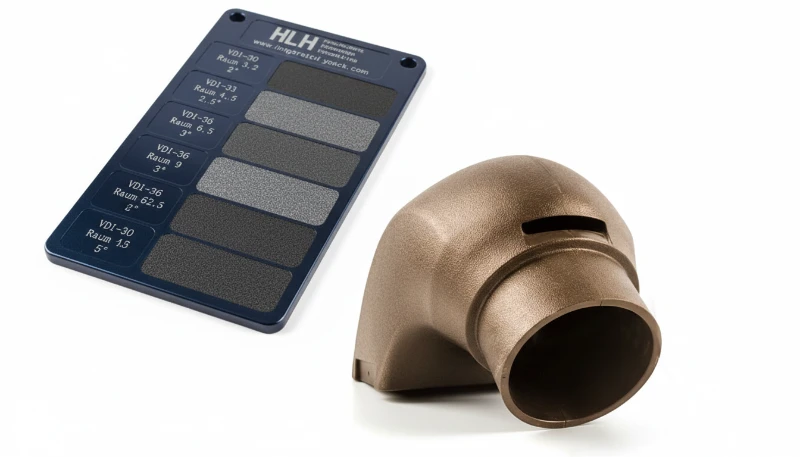
SPI wordt vaak gebruikt in Noord-Amerikaanse spuitgietprojecten, terwijl VDI 3400 veel wordt gebruikt in Europese gereedschapscommunicatie. Beide beschrijven oppervlaktetextuur, maar ze komen niet perfect overeen omdat meetmethoden en textuurfamilies verschillen. Als een tekening één norm vermeldt en de leverancier een andere gebruikt, vraag dan om een conversietabel, textuurplaat of goedgekeurd monster. Dit voorkomt een situatie waarin hetzelfde oppervlak anders wordt geïnterpreteerd door de ontwerper, matrijzenmaker, eindinspecteur en koper tijdens de productiegoedkeuring.
Kan ik de oppervlakteafwerking veranderen nadat de matrijs is gemaakt?
Soms, maar de richting van de verandering is van groot belang. Van een gepolijst oppervlak naar een ruwere textuur gaan is vaak mogelijk omdat het gereedschap na het polijsten kan worden gestraald, geëtst of getextureerd. Van een ruw of EDM-oppervlak teruggaan naar een hoogglans afwerking is veel moeilijker omdat staal moet worden verwijderd en opnieuw gepolijst, wat kritieke afmetingen kan veranderen. Diepe ribben, afsluitingen en getextureerde verticale wanden kunnen ook extra draftbeoordeling en bemonstering vereisen. Daarom moet de uiteindelijke afwerkingsintentie tijdens DFM worden vastgelegd, niet na de eerste bemonstering, om kostbare herwerking en vertragingen te voorkomen.
Beïnvloedt oppervlakteafwerking de cyclusduur?
Ja. Een hoogglans afwerking kan zorgvuldiger koeling, langzamer uitstoting en betere ventilatie vereisen om sleepsporen of cosmetische spanning te voorkomen. Een getextureerde afwerking kan het vastzitten van onderdelen vergroten als de ontluchting te laag is, wat de uitstoting kan vertragen of schuurschade kan veroorzaken. Oppervlakteafwerking beïnvloedt ook inspectiestandaarden omdat cosmetische defecten beter zichtbaar zijn op glanzende onderdelen. Voor productieplanning moeten ingenieurs afwerking, hars, ontluchtingshoek, uitstotingsindeling, acceptabele defectcriteria, verwachte handelingssporen en cyclusduurdoelen samen bekijken voordat er monsters worden genomen.
Welke SPI-afwerking is het beste voor geverfde kunststof onderdelen?
SPI B-1 of B-2 is vaak een praktisch startpunt voor geverfde kunststof onderdelen omdat het oppervlak glad genoeg is voor hechting van de coating, maar niet zo duur als een spiegelgladde A-afwerking. De exacte keuze hangt af van het verfsysteem, het hars type, de compatibiliteit van de primer, het verwachte glansniveau en of het onderdeel wordt geschuurd voordat het wordt geverfd. Een zeer ruw oppervlak kan de textuur door de verf heen laten zien, terwijl een te glanzend oppervlak de hechting van de primer kan verminderen. Bevestig altijd het coatingproces met voorbeeldonderdelen voordat u overgaat tot massaproductie, vooral voor meerdere lagen of metallic afwerkingen.
Beïnvloedt matrijsstaal de uiteindelijke SPI-afwerking?
Absoluut. Je kunt niet elke afwerking op elke staalkwaliteit bereiken. Spiegelafwerkingen hebben normaal gesproken hoogwaardig gereedschapsstaal nodig, zoals H13 of S136, met zorgvuldig polijsten, terwijl zachtere materialen of aluminium gereedschap de haalbare oppervlaktekwaliteit kunnen beperken. Staalhardheid, zuiverheid, uniformiteit van warmtebehandeling, lasreparaties en EDM-herlaaglagen kunnen allemaal het uiteindelijke uiterlijk beïnvloeden. Voor kritieke cosmetische onderdelen moet de matrijsofferte het staaltype, afwerkingdoel, inspectiemethode en eventuele textuur- of glansmonsters specificeren die nodig zijn voor goedkeuring voordat het gereedschap voor productie wordt vrijgegeven.
Hoe beïnvloedt de SPI-afwerkingsgraad de kosten van spuitgieten?
De SPI-afwerkingsgraad heeft een directe en significante impact op de matrijskosten. Van een C-kwaliteit steenafwerking naar een A-kwaliteit diamantpolijst gaan kan de matrijsproductietijd met 15 tot 30 procent verhogen, omdat elke stap omhoog progressief meer handmatig polijstwerk vereist. A-kwaliteit afwerkingen kunnen ook hogere kwaliteit gereedschapsstaal, extra bemonsteringsrondes en strengere cosmetische inspectiecriteria tijdens de productie vereisen. Voor budgetgevoelige projecten specificeren ingenieurs vaak A-kwaliteit afwerkingen alleen op zichtbare oppervlakken, terwijl ze C- of D-kwaliteiten gebruiken op niet-zichtbare of interne oppervlakken om uiterlijk te balanceren met de totale gereedschapsinvestering.
Wat Is de Bottom Line over SPI Oppervlakte Afwerkingsnormen?
De kern van SPI-normen voor oppervlakteafwerking wordt bepaald door de functie, beperkingen en afwegingen die in dit onderdeel zijn uitgelegd. De juiste SPI-oppervlakteafwerking kiezen is niet alleen een esthetische beslissing; ze bepaalt het matrijsstaal, de lossingshoek die nodig is voor schoon lossen en de uiteindelijke gereedschapskosten. SPI A-klassen bieden een hoogwaardige uitstraling van optische kwaliteit, maar brengen hogere onderhouds- en productiekosten mee. SPI C- en D-klassen bieden praktische, robuuste oppervlakken die vormfouten verbergen en gereedschapskosten verlagen. Ingenieurs moeten de visuele eisen afwegen tegen de fysieke realiteit van het gekozen polymeer en de geometrie van het onderdeel. Zie onze Complete gids voor spuitgietmatrijzen voor een uitgebreid overzicht.
Een offerte nodig voor uw spuitgietproject?
Ontvang concurrerende prijzen, DFM-feedback en een productietijdlijn van het engineeringteam van ZetarMold. Bekijk voor inkoopcontext onze gids voor het inkopen bij leveranciers van spuitgietwerk.
Vraag een gratis offerte aan →
SPI: SPI is een classificatie voor oppervlakteafwerking waarmee cosmetische en gereedschapseisen voor gegoten kunststofonderdelen worden gecommuniceerd. ↩
matrijspolijsten: polijsten is het gecontroleerde slijpproces dat op stalen oppervlakken van matrijsholtes wordt toegepast om een voorgeschreven oppervlakteruwheid en cosmetische klasse te bereiken. ↩
Ra (gemiddelde ruwheid): Ra (gemiddelde ruwheid) is een kwantitatieve maat voor de oppervlaktestructuur, berekend als het rekenkundige gemiddelde van de absolute hoogteafwijkingen van het oppervlak ten opzichte van de middellijn. ↩