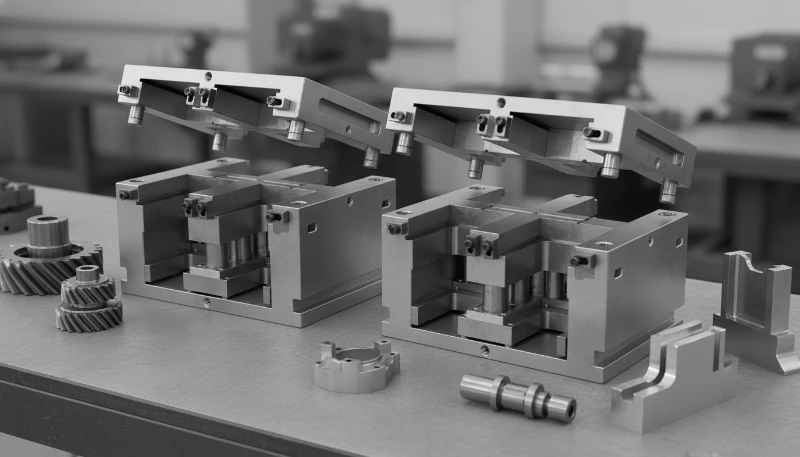
Такая горячеканальная система1 — одно из самых эффективных усовершенствований процесса литья под давлением. Вместо того чтобы пластик между циклами остывал в подводящих каналах, горячеканальная система сохраняет материал расплавленным и готовым к следующему впрыску. Результат — меньше отходов, короче цикл и стабильнее качество деталей.
На нашем заводе в Шанхае мы более 20 лет эксплуатируем горячеканальные пресс-формы в тысячах производственных серий. В этом руководстве мы делимся полученным опытом — преимуществами, недостатками и дорогостоящими уроками, — чтобы вы могли определить, подходит ли горячеканальная система вашему проекту.
- Горячеканальная система поддерживает пластик в расплавленном состоянии внутри подводящих каналов пресс-формы, устраняя отходы литников.
- Два основных типа: системы с открытым литником и с игольчатым затвором, каждый подходит для разных геометрий деталей и материалов.
- Горячеканальные системы сокращают отходы материала на 10–30% и сокращают время цикла по сравнению с холодноканальными.
- Более высокие первоначальные затраты на пресс-форму (на 3 000–15 000 долларов больше), но более низкая себестоимость детали при крупносерийном производстве.
- Регулярное обслуживание нагревателей, термопар и коллекторов критически важно для избежания дорогостоящих простоев.
Что такое горячеканальная система при литье под давлением?
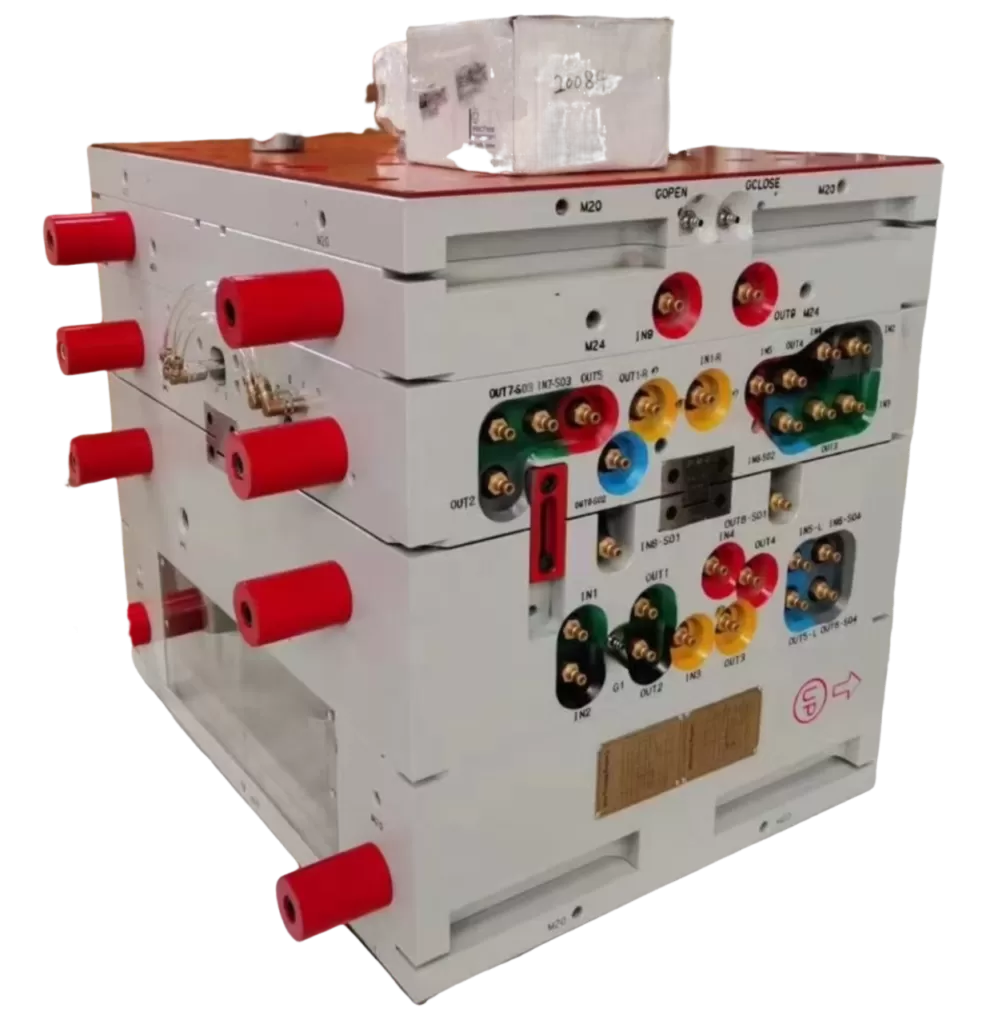
В этом разделе горячеканальная система в литье под давлением рассматривается через её функции, ограничения и компромиссы. Это узел нагреваемых подводящих каналов внутри пресс-формы для литья под давлением, который сохраняет пластик расплавленным на пути от сопла машины до литника полости. В отличие от холодноканальной системы, где пластик в каналах затвердевает и подлежит утилизации или измельчению, горячие каналы активно нагреваются патронными, спиральными или ленточными нагревателями, поддерживая температуру переработки полимера на протяжении всего цикла.¹
Представьте это так: цилиндр машины нагревает и впрыскивает пластик, а горячеканальная система, по сути, является продолжением этого цилиндра, доставляя расплав прямо до впускного канала, не давая ему остыть. Это означает, что каждый грамм впрыснутого материала попадает в готовое изделие, а не в отходы литника, которые нужно выбрасывать или перерабатывать.
Технология горячеканальных систем стала коммерчески жизнеспособной в 1960-х годах и с тех пор стала стандартом в крупносерийном производстве автомобильных деталей, медицинских устройств, корпусов электроники и потребительских товаров. Сегодня, по оценкам, 40–50% всех производственных литьевых форм в мире используют ту или иную форму горячеканальной системы.²
Как работает горячеканальная система?
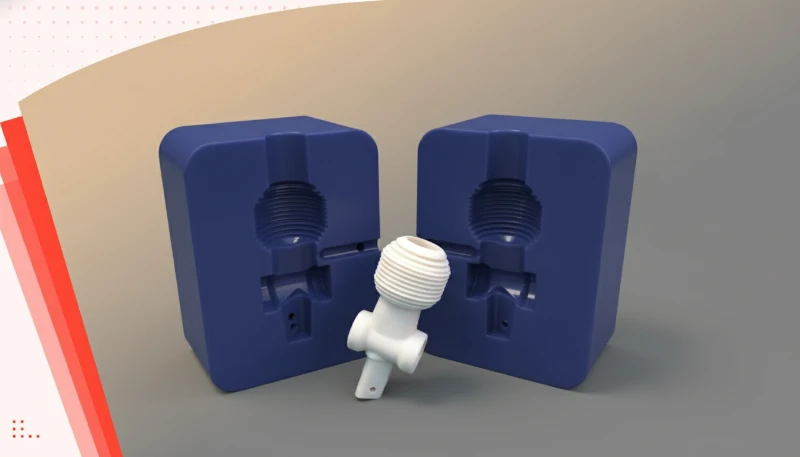
Принцип работы прост: шнек литьевой машины проталкивает расплавленный пластик через сопло в коллектор горячеканальной системы. Коллектор распределяет расплав к отдельным соплам, каждое из которых питает впускной канал полости. Нагреватели, встроенные в коллектор и сопла, поддерживают пластик при точной температуре — обычно в пределах ±2 °C от заданного значения — контролируемой термопарами, передающими данные на температурный контроллер.
Во время фазы охлаждения цикла, когда деталь в полости затвердевает, пластик в каналах горячеканальной системы остается расплавленным благодаря непрерывному нагреву. Когда пресс-форма открывается и деталь извлекается, расплавленный пластик в литниковой системе уже находится на месте и готов к следующему впрыску. Это устраняет необходимость впрыскивать новую порцию через холодные каналы, сокращая как отходы материала, так и время цикла.
Система контроля температуры — это сердце любой горячеканальной системы. Современные контроллеры могут независимо управлять от 1 до 128 зонами, каждая с ПИД-регулированием (пропорционально-интегрально-дифференциальным) по замкнутому контуру. Одна зона может контролировать коллектор, в то время как отдельные зоны управляют каждым соплом. Если любая зона отклоняется от заданной точки более чем на несколько градусов, срабатывает сигнализация — потому что нестабильность температуры напрямую вызывает дефекты изделий, такие как недоливы, облой или изменение цвета.
Какие бывают типы горячеканальных систем?
В этом разделе описаны основные типы горячеканальных систем. По механизму впуска они делятся на две большие категории: системы с открытым литником, также называемым термозатвором, и системы с игольчатыми клапанами2. Выбор зависит от геометрии детали, материала, требований к внешнему виду и объёма производства.
Системы с открытым литником (тепловым литником)
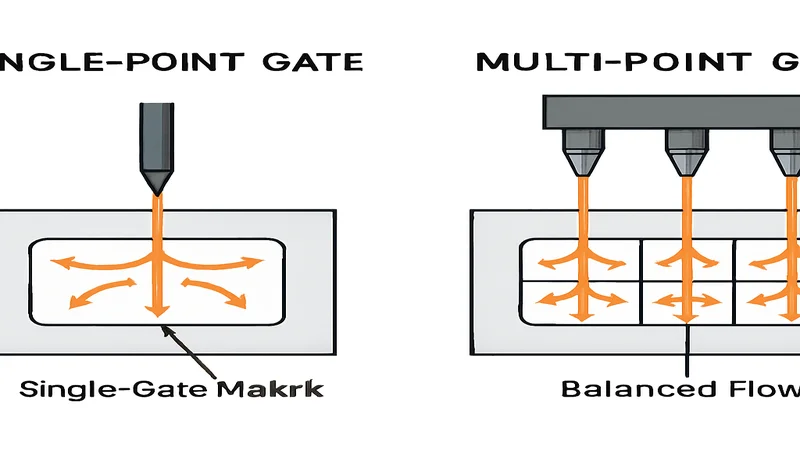
В системе с открытым впуском расплавленный пластик поступает через небольшое отверстие непосредственно в полость. Затвердевание впуска, при котором пластик застывает во впуске и герметизирует полость, регулируется исключительно тепловыми процессами: система охлаждения пресс-формы охлаждает зону впуска, а сопло горячеканальной системы поддерживает расплав перед впуском в жидком состоянии. Открытые впуски проще, дешевле и содержат меньше подвижных деталей. Однако они оставляют на поверхности детали небольшой выступающий литниковый след, а момент затвердевания впуска при использовании некоторых конструкционных полимеров сложнее контролировать.
Системы с игольчатым затвором
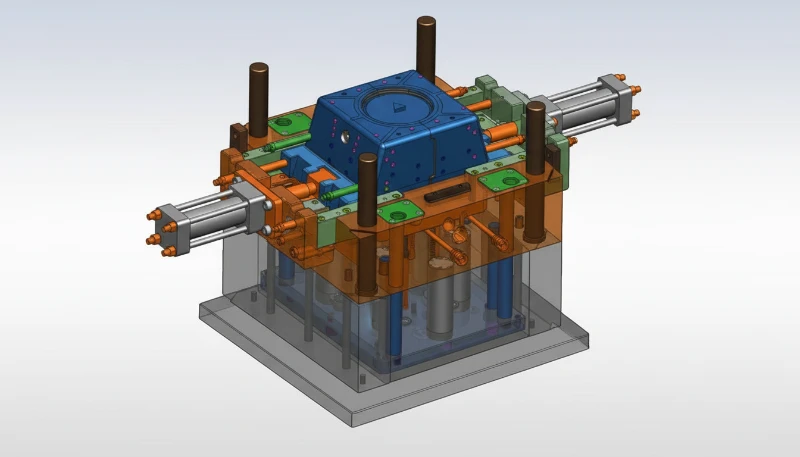
Система с клапанным литником использует механический штифт (клапанный штифт), который физически открывает и закрывает литник. Во время впрыска штифт втягивается, позволяя пластику течь; после дожатия штифт выдвигается, чтобы механически запечатать литник. Это обеспечивает точный контроль времени затвердевания литника, устраняет образование нитей и оставляет очень чистую отметину от литника — часто невидимую на готовом изделии. Клапанные литники предпочтительны для декоративных деталей, многогнёздных форм, требующих сбалансированного заполнения, и для применений с чувствительными к сдвигу материалами, такими как LSR (жидкий силиконовый каучук) или PEEK. Компромиссом являются более высокая стоимость и больше точек обслуживания.³
"Горячеканальная система сокращает отходы материала, сохраняя расплав в литниках между циклами."True
Верно. Поскольку литники никогда не затвердевают, нет отходов литников, которые нужно выбрасывать или перерабатывать — каждый грамм впрыснутого материала идет в готовые изделия.
«Горячеканальные системы всегда экономичнее холодноканальных при любом объеме производства».False
Неверно. Горячеканальные формы имеют значительно более высокую стоимость оснастки (дополнительно от 3 000 до 15 000 долларов на форму). Для мелкосерийного производства (менее 10 000 изделий) холодноканальная система может быть более экономически эффективной, несмотря на потери материала.
Каковы ключевые компоненты горячеканальной системы?
Ключевые компоненты горячеканальной системы — это основные категории или опции, объясненные в этом разделе. Полная горячеканальная система состоит из нескольких критически важных подсистем, которые должны работать согласованно и точно. Понимание каждого компонента помогает устранять проблемы и выбирать правильную систему для вашего применения.
| Компонент | Функция | Ключевой фактор |
|---|---|---|
| Коллектор | Распределяет расплав из сопла машины к отдельным каплеобразующим соплам | Должны быть термически сбалансированы; компоновки X, H и I для различных расположений полостей |
| Сопла (горячие) | Подача расплавленного пластика от коллектора к каждому литнику полости | Открытый канал против игольчатого затвора; тип наконечника влияет на след от впускного канала |
| Нагреватели | Поддержание температуры расплава в коллекторе и соплах | Патронные, спиральные или ленточные типы; срок службы обычно 1–3 года |
| Термопары | Измеряют температуру в каждой зоне для управления по замкнутому контуру | Тип J или K; должны быть правильно установлены для точных показаний |
| Контроллер температуры | ПИД-регулирование всех зон нагрева | Количество зон должно соответствовать количеству коллекторов и сопел; плавный пуск продлевает срок службы нагревателей |
| Запорные иглы (если применимо) | Механически открывают/закрывают впускные каналы в системах с игольчатым затвором | Пневматический, гидравлический или электрический привод; синхронизация критически важна |
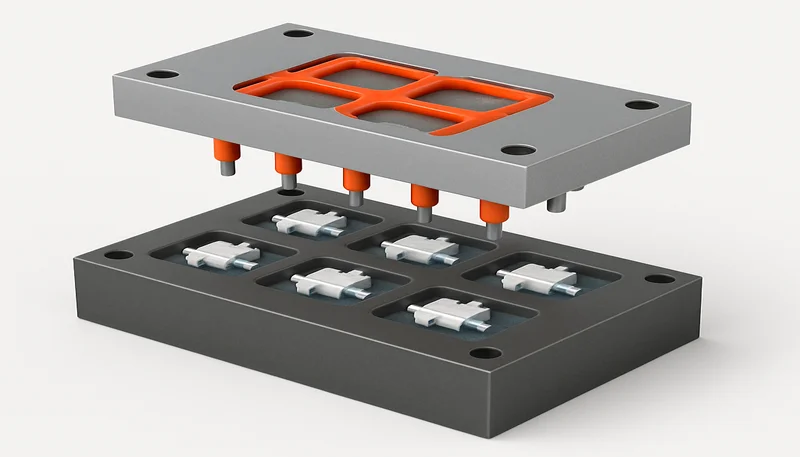
Коллектор — это основа системы. Он располагается внутри плиты пресс-формы и направляет расплав от центрального входа (где сопло машины встречается с пресс-формой) к каждому соплу. Конструкция коллектора напрямую влияет на баланс заполнения — если один поток длиннее или имеет больше изгибов, чем другой, полости заполняются неравномерно, что приводит к вариациям размеров и облою. Современные конструкции коллекторов используют программное обеспечение для моделирования потока, чтобы уравнять перепад давления на всех путях.
Нагреватели и термопары — наиболее требовательные к обслуживанию элементы любой горячеканальной системы. По нашему опыту эксплуатации 47 термопластавтоматов3, отказ нагревателя — самая частая проблема горячих каналов. Один перегоревший патронный нагреватель может остановить всю производственную серию. Поэтому для каждой горячеканальной формы мы рекомендуем иметь запасные нагреватели и термопары и профилактически заменять их каждые 12–18 месяцев.
На нашей фабрике в Шанхае работают 47 термопластавтоматов усилием от 90T до 1850T, многие оснащены горячими каналами. За 20+ лет мы установили, что обслуживание нагревателей — главный фактор надежности: профилактическая замена каждые 12–18 месяцев предотвращает 80% незапланированных простоев. Перед рекомендацией производства инженеры сравнивают баланс гнезд в пределах допуска контроля 0.02 mm, отклик нагревателей за 8 часов испытания и процент стартового брака. По этим данным определяется стабильность системы для повторных заказов.
Каковы преимущества горячеканальной технологии?
Преимущества горячеканальных систем хорошо документированы и существенны при их правильном применении. Ниже приведены ключевые преимущества, которые мы наблюдали в реальных производственных условиях:
Экономия материалов
Форма с холодноканальной системой в каждом цикле образует затвердевшие пластиковые литники, которые отделяют от детали и выбрасывают либо измельчают. В многогнёздной форме отходы литников могут составлять 10–30% общей массы впрыска. При круглосуточной работе 32-гнёздной формы это может дать тысячи килограммов отходов материала в месяц. Горячеканальная система полностью устраняет эти отходы.
Сокращение продолжительности цикла
Поскольку каналы литниковой системы не нужно отверждать и затем извлекать, время цикла сокращается. Пресс-форма должна охлаждать только деталь, а не литники. На практике это обычно уменьшает цикл на 10–20% по сравнению с трехплитной формой с холодноканальной системой. За миллионы циклов такая экономия времени дает значительный прирост мощности.
Повышенное качество деталей
Горячеканальные системы обеспечивают более стабильную подачу расплава в каждую полость. Без падения давления в холодных литниках улучшается баланс заполнения, что обеспечивает более однородные массу, размеры и отделку поверхности деталей во всех полостях. В частности, системы с клапанными литниками позволяют точно управлять давлением выдержки, уменьшая утяжины, пустоты и коробление.
Гибкость конструкции
Горячеканальные системы позволяют размещать литники в оптимальных точках детали независимо от геометрии плит пресс-формы, поскольку нагреваемые каналы подводят расплав к любой позиции. Это позволяет впрыскивать расплав в центр большой плоской детали без трехплитной пресс-формы либо располагать литники в лучших с конструкционной точки зрения местах, сокращая линии спая и следы течения.
Когда следует выбрать горячеканальную систему вместо холодноканальной?
Горячеканальная система предпочтительнее холодноканальной, когда объём, допуски, бюджет на оснастку или гибкость конструкции важнее максимальной производительности. Горячеканальная система выгодна не для каждого проекта. Решение зависит от объёма производства, сложности детали, стоимости материала и требований к внешнему виду. Ниже приведена практическая схема, которой мы пользуемся при консультировании заказчиков:
| Фактор | Выберите горячеканальную систему | Выберите холодноканальную систему |
|---|---|---|
| Объем производства | >50,000 деталей | <10,000 деталей |
| Стоимость материала | $3/kg (отходы дороги) | <$2/kg (отходы допустимы) |
| Внешний вид детали | Видимые следы литника недопустимы | След от литника допустим |
| Количество полостей | 8+ гнезд | 1–4 гнезда |
| Приоритет длительности цикла | Высокоскоростная автоматизация | Низкая скорость / прототипирование |
| Тип материала | Инженерные пластики, LSR, PEEK | Полимеры массового назначения (PP, PE) |
Точка безубыточности обычно находится в диапазоне 30 000–50 000 деталей. При меньшем объёме дополнительные затраты на горячеканальную оснастку, как правило, превышают экономию материала и времени цикла. При программах свыше 100 000 деталей горячеканальная система почти всегда обеспечивает положительную рентабельность инвестиций. Наше руководство по поиску поставщиков поможет спланировать стратегию изготовления оснастки с учётом объёма производства.
"Горячеканальные системы с клапанными литниками практически не оставляют видимого следа литника на готовой детали."True
Верно. Механическая игла чисто срезает литник, оставляя гладкий, почти незаметный след — идеально для декоративных деталей, например отделки салона автомобиля.
"Пресс-формы с горячеканальной системой не требуют технического обслуживания, поскольку в них меньше подвижных деталей, чем в холодноканальных формах."False
Неверно. Горячеканальные пресс-формы требуют регулярного обслуживания нагревателей, термопар и уплотнительных элементов. Отказ нагревателя — наиболее частая причина простоя горячеканального производства.
Каковы недостатки горячеканальной технологии?
Горячеканальные системы не являются универсальным решением. Их недостатки реальны, и их игнорирование приводит к дорогостоящим ошибкам:
Более высокая стоимость оснастки: форма с горячеканальной системой обычно стоит на $3,000–$15,000 дороже аналогичной холодноканальной формы в зависимости от числа сопел и типа литника. Системы с игольчатыми клапанами находятся в верхней части этого диапазона из-за дополнительных пневматических или гидравлических приводов и запорных игл.
Более сложное техническое обслуживание: система нагрева требует регулярного контроля и замены компонентов. Нагреватели перегорают, показания термопар смещаются, а уплотнения коллектора изнашиваются. Отказ одного компонента может остановить производство на несколько часов, пока пресс-форму разбирают для ремонта.
Отходы при запуске: после холодного запуска горячеканальной форме требуется 15–45 минут, чтобы все зоны достигли температуры переработки. В период разогрева первые 5–20 впрысков обычно бракуются, поскольку расплав еще не стабилизировался. В коротких производственных партиях эти пусковые отходы могут свести на нет экономию материала.
Чувствительность материалов: некоторые материалы, особенно термочувствительные полимеры, такие как PVC и POM, склонны к термической деструкции в горячеканальных системах. Длительное пребывание при повышенной температуре может вызвать пожелтение, газообразование или ухудшение механических свойств. При формовании этих материалов холодноканальная система может быть более безопасным выбором.
Сложность смены цвета: в горячеканальной системе необходимо очистить весь коллектор и все сопла, что ведёт к потерям материала и времени. В холодноканальной системе можно сразу начать литьё нового цвета, поскольку отходы старого литника всё равно подлежали удалению. Если производственный график предполагает частую смену цвета, учитывайте это при выборе.
Как устранять распространенные неисправности горячеканальной системы?
Диагностика горячеканальной системы — последовательная проверка температуры, состояния литников, времени пребывания материала, проводки и баланса гнёзд. Проблемы возникают даже в исправно обслуживаемых системах. Ниже приведены наиболее частые неисправности и их причины:
Колебание температуры
Если температура зоны отклоняется от заданной более чем на ±5 °C, сначала проверьте установку термопары. Неплотно установленная или частично вставленная термопара дает неверные показания, заставляя контроллер избыточно компенсировать отклонение. Также проверьте перегоревшие нагреватели: измерьте сопротивление мультиметром и сравните со спецификацией производителя. На нашем предприятии 60% температурных проблем связаны с термопарами, а не с отказами нагревателей.
Утечка расплава
Утечка пластика между коллектором и плитами пресс-формы обычно указывает на износ уплотнений или неправильную установку коллектора. Остановите систему, очистите все уплотняемые поверхности и замените уплотнительные кольца или прокладки. Повторно затяните болты коллектора с моментом по спецификации производителя: чрезмерная затяжка повреждает уплотнения так же, как недостаточная.
Остаток литника или образование нитей
Чрезмерные следы от литника или нити (тонкие пластиковые нити, тянущиеся от литника при открытии формы) часто возникают из-за неправильной температуры кончика литника или недостаточного времени застывания. Попробуйте снизить температуру наконечника сопла на 5–10 °C и увеличьте время охлаждения на 0,5–1 секунду. Если проблема сохраняется в системе с клапанным литником, проверьте время и ход клапанного штифта.
Неравномерное заполнение полостей
Когда одни полости заполняются раньше других, баланс потока в коллекторе нарушен. Убедитесь, что температуры всех наконечников сопел отличаются не более чем на 2 °C друг от друга, затем проверьте наличие частичных засоров в каналах коллектора. Если система работала правильно ранее, вероятной причиной является заблокированный канал из-за разложившегося материала.
Часто задаваемые вопросы
В чём разница между горячеканальной и холодноканальной системами?
Горячеканальная система использует нагреваемые каналы для поддержания пластика в расплавленном состоянии между соплом машины и впускным литником формы, поэтому образуется мало или совсем нет отходов твёрдого литника. Холодноканальная система позволяет каналам подачи затвердевать каждый цикл, поэтому литник необходимо отделять, перемалывать или утилизировать. Горячеканальные системы обычно стоят дороже в изготовлении и обслуживании, но они могут экономить смолу, время цикла и затраты на обработку при крупносерийном производстве. Лучший выбор зависит от веса литника, стоимости смолы, годового количества выстрелов, частоты смены цвета и возможностей по обслуживанию.
Сколько стоит горячеканальная форма по сравнению с холодноканальной?
Пресс-форма с горячеканальной системой обычно стоит дороже, чем аналогичная форма с холодным литником, поскольку она добавляет нагреваемый коллектор, сопла, электропроводку, зоны контроллера, изоляцию, монтажные работы и дополнительные испытания. Наценка зависит от количества гнёзд, типа литника, марки горячеканальной системы, материала и размера изделия. Покупателям не следует судить только по цене формы. Им следует сравнивать стоимость оснастки с экономией материала на каждый цикл, сокращением времени цикла, браком при запуске, запасными частями и риском простоя. Форма для крупносерийного производства может окупить надбавку; для мелкосерийного производства — возможно, нет.
Могут ли горячеканальные системы работать со всеми пластиковыми материалами?
Многие термопласты могут использоваться в горячеканальных системах, включая ABS, PP, PC, нейлон, PEEK и многие инженерные пластики, но система должна соответствовать материалу. Для термочувствительных материалов необходим тщательный контроль времени пребывания и температуры, поскольку разложившийся материал может создавать чёрные включения, полосы или ослабленные изделия. Абразивные материалы, наполненные стеклом, могут изнашивать сопла и литники. Коррозионностойкие или огнестойкие марки могут требовать специальной стали или покрытий. Поставщик должен изучить паспорт материала, сдвиговый нагрев, метод очистки и план испытаний перед утверждением конструкции.
Как часто следует заменять нагреватели горячеканальной системы?
Нагреватели горячеканальной системы следует регулярно проверять и заменять в зависимости от производственной нагрузки, а не только после видимого отказа. В крупносерийном производстве многие заводы планируют замену примерно через двенадцать-восемнадцать месяцев, особенно для критических пресс-форм, которые не могут позволить себе незапланированный простой. Пресс-формы для мелкосерийного производства могут работать дольше, если проверки сопротивления, стабильность температуры, электропроводка и реакция термопары остаются в норме. Покупателям следует запросить список запасных нагревателей и термопар, схему подключения и план доступа для обслуживания. Профилактическое обслуживание дешевле, чем остановка производства после выхода нагревателя из строя внутри формы.
Что вызывает застывание сопла горячеканальной системы?
Застывание сопла горячеканальной системы происходит, когда расплав у литника слишком сильно охлаждается до завершения фазы дожатия. Распространённые причины включают низкую температуру наконечника, плохой контакт нагревателя, чрезмерное охлаждение возле литника, неправильный размер литника, длительный перерыв в цикле или материал с узким температурным окном переработки. Симптомы могут выглядеть как недоливы или нестабильный вес изделия, но первопричиной часто является локальная потеря тепла на наконечнике сопла. При устранении неисправностей следует проверить температуру зоны, положение термопары, сопротивление нагревателя, износ литника, охлаждение формы и фактическую температуру расплава.
Окупается ли горячеканальная система для мелкосерийного производства?
Горячеканальная система обычно не окупается для очень мелкосерийного производства, поскольку дополнительные затраты на оснастку и контроллер требуют достаточного количества циклов для окупаемости за счёт экономии материала и сокращения времени цикла. Для прототипов или пробных запусков холодный литник часто проще, дешевле и легче модифицировать. Горячий литник становится более привлекательным, когда литниковая система массивна, материал дорогой, важен косметический вид литника или годовой объём стабилен. Покупателям следует рассчитывать окупаемость, используя ожидаемое количество циклов, вес литниковой системы, стоимость материала, время цикла, затраты на обслуживание и риск брака.
Сколько времени занимает запуск пресс-формы с горячеканальной системой?
Пресс-форме с горячеканальной системой обычно требуется время для нагрева всех зон до начала стабильного литья. Типичный запуск может занимать от пятнадцати до сорока пяти минут в зависимости от размера коллектора, количества сопел, мощности контроллера, материала и температуры формы. Первые выстрелы могут быть бракованными, пока не стабилизируются температура расплава, поток через литник и баланс полостей. Хороший протокол испытаний должен фиксировать время прогрева, уставки зон, количество первых приемлемых изделий, поведение давления и стабильность веса изделия. Эти данные помогают покупателям понять реальную производственную эффективность, а не только заявленное время цикла.
Какое обслуживание требуется системе горячеканальной литниковой системы?
Обслуживание горячеканальной системы включает проверку нагревателей, термопар, проводки, штекерных соединений, уплотнений коллектора, наконечников сопел, износа литников, клапанных штифтов и калибровки контроллера. Форму следует проверять на предмет утечек, нагара, повреждённой изоляции, ослабленных проводов и неравномерного температурного отклика. Для систем с клапанными литниками также необходима проверка износа штифтов и втулок. Покупателям следует иметь на складе запасные нагреватели, термопары, уплотнения и клапанные штифты до начала производства. В записях по обслуживанию должно быть указано, что было заменено, когда это было сделано, и повлиял ли ремонт на настройки процесса или качество детали.
Готовы оптимизировать конструкцию вашей пресс-формы?Инженерная команда ZetarMold поможет оценить, подходит ли горячеканальная система для вашего проекта. Благодаря 20+ годам опыта, собственному производству пресс-форм и 47 машинам с усилием смыкания от 90T до 1850T мы поставляем оптимизированную оснастку, сбалансированную по качеству, стоимости и эффективности производства.
Получить бесплатный расчёт →
Горячеканальная система: система нагреваемых каналов в пресс-форме для литья под давлением, которая сохраняет пластик расплавленным на пути от сопла машины до литника полости. ↩
Системы с игольчатыми клапанами: горячеканальные системы, в которых механическая игла открывает и закрывает литник, обеспечивая точное управление моментом его запирания и оставляя минимальный след на поверхности детали. ↩
Термопластавтомат: машина, которая нагревает пластик, создаёт давление и впрыскивает расплав в полость формы. Тоннаж машин на нашем предприятии составляет от 90T до 1850T. ↩