Bu sıcak yolluk sistemi1, bir enjeksiyon kalıplama operasyonunda yapabileceğiniz en etkili iyileştirmelerden biridir. Sıcak yolluk, plastiğin çevrimler arasında besleme kanallarında, yani yolluklarda soğumasına izin vermek yerine malzemeyi erimiş ve sonraki baskıya hazır tutar. Sonuç: Daha az atık, daha kısa çevrim süreleri ve daha tutarlı parçalar.
Şanghay fabrikamızda 20 yılı aşkın süredir binlerce üretim serisinde sıcak yolluklu kalıplar çalıştırıyoruz. Bu kılavuz, sıcak yolluğun projeniz için doğru olup olmadığına karar verebilmeniz için öğrendiklerimizi — iyi, kötü ve maliyetli dersleri — paylaşır.
- Sıcak yolluk, plastiği kalıbın besleme kanallarında eriyik hâlde tutarak yolluk atığını ortadan kaldırır.
- İki ana tür vardır: açık girişli ve valf girişli sistemler; her biri farklı parça geometrilerine ve malzemelere uygundur.
- Sıcak yolluklar, soğuk yolluklara kıyasla malzeme israfını %10–30 azaltır ve çevrim sürelerini kısaltır.
- Daha yüksek ilk kalıp maliyeti ($3,000–$15,000 ek), ancak yüksek hacimli üretimde daha düşük parça başı maliyet.
- Maliyetli duruşları önlemek için ısıtıcıların, termokuplların ve manifoldların düzenli bakımı kritiktir.
Enjeksiyon Kalıplamada Sıcak Yolluk Sistemi Nedir?
Enjeksiyon kalıplamada sıcak yolluk sistemi, bu bölümde açıklanan işlev, kısıtlar ve ödünleşimlerle tanımlanır. Sıcak yolluk sistemi, enjeksiyon kalıbı içinde makine memesinden boşluk girişine kadar plastiği erimiş hâlde tutan ısıtılmış bir besleme kanalı düzeneğidir. Besleme kanallarındaki plastiğin katılaşıp atılması veya yeniden öğütülmesi gereken soğuk yolluktan farklı olarak sıcak yolluk kanalları kartuş, serpantin veya bant ısıtıcılarla etkin biçimde ısıtılır ve polimer çevrim boyunca işleme sıcaklığında tutulur.¹
Şöyle düşünün: makine silindiri plastiği ısıtır ve enjekte eder; sıcak yolluk ise esasen bu silindirin uzantısıdır ve eriyiği soğumasına izin vermeden girişe kadar taşır. Bu, enjekte edilen malzemenin her gramının atmanız veya yeniden işlemeniz gereken hurda bir yollukta değil, bitmiş parçada yer aldığı anlamına gelir.
Sıcak yolluk teknolojisi 1960’larda ticari olarak uygulanabilir hâle geldi ve o tarihten beri otomotiv parçaları, tıbbi cihazlar, elektronik muhafazalar ve tüketici ürünlerinin yüksek hacimli üretiminde standart oldu. Günümüzde dünya çapındaki tüm üretim tipi enjeksiyon kalıplarının tahminen 40–50%‘sinde bir tür sıcak yolluk sistemi kullanılmaktadır.²
Sıcak Yolluk Sistemi Nasıl Çalışır?
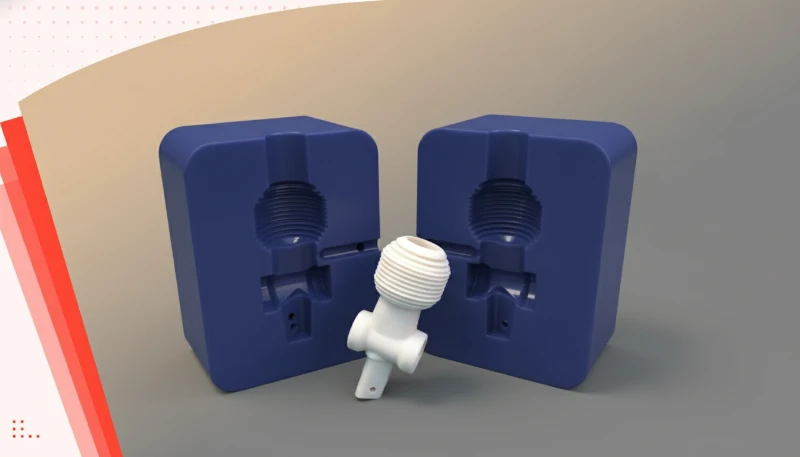
Çalışma ilkesi basittir: enjeksiyon makinesinin vidası, erimiş plastiği memeden sıcak yolluk manifolduna iter. Manifold eriyiği ayrı memelere dağıtır ve her meme bir kalıp boşluğu girişini besler. Manifolda ve memelere gömülü ısıtıcılar, sıcaklık kontrol cihazına geri bildirim sağlayan termokupllarla kontrol edilerek plastiği hassas bir sıcaklıkta, genellikle ayar noktasının ±2 °C yakınında tutar.
Çevrimin soğutma aşamasında, kavite içindeki parça katılaşırken sıcak yolluk kanallarındaki plastik sürekli ısıtma sayesinde erimiş halde kalır. Kalıp açılıp parça çıkarıldığında, yolluk sistemindeki erimiş plastik bir sonraki enjeksiyon çevrimi için konumlanmış ve hazırdır. Böylece soğuk kanallardan yeni bir malzeme yükü enjekte etme gereği ortadan kalkar; malzeme israfı ve çevrim süresi azalır.
Sıcak yolluk sisteminin kalbi sıcaklık kontrol sistemidir. Modern kontrolörler, her biri PID (oransal-integral-türevsel) kapalı çevrim kontrolüne sahip 1 ile 128 bölgeyi bağımsız olarak yönetebilir. Tek bir bölge manifoldu kontrol ederken ayrı bölgeler her memeyi yönetebilir. Herhangi bir bölge ayar noktasından birkaç dereceden fazla saparsa alarm tetiklenir; çünkü sıcaklık tutarsızlığı doğrudan eksik dolum, çapak veya renk değişimi gibi parça kusurlarına neden olur.
Sıcak Yolluk Sistemi Türleri Nelerdir?
Sıcak yolluk sistemi türleri, bu bölümde açıklanan başlıca kategoriler veya seçeneklerdir. Sıcak yolluk sistemleri giriş mekanizmasına göre iki geniş kategoriye ayrılır: açık girişli (termal giriş de denir) ve valf girişli sistemler2. Doğru tür; parça geometrinize, malzemeye, görünüm gereksinimlerine ve üretim hacmine bağlıdır.
Açık Giriş (Termal Giriş) Sistemleri
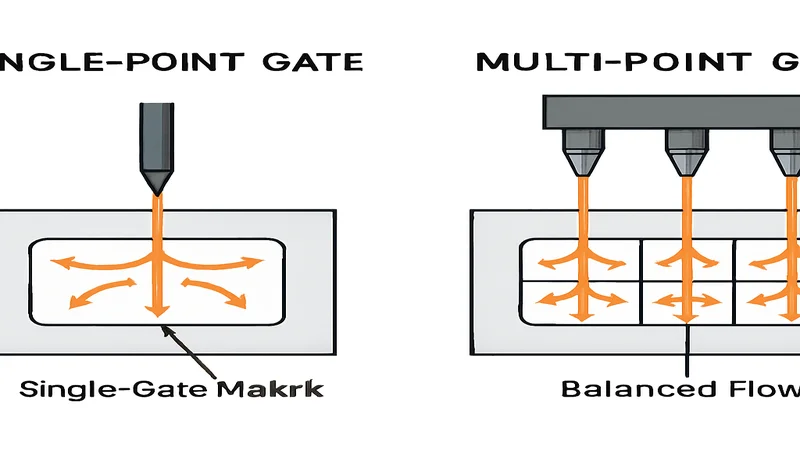
Açık girişli bir sistemde erimiş plastik, küçük bir orifisten doğrudan kalıp boşluğuna akar. Girişin donması, yani plastiğin kalıp boşluğunu sızdırmaz hâle getirmek için girişte katılaşması, yalnızca ısıl dinamiklerle kontrol edilir: kalıbın soğutma sistemi giriş bölgesini soğuturken sıcak yolluk memesi yukarı akıştaki eriyiği sıvı tutar. Açık girişler daha basit ve daha ucuzdur, ayrıca daha az hareketli parçaya sahiptir. Ancak parça yüzeyinde küçük bir iz (kabarık bir işaret) bırakır ve bazı mühendislik reçinelerinde giriş donma zamanlamasının kontrolü daha zor olabilir.
Valf Yolluk Girişli Sistemler
Valf giriş sistemi, girişi fiziksel olarak açıp kapatan mekanik bir pim (valf pimi) kullanır. Enjeksiyon sırasında pim geri çekilerek plastiğin akmasına izin verir; ütülemeden sonra pim ilerleyip girişi mekanik olarak kapatır. Bu, girişin donma zamanlaması üzerinde hassas kontrol sağlar, ipliklenmeyi ortadan kaldırır ve çoğu zaman tamamlanmış parçada görünmeyen, çok temiz bir giriş izi bırakır. Valf girişleri kozmetik parçalar, dengeli dolum gerektiren çok gözlü kalıplar ve LSR (sıvı silikon kauçuk) veya PEEK gibi kesmeye duyarlı malzemelerin kullanıldığı uygulamalarda tercih edilir. Ödünleşim, daha yüksek maliyet ve daha fazla bakım noktasıdır.³
"Sıcak yolluk sistemi, yollukları çevrimler arasında eriyik halde tutarak malzeme israfını azaltabilir."True
Doğru. Yolluklar hiç katılaşmadığı için atılacak veya yeniden öğütülecek hurda yolluk oluşmaz; enjekte edilen malzemenin her gramı bitmiş parçalara gider.
"Sıcak yolluk sistemleri her üretim hacminde soğuk yolluklardan daima daha ekonomiktir."False
Doğru değil. Sıcak yolluklu kalıpların kalıp maliyeti önemli ölçüde daha yüksektir (kalıp başına ek $3,000–$15,000). Düşük hacimli üretimlerde (10,000 parçanın altında), malzeme israfına rağmen soğuk yolluk daha ekonomik olabilir.
Sıcak Yolluk Sisteminin Temel Bileşenleri Nelerdir?
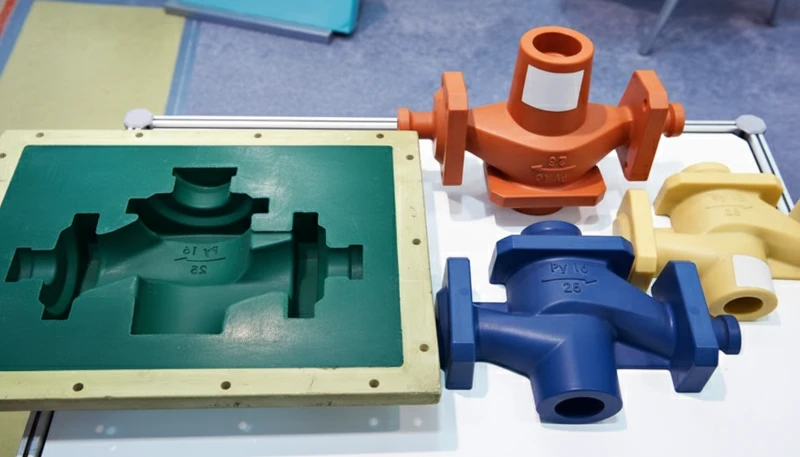
Sıcak yolluk sisteminin temel bileşenleri, bu bölümde açıklanan ana kategoriler veya seçeneklerdir. Eksiksiz bir sıcak yolluk sistemi, birlikte hassas biçimde çalışması gereken birkaç kritik alt sistemden oluşur. Her bileşeni anlamak sorunları gidermenize ve uygulamanız için doğru sistemi belirlemenize yardımcı olur.
| Bileşen | Fonksiyon | Temel Husus |
|---|---|---|
| Dağıtım manifoldu | Eriyiği makine memesinden ayrı damla memelerine dağıtır | Isıl olarak dengelenmelidir; farklı göz düzenlemeleri için X, H ve I yerleşimleri |
| Memeler (sıcak) | Erimiş plastiği manifolddan her kavite girişine iletir | Açık giriş ve valfli giriş; uç biçimi giriş izini etkiler |
| Isıtıcılar | Manifold ve memelerde eriyik sıcaklığını koruyun | Kartuş, bobin veya bant türleri; kullanım ömrü genellikle 1–3 yıl |
| Termokupllar | Kapalı çevrim kontrolü için her bölgedeki sıcaklığı ölçün | Tip J veya K; doğru ölçüm için düzgün oturtulmalıdır |
| Sıcaklık Kontrol Cihazı | Tüm ısıtma bölgelerinin PID kontrolü | Bölge sayısı manifold + meme sayısıyla eşleşmelidir; yumuşak başlatma ısıtıcı ömrünü uzatır |
| Valf İğneleri (varsa) | Valf giriş sistemlerinde girişleri mekanik olarak açma/kapatma | Pnömatik, hidrolik veya elektrikli tahrik; zamanlama kritiktir |
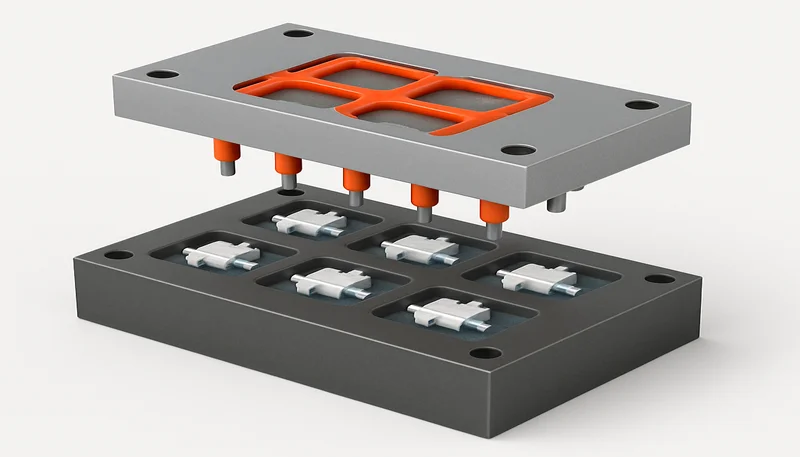
Manifold sistemin omurgasıdır. Kalıp tabanının içinde bulunur ve eriyiği merkez girişinden (makine memesinin kalıpla birleştiği yer) her meme konumuna yönlendirir. Manifold tasarımı dolum dengesini doğrudan etkiler; bir akış yolu diğerinden daha uzun veya daha kıvrımlıysa boşluklar eşit dolmaz, boyutsal değişim ve çapak oluşur. Modern manifold tasarımları, tüm yollardaki basınç düşüşünü eşitlemek için akış simülasyonu yazılımı kullanır.
Isıtıcılar ve termokupllar, her sıcak yolluğun bakımı en yoğun parçalarıdır. 47 enjeksiyon kalıplama makinesi3 işletme deneyimimize göre ısıtıcı arızası, karşılaştığımız en yaygın sıcak yolluk sorunudur. Tek bir yanmış kartuş ısıtıcı bütün üretim serisini durdurabilir. Bu nedenle her sıcak yolluk kalıbı için yedek ısıtıcı ve termokupl bulundurulmasını ve bunların 12–18 ayda bir önleyici olarak değiştirilmesini öneriyoruz.
Şanghay fabrikamızda, birçoğu sıcak yolluk sistemleriyle donatılmış 90T ile 1850T arasında 47 enjeksiyon kalıplama makinesi çalıştırıyoruz. 20+ yılı aşkın üretimde, ısıtıcı bakımının sıcak yolluk güvenilirliğindeki en büyük tek etken olduğunu öğrendik—ısıtıcıların 12–18 ayda bir proaktif olarak değiştirilmesi plansız duruşların 80% kadarını önler. Mühendislerimiz üretim incelemelerinde; 0.02 mm muayene toleransı içindeki kalıp boşluğu dengesini, 8 saatlik deneme çalışması boyunca ısıtıcı tepkisini ve üretim onayı önermeden önce başlangıç hurda yüzdesini karşılaştırır. Sıcak yolluğun tekrarlanan siparişler için yeterince kararlı olup olmadığına bu kanıtlara göre karar veririz.
Sıcak Yolluk Teknolojisinin Avantajları Nelerdir?
Sıcak yolluk sistemlerinin faydaları doğru uygulamalarda iyi belgelenmiş ve önemlidir. Gerçek üretim ortamlarında gözlemlediğimiz temel avantajlar şunlardır:
Malzeme Tasarrufu
Soğuk yolluklu bir kalıp, her çevrimde parçadan ayrılması ve atılması ya da yeniden öğütülmesi gereken katı plastik kanallar oluşturur. Çok gözlü bir kalıpta yolluk atığı, toplam enjeksiyon ağırlığının 10–30% kadarını oluşturabilir. 24/7 çalışan 32 gözlü bir kalıpta bu, ayda binlerce kilogram malzeme israfına ulaşabilir. Sıcak yolluklar bu israfı tamamen ortadan kaldırır.
Daha Hızlı Çevrim Süreleri
Yolluk kanallarının katılaşıp çıkarılması gerekmediğinden çevrim süreleri daha kısadır. Kalıbın yollukları değil, yalnızca parçayı soğutması gerekir. Uygulamada bu, üç plakalı soğuk yolluklu kalıba kıyasla çevrim süresini genellikle 10–20% kısaltır. Milyonlarca çevrim boyunca bu zaman tasarrufu önemli kapasite artışlarına dönüşür.
Daha Yüksek Parça Kalitesi
Sıcak yolluklar, eriyiğin her kalıp gözüne daha tutarlı biçimde iletilmesini sağlar. Soğuk yollukların neden olduğu basınç kaybı olmadığından dolum dengesi iyileşir; böylece tüm kalıp gözlerinde parça ağırlığı, ölçüler ve yüzey kalitesi daha eşit olur. Özellikle valf girişli sistemler ütüleme basıncının hassas biçimde kontrol edilmesini sağlayarak çöküntü izlerini, boşlukları ve çarpılmayı azaltır.
Tasarım Esnekliği
Sıcak yolluklar, ısıtılmış kanallar eriyiği herhangi bir konuma yönlendirebildiği için kalıp plakası geometrisinden bağımsız olarak yolluk girişlerinin parça üzerindeki optimum konumlara yerleştirilmesine olanak tanır. Bu sayede büyük ve düz bir parçayı üç plakalı kalıp kullanmadan merkezden besleyebilir veya birleşme çizgileriyle akış izlerini en aza indirmek için yolluk girişlerini yapısal açıdan en uygun konumlara yerleştirebilirsiniz.
Ne Zaman Soğuk Yolluk Yerine Sıcak Yolluk Seçmelisiniz?
Hacim, tolerans, takım bütçesi veya tasarım esnekliği azami çıktıdan daha önemli olduğunda soğuk yolluk yerine sıcak yolluk doğru seçimdir. Her proje sıcak yolluktan fayda sağlamaz. Karar; üretim hacmine, parça karmaşıklığına, malzeme maliyetine ve görünüm gereksinimlerine bağlıdır. Müşterilere danışmanlık verirken kullandığımız pratik çerçeve şöyledir:
| Faktör | Sıcak Yolluğu Seçin | Soğuk Yolluğu Seçin |
|---|---|---|
| Üretim hacmi | >50,000 parça | <10,000 parça |
| Malzeme maliyeti | >$3/kg (atık pahalıdır) | <$2/kg (atık kabul edilebilir) |
| Parçanın görsel özellikleri | Görünür yolluk girişi izleri kabul edilemez | Yolluk girişi izi kabul edilebilir |
| Kavite sayısı | 8+ kavite | 1–4 göz |
| Çevrim süresi önceliği | Yüksek hızlı otomasyon | Düşük hızlı / prototipleme |
| Malzeme türü | Mühendislik reçineleri, LSR, PEEK | Standart reçineler (PP, PE) |
Başabaş noktası genellikle 30.000–50.000 parça civarındadır. Bu eşiğin altında sıcak yolluk sisteminin ek takım maliyeti çoğunlukla malzeme ve çevrim süresi tasarrufunu aşar. 100.000 parçayı geçen programlarda sıcak yolluk neredeyse her zaman pozitif yatırım getirisi sağlar. Takım stratejinizi üretim hacmine göre planlamak için tedarik kılavuzumuzu kullanabilirsiniz.
"Valf girişli sıcak yolluk sistemleri, bitmiş parçada neredeyse hiç görünür giriş izi bırakmaz."True
Doğru. Mekanik pim yolluğu temiz biçimde keserek pürüzsüz, neredeyse görünmez bir iz bırakır; otomotiv iç trimi gibi kozmetik parçalar için idealdir.
"Sıcak yolluklu kalıplar, soğuk yolluklu kalıplara göre daha az hareketli parçaya sahip olduğu için bakım gerektirmez."False
Yanlış. Sıcak yolluklu kalıplarda ısıtıcıların, termokuplların ve sızdırmazlık elemanlarının düzenli bakımı gerekir. Sıcak yolluk üretiminde duruşların en yaygın nedeni ısıtıcı arızasıdır.
Sıcak Yolluk Teknolojisinin Dezavantajları Nelerdir?
Sıcak yolluklar evrensel bir çözüm değildir. Dezavantajları gerçektir ve bunları göz ardı etmek pahalı hatalara yol açar:
Daha yüksek kalıp maliyeti: Sıcak yolluklu bir kalıp; damla sayısına ve yolluk girişi türüne bağlı olarak eşdeğer bir soğuk yolluklu kalıptan genellikle $3,000–$15,000 daha pahalıdır. Ek pnömatik veya hidrolik aktüatörler ve valf pimleri nedeniyle valf yolluk sistemleri bu aralığın üst sınırındadır.
Daha karmaşık bakım: Isıtma sisteminin düzenli olarak incelenmesi ve bileşenlerinin değiştirilmesi gerekir. Isıtıcılar yanar, termokupllar sapar ve manifold contaları bozulur. Tek bir bileşenin arızalanması, kalıp onarım için sökülürken üretimi saatlerce durdurabilir.
Başlangıç atığı: Sıcak yolluklu bir kalıp soğukken çalıştırıldığında tüm bölgelerin işlem sıcaklığına ulaşması 15–45 dakika sürer. Bu ısınma sırasında eriyik henüz tam olarak kararlı hâle gelmediğinden ilk 5–20 baskı genellikle hurdaya çıkar. Kısa üretim serilerinde bu başlangıç atığı, malzeme tasarrufunu etkisiz kılabilir.
Malzeme hassasiyeti: Bazı malzemeler—özellikle PVC ve POM gibi ısıya duyarlı reçineler—sıcak yolluk sistemlerinde ısıl bozunmaya yatkındır. Yüksek sıcaklıkta uzun bekleme süresi sararmaya, gaz oluşumuna veya mekanik özellik kaybına yol açabilir. Bu malzemeleri kalıplıyorsanız soğuk yolluk daha güvenli bir seçim olabilir.
Renk değiştirme zorluğu: Sıcak yolluk sisteminde renk değiştirmek, tüm manifoldu ve bütün memeleri temizlemeyi gerektirir; bu da malzeme ve zaman kaybına yol açar. Soğuk yollukta ise yeni renkle kalıplamaya başlarsınız; eski yolluk hurdası zaten atılacaktı. Üretim planınız sık renk değişimi içeriyorsa kararınızda bunu hesaba katın.
Yaygın Sıcak Yolluk Sorunları Nasıl Giderilir?
Sıcak yolluk sorun giderme; sıcaklık, yolluk girişi durumu, malzeme bekleme süresi, kablolama ve kavite dengesinin adım adım kontrolüdür. Bakımı iyi yapılan sıcak yolluk sistemlerinde bile sorunlar oluşur. Karşılaştığımız en yaygın sorunlar ve temel nedenleri şunlardır:
Sıcaklık Dalgalanması
Bir bölge sıcaklığı ayar noktasından ±5 °C’den fazla sapıyorsa önce termokuplun yerleşimini kontrol edin. Gevşek veya kısmen takılmış termokupl yanlış okur ve kontrolörün aşırı telafi yapmasına neden olur. Yanmış ısıtıcıları da inceleyin; direnci multimetreyle ölçüp üreticinin spesifikasyonuyla karşılaştırın. Tesisimizde sıcaklık sorunlarının 60%‘ının ısıtıcı arızalarından değil termokupl sorunlarından kaynaklandığını görüyoruz.
Eriyik Sızıntısı
Manifold ile kalıp plakaları arasındaki plastik sızıntısı genellikle aşınmış contalara veya hatalı manifold kurulumuna işaret eder. Sistemi durdurun, tüm sızdırmazlık yüzeylerini temizleyin ve O-ringleri veya contaları değiştirin. Manifold cıvatalarını üretici spesifikasyonuna göre yeniden torklayın; aşırı sıkma da yetersiz sıkma kadar contalara zarar verir.
Yolluk İzi veya İpliklenme
Aşırı giriş izleri veya ipliklenme (kalıp açıldığında girişten uzayan ince plastik iplikler) çoğu zaman hatalı giriş ucu sıcaklığından veya yetersiz donma süresinden kaynaklanır. Meme ucu sıcaklığını 5–10 °C düşürmeyi ve soğutma süresini 0.5–1 saniye artırmayı deneyin. Valf girişli sistemde sorun sürerse valf pimi zamanlamasını ve strokunu kontrol edin.
Kalıp Boşlukları Arasında Dengesiz Dolum
Bazı boşluklar diğerlerinden önce dolduğunda, manifold akış dengesi bozulmuştur. Tüm nozul ucu sıcaklıklarının birbirinden 2 °C farklı olduğunu doğrulayın, ardından manifold kanallarındaki kısmi tıkanıklıkları kontrol edin. Sistem daha önce doğru çalışıyorsa, bozulan malzemeden kaynaklanan tıkalı bir kanal muhtemel suçludur.
Sıkça Sorulan Sorular
Sıcak kanallı ve soğuk kanallı sistem arasındaki fark nedir?
Bir sıcak kanal sistemi, plastiği makine nozulu ile boşluk geçidi arasında erimiş halde tutmak için ısıtılmış kanallar kullanır, bu nedenle çok az veya hiç katı kalıntı hurdası oluşmaz. Bir soğuk kanal sistemi, besleme kanallarının her çevrimde katılaşmasına izin verir, bu nedenle kanal ayrılmalı, yeniden öğütülmeli veya atılmalıdır. Sıcak kanal sistemleri genellikle yapım ve bakımda daha pahalıdır, ancak yüksek hacimli üretimde reçine tasarrufu, çevrim süresi kazancı ve taşıma maliyeti sağlayabilirler. En iyi seçim, kanal ağırlığına, reçine maliyetine, yıllık enjeksiyon sayısına, renk değiştirme sıklığına ve bakım kapasitesine bağlıdır.
Sıcak kanal kalıbın maliyeti, soğuk kanal sistemine kıyasla ne kadar?
Bir sıcak kanal kalıbı tipik olarak benzer bir soğuk kanal kalıbından daha pahalıdır çünkü ısıtmalı manifold, nozullar, kablolama, kontrolcü bölgeleri, yalıtım, montaj işi ve ek deneme validasyonu ekler. Prim, boşluk sayısına, geçit tipine, sıcak kanal markasına, reçineye ve parça boyutuna bağlıdır. Alıcılar sadece kalıp fiyatını değerlendirmemelidir. Kalıp maliyetini, enjeksiyon başına tasarruf edilen reçine, çevrim süresi azalması, başlangıç hurdası, yedek parçalar ve duruş riski ile karşılaştırmalıdırlar. Yüksek hacimli bir kalıp primi geri kazanabilir; kısa serili bir kalıp kazanamayabilir.
Sıcak kanal sistemleri tüm plastik malzemeleri işleyebilir mi?
ABS, PP, PC, naylon, PEEK ve birçok mühendislik reçinesi dahil olmak üzere birçok termoplastik, sıcak kanal sistemlerinde çalışabilir, ancak sistem malzemeye uygun olmalıdır. Isıya duyarlı malzemelerin dikkatli kalma süresi ve sıcaklık kontrolüne ihtiyacı vardır çünkü bozulan reçine siyah lekeler, çizgiler veya zayıf parçalar oluşturabilir. Aşındırıcı cam dolgulu malzemeler nozulları ve geçitleri aşındırabilir. Korozif veya alev geciktirici sınıflar özel çelik veya kaplamalar gerektirebilir. Tedarikçi, tasarımı onaylamadan önce reçine veri sayfasını, kesme ısısını, temizleme yöntemini ve deneme planını gözden geçirmelidir.
Sıcak kanal ısıtıcıları ne sıklıkla değiştirilmelidir?
Sıcak kanal ısıtıcıları düzenli olarak kontrol edilmeli ve sadece görünür bir arıza sonrasında değil, üretim yüküne göre değiştirilmelidir. Yüksek hacimli üretimde, birçok fabrika özellikle beklenmedik duruşları karşılayamayan kritik kalıplar için değişimi yaklaşık on iki ila on sekiz ayda planlar. Düşük hacimli kalıplar, direnç kontrolleri, sıcaklık stabilitesi, kablolama ve termokupl tepkisi normal kaldığı sürece daha uzun süre çalışabilir. Alıcılar, yedek ısıtıcı ve termokupl listesi, bağlantı şeması ve bakım erişim planı sormalıdır. Önleyici bakım, kalıp içinde bir ısıtıcı arızalandıktan sonra üretimi durdurmaktan daha ucuzdur.
Sıcak kanal nozulunda tıkanmaya ne sebep olur?
Sıcak kanal nozul tıkanması, geçitteki eriyiğin paketleme tamamlanmadan çok fazla soğumasıyla meydana gelir. Yaygın nedenler arasında düşük uç sıcaklığı, zayıf ısıtıcı teması, geçit yakınında aşırı soğutma, yanlış geçit boyutu, uzun çevrim kesintisi veya dar işleme penceresi olan bir malzeme bulunur. Belirti, kısa çekimler veya dengesiz parça ağırlığı gibi görünebilir, ancak kök neden genellikle nozul ucundaki yerel ısı kaybıdır. Sorun giderme, bölge sıcaklığını, termokupl konumunu, ısıtıcı direncini, geçit aşınmasını, kalıp soğutmasını ve gerçek erime sıcaklığını kontrol etmelidir.
Düşük hacimli üretim için sıcak kanal sistemleri değer mi?
Sıcak kanal sistemleri genellikle çok düşük hacimli üretim için değmez çünkü eklenen kalıp ve kontrolcü maliyetinin reçine ve çevrim süresi tasarruflarıyla geri ödenmesi için yeterli enjeksiyon gerekir. Prototip veya pilot seriler için soğuk kanal genellikle daha basit, ucuz ve modifiye etmesi daha kolaydır. Kanal ağırlığı, reçine pahalı, kozmetik geçit kalitesi önemli veya yıllık hacim stabil olduğunda sıcak kanal daha cazip hale gelir. Alıcılar, beklenen enjeksiyon sayısı, kanal ağırlığı, reçine maliyeti, çevrim süresi, bakım maliyeti ve hurda riski kullanarak geri ödeme süresini hesaplamalıdır.
Bir sıcak kanal kalıbının çalışmaya başlaması ne kadar sürer?
Bir sıcak kanal kalıbı, kararlı şekillendirme başlamadan önce genellikle tüm bölgeleri ısıtmak için zamana ihtiyaç duyar. Tipik bir başlangıç, manifold boyutuna, nozul sayısına, kontrolcü gücüne, reçineye ve kalıp sıcaklığına bağlı olarak on beş ila kırk beş dakika sürebilir. Erime sıcaklığı, geçit akışı ve boşluk dengesi stabil hale gelirken ilk enjeksiyonlar hurda olabilir. İyi bir deneme kaydı, ısınma süresini, bölge ayar noktalarını, ilk kabul edilebilir enjeksiyon sayısını, basınç davranışını ve parça ağırlık stabilitesini not etmelidir. Bu veri, alıcıların sadece teklif edilen çevrim süresini değil, gerçek üretim verimliliğini anlamasına yardımcı olur.
Sıcak kanal sistemi ne tür bir bakıma ihtiyaç duyar?
Sıcak kanal bakımı, ısıtıcıların, termokuplların, kablolamanın, fiş bağlantılarının, manifold contalarının, nozul uçlarının, kapı aşınmasının, valf pimlerinin ve kontrolör kalibrasyonunun kontrol edilmesini içerir. Kalıp, sızıntı, karbon birikimi, hasarlı yalıtım, gevşek teller ve düzensiz sıcaklık tepkisi açısından incelenmelidir. Valf kapılı sistemler için pimler ve burçlar da aşınma kontrolleri gerektirir. Alıcılar, üretim başlamadan önce yedek ısıtıcılar, termokupllar, contalar ve valf pimlerini hazır bulundurmalıdır. Bakım kayıtları, neyin değiştirildiğini, ne zaman değiştirildiğini ve onarımın işlem ayarlarını veya parça kalitesini değiştirip değiştirmediğini göstermelidir.
Kalıp Tasarımınızı Optimize Etmeye Hazır mısınız?ZetarMold’un mühendislik ekibi, sıcak yolluk sisteminin projeniz için doğru seçim olup olmadığını değerlendirmenize yardımcı olabilir. 20+ yıllık deneyimimiz, kendi bünyemizde kalıp üretimimiz ve 90T ile 1850T arasında 47 makinemizle kalite, maliyet ve üretim verimliliğini dengeleyen optimize kalıp çözümleri sunuyoruz.
Ücretsiz Teklif Alın →
sıcak yolluk sistemi: Sıcak yolluk sistemi, enjeksiyon kalıbında plastiği makine memesinden boşluk girişine kadar erimiş hâlde tutan ısıtılmış bir kanal sistemidir. ↩
valf girişli sistemler: Valf girişli sistemler, girişi açıp kapatmak için mekanik bir pim kullanan; giriş donma zamanını hassas biçimde kontrol eden ve parça yüzeyinde çok az iz bırakan sıcak yolluk sistemleridir. ↩
enjeksiyon kalıplama makinesi: Enjeksiyon kalıplama makinesi, erimiş plastiği ısıtan, basınçlandıran ve kalıp boşluğuna enjekte eden makinedir. Tesisimizdeki makine tonajları 90T ile 1850T arasındadır. ↩