...

射出成形における投影面積の計算方法は?

• ZetarMold Engineering Guide
• Plastic Injection Mold Manufacturing Since 2005
• Built by ZetarMold engineers for buyers comparing mold and molding solutions.

A hot runner system1 is one of the most impactful upgrades you can make to an 射出成形 operation. Instead of letting plastic cool inside the feed channels—the runners—between cycles, a hot runner keeps that material molten and ready for the next shot. The result? Less waste, faster cycle times, and more consistent parts.

In our Shanghai factory, we’ve been running hot runner molds for over 20 years across thousands of production runs. This guide shares what we’ve learned—the good, the bad, and the expensive lessons—so you can decide whether a hot runner is right for your project.

要点
  • A hot runner keeps plastic molten inside the mold’s feed channels, eliminating runner waste.
  • Two main types: open-gate and valve-gate systems, each suited to different part geometries and materials.
  • Hot runners reduce material waste by 10–30% and cut cycle times compared to cold runners.
  • Higher upfront mold cost ($3,000–$15,000 extra) but lower per-part cost in high-volume runs.
  • Regular maintenance of heaters, thermocouples, and manifolds is critical to avoid costly downtime.

What Is a Hot Runner System in Injection Molding?

A hot runner system in injection molding is defined by the function, constraints, and tradeoffs explained in this section. A hot runner system is a heated feed channel assembly inside an 射出成形金型 that keeps plastic in a molten state from the machine nozzle to the cavity gate. Unlike a cold runner—where the plastic in the feed channels solidifies and must be discarded or reground—hot runner channels are actively heated by cartridge heaters, coil heaters, or band heaters, maintaining the polymer at its processing temperature throughout the cycle.¹

Think of it this way: the machine barrel heats and injects the plastic, and the hot runner is essentially an extension of that barrel, carrying the melt all the way to the gate without letting it cool. This means every gram of injected material ends up in the finished part, not in a scrap runner you have to throw away or reprocess.

Hot runner technology became commercially viable in the 1960s and has since become standard in high-volume production of automotive parts, medical devices, electronics housings, and consumer products. Today, an estimated 40–50% of all production injection molds worldwide use some form of hot runner system.²

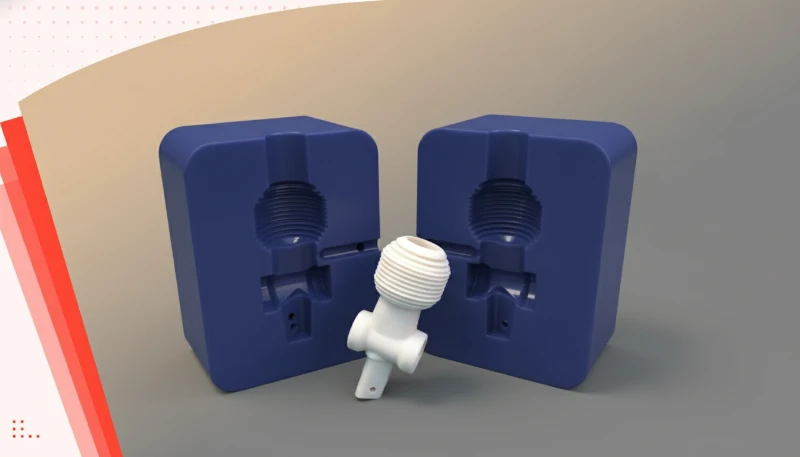
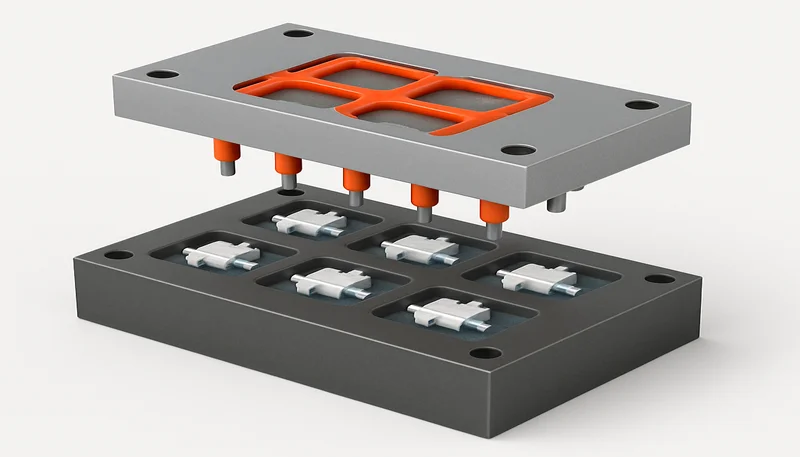
Blue plastic injection mold with finished part
Hot runner molds deliver molten plastic.

How Does a Hot Runner System Work?

The working principle is straightforward: the injection machine screw pushes molten plastic through the nozzle into the hot runner manifold. The manifold distributes the melt to individual nozzles, each of which feeds a cavity gate. Heaters embedded in the manifold and nozzles keep the plastic at a precise temperature—typically within ±2 °C of the set point—controlled by thermocouples feeding back to a temperature controller.

During the cooling phase of the cycle, while the part inside the cavity solidifies, the plastic inside the hot runner channels remains molten because of continuous heating. When the mold opens and the part ejects, the molten plastic in the runner system is already positioned and ready for the next injection shot. This eliminates the need to inject a fresh charge through cold channels, reducing both material waste and cycle time.

The temperature control system is the heart of any hot runner. Modern controllers can independently manage 1 to 128 zones, each with PID (proportional-integral-derivative) closed-loop control. A single zone might control the manifold, while individual zones manage each nozzle. If any zone deviates from its set point by more than a few degrees, an alarm triggers—because temperature inconsistency directly causes part defects like short shots, flash, or discoloration.

What Are the Types of Hot Runner Systems?

The types of hot runner systems are the main categories or options explained in this section. Hot runner systems fall into two broad categories based on the gate mechanism: open-gate (also called thermal gate) and valve-gate systems2. Choosing the right type depends on your part geometry, material, cosmetic requirements, and production volume.

Open-Gate (Thermal Gate) Systems

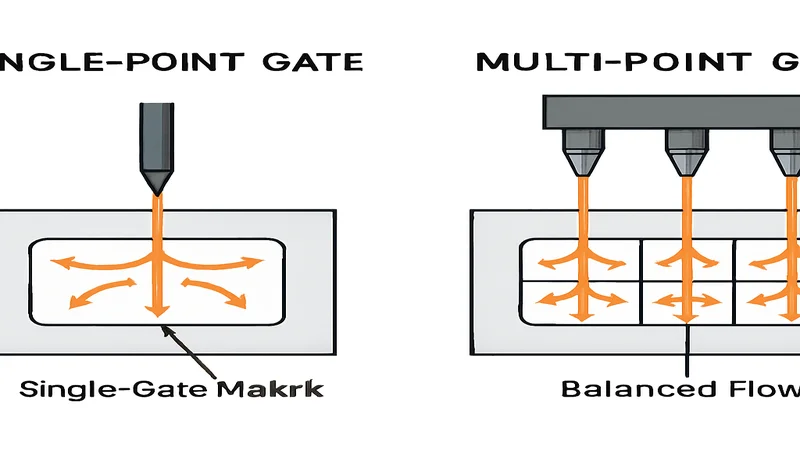
In an open-gate system, the molten plastic flows through a small orifice directly into the cavity. Gate freezing—where the plastic solidifies at the gate to seal the cavity—is controlled purely by thermal dynamics: the mold’s cooling system chills the gate area while the hot runner nozzle keeps the upstream melt liquid. Open gates are simpler, less expensive, and have fewer moving parts. However, they leave a small vestige (a raised mark) on the part surface, and gate freeze timing can be harder to control with some engineering resins.

Valve-Gate Systems

A valve-gate system uses a mechanical pin (the valve pin) that physically opens and closes the gate. During injection, the pin retracts to let plastic flow; after packing, the pin advances to mechanically seal the gate. This provides precise control over gate freeze timing, eliminates stringing, and leaves a very clean gate mark—often invisible on the finished part. Valve gates are preferred for cosmetic parts, multi-cavity molds requiring balanced fill, and applications using shear-sensitive materials like LSR (liquid silicone rubber) or PEEK. The trade-off is higher cost and more maintenance points.³

“A hot runner system can reduce material waste by keeping runners molten between cycles.”

Correct. Because the runners never solidify, there is no scrap runner to discard or regrind—every gram of injected material goes into the finished parts.

“Hot runner systems are always more economical than cold runners for any production volume.”

Not true. Hot runner molds have significantly higher tooling costs ($3,000–$15,000 extra per mold). For low-volume runs (under 10,000 parts), a cold runner may be more cost-effective despite the material waste.

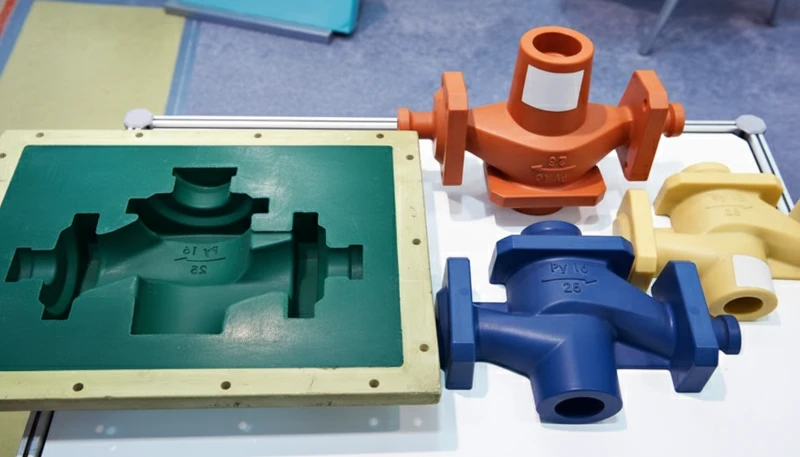
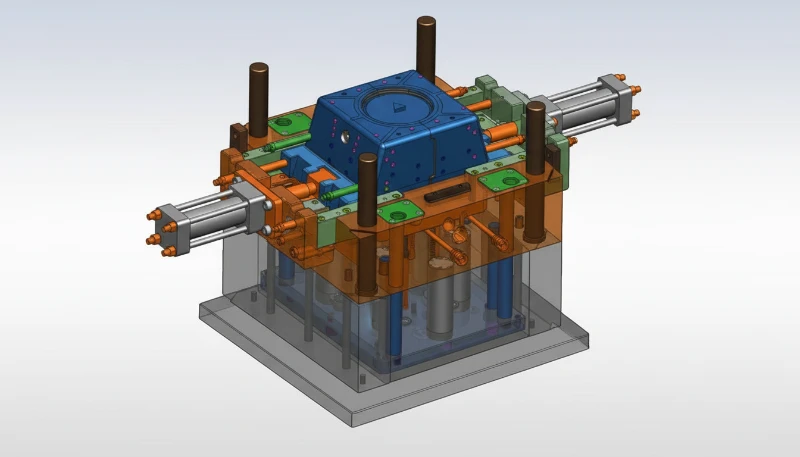
Prototype injection mold and parts display
Modern hot runner systems are used.

What Are the Key Components of a Hot Runner System?

The key components of a hot runner system are the main categories or options explained in this section. A complete hot runner system consists of several critical subsystems that must work together precisely. Understanding each component helps you troubleshoot problems and specify the right system for your application.

コンポーネント 機能 稼働中のプラスチック射出成形機が部品を生産中
マニホールド Distributes melt from machine nozzle to individual drop nozzles Must be thermally balanced; X, H, and I layouts for different cavity arrangements
Nozzles (hot) Feed molten plastic from manifold to each cavity gate Open-gate vs. valve-gate; tip style affects gate vestige
Heaters Maintain melt temperature in manifold and nozzles Cartridge, coil, or band types; lifespan typically 1–3 years
Thermocouples Measure temperature at each zone for closed-loop control Type J or K; must be properly seated for accurate readings
Temperature Controller PID control of all heating zones Zone count must match manifold + nozzle count; soft-start extends heater life
Valve Pins (if applicable) Mechanically open/close gates in valve-gate systems Pneumatic, hydraulic, or electric actuation; timing is critical

The manifold is the backbone of the system. It sits inside the mold base and routes the melt from the center inlet (where the machine nozzle meets the mold) to each nozzle location. Manifold design directly affects fill balance—if one flow path is longer or has more bends than another, cavities fill unevenly, causing dimensional variation and flash. Modern manifold designs use flow simulation software to equalize pressure drop across all paths.

Heaters and thermocouples are the maintenance-intensive parts of any hot runner. In our experience running 47 射出成形機3s, heater failure is the single most common hot runner issue we encounter. A single burned-out cartridge heater can take down an entire production run. That’s why we recommend keeping spare heaters and thermocouples on hand for every hot runner mold, and replacing them proactively every 12–18 months.

🏭 ZetarMold Factory Insight
In our Shanghai factory, we run 47 injection molding machines from 90T to 1850T, many equipped with hot runner systems. Over 20+ years of production, we’ve learned that heater maintenance is the single biggest factor in hot runner reliability—replacing heaters proactively every 12–18 months prevents 80% of unplanned downtime. In our production reviews, our engineers compare cavity balance within 0.02 mm inspection tolerance, heater response over 8 hours of trial running, and startup scrap percentage before we recommend production approval. We use this evidence to decide whether the hot runner is stable enough for repeated orders.

What Are the Advantages of Hot Runner Technology?

The benefits of hot runner systems are well-documented and significant for the right applications. Here are the key advantages we’ve observed in real production environments:

材料の節約

A cold runner mold generates solid plastic channels with every cycle that must be separated from the part and either discarded or reground. In a multi-cavity mold, runner waste can represent 10–30% of the total shot weight. For a 32-cavity mold running 24/7, that can add up to thousands of kilograms of wasted material per month. Hot runners eliminate this waste entirely.

Faster Cycle Times

Because the runner channels don’t need to solidify and then be ejected, cycle times are shorter. The mold only needs to cool the part itself, not the runners. In practice, this typically shaves 10–20% off cycle time compared to a three-plate cold runner mold. Over millions of cycles, that time savings compounds into significant capacity gains.

Better Part Quality

Hot runners provide more consistent melt delivery to each cavity. Without the pressure drop caused by cold runners, fill balance improves, resulting in more uniform part weight, dimensions, and surface finish across all cavities. Valve-gate systems in particular allow precise control over packing pressure, which reduces sink marks, voids, and warpage.

デザインの柔軟性

Hot runners allow gate placement at optimal locations on the part—regardless of mold plate geometry—because the heated channels can route melt to any position. This means you can gate from the center of a large flat part without a three-plate mold, or position gates at the best structural locations to minimize weld lines and flow marks.

When Should You Choose a Hot Runner Over a Cold Runner?

A hot runner over a cold runner is the right choice when volume, tolerance, tooling budget, or design flexibility matter more than maximum output. Not every project benefits from a hot runner. The decision depends on production volume, part complexity, material cost, and cosmetic requirements. Here’s a practical framework we use when advising customers:

ファクター Choose Hot Runner Choose Cold Runner
生産量 >50,000 parts <10,000 parts
Material cost >$3/kg (waste is expensive) <$2/kg (waste is tolerable)
Part cosmetics Visible gate marks unacceptable Gate vestige tolerable
Cavity count 8+ cavities 1–4 cavities
Cycle time priority High-speed automation Low-speed / prototyping
Material type Engineering resins, LSR, PEEK Commodity resins (PP, PE)

The break-even point typically falls around 30,000–50,000 parts. Below that threshold, the extra tooling cost of a hot runner system usually exceeds the material and cycle-time savings. For programs exceeding 100,000 parts, a hot runner almost always delivers a positive ROI. You can use our sourcing guide to plan your tooling strategy around production volume.

“Valve-gate hot runner systems leave almost no visible gate mark on the finished part.”

Correct. The mechanical pin shears the gate cleanly, leaving a smooth, nearly invisible mark—ideal for cosmetic parts like automotive interior trim.

“Hot runner molds require no maintenance because they have fewer moving parts than cold runners.”

Incorrect. Hot runner molds require regular maintenance of heaters, thermocouples, and seal components. Heater failure is the most common downtime cause in hot runner production.

What Are the Disadvantages of Hot Runner Technology?

Hot runners are not a universal solution. The drawbacks are real, and ignoring them leads to expensive mistakes:

Higher tooling cost: A hot runner mold typically costs $3,000–$15,000 more than an equivalent cold runner mold, depending on the number of drops and gate type. Valve-gate systems sit at the higher end of that range due to the additional pneumatic or hydraulic actuators and valve pins.

More complex maintenance: The heating system requires regular inspection and component replacement. Heaters burn out, thermocouples drift, and manifold seals degrade. A single component failure can halt production for hours while the mold is disassembled for repair.

Startup waste: When a hot runner mold starts up cold, it takes 15–45 minutes for all zones to reach processing temperature. During that ramp-up, the first 5–20 shots are typically scrap because the melt hasn’t fully stabilized. For short production runs, this startup waste can offset the material savings.

Material sensitivity: Some materials—particularly heat-sensitive resins like PVC and POM—are prone to thermal degradation in hot runner systems. Extended residence time at elevated temperatures can cause yellowing, gas formation, or loss of mechanical properties. If you’re molding these materials, a cold runner may be the safer choice.

Color change difficulty: Changing colors in a hot runner system requires purging the entire manifold and all nozzles, which wastes material and time. In a cold runner, you simply start molding the new color—the old runner scrap was going to be discarded anyway. If your production schedule involves frequent color changes, factor this into your decision.

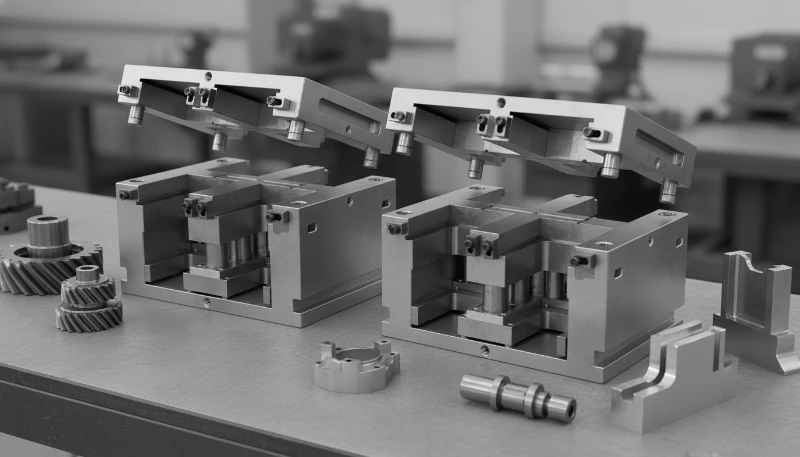
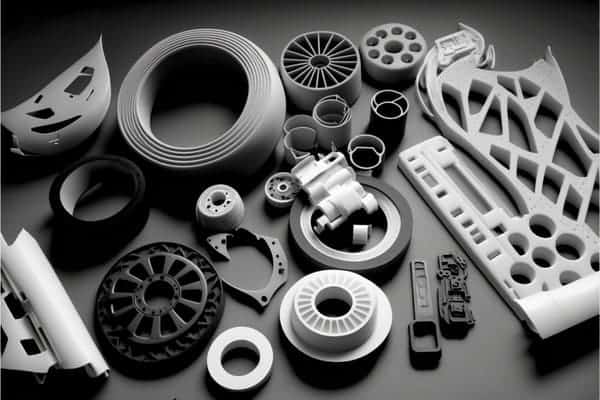
プラスチック射出成形部品
Hot runner technology is ideal.

How to Troubleshoot Common Hot Runner Problems?

Hot runner troubleshooting is a step-by-step check of temperature, gate condition, material residence time, wiring, and cavity balance. Even well-maintained hot runner systems develop issues. Here are the most common problems we encounter and their root causes:

Temperature Fluctuation

If a zone temperature swings more than ±5 °C from set point, check the thermocouple seating first. A loose or partially inserted thermocouple reads incorrectly, causing the controller to overcompensate. Also inspect for burned-out heaters—measure resistance with a multimeter and compare to the manufacturer’s specification. In our facility, we find that 60% of temperature issues trace back to thermocouple problems, not heater failures.

Melt Leakage

Plastic leaking between the manifold and mold plates usually indicates worn seals or improper manifold installation. Shut down the system, clean all seal surfaces, and replace O-rings or gaskets. Re-torque the manifold bolts to the manufacturer’s specification—over-tightening damages seals just as much as under-tightening.

Gate Vestige or Stringing

Excessive gate marks or stringing (thin plastic threads stretching from the gate when the mold opens) often result from incorrect gate tip temperature or insufficient freeze time. Try reducing the nozzle tip temperature by 5–10 °C and increasing the cooling time by 0.5–1 second. If the problem persists with a valve-gate system, check the valve pin timing and stroke.

Uneven Fill Across Cavities

一部のキャビティが他のキャビティよりも先に充填される場合、マニホールドの流れバランスが崩れています。すべてのノズル先端温度が互いに2°C以内であることを確認し、その後、マニホールドチャネル内の部分的な詰まりをチェックします。システムが以前に正常に動作していた場合、劣化した材料による詰まったチャネルが原因である可能性が高いです。

よくある質問

ホットランナーとコールドランナーの違いは何ですか?

ホットランナーは加熱チャネルを使用して機械ノズルとキャビティゲート間でプラスチックを溶融状態に保ちます。それにより、固体ランナー廃棄物はほとんどまたは全くありません。冷ランナーは供給チャネルを各サイクルで固化させます。それによりランナーは分離、再粉砕、または廃棄される必要があります。ホットランナーは通常、製造とメンテナンスに費用が高くなりますが、高生産量において樹脂、サイクル時間、および処理費用を節約できます。最良の選択はランナー重量、樹脂費用、年間ショット数、色変更頻度、およびメンテナンス能力に依存します。

ホットランナーモジュールの費用は冷ランナーと比較してどのくらいか?

ホットランナーモジュールは通常、類似の冷ランナーモジュールよりも費用が高くなります。加熱マニホールド、ノズル、配線、コントローラーゾーン、断熱材、適合作業、および追加の試作検証を追加するためです。追加費用はキャビティ数、ゲートタイプ、ホットランナーブランド、樹脂、および部品サイズに依存します。購入者はモジュール価格だけで判断しないべきです。工具費用とショットごとに節約される樹脂、サイクル時間減少、開始廃棄物、予備部品、およびダウンタイムリスクを比較するべきです。高生産量モジュールは追加費用を回復できます。短期生産モジュールは回復できないかもしれません。

ホットランナーシステムはすべてのプラスチック材料を扱えるか?

多くの熱可塑性プラスチックはホットランナーシステムで使用できます。ABS、PP、PC、ナイロン、PEEK、および多くのエンジニアリング樹脂を含みますが、システムは材料に適合する必要があります。熱敏感材料は、残留時間と温度制御に注意が必要です。劣化した樹脂は黒い斑点、筋、または弱い部品を生じる可能性があります。研磨性のあるガラス充填材料はノズルとゲートを摩耗させます。腐食性または難燃性グレードは特殊鋼またはコーティングが必要かもしれません。供給者は設計承認前に樹脂データシート、剪断熱、洗浄方法、および試作計画をレビューするべきです。

ホットランナーヒーターはどのくらいの頻度で交換されるべきか?

ホットランナーヒーターは生産負荷に基づいて定期的に検査され、交換されるべきです。目に見える故障後だけでなく。高生産量において、多くの工場は特に予期しないダウンタイムを許容できない重要なモジュールに対して、十二から十八ヶ月ごとに交換を計画します。低生産量モジュールは、抵抗チェック、温度安定性、配線、および熱電対応答が正常であれば長く稼働できます。購入者は予備ヒーターと熱電対リスト、配線図、およびメンテナンスアクセス計画を要求するべきです。予防メンテナンスはモジュール内部でヒーターが故障した後に生産停止するよりも費用が低いです。

ホットランナーノズルの凍結は何が原因ですか?

ホットランナーノズル凍結は、ゲートでの溶融がパッキング完了前に過度に冷却されるときに発生します。一般的原因は低チップ温度、不良ヒーター接触、ゲート近傍過度冷却、誤ったゲートサイズ、長サイクル中断、または狭い処理ウィンドウを持つ材料を含みます。症状はショット不足または不安定部品重量のように見えるかもしれませんが、根本原因は通常ノズルチップでの局所熱損失です。トラブルシューティングはゾーン温度、熱電対位置、ヒーター抵抗、ゲート摩耗、モジュール冷却、および実際の溶融温度をチェックするべきです。

低生産量においてホットランナーは価値があるか?

ホットランナーは非常に低生産量において通常価値がありません。追加の工具とコントローラー費用は樹脂とサイクル時間節約を通じて十分なショット数で償還される必要があります。プロトタイプまたは試作において、冷ランナーは通常より簡単、費用が低く、変更が容易です。ホットランナーはランナーが重い、樹脂が高価、外観ゲート品質が重要、または年間生産量が安定しているときに魅力が増します。購入者は予想ショット数、ランナー重量、樹脂費用、サイクル時間、メンテナンス費用、および廃棄物リスクを使用して償還を計算するべきです。

ホットランナー金型の立ち上げにはどれくらい時間がかかりますか?

ホットランナー金型は通常、安定した成形を開始する前にすべてのゾーンを加熱する時間が必要です。典型的な立ち上げ時間は、マニホールドのサイズ、ノズルの数、コントローラーの出力、樹脂、および金型温度によって、15分から45分かかる場合があります。最初のショットは、溶融温度、ゲートの流れ、キャビティのバランスが安定するまでスクラップになることがあります。良い試作記録は、ウォームアップ時間、ゾーン設定値、最初の合格ショット数、圧力挙動、および部品重量の安定性を記録するべきです。このデータは、買い手が実際の生産効率を理解するのに役立ちます。これは、引用されたサイクル時間だけではありません。

ホットランナーシステムはどのようなメンテナンスが必要か?

ホットランナーのメンテナンスには、ヒーター、熱電対、配線、プラグ接続、マニホールドシール、ノズルチップ、ゲートの摩耗、バルブピン、およびコントローラー校正のチェックが含まれます。モジュールは漏れ、炭素蓄積、損傷した断熱材、緩んだ配線、不均一な温度応答について検査されるべきです。バルブゲートシステムでは、ピンとブッシングも摩耗チェックが必要です。購入者は生産開始前に予備のヒーター、熱電対、シール、バルブピンを用意しておくべきです。メンテナンス記録には、何が交換されたか、いつ交換されたか、修理がプロセス設定や部品品質を変更したかどうかを記録するべきです。

モジュール設計を最適化する準備はできていますか?

ZetarMoldのエンジニアリングチームは、ホットランナーシステムがあなたのプロジェクトに適切な選択であるかどうかを評価するのに役立ちます。20年以上の経験、社内での金型製造、および90Tから1850Tまでの47台の機械を備えており、品質、コスト、および生産効率をバランスさせる最適化された工具ソリューションを提供します。

無料見積もりを依頼する →


  1. hot runner system: ホットランナーシステムとは、射出成形金型内の加熱されたチャネルシステムであり、機械ノズルからキャビティゲートまでプラスチックを溶融状態に保つものです。

  2. バルブゲートシステム: バルブゲートシステムは、バルブゲートホットランナーシステムが機械的ピンを使用してゲートを開閉し、ゲート凍結時間を精密に制御し、部品表面に最小の痕跡を残すことを指します。

  3. 射出成形機: 射出成形機は、溶融プラスチックを加熱、圧力化し、モジュールキャビティに射出する機械を指します。機械のトン数は私たちの施設では90Tから1850Tの範囲です。

最新の投稿
フェイスブック
ツイッター
LinkedIn
ピンタレスト
Mike Tangの写真
マイク・タン

Hi, I'm the author of this post, and I have been in this field for more than 20 years. and I have been responsible for handling on-site production issues, product design optimization, mold design and project preliminary price evaluation. If you want to custom plastic mold and plastic molding related products, feel free to ask me any questions.

私とつながる

クイック見積もり

図面および詳細要件を下記までお送りください。 

Emial:[email protected]

または下記のお問い合わせフォームにご記入ください:

クイック見積もり

図面および詳細要件を下記までお送りください。 

Emial:[email protected]

または下記のお問い合わせフォームにご記入ください:

クイック見積もり

図面および詳細要件を下記までお送りください。 

Emial:[email protected]

または下記のお問い合わせフォームにご記入ください:

クイック見積もり

図面および詳細要件を下記までお送りください。 

Emial:[email protected]

または下記のお問い合わせフォームにご記入ください:

クイック見積もり

図面および詳細要件を下記までお送りください。 

Emial:[email protected]

または下記のお問い合わせフォームにご記入ください:

ブランドのクイック見積もり

図面および詳細要件を下記までお送りください。 

Emial:[email protected]

または下記のお問い合わせフォームにご記入ください:

Спроситебыструюцитату。

Мы свяжемся с вами в течение одного рабочего дня, обратите внимание на письмо с суффиксом "[email protected]".

クイック見積もり

図面および詳細要件を下記までお送りください。 

Emial:[email protected]

または下記のお問い合わせフォームにご記入ください:

クイック見積もり

図面および詳細要件を下記までお送りください。 

Emial:[email protected]

または下記のお問い合わせフォームにご記入ください: