Перейти к содержанию
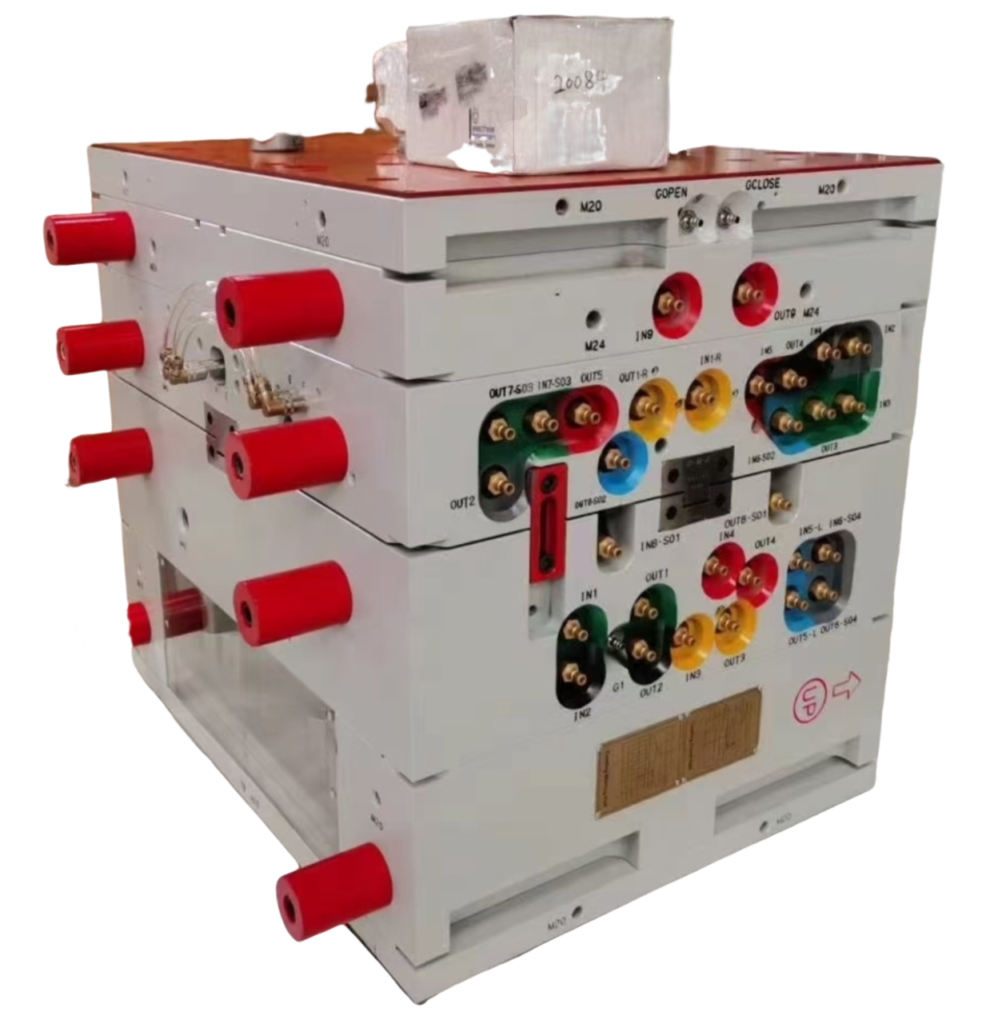
Вам нужно 200 крупных polyurethane1 корпуса для проекта промышленного шкафа. Предложения по традиционному литью под давлением оценили стоимость только оснастки в $45 000 — в расчёте на 200 деталей это $225 за единицу только на форму. Реакционное литьё под давлением (RIM) может сократить эту стоимость оснастки на 60–80%, обеспечивая детали со сравнимой структурной производительностью. Это руководство охватывает химию, параметры процесса, варианты материалов, компромиссы по стоимости и реальные критерии выбора RIM вместо обычного литья под давлением.
- RIM формирует детали посредством химической реакции, а не плавления и охлаждения
- Стоимость оснастки на 60–80% меньше, чем при традиционном литье под давлением
- Идеально подходит для крупных деталей (>12 дюймов) при малых и средних объемах производства (50–5 000 единиц)
- В основном ограничено термореактивными материалами на основе полиуретана
- Давление впрыска на 90–95% ниже, чем при литье термопластов под давлением
| Параметр | Typical Value |
|---|---|
| Давление впрыска | 50–200 psi (3,4–13,8 бар) |
| Температура пресс-формы | 100–180 °F (40–80 °C) |
| Primary Material | Полиуретан (ПУ) |
| Идеальный размер детали | > 12 дюймов (300 мм) |
| Типичный диапазон объёмов | 50–5 000 единиц/год |
| Стоимость оснастки по сравнению с литьём под давлением | На 60–80% ниже |
Что такое реакционное литьё под давлением (RIM)?
Реакционное литье под давлением (RIM) определяется функцией, ограничениями и компромиссами, описанными в этом разделе. Если вы сравниваете поставщиков или планируете закупки, наш injection molding supplier sourcing guide covers RFQ prep, qualification, and commercial risk checks.
Реакционное литье под давлением (RIM) — это низконапорный производственный процесс, при котором два жидких химических компонента — обычно полиол и изоцианат — дозируются, смешиваются под высоким давлением ударным способом и впрыскиваются в закрытую форму, где они реагируют с образованием твердого thermoset2 деталь. В отличие от обычного литья под давлением, которое расплавляет твёрдые пластиковые гранулы и впрыскивает их в форму под давлением 5 000–20 000 фунтов на кв. дюйм, RIM полагается на химическую реакцию, а не на тепло и давление, для создания детали.
Ключевое отличие: традиционное литье под давлением — это физический процесс (расплав → заполнение → охлаждение → извлечение). RIM — это химический процесс (смешивание → реакция → отверждение → извлечение из формы). Это фундаментальное различие определяет все последующие преимущества и ограничения.
RIM был разработан в конце 1960-х годов и получил широкое распространение в автомобильной промышленности в 1970-х и 1980-х годах для производства бамперов, кузовных панелей и внутренних компонентов. Сегодня он остаётся основным процессом для крупных, сложных полиуретановых² деталей в таких объёмах, где оснастка для традиционного литья под давлением экономически не оправдана.
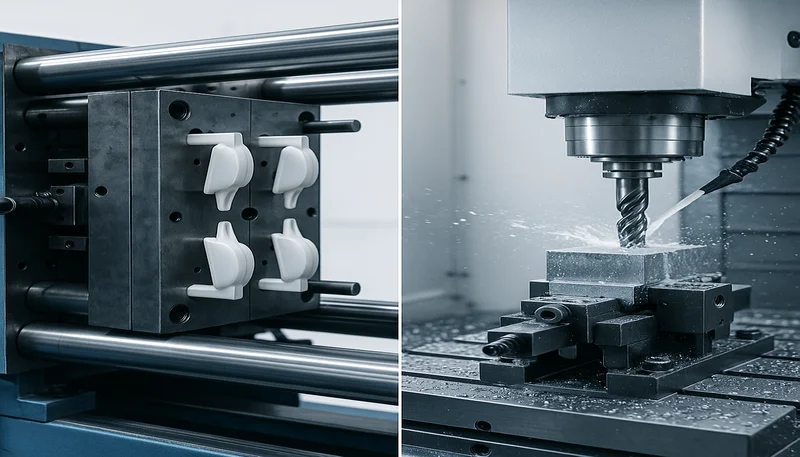
Как работает процесс RIM шаг за шагом?
Процесс RIM представляет собой пятиэтапную последовательность: дозирование, смешивание, заполнение, отверждение и извлечение реакционной полиуретановой детали. Последовательность ниже противопоставляет RIM винтовая литьевая машина рабочий процесс, чтобы инженеры могли диагностировать проблемы качества и оптимизировать время цикла.
Шаг 1: Хранение материала и контроль температуры. Два компонента — обычно смесь полиолов (компонент А) и изоцианат (компонент Б) — хранятся в отдельных нагреваемых емкостях при контролируемой температуре, обычно 80–120 °F (27–49 °C). Стабильность температуры важна, поскольку изменение вязкости напрямую влияет на качество смеси. Отклонение на 10 °F может изменить вязкость на 15–25%, что приведет к неполному смешиванию.
Шаг 2: Высокое давление, дозирование и смешивание. При запуске цикла прецизионные дозирующие насосы подают два компонента в заданном соотношении (обычно 1:1 по объему, но диапазон составляет от 100:30 до 100:200 в зависимости от состава). Потоки встречаются в смесительной головке с высоким давлением ударного типа при 1 500–3 000 фунтов на квадратный дюйм. Энергия удара создает турбулентное смешивание за миллисекунды — механический перемешиватель не требуется.
Шаг 3: Заполнение формы. Смешанная жидкость поступает в закрытую форму при относительно низком давлении (50–200 psi). Поскольку реагирующая смесь имеет низкую вязкость (аналогично воде), она легко заполняет сложные геометрии и тонкостенные участки. Форма обычно нагревается до 100–180 °F для ускорения реакции отверждения.
Шаг 4: Химическая реакция и отверждение. Внутри формы происходит экзотермическая реакция3 происходит по мере сшивания полиола и изоцианата. Материал слегка расширяется (вспенивается в случае структурно-пенного RIM), заполняет все детали формы и отверждается до конечного твёрдого состояния. В зависимости от состава время отверждения составляет от 1 до 10 минут. Внутренняя экзотермическая температура может достигать 250–350 °F, даже если сама форма остаётся относительно холодной.
Шаг 5: Извлечение из формы и постобработка. После достижения времени выдержки в форме⁴ форма открывается, и деталь извлекается. Детали RIM обычно требуют последующего отверждения (24–48 часов при комнатной температуре) для достижения полных механических свойств. Обрезка облоя, финишная обработка поверхности и окраска являются распространенными вторичными операциями.
Какие материалы используются в RIM?
Материальный ландшафт для RIM гораздо уже, чем для термопластического литья под давлением. В то время как термопластичное литьё предлагает тысячи марок смол в десятках полимерных семейств, в RIM доминирует химия полиуретана. Это одновременно и его сила (глубокая оптимизация в рамках PU), и его ограничение (нейлон, поликарбонат или PEEK нельзя обрабатывать на машине RIM).

Полиуретановые (PU) эластомеры. Рабочая лошадка RIM. Прочные эластомерные детали из полиуретана имеют диапазон твёрдости от Шора A 50 (мягкие, резиноподобные) до Шора D 80 (твёрдые, жёсткие). Используются для бамперов, расширителей крыльев и промышленных корпусов. Типичный модуль изгиба: 5 000–300 000 psi.
Структурный пенополиуретан⁵. Путём введения вспенивающего агента (часто вода, реагирующая с избытком изоцианата с образованием CO₂), RIM производит детали с ячеистой сердцевиной и сплошной оболочкой. Это снижает вес на 10–30% при сохранении жёсткости. Толщина стенки может достигать 0,5 дюйма без утяжек — с чем термопластичное литьё под давлением борется.
Усиленный RIM (RRIM). Добавление молотого стекловолокна (обычно 10–25% по весу) или минеральных наполнителей в полиольный компонент увеличивает жёсткость, размерную стабильность и термостойкость. Детали RRIM имеют модуль упругости при изгибе в 2–4 раза выше, чем у ненаполненного PU, что делает их пригодными для полуконструкционных автомобильных компонентов, таких как поддоны кузова пикапов и дверные панели.
Системы не на основе ПУ. Менее распространены, но коммерчески доступны: полимочевина (более быстрое отверждение, лучшая термическая стабильность), блок-сополимеры нейлона (для применений при более высоких температурах) и дициклопентадиен (DCPD, используется для очень крупных деталей, таких как панели сельскохозяйственного оборудования). На их долю приходится менее 15% общего производства RIM.
| Материальная система | Плотность (г/см³) | Модуль упругости при изгибе (psi) | Typical Use |
|---|---|---|---|
| Твердый эластомер PU | 1.0–1.2 | 5,000–50,000 | Бамперные накладки, уплотнения |
| Структурный пенополиуретан | 0.4–0.8 | 20 000–100 000 | Панели, корпуса |
| RRIM (20% стекло) | 1.2–1.4 | 100 000–300 000 | Дверные панели, крылья |
| Полимочевина | 1,0–1,1 | 15,000–80,000 | Крышки для высоких температур |
| DCPD | 1,0–1,1 | 200,000–350,000 | Большие панели оборудования |
Каковы преимущества RIM?
Преимущества RIM — основные категории или варианты, объясняемые в этом разделе. RIM предлагает конкретные преимущества, которые делают его правильным инженерным выбором для определенных применений — и неправильным для других. Вот что он действительно хорошо делает, основываясь на реальных производственных данных, а не на маркетинговых утверждениях.
Низкая стоимость оснастки. Пресс-формы для RIM работают при давлении 50–200 psi, в отличие от 5,000–20,000 psi для термопластичного литья под давлением. Это означает, что формы могут быть изготовлены из алюминия, эпоксидной смолы или даже 3D-печатных материалов для прототипирования. Стальная производственная пресс-форма для RIM стоит $5,000–$25,000 для детали средней сложности, в отличие от $30,000–$150,000 для аналогичной пресс-формы для литья под давлением. При объемах ниже 1,000 единиц эта разница часто делает RIM экономически рациональным выбором.
Возможность изготовления крупных деталей. RIM справляется с деталями, которые нецелесообразно изготавливать стандартным литьем под давлением. Автомобильные бамперные накладки длиной до 6 футов, панели сельскохозяйственного оборудования и корпуса медицинского оборудования — это обычные области применения RIM. Низкое давление заполнения означает минимальные требования к усилию смыкания — пресс с усилием 10 тонн может производить детали, для которых в термопластическом литье под давлением потребовался бы пресс на 500 тонн.

Свобода дизайна. Поскольку реагирующая жидкость имеет вязкость, подобную воде, RIM заполняет поднутрения, тонкие ребра и сложные геометрии без высокого давления запрессовки, необходимого для термопластического литья под давлением. Перепады толщины стенок в соотношении 3:1 в одной детали управляемы. Вы можете формовать вставки, резьбовые бобышки и структурные усиления за один цикл.
Инкапсуляция. RIM естественно инкапсулирует металлические вставки, электронные компоненты и усиливающие структуры. Низкое давление впрыска (менее 200 psi) не повреждает чувствительные электронные компоненты. Это делает его идеальным для корпусов медицинских устройств с встроенными PCB, автомобильных компонентов с металлическими креплениями и промышленных корпусов с интегрированной EMI защитой.
Экономика малых серий. Для производственных серий 50–2,000 единиц в год RIM часто обеспечивает более низкую общую стоимость детали, чем малообъемное литье под давлением, учитывая амортизацию инструмента. Точка безубыточности в сравнении с термопластичным литьем под давлением обычно находится между 2,000–5,000 единиц, зависит от геометрии детали и материала.
В ZetarMold мы регулярно сталкиваемся с клиентами, которые запрашивают расценки на малосерийное литье под давлением для деталей, которые лучше подходят для RIM. Когда клиенту требуется 300 единиц корпуса размером 500 мм, а расценки на стальную оснастку составляют 40 000+ долларов, мы честно объясняем компромисс: наши 45 машин для литья под давлением мощностью 90–1850 тонн оптимизированы для производства термопластов объемом от 1 000 единиц. Для выпуска менее 1 000 единиц крупных полиуретановых деталей RIM является экономически правильным выбором, даже если мы передадим эту работу специализированной RIM-мастерской. Помощь клиентам в выборе правильного процесса — даже если это не наш процесс — укрепляет долгосрочное доверие и часто возвращает их к нам для крупносерийных программ по термопластам.
Каковы ограничения RIM?
Ограничения RIM — это основные категории или варианты, объясненные в этом разделе. У каждого производственного процесса есть ограничения. Понимание ограничений RIM так же важно, как и знание его преимуществ, потому что выбор неправильного процесса обходится гораздо дороже, чем выбор правильного.
Ограниченность материалов. RIM в подавляющем большинстве случаев ограничен системами на основе полиуретана. Если ваше применение требует химической стойкости PPS, прозрачности PMMA, размерной стабильности PEEK или экономической эффективности полипропилена, RIM не может этого обеспечить. Это самая распространенная причина, по которой инженеры отказываются от RIM после первоначальной оценки.
Время цикла. Время цикла RIM составляет от 2 до 10 минут, по сравнению с 10–60 секундами для термопластического литья под давлением. Химическая реакция просто занимает больше времени, чем охлаждение расплавленного пластика. Для крупносерийного производства (свыше 5000 единиц в год) это делает RIM нерентабельным, несмотря на экономию на оснастке.
Качество поверхности. Хотя детали RIM могут быть окрашены по стандартам автомобильного класса A, исходная формованная поверхность обычно показывает следы потока, поры и изменение цвета. Для достижения косметически качественной поверхности требуется грунтовка, заполнение и окраска — что увеличивает стоимость и время выполнения. Если вам нужна косметическая поверхность прямо из пресс-формы, термопластичное литье под давлением с полированными стальными инструментами является лучшим выбором.
Возможность переработки. Термореактивные полиуретаны нельзя переплавить и переработать. В отличие от отходов термопластов, которые можно измельчить и использовать повторно, литники, облой и бракованные детали RIM отправляются на свалку или требуют специализированной химической переработки. Для компаний с требованиями устойчивого развития это серьезное ограничение.
«Стоимость оснастки для RIM на 60–80% ниже, чем для литья термопластов под давлением, для аналогичных геометрий деталей.»Правда
RIM работает при давлении 50–200 psi против 5,000–20,000 psi для термопластичного литья под давлением, позволяя использовать алюминиевые или эпоксидные формы вместо закаленной стали. Пресс-форма средней сложности для RIM стоит $5,000–$25,000 против $30,000–$150,000 для пресс-формы для литья под давлением.
«RIM может производить детали из любого полимера, включая инженерные термопласты, такие как PEEK, PPS и поликарбонат».Ложь
RIM принципиально ограничен термореактивными полимерами, которые отверждаются в результате химической реакции — в основном полиуретанами, полимочевинами и несколькими специальными системами. Инженерные термопласты требуют плавления и охлаждения, что является областью традиционного литья под давлением.
Как RIM сравнивается с традиционным литьем под давлением?
RIM более конкурентоспособен, чем традиционное литье под давлением, когда компромиссы в стоимости, сроках и качестве, указанные ниже, соответствуют потребностям вашей программы. RIM сравнивается с традиционным литьем под давлением, жертвуя более медленным временем цикла и более узким выбором материалов ради гораздо более низкого давления в оснастке, более низкой стоимости формы и более простого производства крупногабаритных деталей. В нашей работе по расчету стоимости на заводе мы обнаружили, что решение обычно зависит от объема, размера детали, требований к материалу и стандартов качества поверхности. Для ориентиров по времени цикла сравните отверждение RIM за 2-10 минут со стандартным время производства литья под давлением.
| Фактор | RIM | Традиционное литье под давлением |
|---|---|---|
| Давление впрыска | 50–200 фунтов на кв. дюйм | 5 000–20 000 фунтов на кв. дюйм |
| Typical Tooling Cost | $5,000–$25,000 | $30,000–$150,000 |
| Время цикла | 2–10 минут | 10–60 секунд |
| Варианты материалов | ПУ, полимочевина, ДЦПД | 100+ термопластов |
| Максимальный размер детали | 6+ футов (2 м) | Ограничено мощностью пресса |
| Оптимальный объем производства | 50–5 000 единиц/год | 1 000–1 000 000+ единиц/год |
| Чистота поверхности (в литом виде) | Требует покраски | Класс А достижим |
| Диапазон толщины стенки | 0,125–0,5 дюйма | 0,02–0,5 дюйма |
| Возможность вторичной переработки | Не подлежит переработке (термореактивный пластик) | Перерабатывается и используется повторно |
Критический переломный момент — это объем. Ниже 2 000 единиц экономия на оснастке при RIM обычно компенсирует его более медленный цикл и более высокую стоимость материала на деталь. Выше 5 000 единиц более быстрые циклы и более низкие материальные затраты термопластического литья под давлением решающе выигрывают. В диапазоне 2 000–5 000 единиц решение зависит от сложности детали, требований к материалу и потребностей в качестве поверхности.
Размер детали — это второй ключевой параметр. Для деталей крупнее 12 дюймов (300 мм) у RIM часто нет жизнеспособной альтернативы из термопласта при малых объемах. Стоимость крупноформатной формы для литья под давлением (требующей пресса мощностью 1 000+ тонн) может превышать 200 000 долларов, в то время как сопоставимая форма для RIM остается ниже 30 000 долларов. Именно поэтому автомобильная промышленность десятилетиями использует RIM для бамперных накладок, даже на массово производимых автомобилях.

«Для объемов производства ниже 2000 единиц в год RIM обычно обеспечивает более низкую общую стоимость за деталь, чем литье термопластов под давлением.»Правда
Форма для литья под давлением с реакционно-реакционным формованием (RIM) стоимостью 20 000 долларов, амортизированная на 1 000 единиц, добавляет 20 долларов за единицу в стоимость оснастки. Форма для литья под давлением стоимостью 100 000 долларов, амортизированная на том же объеме, добавляет 100 долларов за единицу. Даже с более высокой стоимостью материала на деталь в RIM, общая стоимость единицы ниже при объемах менее 2 000 единиц.
«RIM производит детали с идентичной размерной точностью и качеством поверхности, как при литье под давлением в стальные формы.»Ложь
Детали RIM обычно имеют допуски ±0,010–0,030 дюйма, в сравнении с ±0,002–0,005 дюйма для прецизионного литья под давлением. Поверхности деталей RIM в состоянии после формования требуют грунтовки и покраски для косметического качества, тогда как полированные стальные формы для литья под давлением могут обеспечивать поверхности класса А непосредственно.
Каковы наиболее распространенные применения RIM?
Наиболее распространенные области применения RIM — это основные категории или варианты, описанные в этом разделе. RIM занял определенные ниши, где его сочетание низкой стоимости оснастки, возможности производства крупных деталей и свободы дизайна создает явные преимущества. Это не теоретические применения — они представляют собой области, где RIM активно используется в производстве сегодня.
Автомобилестроение. Бамперные накладки остаются крупнейшим применением RIM в мире. Другие автомобильные применения включают расширители крыльев, спойлеры, подложки приборной панели, панели дверей и вкладыши кузовов пикапов. Автомобильная промышленность составляет примерно 65% от общего объема производства RIM.
Медицинское оборудование. Крупные корпуса оборудования для аппаратов МРТ, КТ-сканеров и кожухов хирургических роботов являются основными кандидатами для RIM. Эти детали обычно большие (более 300 мм), требуются в малых объемах (100–500 единиц/год) и должны инкапсулировать электронные компоненты. Низкое давление впрыска предотвращает повреждение встроенной проводки и датчиков.
Промышленные корпуса. Корпуса панелей управления, распределительные коробки и крышки оборудования для строительной и сельскохозяйственной техники. Способность RIM формовать металлические вставки для крепежа, а также его устойчивость к ударам и химическим веществам делают его хорошо подходящим для суровых условий эксплуатации.
Аэрокосмическая промышленность. Внутренние панели, воздуховоды и обтекатели для самолетов. Присущая полиуретану огнестойкость (при добавлении соответствующих добавок) и способность соответствовать требованиям FAA по дыму и токсичности делают RIM практичным выбором для малосерийных аэрокосмических внутренних компонентов.
Потребительская электроника. Крупногабаритные корпуса для игровых автоматов, корпуса банкоматов и шкафы киосков. Когда производственные серии составляют менее 1 000 единиц, а детали превышают стандартные размеры для литья под давлением, RIM обеспечивает экономически эффективную золотую середину между литьё под давлением и ручной укладкой стекловолокна.
Когда следует выбрать RIM для вашего проекта?
После прочтения преимуществ, ограничений и сравнений выше, структура принятия решения сводится к практическому контрольному списку. Вот когда RIM является правильным ответом — и когда нет.
Выбирайте RIM, когда: Ваш годовой объем составляет менее 5 000 единиц, ваша деталь превышает 12 дюймов в любом измерении, вам требуются свойства материала, которые обеспечивает полиуретан (ударопрочность, гибкость или пенная изоляция), и бюджет на оснастку ограничен. Если три из этих четырех условий верны, RIM заслуживает серьезной оценки.
Не выбирайте RIM, когда: вам требуется более 10 000 единиц в год (время цикла убивает экономику), нужны инженерные термопласты, такие как литьевая форма материалы, такие как PEEK, PPS или поликарбонат, требуется поверхность класса А без окрашивания или нужны жёсткие допуски (±0,005 дюйма или лучше). В этих случаях правильным процессом является литьё термопластов под давлением.
Серая зона (2000–5000 единиц): Здесь решение требует детального моделирования затрат. Создайте таблицу, сравнивающую: (1) стоимость оснастки, амортизированную на прогнозируемый объём производства за срок службы, (2) стоимость материала на одну деталь, (3) время цикла × стоимость работы оборудования и (4) дополнительные операции (окрашивание для RIM, возможные доработки формы для литья под давлением). По нашему опыту, переломный момент для большинства деталей средней сложности находится в районе 3000–3500 единиц.
Какие вопросы о реакционно-реакционном формовании задают чаще всего?
В чем разница между литьем под давлением и литьем под давлением?
Литье под давлением использует жидкие химические компоненты — обычно полиол и изоцианат — которые реагируют и отверждаются внутри формы, образуя твердые термореактивные детали, работая при давлении впрыска всего 50–200 фунтов на квадратный дюйм. Традиционное литье под давлением расплавляет твердые гранулы термопласта и под давлением 5 000–20 000 фунтов на квадратный дюйм впрыскивает их в форму, затем охлаждает для отверждения. Литье под давлением предлагает значительно более низкую стоимость оснастки (на 60–80% меньше) и обрабатывает гораздо более крупные детали, чем стандартное литье под давлением, но оно ограничено материалами на основе полиуретана и временем цикла 2–10 минут против 10–60 секунд для термопластического литья под давлением. Литье под давлением обеспечивает более широкий выбор материалов среди 100+ термопластов, более быстрые производственные циклы и более жесткие размерные допуски.
Сколько стоит оснастка для литья под давлением по сравнению с литьем под давлением?
Оснастка для литья под давлением обычно стоит от 5 000 до 25 000 долларов для деталей средней сложности, по сравнению с 30 000–150 000 долларов для эквивалентных термопластических литьевых форм — это снижение на 60–80%. Эта значительная разница в стоимости обусловлена низким рабочим давлением литья под давлением (менее 200 фунтов на квадратный дюйм против 5 000–20 000 фунтов на квадратный дюйм для литья под давлением), что позволяет изготавливать формы из алюминия, литой эпоксидной смолы или композитных материалов вместо закаленной инструментальной стали. Для прототипирования и очень коротких серий 3D-печатные формы для литья под давлением могут стоить менее 1 000 долларов. Компромисс заключается в том, что формы для литья под давлением изнашиваются быстрее, чем стальные литьевые формы, обычно выдерживая 5 000–20 000 циклов против 100 000+ для закаленных стальных инструментов.
Какие типы деталей лучше всего подходят для литья под давлением?
Наилучшими кандидатами для литья под давлением являются крупные детали, превышающие 12 дюймов (300 мм) в любом измерении, необходимые в малых и средних объемах производства от 50 до 5 000 единиц в год, где свойства полиуретанового материала соответствуют требованиям применения. Типичные примеры включают автомобильные бамперные панели и кузовные панели, корпуса медицинского оборудования для аппаратов МРТ и КТ, промышленные корпуса панелей управления и аэрокосмические внутренние компоненты. Детали, требующие инкапсуляции металлических вставок, электронных компонентов или структурных усилений, также являются сильными кандидатами для литья под давлением, поскольку низкое давление впрыска (менее 200 фунтов на квадратный дюйм) не повредит встроенное оборудование во время формования.
Может ли литье под давлением производить детали с жесткими допусками?
RIM обеспечивает типичные допуски ±0,010–0,030 дюйма (0,25–0,75 мм), что достаточно для многих структурных корпусов, оболочек и панельных применений. Однако это меньше, чем может обеспечить термопластическое литье под давлением с закаленными стальными формами — ±0,002–0,005 дюйма (0,05–0,13 мм). Если ваше применение требует точных посадок подшипников, уплотнительных поверхностей для прокладок, плотных сопрягаемых поверхностей между несколькими частями или указаний геометрических размеров и допусков (GD&T) более жестких, чем ±0,010 дюйма, традиционное литье под давлением со стальными инструментами является более подходящим производственным процессом.
Экологически безопасен ли RIM?
Литье под давлением имеет смешанный экологический профиль, требующий честной оценки. С положительной стороны, литье под давлением производит минимальное количество отходов материала во время обработки, поскольку жидкие реагенты точно заполняют полость формы, и процесс использует значительно меньше энергии на деталь из-за более низких рабочих температур (100–180 °F) и давлений (50–200 фунтов на квадратный дюйм) по сравнению с термопластическим литьем под давлением. Однако термореактивные полиуретаны не могут быть переработаны обычными механическими способами — отходы материала, литники, облой и детали, отслужившие свой срок, не могут быть переплавлены и переработаны, как термопласты. Химические процессы переработки полиуретанов существуют, но еще не широко доступны в коммерческих масштабах, что означает, что большинство отходов литья под давлением в настоящее время отправляется на свалку.
Сколько времени требуется для отверждения детали, изготовленной методом литья под давлением?
Время цикла литья под давлением составляет от 2 до 10 минут на цикл в зависимости от толщины детали, состава материала, температуры формы и сложности детали. Тонкостенные детали с толщиной стенки менее 6 мм могут извлекаться из формы за 2–3 минуты с быстродействующими полимочевинными составами, в то время как толстые структурные пенопластовые детали толщиной более 12 мм могут требовать 8–10 минут для достаточной начальной прочности перед безопасным извлечением. После извлечения из формы детали, изготовленные методом литья под давлением, обычно требуют последующего отверждения при комнатной температуре в течение 24–48 часов для достижения полных заданных механических свойств. Этот этап последующего отверждения необходим — детали, обрабатываемые или нагружаемые до завершения последующего отверждения, могут проявлять постоянную деформацию или сниженную ударную прочность.
Можно ли выполнять литье поверх или литье с вставками методом литья под давлением?
Да, литье под давлением естественным образом поддерживает инкапсуляцию металлических вставок, электронных компонентов, резьбовых крепежных элементов и структурных усилений в одной операции формования. Низкое давление впрыска (менее 200 фунтов на квадратный дюйм) не сместит и не повредит предварительно установленные вставки во время заполнения формы. В отличие от термопластического литья поверх, которое требует второго узла впрыска, точного контроля температуры и тщательного управления совместимостью материалов, инкапсуляция методом литья под давлением происходит за один цикл без необходимости химического связывания между слоями. Это делает литье под давлением особенно эффективным для корпусов медицинских устройств со встроенной электроникой, автомобильных компонентов с предварительно установленными металлическими кронштейнами и промышленных корпусов с интегрированной защитой от электромагнитных помех или резьбовыми монтажными точками.
-
polyurethane: Полиуретан (ПУ) — это универсальный полимер, образующийся при реакции диизоцианатов с полиолами, доступный в виде гибкой пены, жесткой пены и эластомерных форм с широким диапазоном твердости и механических свойств. ↩
-
термореактивный: Термореактивный материал — это полимер, который подвергается необратимой химической реакции во время отверждения, образуя постоянно сшитую молекулярную структуру, которую нельзя переплавить или изменить форму. ↩
-
экзотермическая реакция: Экзотермическая реакция — это химический процесс, который выделяет энергию в виде тепла в окружающую среду, при этом общая энергия продуктов ниже, чем у исходных веществ. ↩




 EN
EN  ES
ES  FR
FR  DE
DE  PT
PT  AR
AR  RU
RU  JA
JA  KO
KO  IT
IT  NL
NL  TR
TR  PL
PL