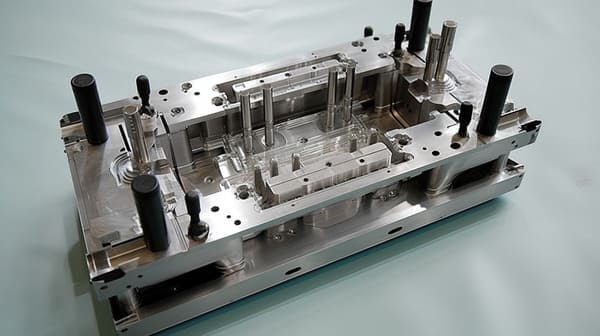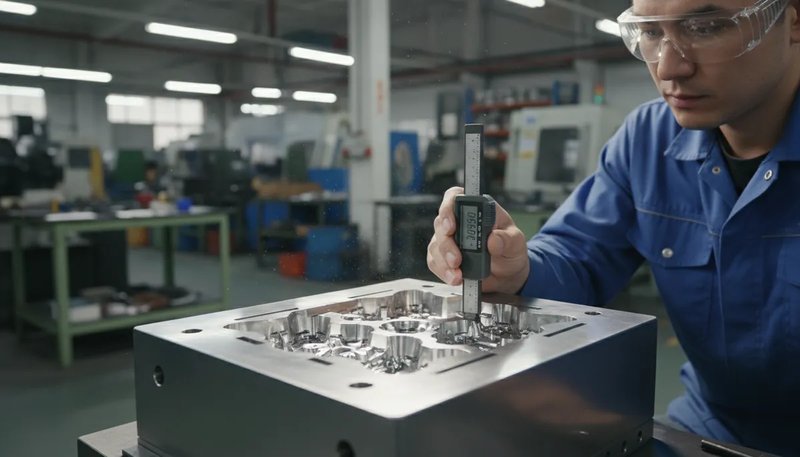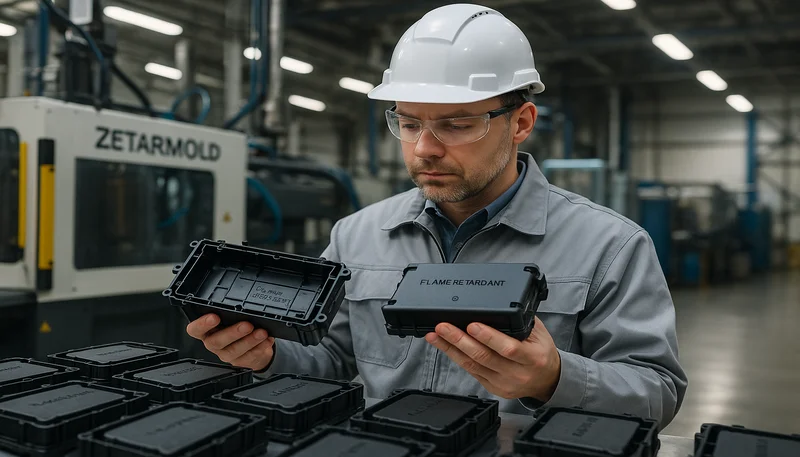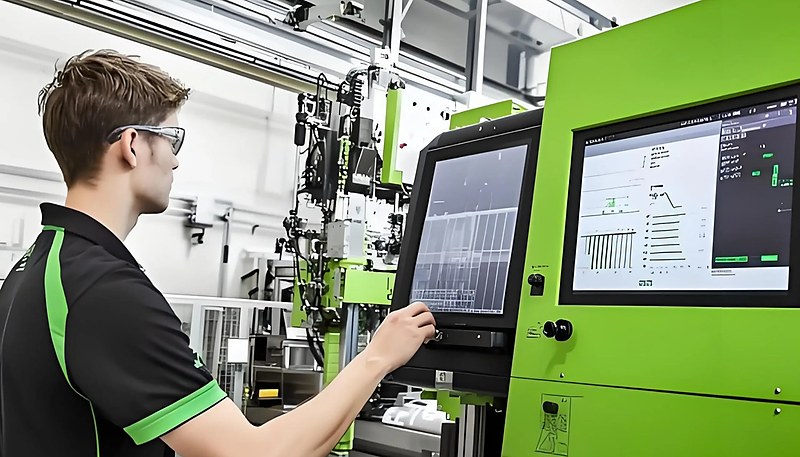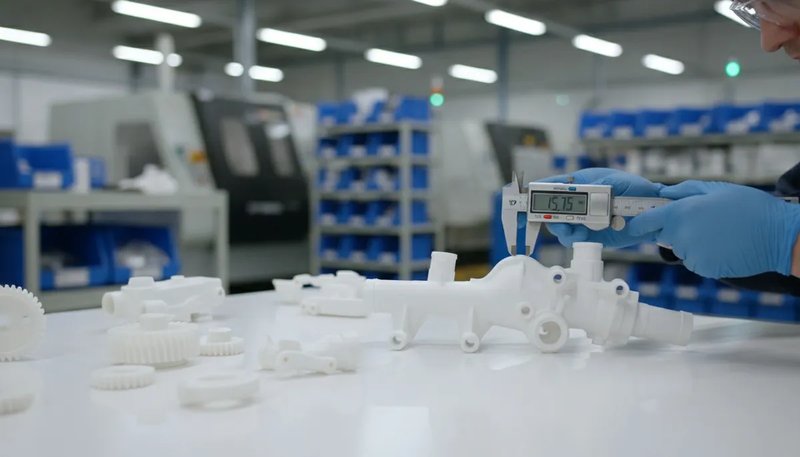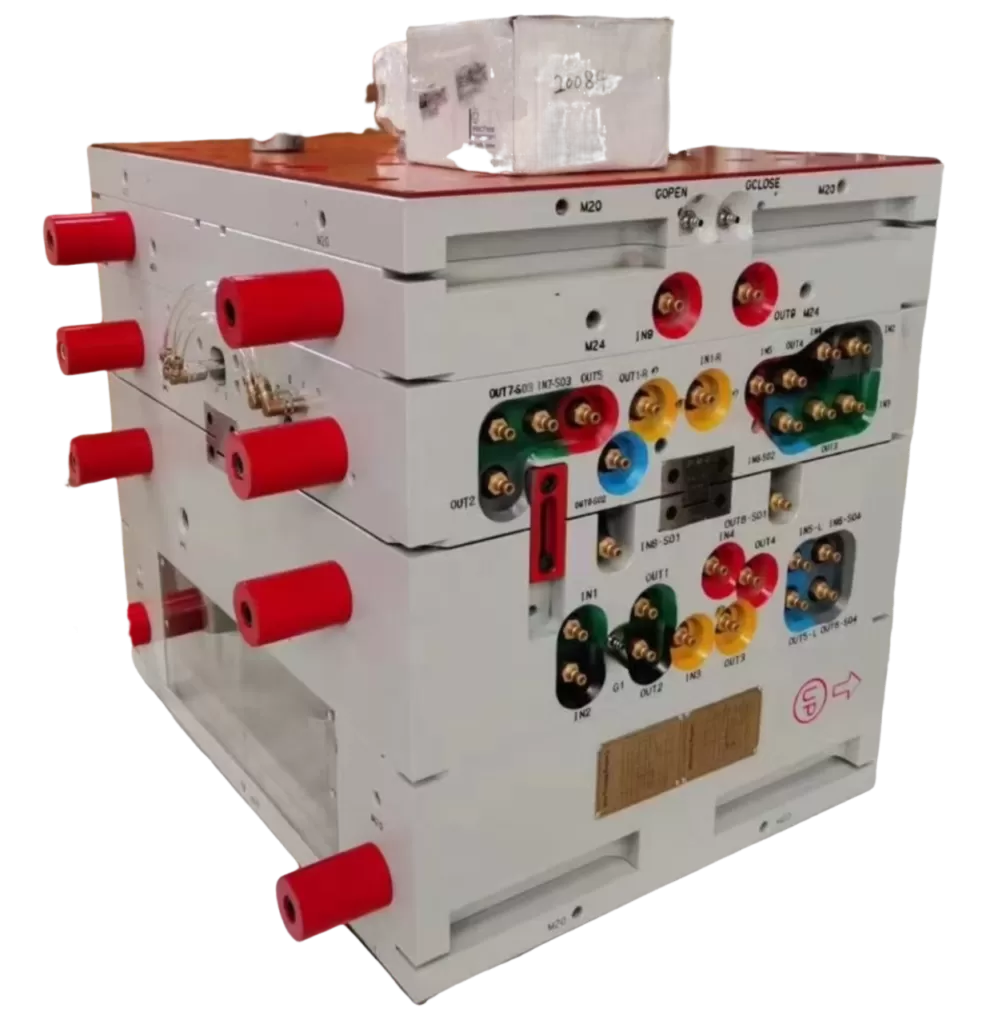
Um molde de injeção é o ativo mais caro da produção, e sua duração determina se cada peça custa centavos ou dólares. Em grandes volumes, a vida útil não é uma questão abstrata: afeta diretamente a rentabilidade. Na ZetarMold, um molde bem mantido com polipropileno padrão ou PA6 pode superar 1.000.000 de ciclos, enquanto um negligenciado pode falhar aos 200.000. Este artigo explica as variáveis da vida útil na moldagem por injeção, apresenta fórmulas para estimar ciclos e indica onde investir a manutenção para obter o melhor retorno.
- A escolha do aço do molde (P20 ou H13) é o maior fator controlável na vida útil do molde
- A manutenção preventiva poupa 5-20x o seu custo ao evitar reparações de emergência
- Os moldes H13 com revestimentos PVD podem ultrapassar 2,000,000 ciclos com resinas reforçadas com fibra de vidro
- Calcule o número de injeções previsto através dos fatores de referência x abrasão x corrosão x manutenção
- Substituir quando as reparações acumuladas excederem 60% do custo de um molde novo
O que afeta a vida útil de um molde de injeção?
Os quatro fatores que determinam a vida útil do seu molde de injeção são a tensão mecânica, os ciclos térmicos, a erosão química e o desgaste abrasivo. Cada um ataca o aço do molde de forma diferente, e compreendê-los é o primeiro passo para prolongar a vida útil das ferramentas. As forças de fecho excedem habitualmente 100 toneladas, as forças de ejeção solicitam os pinos de macho e o fundido a alta pressão enche as cavidades a 15,000 psi. Já vimos pinos de macho partirem-se completamente após 300,000 injeções numa peça de nylon com fibra de vidro porque o ângulo de desmoldação era apenas 0.3 graus demasiado pequeno.
Se você compara fornecedores ou planeja compras, nosso guia de seleção de fornecedores de moldagem por injeção aborda preparação de RFQ, qualificação e verificação de riscos comerciais.
A erosão química é o destruidor silencioso que a maioria dos moldadores subestima. Ao moldar PVC, acetal ou qualquer resina retardadora de chama, os gases de decomposição provocam picadas nas superfícies polidas das cavidades em poucos meses. Tivemos um cliente que processava FR-ABS e precisava de voltar a polir as cavidades a cada 80,000 injeções porque não efetuava a manutenção das saídas de ar. O desgaste abrasivo causado por resinas com fibra de vidro ou cargas minerais desgasta um canal de alimentação P20 3 a 5 vezes mais depressa do que um material sem carga. Normalmente, a zona da entrada é a primeira a falhar, desenvolvendo uma textura estriada que transfere marcas visíveis para todas as peças.
Que materiais proporcionam a maior longevidade do molde?
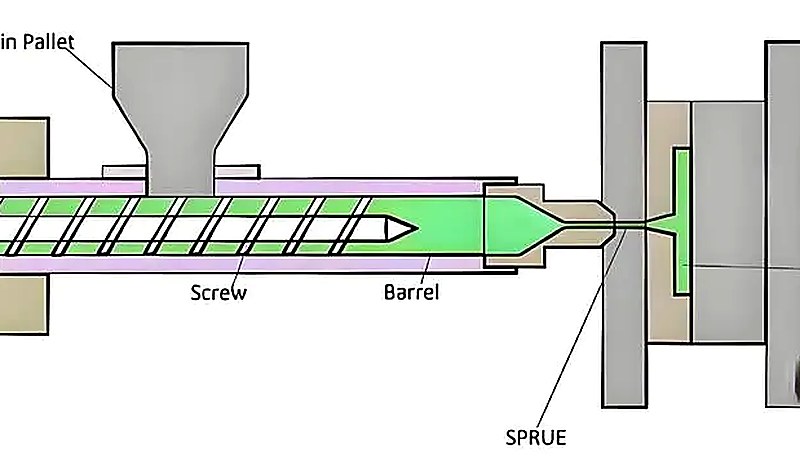
A escolha do aço é o maior fator controlável da vida útil. O P20 suporta 500.000 a 1.000.000 de ciclos com resinas sem carga e é fácil de usinar. Para materiais abrasivos com fibra de vidro, use aço-ferramenta H131. Ele mantém a dureza em alta temperatura e pode superar 2.000.000 de ciclos com PA6 e 30% de fibra, mas exige cerca de 30 a 40% mais tempo de usinagem. Saiba mais sobre como escolher o material adequado para o molde de injeção.
Os moldes de alumínio em 7075-T6 são excelentes para prototipagem e séries curtas com menos de 10,000 ciclos. Conduzem o calor 4 a 5 vezes mais depressa do que o aço, reduzindo o tempo de ciclo em 20 a 40 por cento, mas não suportam volumes de produção. Os insertos de cobre-berílio são uma solução de compromisso inteligente para pontos quentes, como pinos de macho, onde é necessário um arrefecimento intensivo. Utilizamo-los regularmente em peças de paredes espessas e o inserto normalmente amortiza-se em 50,000 ciclos apenas pela redução do tempo de ciclo. Faça corresponder a dureza do aço do molde à abrasividade da resina: P20 para resinas sem carga, H13 para resinas reforçadas com fibra de vidro e S136 para resinas corrosivas.
"Os moldes de aço H13 podem ultrapassar 2,000,000 injeções com nylon reforçado com fibra de vidro e manutenção adequada."True
O H13 conserva a dureza a temperaturas elevadas melhor do que o P20, sendo por isso a opção normalizada para aplicações de elevado desgaste.
"Os moldes de alumínio não conseguem produzir mais de 100,000 ciclos."False
Com tratamentos de superfície adequados e o processamento de resinas sem carga, os moldes de alumínio ultrapassam regularmente 200,000 ciclos.
Como prolonga a manutenção regular a vida útil do molde?
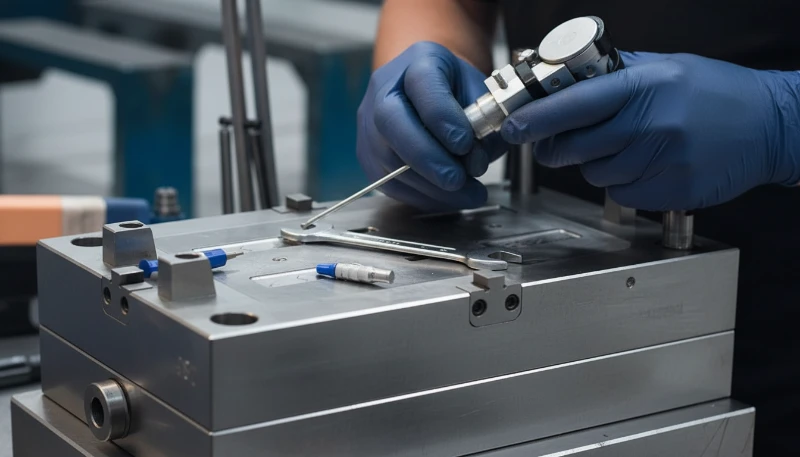
A manutenção preventiva regular é o fator com maior impacto na vida útil dos moldes de injeção. Os moldes sujeitos a programas de manutenção rigorosos realizam habitualmente 1 000 000 de ciclos, enquanto moldes idênticos sem manutenção falham aos 200 000 a 300 000. O primeiro nível é diário: limpe as linhas de separação, desobstrua os canais de ventilação e inspecione o sistema de extração após cada turno. Um canal de ventilação obstruído provoca queimaduras de gases que corroem a superfície da cavidade. O segundo nível ocorre a cada 50 000 a 100 000 ciclos: desmontagem completa, limpeza das cavidades e verificação de incrustações nos circuitos de água. O terceiro nível é uma revisão geral aos 250 000 a 500 000 ciclos, que abrange novo polimento, substituição dos pinos extratores e nova maquinação do ponto de injeção.
Uma única falha imprevista do molde durante a produção custa muito mais do que anos de manutenção programada. Já vimos uma reparação de emergência custar 45,000 dólares em maquinação urgente, 12,000 dólares em peças rejeitadas e três dias de produção perdida numa máquina de 500 toneladas, totalizando mais de 80,000 dólares. Esse mesmo molde tinha um plano de manutenção preventiva de 5,000 dólares por ano. Cada dólar gasto em manutenção preventiva poupa entre cinco e vinte dólares em custos de emergência evitados. Ignorar a manutenção para poupar tempo é a decisão mais dispendiosa que pode tomar no seu chão de fábrica.
Que tecnologias avançadas melhoram a durabilidade dos moldes?
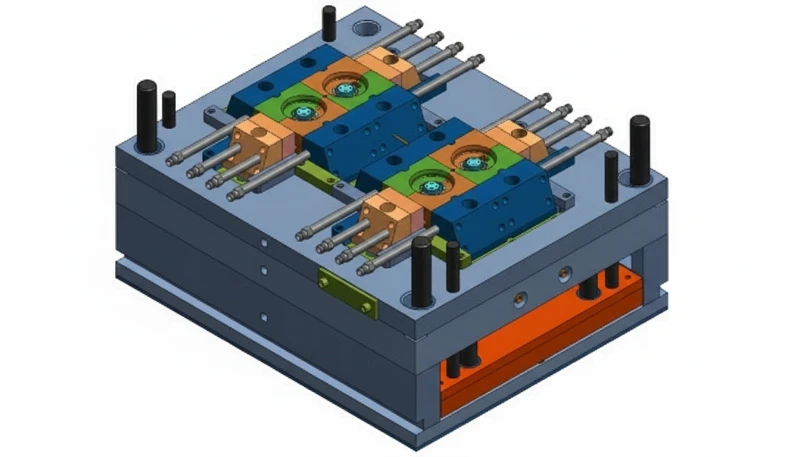
As tecnologias mais eficazes para prolongar a durabilidade do molde são os sensores de pressão da cavidade, a monitorização da temperatura e os revestimentos superficiais. Os dados de pressão e temperatura do interior da cavidade indicam exatamente o que acontece durante cada injeção. Quando a pressão da cavidade aumenta de ciclo para ciclo, isso assinala a erosão do ponto de injeção ou o bloqueio da ventilação antes de as peças apresentarem defeitos visíveis. Os sensores de temperatura detetam a degradação do circuito de arrefecimento. Os sistemas de sensores modernos custam entre 3,000 e 8,000 dólares por molde e normalmente amortizam-se durante a primeira série de produção, ao evitarem peças defeituosas.
Os revestimentos superficiais são outro fator decisivo para a longevidade dos moldes. Os revestimentos por deposição física de vapor, como TiN, que é nitreto de titânio, e TiAlN acrescentam às superfícies das cavidades uma camada dura que resiste ao ataque abrasivo e químico. Aplicamos regularmente TiN a moldes que processam materiais reforçados com fibra de vidro e observamos um aumento de 200 a 300 por cento na vida útil das entradas. Os revestimentos DLC, sigla de carbono tipo diamante, proporcionam uma barreira quimicamente inerte contra resinas corrosivas. O revestimento acrescenta cerca de 5 a 15 por cento ao custo de construção do molde, mas pode duplicar ou triplicar o intervalo entre recondicionamentos das entradas.
"Os revestimentos2 PVD, como TiN, podem prolongar a vida útil do ponto de injeção em 200 a 300 por cento com resinas abrasivas."True
O nitreto de titânio cria uma camada superficial dura que resiste à erosão causada por materiais reforçados com fibra de vidro.
"Os sensores de molde só beneficiam séries de produção de grande volume."False
Mesmo em moldes de baixo volume, os sensores detetam problemas, como uma refrigeração irregular, que causam defeitos nas peças e aceleram o desgaste.
Como calcular a vida útil de um molde de injeção?
A vida útil é calculada multiplicando uma contagem-base por fatores de abrasão, corrosão e manutenção. Para aço P203 com polipropileno sem carga, a base é 800.000 a 1.200.000 ciclos; para H13, 1.200.000 a 2.000.000. Multiplique pelo fator de abrasão: 0,3 a 0,5 para 30% de fibra e 0,7 a 0,9 para resinas de engenharia sem carga. Aplique o fator de corrosão: 0,4 a 0,6 para PVC e 0,8 a 1,0 para materiais neutros. Para manutenção, use 0,5 se ruim, 0,8 se média e 1,2 se preventiva rigorosa.
Com 20+ anos de experiência em moldagem por injeção, 47 máquinas (90T-1850T) e fabrico interno de moldes, a ZetarMold construiu e manteve milhares de moldes. Os nossos engenheiros acompanham o número real de injeções e os padrões de desgaste ao longo das produções, o que nos fornece dados reais sobre a vida útil dos moldes que vão além das estimativas teóricas.
Um molde H13 a processar PA66 com 20 por cento de fibra de vidro e boa manutenção: o valor de referência de 1,500,000 vezes o fator de abrasão de 0.6 vezes o fator de manutenção de 1.2 resulta em aproximadamente 1,080,000 injeções. É um valor de planeamento, não uma garantia, mas fornece à equipa de programação uma base concreta. O controlo do número de injeções é obrigatório. Todas as máquinas modernas registam automaticamente os ciclos. Integre esses dados numa folha de cálculo com o registo de manutenção e terá um documento dinâmico que indica exatamente a fase do ciclo de vida de cada molde.
Quando deve reparar ou substituir um molde de injeção?
A regra é simples: repare quando a correção custa menos de 30 por cento de um molde novo e recupera pelo menos 50 por cento da vida útil original. Substitua quando as reparações acumuladas ultrapassarem 60 por cento do custo de um molde novo ou quando surgirem fissuras estruturais na base do molde. As reparações comuns que cumprem este limite incluem um novo polimento por 5 a 15 por cento, a substituição de pinos ejetores desgastados por 3 a 8 por cento e a nova maquinação dos insertos do ponto de injeção por 10 a 20 por cento do custo de um molde novo. Várias renovações na mesma área são um sinal de alerta — o aço circundante está fatigado e a falha seguinte ocorrerá mais cedo.
Tivemos um molde para um conector automóvel que um cliente continuou a reparar durante três anos — quatro pinos de macho novos, duas entradas novamente maquinadas e um polimento integral. O total atingiu 85 por cento do preço de um molde novo, mas continuava a não conseguir manter a tolerância exigida. Um molde novo com arrefecimento otimizado realizou 1,500,000 injeções em dois anos apenas com manutenção programada, e o custo por injeção baixou de 0.08 para 0.03 dólares. Os custos ocultos das reparações repetidas — tempo de paragem, perturbações do planeamento e validação da qualidade — justificam frequentemente a substituição antes de o simples cálculo dos custos de reparação o indicar.
Quais são as melhores práticas para armazenar moldes?
O armazenamento adequado dos moldes é essencial para preservar a vida útil entre séries de produção. Antes do armazenamento, remova todos os resíduos de resina das cavidades e dos canais, purgue todas as linhas de água com ar comprimido a um mínimo de 90 psi e limpe todas as superfícies de aço expostas com óleo anticorrosivo. Não ignore as linhas de água — já recebemos moldes armazenados com ferrugem interna que reduziu a eficiência do arrefecimento em 30 por cento. Armazene os moldes na vertical, sobre paletes, sem os empilhar. Coloque saquetas dessecantes e envolva-os em papel VCI se o armazenamento exceder um mês.
O ambiente de armazenamento deve manter uma temperatura entre 15 e 25 graus Celsius, com humidade abaixo de 50 por cento. Identifique cada molde com a data da última manutenção, a contagem acumulada de ciclos e a próxima intervenção programada. Antes de repor um molde em produção, execute um aquecimento controlado de 20 a 30 minutos com pressão de fecho moderada. O choque térmico provocado pela passagem do armazenamento a frio para a temperatura de produção máxima pode fissurar insertos de cavidade já sujeitos a fadiga por milhões de ciclos. Verifique o movimento dos pinos ejetores e confirme que os caudais do circuito de arrefecimento correspondem aos valores de referência documentados da última série de produção.
Perguntas frequentes sobre a vida útil dos moldes de injeção
Perguntas mais frequentes
Qual é a vida útil média de um molde de injeção?
Um molde de injeção deve receber diariamente manutenção de nível um, incluindo a limpeza da linha de separação e uma inspeção visual após cada turno de produção, sem exceção. A manutenção de nível dois, que inclui a desmontagem completa e a limpeza da cavidade, deve ser realizada a cada 50,000 a 100,000 ciclos. Uma revisão geral aos 250,000 a 500,000 ciclos abrange a substituição dos pinos ejetores, a reabertura dos canais de ventilação e a descalcificação dos circuitos de arrefecimento. O cumprimento deste programa de três níveis pode prolongar a vida útil do molde em 40 a 60 por cento, comparativamente à manutenção reativa, que só trata os problemas depois de ocorrer uma falha na área de produção.
Com que frequência deve ser feita a manutenção de um molde de injeção?
Nenhum molde de injeção dura indefinidamente. Cada ciclo sujeita o aço a tensões térmicas, cargas mecânicas e exposição química que degradam gradualmente as superfícies da cavidade, as linhas de separação e os componentes móveis. Mesmo com uma manutenção perfeita, a fadiga acumulada na base do molde e a erosão das áreas dos pontos de injeção acabarão por exigir uma reconstrução ou substituição. Encare a manutenção como uma forma de prolongar significativamente a vida útil, não de eliminar totalmente o desgaste. A maioria dos moldes de produção atinge o fim da sua vida útil entre 500,000 e 2,000,000 ciclos, consoante o material do molde, o tipo de resina e o rigor da manutenção aplicada ao longo da produção.
Um molde de injecção pode durar indefinidamente com manutenção adequada?
Nenhum molde de injecção dura indefinidamente. Cada ciclo sujeita o aço a stress térmico, carga mecânica e exposição química que degrada gradualmente as superfícies da cavidade, linhas de separação e componentes móveis. Mesmo com manutenção perfeita, a fadiga acumulada na base do molde e a erosão das áreas de entrada eventualmente exigirão reconstrução ou substituição. Pense na manutenção como uma extensão significativa da vida, não como eliminação total do desgaste. A maioria dos moldes de produção atingem o fim da vida entre 500.000 e 2.000.000 ciclos dependendo do material do molde, tipo de resina e disciplina de manutenção aplicada.
Qual é a causa mais comum de falha prematura do molde de injecção?
A manutenção regular do molde custa normalmente 3 a 15 por cento do custo de um novo molde por ciclo de serviço, enquanto uma falha não planeada durante a produção pode custar 50 a 200 por cento do valor do molde em tempo perdido da máquina, peças desperdiçadas e custos de reparação de emergência. Um programa de manutenção preventiva custando 10.000 dólares por ano num molde de 100.000 dólares é muito mais económico que uma única paragem não planeada que perde 30.000 dólares ou mais em tempo de produção, custos de transporte urgente e custos de maquinagem acelerada durante uma situação de emergência.
Quanto custa a manutenção do molde comparado com a substituição?
A manutenção regular do molde custa normalmente 3 a 15 por cento do custo de um novo molde por ciclo de serviço, enquanto uma falha não planeada durante a produção pode custar 50 a 200 por cento do valor do molde em tempo perdido da máquina, peças desperdiçadas e custos de reparação de emergência. Um programa de manutenção preventiva custando 10.000 dólares por ano num molde de 100.000 dólares é muito mais económico que uma única paragem não planeada que perde 30.000 dólares ou mais em tempo de produção, custos de transporte urgente e custos de maquinagem acelerada durante uma situação de reparação de emergência.
A seleção do material do molde afecta a qualidade da peça durante o tempo de vida útil do molde?
Sim, o material do molde afecta directamente a qualidade da peça conforme o molde envelhece durante o seu ciclo de vida de produção. Aços mais macios como o P20 desenvolvem padrões de desgaste superficial que se transferem para as peças como variações de brilho e desvio dimensional após 300.000 a 500.000 ciclos. Aços endurecidos como o H13 e o S136 mantêm a fidelidade da cavidade muito mais tempo, produzindo peças consistentes acima de 1.000.000 ciclos. Para peças ópticas ou médicas onde o acabamento superficial é crítico, começar com um aço de molde mais endurecido é essencial para manter a qualidade e consistência durante toda a produção.
Qual papel desempenha a manutenção do circuito de refrigeração no tempo de vida útil do molde de injecção?
A manutenção do circuito de refrigeração é crítica porque a acumulação de incrustações e corrosão dentro das linhas de água reduz a eficiência da transferência de calor, obrigando a tempos de ciclo mais longos e aumentando o stress térmico no aço do molde durante todo o ciclo de vida da produção. Desincruste os circuitos de refrigeração cada 100.000 ciclos utilizando um produto de limpeza química circulante para manter taxas de fluxo e desempenho de refrigeração óptimas. Linhas de refrigeração negligenciadas podem reduzir a transferência de calor por 30 por cento, aumentando as temperaturas da superfície da cavidade e acelerando a fissuração por fadiga térmica que reduz significativamente o tempo de vida útil geral do molde durante múltiplas produções.
Como Pode Maximizar o Seu Investimento num Molde de Injeção?
Quatro disciplinas maximizam o investimento: seleção de material, manutenção preventiva, adoção de tecnologia e armazenamento correto. Um molde H13 bem mantido com resina moderadamente abrasiva pode superar 1.000.000 de ciclos; negligenciado, pode durar apenas um quarto disso. Escolha o aço certo, adote manutenção em três níveis, invista em sensores e revestimentos quando houver retorno e armazene corretamente. Consulte nosso guia de sourcing para escolher um parceiro de fabricação.
Pronto para maximizar o tempo de vida útil dos seus moldes de injecção? Contacte a ZetarMold hoje para discutir o seu próximo projeto de moldes. Com 20 anos de experiência, fabricação de moldes interna e 47 máquinas de 90 a 1.850 toneladas, temos a experiência e o equipamento para construir moldes que duram. Obtenha uma estimativa e deixe-nos mostrar a diferença que uma engenharia de moldes disciplinada faz.
Aço-ferramenta H13: aço para trabalho a quente que mantém dureza elevada, normalmente 44 a 52 HRC, preferido para moldes com resinas abrasivas ou de alta temperatura em produção exigente. ↩
Revestimentos PVD: a deposição física de vapor aplica filmes finos e duros, como nitreto de titânio, às superfícies do molde, aumentando muito a resistência ao desgaste abrasivo e químico causado por resinas carregadas e corrosivas. ↩
Aço P20: aço pré-endurecido para moldes, com cerca de 30 a 36 HRC, amplamente usado em moldes de volume médio com resinas sem carga ou pouco carregadas por sua boa usinabilidade e capacidade de polimento. ↩