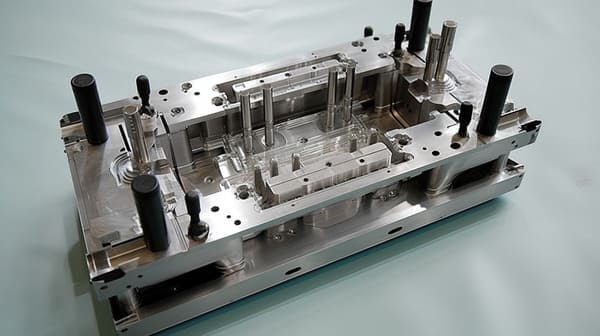
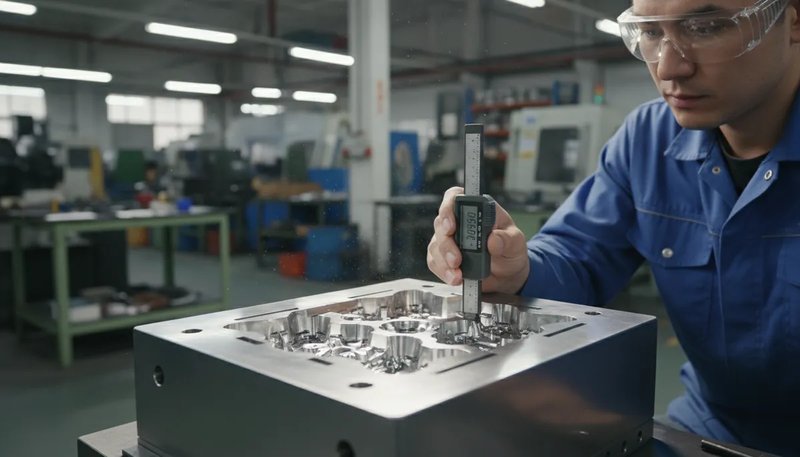
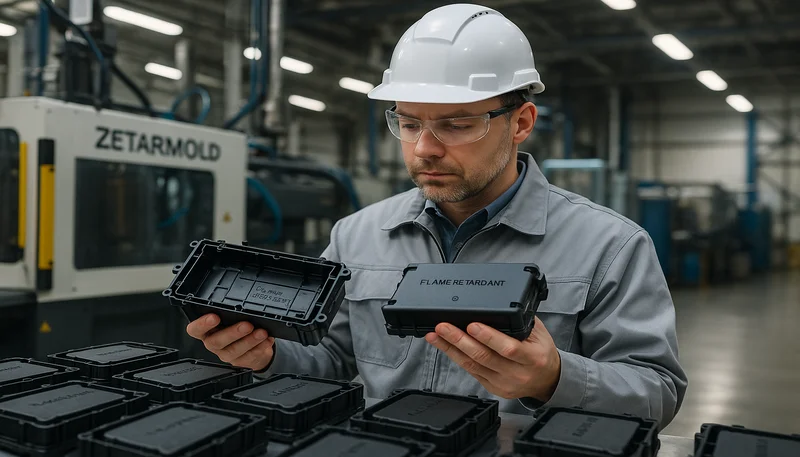
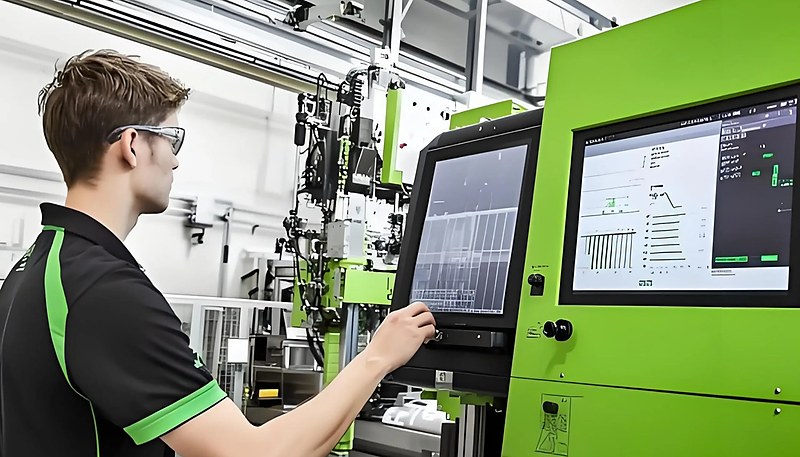
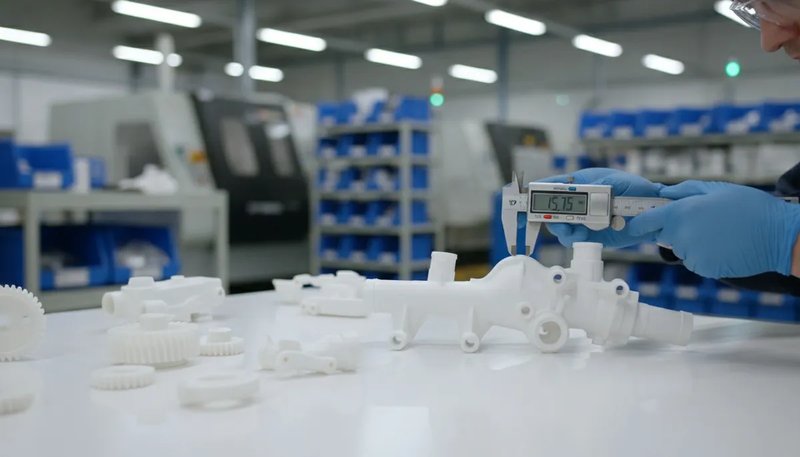
Een spuitgietmatrijs is het duurste afzonderlijke bedrijfsmiddel op uw productievloer, en de levensduur ervan bepaalt of elk onderdeel u centen of euro’s kost. Bij productie in grote volumes is de levensduur van de matrijs geen abstract technisch vraagstuk — het is een kostenpost die uw winstgevendheid rechtstreeks bepaalt. Onze ervaring bij ZetarMold leert dat een goed onderhouden matrijs die standaard polypropyleen of PA6 verwerkt meer dan 1,000,000 shots kan leveren, terwijl een verwaarloosde matrijs al bij 200,000 kan uitvallen. Dit artikel behandelt elke variabele die bepalend is voor injection molding levensduur van de matrijs, biedt praktische formules om het aantal shots te ramen en laat precies zien waar u uw onderhoudsbudget investeert voor maximaal rendement.
- De keuze van matrijsstaal (P20 vs H13) is de grootste beheersbare factor voor de levensduur van de matrijs
- Preventief onderhoud voorkomt noodreparaties ter waarde van 5-20x de kosten
- H13-matrijzen met PVD-coatings kunnen bij glasvezelversterkte harsen meer dan 2,000,000 shots meegaan
- Bereken het verwachte aantal cycli met de factoren basiswaarde x slijtage x corrosie x onderhoud
- Vervangen wanneer de cumulatieve reparatiekosten meer dan 60% van de kosten van een nieuwe matrijs bedragen
Welke factoren beïnvloeden de levensduur van een spuitgietmatrijs?
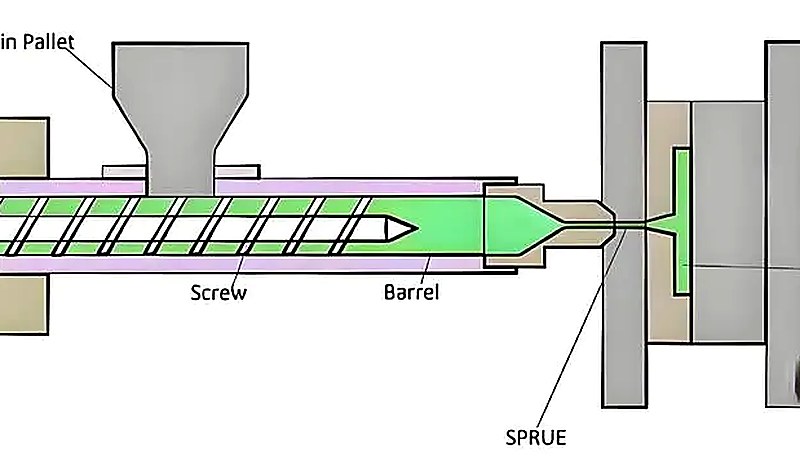
De vier factoren die de levensduur van uw spuitgietmatrijs bepalen, zijn mechanische belasting, thermische cycli, chemische erosie en abrasieve slijtage. Elk daarvan tast het matrijsstaal op een andere manier aan; inzicht hierin is de eerste stap naar een langere standtijd. Sluitkrachten zijn regelmatig hoger dan 100 ton, uitwerpkrachten belasten kernpennen en smelt onder hoge druk vult holtes bij 15,000 psi. Wij hebben kernpennen na 300,000 shots volledig zien afschuiven bij een onderdeel van glasvezelversterkt nylon, omdat de lossingshoek slechts 0.3 graad te klein was.
Als u leveranciers vergelijkt of de inkoop plant, biedt onze inkoopgids voor leveranciers van spuitgieten behandelt RFQ-voorbereiding, kwalificatie en controles van commerciële risico’s.
Chemische erosie is de stille boosdoener die de meeste spuitgieters onderschatten. Bij het verwerken van PVC, acetaal of een vlamvertragende hars veroorzaken ontledingsgassen binnen enkele maanden putcorrosie op gepolijste matrijsholteoppervlakken. Een klant die FR-ABS verwerkte, moest de matrijsholte elke 80,000 cycli opnieuw polijsten omdat het onderhoud van de ontluchting was overgeslagen. Abrasieve slijtage door glas- of mineraalgevulde harsen laat een P20-kanaal 3 tot 5 keer sneller slijten dan ongevuld materiaal. De aanspuitzone bezwijkt meestal als eerste en ontwikkelt een gegroefde textuur die zichtbare afdrukken op elk onderdeel achterlaat.
Welke materialen bieden de langste matrijslevensduur?
Uw keuze van matrijsstaal is de grootste beheersbare factor voor de matrijslevensduur. P20 doorstaat 500,000 tot 1,000,000 cycli met ongevulde harsen en is eenvoudig te verspanen, waardoor de initiële kosten redelijk blijven. Bij abrasieve glasgevulde materialen kiest u een hogere kwaliteit, zoals H13-gereedschapsstaal1. H13 behoudt zijn hardheid bij verhoogde temperaturen veel beter dan P20, en in onze werkplaats zien we regelmatig dat H13-matrijzen bij goed onderhoud meer dan 2,000,000 shots meegaan met PA6 met 30 procent glasvezel. Het nadeel zijn de bewerkingskosten: het snijden en afwerken van H13 duurt ongeveer 30 tot 40 procent langer. Lees meer over het kiezen van de juiste injection mold materiaal voor uw toepassing.
Aluminium matrijzen van 7075-T6 zijn uitstekend voor prototypen en korte series onder 10,000 shots. Ze geleiden warmte 4 tot 5 keer sneller dan staal en verkorten de cyclustijd met 20 tot 40 procent, maar zijn niet bestand tegen productievolumes. Berylliumkoper-inzetstukken vormen een goed compromis voor hete zones zoals kernpennen waar intensieve koeling nodig is. We gebruiken ze regelmatig bij dikwandige onderdelen; alleen al door de kortere cyclustijd verdient het inzetstuk zich doorgaans binnen 50,000 shots terug. Stem de hardheid van het matrijsstaal af op de abrasiviteit van de hars: P20 voor ongevuld, H13 voor glasgevuld en S136 voor corrosieve harsen.
"H13-gereedschapsstalen matrijzen kunnen bij glasvezelversterkt nylon en correct onderhoud meer dan 2,000,000 shots meegaan."True
H13 behoudt zijn hardheid bij verhoogde temperaturen beter dan P20, waardoor het de standaard is voor toepassingen met hoge slijtage.
"Aluminium matrijzen kunnen niet meer dan 100,000 schoten produceren."False
Met de juiste oppervlaktebehandelingen en bij het verwerken van ongevulde harsen overschrijden aluminium matrijzen regelmatig 200,000 cycli.
Hoe verlengt regelmatig onderhoud de levensduur van een matrijs?
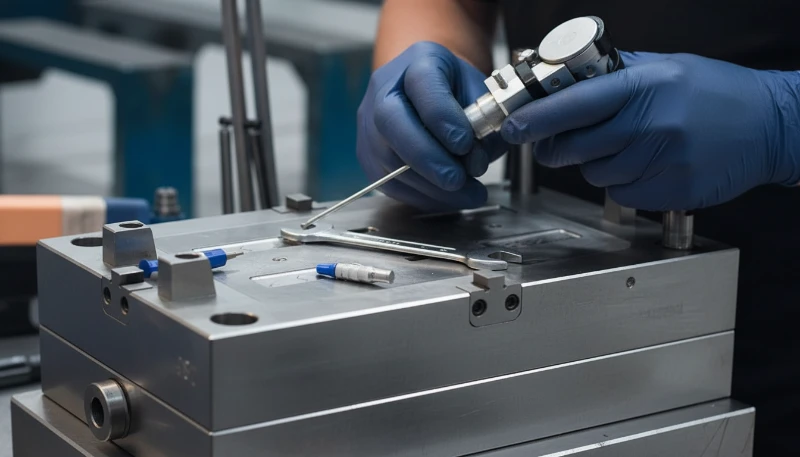
Regelmatig preventief onderhoud heeft de grootste invloed op de levensduur van een spuitgietmatrijs. Matrijzen met een strikt onderhoudsschema leveren routinematig 1.000.000 cycli, terwijl identieke matrijzen zonder onderhoud al na 200.000 tot 300.000 cycli uitvallen. Niveau één is dagelijks: reinig de deellijnen, maak ontluchtingen vrij en inspecteer het uitwerpsysteem na elke ploeg. Een verstopte ontluchting veroorzaakt gasbrandplekken die het matrijsholteoppervlak aantasten. Niveau twee vindt elke 50.000 tot 100.000 cycli plaats: volledige demontage, reiniging van de matrijsholte en controle op kalkaanslag in de waterkanalen. Niveau drie is een grote revisie na 250.000 tot 500.000 cycli, inclusief opnieuw polijsten, vervanging van uitwerppennen en nabewerking van de aanspuiting.
Eén ongeplande matrijsstoring tijdens de productie kost veel meer dan jarenlang gepland onderhoud. We hebben meegemaakt dat één noodreparatie 45,000 dollar aan spoedbewerking kostte, plus 12,000 dollar aan afgekeurde onderdelen en drie dagen productieverlies op een machine van 500 ton, voor een totaal van meer dan 80,000 dollar. Diezelfde matrijs had een preventief onderhoudsschema van 5,000 dollar per jaar. Elke dollar voor preventief onderhoud bespaart vijf tot twintig dollar aan vermeden noodkosten. Onderhoud overslaan om tijd te besparen is de duurste beslissing die u op de productievloer kunt nemen.
Welke geavanceerde technologieën verbeteren de duurzaamheid van matrijzen?
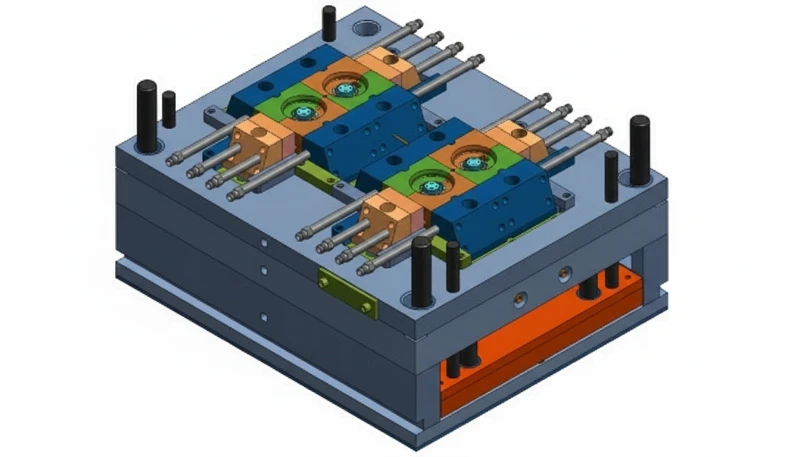
De doeltreffendste technologieën om de levensduur van matrijzen te verlengen zijn druk-sensoren in de matrijsholte, temperatuurbewaking en oppervlaktecoatings. Druk- en temperatuurgegevens uit de holte tonen precies wat er bij elk schot gebeurt. Wanneer de holtedruk cyclus na cyclus stijgt, wijst dit op slijtage van de aanspuiting of een verstopte ontluchting voordat zichtbare defecten ontstaan. Temperatuursensoren detecteren verslechtering van het koelcircuit. Moderne sensorsystemen kosten 3,000 tot 8,000 dollar per matrijs en verdienen zich doorgaans tijdens de eerste productieserie terug doordat ze defecte onderdelen voorkomen.
Oppervlaktecoatings kunnen de levensduur van matrijzen eveneens sterk verlengen. PVD-coatings zoals TiN, oftewel titaniumnitride, en TiAlN vormen een harde laag op de holteoppervlakken die bestand is tegen zowel abrasieve als chemische aantasting. Wij brengen standaard TiN aan op matrijzen voor glasvezelgevulde materialen en zien dat de levensduur van de aanspuiting met 200 tot 300 procent toeneemt. DLC, oftewel diamantachtige koolstof, vormt een chemisch inerte barrière tegen corrosieve harsen. De coating verhoogt de matrijsbouwkosten met circa 5 tot 15 procent, maar kan het interval tussen revisies van de aanspuiting verdubbelen of verdrievoudigen.
"PVD coatings2 zoals TiN kunnen de levensduur van aanspuitpunten bij abrasieve harsen met 200 tot 300 procent verlengen."True
Titaniumnitride vormt een harde oppervlaktelaag die bestand is tegen erosie door glasgevulde materialen.
"Matrijssensoren bieden alleen voordeel bij productieruns met grote volumes."False
Zelfs bij matrijzen voor kleine series detecteren sensoren problemen zoals ongelijkmatige koeling, die onderdeeldefecten veroorzaken en slijtage versnellen.
Hoe berekent u de levensduur van een spuitgietmatrijs?
De matrijslevensduur wordt berekend door een basisaantal shots te vermenigvuldigen met correctiefactoren voor slijtage, corrosie en onderhoud. Voor P20 steel3 bij het verwerken van ongevuld polypropyleen bedraagt de basiswaarde 800,000 tot 1,200,000 shots. H13 begint bij 1,200,000 tot 2,000,000 shots. Vermenigvuldig dit met een slijtagefactor: 0.3 tot 0.5 voor 30 procent glasgevuld, 0.7 tot 0.9 voor ongevulde technische harsen. Pas een corrosiefactor toe: 0.4 tot 0.6 voor PVC, 0.8 tot 1.0 voor neutraal. Neem onderhoud mee: 0.5 voor slecht, 0.8 voor gemiddeld en 1.2 voor grondig preventief onderhoud.
Met meer dan 20 jaar ervaring in spuitgieten, 47 machines (90T-1850T) en interne matrijzenbouw heeft ZetarMold duizenden matrijzen gebouwd en onderhouden. Onze engineers volgen de werkelijke aantallen shots en slijtagepatronen over productieruns, waardoor we beschikken over praktijkgegevens over de levensduur van matrijzen die verder gaan dan schattingen uit leerboeken.
Voor een H13-matrijs die PA66 met 20 procent glasvezel verwerkt en goed wordt onderhouden, geeft de basiswaarde 1,500,000 maal de slijtagefactor 0.6 maal de onderhoudsfactor 1.2 ongeveer 1,080,000 shots. Dit is een planningswaarde, geen garantie, maar biedt uw planningsteam een concreet uitgangspunt. Registratie van het aantal shots is verplicht. Elke moderne machine registreert cyclustellingen automatisch. Neem deze gegevens samen met het onderhoudslogboek op in een spreadsheet en u beschikt over een actueel document dat exact aangeeft waar elke matrijs zich in haar levenscyclus bevindt.
Wanneer moet u een spuitgietmatrijs repareren en wanneer vervangen?
De regel is eenvoudig: repareren wanneer de reparatie minder dan 30 procent van een nieuwe matrijs kost en ten minste 50 procent van de oorspronkelijke levensduur herstelt. Vervangen wanneer de cumulatieve reparatiekosten hoger zijn dan 60 procent van de kosten van een nieuwe matrijs, of wanneer er structurele scheurvorming in het matrijsframe optreedt. Veelvoorkomende reparaties die aan de drempel voldoen, zijn opnieuw polijsten voor 5 tot 15 procent, versleten uitwerppennen vervangen voor 3 tot 8 procent en aanspuitinzetstukken opnieuw bewerken voor 10 tot 20 procent van de kosten van een nieuwe matrijs. Meerdere revisies van hetzelfde gebied zijn een waarschuwingssignaal — het omringende staal is vermoeid en de volgende storing treedt sneller op.
Een klant bleef een matrijs voor automotive-connectoren drie jaar repareren — vier nieuwe kernpennen, twee opnieuw bewerkte aanspuitingen en één volledige herpolijsting. Het totaal bereikte 85 procent van de prijs van een nieuwe matrijs, maar de vereiste tolerantie bleef onhaalbaar. Een nieuwe matrijs met geoptimaliseerde koeling leverde in twee jaar 1,500,000 cycli met alleen gepland onderhoud; de kosten per cyclus daalden van 0.08 naar 0.03 dollar. Verborgen reparatiekosten — stilstand, planningsverstoring en kwaliteitsvalidatie — rechtvaardigen vervanging vaak eerder dan de zuivere reparatieberekening.
Wat zijn de beste werkwijzen voor matrijsopslag?
Correcte opslag van matrijzen is essentieel om de levensduur tussen productieruns te behouden. Verwijder vóór opslag alle harsresten uit vormholten en aanspuitkanalen, blaas elke waterleiding door met perslucht van minimaal 90 psi en veeg alle blootliggende stalen oppervlakken af met roestwerende olie. Sla de waterleidingen niet over — we hebben matrijzen uit opslag zien terugkomen met inwendige roest die de koelefficiëntie met 30 percent verminderde. Bewaar matrijzen rechtop op pallets en stapel ze nooit. Voeg droogmiddelpakketten toe en wikkel de matrijzen in VCI-papier bij opslag langer dan één maand.
De opslagomgeving moet een temperatuur van 15 tot 25 graden Celsius en een luchtvochtigheid onder 50 procent handhaven. Label elke matrijs met de laatste onderhoudsdatum, het cumulatieve aantal shots en de volgende geplande service. Voer vóór heringebruikname een gecontroleerde opwarming van 20 tot 30 minuten uit bij gematigde sluitdruk. Een thermische schok van koude opslag naar volledige productietemperatuur kan holte-inserts doen scheuren die al door miljoenen cycli zijn vermoeid. Controleer de beweging van uitwerppennen en verifieer dat de debieten van koelcircuits overeenkomen met de vastgelegde uitgangswaarden van de laatste productierun.
Veelgestelde vragen over de levensduur van spuitgietmatrijzen
Veelgestelde vragen
Wat is de gemiddelde levensduur van een spuitgietmatrijs?
Een spuitgietmatrijs vereist dagelijks eerstelijnsonderhoud, waaronder reiniging van de deellijn en visuele inspectie na elke productiedienst. Tweedelijnsonderhoud met volledige demontage en holtereiniging vindt elke 50,000 tot 100,000 cycli plaats. Een grote revisie na 250,000 tot 500,000 cycli omvat vervanging van uitwerppennen, herstel van ontluchtingen en ontkalking van koelcircuits. Dit drielaagse schema kan de matrijslevensduur met 40 tot 60 procent verlengen tegenover reactief onderhoud.
Hoe vaak moet een spuitgietmatrijs worden onderhouden?
Geen spuitgietmatrijs gaat onbeperkt mee. Elke cyclus stelt het staal bloot aan thermische spanning, mechanische belasting en chemicaliën, waardoor caviteitsvlakken, deelvlakken en bewegende delen geleidelijk slijten. Zelfs bij perfect onderhoud vereisen vermoeiing van het frame en erosie van aanspuitzones uiteindelijk revisie of vervanging. Onderhoud verlengt de levensduur aanzienlijk maar elimineert slijtage niet. De meeste productiematrijzen bereiken 500,000 tot 2,000,000 schoten, afhankelijk van matrijsmateriaal, hars en onderhoudsdiscipline.
Kan een spuitgietmatrijs eeuwig meegaan bij goed onderhoud?
Geen enkele spuitgietmatrijs gaat eeuwig mee. Elke cyclus onderwerpt het staal aan thermische spanning, mechanische belasting en chemische blootstelling, waardoor de matrijsopeningen, scheidingslijnen en bewegende onderdelen geleidelijk degraderen. Zelfs met perfect onderhoud zullen cumulatieve vermoeiing in de matrijspoot en erosie van de intreegebieden uiteindelijk herbouw of vervanging noodzakelijk maken. Zie onderhoud als een manier om de levensduur aanzienlijk te verlengen, niet om slijtage volledig te elimineren. De meeste productiematrijzen bereiken het einde van hun levensduur tussen 500.000 en 2.000.000 cycli, afhankelijk van het matrijsmateriaal, kunststoftype en toegepast onderhoudsbeleid.
Wat is de meest voorkomende oorzaak van vroegtijdig falen van een spuitgietmatrijs?
Routine-onderhoud van een matrijs kost doorgaans 3 tot 15 procent van de nieuwe matrijskosten per onderhoudscyclus, terwijl een onverwachte storing tijdens de productie 50 tot 200 procent van de matrijfswaarde kan kosten aan verlies van machine tijd, afgekeurde onderdelen en noodreparatielonen. Een preventief onderhoudsprogramma van 10.000 dollar per jaar voor een matrijs van 100.000 dollar is veel goedkoper dan een enkele onverwachte stilstand die 30.000 dollar of meer aan productietijd verliest, plus spoedvrachttarieven en gehaaste bewerkingskosten tijdens een noodsituatie.
Hoeveel kost het onderhoud van een matrijs in vergelijking met vervanging?
Routine-onderhoud van een matrijs kost doorgaans 3 tot 15 procent van de nieuwe matrijskosten per onderhoudscyclus, terwijl een onverwachte storing tijdens de productie 50 tot 200 procent van de matrijfswaarde kan kosten aan verlies van machine tijd, afgekeurde onderdelen en noodreparatielonen. Een preventief onderhoudsprogramma van 10.000 dollar per jaar voor een matrijs van 100.000 dollar is veel goedkoper dan een enkele onverwachte stilstand die 30.000 dollar of meer aan productietijd verliest, plus spoedvrachttarieven en gehaaste bewerkingskosten tijdens een noodreparatie.
Beïnvloedt de keuze van matrijsmateriaal de productkwaliteit gedurende de levensduur van de matrijs?
Ja, het matrijsmateriaal beïnvloedt rechtstreeks de onderdelenkwaliteit naarmate de matrijs veroudert gedurende zijn productielevenscyclus. Zachtere staalsoorten zoals P20 ontwikkelen slijtpatronen op het oppervlak die als glansvariaties en dimensionale afwijkingen op de onderdelen overgaan na 300.000 tot 500.000 cycli. Geharde staalsoorten zoals H13 en S136 behouden de nauwkeurigheid van de matrijsopening veel langer en produceren consistente onderdelen gedurende meer dan 1.000.000 cycli. Voor optische of medische onderdelen waar oppervlakteafwerking kritisch is, is het essentieel om te beginnen met harder matrijzenstaal om kwaliteit en consistentie gedurende de hele productierun te behouden.
Welke rol speelt onderhoud van het koelcircuit in de levensduur van een spuitgietmatrijs?
Onderhoud van het koelcircuit is cruciaal omdat aanslag en corrosie in de waterleidingen de warmteoverdracht verminderen, wat leidt tot langere cyclustijden en verhoogde thermische spanning op het matrijzenstaal gedurende de hele productiecyclus. Ontkalk koelcircuits elke 100.000 cycli met een circulerend chemisch reinigingsmiddel om optimale debieten en koelprestaties te behouden. Verwaarloosde koelleidingen kunnen de warmteoverdracht met 30 procent verminderen, waardoor de temperatuur van de matrijsopening stijgt en thermische vermoeiingsscheuren versneld optreden, wat de totale levensduur van de matrijs aanzienlijk verkort over meerdere productieruns.
Hoe maximaliseert u het rendement op uw investering in een spuitgietmatrijs?
U maximaliseert uw matrijsinvestering met vier disciplines: materiaalkeuze, preventief onderhoud, toepassing van technologie en correcte opslag. Een goed onderhouden H13-matrijs die een matig abrasieve hars verwerkt, kan meer dan 1,000,000 shots leveren, terwijl dezelfde verwaarloosde matrijs al bij een kwart daarvan kan uitvallen. Begin met het juiste staal, houd u aan een onderhoudsschema met drie niveaus, investeer in sensoren en coatings waar dat economisch zinvol is en volg correcte opslagprocedures. Bekijk onze inkoopgids voor meer advies over het selecteren van een productiepartner.
Klaar om de levensduur van uw spuitgietmatrijzen te maximaliseren? Neem vandaag nog contact op met ZetarMold om uw volgende matrijsproject te bespreken. Met 20 jaar ervaring, interne matrijsproductie en 47 machines van 90 tot 1.850 ton, hebben we de expertise en apparatuur om matrijzen te bouwen die lang meegaan. Vraag een offerte aan en laat ons u het verschil zien dat gedisciplineerde matrijstechniek maakt.
H13-gereedschapsstaal: H13 is warmwerkstaal dat zijn hardheid bij verhoogde temperaturen behoudt, doorgaans 44 tot 52 HRC, en daarom de voorkeurskeuze is voor matrijzen die abrasieve harsen of hogetemperatuurharsen verwerken in veeleisende productieomgevingen. ↩
PVD-coatings: Physical vapor deposition is een coatingproces waarbij dunne, harde lagen zoals titaniumnitride op matrijsoppervlakken worden afgezet om de weerstand tegen abrasieve en chemische slijtage door gevulde en corrosieve harsen sterk te verbeteren. ↩
P20 steel: P20 is een voorgehard matrijsstaal met een hardheid van ongeveer 30 tot 36 HRC. Vanwege de goede verspaanbaarheid en polijstbaarheid wordt het veel gebruikt voor spuitgietmatrijzen voor middelgrote series met ongevulde of licht gevulde harsen. ↩