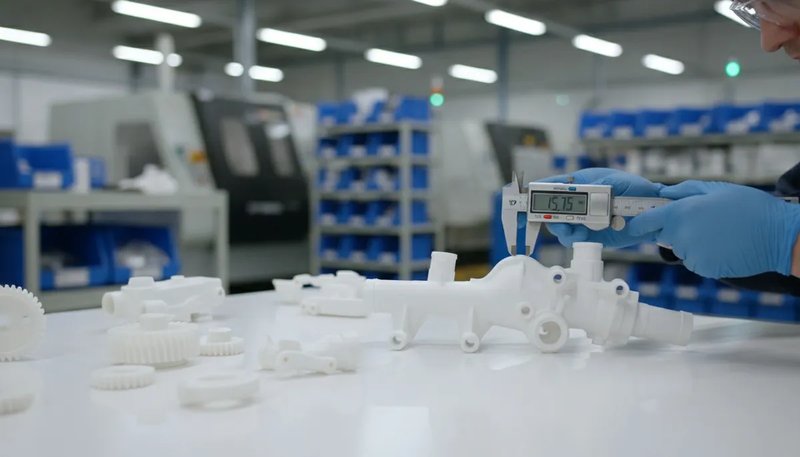
Enjeksiyon kalıbı üretim sahanızdaki en pahalı tek varlıktır; ömrü, her parçanın kuruşlara mı yoksa dolarlara mı mal olacağını belirler. Yüksek hacimli üretimde kalıp ömrü soyut bir mühendislik konusu değil, kârlılığınızı doğrudan etkileyen bir maliyet kalemidir. ZetarMold deneyimimize göre standart polipropilen veya PA6 ile çalışan, bakımlı bir kalıp 1.000.000’dan fazla çevrim yapabilirken ihmal edilen kalıp 200.000’de arızalanabilir. Bu yazı, enjeksiyon kalıplamada kalıp ömrünü belirleyen tüm değişkenleri, çevrim sayısını tahmin eden pratik formülleri ve bakım bütçenizi en yüksek getiri için nereye ayırmanız gerektiğini açıklar.
- Kalıp çeliği seçimi (P20 ve H13 karşılaştırması), kalıp hizmet ömründeki kontrol edilebilir en büyük etkendir
- Önleyici bakım, önlenen acil onarımlarda kendi maliyetinin 5-20x tutarında tasarruf sağlar
- PVD kaplamalı H13 kalıplar, cam elyaf takviyeli reçinelerde 2,000,000 çevrimi aşabilir
- Beklenen baskı sayısını referans x aşınma x korozyon x bakım faktörleriyle hesaplayın
- Birikimli onarımlar yeni kalıp maliyetinin 60% değerini aştığında değiştirin
Enjeksiyon Kalıbının Hizmet Ömrünü Neler Etkiler?
Enjeksiyon kalıbınızın hizmet ömrünü belirleyen dört faktör mekanik gerilim, ısıl çevrim, kimyasal erozyon ve aşındırıcı aşınmadır. Her biri kalıp çeliğine farklı biçimde zarar verir; bunları anlamak takım ömrünü uzatmanın ilk adımıdır. Kapama kuvvetleri düzenli olarak 100 tonu aşar, çıkarma kuvvetleri maça pimlerini zorlar ve yüksek basınçlı eriyik kalıp gözlerini 15,000 psi basınçla doldurur. Cam dolgulu naylon bir parçada, kalıp çıkış açısı yalnızca 0.3 derece yetersiz olduğu için maça pimlerinin 300,000 baskıdan sonra tamamen kesildiğini gördük.
Tedarikçileri karşılaştırıyor veya satın alma planlıyorsanız enjeksiyon kalıplama tedarikçisi bulma kılavuzumuz RFQ hazırlığını, yeterlilik değerlendirmesini ve ticari risk kontrollerini kapsar.
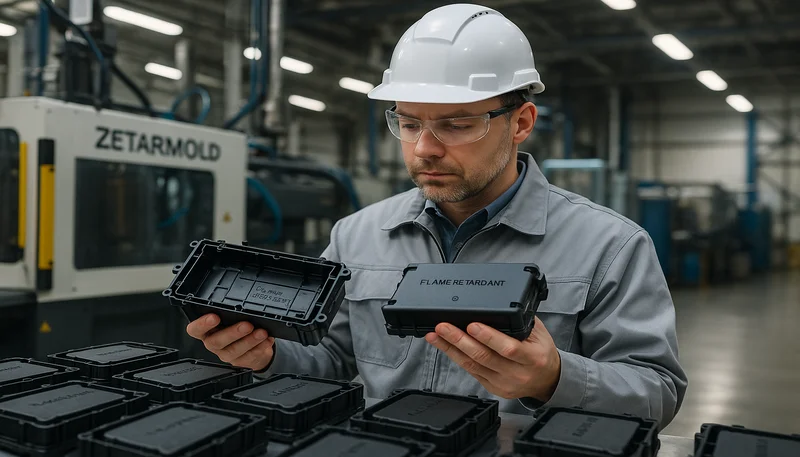
Kimyasal erozyon, çoğu kalıpçının hafife aldığı sessiz tehlikedir. PVC, asetal veya alev geciktiricili herhangi bir reçine kalıplıyorsanız bozunma gazları aylar içinde parlatılmış boşluk yüzeylerinde çukurlaşma oluşturur. Havalandırma bakımını atladığı için her 80,000 baskıda boşluğu yeniden parlatmak zorunda kalan, FR-ABS kullanan bir müşterimiz vardı. Cam veya mineral dolgulu reçinelerin aşındırıcı etkisi P20 yolluğu dolgusuz malzemeye göre 3 ila 5 kat daha hızlı aşındırır. Genellikle önce giriş bölgesi bozulur ve her parçaya görünür izler aktaran oluklu bir doku oluşur.
En Uzun Kalıp Ömrünü Hangi Malzemeler Sağlar?
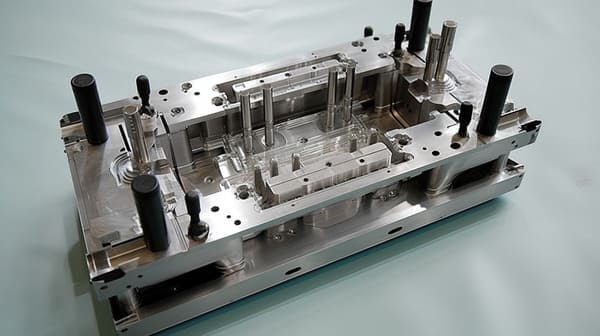
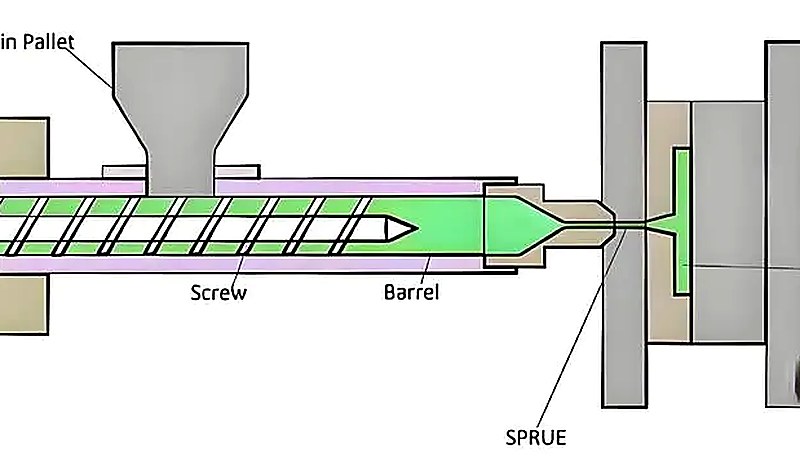
Kalıp çeliği seçimi, kalıp ömründe kontrol edebileceğiniz en büyük etkendir. P20, dolgusuz reçinelerde 500.000-1.000.000 çevrime dayanır ve kolay işlenerek ilk maliyeti makul tutar. Aşındırıcı cam elyaf dolgulu malzemelerde H13 takım çeliğine(kaynak 1) geçin. H13 yüksek sıcaklıkta sertliğini P20’den çok daha iyi korur; atölyemizde doğru bakımla %30 cam elyaf dolgulu PA6 kullanan H13 kalıpların 2.000.000 çevrimi aştığını sıkça görüyoruz. Karşılığı işleme maliyetidir: H13’ün kesilip bitirilmesi yaklaşık %30-40 daha uzun sürer. Uygulamanız için doğru enjeksiyon kalıbı malzemesini seçme konusunda daha fazla bilgi edinin.
7075-T6 kullanılan alüminyum kalıplar, prototipleme ve 10,000 enjeksiyonun altındaki kısa seriler için idealdir. Isıyı çelikten 4 ila 5 kat daha hızlı ileterek çevrim süresini yüzde 20 ila 40 azaltırlar; ancak seri üretim hacimlerine dayanamazlar. Berilyum bakır insertler, agresif soğutma gereken maça pimleri gibi sıcak noktalar için akıllı bir uzlaşmadır. Bunları kalın duvarlı parçalarda düzenli kullanıyoruz ve insert, yalnızca çevrim süresi azalmasıyla genellikle 50,000 enjeksiyon içinde maliyetini karşılıyor. Kalıp çeliği sertliğini reçinenin aşındırıcılığıyla eşleştirin: dolgusuz reçineler için P20, cam elyaf dolgulu reçineler için H13, korozif reçineler için S136.
"Doğru bakımla H13 takım çeliği kalıplar, cam elyaf dolgulu naylonda 2,000,000 çevrimi aşabilir."True
H13 yüksek sıcaklıklarda sertliğini P20'den daha iyi korur; bu nedenle yüksek aşınmalı uygulamaların standardıdır.
"Alüminyum kalıplar 100,000 enjeksiyondan fazlasını üretemez."False
Doğru yüzey işlemleri ve dolgusuz reçinelerle alüminyum kalıplar düzenli olarak 200,000 baskıyı aşar.
Düzenli Bakım Kalıp Ömrünü Nasıl Uzatır?
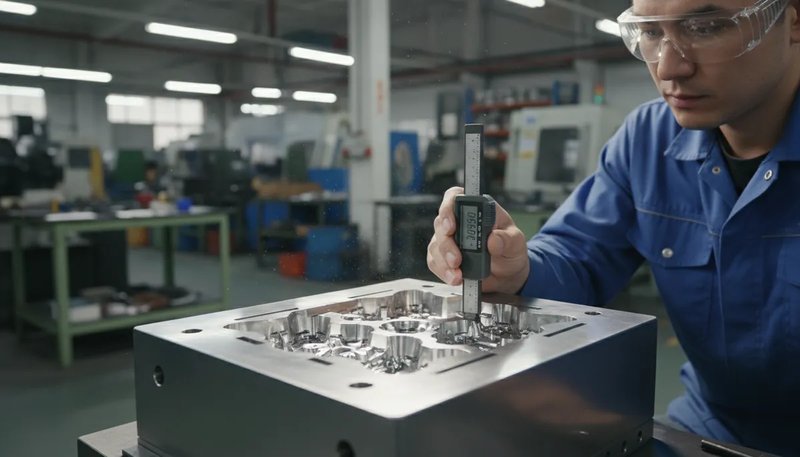
Düzenli önleyici bakım, enjeksiyon kalıbının hizmet ömrü üzerinde en büyük etkiye sahip tek faktördür. Sıkı bakım programındaki kalıplar düzenli olarak 1,000,000 atış gerçekleştirirken bakımı atlanan özdeş kalıplar 200,000 ila 300,000 atışta arızalanır. Birinci kademe günlük bakımdır: Her vardiyadan sonra ayırma çizgilerini silin, havalandırma kanallarını açın ve itici sistemini inceleyin. Tıkalı bir havalandırma kanalı, kalıp gözü yüzeyinde çukurlaşma oluşturan gaz yanıklarına neden olur. İkinci kademe her 50,000 ila 100,000 atışta bir uygulanır: tamamen sökme, kalıp gözü temizliği ve su hatlarında kireç kontrolü. Üçüncü kademe, 250,000 ila 500,000 atışta bir gerçekleştirilen ve yeniden parlatma, itici pim değişimi ve yolluk girişinin yeniden işlenmesini kapsayan büyük revizyondur.
Üretim sırasında planlanmamış tek bir kalıp arızası, yıllarca süren planlı bakımdan çok daha pahalıdır. Acil bir onarımın hızlı işlemede 45,000 dolar, hurda parçalarda 12,000 dolar ve 500-ton makinede üç günlük üretim kaybıyla toplam 80,000 doların üzerinde maliyet oluşturduğunu gördük. Aynı kalıp yıllık 5,000 dolarlık önleyici bakım programındaydı. Önleyici bakıma harcanan her dolar, önlenen acil durum maliyetlerinde beş ila yirmi dolar tasarruf sağlar. Zaman kazanmak için bakımı atlamak, üretim sahanızda verebileceğiniz en pahalı karardır.
Hangi İleri Teknolojiler Kalıp Dayanıklılığını Artırır?
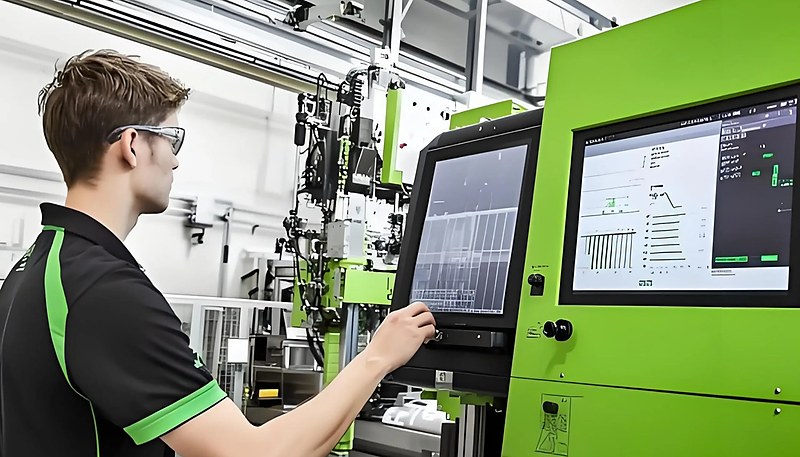
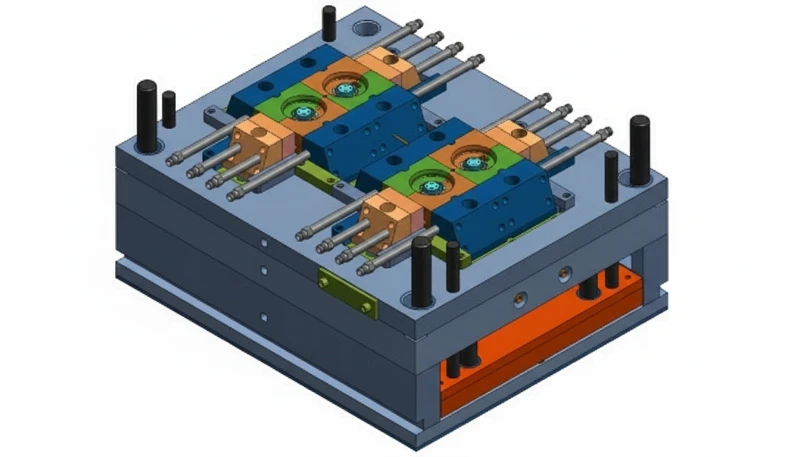
Kalıp dayanıklılığını artıran en etkili teknolojiler göz basıncı sensörleri, sıcaklık izleme ve yüzey kaplamalarıdır. Göz içindeki basınç ve sıcaklık verileri her atışta tam olarak ne olduğunu gösterir. Göz basıncının çevrimden çevrime yükselmesi, parçalarda görünür kusur oluşmadan önce giriş aşınmasına veya havalandırma tıkanıklığına işaret eder. Sıcaklık sensörleri soğutma devresindeki bozulmayı yakalar. Modern sensör sistemleri kalıp başına 3,000 ile 8,000 dolar tutarındadır ve kusurlu parçaları önleyerek genellikle ilk üretim çalışmasında maliyetini karşılar.
Yüzey kaplamaları da kalıp ömründe büyük fark yaratır. Titanyum nitrür olan TiN ve TiAlN gibi fiziksel buhar biriktirme kaplamaları, kalıp boşluğu yüzeylerine hem aşındırıcı hem kimyasal etkilere dayanan sert bir kabuk kazandırır. Cam elyaf dolgulu malzemeleri işleyen kalıplara düzenli olarak TiN uygular ve yolluk giriş ömrünün yüzde 200 ila 300 uzadığını görürüz. Elmas benzeri karbon anlamına gelen DLC kaplamaları, korozif reçinelere karşı kimyasal olarak inert bir bariyer sağlar. Kaplama, kalıp imalat maliyetine yaklaşık yüzde 5 ila 15 ekler ancak yolluk girişi yenilemeleri arasındaki süreyi iki veya üç katına çıkarabilir.
"TiN gibi PVD kaplamaları2, aşındırıcı reçinelerde giriş ömrünü yüzde 200 ila 300 uzatabilir."True
Titanyum nitrür, cam elyaf dolgulu malzemelerin yol açtığı erozyona dirençli sert bir yüzey tabakası oluşturur.
"Kalıp sensörleri yalnızca yüksek hacimli üretim serilerine yarar sağlar."False
Sensörler, düşük hacimli kalıplarda bile parça kusurlarına ve hızlandırılmış aşınmaya yol açan dengesiz soğutma gibi sorunları yakalar.
Enjeksiyon Kalıbının Hizmet Ömrü Nasıl Hesaplanır?
Kalıp ömrü; temel çevrim sayısının aşınma, korozyon ve bakım düzeltme katsayılarıyla çarpılmasıyla hesaplanır. Dolgusuz polipropilen işleyen P20 çeliği(kaynak 3) için temel değer 800.000-1.200.000, H13 için 1.200.000-2.000.000 çevrimdir. Aşınma katsayısı %30 cam elyaf dolguda 0,3-0,5; dolgusuz mühendislik reçinelerinde 0,7-0,9’dur. Korozyon katsayısı PVC için 0,4-0,6, nötr malzemede 0,8-1,0’dır. Bakım katsayısı kötü bakımda 0,5, ortalamada 0,8, sıkı önleyici bakımda 1,2’dir.
20+ yıllık enjeksiyon kalıplama deneyimi, 47 makine (90T-1850T) ve kendi bünyesinde kalıp imalatı bulunan ZetarMold, binlerce kalıp üretmiş ve bakımını yapmıştır. Mühendislerimiz üretim çalışmaları boyunca gerçek baskı sayılarını ve aşınma örüntülerini izleyerek kalıp hizmet ömrü hakkında ders kitabı tahminlerinin ötesine geçen gerçek dünya verileri elde eder.
İyi bakımla yüzde 20 cam elyaf dolgulu PA66 işleyen bir H13 kalıp için: 1,500,000 temel değer çarpı 0.6 aşınma faktörü çarpı 1.2 bakım faktörü, yaklaşık 1,080,000 püskürtme verir. Bu bir planlama rakamıdır, garanti değildir; ancak planlama ekibinize üzerinde çalışabileceği somut bir veri sağlar. Püskürtme sayısının takibi pazarlık konusu değildir. Her modern makine çevrim sayılarını otomatik olarak kaydeder. Bu verileri bakım kaydınızla birlikte bir elektronik tabloya aktarın; böylece her kalıbın yaşam döngüsünde tam olarak nerede olduğunu gösteren yaşayan bir belgeniz olur.
Bir Enjeksiyon Kalıbını Ne Zaman Onarmalı, Ne Zaman Değiştirmelisiniz?
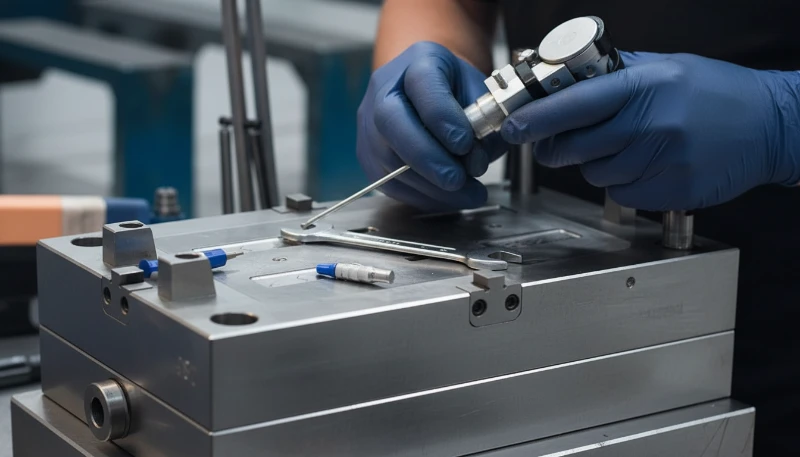
Kural basittir: onarım maliyeti yeni kalıbın yüzde 30’undan düşükse ve özgün ömrün en az yüzde 50’sini geri kazandırıyorsa onarın. Kümülatif onarımlar yeni kalıp maliyetinin yüzde 60’ını aşarsa veya kalıp tabanında yapısal çatlak oluşursa değiştirin. Eşiği karşılayan yaygın onarımlar; yüzde 5 ila 15 maliyetle yeniden parlatma, yüzde 3 ila 8 maliyetle aşınmış itici pimlerin değiştirilmesi ve yeni kalıp maliyetinin yüzde 10 ila 20’siyle yolluk giriş insertlerinin yeniden işlenmesidir. Aynı alanda birden fazla yenileme tehlike işaretidir — çevredeki çelik yorulmuştur ve bir sonraki arıza daha erken oluşur.
Bir müşterinin üç yıl boyunca onardığı bir otomotiv konnektör kalıbımız vardı — dört yeni maça pimi, yeniden işlenmiş iki giriş ve bir tam yeniden polisaj. Toplam maliyet yeni kalıp fiyatının yüzde 85’ine ulaştığı hâlde kalıp gereken toleransı yine de koruyamıyordu. Optimize edilmiş soğutmaya sahip yeni kalıp, iki yılda yalnızca planlı bakımla 1,500,000 baskı üretti ve baskı başı maliyet 0.08 dolardan 0.03 dolara düştü. Tekrarlanan onarımların gizli maliyetleri — duruş, planlama aksaması, kalite doğrulaması — çoğu zaman salt onarım hesabından daha önce değişimi haklı çıkarır.
Kalıp Depolamada En İyi Uygulamalar Nelerdir?
Üretim çalışmaları arasında kalıbın kullanım ömrünü korumak için uygun depolama şarttır. Depolamadan önce kalıp boşlukları ve yolluklardaki tüm reçine kalıntılarını temizleyin, her su hattına en az 90 psi basınçlı hava üfleyin ve açıkta kalan tüm çelik yüzeyleri pas önleyici yağla silin. Su hatlarını atlamayın; depodan dönen bazı kalıplarda soğutma verimliliğini yüzde 30 azaltan iç pas gördük. Kalıpları paletler üzerinde dik konumda depolayın, asla üst üste koymayın. Bir ayı aşan depolamalarda nem alıcı paketler kullanın ve kalıbı VCI kâğıdına sarın.
Depolama ortamı sıcaklığı 15 ile 25 santigrat derece arasında, nem ise yüzde 50’nin altında tutulmalıdır. Her kalıbı son bakım tarihi, toplam atım sayısı ve planlanan bir sonraki servis tarihiyle etiketleyin. Bir kalıbı yeniden üretime almadan önce orta düzey kapama basıncında 20 ila 30 dakikalık kontrollü ısıtma uygulayın. Soğuk depolamadan tam üretim sıcaklığına geçişte oluşan termal şok, milyonlarca çevrim nedeniyle zaten yorulmuş boşluk insertlerini çatlatabilir. İtici pim hareketini kontrol edin ve soğutma devresi debilerinin son üretim çalışmasında belgelenen referans değerlerle eşleştiğini doğrulayın.
Enjeksiyon Kalıbı Hizmet Ömrü Hakkında Sık Sorulan Sorular
Sıkça Sorulan Sorular
Bir enjeksiyon kalıbının ortalama hizmet ömrü nedir?
Bir enjeksiyon kalıbına, istisnasız her üretim vardiyasından sonra ayırma hattı temizliği ve görsel kontrolü içeren günlük birinci seviye bakım uygulanmalıdır. Tam söküm ve kavite temizliğini içeren ikinci seviye bakım her 50,000 ila 100,000 baskıda yapılmalıdır. 250,000 ila 500,000 baskıda gerçekleştirilen büyük revizyon; itici pim değişimini, havalandırma kanallarının yeniden açılmasını ve soğutma devresindeki kirecin giderilmesini kapsar. Bu üç seviyeli program, yalnızca üretim sahasında arıza oluştuktan sonra sorunları ele alan reaktif bakıma kıyasla kalıp ömrünü yüzde 40 ila 60 uzatabilir.
Bir enjeksiyon kalıbı ne sıklıkla servis edilmelidir?
Hiçbir enjeksiyon kalıbı sonsuza kadar dayanmaz. Her çevrim çeliği ısıl gerilime, mekanik yüke ve kimyasal etkiye maruz bırakarak zaman içinde boşluk yüzeylerini, ayırma çizgilerini ve hareketli bileşenleri kademeli biçimde bozar. Kusursuz bakımla bile kalıp tabanındaki birikimli yorulma ve giriş bölgelerindeki erozyon sonunda yenileme veya değiştirme gerektirir. Bakımı, aşınmayı tamamen ortadan kaldırmak değil, ömrü önemli ölçüde uzatmak olarak düşünün. Çoğu üretim kalıbı; kalıp malzemesine, reçine türüne ve üretim boyunca uygulanan bakım disiplinine bağlı olarak 500,000 ila 2,000,000 baskı arasında ömrünün sonuna ulaşır.
Uygun bakım ile bir enjeksiyon kalıbı süresiz olarak dayanabilir mi?
Hiçbir enjeksiyon kalıbı sonsuza kadar dayanmaz. Her çevrim, çeliği boşluk yüzeylerini, ayırma hatlarını ve hareketli bileşenleri yavaş yavaş bozan termal strese, mekanik yüke ve kimyasal maruziyete tabi tutar. Mükemmel bakımla bile, kalıp tabanındaki kümülatif yorulma ve geçit alanlarının aşınması sonunda yeniden yapım veya değişim gerektirecektir. Bakımı, aşınmayı tamamen ortadan kaldırmak değil, ömrü önemli ölçüde uzatmak olarak düşünün. Kalıp malzemesi, reçine tipi ve uygulanan bakım disiplinine bağlı olarak çoğu üretim kalıbı, ömrünü 500.000 ile 2.000.000 çekim arasında tamamlar.
Erken enjeksiyon kalıp arızasının en yaygın nedeni nedir?
Rutin kalıp bakımı tipik olarak servis çevrimi başına yeni kalıp maliyetinin %3 ila ‘ine mal olurken, üretim sırasında plansız bir arıza, kayıp makine süresi, hurdaya ayrılan parçalar ve acil onarım işçilik ücretleri nedeniyle kalıp değerinin ila 0’üne mal olabilir. 100.000 dolarlık bir kalıp üzerinde yılda 10.000 dolara mal olan bir önleyici bakım programı, acil bir durumda üretim süresi, acele nakliye ücretleri ve hızlandırılmış işleme masrafları nedeniyle 30.000 dolar veya daha fazla kayıp veren tek bir plansız duruştan çok daha ucuzdur.
Kalıp bakımı maliyeti, değiştirmeye kıyasla ne kadardır?
Rutin kalıp bakımı tipik olarak servis çevrimi başına yeni kalıp maliyetinin %3 ila ‘ine mal olurken, üretim sırasında plansız bir arıza, kayıp makine süresi, hurdaya ayrılan parçalar ve acil onarım işçilik ücretleri nedeniyle kalıp değerinin ila 0’üne mal olabilir. 100.000 dolarlık bir kalıp üzerinde yılda 10.000 dolara mal olan bir önleyici bakım programı, acil bir onarım durumunda üretim süresi, acele nakliye ücretleri ve hızlandırılmış işleme masrafları nedeniyle 30.000 dolar veya daha fazla kayıp veren tek bir plansız duruştan çok daha ucuzdur.
Kalıp malzemesi seçimi, kalıp ömrü boyunca parça kalitesini etkiler mi?
Evet, kalıp malzemesi, kalıp üretim yaşam döngüsü boyunca yaşlandıkça doğrudan parça kalitesini etkiler. P20 gibi daha yumuşak çelikler, 300.000 ila 500.000 çekim sonrasında parlaklık değişimleri ve boyutsal sapma olarak parçalara aktarılan yüzey aşınma modelleri geliştirir. H13 ve S136 gibi sertleştirilmiş çelikler, boşluk sadakatini çok daha uzun süre korur ve 1.000.000’u aşkın çekim boyunca tutarlı parçalar üretir. Yüzey kalitesinin kritik olduğu optik veya tıbbi parçalar için, tüm üretim seferi boyunca kaliteyi ve tutarlılığı korumak için daha sert kalıp çeliğiyle başlamak esastır.
Soğutma devresi bakımı, enjeksiyon kalıp ömründe hangi rolü oynar?
Soğutma devresi bakımı kritiktir çünkü su hatları içindeki kireç birikimi ve korozyon ısı transferi verimliliğini düşürerek daha uzun çevrim sürelerine zorlar ve tüm üretim yaşam döngüsü boyunca kalıp çeliği üzerindeki termal stresi artırır. Soğutma devrelerini optimal akış hızları ve soğutma performansını korumak için her 100.000 çekimde dolaşımlı bir kimyasal temizleyici ile temizleyin. İhmal edilmiş soğutma hatları ısı transferini oranında düşürebilir, boşluk yüzey sıcaklıklarını yükseltir ve birden fazla üretim seferinde genel kalıp servis ömrünü önemli ölçüde kısaltan termal yorulma çatlamasını hızlandırır.
Enjeksiyon Kalıbı Yatırımınızı Nasıl En Üst Düzeye Çıkarabilirsiniz?
Kalıp yatırımınız dört disiplinle en üst düzeye çıkar: malzeme seçimi, önleyici bakım, teknoloji kullanımı ve doğru depolama. Orta derecede aşındırıcı reçineyle çalışan bakımlı bir H13 kalıp 1.000.000’dan fazla çevrim yapabilir; ihmal edilirse bunun dörtte birinde arızalanabilir. Doğru çelikle başlayın, üç kademeli bakım programına uyun, ekonomik açıdan anlamlı sensör ve kaplamalara yatırım yapın, doğru depolama prosedürlerini izleyin. Üretim ortağı seçimi hakkında daha fazla bilgi için tedarik kılavuzumuza bakın.
Enjeksiyon kalıplarınızın servis ömrünü maksimize etmeye hazır mısınız? Bir sonraki kalıp projenizi tartışmak için hemen ZetarMold ile iletişime geçin. 20 yıllık deneyim, dahili kalıp üretimi ve 90 ila 1.850 ton aralığında 47 makine ile, kalıcı kalıplar üretmek için uzmanlığa ve ekipmana sahibiz. Bir teklif alın ve disiplinli kalıp mühendisliğinin farkını size gösterelim.
H13 takım çeliği: Yüksek sıcaklıklarda sertliğini koruyan, çoğunlukla 44-52 HRC olan sıcak iş takım çeliğidir; zorlu üretimde aşındırıcı veya yüksek sıcaklıklı reçineler kullanan kalıplar için tercih edilir. ↩
PVD kaplamalar: Fiziksel buhar biriktirme, titanyum nitrür gibi ince ve sert filmleri kalıp yüzeyine kaplayarak dolgulu ve korozif reçinelerin aşındırıcı ve kimyasal yıpranmasına karşı direnci büyük ölçüde artırır. ↩
P20 çeliği: Yaklaşık 30-36 HRC değerinde ön sertleştirilmiş bir kalıp çeliğidir; iyi işlenebilirliği ve parlatılabilirliği sayesinde dolgusuz veya az dolgulu reçinelerle orta hacimli enjeksiyon kalıplarında yaygın kullanılır. ↩