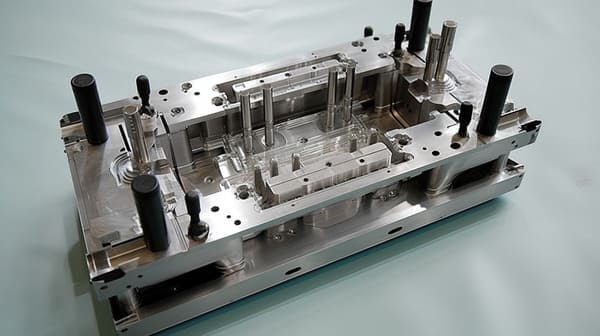
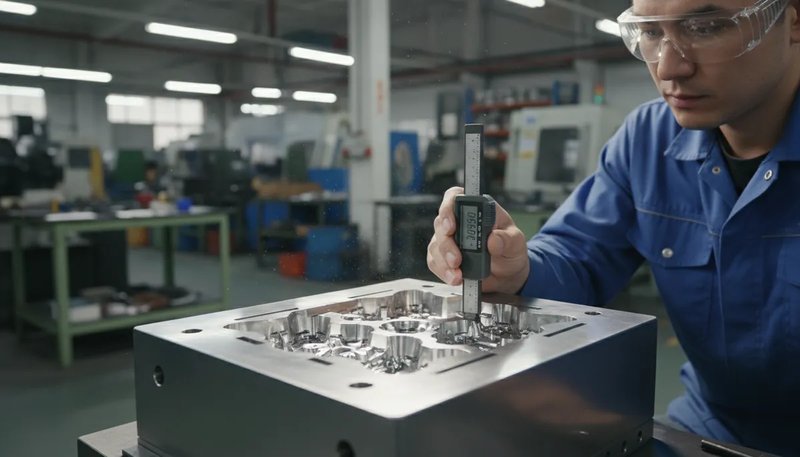
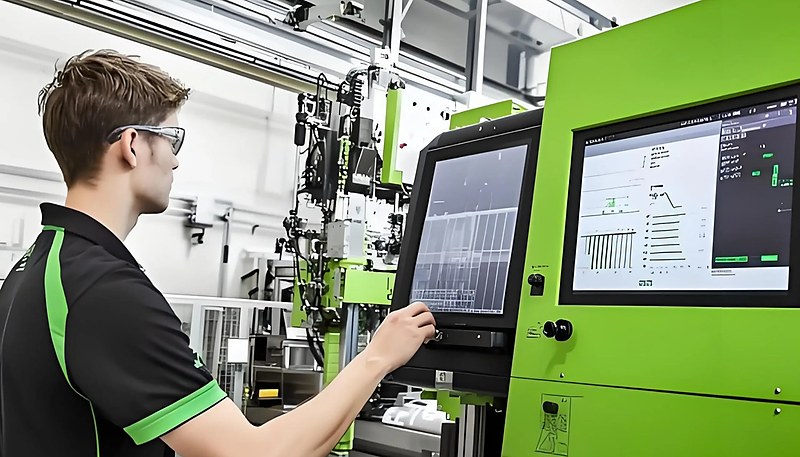
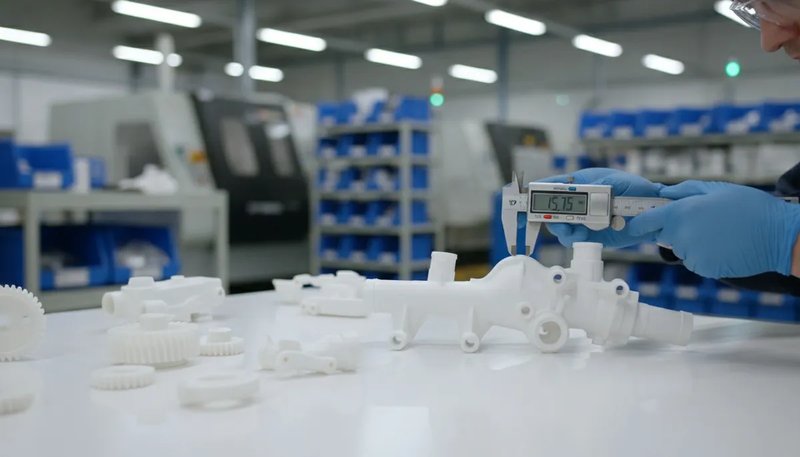
Пресс-форма — самый дорогой отдельный актив в вашем производственном цехе, и срок ее службы определяет, будут ли детали обходиться вам в копейки или в целые доллары. При крупносерийном производстве ресурс формы — не отвлеченный инженерный вопрос, а статья расходов, напрямую влияющая на прибыльность. По опыту ZetarMold, форма с надлежащим обслуживанием при работе со стандартным полипропиленом или PA6 способна выдержать свыше 1 000 000 циклов, тогда как запущенная форма может выйти из строя уже после 200 000. В этой статье рассмотрены все факторы, определяющие срок службы формы для литья под давлением, приведены практические формулы расчета числа циклов и показано, куда направить бюджет на обслуживание для максимальной отдачи.
- Выбор стали пресс-формы (P20 или H13) — главный управляемый фактор срока ее службы
- Профилактическое обслуживание экономит в 5-20 раз больше своей стоимости за счёт предотвращения аварийных ремонтов
- Формы из H13 с покрытиями PVD могут выдерживать более 2,000,000 циклов при переработке стеклонаполненных смол
- Рассчитайте ожидаемое количество циклов как базовое значение x коэффициент абразивности x коэффициент коррозии x коэффициент обслуживания
- Замените форму, когда совокупная стоимость ремонтов превысит 60% стоимости новой
Что влияет на срок службы литьевой пресс-формы?
Срок службы пресс-формы для литья под давлением определяют четыре фактора: механические нагрузки, термоциклирование, химическая эрозия и абразивный износ. Каждый из них по-разному воздействует на сталь пресс-формы, и понимание этих воздействий — первый шаг к увеличению срока службы оснастки. Усилие смыкания обычно превышает 100 тонн, усилия выталкивания нагружают формообразующие стержни, а расплав под высоким давлением заполняет гнёзда при 15,000 psi. Мы наблюдали, как формообразующие стержни полностью срезало после 300,000 циклов при изготовлении детали из стеклонаполненного нейлона из-за того, что угол уклона был всего на 0.3 градуса меньше необходимого.
Если вы сравниваете поставщиков или планируете закупку, наше руководство по поиску поставщика литья под давлением охватывает подготовку RFQ, квалификацию и проверку коммерческих рисков.
Химическая эрозия — незаметный разрушительный фактор, который недооценивает большинство переработчиков. При литье PVC, ацеталя или любой огнестойкой смолы газы разложения за несколько месяцев покрывают раковинами полированные поверхности полости. Один наш заказчик перерабатывал FR-ABS и был вынужден повторно полировать полость каждые 80,000 циклов, поскольку не обслуживал вентиляционные каналы. Абразивный износ от наполненных стеклом или минералами смол изнашивает литниковый канал из P20 в 3–5 раз быстрее, чем ненаполненный материал. Обычно первой разрушается зона впускного литника: на ней появляется бороздчатая текстура, оставляющая заметные следы на каждой детали.
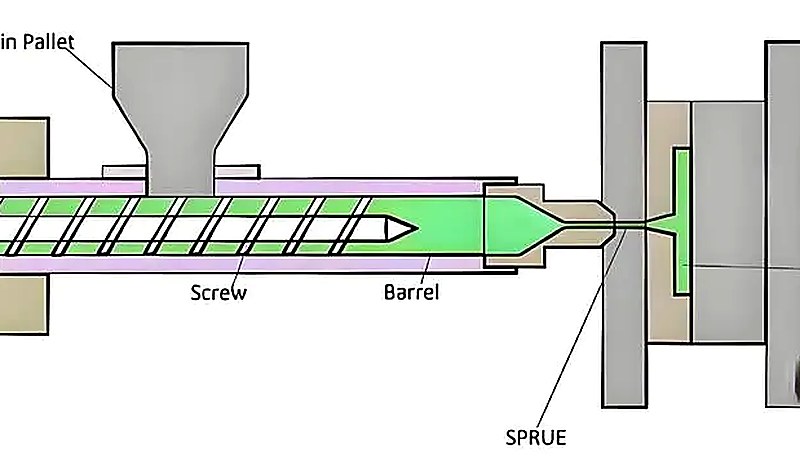
Какие материалы обеспечивают максимальный ресурс формы?
Выбор стали — главный контролируемый фактор срока службы формы. P20 выдерживает от 500 000 до 1 000 000 циклов с ненаполненными смолами, легко обрабатывается и сохраняет разумную начальную стоимость. Для абразивных стеклонаполненных материалов выбирайте инструментальную сталь H13¹. H13 гораздо лучше P20 сохраняет твердость при повышенных температурах; в нашем цехе формы H13 при надлежащем обслуживании регулярно превышают 2 000 000 циклов на PA6 с 30% стекловолокна. Компромисс — стоимость обработки: резка и чистовая обработка H13 занимают примерно на 30–40% больше времени. Узнайте подробнее о выборе подходящей пресс-формы для вашего применения.
Алюминиевые пресс-формы из 7075-T6 отлично подходят для прототипирования и коротких серий менее 10,000 впрысков. Они проводят тепло в 4–5 раз быстрее стали и сокращают цикл на 20–40 процентов, но не выдерживают крупносерийного производства. Вставки из бериллиевой бронзы — рациональный компромисс для горячих зон, например знаков сердечника, где требуется интенсивное охлаждение. Мы регулярно применяем их для толстостенных деталей; обычно вставка окупается за 50,000 впрысков только за счёт сокращения цикла. Соотносите твёрдость стали пресс-формы с абразивностью смолы: P20 для ненаполненных материалов, H13 для стеклонаполненных, S136 для коррозионно-активных смол.
"Формы из инструментальной стали H13 при надлежащем обслуживании способны выдержать более 2,000,000 впрысков стеклонаполненного нейлона."True
H13 лучше сохраняет твердость при повышенных температурах, чем P20, поэтому является стандартным материалом для применений с интенсивным износом.
"Алюминиевые формы не способны выдержать более 100,000 циклов."False
При надлежащей обработке поверхности и использовании ненаполненных полимеров алюминиевые пресс-формы стабильно выдерживают более 200,000 циклов.
Как регулярное техническое обслуживание продлевает срок службы пресс-формы?
Регулярное профилактическое обслуживание — самый значимый фактор срока службы литьевой формы. Формы со строгим графиком обслуживания обычно выдерживают 1,000,000 впрысков, тогда как идентичные формы без обслуживания выходят из строя после 200,000–300,000. Первый уровень — ежедневный: после каждой смены протирать линии разъема, очищать вентиляционные каналы и проверять систему выталкивания. Засоренный канал вызывает газовые прижоги, повреждающие поверхность полости. Второй уровень — каждые 50,000–100,000 впрысков: полная разборка, очистка полости и проверка накипи в водяных линиях. Третий уровень — капитальный ремонт после 250,000–500,000 впрысков с повторным полированием, заменой выталкивающих штифтов и повторной обработкой литника.
Один незапланированный отказ пресс-формы во время производства обходится намного дороже многолетнего планового обслуживания. Мы видели, как один аварийный ремонт потребовал 45,000 долларов на срочную механическую обработку, 12,000 долларов составила стоимость забракованных деталей, а трехдневный простой 500-тонной машины довел общие потери до более чем 80,000 долларов. Та же пресс-форма обслуживалась по графику профилактики стоимостью 5,000 долларов в год. Каждый доллар, вложенный в профилактическое обслуживание, экономит от пяти до двадцати долларов предотвращенных аварийных расходов. Отказ от обслуживания ради экономии времени — самое дорогостоящее решение, которое можно принять в производственном цехе.
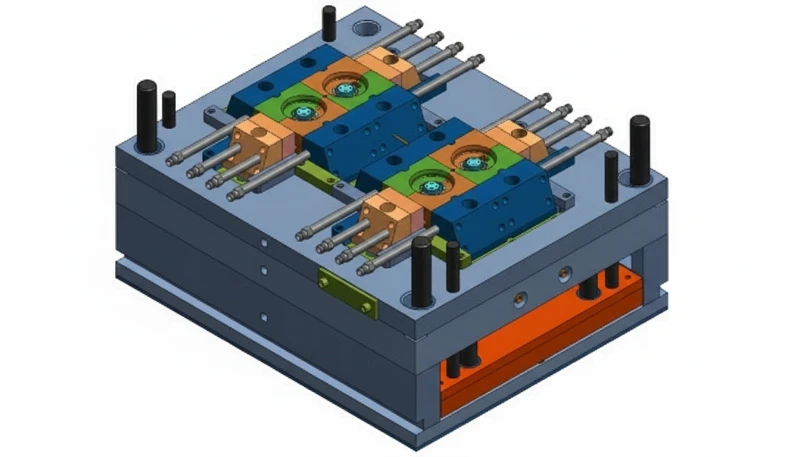
Какие передовые технологии повышают долговечность пресс-форм?
Наиболее эффективные технологии увеличения долговечности формы — датчики давления в полости, мониторинг температуры и поверхностные покрытия. Данные о давлении и температуре внутри полости точно показывают происходящее при каждом цикле впрыска. Постепенный рост давления в полости от цикла к циклу указывает на эрозию литника или засорение вентиляции еще до появления видимых дефектов на деталях. Датчики температуры выявляют ухудшение работы контура охлаждения. Современные системы датчиков стоят от 3,000 до 8,000 долларов на одну форму и обычно окупаются уже при первом производственном запуске за счет предотвращения брака.
Поверхностные покрытия также существенно увеличивают срок службы пресс-форм. Покрытия, наносимые методом физического осаждения из паровой фазы, например нитрид титана TiN и TiAlN, создают на поверхности гнезда твёрдую оболочку, устойчивую к абразивному и химическому воздействию. Мы регулярно наносим TiN на формы для стеклонаполненных материалов и наблюдаем увеличение ресурса впусков на 200–300 процентов. Покрытия DLC, то есть алмазоподобного углерода, создают химически инертный барьер для коррозионно-активных смол. Покрытие увеличивает стоимость изготовления формы примерно на 5–15 процентов, но может вдвое или втрое увеличить интервал между восстановлением впусков.
"PVD-покрытия2, такие как TiN, могут увеличить срок службы литника на 200–300 процентов при работе с абразивными смолами."True
Нитрид титана образует твердый поверхностный слой, стойкий к эрозии стеклонаполненными материалами.
"Датчики пресс-формы полезны только в крупносерийном производстве."False
Даже в малосерийных пресс-формах датчики выявляют неравномерное охлаждение и другие проблемы, вызывающие дефекты деталей и ускоренный износ.
Как рассчитать срок службы пресс-формы?
Срок службы формы рассчитывают, умножая базовое число циклов на поправочные коэффициенты абразивного износа, коррозии и обслуживания. Для стали P20³ при работе с ненаполненным полипропиленом база составляет 800 000–1 200 000 циклов. Для H13 — 1 200 000–2 000 000. Коэффициент абразивности: 0,3–0,5 для материала с 30% стекловолокна и 0,7–0,9 для ненаполненных инженерных смол. Коэффициент коррозии: 0,4–0,6 для PVC и 0,8–1,0 для нейтральных материалов. Коэффициент обслуживания: 0,5 при плохом, 0,8 при среднем и 1,2 при строгом профилактическом обслуживании.
Имея 20+ лет опыта литья под давлением, 47 машин (90T-1850T) и собственное производство форм, ZetarMold изготовила и обслужила тысячи форм. Наши инженеры отслеживают фактическое число циклов и характер износа в производственных партиях, получая реальные данные о сроке службы форм, выходящие за рамки теоретических оценок.
Для формы H13, работающей с PA66 с 20-процентным наполнением стекловолокном при хорошем обслуживании: базовые 1,500,000, умноженные на коэффициент абразивного износа 0.6 и коэффициент обслуживания 1.2, дают примерно 1,080,000 впрысков. Это плановое число, а не гарантия, но оно дает вашей группе планирования конкретный ориентир. Учет числа впрысков обязателен. Каждая современная машина автоматически регистрирует число циклов. Внесите эти данные в электронную таблицу вместе с журналом обслуживания, и вы получите актуальный документ, точно показывающий положение каждой формы в ее жизненном цикле.
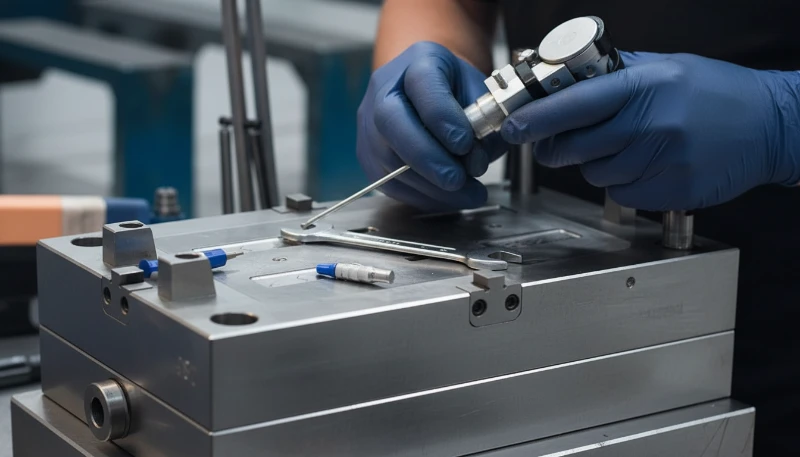
Когда следует ремонтировать, а когда заменять пресс-форму для литья под давлением?
Правило простое: ремонтируйте, если стоимость ниже 30 процентов новой формы и восстанавливается не менее 50 процентов исходного ресурса. Заменяйте, если совокупный ремонт превышает 60 процентов стоимости новой формы либо в базе появились структурные трещины. Типичные допустимые ремонты: повторная полировка за 5–15 процентов, замена изношенных выталкивателей за 3–8 процентов и повторная обработка вставок впуска за 10–20 процентов стоимости новой формы. Повторные ремонты одного участка — тревожный признак: окружающая сталь устала, и следующий отказ наступит раньше.
У нас была пресс-форма для автомобильного разъёма, которую клиент ремонтировал в течение трёх лет: заменил четыре стержня, повторно обработал два литниковых впуска и полностью переполировал форму. Общая стоимость достигла 85 процентов цены новой пресс-формы, но требуемый допуск по-прежнему не обеспечивался. Новая пресс-форма с оптимизированным охлаждением за два года выполнила 1,500,000 циклов только с плановым обслуживанием, а стоимость одного цикла снизилась с 0.08 до 0.03 доллара. Скрытые затраты на повторные ремонты — простои, нарушение графика и валидация качества — часто обосновывают замену раньше, чем это следует из прямого расчёта стоимости ремонта.
Каковы передовые методы хранения пресс-форм?
Правильное хранение пресс-форм необходимо для сохранения их ресурса между производственными запусками. Перед хранением удалите все остатки полимера из полостей и каналов, продуйте каждую водяную линию сжатым воздухом под давлением не менее 90 psi и протрите все открытые стальные поверхности антикоррозионным маслом. Не пропускайте водяные линии: нам возвращали со склада пресс-формы с внутренней коррозией, которая снизила эффективность охлаждения на 30 процентов. Храните пресс-формы вертикально на поддонах и никогда не ставьте их друг на друга. При хранении дольше одного месяца добавьте пакеты с осушителем и оберните пресс-форму бумагой VCI.
В помещении для хранения следует поддерживать температуру от 15 до 25 градусов Цельсия и влажность ниже 50 процентов. На каждой пресс-форме указывайте дату последнего технического обслуживания, суммарное количество циклов и дату следующего планового обслуживания. Перед возвратом пресс-формы в производство выполните контролируемый прогрев в течение 20–30 минут при умеренном давлении смыкания. Температурный удар при переходе от холодного хранения к полной рабочей температуре может вызвать растрескивание формообразующих вставок, уже утомленных миллионами циклов. Проверьте перемещение выталкивающих штифтов и убедитесь, что расход в контурах охлаждения соответствует задокументированным базовым значениям последнего производственного цикла.
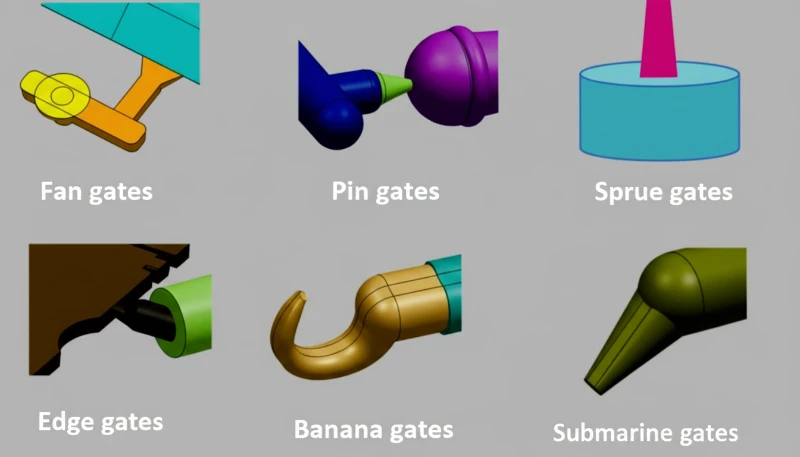
Часто задаваемые вопросы о сроке службы пресс-формы
Часто задаваемые вопросы
Каков средний срок службы литьевой пресс-формы?
Пресс-форма должна ежедневно проходить техническое обслуживание первого уровня, включая очистку линии разъёма и обязательный визуальный осмотр после каждой производственной смены. Обслуживание второго уровня, включающее полную разборку и очистку полости, следует проводить через каждые 50,000–100,000 циклов. Капитальный ремонт через 250,000–500,000 циклов включает замену выталкивающих штифтов, восстановление вентиляционных каналов и удаление накипи из контура охлаждения. Соблюдение этого трёхуровневого графика позволяет увеличить ресурс пресс-формы на 40–60 процентов по сравнению с реактивным обслуживанием, при котором неисправности устраняют только после отказа оборудования в производственном цехе.
Как часто следует обслуживать литьевую форму?
Ни одна пресс-форма не служит вечно. Каждый цикл подвергает сталь тепловым напряжениям, механическим нагрузкам и химическому воздействию, постепенно разрушая поверхности полостей, линии разъёма и подвижные компоненты. Даже при безупречном обслуживании накопленная усталость основания формы и эрозия литников со временем потребуют восстановления или замены. Обслуживание значительно продлевает срок службы, но не устраняет износ полностью. Большинство серийных форм исчерпывают ресурс между 500,000 и 2,000,000 циклами в зависимости от материала формы, типа полимера и дисциплины обслуживания на всём протяжении производства.
Может ли литьевая форма служить вечно при надлежащем обслуживании?
Ни одна литьевая форма не служит вечно. Каждый цикл подвергает сталь термическим напряжениям, механическим нагрузкам и химическому воздействию, что постепенно ухудшает состояние поверхностей полостей, плоскостей разъёма и подвижных компонентов. Даже при идеальном обслуживании кумулятивная усталость в базе формы и эрозия областей литников в конечном итоге потребуют восстановления или замены. Рассматривайте обслуживание как значительное продление срока службы, а не как полное устранение износа. Большинство производственных форм достигают конца срока службы между 500 000 и 2 000 000 циклов в зависимости от материала формы, типа смолы и применяемой дисциплины обслуживания.
Какова наиболее частая причина преждевременного выхода из строя литьевой формы?
Регламентное обслуживание формы обычно стоит 3–15 процентов от стоимости новой формы за сервисный цикл, тогда как незапланированный отказ во время производства может обойтись в 50–200 процентов стоимости формы из-за потерь машинного времени, бракованных деталей и затрат на аварийный ремонт. Программа профилактического обслуживания стоимостью 10 000 долларов в год для формы стоимостью 100 000 долларов намного дешевле, чем одна незапланированная остановка, которая приводит к потере 30 000 долларов или более производственного времени, затратам на срочную доставку и ускоренной механической обработке в аварийной ситуации.
Сколько стоит обслуживание пресс-формы по сравнению с заменой?
Регламентное обслуживание формы обычно стоит 3–15 процентов от стоимости новой формы за сервисный цикл, тогда как незапланированный отказ во время производства может обойтись в 50–200 процентов стоимости формы из-за потерь машинного времени, бракованных деталей и затрат на аварийный ремонт. Программа профилактического обслуживания стоимостью 10 000 долларов в год для формы стоимостью 100 000 долларов намного дешевле, чем одна незапланированная остановка, которая приводит к потере 30 000 долларов или более производственного времени, затратам на срочную доставку и ускоренной механической обработке в аварийной ремонтной ситуации.
Влияет ли выбор материала формы на качество детали в течение срока службы формы?
Да, материал формы напрямую влияет на качество детали по мере старения формы в течение её производственного жизненного цикла. Более мягкие стали, такие как P20, образуют на поверхности узоры износа, которые передаются на детали в виде вариаций глянца и размерного дрейфа после 300 000–500 000 циклов. Закалённые стали, такие как H13 и S136, сохраняют точность полости гораздо дольше, производя стабильные детали свыше 1 000 000 циклов. Для оптических или медицинских деталей, где критически важна чистота поверхности, использование более твёрдой стали для формы с самого начала необходимо для поддержания качества и стабильности на протяжении всего производственного цикла.
Какую роль играет обслуживание системы охлаждения в сроке службы литьевой формы?
Обслуживание системы охлаждения критически важно, поскольку накипь и коррозия внутри водяных каналов снижают эффективность теплопередачи, вынуждая увеличивать время цикла и повышая термические напряжения в стали формы на протяжении всего жизненного цикла производства. Очищайте от накипи контуры охлаждения каждые 100 000 циклов с помощью циркулирующего химического очистителя для поддержания оптимальной скорости потока и производительности охлаждения. Запущенные охлаждающие линии могут снизить теплопередачу на 30 процентов, повышая температуру поверхности полости и ускоряя термическое усталостное растрескивание, что значительно сокращает общий срок службы формы за несколько производственных циклов.
Как вы можете максимизировать свою инвестицию в литьевую форму?
Максимальную отдачу от вложений в форму обеспечивают четыре направления: выбор материала, профилактическое обслуживание, внедрение технологий и правильное хранение. Ухоженная форма H13 при работе со смолой средней абразивности может выдержать более 1 000 000 циклов, тогда как без обслуживания та же форма может отказать уже после четверти этого ресурса. Выберите правильную сталь, соблюдайте трехуровневый график обслуживания, применяйте экономически оправданные датчики и покрытия и храните форму надлежащим образом. Дополнительные рекомендации по выбору производственного партнера приведены в нашем руководстве по поиску поставщика.
Готовы максимально продлить срок службы ваших литьевых форм? Свяжитесь с ZetarMold сегодня, чтобы обсудить ваш следующий проект по созданию формы. Имея 20-летний опыт, собственное производство пресс-форм и 47 машин мощностью от 90 до 1850 тонн, мы обладаем экспертизой и оборудованием для создания долговечных форм. Получите расчёт стоимости и позвольте нам показать вам разницу, которую обеспечивает дисциплинированное проектирование пресс-форм.
Инструментальная сталь H13: H13 — сталь для горячей обработки, сохраняющая твердость при повышенных температурах, обычно 44–52 HRC, поэтому ее предпочитают для форм, работающих с абразивными или высокотемпературными смолами в тяжелых производственных условиях. ↩
PVD-покрытия: физическое осаждение из паровой фазы наносит на поверхность формы тонкие твердые пленки, например нитрид титана, резко повышая стойкость к абразивному и химическому износу от наполненных и коррозионно-активных смол. ↩
Сталь P20: P20 — предварительно закаленная формовая сталь твердостью примерно 30–36 HRC, широко применяемая для среднесерийных форм с ненаполненными или слабонаполненными смолами благодаря хорошей обрабатываемости и полируемости. ↩