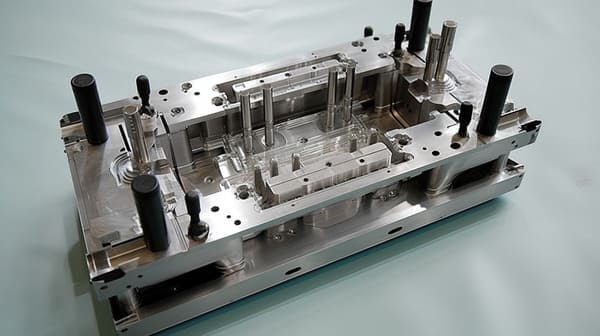
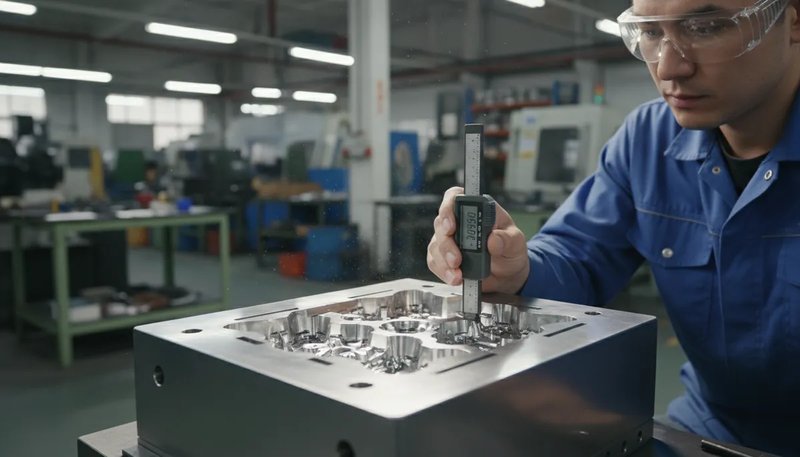
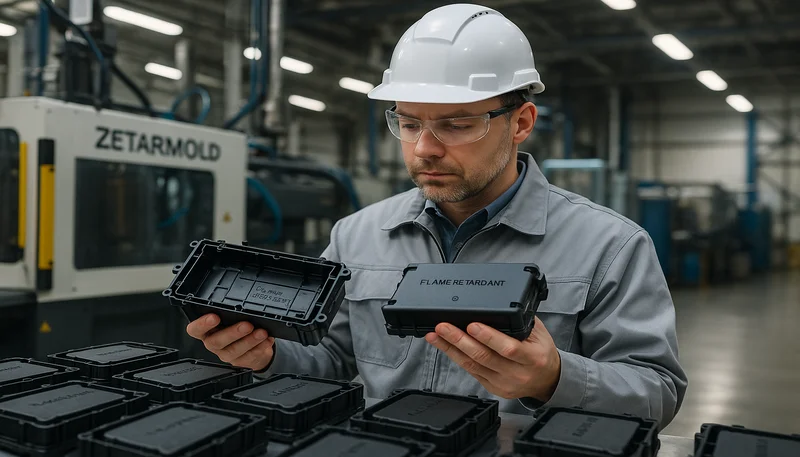
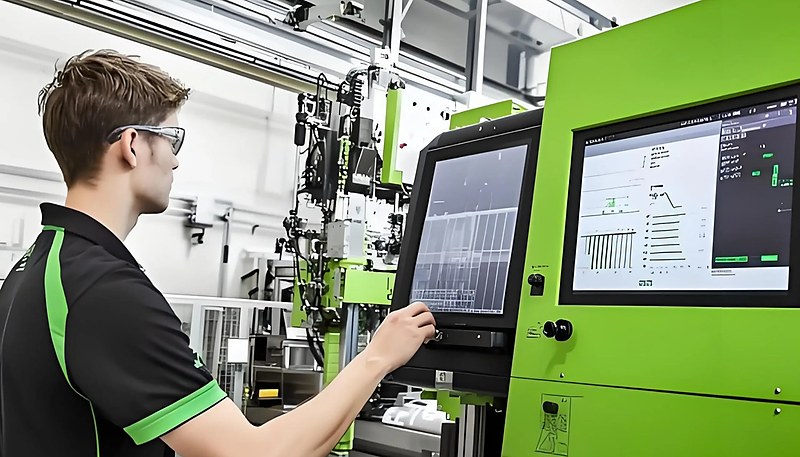
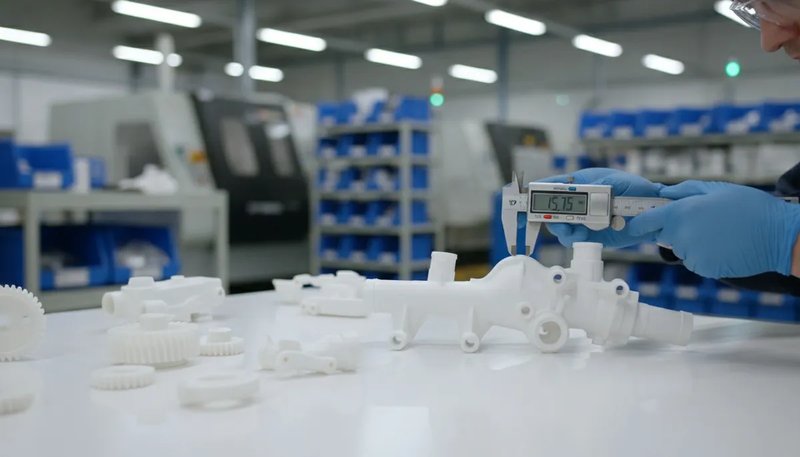
Un molde de inyección es el activo más caro de una planta de producción, y su duración determina si cada pieza cuesta céntimos o euros. En la producción de gran volumen, la vida útil del molde no es una cuestión técnica abstracta, sino una partida que afecta directamente a la rentabilidad. Según nuestra experiencia en ZetarMold, un molde bien mantenido que trabaje con polipropileno estándar o PA6 puede superar 1.000.000 de ciclos, mientras que uno descuidado puede fallar a los 200.000. Este artículo explica todas las variables que determinan la vida útil del molde en el moldeo por inyección, ofrece fórmulas prácticas para estimar el número de ciclos e indica dónde invertir el presupuesto de mantenimiento para obtener el máximo rendimiento.
- La elección del acero del molde (P20 frente a H13) es el principal factor controlable de la vida útil del molde
- El mantenimiento preventivo ahorra 5-20x su coste en reparaciones de emergencia evitadas
- Los moldes H13 con recubrimientos PVD pueden superar 2,000,000 inyecciones con resinas reforzadas con fibra de vidrio
- Calcule el número de ciclos previsto mediante los factores base x abrasión x corrosión x mantenimiento
- Sustituir cuando las reparaciones acumuladas superen el 60% del coste de un molde nuevo
¿Qué afecta a la vida útil de un molde de inyección?
Los cuatro factores que determinan la vida útil de un molde de inyección son la tensión mecánica, los ciclos térmicos, la erosión química y el desgaste abrasivo. Cada uno ataca el acero del molde de forma distinta, y comprenderlos es el primer paso para prolongar la vida útil del utillaje. Las fuerzas de cierre superan habitualmente las 100 toneladas, las fuerzas de expulsión someten a tensión los machos y el material fundido a alta presión llena las cavidades a 15,000 psi. Hemos visto machos seccionarse limpiamente después de 300.000 ciclos en una pieza de nailon reforzado con fibra de vidrio porque el ángulo de desmoldeo era tan solo 0,3 grados menor de lo necesario.
Si está comparando proveedores o planificando compras, nuestra guía para seleccionar proveedores de moldeo por inyección explica cómo preparar una RFQ, cualificar candidatos y comprobar los riesgos comerciales.
La erosión química es el peligro silencioso que la mayoría de los moldeadores subestiman. Si moldea PVC, acetal o cualquier resina ignífuga, los gases de descomposición picarán las superficies pulidas de la cavidad en pocos meses. Un cliente que procesaba FR-ABS necesitaba volver a pulir la cavidad cada 80,000 inyecciones porque omitía el mantenimiento de los respiraderos. El desgaste abrasivo de las resinas con fibra de vidrio o carga mineral desgasta un canal P20 entre 3 y 5 veces más rápido que el material sin carga. La zona de la compuerta suele fallar primero y desarrolla una textura estriada que transfiere marcas visibles a todas las piezas.
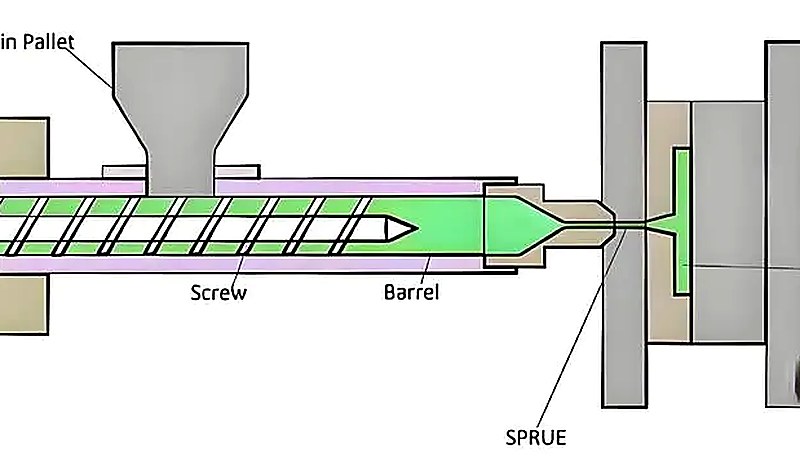
¿Qué materiales proporcionan la mayor vida útil del molde?
La elección del acero del molde es el principal factor controlable de su vida útil. El P20 soporta entre 500.000 y 1.000.000 de ciclos con resinas sin carga y se mecaniza con facilidad, lo que mantiene razonable el coste inicial. Para materiales abrasivos reforzados con fibra de vidrio, conviene utilizar acero para herramientas H131. El H13 conserva la dureza a temperaturas elevadas mucho mejor que el P20 y, con un mantenimiento adecuado, en nuestro taller vemos habitualmente moldes H13 que superan 2.000.000 de ciclos con PA6 reforzada con un 30 % de fibra de vidrio. La contrapartida es el coste de mecanizado: cortar y acabar el H13 requiere aproximadamente entre un 30 y un 40 % más de tiempo. Obtenga más información sobre cómo elegir el material adecuado para el molde de inyección de su aplicación.
Los moldes de aluminio que utilizan 7075-T6 son excelentes para prototipos y series cortas inferiores a 10,000 inyecciones. Conducen el calor entre 4 y 5 veces más rápido que el acero, lo que reduce el tiempo de ciclo entre un 20 y un 40 por ciento, pero no resisten volúmenes de producción. Los insertos de cobre-berilio son una solución equilibrada para puntos calientes, como los pasadores de núcleo, donde se necesita una refrigeración intensa. Los utilizamos habitualmente en piezas de pared gruesa, y el inserto suele amortizarse en 50,000 inyecciones únicamente gracias a la reducción del tiempo de ciclo. Adapte la dureza del acero del molde a la abrasividad de la resina: P20 para materiales sin carga, H13 para materiales con fibra de vidrio y S136 para resinas corrosivas.
"Los moldes de acero para herramientas H13 pueden superar 2,000,000 ciclos con nailon reforzado con fibra de vidrio si reciben el mantenimiento adecuado."True
H13 mantiene mejor la dureza a temperaturas elevadas que P20, lo que lo convierte en el estándar para aplicaciones de alto desgaste.
"Los moldes de aluminio no pueden producir más de 100,000 inyecciones."False
Con tratamientos superficiales adecuados y resinas sin carga, los moldes de aluminio superan habitualmente los 200,000 ciclos.
¿Cómo prolonga la vida útil del molde el mantenimiento periódico?
El mantenimiento preventivo periódico es el factor de mayor impacto en la vida útil de un molde de inyección. Los moldes sometidos a programas estrictos de mantenimiento alcanzan habitualmente 1,000,000 ciclos, mientras que moldes idénticos sin mantenimiento fallan entre 200,000 y 300,000. El primer nivel es diario: limpiar las líneas de partición, despejar los respiraderos e inspeccionar el sistema de expulsión después de cada turno. Un respiradero obstruido provoca quemaduras por gases que deterioran la superficie de la cavidad. El segundo nivel se realiza cada 50,000 a 100,000 ciclos: desmontaje completo, limpieza de cavidades y comprobación de incrustaciones en los conductos de agua. El tercer nivel es una revisión general entre 250,000 y 500,000 ciclos que incluye repulido, sustitución de pernos expulsores y remecanizado de la compuerta.
Una sola avería imprevista del molde durante la producción cuesta mucho más que años de mantenimiento programado. Hemos visto una reparación de emergencia que costó 45,000 dólares en mecanizado urgente, 12,000 dólares en piezas desechadas y tres días de producción perdidos en una máquina de 500 toneladas, con un total superior a 80,000 dólares. Ese mismo molde había seguido un programa de mantenimiento preventivo de 5,000 dólares al año. Cada dólar invertido en mantenimiento preventivo ahorra entre cinco y veinte dólares en costes de emergencia evitados. Omitir el mantenimiento para ahorrar tiempo es la decisión más cara que puede tomar en su planta de producción.
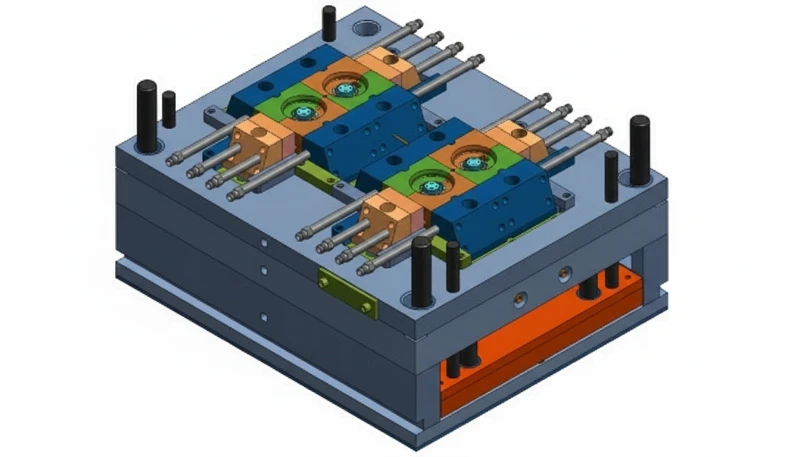
¿Qué tecnologías avanzadas mejoran la durabilidad del molde?
Las tecnologías más eficaces para prolongar la durabilidad del molde son los sensores de presión en cavidad, el control de temperatura y los recubrimientos superficiales. Los datos de presión y temperatura del interior de la cavidad muestran exactamente qué ocurre en cada inyección. Si la presión de la cavidad aumenta ciclo tras ciclo, indica erosión del punto de inyección u obstrucción de la ventilación antes de que las piezas muestren defectos visibles. Los sensores de temperatura detectan el deterioro del circuito de enfriamiento. Los sistemas de sensores modernos cuestan entre 3,000 and 8,000 dollars por molde y suelen amortizarse durante la primera serie al evitar piezas defectuosas.
Los recubrimientos superficiales también transforman la vida útil del molde. Los recubrimientos por deposición física de vapor, como TiN (nitruro de titanio) y TiAlN, añaden una capa dura a las superficies de la cavidad que resiste ataques abrasivos y químicos. Aplicamos habitualmente TiN a moldes que procesan materiales con fibra de vidrio y observamos que la vida del punto de inyección aumenta entre un 200 y un 300 por ciento. Los recubrimientos DLC, carbono tipo diamante, proporcionan una barrera químicamente inerte para resinas corrosivas. El recubrimiento añade aproximadamente entre un 5 y un 15 por ciento al coste de fabricación del molde, pero puede duplicar o triplicar el intervalo entre reacondicionamientos del punto de inyección.
"Los recubrimientos2 PVD como TiN pueden prolongar la vida útil de la compuerta entre un 200 y un 300 por ciento con resinas abrasivas."True
El nitruro de titanio crea una capa superficial dura que resiste la erosión de los materiales reforzados con fibra de vidrio.
"Los sensores de molde solo benefician a las series de producción de gran volumen."False
Incluso en moldes de bajo volumen, los sensores detectan problemas como un enfriamiento desigual que provocan defectos en las piezas y aceleran el desgaste.
¿Cómo calcular la vida útil de un molde de inyección?
La vida útil del molde se calcula multiplicando un número de ciclos de referencia por factores de ajuste correspondientes a la abrasión, la corrosión y el mantenimiento. Para el acero P203 con polipropileno sin carga, la referencia es de 800.000 a 1.200.000 ciclos. El H13 parte de 1.200.000 a 2.000.000 de ciclos. Multiplíquelo por un factor de abrasión de 0,3 a 0,5 para un 30 % de fibra de vidrio o de 0,7 a 0,9 para resinas técnicas sin carga. Aplique un factor de corrosión de 0,4 a 0,6 para PVC o de 0,8 a 1,0 para materiales neutros. Incluya el mantenimiento: 0,5 si es deficiente, 0,8 si es normal y 1,2 si se aplica un mantenimiento preventivo riguroso.
Con 20+ años de experiencia en moldeo por inyección, 47 máquinas (90T-1850T) y fabricación interna de moldes, ZetarMold ha construido y mantenido miles de moldes. Nuestros ingenieros registran los recuentos reales de ciclos y los patrones de desgaste durante las series de producción, lo que aporta datos reales sobre la vida útil del molde más allá de las estimaciones teóricas.
Un molde H13 que procesa PA66 con 20 por ciento de fibra de vidrio y recibe un buen mantenimiento: el valor base de 1,500,000 multiplicado por el factor de abrasión 0.6 y por el factor de mantenimiento 1.2 da aproximadamente 1,080,000 ciclos. Es una cifra de planificación, no una garantía, pero proporciona a su equipo de programación una referencia concreta. El seguimiento del número de ciclos es innegociable. Todas las máquinas modernas registran automáticamente los ciclos. Incorpore esos datos a una hoja de cálculo junto con el registro de mantenimiento y tendrá un documento vivo que indica exactamente en qué punto de su ciclo de vida se encuentra cada molde.
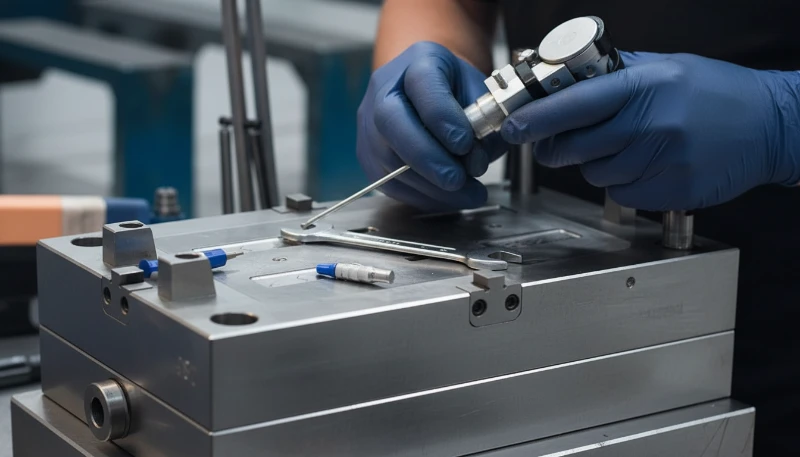
¿Cuándo debe reparar un molde de inyección y cuándo sustituirlo?
La regla es sencilla: repare cuando el arreglo cueste menos del 30 por ciento de un molde nuevo y restablezca al menos el 50 por ciento de la vida útil original. Sustituya cuando las reparaciones acumuladas superen el 60 por ciento del coste de un molde nuevo o aparezcan grietas estructurales en la base. Entre las reparaciones habituales que cumplen el umbral se encuentran el repulido, con un coste del 5 al 15 por ciento; la sustitución de expulsores desgastados, del 3 al 8 por ciento; y el remecanizado de insertos de compuerta, del 10 al 20 por ciento del coste de un molde nuevo. Varias reparaciones en la misma zona son una señal de alarma: el acero circundante está fatigado y el siguiente fallo llegará antes.
Tuvimos un molde para conectores de automoción que un cliente siguió reparando durante tres años: cuatro pasadores de núcleo nuevos, dos compuertas remecanizadas y un repulido completo. El total alcanzó el 85 por ciento del precio de un molde nuevo, pero seguía sin poder mantener la tolerancia requerida. Un molde nuevo con refrigeración optimizada realizó 1,500,000 ciclos en dos años únicamente con el mantenimiento programado, y el coste por ciclo bajó de 0.08 a 0.03 dólares. Los costes ocultos de las reparaciones repetidas —tiempo de inactividad, alteraciones de la planificación y validación de calidad— suelen justificar la sustitución antes que el cálculo puro de la reparación.
¿Cuáles son las mejores prácticas para almacenar moldes?
El almacenamiento adecuado del molde es esencial para conservar su vida útil entre series de producción. Antes de almacenarlo, retire todos los residuos de resina de las cavidades y los canales, purgue cada conducto de agua con aire comprimido a un mínimo de 90 psi y limpie todas las superficies de acero expuestas con aceite antioxidante. No omita los conductos de agua: hemos visto moldes devueltos del almacén con óxido interno que redujo la eficiencia de refrigeración en un 30 por ciento. Almacene los moldes en posición vertical sobre palés, nunca apilados. Añada bolsas desecantes y envuélvalos en papel VCI si van a permanecer almacenados más de un mes.
El entorno de almacenamiento debe mantener una temperatura de entre 15 y 25 grados Celsius y una humedad inferior al 50 por ciento. Etiquete cada molde con la fecha del último mantenimiento, el número acumulado de ciclos y la fecha de la próxima intervención programada. Antes de devolver un molde a producción, realice un calentamiento controlado de 20 a 30 minutos con una presión de cierre moderada. El choque térmico entre el almacenamiento en frío y la temperatura plena de producción puede agrietar insertos de cavidad ya fatigados por millones de ciclos. Compruebe el movimiento de los pasadores expulsores y verifique que los caudales del circuito de refrigeración coincidan con los valores de referencia documentados en la última serie de producción.
Preguntas frecuentes sobre la vida útil de los moldes de inyección
Preguntas frecuentes
¿Cuál es la vida útil media de un molde de inyección?
Un molde de inyección debe recibir mantenimiento diario de nivel uno incluyendo limpieza de línea de separación e inspección visual después de cada turno de producción sin excepción. El servicio de nivel dos incluyendo desmontaje completo y limpieza del cavidad debe realizarse cada 50,000 a 100,000 ciclos. Una renovación mayor a 250,000 a 500,000 ciclos cubre reemplazo de pin de expulsión, recorte de ventilación y desincrustación del circuito de refrigeración. Seguir este programa de tres niveles puede extender la vida del molde entre 40 y 60 por ciento comparado con mantenimiento reactivo que solo aborda problemas después de que ocurre una falla en la planta de producción.
¿Con qué frecuencia debe ser servido un molde de inyección?
No hay molde de inyección que dure indefinidamente. Cada ciclo somete el acero a estrés térmico, carga mecánica y exposición química que degrada gradualmente las superficies del cavidad, líneas de separación y componentes móviles con el tiempo. Incluso con mantenimiento perfecto, la fatiga acumulativa en la base del molde y la erosión de áreas de entrada eventualmente requerirán reconstrucción o reemplazo. Considere el mantenimiento como una extensión significativa de la vida, no como eliminación total del desgaste. La mayoría de los moldes de producción alcanzan su fin de vida útil entre 500,000 y 2,000,000 ciclos dependiendo del material del molde, tipo de resina y disciplina de mantenimiento aplicada durante la producción.
¿Un molde de inyección puede durar indefinidamente con un mantenimiento adecuado?
Ningún molde de inyección dura indefinidamente. Cada ciclo somete al acero a estrés térmico, carga mecánica y exposición química que degrada gradualmente las superficies de la cavidad, las líneas de partición y los componentes móviles. Incluso con un mantenimiento perfecto, la fatiga acumulada en la base del molde y la erosión de las áreas de entrada eventualmente requerirán reconstrucción o reemplazo. Considere el mantenimiento como una forma de prolongar significativamente la vida útil, no de eliminar el desgaste por completo. La mayoría de los moldes de producción alcanzan el fin de su vida útil entre 500,000 y 2,000,000 de disparos, dependiendo del material del molde, el tipo de resina y la disciplina de mantenimiento aplicada.
¿Cuál es la causa más común de fallo prematuro de un molde de inyección?
El mantenimiento rutinario del molde normalmente cuesta entre 3 y 15 por ciento del costo de un nuevo molde por ciclo de servicio, mientras que una falla no planificada durante la producción puede costar entre 50 y 200 por ciento del valor del molde en tiempo perdido de máquina, piezas desechadas y cargos laborales de reparación de emergencia. Un programa de mantenimiento preventivo que cuesta 10,000 dólares por año en un molde de 100,000 dólares es mucho más económico que una sola parada no planificada que pierde 30,000 dólares o más en tiempo de producción, cargos de transporte urgente y gastos de mecanizado acelerados durante una situación de emergencia.
¿Cuánto cuesta el mantenimiento del molde comparado con su reemplazo?
El mantenimiento rutinario de moldes suele costar entre el 3 y el 15 por ciento del costo de un molde nuevo por ciclo de servicio, mientras que una falla no planificada durante la producción puede costar entre el 50 y el 200 por ciento del valor del molde en tiempo de máquina perdido, piezas descartadas y mano de obra de reparación de emergencia. Un programa de mantenimiento preventivo que cuesta 10,000 dólares al año en un molde de 100,000 dólares es mucho más económico que una sola parada no planificada que pierde 30,000 dólares o más en tiempo de producción, cargos de envío urgente y gastos de mecanizado acelerado durante una situación de reparación de emergencia.
¿La selección del material del molde afecta la calidad de la pieza durante la vida útil del molde?
Sí, el material del molde afecta directamente la calidad de la pieza conforme el molde avanza en su ciclo de vida de producción. Aceros más blandos como P20 desarrollan patrones de desgaste superficial que se transfieren a las piezas como variaciones de brillo y desviación dimensional después de 300,000 a 500,000 ciclos. Aceros endurecidos como H13 y S136 mantienen la fidelidad del cavidad mucho más tiempo, produciendo piezas consistentes por más de 1,000,000 ciclos. Para piezas ópticas o médicas donde el acabado superficial es crítico, comenzar con acero de molde más duro es esencial para mantener calidad y consistencia durante toda la corrida de producción.
¿Qué papel juega el mantenimiento del circuito de refrigeración en la vida del molde de inyección?
El mantenimiento del circuito de refrigeración es crítico porque la acumulación de incrustaciones y la corrosión dentro de las líneas de agua reducen la eficiencia de transferencia térmica, obligando a tiempos de ciclo más largos y aumentando el estrés térmico en el acero del molde durante todo el ciclo de vida de producción. Desincruste los circuitos de refrigeración cada 100,000 ciclos usando un limpiador químico circulante para mantener tasas de flujo y rendimiento de refrigeración óptimos. Las líneas de refrigeración descuidadas pueden reducir la transferencia térmica hasta 30 por ciento, elevando las temperaturas de superficie del cavidad y acelerando la fatiga térmica por craqueo que reduce significativamente la vida útil total del molde durante múltiples corridas de producción.
¿Cómo puede maximizar su inversión en moldes de inyección?
La inversión en el molde se maximiza mediante cuatro disciplinas: selección de materiales, mantenimiento preventivo, adopción de tecnología y almacenamiento adecuado. Un molde H13 bien mantenido que procese una resina de abrasión moderada puede superar 1.000.000 de ciclos, mientras que el mismo molde descuidado podría fallar tras una cuarta parte. Empiece con el acero correcto, adopte un programa de mantenimiento de tres niveles, invierta en sensores y recubrimientos cuando resulte rentable y siga procedimientos de almacenamiento adecuados. Consulte nuestra guía de selección de proveedores para obtener más orientación al elegir un socio de fabricación.
¿Está listo para maximizar la vida útil de sus moldes de inyección? Contacte a ZetarMold hoy para discutir su próximo proyecto de molde. Con 20 años de experiencia, fabricación interna de moldes y 47 máquinas de 90 a 1,850 toneladas, tenemos la experiencia y el equipo para construir moldes duraderos. Obtenga una cotización y permítanos mostrarle la diferencia que hace la ingeniería de moldes disciplinada.
Acero para herramientas H13: el H13 es un acero para trabajo en caliente que conserva la dureza a temperaturas elevadas, normalmente entre 44 y 52 HRC, por lo que es la opción preferida para moldes que procesan resinas abrasivas o a alta temperatura en entornos de producción exigentes. ↩
Recubrimientos PVD: la deposición física de vapor es un proceso que deposita películas finas y duras, como nitruro de titanio, sobre las superficies del molde para mejorar drásticamente la resistencia al desgaste abrasivo y químico causado por resinas cargadas y corrosivas. ↩
Acero P20: el P20 es un acero para moldes preendurecido con una dureza aproximada de 30 a 36 HRC. Se utiliza ampliamente en moldes de inyección de volumen medio con resinas sin carga o ligeramente cargadas por su buena mecanizabilidad y facilidad de pulido. ↩