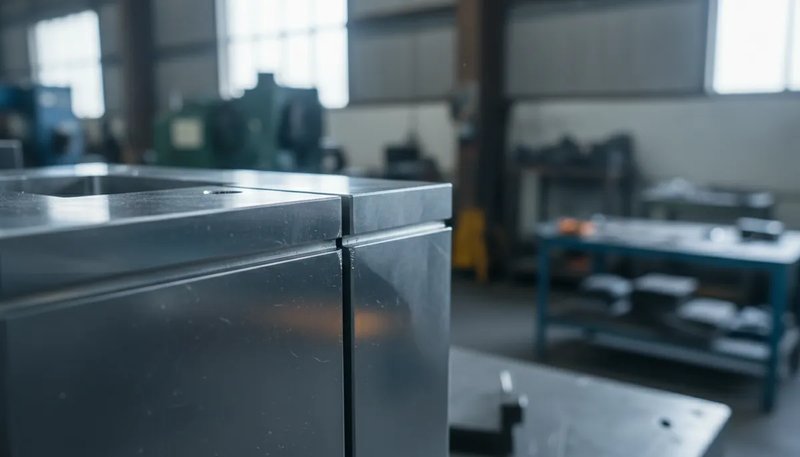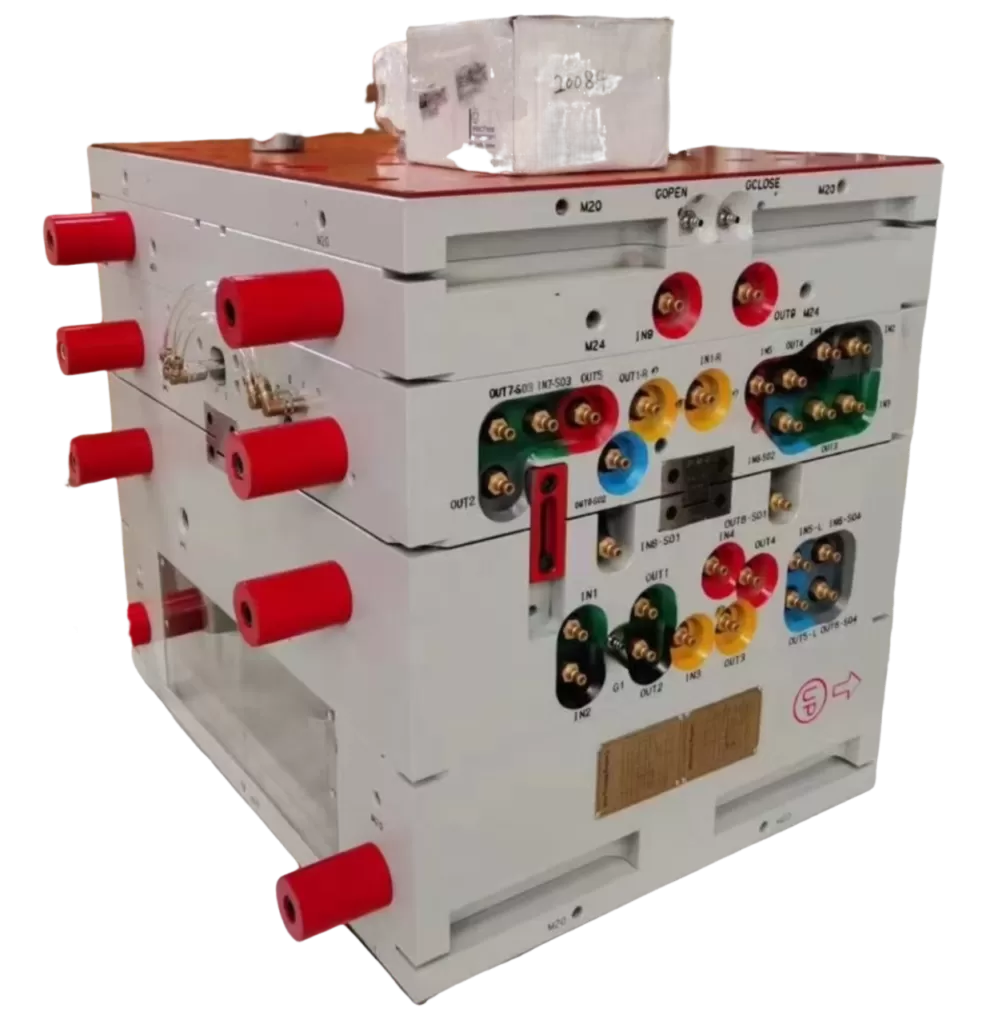
Um molde de injeção é fabricado revendo o design da peça, selecionando o aço, projetando a estrutura, maquinando cavidade e macho, acabando a superfície, montando a ferramenta e validando-a num ensaio. Para compreender o processo, consulte o nosso guia do processo de moldagem por injeção, o guia completo de moldes de injeção e o guia para selecionar fornecedores antes de comparar orçamento, custo, prazo e capacidade.
- O fabrico do molde começa com a DFM, a seleção do aço e o projeto do molde, antes de qualquer corte do aço.
- A maquinação CNC, a EDM, o polimento, a montagem e o ensaio T1 exigem verificações de qualidade distintas.
- Antes de aprovarem o envio, os compradores devem solicitar provas de DFM, especificação do aço, relatório de ensaio e dados FAI.
- O preço mais baixo das ferramentas nem sempre corresponde ao custo mais baixo do projeto se as correções do molde forem identificadas tardiamente.
O que acontece antes de ser feito um único corte na fabricação do molde?
O trabalho anterior à maquinação inclui a revisão DFM, o design da estrutura, o planeamento do aço, a simulação e a preparação antes do corte. O fabrico começa com uma revisão crítica: analisar a peça, selecionar o tipo de molde e o aço, simular o escoamento e produzir dados 3D detalhados. Na nossa fábrica, esta fase ocupa cerca de 20–30% do prazo total e é o investimento mais importante.
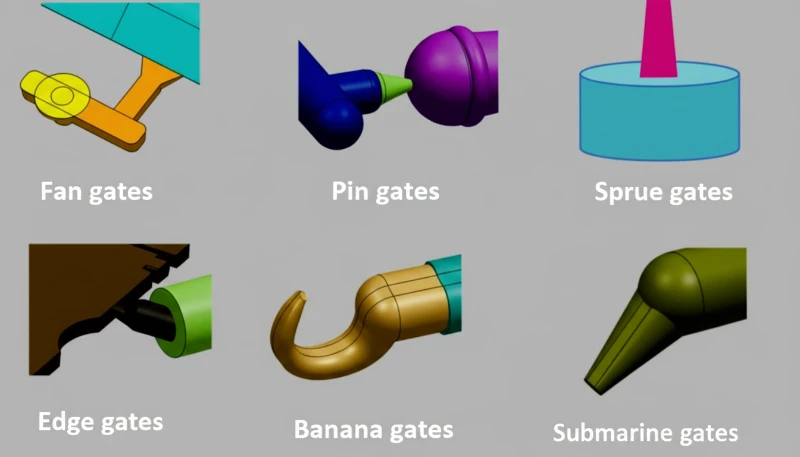
O ponto de partida é uma análise de Projeto para Manufaturabilidade (DFM) do modelo 3D da peça do cliente. Verificamos a espessura mínima da parede (nossa regra: mínimo de 1,0 mm para a maioria das resinas), a uniformidade da espessura para evitar empenamento e marcas de afundamento, ângulos de saída adequados (mínimo de 1°–3°), rebaixos que exijam gavetas ou levantadores e locais de injeção que preencham a peça sem linhas de solda em áreas críticas.
Após a aprovação da DFM, os nossos projetistas de moldes utilizam software CAD (normalmente CATIA ou Solidworks com módulos especializados de projeto de moldes) para criar o conjunto completo: insertos de cavidade e macho, base do molde, sistema de canais, configuração dos canais de refrigeração, sistema de ejeção e quaisquer componentes de ação lateral. Este pacote de projeto contém normalmente 200–600 páginas de desenhos de engenharia e ficheiros de dados 3D.
Como melhora a análise de fluxo o projeto do molde?
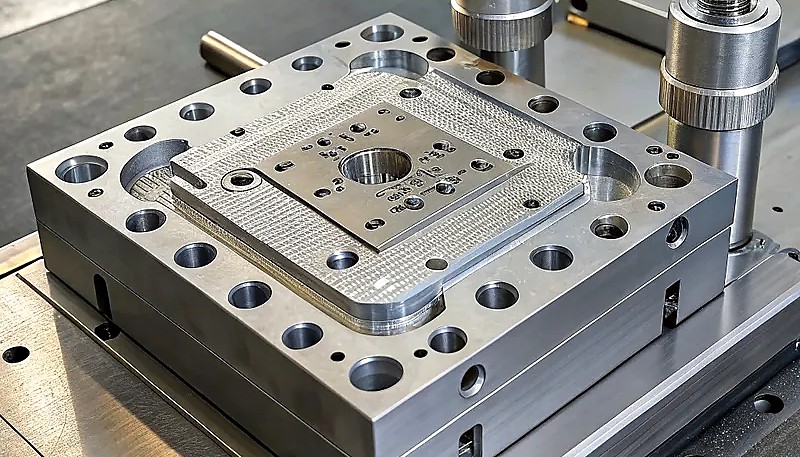
A análise de escoamento do molde3 é uma simulação que prevê enchimento, pressão, arrefecimento, linhas de soldadura, bolsas de ar, rechupes e empeno antes da maquinação. Simular enchimento, compactação e arrefecimento permite corrigir defeitos antes de exigirem alterações dispendiosas no aço. Fazemos esta análise em todos os moldes de produção; é obrigatória.
A simulação resolve as equações acopladas de dinâmica dos fluidos e transferência de calor para a resina específica, a geometria da peça, a posição proposta do ponto de injeção e a configuração dos canais de resfriamento. Os resultados incluem mapas do tempo de preenchimento que mostram o avanço da frente de material fundido, a distribuição de pressão ao fim do preenchimento, mapas de temperatura que identificam pontos quentes no ferramental, posições das linhas de solda e o empenamento previsto após a extração e o resfriamento.
Já vimos a análise de fluxo do molde economizar $20.000–$80.000 por projeto ao identificar problemas antes da usinagem. Um exemplo comum: um cliente propõe um único ponto de injeção central para uma peça retangular de 400×300 mm. A simulação revela que o preenchimento por um único ponto cria linhas de solda sobre dois recursos funcionais de encaixe. Reformulamos o projeto com um sistema de câmara quente de dois pontos de injeção — acrescentando $3.000 ao custo do molde, mas eliminando o que seriam $15.000 em modificações dos pontos e semanas de atraso depois que o molde já estivesse construído.
"“A simulação do fluxo no molde pode prever o empeno com uma precisão de 10–15%, o que a torna uma ferramenta fiável de validação antes do fabrico.”"True
O software moderno de simulação (Moldflow, Moldex3D) prevê empeno, equilíbrio de enchimento e risco de marcas de afundamento com uma precisão de 10–15% quando recebe dados reológicos exatos do material. Esta precisão é suficiente para tomar decisões de projeto válidas e evitar a maioria das modificações das ferramentas após a construção.
"“Os fabricantes de moldes experientes não precisam de simulação — a sua experiência é suficiente para conceber um bom molde.”"False
Nem mesmo profissionais com 30 anos de experiência conseguem visualizar a dinâmica tridimensional do fluxo de polímeros com gradientes térmicos em moldes multicavidade complexos. O software de simulação processa milhares de variáveis simultaneamente. Em nossa fábrica, vimos repetidamente projetos intuitivos de mestres fabricantes de moldes falharem na validação por simulação — a simulação não é opcional nos padrões modernos de qualidade.
Qual aço é usado e como ele é preparado para usinagem?
O aço do molde é escolhido pelo volume, comportamento da resina, acabamento, corrosão, vida útil e tratamento térmico. P20, H13, S136 e NAK80 são os graus mais comuns; o fornecedor corta os blocos, alivia tensões e inspeciona-os antes da maquinação. Aprendemos que poupar no aço é um erro: inclusões ou tensões internas podem causar fissuras catastróficas durante a EDM.
Para uma base de molde P20 típica, recebemos dos nossos fornecedores de aço certificados blocos pré-endurecidos a 28–32 HRC, já cortados com uma margem de 5–10 mm em relação às dimensões finais. Antes de iniciar qualquer maquinação, realizamos ensaios ultrassónicos nos blocos com espessura superior a 80 mm para verificar vazios internos ou segregação — defeitos que só aparecem quando uma cavidade é maquinada e submetida a carga na produção.
Nos moldes de H13 e S136 que serão endurecidos após o desbaste, cortamos inicialmente todas as características deixando 0,3–0,5 mm de sobremetal em todas as superfícies, enviamos o bloco para tratamento térmico (endurecimento a 50–54 HRC no H13 e 48–52 HRC no S136) e, em seguida, efetuamos a maquinação de acabamento até às dimensões finais. Esta sequência é crítica: não se pode endurecer depois do acabamento — a deformação térmica causada pela têmpera destruiria a precisão obtida ao longo de dezenas de horas.
| Grau de aço | Dureza (HRC) | Vida útil em ciclos | Melhor aplicação |
|---|---|---|---|
| P20 (pré-endurecido) | 28–32 HRC | 300K–500K ciclos | Produção geral, ABS, PP, PE |
| H13 (tratado termicamente) | 44–48 HRC | 1M–2M ciclos | Alto volume, reforçado com fibra de vidro, PC |
| S136 (inoxidável) | 48–52 HRC | 1–3 milhões de injeções | Aplicações médicas e óticas, PVC, resinas corrosivas |
| NAK80 (pré-endurecido) | 37–43 HRC | 500K–800K ciclos | Peças transparentes de alto polimento |
| Alumínio 7075 | 150 Brinell | 5K–50K ciclos | Moldes protótipo, resposta rápida |
Como é utilizada a maquinação CNC para criar cavidades e machos de moldes?
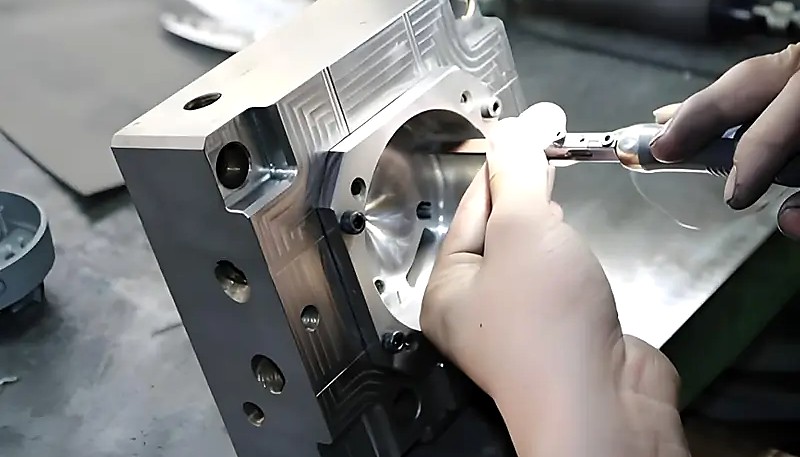
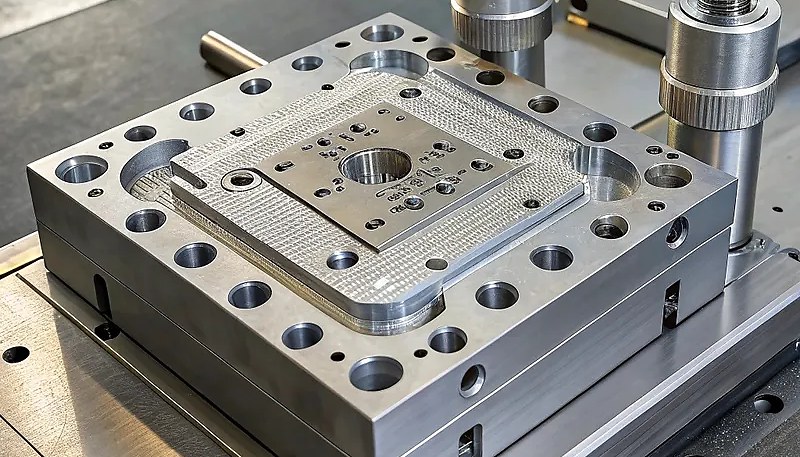
A maquinagem CNC é o principal processo de remoção de aço utilizado para cortar a geometria da cavidade, do macho, dos insertos e da base do molde a partir dos dados 3D do molde. A maquinagem CNC cria cavidades e machos do molde removendo material de blocos de aço com centros de fresagem multieixos equipados com ferramentas de metal duro, seguindo os dados do projeto 3D do molde em várias operações sequenciais, desde o desbaste até às passagens de semiacabamento e acabamento fino. Na nossa fábrica, a maquinagem CNC representa 40–60% do tempo total de fabrico do molde e exige a programação e a preparação mais especializadas.
A maquinação de um bloco de cavidade decorre em três fases. O desbaste usa fresas de 20–32 mm e avanços elevados para remover a maior parte do material, deixando 0.5–1.0 mm de sobremetal. Utilizamos trajetórias de alta velocidade que mantêm uma carga de apara constante, protegendo o fuso e prolongando a vida da ferramenta.
O semiacabamento reduz o sobremetal para 0.1–0.2 mm com fresas de 8–16 mm e avanços moderados, refinando a superfície e reduzindo o trabalho restante. Esta etapa estabelece superfícies de referência precisas para as trajetórias de acabamento.
O acabamento usa fresas esféricas de apenas 0.5–1.0 mm, a 20,000–40,000 RPM e passos laterais de 0.05–0.1 mm, para obter rugosidade Ra 0.4–0.8 µm antes do polimento. Numa cavidade complexa do lado A com 300×250 mm, só o acabamento pode exigir 16–40 horas de CNC.
Na nossa fábrica, os nossos engenheiros analisam DFM, seleção do aço, configuração CNC, elementos EDM, requisitos de polimento e inspeção T1 como um fluxo integrado de fabrico de moldes. Com mais de 20 anos de experiência em moldes, 47 máquinas de moldação por injeção, capacidade interna para fabricar 100+ conjuntos de moldes por mês e 8 engenheiros seniores, tratamos o fabrico de moldes como um processo de produção controlado e não como uma única operação de maquinação.
Que papel desempenha a EDM na fabricação de moldes?
A EDM é o processo de eletroerosão utilizado para cantos vivos, nervuras profundas, ranhuras estreitas, texto e detalhes do molde aos quais as fresas não conseguem chegar. A EDM (maquinação por descarga elétrica) cria cantos internos vivos, nervuras profundas, gravações de texto finas e geometrias complexas que a fresagem CNC não consegue alcançar — ao erodir o metal com faíscas elétricas controladas entre um elétrodo e a peça de aço, sem contacto mecânico. Utilizamos EDM em 60–80% dos nossos moldes de produção, sobretudo para detalhes como bases de nervuras vivas com raio inferior a 0.3 mm e ranhuras profundas com relações de aspeto superiores a 5:1.
Existem dois processos EDM principais. A EDM por penetração usa um elétrodo de grafite ou cobre que corrói o aço e cria a sua imagem negativa. Maquinamos elétrodos em CNC dedicado e programamos condições de desbaste e acabamento para obter a qualidade final. São habituais tolerâncias de ±0.005 mm.
A EDM por fio usa um fio de latão em movimento contínuo, com 0.1–0.3 mm de diâmetro, para cortar perfis 2D precisos em toda a espessura. Utilizamo-la em furos de pinos e machos e em ranhuras passantes de precisão que exigiriam várias preparações CNC.
A principal limitação da EDM é a velocidade — ela é 5–10 vezes mais lenta do que o fresamento CNC na remoção de material. Sempre usinamos o máximo possível com CNC e reservamos a EDM para características que realmente a exijam. O uso estratégico da EDM é uma das principais competências que distinguem ferramentarias eficientes das lentas.
"“A combinação sequencial de CNC e EDM produz moldes com tolerâncias mais apertadas do que qualquer um dos processos isoladamente.”"True
O desbaste e o semiacabamento CNC removem material com eficiência até 0.1 mm das dimensões finais; em seguida, a EDM dá acabamento às características críticas com ±0.005 mm. Os dois processos se complementam: o CNC proporciona velocidade e capacidade para superfícies 3D, enquanto a EDM proporciona precisão extrema e geometria com cantos vivos.
"“A Wire EDM deve ser utilizada em todas as características do molde porque é o método de maquinagem mais preciso.”"False
A eletroerosão por fio limita-se a cortes passantes — não consegue produzir bolsas cegas, superfícies 3D curvas ou elementos que não atravessem totalmente a peça. A fresagem CNC trabalha superfícies 3D, enquanto a eletroerosão por penetração executa elementos cegos aos quais a CNC não consegue chegar. Os melhores moldes utilizam cada processo naquilo que este faz melhor.
Como é feito o acabamento e o polimento da superfície do molde?
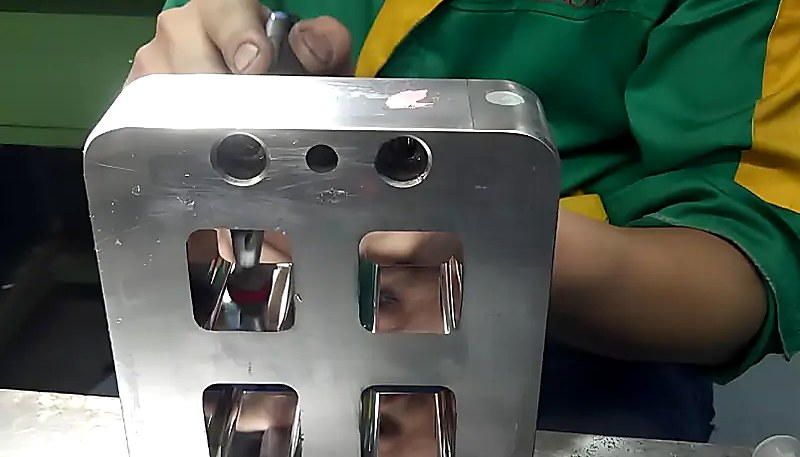
O acabamento da superfície do molde é o processo de retificação, polimento ou texturização que controla o aspeto da peça, o comportamento na desmoldação e a qualidade superficial. O acabamento da superfície do molde evolui da retificação com pedra para compostos de polimento diamantados progressivamente mais finos, até se obterem superfícies espelhadas para aplicações óticas e visuais, ou acabamentos texturados específicos (VDI/Mold-Tech) para peças funcionais. O polimento é a etapa individual que exige mais mão de obra no fabrico de moldes — e a mais difícil de automatizar. Na nossa fábrica, a equipa de polimento é uma das mais especializadas; o polimento espelhado é uma competência que demora anos a dominar.
A sequência de polimento começa com pedras abrasivas (grão 600 → grão 800) para remover a camada refundida por EDM e as marcas das ferramentas de usinagem. Depois, avançamos pelas pastas diamantadas: 6 µm → 3 µm → 1 µm → 0,25 µm para o padrão SPI B-2 (polimento comercial); para obter o acabamento espelhado SPI A-1, continuamos com diamante de 0,1 µm e composto de polimento de óxido de 50 nm.
Para superfícies texturadas (normas SPI C ou D, ou padrões de textura VDI específicos para acabamentos de toque semelhante à borracha), ignoramos o polimento fino e efetuamos antes um ataque químico ao aço após concluir toda a maquinagem. A profundidade da textura determina o ângulo de desmoldagem adicional necessário: cada 0.025 mm de profundidade de textura requer mais 1° de ângulo de desmoldagem por lado. Asseguramos a aprovação dos ângulos de desmoldagem antes de aplicar qualquer textura — remover uma textura de uma superfície já texturada exige um retrabalho significativo.
O que acontece durante o ensaio do molde e a inspeção da primeira peça?
O ensaio do molde é o primeiro teste de produção que verifica o enchimento, a extração, as dimensões, a qualidade superficial e as necessidades de correção antes da expedição do molde. O ensaio do molde (também designado “ensaio T1”) é o primeiro teste de produção do molde acabado — este é utilizado na máquina de injeção de destino com a resina especificada para avaliar o enchimento, a qualidade superficial, a precisão dimensional e a função de extração antes de o molde ser expedido para o cliente. Na nossa fábrica, os ensaios T1 são os dias mais intensos do processo de fabrico do molde; cada defeito detetado é uma oportunidade de melhoria antes de o molde chegar às instalações do cliente.
Antes da primeira injeção, secamos a resina especificada conforme os requisitos do fabricante, definimos os parâmetros iniciais com base nas fichas técnicas do material — temperatura do material fundido, temperatura do molde, velocidade de injeção e tempo de resfriamento — e instalamos o molde, verificando os grampos de fixação conforme a especificação da placa da máquina. Executamos as primeiras injeções em baixa velocidade e monitoramos o preenchimento ciclo a ciclo, aumentando gradualmente a velocidade até a peça atingir 95% de preenchimento; depois, ajustamos a pressão de manutenção para concluir o recalque.
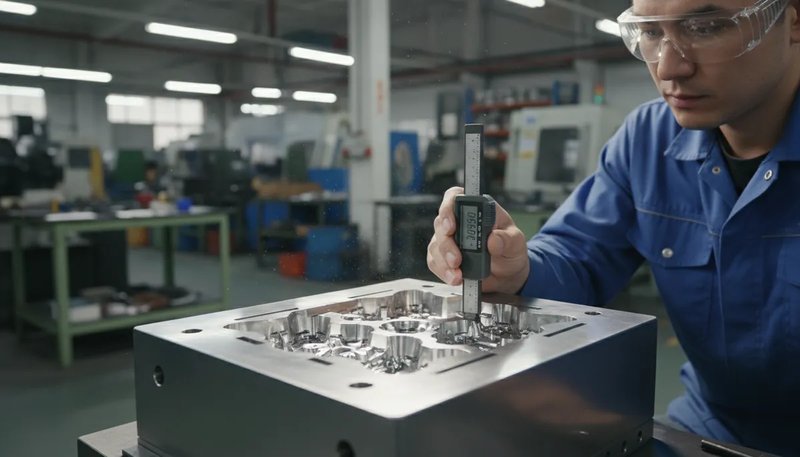
A Inspeção do Primeiro Artigo (FAI) documenta que todas as dimensões do desenho do cliente estão dentro da tolerância. Utilizamos uma CMM (máquina de medição por coordenadas) para todas as dimensões críticas, indicando o valor real face ao nominal em cada ponto de medição. Os relatórios FAI típicos para peças automóveis ou médicas contêm 50–200 dimensões medidas, com tolerâncias tão apertadas como ±0.01 mm para características críticas.
Após a T1, a maioria dos moldes exige pequenas correções: ajustar o tamanho do ponto de injeção para equilibrar o enchimento, adicionar ranhuras de ventilação onde as bolsas de ar causam enchimentos incompletos, polir marcas de contacto ou efetuar correções dimensionais com margem de aço. Incorporamos margens de segurança em aço nas características críticas, para que a remoção controlada de aço possa corrigir os desvios medidos após a inspeção do primeiro artigo.
O que devem os compradores verificar antes de aprovar um molde?
A lista de aprovação do comprador inclui evidências DFM, classe do aço, projeto do molde, registos de maquinagem, amostras T1, dados FAI e correções pendentes. Antes de aprovar o envio do molde, o comprador deve verificar a revisão DFM, a classe do aço, o projeto da cavidade e do núcleo, o plano CNC e EDM, a norma de polimento, as amostras do ensaio T1, o relatório FAI e a lista de correções. Estes registos demonstram se o fornecedor controlou o fabrico do molde ou apenas reagiu após surgirem defeitos.
Perguntas mais frequentes
Quanto tempo é necessário para fazer um molde de injeção?
Um molde simples para protótipo ou de uma cavidade pode demorar cerca de 2 a 5 semanas, enquanto um molde de produção complexo com corrediças, levantadores ou configurações multicavidade exige normalmente 8 a 12 semanas. Os fatores que mais influenciam o prazo são as horas de maquinação CNC (especialmente para aço endurecido), o fabrico de elétrodos de EDM, o prazo do tratamento térmico e o polimento da superfície. Nas nossas instalações em Xangai, operamos uma linha interna de fabrico de moldes com capacidade para 100+ conjuntos de moldes por mês, o que ajuda a reduzir os prazos em comparação com ferramentarias subcontratadas. Os compradores devem sempre confirmar o prazo durante a fase de revisão DFM.
Qual é a primeira etapa do fabrico de um molde de injeção?
O primeiro passo é uma análise do design para fabrico (DFM), não a maquinagem. Antes de cortar qualquer aço, os engenheiros verificam a espessura de parede, o ângulo de saída, as nervuras, as bossagens, as contrasaídas, a localização dos pontos de injeção e o fluxo do material. Esta análise deteta problemas como contrasaídas impossíveis de maquinar ou espessuras de parede irregulares que provocariam rechupes durante a produção. Ignorar o DFM é o erro mais dispendioso no fabrico de moldes — os problemas encontrados após a maquinagem custam 5 a 10 vezes mais a corrigir. Uma análise DFM rigorosa demora normalmente 3 a 5 dias úteis, consoante a complexidade da peça. Esta verificação deve ser documentada antes da aprovação do envio do molde.
Porque são utilizadas tanto a maquinação CNC como a EDM no fabrico de moldes?
A maquinação CNC remove rapidamente a maior parte do aço e cria, com elevada precisão, a geometria principal da cavidade, do núcleo e da base do molde. A EDM é reservada para elementos que a CNC não consegue alcançar — cantos internos agudos, nervuras profundas e estreitas, gravações de texto finas e geometrias complexas com contrassaídas. A utilização conjunta dos dois processos produz o melhor resultado: CNC para a remoção da maior parte do material e para a forma geral, EDM para detalhes e elementos de precisão que partiriam uma ferramenta de corte. Na prática, um molde típico utiliza cerca de 70 por cento de CNC e 30 por cento de EDM em termos de tempo de maquinação. Esta verificação deve ser documentada antes da aprovação da expedição do molde.
Como escolhem os fabricantes de moldes o aço do molde?
O aço do molde é escolhido com base no volume de produção, na abrasividade da resina, no risco de corrosão, nos requisitos de acabamento da superfície, na vida útil prevista do molde e nas limitações orçamentais. Para séries de baixo volume, inferiores a 100,000 ciclos, o aço P20 pré-endurecido oferece boa maquinabilidade e um custo global inferior. Para produção de grandes volumes, acima de 500,000 ciclos, o H13 ou S136 endurecido proporciona uma resistência superior ao desgaste e pode ser polido até obter um acabamento espelhado de qualidade ótica para peças transparentes. Os aços inoxidáveis, como o S136, são fortemente recomendados na moldação de resinas corrosivas, como PVC ou compostos ignífugos. Esta verificação deve ser documentada antes da aprovação da expedição do molde.
O que acontece durante o primeiro ensaio do molde?
O primeiro ensaio do molde, normalmente designado T1, é o momento da verdade — testa se o molde acabado consegue produzir peças aceitáveis numa máquina real de moldação por injeção. A equipa define os parâmetros iniciais do processo, executa 20 a 50 injeções e avalia o padrão de enchimento, as dimensões, a qualidade estética e as rebarbas. A maioria dos moldes exige pequenas correções após o T1, como ajustar o tamanho do ponto de injeção para equilibrar o enchimento, acrescentar ranhuras de ventilação ou ajustar o arrefecimento. Um relatório detalhado de inspeção da primeira peça (FAI) documenta todas as dimensões face às tolerâncias do desenho do cliente. Esta verificação deve ser documentada antes de aprovar a expedição do molde.
Pode a ZetarMold ajudar a rever um projeto de molde de injeção antes de maquinar o aço?
Sim. A ZetarMold disponibiliza uma análise gratuita da moldabilidade dos projetos de moldes de injeção antes do corte do aço. Pode enviar ficheiros 3D (STEP ou IGES), desenhos 2D com tolerâncias, requisitos da resina, especificações estéticas da superfície, volume anual e quaisquer requisitos especiais. A nossa equipa de engenharia analisará o projeto, identificará potenciais problemas de fabrico e apresentará recomendações sobre a seleção do aço, a localização dos ataques e a vida útil prevista da ferramenta. Com 20+ anos de experiência em moldação por injeção e fabrico de ferramentas na nossa fábrica de Shanghai, podemos ajudá-lo a evitar antecipadamente erros de projeto dispendiosos. Esta verificação deve ser documentada antes da aprovação da expedição do molde.
Resumo: como é fabricado um molde de injeção?
Um molde de injeção é fabricado através de uma sequência controlada: análise DFM, conceção do molde, preparação do aço, maquinação CNC, EDM, polimento, montagem, ensaio T1, correção e inspeção da primeira peça. Os melhores fornecedores de moldes conseguem explicar cada etapa, apresentar provas de cada decisão relativa ao ponto de injeção, ao aço, à maquinação e à inspeção, e relacionar essas escolhas com a qualidade da produção e o custo total do projeto.
Solicite uma proposta gratuita → Envie o seu ficheiro 3D, desenho, resina pretendida, volume anual e requisitos estéticos. A ZetarMold analisará a viabilidade de fabrico, o risco do fabrico do molde, o prazo de entrega do molde e os pressupostos de produção antes de apresentar a proposta final.
EDM: maquinação por descarga elétrica que remove aço com faíscas controladas para criar cantos internos vivos, nervuras, ranhuras e detalhes finos. ↩
Revisão DFM: revisão do design para fabrico que verifica se a peça pode ser moldada antes de cortar o aço da ferramenta. ↩
Análise de escoamento do molde: simulação computacional que prevê enchimento, linhas de soldadura, pressão, arrefecimento, risco de rechupes e empeno antes da maquinação. ↩