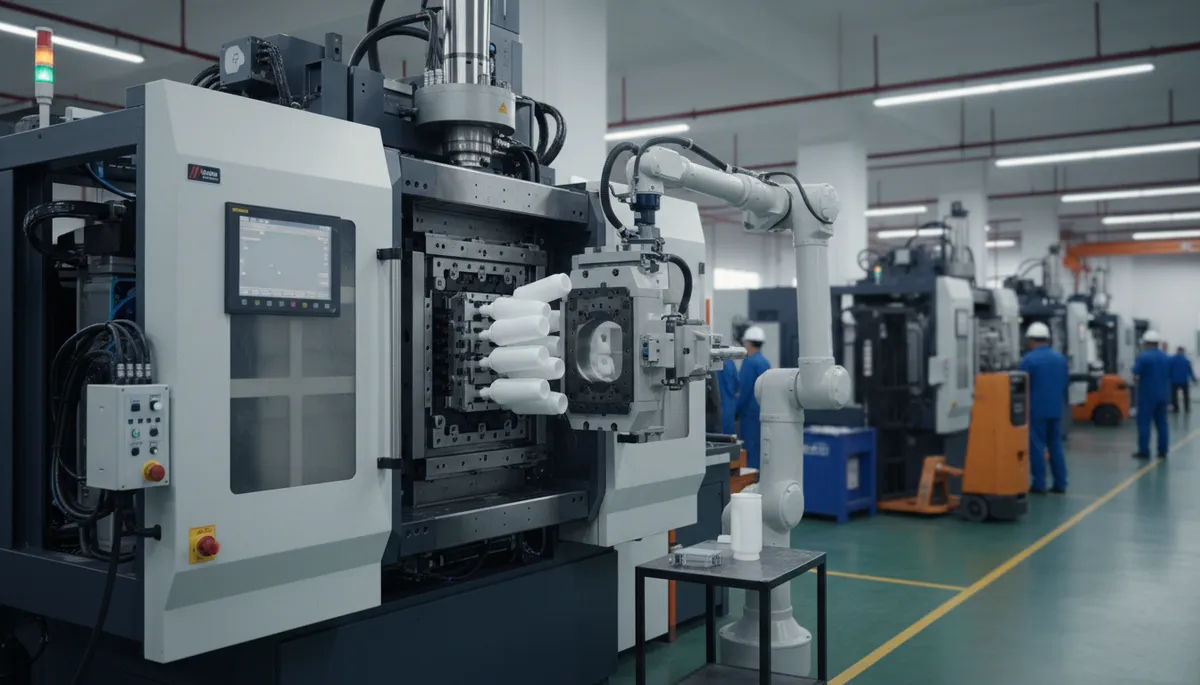
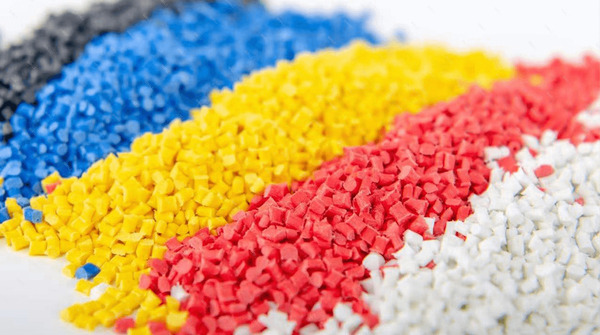
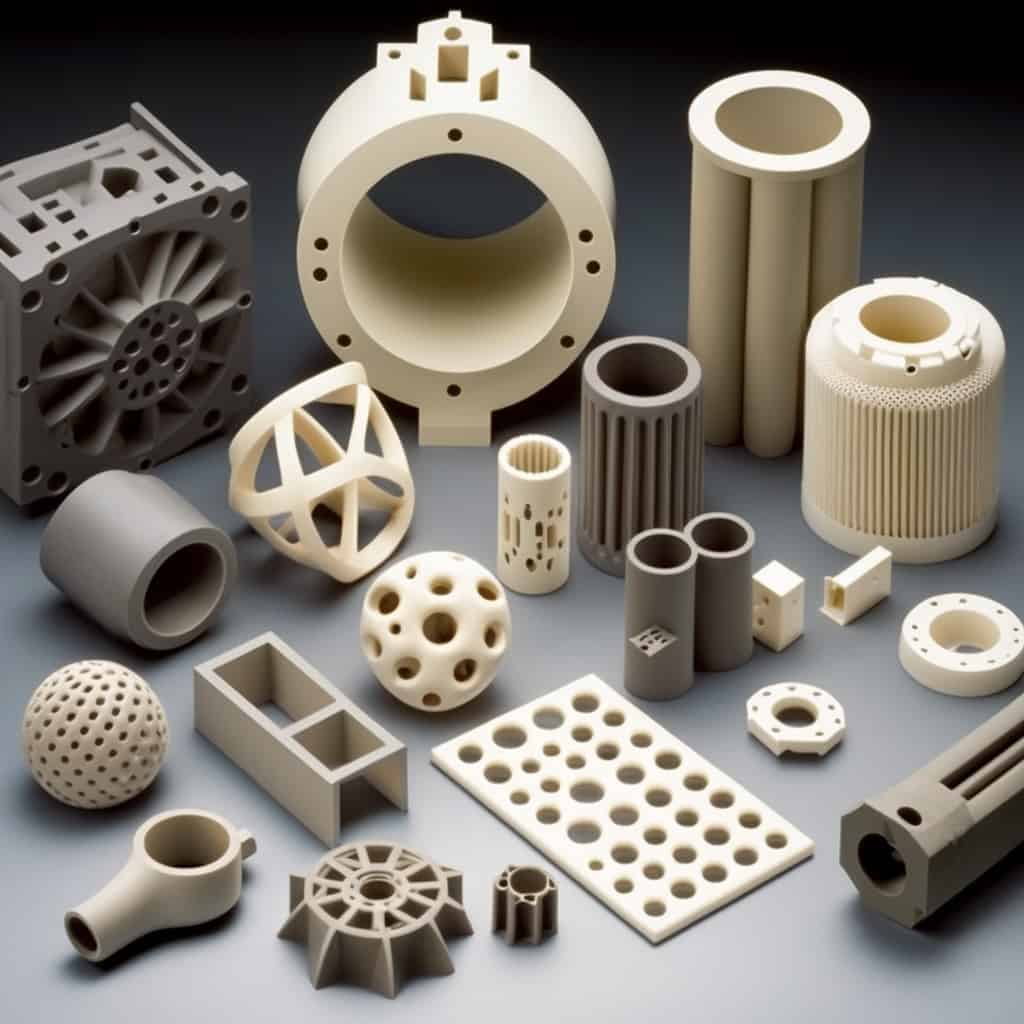
Depois de processarmos milhões de libras de plástico nas nossas 47 máquinas de moldagem por injeção ao longo das últimas duas décadas, vi o plástico reciclado evoluir de uma curiosidade de nicho para uma realidade comum na indústria transformadora. A questão não é se os plásticos reciclados funcionam na moldagem por injeção — funcionam, sem dúvida. As verdadeiras questões são quando utilizá-los, como processá-los corretamente e que compromissos isso implica. Permita-me partilhar o que aprendemos ao processar desde garrafas de rPET1 até componentes automóveis de rHDPE2 nas nossas máquinas de 90T a 1850T.
- Os plásticos reciclados mostram tipicamente uma redução de 5-15% nas propriedades mecânicas por ciclo de reciclagem, mas mantêm-se adequados para a maioria das aplicações não estruturais
- O controlo da humidade torna-se crítico — o rPET exige um teor de humidade <0.02% e secagem durante 4-6 horas a 80-120°C para evitar a hidrólise
- Os custos dos materiais são 15-30% mais baixos do que os plásticos virgens, mas o processamento exige parâmetros ajustados e um controlo de qualidade mais rigoroso
- O rHDPE e o rPP processam-se com maior fiabilidade, enquanto o rPET e o rABS exigem um controlo mais cuidadoso da temperatura e da secagem
- Modificações no design da peça, como aumento da espessura da parede (10-15%) e otimização da localização do ponto de injeção, ajudam a compensar as propriedades de fluxo reduzidas
O Que É a Moldagem por Injeção de Plástico Reciclado?
A moldagem por injeção de plástico reciclado é um processo que transforma resíduos plásticos em novas peças funcionais por meio da reciclagem mecânica. Se estiver a comparar fornecedores ou a planear compras, o nosso guia de seleção de fornecedores de moldagem por injeção aborda a preparação do pedido de cotação, a qualificação e a verificação dos riscos comerciais.
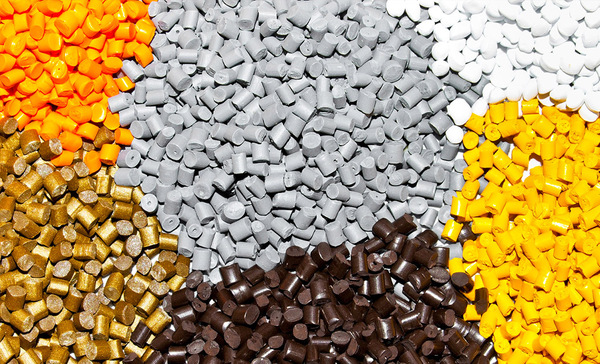
A moldagem por injeção de plástico reciclado utiliza resíduos plásticos pós-consumo ou pós-industriais como matéria-prima em vez de resina virgem. O processo transforma garrafas, recipientes e desperdícios industriais descartados novamente em peças plásticas funcionais através da reciclagem mecânica — fragmentando, lavando, fundindo e granulando os resíduos num novo material-prima.
Os quatro principais plásticos reciclados com que trabalhamos apresentam características distintas. O rPET provém sobretudo de garrafas de bebidas e recipientes de alimentos. Mantém uma boa transparência e propriedades de barreira, sendo adequado para aplicações de embalagem, embora seja higroscópico e exija uma secagem cuidadosa. Observamos normalmente uma resistência à tração de cerca de 45-50 MPa, em comparação com 55-60 MPa no PET virgem.
As fontes de rHDPE incluem garrafões de leite, frascos de detergente e tubos. Este material é processado extraordinariamente bem — segundo a nossa experiência, é quase indistinguível do material virgem. A resistência química continua excelente e raramente observamos uma redução superior a 5-8% na resistência ao impacto. O rPP3 comporta-se de forma semelhante e provém de peças automóveis, recipientes e têxteis. Ambos os materiais suportam melhor vários ciclos de reciclagem do que os plásticos de engenharia.
O rABS apresenta mais desafios. Proveniente de caixas de equipamentos eletrónicos, acabamentos automóveis e eletrodomésticos, é sensível à degradação térmica durante o reprocessamento. O material contém frequentemente retardadores de chama e corantes que dificultam a reciclagem. Verificámos que o rABS funciona melhor misturado com material virgem — normalmente, um teor reciclado de 30-50% mantém propriedades aceitáveis e reduz os custos.
Quais Plásticos Reciclados Funcionam Melhor para Moldagem por Injeção?
Os melhores plásticos reciclados utilizados para moldagem por injeção são o rHDPE e o rPP, que se processam quase de forma idêntica aos materiais virgens. Eis o que o nosso laboratório de testes mediu ao longo dos anos em mais de 400 materiais:
| Material Reciclado | Resistência à tração (MPa) | Resistência ao Impacto (J/m) | Temperatura de fusão (°C) | Aplicações típicas |
|---|---|---|---|---|
| PET reciclado (rPET) | 45-50 | 25-35 | 250-280 | Garrafas, recipientes, tabuleiros |
| HDPE reciclado (rHDPE) | 20-25 | 150-200 | 180-220 | Caixotes, componentes automóveis, tubos |
| PP reciclado (rPP) | 25-30 | 20-40 | 180-200 | Acabamentos automóveis, artigos para a casa |
| rABS | 35-40 | 100-150 | 200-240 | Eletrónicos, eletrodomésticos |
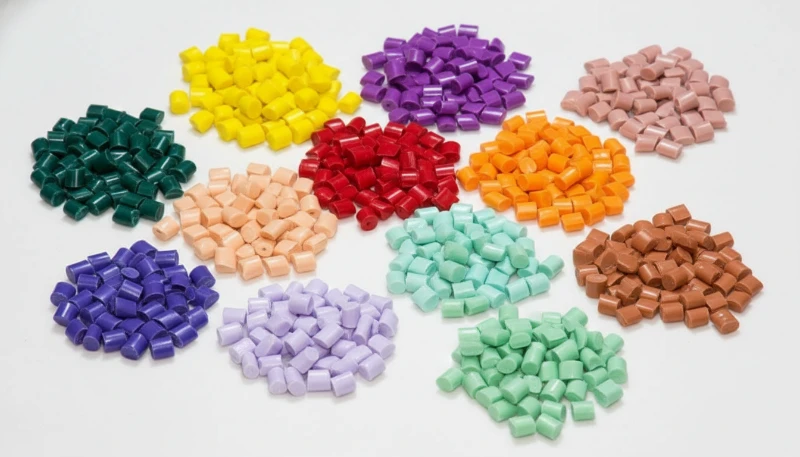
O rHDPE é, de forma consistente, o material que menos problemas nos causa. Flui de forma previsível, contrai uniformemente (cerca de 1.5-2.0%) e tolera melhor a contaminação do que outros plásticos. Moldámos com êxito desde caixas de armazenamento de 50 gramas até componentes automóveis de 2 quilogramas, sem grandes ajustes do processo.
"O HDPE reciclado é processado de forma quase idêntica ao HDPE virgem, com uma perda mínima de propriedades."True
O rHDPE mostra apenas uma redução de 5-8% na resistência ao impacto e flui de forma previsível, tornando-se um dos plásticos reciclados mais fáceis de trabalhar em ambientes de produção padrão.
"O PET reciclado requer o mesmo tempo de secagem que o PET virgem antes da moldagem por injeção."False
O PET reciclado requer 4-6 horas de secagem a 120°C, em comparação com 2-4 horas para o PET virgem, devido à maior absorção de humidade resultante da maior área superficial e das micro-fissuras no material reprocessado.
O rPET requer mais perícia, mas oferece excelente valor para aplicações de embalagem. A chave é a gestão da humidade — qualquer teor de água acima de 0,02% causa cisão da cadeia e cria acetaldeído, o que arruína aplicações de contacto alimentar. Operamos os nossos secadores desumidificadores a 120°C durante pelo menos 4-6 horas, verificando os níveis de humidade com o nosso titulador Karl Fischer.
Como Difere o Processo de Moldagem por Injeção de Plástico Reciclado?
A diferença fundamental é que a moldagem de plástico reciclado requer secagem mais prolongada e controlo de qualidade mais rigoroso do que o processamento de material virgem. O processo de reciclagem começa muito antes de o material chegar ao chão da nossa fábrica.
O processo de reciclagem passo a passo inclui seis etapas principais: (1) Triagem — a separação ótica e por densidade remove os contaminantes; (2) Trituração — reduz os resíduos a flocos de 8–12 mm; (3) Lavagem — a lavagem cáustica a quente remove adesivos e rótulos; (4) Granulação — a fusão e nova granulação homogeneízam o material; (5) Secagem — remoção crítica da humidade antes da moldagem; (6) Moldagem — processo de injeção convencional com ajustes dos parâmetros.
Aprendemos da forma mais difícil que os materiais reciclados necessitam de um tempo de residência no cilindro 15-20% superior. Apressar a fusão provoca uma homogeneização incompleta e linhas de união fracas. Atualmente, os nossos operadores utilizam velocidades do fuso 10-15% inferiores às aplicadas ao material virgem, sobretudo nas nossas máquinas maiores de 1200T+, nas quais a transferência de calor demora mais tempo.
Os parâmetros de processamento críticos exigem ajustes. O teor de humidade deve permanecer abaixo de 0.02% nos materiais higroscópicos — verificamos cada lote recebido com o nosso analisador de humidade. As temperaturas do fundido são normalmente 10-15°C superiores às do material virgem para assegurar a fusão completa de quaisquer cadeias degradadas. A velocidade do fuso é reduzida para 70-80% das definições do material virgem, a fim de evitar aquecimento excessivo por cisalhamento.
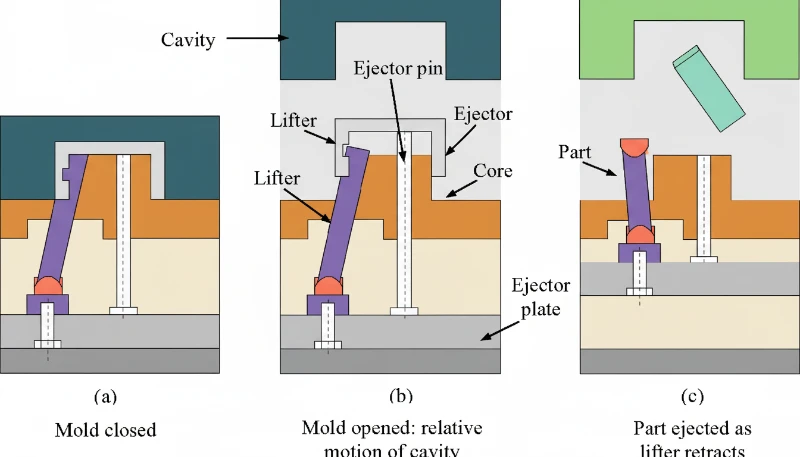
O controlo de qualidade torna-se mais intensivo. Testamos o índice de fluidez de cada lote — os materiais reciclados apresentam maior variabilidade entre lotes. O nosso laboratório realiza ensaios de tração e impacto semanalmente em vez de mensalmente. A correspondência de cor exige diferentes concentrações de masterbatch, uma vez que as resinas de base recicladas apresentam frequentemente ligeiras variações de cor.
Quais São as Propriedades Mecânicas dos Plásticos Reciclados vs Virgens?
Os plásticos reciclados conservam normalmente 85–95% das propriedades mecânicas do material virgem após um ciclo de reciclagem, sendo a resistência à tração a primeira a degradar-se. Cada ciclo subsequente reduz as propriedades em mais 5–10%, dependendo fortemente dos níveis de contaminação e do histórico de processamento. Os materiais reciclados de primeira geração (um único ciclo de processamento) conservam 85-95% das propriedades do material virgem.
A resistência à tração é normalmente a primeira propriedade a degradar-se. O rPET passa de 60 MPa, quando virgem, para 45-50 MPa após a primeira reciclagem. A resistência ao impacto segue padrões semelhantes — o rHDPE passa de 250 J/m, quando virgem, para 180-200 J/m depois de reciclado. O módulo de flexão aumenta muitas vezes ligeiramente devido ao encurtamento das cadeias poliméricas, tornando as peças mais frágeis, mas mais rígidas.
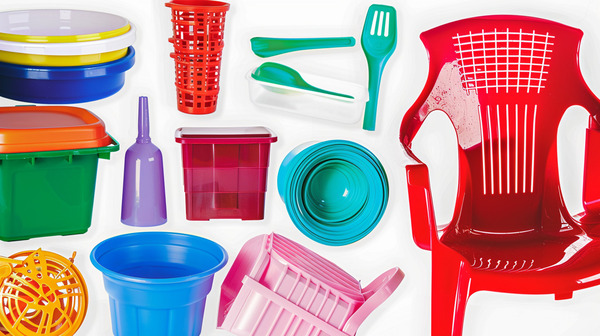
A boa notícia? A maioria das aplicações não necessita de propriedades equivalentes às do material virgem. Os recipientes de armazenamento, as peças automóveis não estruturais, as caixas para eletrónica e as aplicações de embalagem funcionam bem com materiais reciclados. Moldámos com êxito painéis de portas de automóveis, caixas de eletrodomésticos e recipientes industriais que cumprem todos os requisitos de desempenho utilizando conteúdo 100% reciclado.
As estratégias de mistura ajudam a otimizar o custo e o desempenho. Uma mistura de material virgem e reciclado na proporção de 70/30 conserva normalmente 95% das propriedades do material virgem, reduzindo simultaneamente os custos de material em 20-25%. Em aplicações críticas, utilizamos por vezes material reciclado nas zonas não sujeitas a esforços e mantemos plástico virgem nas zonas de elevada solicitação — por exemplo, rHDPE no corpo de um recipiente e HDPE virgem no gargalo roscado.
"A mistura de 30% de material reciclado com 70% de plástico virgem conserva normalmente 95% das propriedades mecânicas do material virgem."True
Uma mistura 70/30 de material virgem e reciclado é uma estratégia bem estabelecida que reduz os custos de material em 20-25%, mantendo níveis de desempenho adequados à maioria das aplicações comerciais e industriais.
"Os plásticos reciclados produzem sempre peças com um acabamento superficial visivelmente inferior ao dos materiais virgens."False
Com um processamento adequado, incluindo secagem suficiente, temperaturas do fundido ajustadas e velocidades de injeção otimizadas, os plásticos reciclados alcançam acabamentos superficiais praticamente indistinguíveis dos materiais virgens.
Porque é que o Controlo da Humidade é Mais Importante com Plásticos Reciclados?
O controlo da humidade é crítico nos plásticos reciclados, porque o reprocessamento cria microfissuras que absorvem muito mais água do que a resina virgem. Esta humidade absorvida provoca hidrólise durante a fusão — as cadeias de polímero quebram-se, criando pontos fracos e defeitos visíveis, como estrias prateadas.
O rPET apresenta o maior desafio. A cadeia principal de poliéster hidrolisa rapidamente acima de 200°C na presença de água. Mantemos a humidade abaixo de 0.02% — um valor comprovadamente inferior aos 0.04% aceitáveis para alguns tipos de material virgem. Os nossos secadores desumidificadores funcionam 24/7 a 120°C, com circulação de ar a um ponto de orvalho de -40°C.
Os tempos de secagem aumentam significativamente. O PET virgem necessita de 2-4 horas a 120°C, mas o PET reciclado exige um mínimo de 4-6 horas. Constatámos que a secagem durante a noite (8+ horas) proporciona os resultados mais consistentes. O rABS necessita de um tratamento semelhante — 3-4 horas a 80°C, comparativamente a 2-3 horas para o material virgem.
Até o rHDPE e o rPP, que não são higroscópicos, beneficiam de uma pré-secagem. A humidade superficial resultante da lavagem ou do armazenamento em ambientes húmidos pode causar vazios de vapor. Executamos um ciclo simples de 2 horas a 60°C para eliminar a humidade superficial, especialmente durante os verões húmidos de Xangai, quando a humidade ambiente atinge 80-90%.
Como Projetar Peças para Moldagem por Injeção de Plástico Reciclado?
O projeto de peças para materiais reciclados tem de acomodar propriedades de fluxo reduzidas e possíveis variações das propriedades. A espessura da parede aumenta normalmente 10-15% em comparação com projetos para material virgem. Enquanto poderíamos utilizar paredes de 1.5mm com rHDPE virgem, o material reciclado flui melhor com uma espessura de 1.7-1.8mm.
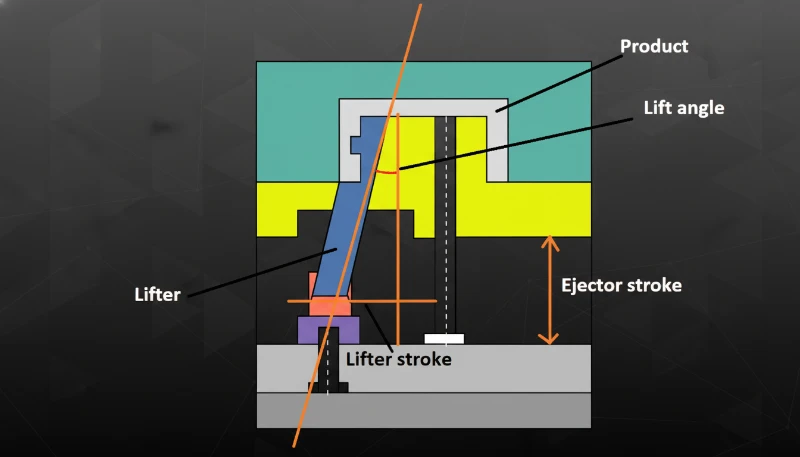
Os ângulos de desmoldação requerem atenção, pois os materiais reciclados apresentam frequentemente maior variação da contração. Acrescentamos 0.5° ao ângulo de desmoldação em elementos profundos e utilizamos um mínimo de 2° em vez de 1.5°. Isto evita a aderência durante a ejeção, o que é especialmente importante porque os materiais reciclados têm por vezes coeficientes de atrito superiores.
O projeto do ponto de injeção torna-se crítico devido às propriedades de escoamento reduzidas dos materiais reciclados. Utilizamos pontos de injeção maiores — normalmente 15-20% maiores do que os exigidos para material virgem. Os sistemas de canais quentes funcionam bem, pois eliminam o vestígio do ponto de injeção e reduzem a queda de pressão. Em moldes de injeção com canais frios, preferimos pontos laterais a pontos de injeção tipo pino para minimizar o aquecimento por cisalhamento.
As nervuras e os elementos estruturais necessitam de reforço. Em vez das nervuras com 0.6x a espessura da parede, comuns nos materiais virgens, projetamos nervuras com 0.7-0.8x a espessura da parede. Os cantos vivos recebem raios maiores — no mínimo 0.5mm em vez de 0.3mm — para evitar concentrações de tensões que possam propagar-se como fissuras no material reciclado, potencialmente mais frágil.
Que Normas de Qualidade se Aplicam a Peças de Plástico Reciclado?
As normas de qualidade aplicáveis às peças de plástico reciclado são as mesmas das peças de material virgem, acrescidas de ensaios adicionais ao nível do lote. A nossa certificação ISO 9001 abrange os materiais reciclados, mas acrescentámos procedimentos específicos para monitorizar a variação entre lotes que não eram necessários com resinas virgens.
A gestão ambiental ISO 14001 torna-se relevante quando os clientes pretendem avaliações do ciclo de vida. Monitorizamos o consumo de energia, a utilização de água e a produção de resíduos no processamento de materiais reciclados face a materiais virgens. Curiosamente, os materiais reciclados exigem frequentemente mais 15-20% de energia devido a tempos de secagem mais longos e a temperaturas de processamento mais elevadas.
Os protocolos de ensaio de materiais são consideravelmente alargados. O índice de fluidez é testado em cada lote, em vez de se recorrer a uma amostragem semanal. Medimos a viscosidade intrínseca do rPET para detetar degradação. A consistência da cor exige leituras de espectrofotómetro, pois os materiais reciclados apresentam maior variação entre lotes — valores Delta E inferiores a 2.0 para aplicações críticas.
A conformidade com REACH e RoHS pode ser difícil com materiais reciclados, uma vez que o historial de contaminação nem sempre é conhecido. Exigimos certificados de análise que indiquem o teor de metais pesados, sobretudo para rABS que possa conter retardadores de chama antigos. Alguns clientes especificam exclusivamente conteúdo reciclado pós-industrial para assegurar o controlo da contaminação.
Quando Deve Escolher Plástico Reciclado em Vez de Virgem?
Escolha plástico reciclado em vez de plástico virgem quando a sua aplicação tolerar uma redução de 5–15% nas propriedades e a poupança de custos justificar os ajustes de processamento. Os plásticos reciclados funcionam muito bem em aplicações não estruturais nas quais uma redução de 10-15% nas propriedades não seja relevante. Recipientes de armazenamento, revestimentos interiores para automóveis, carcaças de eletrodomésticos e embalagens são aplicações ideais.
A redução de custos justifica os materiais reciclados quando a complexidade do processamento não anula a poupança no material. O rHDPE e o rPP são processados de forma tão semelhante aos materiais virgens que os recomendamos sempre que as propriedades cumpram os requisitos. O rPET e o rABS exigem uma avaliação mais cuidadosa, pois os custos adicionais de secagem e processamento podem reduzir a poupança de 15-30% na matéria-prima.
Evite materiais reciclados em componentes estruturais, embalagens de parede fina que exijam elevada fluidez ou aplicações em que a consistência das propriedades seja mais importante do que o custo. Dispositivos médicos, componentes aeroespaciais e peças mecânicas de precisão exigem normalmente materiais virgens. No entanto, os componentes não críticos destes conjuntos funcionam frequentemente bem com conteúdo reciclado.
Perguntas mais frequentes
É possível utilizar plástico reciclado na moldagem por injeção?
Sim, os plásticos reciclados funcionam bem na moldagem por injeção com os ajustes de processamento e os protocolos de controlo da qualidade adequados. O rHDPE e o rPP são processados de forma praticamente idêntica aos materiais virgens, o que os torna excelentes opções para a maioria das aplicações não estruturais. O rPET e o rABS exigem um controlo de humidade mais rigoroso, tempos de secagem prolongados e uma gestão da temperatura ajustada, mas produzem consistentemente peças aceitáveis quando processados corretamente. Ao longo das últimas duas décadas, moldámos com sucesso milhões de peças com conteúdo reciclado nas nossas 47 máquinas de moldagem por injeção, desde embalagens de consumo até componentes para interiores de automóveis.
Qual é a diferença de custo entre o plástico reciclado e o plástico virgem?
As matérias-primas de plástico reciclado custam normalmente menos 15-30% do que as resinas virgens ao nível das mercadorias de base. Contudo, o custo total inclui requisitos de processamento adicionais que reduzem a poupança líquida. Tempos de secagem prolongados acrescentam custos de energia, ensaios de qualidade mais frequentes aumentam as despesas laboratoriais e temperaturas do fundido mais elevadas consomem mais eletricidade por ciclo. Na nossa experiência, a poupança líquida efetiva, após contabilizar estes custos de processamento adicionais, situa-se normalmente entre 10-20%, consoante a classe específica do material e a complexidade dos requisitos da aplicação.
Quantas vezes pode o plástico ser reciclado para moldação por injeção?
A maioria dos termoplásticos pode ser reciclada 3-5 vezes para aplicações de moldagem por injeção antes de as propriedades mecânicas se degradarem para níveis inferiores ao desempenho útil. O rHDPE e o rPP suportam geralmente mais ciclos de reciclagem do que o rPET ou o rABS, devido às suas estruturas moleculares mais simples e menor sensibilidade à degradação térmica durante o reprocessamento. Cada ciclo de reciclagem reduz normalmente a resistência à tração e ao impacto em 5-10%, pelo que a adequação de materiais muito reciclados depende inteiramente dos requisitos específicos da sua aplicação e dos limites mínimos de desempenho que tem de manter.
O plástico reciclado enfraquece as peças moldadas por injeção?
Os plásticos reciclados apresentam uma redução previsível de 5-15% na resistência à tração e ao impacto em comparação com os materiais virgens, consoante o número de ciclos de processamento anteriores e os níveis gerais de contaminação da matéria-prima reciclada. Esta redução é perfeitamente aceitável na maioria das aplicações não estruturais, incluindo recipientes de armazenamento, caixas de equipamentos eletrónicos e peças de revestimento interior automóvel. Os componentes estruturais críticos, os conjuntos mecânicos de precisão e as aplicações sujeitas a carga exigem normalmente materiais virgens ou misturas cuidadosamente formuladas de material virgem e reciclado que mantenham os limiares mínimos de desempenho especificados para todas as aplicações críticas para a segurança.
Qual é o teor de humidade exigido para o PET reciclado?
O PET reciclado requer um teor de humidade inferior a 0,02% (200 ppm) para evitar a hidrólise durante o processamento de moldagem por injeção. Atingir este nível rigoroso de humidade exige 4 a 6 horas de secagem contínua a 120°C utilizando ar desumidificado com um ponto de orvalho de -40°C ou inferior. Níveis mais elevados de humidade causam cisão irreversível da cadeia na estrutura do poliéster, reduzindo significativamente o peso molecular e as propriedades mecânicas, ao mesmo tempo que geram acetaldeído como subproduto de degradação, criando problemas de odor e sabor que desqualificam totalmente o material para aplicações de contacto com alimentos.
Os plásticos reciclados podem cumprir normas de grau alimentar?
Sim, os plásticos reciclados podem cumprir normas de grau alimentar, mas apenas com certificação adequada, cadeia de custódia totalmente documentada e protocolos rigorosos de controlo de contaminação ao longo de todo o processo de reciclagem. O rPET proveniente de fluxos controlados de reciclagem garrafa-para-garrafa cumpre os requisitos da FDA para aplicações de contacto com alimentos nos Estados Unidos. Os materiais reciclados pós-industriais com histórico de processamento conhecido funcionam melhor porque o perfil de contaminação está bem documentado. Os materiais reciclados pós-consumo exigem testes extensivos de migração e, frequentemente, uma carta formal de não objeção das autoridades reguladoras relevantes antes de poder ser concedida aprovação para contacto com alimentos.
Como testa a qualidade dos grânulos de plástico reciclado?
Os testes de qualidade para grânulos de plástico reciclado incluem medição do índice de fluidez de fusão de acordo com a ASTM D1238, análise do teor de humidade via titulação Karl Fischer, testes de tração e impacto de acordo com a ASTM D638 e D256, respetivamente, e avaliação visual de contaminação utilizando microscopia. Testamos cada lote recebido em vez de confiar na amostragem periódica comummente utilizada para materiais virgens. Testes adicionais incluem medição da viscosidade intrínseca para rPET para detetar degradação do peso molecular, e leituras de espectrofotómetro para consistência de cor, mantendo valores Delta E abaixo de 2,0 para aplicações críticas sensíveis à aparência.
Na ZetarMold, já processámos mais de 400 formulações diferentes de plástico reciclado nas nossas 47 máquinas de moldação por injeção, com capacidades entre 90T e 1850T. As nossas instalações em Shanghai, com certificação ISO, combinam 20+ anos de experiência de processamento com um controlo de qualidade abrangente para o ajudar a implementar materiais reciclados com sucesso. Quer pretenda reduzir custos, cumprir objetivos de sustentabilidade ou ambos, a nossa equipa de engenharia pode orientar a seleção do material e otimizar os parâmetros de processamento para os requisitos específicos da sua aplicação.
rPET: o rPET, ou politereftalato de etileno reciclado, é um plástico reciclado proveniente de garrafas e recipientes de PET, habitualmente utilizado em embalagens e que mantém boa transparência e propriedades de barreira. ↩
rHDPE: o rHDPE, ou polietileno de alta densidade reciclado, é processado a partir de recipientes pós-consumo e resíduos industriais, oferecendo excelente resistência química e características de processamento semelhantes às do material virgem. ↩
rPP: o rPP, ou polipropileno reciclado, provém de peças automóveis, recipientes e resíduos têxteis e mantém boa resistência química e propriedades mecânicas ao longo de vários ciclos de reciclagem. ↩