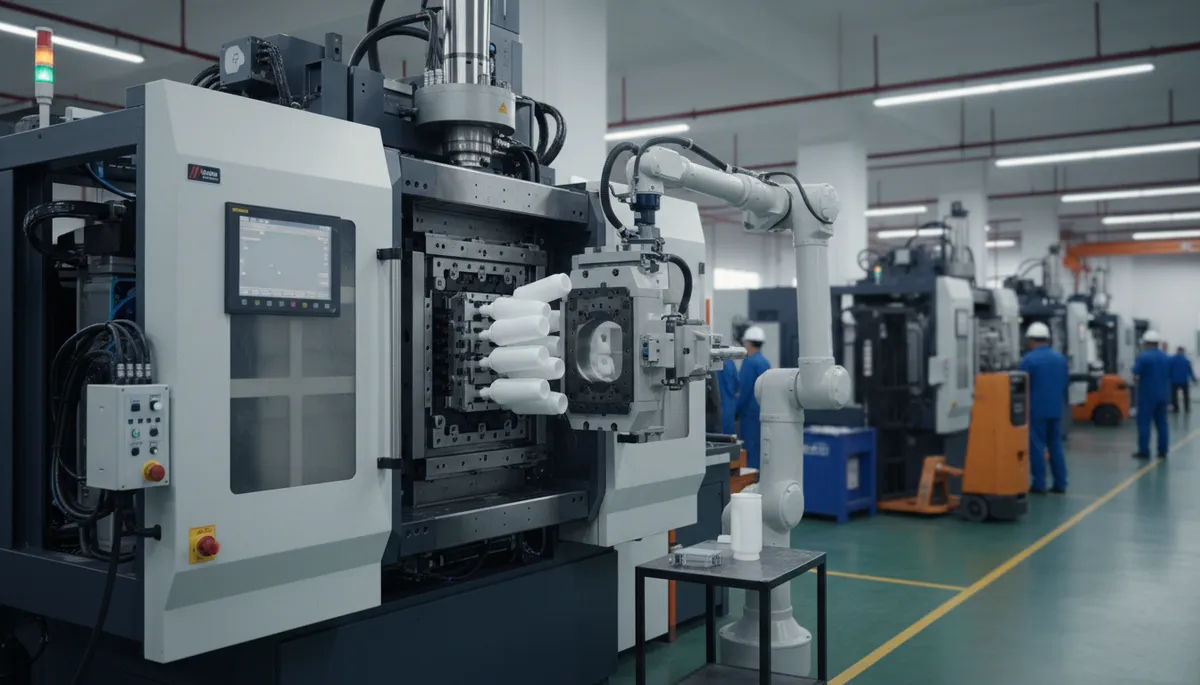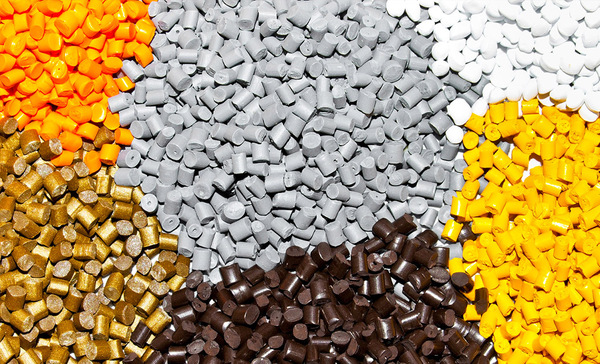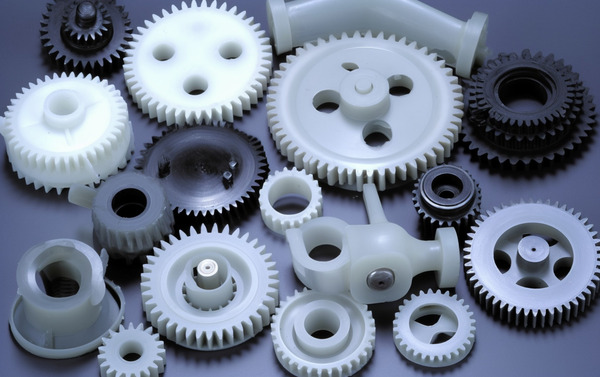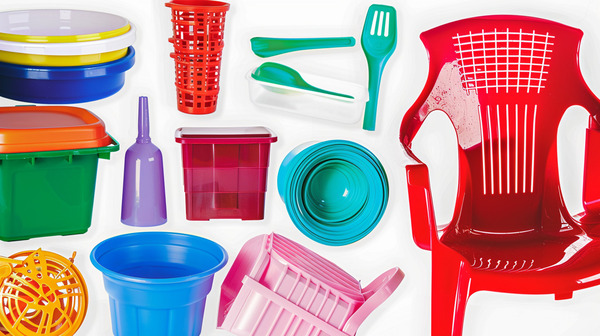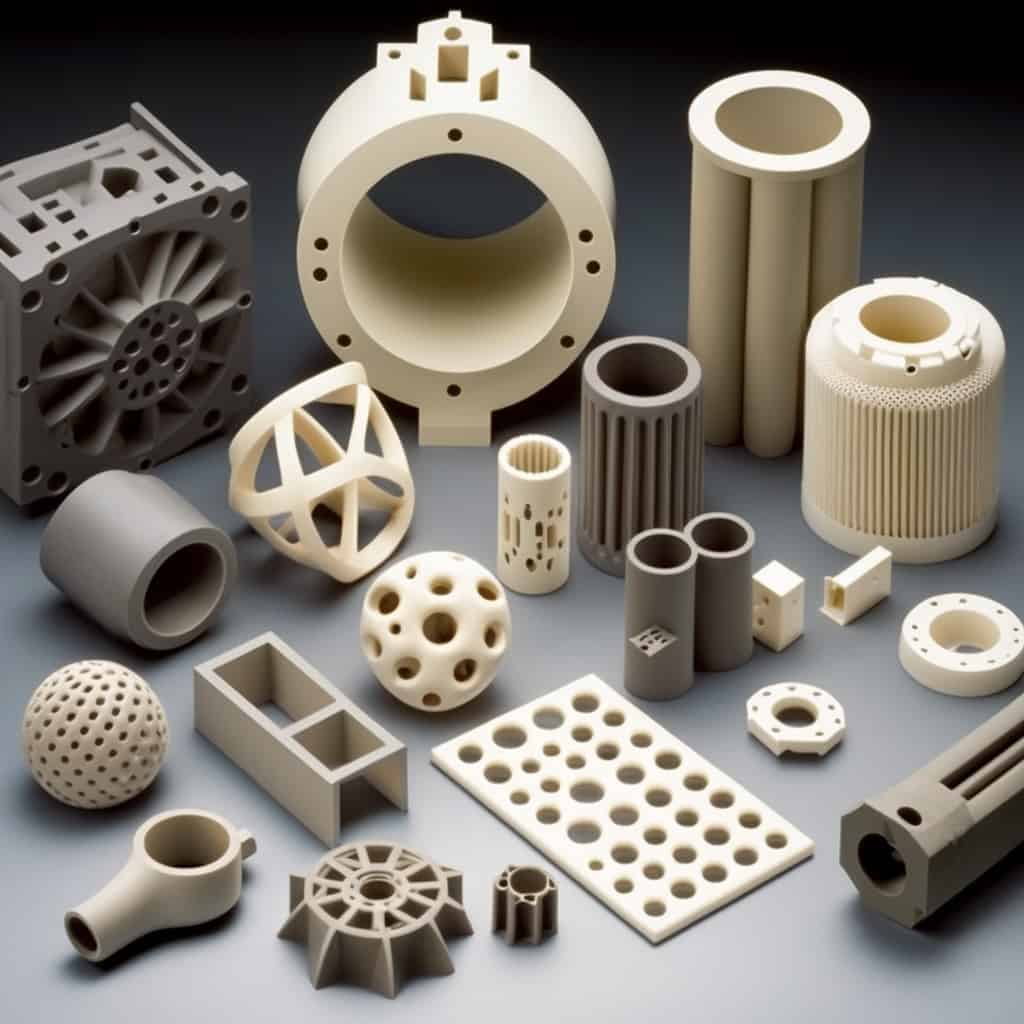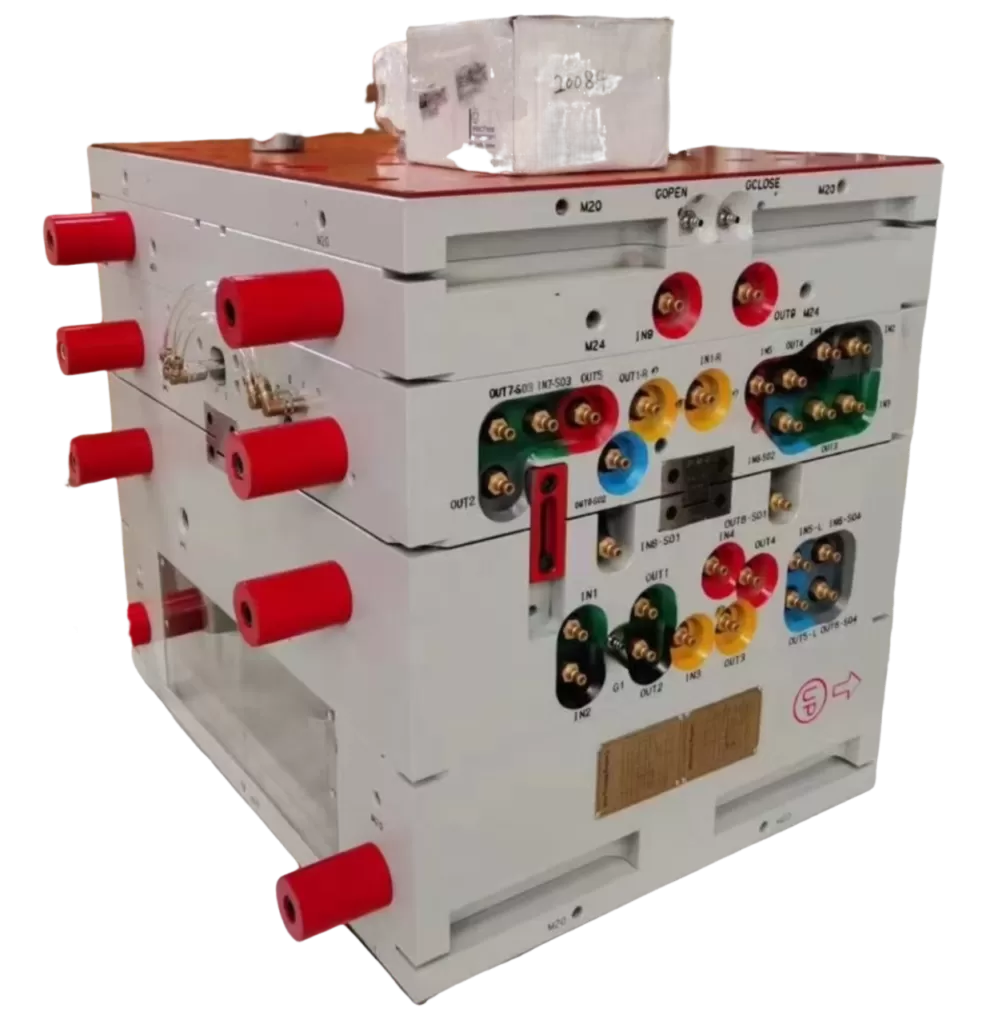
Después de procesar millones de libras de plástico a través de nuestras 47 máquinas de moldeo por inyección durante las últimas dos décadas, he visto cómo el plástico reciclado pasó de ser una curiosidad de nicho a una realidad de fabricación convencional. La pregunta no es si los plásticos reciclados sirven para el moldeo por inyección: absolutamente lo hacen. Las verdaderas preguntas son cuándo usarlos, cómo procesarlos adecuadamente y qué concesiones se están haciendo. Permítanme compartirles lo que hemos aprendido al procesar todo, desde botellas de rPET1 hasta componentes automotrices de rHDPE2 en nuestras máquinas de 90T a 1850T.
- Los plásticos reciclados suelen mostrar una reducción del 5-15% en propiedades mecánicas por ciclo de reciclaje, pero siguen siendo adecuados para la mayoría de aplicaciones no estructurales
- El control de humedad se vuelve crítico — el rPET requiere un contenido de humedad <0.02% y 4-6 horas de secado a 80-120°C para evitar la hidrólisis
- Los costos de material son un 15-30 % más bajos que los plásticos vírgenes, pero el procesamiento requiere parámetros ajustados y un control de calidad más riguroso.
- El rHDPE y el rPP se procesan de manera más confiable, mientras que el rPET y el rABS exigen una gestión más cuidadosa de la temperatura y el secado.
- Modificaciones en el diseño de la pieza como un aumento del grosor de pared (10-15%) y una optimización de la ubicación de la entrada ayudan a compensar las propiedades de flujo reducidas.
¿Qué es el moldeo por inyección de plástico reciclado?
El moldeo por inyección de plástico reciclado es un proceso que convierte los desechos plásticos en nuevas piezas funcionales mediante el reciclaje mecánico. Si está comparando proveedores o planificando adquisiciones, nuestra guía de abastecimiento de proveedores de moldeo por inyección cubre la preparación de RFQ, la calificación y las verificaciones de riesgos comerciales.
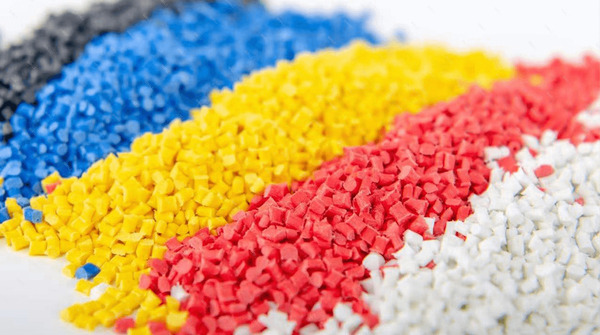
El moldeo por inyección de plástico reciclado utiliza residuos plásticos posconsumo o posindustriales como materia prima en lugar de resina virgen. El proceso transforma botellas, envases y recortes de fabricación desechados nuevamente en piezas plásticas funcionales mediante reciclaje mecánico: trituración, lavado, fusión y peletización de los residuos en nuevo material en bruto.
Los cuatro principales plásticos reciclados con los que trabajamos presentan características distintas. El rPET procede principalmente de botellas de bebidas y envases alimentarios. Mantiene una buena transparencia y propiedades de barrera, por lo que es adecuado para aplicaciones de envasado, aunque es higroscópico y requiere un secado cuidadoso. Normalmente observamos una resistencia a la tracción de alrededor de 45-50 MPa, frente a 55-60 MPa para el PET virgen.
Las fuentes de rHDPE incluyen jarras de leche, botellas de detergente y tuberías. Este material se procesa notablemente bien, casi indistinguible del virgen en nuestra experiencia. La resistencia química sigue siendo excelente y rara vez vemos una reducción de más del 5-8% en la resistencia al impacto. El rPP3 se comporta de manera similar, procedente de piezas de automóviles, contenedores y textiles. Ambos materiales soportan múltiples ciclos de reciclaje mejor que los plásticos de ingeniería.
El rABS presenta más dificultades. Procedente de carcasas electrónicas, molduras de automoción y electrodomésticos, es sensible a la degradación térmica durante el reprocesado. Suele contener retardantes de llama y colorantes que complican el reciclaje. Hemos comprobado que el rABS funciona mejor mezclado con material virgen: normalmente un contenido reciclado de 30-50% mantiene propiedades aceptables y reduce los costes.
¿Qué Plásticos Reciclados Funcionan Mejor para el Moldeo por Inyección?
Los mejores plásticos reciclados para moldeo por inyección son rHDPE y rPP, que se procesan casi igual que los materiales vírgenes. Esto es lo que nuestro laboratorio de pruebas ha medido en más de 400 materiales a lo largo de los años:
| Material Reciclado | Resistencia a la tracción (MPa) | Resistencia al impacto (J/m) | Temperatura de fusión (°C) | Aplicaciones típicas |
|---|---|---|---|---|
| PET reciclado (rPET) | 45-50 | 25-35 | 250-280 | Botellas, envases, bandejas |
| HDPE reciclado (rHDPE) | 20-25 | 150-200 | 180-220 | Contenedores, piezas automotrices, tuberías |
| PP reciclado (rPP) | 25-30 | 20-40 | 180-200 | Accesorios automotrices, artículos para el hogar |
| ABS reciclado (rABS) | 35-40 | 100-150 | 200-240 | Electrónica, electrodomésticos |
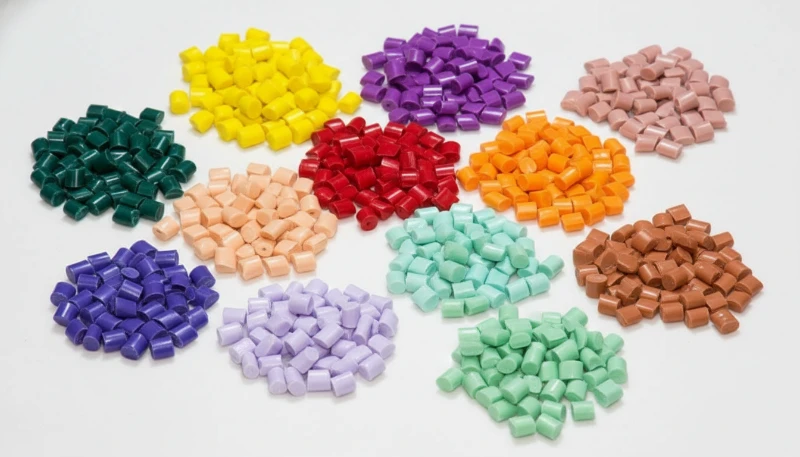
El rHDPE es sistemáticamente el material que menos problemas nos causa. Fluye de forma predecible, se contrae uniformemente (alrededor del 1.5-2.0%) y tolera mejor la contaminación que otros plásticos. Hemos moldeado satisfactoriamente desde contenedores de 50-gram hasta componentes de automoción de 2-kilogram sin grandes ajustes del proceso.
"El HDPE reciclado se procesa de forma casi idéntica al HDPE virgen, con una pérdida mínima de propiedades."True
El rHDPE muestra solo una reducción del 5-8 % en la resistencia al impacto y fluye de manera predecible, lo que lo convierte en uno de los plásticos reciclados más fáciles de trabajar en entornos de producción estándar.
"El PET reciclado requiere el mismo tiempo de secado que el PET virgen antes del moldeo por inyección."False
El PET reciclado requiere 4-6 horas de secado a 120°C, comparado con 2-4 horas para el PET virgen, debido a la mayor absorción de humedad por la superficie aumentada y las microgrietas en el material reprocesado.
El rPET requiere más refinamiento pero ofrece un excelente valor para aplicaciones de envasado. El punto clave es la gestión de la humedad — cualquier contenido de agua superior a 0.02% provoca escisión de cadena y genera acetaldehído, lo que arruina las aplicaciones de contacto con alimentos. Operamos nuestros secadores deshumidificadores a 120°C durante 4-6 horas mínimo, verificando los niveles de humedad con nuestro titrador Karl Fischer.
¿En Qué se Diferencia el Proceso de Moldeo por Inyección de Plástico Reciclado?
La diferencia clave es que el moldeo de plástico reciclado requiere un secado más prolongado y un control de calidad más riguroso que el procesamiento de material virgen. El proceso de reciclaje comienza mucho antes que el material llegue a nuestra planta.
El proceso de reciclaje paso a paso incluye seis etapas clave: (1) Clasificación: la separación óptica y por densidad elimina los contaminantes; (2) Trituración: reduce el desperdicio a hojuelas de 8 a 12 mm; (3) Lavado: el lavado cáustico caliente elimina adhesivos y etiquetas; (4) Peletización: la fusión y la repeletización homogeneizan el material; (5) Secado: eliminación crítica de la humedad antes del moldeo; (6) Moldeo: proceso de inyección estándar con ajustes de parámetros.
Aprendimos por las malas que los materiales reciclados necesitan un 15-20% más de tiempo de residencia en el cilindro. Forzar la fusión provoca una homogeneización incompleta y líneas de unión débiles. Nuestros operadores ahora usan velocidades de husillo un 10-15% más lentas que con material virgen, especialmente en nuestras máquinas grandes de 1200T+ donde la transferencia de calor tarda más.
Los parámetros críticos de procesamiento requieren ajuste. El contenido de humedad debe permanecer inferior a 0.02% para materiales higroscópicos — verificamos cada lote entrante con nuestro analizador de humedad. Las temperaturas de fusión normalmente son 10-15°C más altas que las del material virgen para asegurar la fusión completa de cualquier cadena degradada. La velocidad del husillo se reduce a 70-80% de los ajustes de material virgen para evitar un calentamiento por cizalla excesivo.
El control de calidad se vuelve más intensivo. Probamos el índice de fluidez en cada lote: los materiales reciclados muestran una mayor variabilidad de lote a lote. Nuestro laboratorio realiza pruebas de tracción e impacto semanalmente en lugar de mensualmente. La igualación de colores requiere diferentes concentraciones de masterbatch ya que las resinas base recicladas a menudo tienen ligeros cambios de color.
¿Cuáles son las propiedades mecánicas de los plásticos reciclados frente a los vírgenes?
Los plásticos reciclados típicamente retienen del 85 al 95% de las propiedades mecánicas vírgenes después de un ciclo de reciclaje, con la resistencia a la tracción degradándose primero. Cada ciclo posterior reduce las propiedades otro 5-10%, dependiendo en gran medida de los niveles de contaminación y el historial de procesamiento. Los materiales reciclados de primera generación (un solo ciclo de procesamiento) retienen del 85 al 95% de las propiedades vírgenes.
La resistencia a la tracción suele degradarse primero. El rPET cae de 60 MPa virgen a 45-50 MPa después del primer reciclaje. La resistencia al impacto sigue patrones similares: el rHDPE pasa de 250 J/m virgen a 180-200 J/m reciclado. El módulo de flexión a menudo aumenta ligeramente debido a las cadenas poliméricas más cortas, lo que hace que las piezas sean más frágiles pero más rígidas.
¿La buena noticia? La mayoría de las aplicaciones no necesitan propiedades equivalentes a las del material virgen. Los contenedores de almacenamiento, las piezas de automoción no estructurales, las carcasas electrónicas y los embalajes funcionan bien con materiales reciclados. Hemos moldeado con éxito paneles de puertas de automóviles, carcasas de electrodomésticos y contenedores industriales que cumplen todos los requisitos de rendimiento utilizando un 100% de contenido reciclado.
Las estrategias de mezcla ayudan a optimizar costos y rendimiento. Una mezcla 70/30 de virgen a reciclado típicamente retiene el 95% de las propiedades vírgenes mientras reduce los costos de material entre un 20 y un 25%. Para aplicaciones críticas, a veces usamos material reciclado para áreas no estresadas manteniendo plástico virgen en zonas de alto estrés — como usar rHDPE para el cuerpo de un contenedor pero HDPE virgen para el cuello roscado.
"Mezclar un 30% de material reciclado con un 70% de plástico virgen suele conservar el 95% de las propiedades mecánicas del material virgen."True
Una mezcla 70/30 de virgen a reciclado es una estrategia bien establecida que reduce los costos de material entre un 20 y un 25% mientras mantiene niveles de rendimiento adecuados para la mayoría de las aplicaciones comerciales e industriales.
"Los plásticos reciclados siempre producen piezas con un acabado superficial visiblemente inferior al de los materiales vírgenes."False
Con un procesamiento adecuado que incluya un secado suficiente, temperaturas de fusión ajustadas y velocidades de inyección optimizadas, los plásticos reciclados logran acabados superficiales virtualmente indistinguibles del material virgen.
¿Por qué es más importante el control de la humedad con los plásticos reciclados?
El control de la humedad es crítico con los plásticos reciclados porque el reprocesado crea microgrietas que absorben mucha más agua que la resina virgen. Esta humedad absorbida causa hidrólisis durante la fusión — las cadenas poliméricas se descomponen, creando puntos débiles y defectos visibles como vetas plateadas.
El rPET presenta el mayor desafío. La cadena principal de poliéster se hidroliza rápidamente por encima de 200°C en presencia de agua. Mantenemos la humedad por debajo del 0.02% — mediblemente más seco que el 0.04% aceptable para algunos grados vírgenes. Nuestros secadores deshumidificadores funcionan las 24 horas del día, los 7 días de la semana a 120°C con circulación de aire de punto de rocío de -40°C.
Los tiempos de secado aumentan considerablemente. El PET virgen necesita 2-4 horas a 120°C, pero el PET reciclado requiere un mínimo de 4-6 horas. Hemos comprobado que el secado durante la noche (8+ horas) ofrece los resultados más uniformes. El rABS necesita un tratamiento similar: 3-4 horas a 80°C frente a 2-3 horas para el material virgen.
Incluso el rHDPE y el rPP, que no son higroscópicos, se benefician del presecado. La humedad superficial procedente del lavado o del almacenamiento húmedo puede causar huecos de vapor. Aplicamos un ciclo sencillo de 2 horas a 60°C para eliminar la humedad superficial, especialmente durante los veranos húmedos de Shanghái, cuando la humedad ambiental alcanza el 80-90%.
¿Cómo se diseñan piezas para el moldeo por inyección de plástico reciclado?
El diseño de piezas para materiales reciclados requiere acomodar propiedades de flujo reducidas y posibles variaciones de propiedades. El espesor de pared generalmente aumenta entre un 10 y un 15% en comparación con los diseños de material virgen. Donde podríamos usar paredes de 1.5 mm con rHDPE virgen, el material reciclado fluye mejor con un espesor de 1.7-1.8 mm.
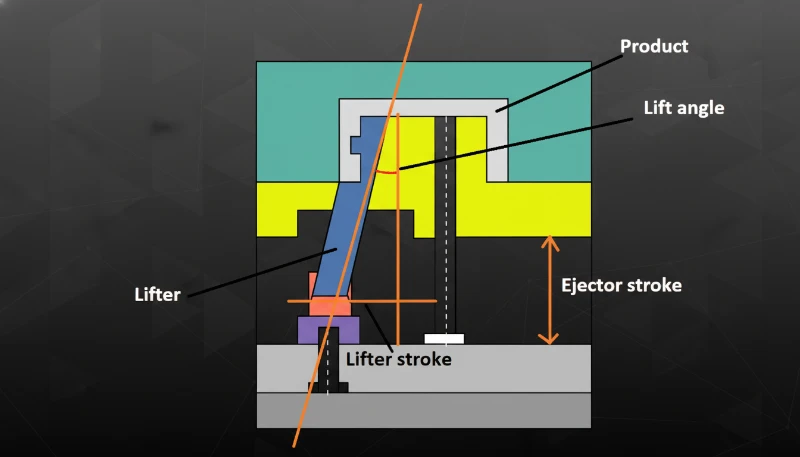
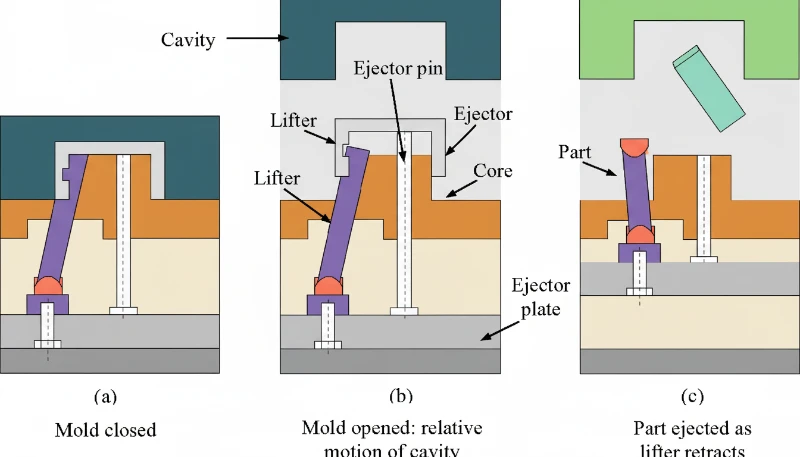
Los ángulos de desmoldeo requieren atención, ya que los materiales reciclados a menudo tienen una mayor variación de contracción. Añadimos 0.5° extra de desmoldeo en características profundas y utilizamos un mínimo de 2° en lugar de 1.5°. Esto evita el agarre durante la expulsión, especialmente importante ya que los materiales reciclados a veces tienen coeficientes de fricción más altos.
El diseño de la puerta se vuelve crítico debido a las propiedades de flujo reducido de los materiales reciclados. Utilizamos puertas más grandes, normalmente entre un 15 % y un 20 % más grandes que los requisitos de material virgen. Los sistemas de canal caliente funcionan bien ya que eliminan los vestigios de la compuerta y reducen la caída de presión. Para los moldes de inyección de canal frío, preferimos las puertas de borde a las puertas de pasador para minimizar el calentamiento por corte.
Los nervios y las características estructurales necesitan refuerzo. En lugar de nervios de 0.6x el grosor de pared comunes con materiales vírgenes, diseñamos nervios de 0.7 a 0.8x el grosor de pared. Las esquinas afiladas obtienen radios más grandes — mínimo 0.5 mm en lugar de 0.3 mm — para evitar concentraciones de estrés que podrían propagarse como grietas en el material reciclado potencialmente más frágil.
¿Qué estándares de calidad se aplican a las piezas de plástico reciclado?
Los estándares de calidad que se aplican a las piezas de plástico reciclado son los mismos que para las piezas vírgenes, además de pruebas adicionales a nivel de lote. Nuestra certificación ISO 9001 cubre materiales reciclados, pero hemos añadido procedimientos específicos para el monitoreo de variaciones de lote a lote que no eran necesarios con resinas vírgenes.
La gestión ambiental ISO 14001 se vuelve relevante cuando los clientes desean evaluaciones del ciclo de vida. Rastreamos el consumo de energía, el uso de agua y la generación de residuos para el procesamiento reciclado frente al virgen. Curiosamente, los materiales reciclados a menudo requieren un 15-20% más de energía debido a tiempos de secado más largos y temperaturas de procesamiento más altas.
Los protocolos de prueba de materiales se expanden significativamente. Las pruebas de índice de fluidez se realizan en cada lote en lugar de muestreos semanales. Medimos la viscosidad intrínseca para el rPET para detectar degradación. La consistencia del color requiere lecturas de espectrofotómetro ya que los materiales reciclados muestran más variación de lote a lote — valores Delta E menores de 2.0 para aplicaciones críticas.
El cumplimiento de REACH y RoHS puede resultar difícil con materiales reciclados, ya que no siempre se conoce su historial de contaminación. Exigimos certificados de análisis que indiquen el contenido de metales pesados, especialmente para el rABS que pueda contener retardantes de llama heredados. Algunos clientes especifican únicamente contenido reciclado posindustrial para garantizar el control de la contaminación.
¿Cuándo debería elegir plástico reciclado en lugar de virgen?
Elija plástico reciclado sobre el virgen cuando su aplicación tolere una reducción de propiedades del 5 al 15% y los ahorros de costos justifiquen los ajustes de procesamiento. Los plásticos reciclados funcionan excelentemente para aplicaciones no estructurales donde una reducción del 10-15% en las propiedades no importa. Los contenedores de almacenamiento, el acabado interior automotriz, las carcasas de electrodomésticos y el envasado representan aplicaciones ideales.
El ahorro de costes justifica los materiales reciclados cuando la complejidad de procesamiento no anula el ahorro de material. El procesamiento de rHDPE y rPP es tan similar al de los materiales vírgenes que los recomendamos siempre que sus propiedades cumplan los requisitos. rPET y rABS exigen una evaluación más cuidadosa, ya que los costes adicionales de secado y procesamiento pueden reducir el ahorro del 15-30% en materia prima.
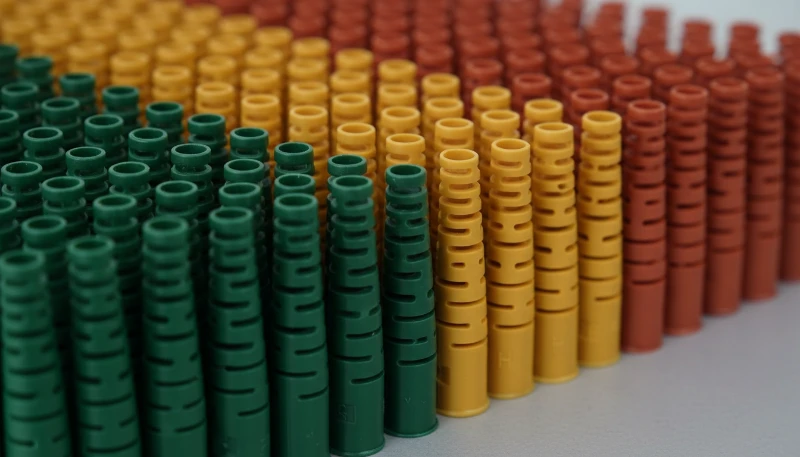
Evite los materiales reciclados para componentes estructurales, envases de pared delgada que requieren alto flujo o aplicaciones donde la consistencia de las propiedades importa más que el costo. Los dispositivos médicos, los componentes aeroespaciales y las piezas mecánicas de precisión generalmente requieren materiales vírgenes. Sin embargo, los componentes no críticos dentro de estos conjuntos a menudo funcionan bien con contenido reciclado.
Preguntas frecuentes
¿Se puede usar plástico reciclado para el moldeo por inyección?
Sí, los plásticos reciclados funcionan bien para el moldeo por inyección con los ajustes de procesamiento adecuados y los protocolos de control de calidad. El rHDPE y el rPP se procesan casi de forma idéntica a los materiales vírgenes, lo que los convierte en excelentes opciones para la mayoría de las aplicaciones no estructurales. El rPET y el rABS requieren un control más cuidadoso de la humedad, tiempos de secado más largos y un ajuste de la gestión de la temperatura, pero producen consistentemente piezas aceptables cuando se procesan correctamente. Durante las últimas dos décadas, hemos moldeado con éxito millones de piezas utilizando contenido reciclado en nuestras 47 máquinas de moldeo por inyección, que van desde envases de consumo hasta componentes interiores de automoción.
¿Cuál es la diferencia de costo entre el plástico reciclado y el plástico virgen?
Las materias primas de plástico reciclado suelen costar entre un 15 y un 30% menos que las resinas vírgenes a nivel de producto básico. Sin embargo, el panorama total de costos incluye requisitos de procesamiento adicionales que reducen los ahorros netos. Los tiempos de secado prolongados añaden costos de energía, las pruebas de calidad más frecuentes aumentan los gastos de laboratorio y las temperaturas de fusión más altas consumen más electricidad por ciclo. En nuestra experiencia, los ahorros netos efectivos después de contabilizar estos costos de procesamiento adicionales suelen oscilar entre el 10 y el 20%, dependiendo del grado específico del material y la complejidad de los requisitos de su aplicación.
¿Cuántas veces se puede reciclar el plástico para el moldeo por inyección?
La mayoría de los termoplásticos se pueden reciclar de 3 a 5 veces para aplicaciones de moldeo por inyección antes de que las propiedades mecánicas se degraden por debajo de niveles útiles de rendimiento. El rHDPE y el rPP generalmente soportan más ciclos de reciclaje que el rPET o el rABS debido a sus estructuras moleculares más simples y menor sensibilidad a la degradación térmica durante el reprocesamiento. Cada ciclo de reciclaje típicamente reduce la resistencia a la tracción y la resistencia al impacto en un 5-10%, por lo que la idoneidad del material muy reciclado depende completamente de los requisitos específicos de su aplicación y los umbrales mínimos de rendimiento que necesita mantener.
¿El plástico reciclado debilita las piezas moldeadas por inyección?
Los plásticos reciclados muestran una reducción predecible del 5 al 15% en la resistencia a la tracción y la resistencia al impacto en comparación con los materiales vírgenes, dependiendo del número de ciclos de procesamiento previos y los niveles generales de contaminación en la materia prima reciclada. Esta reducción es perfectamente aceptable para la mayoría de las aplicaciones no estructurales, incluidos contenedores de almacenamiento, carcasas de dispositivos electrónicos y piezas de trim interior automotriz. Los componentes estructurales críticos, los conjuntos mecánicos de precisión y las aplicaciones de carga típicamente requieren materiales vírgenes o mezclas de virgen a reciclado cuidadosamente diseñadas que mantengan umbrales mínimos de rendimiento especificados para todas las aplicaciones críticas para la seguridad.
¿Cuál es el requisito de contenido de humedad para el PET reciclado?
El PET reciclado requiere un contenido de humedad inferior a 0,02% (200 ppm) para evitar la hidrólisis durante el procesamiento por moldeo por inyección. Lograr este nivel de humedad estricto exige 4-6 horas de secado continuo a 120°C utilizando aire deshumidificado con un punto de rocío de -40°C o inferior. Niveles de humedad más altos provocan una escisión de cadena irreversible en la estructura del poliéster, reduciendo significativamente el peso molecular y las propiedades mecánicas, además de generar acetaldehído como subproducto de degradación que crea problemas de olor y sabor que descalifican el material por completo para aplicaciones de contacto con alimentos.
¿Pueden los plásticos reciclados cumplir con los estándares de grado alimentario?
Sí, los plásticos reciclados pueden cumplir con los estándares de grado alimentario, pero solo con la certificación adecuada, una cadena de custodia completamente documentada y protocolos rigurosos de control de contaminación durante todo el proceso de reciclaje. El rPET de flujos de reciclaje controlados de botella a botella cumple con los requisitos de la FDA para aplicaciones de contacto con alimentos en Estados Unidos. Los materiales reciclados postindustriales con historial de procesamiento conocido funcionan mejor porque el perfil de contaminación está bien documentado. Los materiales reciclados posconsumo requieren pruebas de migración extensivas y, a menudo, una carta formal de no objeción de los organismos reguladores pertinentes antes de que se pueda otorgar la aprobación para contacto con alimentos.
¿Cómo se prueba la calidad de las pellets de plástico reciclado?
Las pruebas de calidad para pellets de plástico reciclado incluyen medición del índice de flujo de fusión según ASTM D1238, análisis de contenido de humedad mediante titulación Karl Fischer, pruebas de tracción e impacto según ASTM D638 y D256 respectivamente, y evaluación visual de contaminación usando microscopía. Probamos cada lote entrante en lugar de confiar en el muestreo periódico comúnmente utilizado para materiales vírgenes. Pruebas adicionales incluyen medición de viscosidad intrínseca para rPET para detectar degradación del peso molecular, y lecturas de espectrofotómetro para consistencia de color con valores Delta E mantenidos por debajo de 2,0 para aplicaciones críticas sensibles a la apariencia.
En ZetarMold hemos procesado más de 400 formulaciones diferentes de plástico reciclado en nuestras 47 máquinas de moldeo por inyección, con capacidades de 90T a 1850T. Nuestra planta de Shanghái con certificación ISO combina 20+ años de experiencia en procesamiento con un control de calidad integral para ayudarle a implantar con éxito materiales reciclados. Tanto si busca reducir costes como cumplir objetivos de sostenibilidad, o ambas cosas, nuestro equipo de ingeniería puede orientarle en la selección del material y optimizar los parámetros de procesamiento para los requisitos específicos de su aplicación.
rPET: rPET se refiere al tereftalato de polietileno reciclado (rPET), es plástico reciclado derivado de botellas y contenedores de PET, comúnmente utilizado en aplicaciones de embalaje manteniendo una buena claridad y propiedades de barrera. ↩
rHDPE: rHDPE se refiere al polietileno reciclado de alta densidad (rHDPE) que se procesa a partir de contenedores posconsumo y desechos industriales, y ofrece una excelente resistencia química y características de procesamiento similares al material virgen. ↩
rPP: rPP se refiere al polipropileno reciclado (rPP) que se deriva de piezas de automóviles, contenedores y desechos textiles, y que mantiene una buena resistencia química y propiedades mecánicas a través de múltiples ciclos de reciclaje. ↩