Você encontrou a cotação perfeita de um fornecedor de moldagem por injeção. Preços competitivos, prazos de entrega promissores e uma apresentação impecável. Mas, antes de assinar aquele pedido de compra de 100,000 peças, quero compartilhar algo que pode salvar sua carreira: 73% das falhas na produção em massa decorrem de problemas que poderiam ter sido detectados durante uma inspeção pré-produção adequada. Estou neste setor há mais de duas décadas e já vi engenheiros brilhantes se prejudicarem com fornecedores que pareciam excelentes no papel, mas não conseguiam entregar quando realmente importava. A diferença entre um lançamento bem-sucedido e um desastre dispendioso muitas vezes se resume a um único fim de semana nas instalações do fornecedor, com o checklist certo em mãos.
Este checklist de inspeção abrangente cobre tudo, desde a capacidade das máquinas e a qualidade dos moldes até a validação do processo e a análise da documentação. Vamos percorrer os pontos de verificação críticos que diferenciam fornecedores de classe mundial daqueles que não deixarão você dormir à noite. Seja para avaliar um novo fornecedor ou auditar um já existente, este guia de moldagem por injeção ajudará você a tomar decisões com base em fatos, não em apresentações sofisticadas.
- Uma inspeção adequada evita 70% dos problemas de qualidade na produção em massa
- O estado dos equipamentos está diretamente relacionado à consistência das peças e às taxas de defeitos
- Lacunas na documentação causam mais disputas com fornecedores do que divergências sobre preços
- Inspeções remotas deixam de detectar 40% dos indicadores críticos de capacidade de fabricação
- Sistemas de pontuação ponderada eliminam a subjetividade na seleção de fornecedores
O Que É um Checklist de Inspeção de Fornecedor de Moldagem por Injeção?
Um checklist de inspeção de fornecedor é uma estrutura organizada para avaliar se um fabricante consegue produzir peças de qualidade em escala com consistência. Ao contrário de uma visita básica à fábrica ou de uma auditoria ISO, essa inspeção examina a fundo as capacidades específicas que afetam suas peças. Embora uma auditoria ISO possa verificar se existem procedimentos, sua inspeção confirma se esses procedimentos realmente funcionam na produção por moldagem por injeção. Você não está apenas marcando itens — está validando se esse fornecedor consegue atender aos seus requisitos específicos de material, tolerância e volume.
O checklist abrange cinco áreas críticas: avaliação das instalações e dos equipamentos, capacidade de produção do ferramental, sistemas de gestão da qualidade, protocolos de manuseio de materiais e procedimentos de validação do processo. Cada área afeta diretamente a qualidade das suas peças, o desempenho das entregas e os custos de fabricação no longo prazo. Uma inspeção adequada do fornecedor leva 1-2 dias no local, dependendo do tamanho e da complexidade das instalações. Você entrevistará profissionais-chave, analisará a documentação, observará ciclos reais de produção e validará os sistemas de medição. O objetivo é ter confiança de que esse fornecedor pode executar seu projeto com sucesso.
Ignorar a inspeção do fornecedor é uma aposta cara com o dinheiro alheio — geralmente o da sua empresa e as perspectivas da sua carreira. Dados do setor mostram que a validação inadequada do fornecedor1 eleva os custos totais de fabricação em 15-25% devido a retrabalho, atrasos e problemas de qualidade. Mais especificamente, fornecedores aprovados em inspeções pré-produção abrangentes alcançam taxas de entrega no prazo de 99.2%, enquanto fornecedores não inspecionados registram uma média de 87.4%.
O custo real não se limita a peças defeituosas — é a sucessão de problemas que vem depois. Problemas de qualidade descobertos após a conclusão do ferramental normalmente custam 10-15x mais para corrigir do que aqueles detectados durante a validação do fornecedor. Já vi gerentes de programa correrem para encontrar fornecedores alternativos três semanas antes do lançamento porque o fornecedor aprovado não conseguia manter tolerâncias dimensionais básicas.
Por Que Você Precisa de uma Inspeção do Fornecedor Antes da Produção em Massa?
Ignorar a inspeção do fornecedor é uma aposta cara com o dinheiro alheio — geralmente o da sua empresa e as perspectivas da sua carreira. Vamos começar com números concretos. Dados do setor mostram que a validação inadequada do fornecedor eleva os custos totais de fabricação em 15-25% devido a retrabalho, atrasos e problemas de qualidade. Mais especificamente, fornecedores aprovados em inspeções pré-produção abrangentes alcançam taxas de entrega no prazo de 99.2%, enquanto fornecedores não inspecionados registram uma média de 87.4%. O custo real não se limita a peças defeituosas — é a sucessão de problemas que vem depois. Problemas de qualidade descobertos após a conclusão do ferramental normalmente custam 10-15x mais para corrigir do que aqueles detectados durante a validação do fornecedor. Já vi gerentes de programa correrem para encontrar fornecedores alternativos três semanas antes do lançamento porque o fornecedor “aprovado” não conseguia manter tolerâncias dimensionais básicas.
Considere os problemas de compatibilidade dos materiais. Um fornecedor pode ter excelente capacidade para ABS e polipropileno, mas enfrentar dificuldades com nylons reforçados com fibra de vidro ou resinas de grau médico. Sem uma inspeção adequada, você só descobrirá isso quando suas primeiras amostras de produção falharem nos testes. Nesse momento, você terá de lidar com modificações no molde, atrasos no desenvolvimento do processo e possivelmente recomeçar do zero a busca no guia de fornecedores. Problemas de documentação criam outra camada de custos. A conformidade regulatória, os requisitos de rastreabilidade e os padrões de documentação específicos do cliente não são negociáveis na maioria dos setores. Fornecedores que parecem estar em conformidade nas conversas iniciais muitas vezes revelam lacunas quando você analisa os procedimentos e sistemas reais durante a inspeção.
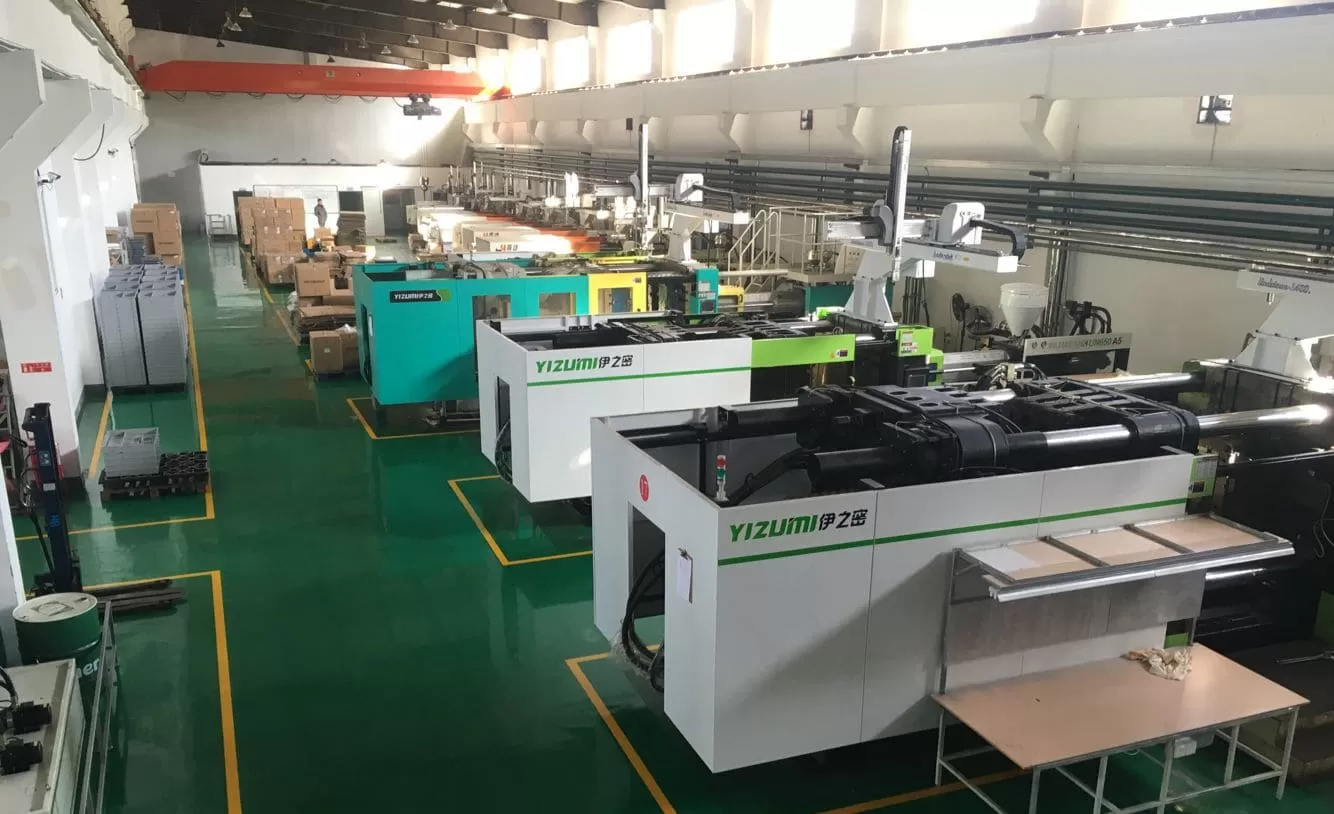
Em nossa fábrica de Xangai, operamos 47 máquinas de moldagem por injeção de 90T a 1850T e constatamos em primeira mão como pular a validação pré-produção leva a taxas de defeitos 3-5x maiores. Quando os clientes nos visitam para uma inspeção, eles sempre encontram capacidades e processos que não eram evidentes apenas em nossas cotações ou certificações iniciais.
O Que Você Deve Verificar nas Instalações e nos Equipamentos do Fornecedor?
As principais verificações das instalações são o estado das máquinas, os registros de manutenção, os certificados de calibração e os controles ambientais. Os controles ambientais merecem atenção especial, principalmente a gestão da temperatura e da umidade. A moldagem por injeção exige condições estáveis para garantir o comportamento consistente dos materiais e a precisão dimensional. Procure sistemas HVAC adequados, monitoramento da temperatura e controle da umidade, especialmente nas áreas de armazenamento de materiais. Valide o dimensionamento e o estado dos equipamentos auxiliares. Secadores de material subdimensionados ou capacidade de resfriamento inadequada gerarão instabilidade no processo, independentemente do estado das máquinas. Verifique se os chillers conseguem manter temperaturas constantes no molde e se os sistemas de manuseio de materiais evitam contaminação.
Pergunte sobre os cronogramas de manutenção preventiva — instalações de classe mundial normalmente realizam ciclos de PM a cada 500-1,000 horas de operação, dependendo do uso das máquinas. Os controles ambientais merecem atenção especial, principalmente a gestão da temperatura e da umidade. A moldagem por injeção exige condições estáveis para garantir o comportamento consistente dos materiais e a precisão dimensional. Procure sistemas HVAC adequados, monitoramento da temperatura e controle da umidade, especialmente nas áreas de armazenamento de materiais. Valide o dimensionamento e o estado dos equipamentos auxiliares. Secadores de material subdimensionados ou capacidade de resfriamento inadequada gerarão instabilidade no processo, independentemente do estado das máquinas. Verifique se os chillers conseguem manter temperaturas constantes no molde e se os sistemas de manuseio de materiais evitam contaminação.
Com 400+ materiais processados e 8 engenheiros seniores na equipe, sabemos que o estado dos equipamentos está diretamente relacionado à consistência das peças. Nossos registros de manutenção são digitais e acessíveis aos clientes porque aprendemos que a transparência gera confiança em nossas capacidades.
| Check Item | What to Look For | Red Flag |
|---|---|---|
| Machine Maintenance | Detailed logs, scheduled PM, parts inventory | Missing records, reactive-only repairs |
| Calibration Status | Current certificates, traceable standards | Expired certs, no calibration schedule |
| Auxiliary Equipment | Proper dryers, chillers, material handling | Undersized equipment, poor maintenance |
| Environmental Controls | Stable temperature/humidity, monitoring | No controls, wide variations |
| Safety Systems | Machine guards, emergency stops, lockout procedures | Missing guards, disabled safety features |
Como Avaliar a Qualidade dos Moldes e a Capacidade de Produção do Ferramental?
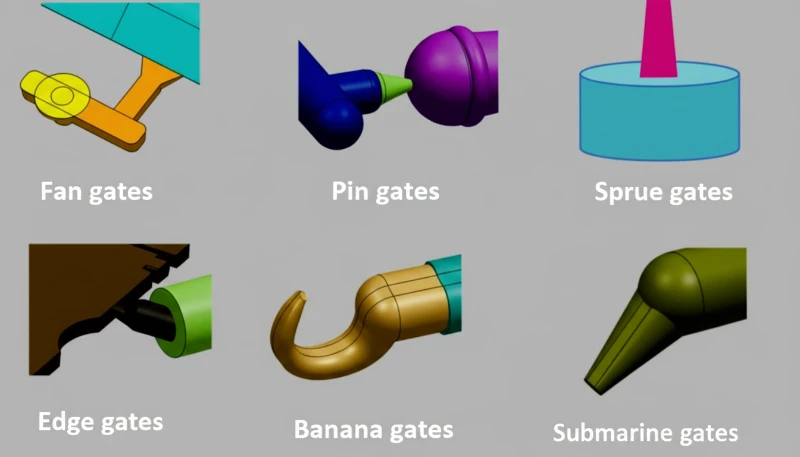
A avaliação da qualidade do molde é uma análise do projeto, da dureza do aço, da eficiência do resfriamento e dos sistemas de ejeção para verificar se o ferramental suporta a produção em massa. A qualidade do molde determina a qualidade da peça mais do que qualquer outro fator isolado, o que torna a avaliação do ferramental absolutamente crítica para o sucesso da produção em massa. Comece pela análise do projeto do molde de injeção se o fornecedor estiver fornecendo o ferramental. Examine a disposição das cavidades, a localização dos pontos de injeção, o projeto dos circuitos de resfriamento e os sistemas de ejeção. O posicionamento inadequado dos pontos de injeção causa problemas estéticos e variações dimensionais que não podem ser corrigidos por meio de ajustes no processo. A seleção do aço e o tratamento térmico no projeto do molde de injeção no projeto do molde de injeção afetam diretamente a vida útil do molde. Para volumes de produção superiores a 500,000 peças, você precisa de aço-ferramenta endurecido (normalmente H13 ou P20 com tratamento térmico adequado).
A seleção do aço e o tratamento térmico afetam diretamente a vida útil do molde e a consistência das peças. Para volumes de produção superiores a 500,000 peças, você precisa de aço-ferramenta endurecido (normalmente H13 ou P20 com tratamento térmico adequado). Fornecedores que usam aço não endurecido ou materiais inadequados enfrentarão desgaste rápido, o que levará a desvios dimensionais e maiores custos de manutenção. Examine o projeto e a implementação do sistema de resfriamento. O resfriamento eficiente representa 60-70% do tempo de ciclo total, o que o torna crítico para cumprir os compromissos de cadência de produção. Procure uma distribuição uniforme dos canais de resfriamento, vazões adequadas e recursos de monitoramento da temperatura.
Avalie minuciosamente os sistemas de ejeção. Peças complexas exigem uma ejeção cuidadosamente projetada que evite deformações e danos superficiais. Verifique o posicionamento dos pinos ejetores, os sistemas de pinos de retorno e os requisitos de força de ejeção. Analise as capacidades e os procedimentos do fornecedor para a manutenção de moldes. Mesmo moldes excelentes exigem manutenção regular para sustentar a qualidade da produção. Um molde de produção corretamente projetado e mantido deve proporcionar 1-5 milhões de ciclos, dependendo do material e da complexidade da peça.
Nossa unidade interna de fabricação de moldes comporta 100+ conjuntos de moldes por mês, o que nos dá visibilidade completa da qualidade do ferramental em todas as etapas. Aprendemos que moldes projetados sem uma análise adequada de resfriamento normalmente operam 25-40% mais devagar do que projetos otimizados, afetando diretamente seus custos de produção e cronogramas de entrega.
Quais Sistemas de Gestão da Qualidade um Fornecedor Deve Ter?
Os sistemas de qualidade essenciais são a certificação ISO 90012, o monitoramento por SPC, os processos de CAPA e os estudos de Cpk para dimensões críticas. Os sistemas de gestão da qualidade fornecem a estrutura que transforma bons equipamentos e ferramental em uma produção consistente de peças. A certificação ISO 9001 representa o requisito básico, mas a certificação por si só não garante uma implementação eficaz. Analise os procedimentos de qualidade reais do fornecedor, não apenas seus certificados. A implementação do Controle Estatístico de Processo (SPC) revela o compromisso do fornecedor com a gestão da qualidade orientada por dados. Procure o monitoramento em tempo real de parâmetros críticos, como pressão de injeção, temperatura do material fundido e tempo de ciclo. Os estudos de capacidade do processo (Cpk) devem ser uma prática padrão para dimensões críticas. Exija valores de Cpk3 de no mínimo 1.33 para características importantes, com preferência por 1.67 para características críticas.
Fornecedores que usam SPC de forma eficaz conseguem detectar variações do processo antes que elas gerem peças defeituosas, reduzindo as taxas de refugo e melhorando a consistência. Os estudos de capacidade do processo (Cpk) devem ser uma prática padrão para dimensões e características críticas. Exija valores de Cpk de no mínimo 1.33 para características importantes, com preferência por 1.67 para características críticas. Fornecedores que não conseguem demonstrar a capacidade do processo por meio de análise estatística não possuem os sistemas de medição e o controle de processo necessários para uma produção consistente. Os protocolos de inspeção devem corresponder aos requisitos da sua peça e aos padrões do setor. Analise os equipamentos de medição, os procedimentos de calibração e a frequência das inspeções. Máquinas de Medição por Coordenadas (CMM) são essenciais para peças complexas com tolerâncias estreitas, enquanto calibradores passa/não passa básicos podem ser suficientes para componentes mais simples. Os sistemas de controle de documentos afetam tudo, desde a rastreabilidade dos materiais até a implementação de alterações de engenharia.
Fornecedores eficazes mantêm o controle de revisões de especificações, instruções de trabalho e procedimentos de inspeção. Um controle de documentos deficiente gera confusão durante a produção e dificulta a análise da causa raiz quando surgem problemas. Os sistemas de Ação Corretiva e Preventiva (CAPA) demonstram como os fornecedores lidam com problemas e evitam sua recorrência. Analise exemplos de CAPAs recentes para avaliar a metodologia de solução de problemas e a continuidade das ações. Fornecedores sólidos veem os problemas como oportunidades de melhoria e conseguem apresentar resultados mensuráveis de suas ações corretivas.
Como Verificar a Conformidade do Manuseio e Armazenamento de Materiais?
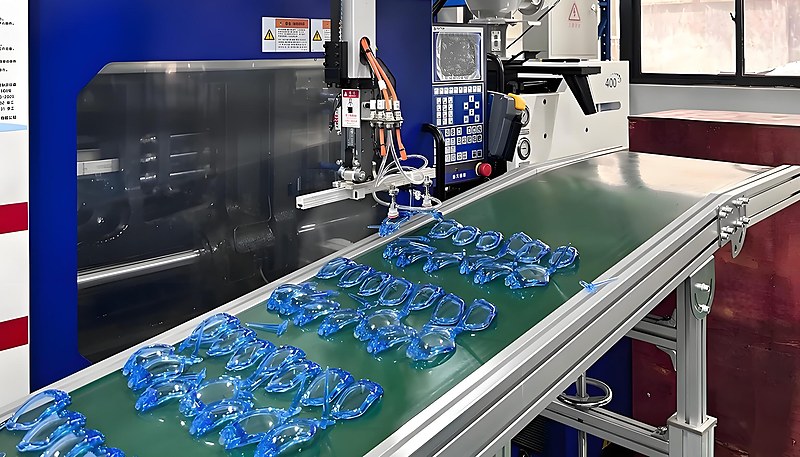
A verificação do manuseio de materiais consiste em inspecionar os testes dos materiais recebidos, o armazenamento com umidade controlada, os protocolos de secagem e a conformidade com FIFO. A certificação e a rastreabilidade dos materiais começam pelos procedimentos de inspeção de recebimento. Os fornecedores devem verificar as propriedades dos materiais por meio de testes ou da validação de certificados antes do uso na produção. Isso inclui verificar números de lote, códigos de data e certificados de propriedades em relação às especificações. A mistura de materiais ou o uso de resinas degradadas causa problemas de qualidade difíceis de diagnosticar e caros de corrigir. As condições de armazenamento devem corresponder aos requisitos dos materiais para evitar degradação e contaminação. Materiais higroscópicos, como nylon e policarbonato, exigem armazenamento com umidade controlada, normalmente abaixo de 50% RH. Verifique se há instalações de armazenamento adequadas, monitoramento ambiental e procedimentos de rotação de materiais.
Materiais armazenados em condições inadequadas apresentarão comportamento de fluxo e propriedades mecânicas inconsistentes, independentemente da habilidade de processamento. Os procedimentos de secagem merecem atenção especial no caso de materiais sensíveis à umidade. Verifique se a capacidade dos equipamentos de secagem, o controle da temperatura e os tempos de permanência correspondem às recomendações do fornecedor do material. Uma secagem inadequada causa estrias prateadas, redução das propriedades mecânicas e instabilidade dimensional. Analise os registros de secagem e os procedimentos de teste do teor de umidade para confirmar a conformidade com as especificações do material. Os sistemas de prevenção de contaminação protegem a integridade dos materiais durante todo o processo de fabricação. Procure sistemas fechados de manuseio de materiais, procedimentos regulares de limpeza e protocolos para troca de cor. Até mesmo vestígios de contaminação por materiais anteriores podem causar defeitos estéticos ou mudanças nas propriedades que afetam o desempenho da peça. A gestão do estoque de materiais afeta tanto o custo quanto a qualidade.
A rotação primeiro a entrar, primeiro a sair (FIFO) evita o envelhecimento dos materiais, enquanto níveis adequados de estoque garantem a continuidade da produção sem custos excessivos de manutenção do estoque. Fornecedores com má gestão de estoque podem usar materiais envelhecidos ou enfrentar interrupções na produção devido à falta de material. As políticas de uso de material moído novamente devem equilibrar a redução de custos e a manutenção da qualidade. Embora o material moído novamente possa reduzir os custos de material, o uso excessivo ou o processamento inadequado pode degradar as propriedades das peças. Analise os limites percentuais, os procedimentos de processamento e os protocolos de teste do fornecedor para material moído novamente. O uso descontrolado de material moído novamente é uma fonte comum de variações de qualidade em operações voltadas à redução de custos.
Quais São as Etapas Críticas de Validação do Processo?
A validação do processo transforma a capacidade teórica em desempenho comprovado, tornando essas etapas essenciais antes do compromisso com a produção em massa. A inspeção do primeiro artigo (FAI) fornece a verificação de referência de que o fornecedor consegue produzir peças que atendem às suas especificações. Essa inspeção abrangente deve cobrir todas as dimensões, os requisitos estéticos e as características funcionais usando a configuração real de produção. Os resultados da FAI se tornam o padrão de referência para o monitoramento contínuo da produção e a solução de problemas. Os estudos de capacidade do processo demonstram o controle estatístico dos parâmetros e das características críticas. Esses estudos exigem amostras suficientes (normalmente 30+ peças) produzidas em condições normais de operação. O objetivo é comprovar que o processo consegue atender às especificações de forma consistente, com margem adequada para a variação normal. Os relatórios dimensionais que usam sistemas de medição da produção validam a capacidade de inspeção juntamente com a capacidade de fabricação.
Esses relatórios devem usar os mesmos equipamentos e procedimentos planejados para o monitoramento contínuo da produção. Divergências entre os resultados do estudo de capacidade e a inspeção de rotina indicam problemas no sistema de medição que gerarão confusão durante a produção. A definição de padrões visuais evita decisões subjetivas sobre qualidade que levam a disputas com clientes. Trabalhe com o fornecedor para criar amostras físicas ou padrões fotográficos de qualidade estética aceitável. Documente os requisitos de acabamento superficial, os limites de vestígios do ponto de injeção e a variação de cor aceitável. Padrões visuais claros eliminam discussões sobre a aceitabilidade estética durante a produção. A qualificação dos materiais estende a validação a todos os materiais e variações de cor aprovados. Os parâmetros do processo muitas vezes precisam de ajustes entre diferentes materiais, e algumas combinações podem revelar limitações no projeto do molde.
Conclua a qualificação dos materiais antes da produção para evitar surpresas quando precisar mudar de material ou de cor durante o ciclo de vida do produto. A validação ambiental confirma a estabilidade do processo sob diferentes condições da fábrica. Mudanças de temperatura e umidade afetam o comportamento dos materiais e as condições de processamento. Fornecedores em regiões com variações sazonais significativas devem demonstrar a estabilidade do processo em toda a faixa ambiental esperada.
| Validation Step | Key Parameters | Acceptance Criteria |
|---|---|---|
| First Article Inspection | All dimensions, cosmetics, functionality | 100% compliance with specifications |
| Process Capability Study | Critical dimensions, key properties | Cpk >= 1.33 (1.67 preferred) |
| Production Trial | Full production rate, shift changes | Sustained capability over 8+ hours |
| Material Qualification | All approved materials, color variations | Consistent results across material lots |
| Environmental Testing | Temperature/humidity extremes | Stable process under varying conditions |
Quais Documentos Você Deve Analisar Antes da Aprovação?
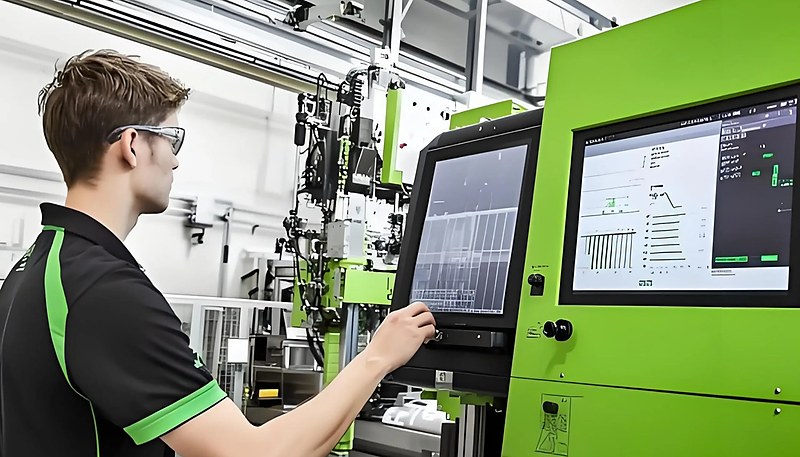
Os documentos críticos são pacotes PPAP, planos de controle, FMEA, certificados de materiais e registros de calibração para validação.
| Document Type | Purpose | Key Review Points |
|---|---|---|
| PPAP Package | Validate supplier capability | Dimensional results, material certs, capability studies |
| Control Plan | Define production monitoring | Inspection frequency, acceptance criteria, reaction plans |
| FMEA | Risk assessment and mitigation | Failure modes, risk priority numbers, recommended actions |
| Material Certificates | Material traceability | Lot numbers, property tests, approved source verification |
| Calibration Records | Measurement reliability | Equipment list, calibration dates, traceability to standards |
A documentação da Análise de Modos de Falha e seus Efeitos (FMEA) demonstra uma avaliação proativa dos riscos e o planejamento de medidas de mitigação. Analise tanto a FMEA de projeto (se aplicável) quanto a FMEA de processo quanto à integridade e ao realismo das avaliações de risco. Preste atenção às ações recomendadas e ao status da implementação — FMEAs sem continuidade oferecem pouco valor. Os certificados de materiais devem ser rastreáveis até as fontes aprovadas e demonstrar conformidade com suas especificações. Isso inclui certificados da resina-base, documentação de aditivos e qualquer teste especial exigido para sua aplicação. Aplicações médicas, automotivas e aeroespaciais muitas vezes exigem certificações adicionais que fornecedores comerciais convencionais talvez não compreendam. Os relatórios de inspeção devem demonstrar a capacidade de monitoramento contínuo e o controle estatístico do fornecedor. Analise dados recentes de produção em busca de evidências de estabilidade do processo, resposta adequada às variações e ações corretivas eficazes.
Fornecedores com bons sistemas de documentação conseguem identificar e resolver rapidamente os problemas de qualidade quando eles ocorrem. Os certificados de calibração dos equipamentos de medição garantem a confiabilidade dos dados durante toda a relação de produção. Todos os equipamentos de inspeção devem ter calibração vigente rastreável a padrões nacionais. Calibrações ausentes ou vencidas indicam uma gestão deficiente do sistema de medição que comprometerá a confiabilidade dos dados de qualidade.
A ZetarMold conta com 30+ gerentes de projeto que falam inglês e garantem que cada documento seja devidamente compilado e comunicado — porque lacunas na documentação entre comprador e fornecedor são uma das principais causas de disputas na produção. Aprendemos que investir em uma documentação clara evita 80% dos mal-entendidos que normalmente surgem durante o aumento gradual da produção.
Como Criar um Sistema de Pontuação para Qualificar Fornecedores?
Um sistema de pontuação é uma matriz ponderada de qualidade, capacidade, equipamentos, ferramental, documentação e materiais com valores mínimos. Um sistema de pontuação estruturado elimina a subjetividade e proporciona uma avaliação consistente dos fornecedores entre vários candidatos. A distribuição dos pesos deve refletir os fatores críticos de sucesso do seu projeto. Os sistemas de qualidade e a capacidade do processo normalmente recebem os maiores pesos (20-25% cada) porque afetam diretamente a consistência das peças e a satisfação do cliente. Os critérios de pontuação devem ser específicos e mensuráveis para garantir uma avaliação consistente. Em vez de “bom sistema de qualidade”, defina critérios como “certificação ISO 9001 com evidências de implementação eficaz de SPC e processo CAPA documentado com verificação em circuito fechado”. Critérios específicos eliminam discussões sobre interpretação e permitem uma comparação justa entre fornecedores.
Limites mínimos de pontuação evitam compensações entre categorias que poderiam ocultar pontos fracos críticos. Um fornecedor pode se destacar na documentação, mas falhar na manutenção dos equipamentos — aceitar essa troca normalmente gera problemas de produção, independentemente da pontuação geral. Defina valores mínimos por categoria que reflitam requisitos inegociáveis para sua aplicação. A contribuição de vários avaliadores melhora a precisão e reduz a parcialidade individual. Inclua engenheiros de qualidade, engenheiros de fabricação e representantes de compras no processo de avaliação. Perspectivas diferentes muitas vezes revelam problemas que avaliações individuais não percebem, especialmente quanto a aspectos práticos da fabricação em comparação com capacidades teóricas. A validação por meio da verificação de referências fornece uma confirmação externa da precisão da pontuação. Entre em contato com clientes atuais que produzam peças semelhantes, com volumes e complexidade comparáveis.
O retorno das referências frequentemente revela características do fornecedor que não ficam evidentes durante as visitas às instalações, principalmente quanto à capacidade de resposta durante problemas de produção e à gestão do relacionamento no longo prazo.
| Category | Weight (%) | Scoring Criteria | Minimum Score |
|---|---|---|---|
| Quality Systems | 25 | ISO certification, SPC implementation, CAPA effectiveness | 80 |
| Process Capability | 20 | Cpk studies, FAI results, validation completeness | 85 |
| Equipment Condition | 20 | Machine maintenance, calibration status, capacity | 75 |
| Tooling Capabilities | 15 | Design quality, maintenance systems, tool life | 80 |
| Documentation | 10 | PPAP completeness, control plans, material certs | 85 |
| Material Handling | 10 | Storage conditions, traceability, contamination control | 75 |
Você Consegue Identificar Estes Mitos Comuns sobre a Inspeção de Fornecedores?
Teste seu conhecimento sobre as melhores práticas de inspeção de fornecedores de moldagem por injeção com estas alegações comuns sobre o processo de qualificação. Cada afirmação aborda uma concepção equivocada generalizada ou um requisito crítico que as equipes de compras encontram com frequência durante a avaliação de fornecedores.
"Os estudos de capacidade do processo (Cpk) devem demonstrar valores de 1.33 ou mais para características críticas das peças"True
Valores de Cpk de 1.33 representam o padrão do setor para uma capacidade adequada do processo, indicando que o processo consegue produzir peças dentro das especificações de forma consistente e com variação normal. Valores abaixo de 1.33 sugerem controle insuficiente do processo e maior risco de defeitos durante a produção em massa.
"A certificação ISO 9001 garante que um fornecedor entregará peças de qualidade de forma consistente"False
A certificação ISO 9001 confirma a existência de procedimentos de qualidade documentados, mas não garante uma implementação eficaz nem resultados. Muitos fornecedores certificados ainda enfrentam dificuldades com a consistência da qualidade devido a controle deficiente do processo, manutenção inadequada dos equipamentos ou treinamento insuficiente.
Compreender essas concepções equivocadas comuns ajuda você a evitar os erros mais frequentes durante a avaliação de fornecedores. Muitas equipes de compras confiam demais nas certificações sem verificar a implementação real dos processos ou tentam economizar tempo realizando inspeções remotamente em vez de visitar as instalações pessoalmente. A diferença entre uma avaliação minuciosa no local e uma análise remota superficial muitas vezes determina se o lançamento da sua produção será bem-sucedido ou exigirá medidas corretivas caras meses depois. Reserve tempo para validar as suposições com dados reais e evidências físicas das instalações do fornecedor.
"A inspeção do primeiro artigo (FAI) deve ser concluída usando ferramental, materiais e condições de processamento da produção"True
A FAI só fornece uma validação significativa quando realizada em condições reais de produção. O uso de ferramental de protótipo, materiais alternativos ou processos modificados cria uma falsa confiança que não se traduz na realidade da produção.
"As inspeções remotas por vídeo podem substituir com eficácia as auditorias de fornecedores no local para avaliar a capacidade de moldagem por injeção"False
As inspeções remotas deixam de detectar detalhes críticos que afetam a capacidade de fabricação. Você não consegue avaliar o estado das máquinas, as práticas de manuseio de materiais nem os controles ambientais por meio de videochamadas. A inspeção física revela o desgaste dos equipamentos, a qualidade da manutenção e as práticas operacionais que determinam a consistência real da produção.
Quais São as Perguntas Mais Comuns sobre Inspeções de Fornecedores de Moldagem por Injeção?
Perguntas Frequentes
Qual é o item mais importante em um checklist de inspeção de fornecedor de moldagem por injeção?
A validação da capacidade do processo é o elemento mais crítico da inspeção porque integra todos os outros fatores em resultados de desempenho mensuráveis. Você pode ter equipamentos excelentes, documentação perfeita e instalações impressionantes, mas, se o fornecedor não conseguir demonstrar o controle estatístico do processo sobre as características críticas da sua peça, todo o restante se torna irrelevante. Os estudos de capacidade do processo revelam se o fornecedor consegue atender às suas especificações de forma consistente, com margem adequada para a variação normal. Concentre o tempo da inspeção em validar a capacidade real por meio de dados, não apenas a capacidade teórica por meio da observação. Essa única avaliação informa mais sobre um fornecedor do que qualquer certificação ou visita às instalações.
Quanto tempo leva uma inspeção típica de fornecedor?
Uma inspeção minuciosa do fornecedor exige 1-2 dias inteiros no local, dependendo da complexidade das instalações e dos requisitos das peças. O primeiro dia normalmente abrange a visita às instalações, a avaliação dos equipamentos e a análise da documentação. O segundo dia se concentra na validação do processo, na avaliação do sistema de qualidade e em discussões detalhadas com a equipe técnica. Tentar comprimir esse cronograma frequentemente resulta na omissão de problemas críticos que poderiam ter sido identificados com um tempo adequado de avaliação. Algumas avaliações complexas, principalmente em setores regulamentados, podem exigir mais tempo para verificar a conformidade e realizar discussões técnicas detalhadas com as equipes de engenharia.
É possível inspecionar um fornecedor remotamente?
A inspeção remota pode complementar, mas nunca substituir, a avaliação no local de fornecedores de moldagem por injeção. As videochamadas funcionam bem para a triagem inicial, a análise de documentos e as conversas de acompanhamento, mas uma avaliação crítica exige presença física. Você não consegue avaliar o estado das máquinas, as práticas de manuseio de materiais nem os controles ambientais por meio de uma câmera. As inspeções remotas deixam de detectar aproximadamente 40% dos problemas revelados pelas visitas no local, principalmente a qualidade da manutenção dos equipamentos e a implementação real dos processos. Use ferramentas remotas para a avaliação preliminar e a comunicação contínua, mas tome as decisões finais sobre fornecedores com base em uma inspeção abrangente no local.
Quais certificações um fornecedor de moldagem por injeção deve ter?
A ISO 9001 representa a certificação básica de gestão da qualidade para qualquer fornecedor sério de moldagem por injeção. As certificações específicas do setor dependem da sua aplicação: ISO 13485 para dispositivos médicos, IATF 16949 para o setor automotivo ou AS9100 para o setor aeroespacial. No entanto, as certificações por si só não garantem capacidade nem qualidade consistente da produção. Concentre-se na eficácia da implementação, não na coleção de certificados. Muitos fornecedores excelentes demonstram controle de processo e resultados de qualidade superiores sem certificações específicas do setor. Sempre avalie os sistemas de qualidade reais, a implementação do controle estatístico do processo e os resultados reais da produção em vez de confiar apenas no status das certificações ao selecionar seu fornecedor.
O que acontece se um fornecedor não for aprovado na inspeção?
As reprovações na inspeção do fornecedor criam oportunidades de melhoria, em vez de uma desqualificação automática, dependendo da gravidade dos problemas identificados. Problemas menores, como lacunas na documentação ou lapsos de calibração, muitas vezes podem ser resolvidos por meio de planos de ação corretiva com prazos e métodos de verificação definidos. Problemas graves, como equipamentos inadequados, controle deficiente do processo ou problemas sistêmicos de qualidade, normalmente exigem a busca de fornecedores alternativos para seu projeto. Mantenha sempre opções de fornecedores de reserva durante qualquer período de correção para proteger seus cronogramas de produção e compromissos de entrega. Documente todos os problemas com clareza e defina critérios mensuráveis de melhoria.
Com que frequência você deve auditar novamente um fornecedor de moldagem por injeção?
Novos fornecedores normalmente exigem uma nova auditoria após 6-12 meses de produção para verificar o desempenho sustentado e as melhorias do processo. Fornecedores estabelecidos com excelentes históricos podem ampliar os ciclos para 18-24 meses, enquanto fornecedores problemáticos podem precisar de análises trimestrais até que o desempenho se estabilize. Mudanças importantes, como novos equipamentos, mudança de instalações, troca de profissionais-chave ou problemas de qualidade, acionam uma reavaliação imediata, independentemente do cronograma previsto. Fornecedores sólidos recebem bem as análises regulares como oportunidades para demonstrar melhoria contínua e fortalecer o relacionamento com os clientes por meio da transparência e da comunicação consistente durante toda a parceria.
Pronto para Avaliar Seu Próximo Fornecedor de Moldagem por Injeção?
Aplique este checklist de inspeção para avaliar e qualificar com confiança seu próximo fornecedor de moldagem por injeção antes de se comprometer com a produção em massa. O checklist que abordamos aqui representa duas décadas de lições aprendidas tanto com parcerias bem-sucedidas quanto com erros dispendiosos. Na ZetarMold, recebemos bem inspeções abrangentes de fornecedores porque confiamos em nossas capacidades e temos compromisso com a transparência. Nossas certificações ISO 9001, ISO 13485, ISO 14001 e ISO 45001 fornecem a estrutura, mas nossos 20+ anos de experiência e 120+ trabalhadores qualificados na produção entregam os resultados. Pronto para experimentar a diferença que uma preparação minuciosa e operações transparentes proporcionam? Solicite uma cotação gratuita à ZetarMold e descubra por que empresas líderes confiam a nós seus projetos mais críticos de moldagem por injeção.
Quando os clientes visitam nossas instalações em Xangai, eles sempre descobrem capacidades que superam suas expectativas, desde nossa frota de 47 máquinas com capacidades de 90T a 1850T até nossa fabricação interna de moldes, que comporta 100+ conjuntos de ferramentas por mês. Pronto para experimentar a diferença que uma preparação minuciosa e operações transparentes proporcionam? Solicite uma cotação gratuita à ZetarMold e descubra por que empresas líderes confiam a nós seus projetos mais críticos de moldagem por injeção.
validação inadequada do fornecedor: A validação inadequada do fornecedor é a falha em verificar corretamente as capacidades de fabricação antes do compromisso com a produção, o que leva a custos maiores ↩
ISO 9001: A ISO 9001:2015 é uma norma internacional para os requisitos dos sistemas de gestão da qualidade, publicada pela Organização Internacional de Normalização em 2015 ↩
valores de Cpk: Cpk é uma medida estatística da capacidade do processo que indica quão bem um processo consegue produzir resultados dentro dos limites de especificação, sendo considerados capazes os valores acima de 1.33 ↩