Co to jest polimetakrylan metylu (PMMA) lub akryl?
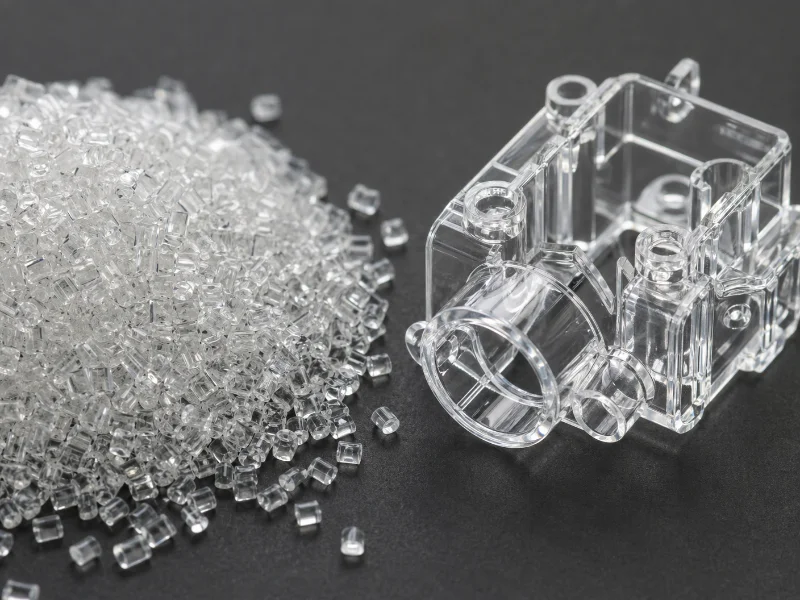
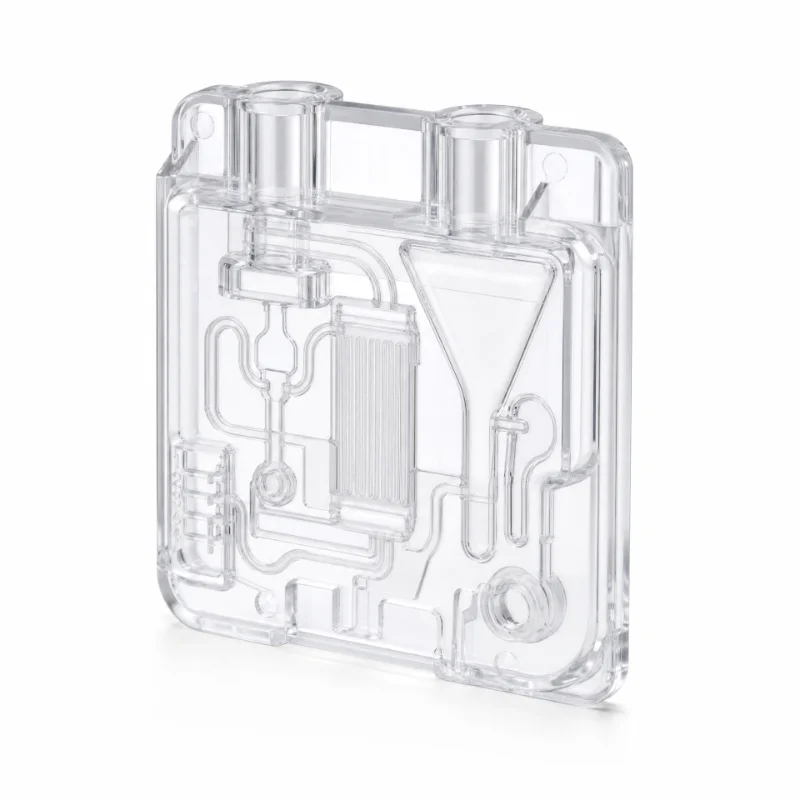
Polimetakrylan metylu (PMMA), powszechnie znany jako akryl lub akryl klasy optycznej, to przezroczysty termoplast zaprojektowany do zastosowań, w których kluczowe znaczenie mają przejrzystość, odporność na warunki atmosferyczne i wykończenie powierzchni. Dla Twojego projektu PMMA oferuje unikalne połączenie szklistej przejrzystości i przetwarzalności polimeru. Z przepuszczalnością światła do 92% i współczynnikiem załamania 1,49 jest jednym z najbardziej przejrzystych dostępnych tworzyw sztucznych — co czyni go idealnym do soczewek optycznych, prowadnic światła i pokryw wyświetlaczy.
W przeciwieństwie do amorficznych polimerów tolerujących szerokie okna przetwórcze, PMMA jest wysoce wrażliwy na historię termiczną i wilgoć. Jego struktura molekularna pozbawiona jest wewnętrznej elastyczności, dlatego zapewnia sztywność i odporność na zarysowania – ale także dlatego jest podatny na naprężenia wewnętrzne i kruchość.
Jakie są różne rodzaje i gatunki materiałów PMMA?
Nie wszystkie materiały PMMA działają tak samo, a wybór odpowiedniej klasy jest kluczowy dla spełnienia wymagań optycznych, mechanicznych i środowiskowych. PMMA jest szeroko kategoryzowany na warianty ogólnego przeznaczenia, klasy optycznej, modyfikowane udarowo i stabilizowane UV.
W przypadku niestandardowych komponentów PMMA wybór często zależy od równowagi między przejrzystością a trwałością. Na przykład, jeśli produkt musi wytrzymać naprężenia mechaniczne, można rozważyć gatunki modyfikowane udarowo – ale jeśli kluczowa jest precyzja optyczna, lepszym wyborem jest czysty PMMA ze ścisłą kontrolą przetwarzania.
Dodatkowo PMMA może być dostarczany w formach klasy ekstruzyjnej lub wtryskowej. PMMA klasy wtryskowej jest zoptymalizowany pod kątem kontrolowanego przepływu stopu i minimalnej degradacji, zapewniając stałe odwzorowanie wysoko polerowanych powierzchni formy.
1. PMMA ogólnego przeznaczenia:
Nadaje się do niekrytycznych komponentów wizualnych, gdzie priorytetem jest efektywność kosztowa.
2. PMMA klasy optycznej:
Zaprojektowany dla wysokiej przejrzystości i minimalnych zniekształceń wewnętrznych. Jest to niezbędne dla soczewek, dyfuzorów światła lub precyzyjnych komponentów wyświetlaczy.
3. PMMA modyfikowany udarowo:
Zawiera modyfikatory elastomerowe poprawiające wytrzymałość, choć kosztem przejrzystości optycznej.
4. PMMA odporne na UV:
Zaprojektowany do zastosowań zewnętrznych, utrzymujący przejrzystość i stabilność koloru przez długie okresy ekspozycji.
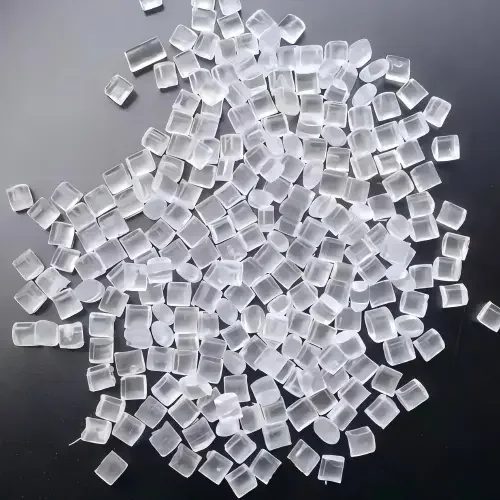
Jakie są podstawowe cechy i właściwości fizyczne akrylu?
Podstawowe cechy PMMA definiują zarówno jego zalety, jak i wyzwania przetwórcze. Dla Twojej aplikacji właściwości te bezpośrednio wpływają na decyzje projektowe, wymagania narzędziowe i strategie formowania.
- Gęstość względna: ~1,18 g/cm³ (lżejszy niż szkło, redukuje ogólną wagę produktu)
- Przepuszczalność światła: Do 92%, wyższa niż większość przezroczystych tworzyw sztucznych
- Współczynnik załamania światła: 1,49, umożliwiający wydajną transmisję i kontrolę światła
- Absorpcja wody: ~0,3–0,4%, wskazująca na umiarkowane właściwości higroskopijne
Ta higroskopijna natura jest szczególnie ważna. Jeśli materiał nie jest odpowiednio wysuszony (zwykle 80–90°C przez 3–4 godziny), wilgoć odparuje podczas wtrysku, prowadząc do srebrzystych smug, pęcherzy i degradacji łańcuchów molekularnych. Te wady są szczególnie widoczne w przeźroczystych częściach i mogą pogorszyć zarówno estetykę, jak i integralność strukturalną.
PMMA wykazuje również doskonałą stabilność UV i odporność na warunki atmosferyczne. W przeciwieństwie do wielu tworzyw sztucznych, nie żółknie łatwo, co czyni go idealnym do zewnętrznych zastosowań optycznych. Jednak stosunkowo niska temperatura ugięcia pod obciążeniem oznacza, że projekt musi uwzględniać ekspozycję termiczną podczas użytkowania.
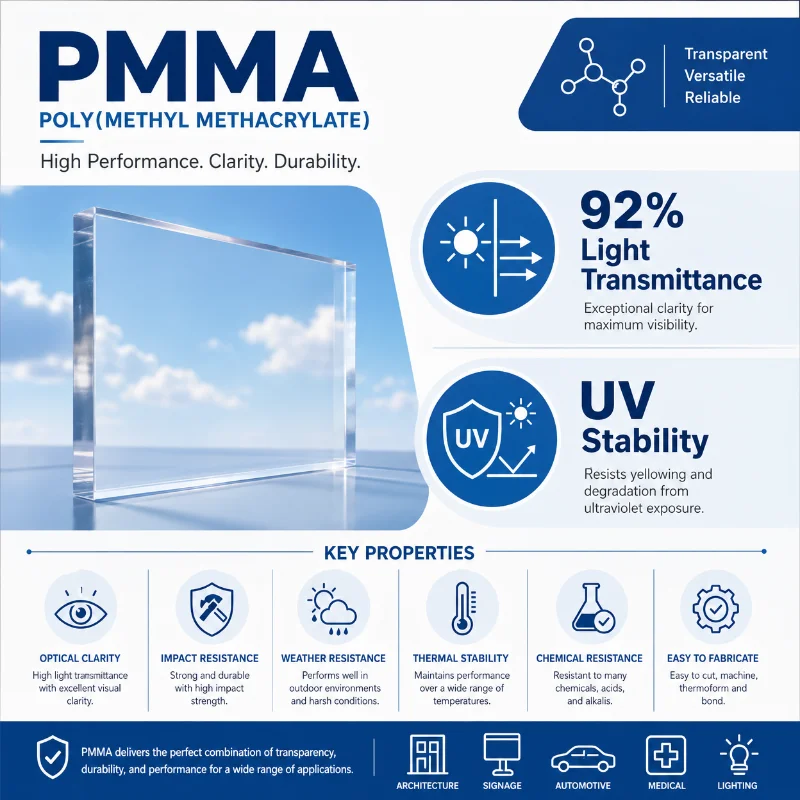
Kluczowe właściwości techniczne PMMA
Projektując komponent, zrozumienie właściwości technicznych PMMA jest kluczowe do przewidywania zachowania pod obciążeniem, w różnych temperaturach i warunkach środowiskowych.
| Właściwości fizyczne | Metryczny | Angielski |
|---|---|---|
| Gęstość | 0,700 - 1,30 g/cc | 0,0253 - 0,0470 lb/in³ |
| Absorpcja wody | 0.300 - 2.00 % | 0.300 - 2.00 % |
| Absorpcja wilgoci w stanie równowagi | 0.300 - 0.600 % | 0.300 - 0.600 % |
| Absorpcja wody w stanie nasycenia | 0.300 - 2.20 % | 0.300 - 2.20 % |
| Liniowy skurcz formy | 0,00200 - 0,00800 cm/cm | 0,00200 - 0,00800 in/in |
| Płynięcie stopionego tworzywa | 0,112 - 40,0 g/10 min | 0,112 - 40,0 g/10 min |
| Rezystywność elektryczna | 1,00e+10 - 1,00e+17 ohm-cm | 1,00e+10 - 1,00e+17 ohm-cm |
| Odporność powierzchniowa | 2,60e+9 - 1,00e+16 om | 2,60e+9 - 1,00e+16 om |
| Stała dielektryczna | 2.44 - 4.00 | 2.44 - 4.00 |
| Wytrzymałość dielektryczna | 15,0 - 60,0 kV/mm | 380 - 1520 kV/in |
| Współczynnik rozproszenia | 0.0200 - 0.190 | 0.0200 - 0.190 |
| Porównawczy indeks śledzenia | 600 V | 600 V |
| Ciepło właściwe | 1,46 - 1,50 J/g-°C | 0,349 - 0,359 BTU/lb-°F |
| Przewodność cieplna | 0,187 - 0,216 W/m-K | 1,30 - 1,50 BTU-in/h·ft²·°F |
| Maksymalna temperatura robocza, powietrze | 50,0 - 100 °C | 122 - 212 °F |
| Temperatura Ugięcia przy 0,46 MPa (66 psi) | 73,0 - 109 °C | 163 - 228 °F |
| Temperatura ugięcia przy ciśnieniu 1,8 MPa (264 psi) | 51,7 - 106 °C | 52 - 106 °C |
| Temperatura mięknienia Vicat | 58,3 - 119 °C | 58 - 119 °C |
| Temperatura zniekształceń cieplnych | 85,0 - 105 °C | 85 - 105 °C |
| Temperatura zeszklenia, Tg | 102 - 122 °C | 102 - 122 °C |
| Palność, UL94 | HB | HB |
| Wskaźnik tlenowy | 18.0 % | 18.0 % |
| Test Żarową Drutem | 650 - 700 °C | 649 - 699 °C |
| Temperatura przetwarzania | 177 - 265 °C | 350 - 509 °F |
| Temperatura dyszy | 193 - 260 °C | 380 - 500 °F |
| Temperatura adaptera | 230 - 240 °C | 446 - 464 °F |
| Temperatura matrycy | 220 - 260 °C | 428 - 500 °F |
| Temperatura topnienia | 150 - 260 °C | 302 - 500 °F |
| Temperatura formy | 30.0 - 107 °C | 30,0 - 107 °C |
| Temperatura rolki | 80.0 - 100 °C | 80 - 100 °C |
| Temperatura suszenia | 60.0 - 109 °C | 60 - 109 °C |
| Ciśnienie wtrysku | 58,8 - 147 MPa | 8530 - 21300 psi |
| Temperatura wyżarzania | 60,0 - 90,0 °C | 140 - 194 °F |
Sztywność PMMA zapewnia doskonałą stabilność wymiarową, co jest korzystne dla precyzyjnych komponentów. Jednak oznacza to również niską odporność na uderzenia, przez co materiał jest bardziej podatny na pękanie pod wpływem nagłego naprężenia.
W przypadku zastosowań optycznych, kontrola stresu wewnętrznego jest kluczowa. Nieprawidłowe parametry wtrysku – takie jak nadmierna szybkość wtrysku lub niska temperatura formy – mogą wprowadzić stres resztkowy, który później przejawia się jako mikropęknięcia lub zarysowania.
Aby zapewnić optymalne rezultaty, podczas fazy projektowania należy zastosować zaawansowaną analizę przepływu wtrysku (Mold Flow Analysis). Pozwala to przewidzieć zachowanie przepływu, zoptymalizować lokalizację bramek oraz zminimalizować linie złączeń lub pułapki powietrza.
Jakie są główne zalety i ograniczenia wtrysku akrylu?
W przypadku strategii produkcji, wtrysk PMMA oferuje wyraźne korzyści – ale wymaga również starannego podejścia.
Zalety
Wyjątkowa Przejrzystość Optyczna
Przepuszczalność światła do 92%, idealna do soczewek i wysokiej klasy aplikacji wyświetlaczy.
Doskonałe Odwzorowanie Powierzchni
Umożliwia uzyskanie lustrzanych wykończeń bezpośrednio z formy, redukując koszty obróbki wykończeniowej.
Wysoka odporność na UV i warunki atmosferyczne
Wyższa stabilność na zewnątrz w porównaniu z PC, odporna na żółknięcie w czasie.
Dobra stabilność wymiarowa
Niski współczynnik skurczu zapewnia precyzyjne części o wąskich tolerancjach.
Ograniczenia
Kruchość i niska odporność na uderzenia
Bardziej podatna na pęknięcia niż PC; nie zalecana dla aplikacji o wysokiej odporności na uderzenia.
Wrażliwość na wilgoć
Wymaga dokładnego wstępnego suszenia; wilgoć może powodować srebrzyste smugi i pęcherze.
Wysokie ryzyko naprężeń wewnętrznych
Nieprawidłowe przetwarzanie może prowadzić do pęknięć naprężeniowych, wymagając ostrożnej kontroli parametrów.
Rygorystyczne wymagania przetwórcze
Wymaga wysokiej jakości narzędzi i precyzyjnej kontroli procesu, aby osiągnąć optymalne rezultaty.
PMMA kontra poliwęglan (PC): Który materiał wybrać?
Wybór między PMMA a poliwęglanem (PC) zależy od priorytetów wydajnościowych. Oba są przezroczystymi tworzywami, ale służą różnym potrzebom inżynieryjnym.
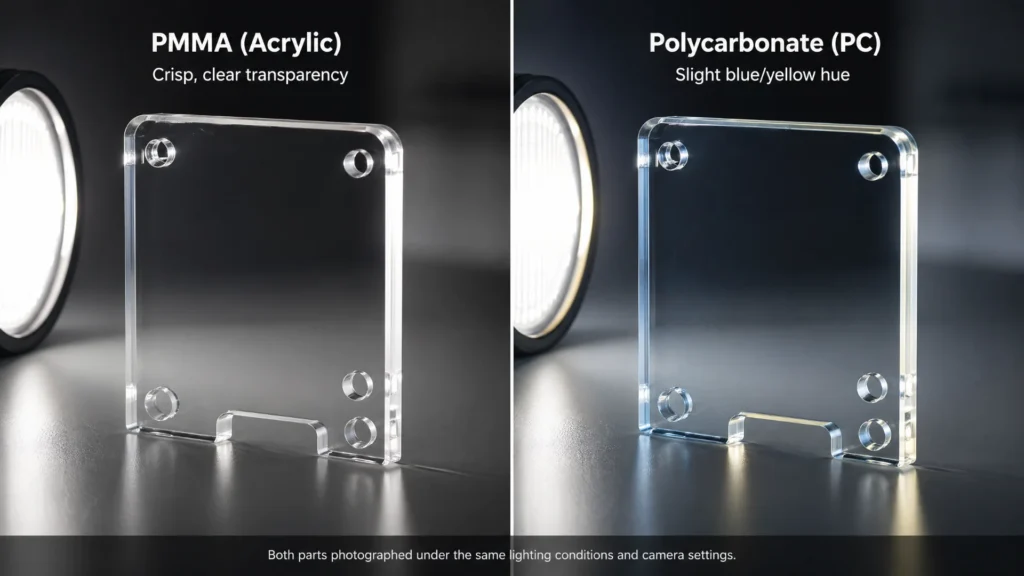
| Własność | PMMA (akryl) | PC (poliwęglan) |
|---|---|---|
| Przepuszczalność światła | ~92% | ~88–90% |
| Odporność na uderzenia | Niski | Bardzo wysoka |
| Odporność na zarysowania | Doskonały | Umiarkowany |
| Koszt | Niższa | Wyższy |
| Odporność na promieniowanie UV | Doskonały | Wymaga powłoki |
Jeśli Twój projekt priorytetowo traktuje przejrzystość optyczną, wykończenie powierzchni i stabilność UV, PMMA jest lepszym wyborem.
Jeśli Twoje zastosowanie wiąże się z naprężeniami mechanicznymi lub uderzeniami (np. osłony bezpieczeństwa), PC może być bardziej odpowiedni.
Niestandardowe formowanie wtryskowe z PMMA (akrylu)
Dowiedz się, jak zoptymalizować niestandardowe formowanie wtryskowe akrylu PMMA. Poznaj kluczowe parametry, wytyczne projektowe, wybór stali formy i rozwiązania dla bezbłędnych części optycznych.
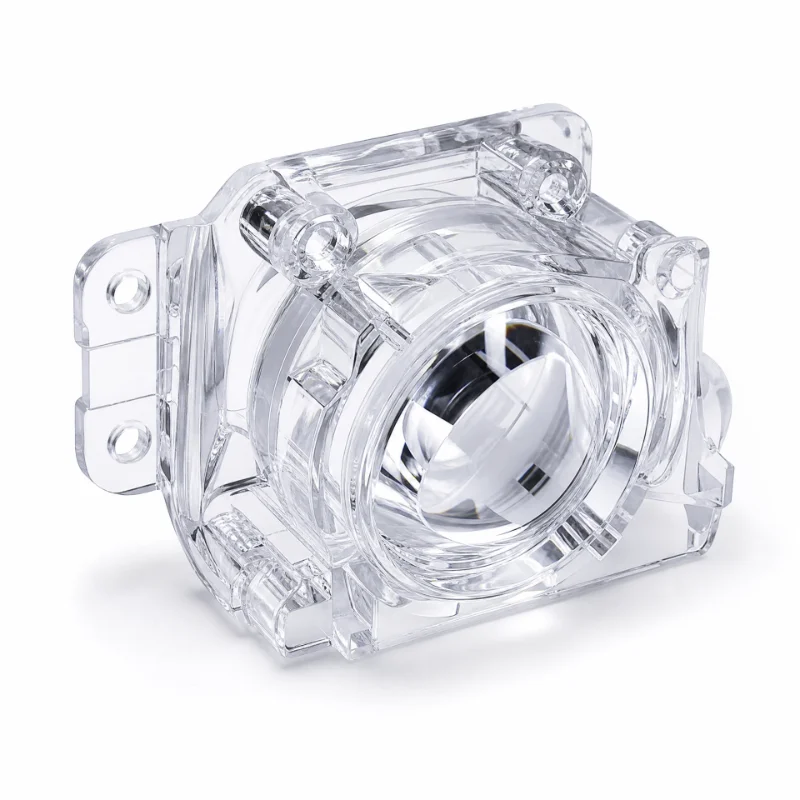
Czy materiały PMMA (akrylowe) mogą być wtryskiwane?
Tak, PMMA może być formowane wtryskowo — ale nie w taki sam sposób jak tworzywa sztuczne masowe. Dla Twojego projektu sukces zależy od precyzyjnej kontroli na każdym etapie.
Kluczowe aspekty procesu obejmują:
PMMA musi być suszony w temperaturze 80–90°C przez 3–4 godziny, aby zapobiec wadom związanym z wilgocią.
Zazwyczaj utrzymywana w zakresie 200–250°C. Przegrzanie prowadzi do degradacji i zżółknięcia.
Wtrysk wielostopniowy ma kluczowe znaczenie: • Wolna prędkość początkowa, aby zapobiec efektowi strumienia • Średnia prędkość do wypełniania gniazda • Zmniejszona prędkość na końcu, aby uniknąć przepakowania
Wyższe temperatury formy poprawiają jakość powierzchni i zmniejszają naprężenia wewnętrzne.
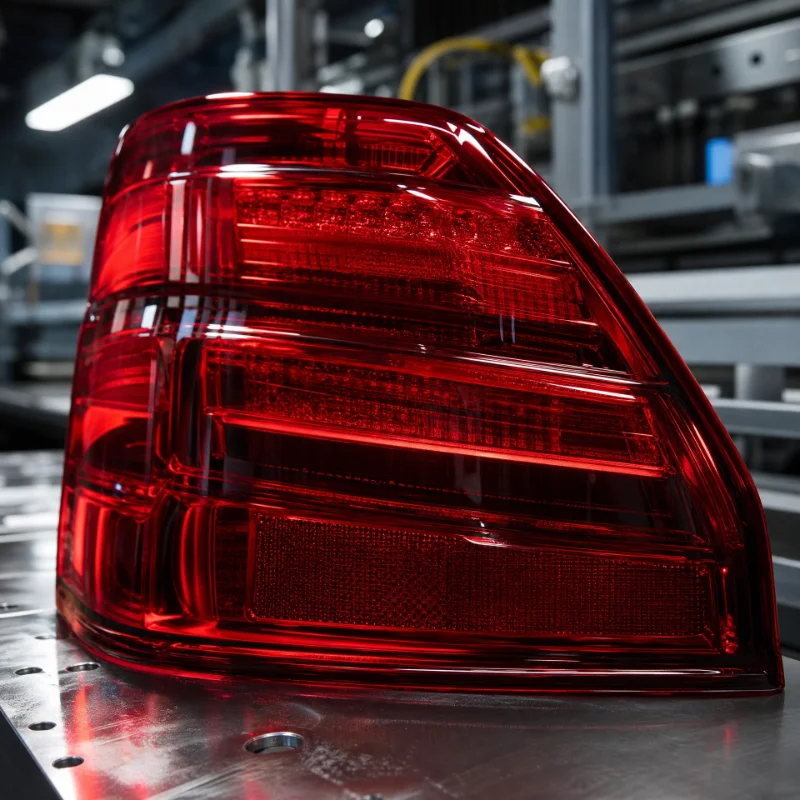
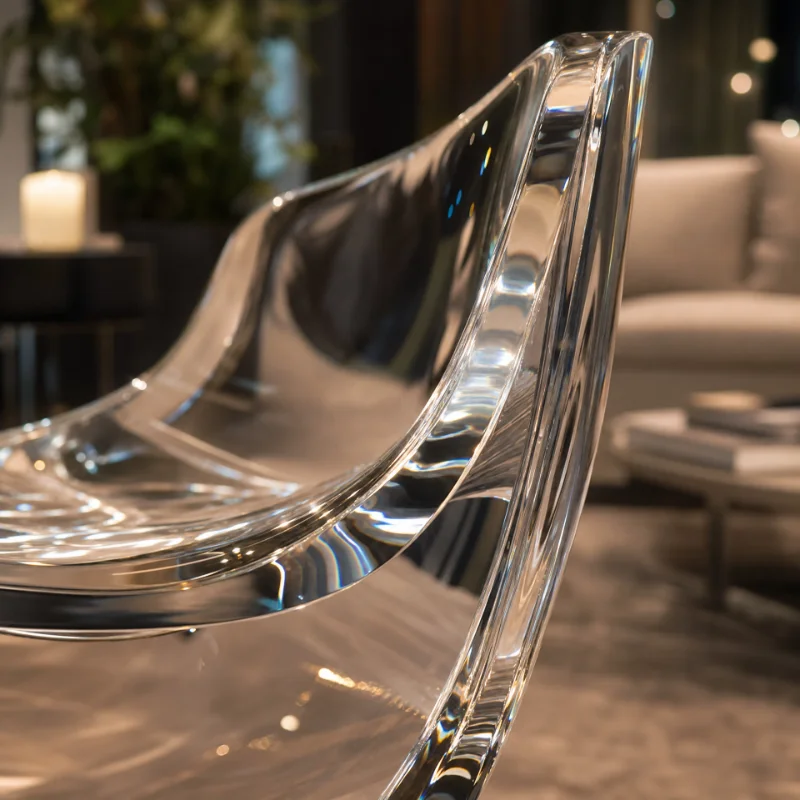
Jakie są typowe zastosowania nietypowego wtrysku akrylu?
Niestandardowe komponenty PMMA są zaufane w różnych branżach, gdzie przejrzystość optyczna, precyzja i estetyka są niepodważalne. Od złożonych systemów optycznych po eleganckie dobra konsumenckie, akryl zapewnia wydajność tam, gdzie ma to największe znaczenie.
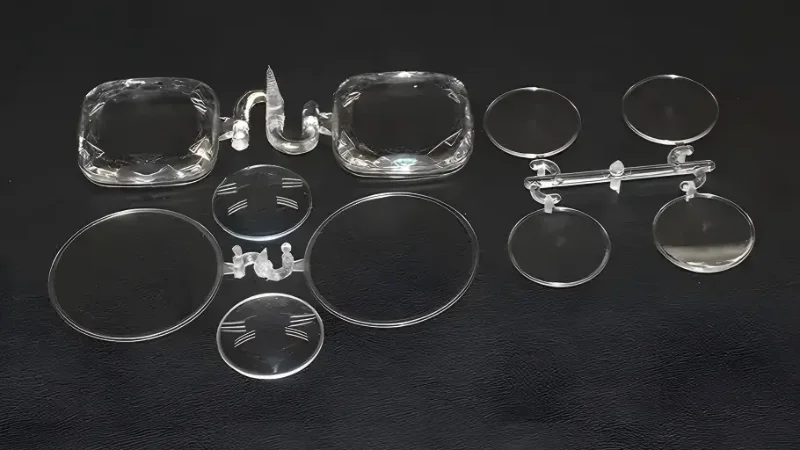
Soczewki optyczne i światłowody
Precyzyjne komponenty zaprojektowane do wydajnego przesyłania światła i nieskazitelnego obrazowania w wymagających układach optycznych.
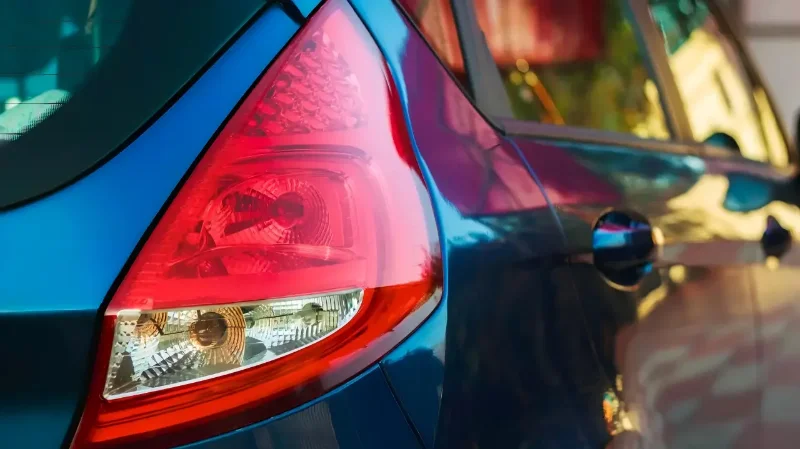
Oświetlenie samochodowe
Trwałe, wysokoprzezroczyste części do świateł tylnych, kloszy reflektorów i oświetlenia wnętrza, odporne na wibracje drogowe i warunki atmosferyczne.
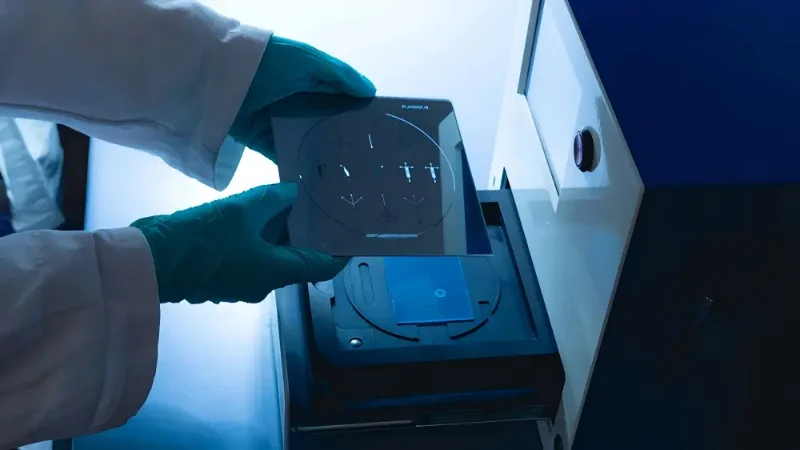
Obudowy urządzeń medycznych
Sterylizowalne, przezroczyste obudowy umożliwiające wizualne monitorowanie wewnętrznych mechanizmów i poziomów płynów.
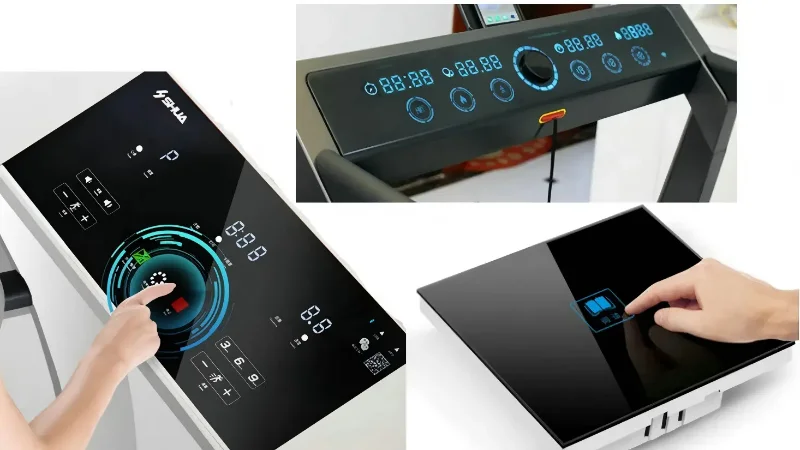
Wyświetlacze elektroniki użytkowej
Odporne na zarysowania ekrany, panele dotykowe i wskaźniki z wysokopołyskowymi wykończeniami dla estetyki produktów premium.
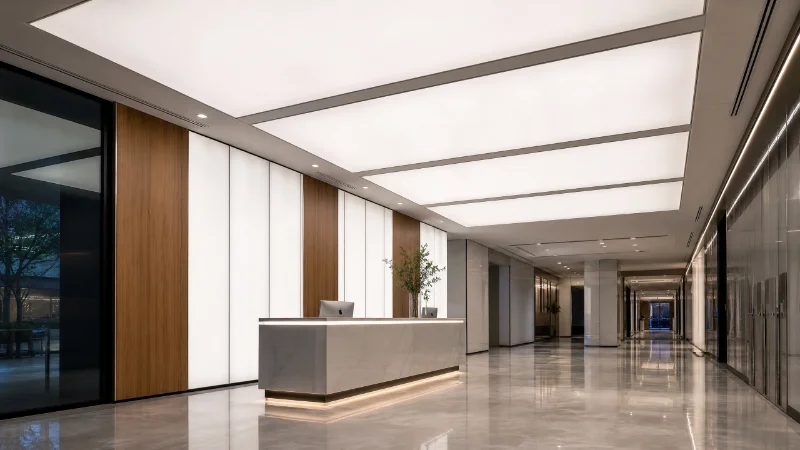
Oświetlenie i panele architektoniczne
Odporne na warunki atmosferyczne, rozpraszające światło osłony oświetleniowe oraz przeszklenia dekoracyjne, które zapewniają równomierny rozkład światła i stabilność strukturalną.
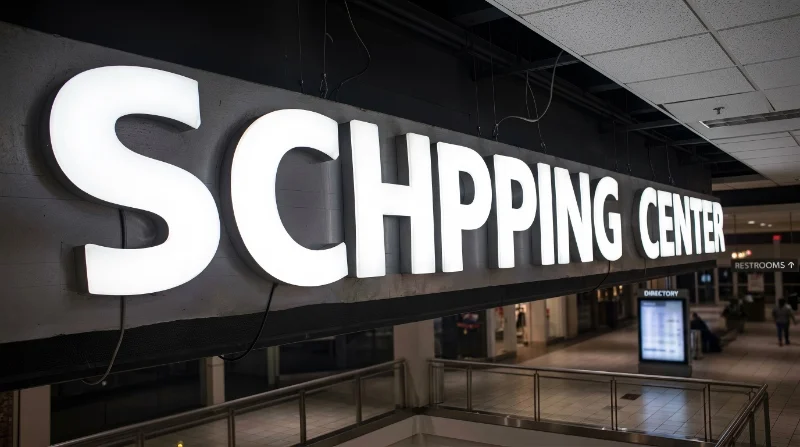
Ekspozycje handlowe i oznakowanie
Przyciągające wzrok ekspozytory w punktach sprzedaży i podświetlane oznakowanie, które wykorzystują doskonałą dyfuzję światła i żywe barwy PMMA.
Kluczowe wskazania projektowe dla części wtryskiwanych PMMA
Projektowanie dla PMMA (akrylu) wymaga szczególnej uwagi ze względu na jego sztywną i kruchą naturę w porównaniu ze standardowymi tworzywami inżynierskimi. Właściwe projektowanie nie tylko minimalizuje ryzyko pękania i wad optycznych, ale także znacząco poprawia możliwości wytwórcze niestandardowych komponentów.
Utrzymanie stałej grubości zapobiega naprężeniom wewnętrznym, odkształceniom i śladom skurczu, co jest szczególnie krytyczne dla przezroczystych części z PMMA.
Ostre wewnętrzne narożniki są głównymi punktami awarii w PMMA. Stosowanie dużych faz i promieni eliminuje koncentrację naprężeń i poprawia integralność strukturalną.
Minimalny kąt pochylenia 1–2° jest niezbędny. Niska elastyczność PMMA sprawia, że jest on podatny na zarysowania lub pękanie podczas wyrzutu, jeśli kąt pochylenia jest niewystarczający.
Zaleca się zastosowanie bram wentylatorowych, językowych lub krawędziowych, aby zmniejszyć naprężenia ścinające i ślady przepływu, zapewniając gładkie wypełnienie wnęki przez stopiony akryl bez wad typu "jetting".
Zbyt duża grubość prowadzi do nierównomiernego chłodzenia, zwiększając ryzyko pustek wewnętrznych, pęcherzyków i śladów wciągania, które znacząco pogarszają optyczną jakość części.
Jak wybrać odpowiednią stal na formy (S136 vs. NAK80) do lustrzanego wykończenia PMMA?
W przypadku komponentów optycznych wybór stali formowniczej bezpośrednio wpływa na jakość powierzchni i trwałość narzędzia.
S136 (hartowany do 48–52 HRC)
NAK80 (wstępnie hartowany ~40 HRC)
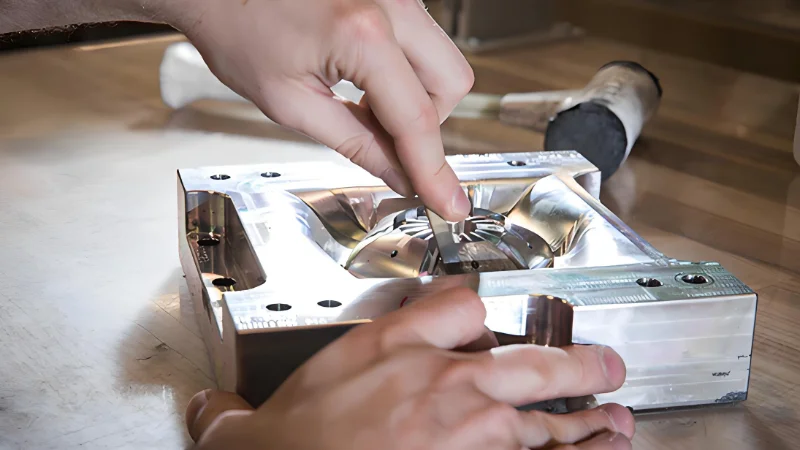
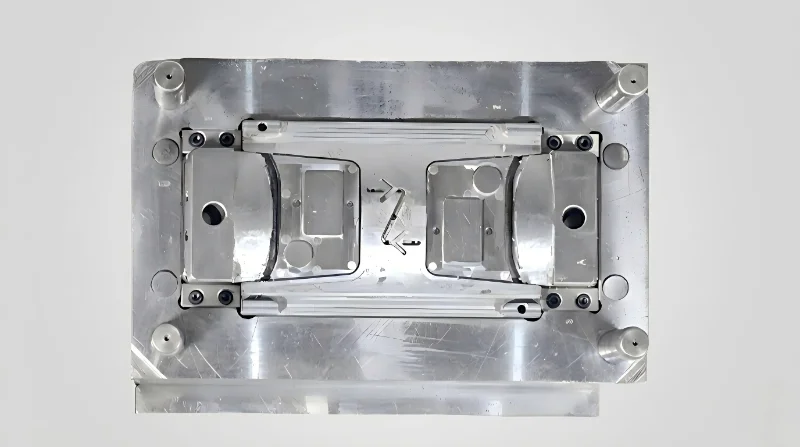
Jeśli Twój projekt wymaga części optycznych z wykończeniem lustrzanym, S136 jest zazwyczaj preferowanym wyborem. Jego twardość i stabilność zapewniają spójne wykończenie powierzchni podczas długich serii produkcyjnych.
Typowe problemy w wtryskiwaniu akrylu i rozwiązania
Wyjątkowa przezroczystość PMMA sprawia, że nawet najmniejsza wada przetwarzania staje się natychmiast widoczna. Zidentyfikowanie pierwotnych przyczyn tych problemów jest kluczowe dla zachowania integralności optycznej Twoich niestandardowych komponentów.
Przyczyna: Zanieczyszczenie żywicy wilgocią.
Rozwiązanie: Wdróż rygorystyczne procedury suszenia materiału i zapewnij szczelne obchodzenie się z materiałem przez cały proces.
Przyczyna: Uwięzione powietrze lub nadmierna grubość ścianki powodująca nierównomierne chłodzenie.
Rozwiązanie: Zoptymalizuj odpowietrzenie formy i przeprojektuj jednolitą grubość ścianek, aby zapobiec pułapkom gazowym.
Przyczyna: Wysokie naprężenia wewnętrzne w połączeniu z oddziaływaniem środowiska.
Rozwiązanie: Zoptymalizuj konstrukcję przewężki, zmniejsz naprężenia wtryskowe i zastosuj wyżarzanie po formowaniu (80–90°C) w celu usunięcia naprężeń szczątkowych.
Przyczyna: Wysoka początkowa prędkość wtrysku powodująca gwałtowne przemieszczanie się stopionego tworzywa przez gniazdo formy.
Rozwiązanie: Zastosuj wielostopniową kontrolę prędkości wtrysku — rozpoczynając powoli, aby zapobiec efektowi strumienia (jetting), a następnie zwiększając prędkość do wypełnienia gniazda.
Opcje obróbki końcowej dla nietypowych części akrylowych
Aby spełnić wymagania dotyczące produktu końcowego, obróbka końcowa odgrywa kluczową rolę w poprawie zarówno optycznego wyglądu, jak i właściwości strukturalnych komponentów PMMA.
Wygładza i klaruje krawędzie ciętego akrylu, przywracając przejrzystość optyczną i tworząc bezszwowe, szklane wykończenie dla części przezroczystych.
Dokładnie kontrolowany cykl nagrzewania i chłodzenia, który znacząco redukuje naprężenia wewnętrzne, zapobiegając późniejszemu pękaniu lub rozwarstwianiu w wymagających środowiskach.
Specjalistyczne zastosowania, takie jak powłoki hartowane dla odporności na zarysowania lub powłoki antyrefleksyjne, aby optymalizować transmisję światła w systemach optycznych.
Umożliwia wysoką precyzję detali, złożone geometrie i niestandardowe oznaczenia bez wprowadzania naprężeń mechanicznych w formowanym elemencie.
W przypadku zaawansowanych zastosowań optycznych połączenie precyzyjnego formowania wtryskowego z zaawansowanymi technikami wykańczania powierzchni gwarantuje, że Twoje części z PMMA spełnią najbardziej rygorystyczne oczekiwania funkcjonalne i estetyczne.
Często zadawane pytania (FAQs)
Dlaczego wstępne suszenie jest tak krytyczne dla wtrysku PMMA (Akrylu)?
PMMA jest silnie higroskopijny. Jeśli nie zostanie wysuszony w temperaturze 80–90°C przez 3–4 godziny przed formowaniem, uwięziona wilgoć spowoduje srebrzyste smugi, pęcherze i zmętnienie, niszcząc optyczną przejrzystość detali.
Jaką stal formierską zaleca się dla wysokoprzejrzystych soczewek PMMA?
Stal nierdzewna S136 jest preferowanym wyborem dla optycznych detali z PMMA. Po zahartowaniu do 48–52 HRC można ją wypolerować do wykończenia SPI A-1 diamentowego i zapewnia doskonałą odporność na korozję przy długich seriach produkcyjnych.
Jakie są kluczowe zasady projektowania dla wtrysku akrylu?
Aby zapobiec pękaniu naprężeniowemu i odkształceniom, utrzymuj jednolitą grubość ścianek, stosuj hojne fazy i promienie (unikaj ostrych krawędzi) oraz uwzględnij minimalny kąt odciągu 1–2°, aby zapewnić płynne usuwanie bez zarysowań.
Jak zapobiegać pęcherzom i pustkom w detalach z PMMA?
Pęcherzyki są zazwyczaj spowodowane uwięzionym powietrzem lub nadmierną grubością ścianki. Rozwiązania obejmują optymalizację odpowietrzania formy, zapewnienie jednolitego projektu ścianek, aby zapobiec wgnieceniom, oraz stosowanie wielostopniowej prędkości wtrysku, aby umożliwić prawidłowe ucieczkę powietrza.
Co powoduje mikropęknięcia (pękanie naprężeniowe) w PMMA i jak je rozwiązać?
Spękanie naprężeniowe jest spowodowane resztkowym naprężeniem wewnętrznym w połączeniu z ekspozycją na czynniki środowiskowe (takie jak chemikalia lub zmiany temperatury). Można je rozwiązać poprzez optymalizację projektu bramki, zmniejszenie ciśnienia wtrysku i zastosowanie wyżarzania po formowaniu w temperaturze 80–90°C w celu uwolnienia naprężeń.
Jaka jest zalecana temperatura topnienia do formowania PMMA?
PMMA powinien być zazwyczaj przetwarzany w temperaturze 200–250°C. Przekroczenie tego zakresu może prowadzić do degradacji materiału i żółknięcia, podczas gdy zbyt niskie temperatury spowodują słaby przepływ i niedozalanie.
Jakie opcje obróbki końcowej są dostępne dla części akrylowych?
Typowa obróbka wykończeniowa obejmuje polerowanie płomieniem dla klarowności krawędzi, wyżarzanie w celu odprężenia, nakładanie powłok przeciwzarysowych lub antyrefleksyjnych oraz cięcie/grawerowanie laserowe dla precyzyjnego detalu.
Czy PMMA nadaje się do zastosowań zewnętrznych lub narażonych na działanie UV?
Tak. W przeciwieństwie do wielu innych przezroczystych tworzyw sztucznych, PMMA oferuje wyjątkową stabilność UV i odporność na warunki atmosferyczne. Zachowuje swoją optyczną przejrzystość i nie żółknie łatwo z czasem, co czyni go idealnym do oświetlenia samochodowego i paneli architektonicznych.