Polimetil Metakrilat (PMMA) veya Akrilik nedir?
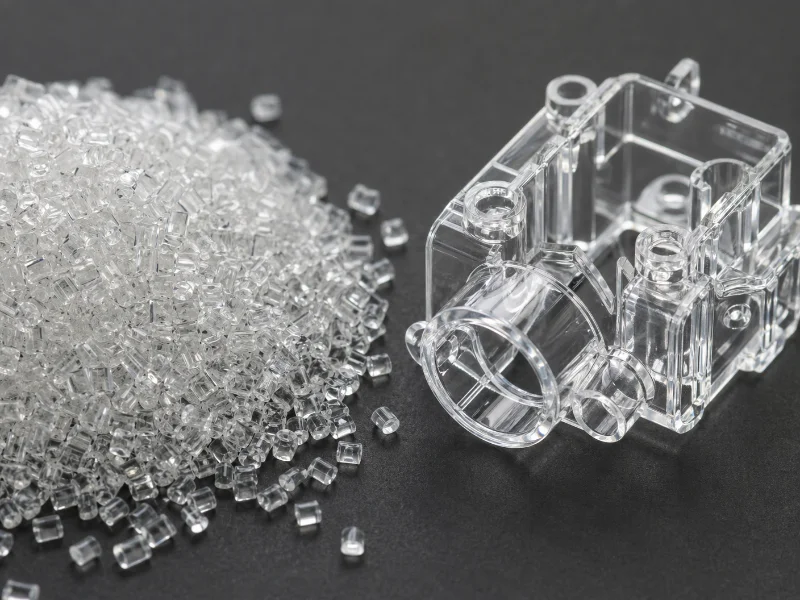
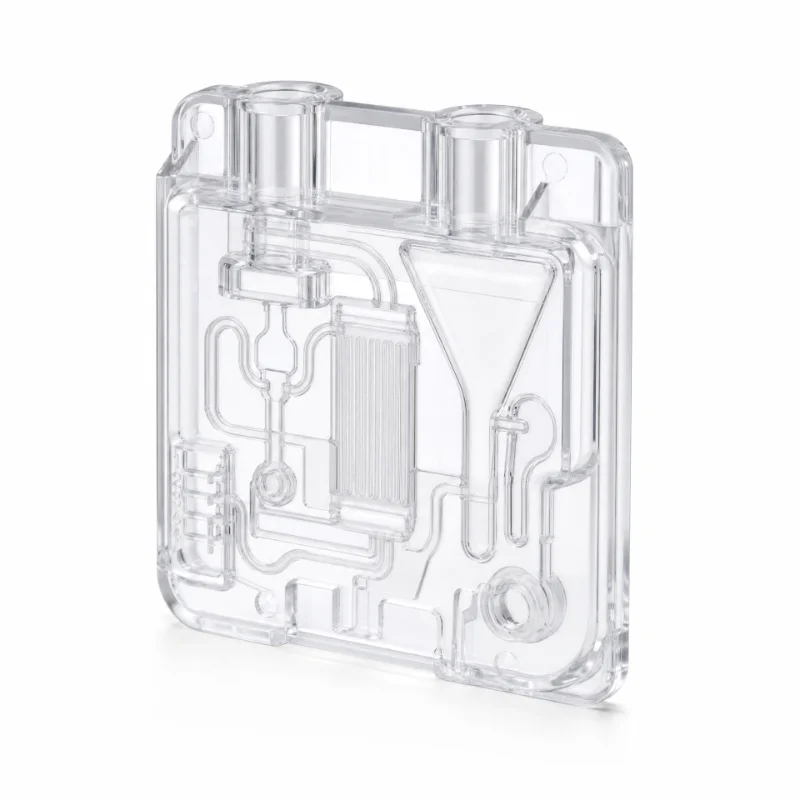
Polimetil Metakrilat (PMMA), yaygın olarak akrilik veya Optik Kalite Akrilik olarak bilinir; netlik, hava koşullarına dayanıklılık ve yüzey kalitesinin kritik olduğu uygulamalar için tasarlanmış şeffaf bir termoplastiktir. Projeniz için PMMA, cam benzeri saydamlık ile polimer işlenebilirliğinin benzersiz bir kombinasyonunu sunar. %92'ye varan ışık geçirgenliği ve 1.49 kırılma indisi ile mevcut en berrak plastiklerden biridir—bu da onu optik lensler, ışık kılavuzları ve ekran kapakları için ideal kılar.
Geniş işleme pencerelerini tolere eden amorf polimerlerin aksine, PMMA termal geçmişe ve neme karşı oldukça hassastır. Moleküler yapısı iç esneklikten yoksundur; bu yüzden sertlik ve çizilme direnci sağlar—ancak aynı zamanda bu nedenle iç gerilime ve kırılganlığa yatkındır.
PMMA Malzemelerinin Farklı Türleri ve Kaliteleri Nelerdir?
Tüm PMMA malzemeleri aynı performansı göstermez ve optik, mekanik ve çevresel gereksinimlerinizi karşılamak için doğru kalitenin seçilmesi kritik öneme sahiptir. PMMA genel olarak genel amaçlı, optik kalite, darbe modifiyeli ve UV stabilizeli varyantlara ayrılır.
Özel Yapım PMMA Bileşenleriniz için, seçim genellikle berraklık ve dayanıklılık arasındaki dengeye bağlıdır. Örneğin, ürününüzün mekanik gerilime dayanması gerekiyorsa, darbeye dayanıklı sınıflar düşünülebilir—ancak optik hassasiyet kritikse, katı işleme kontrolüne sahip saf PMMA daha iyi bir seçimdir.
Ayrıca PMMA, ekstrüzyon sınıfı veya enjeksiyon sınıfı formlarda tedarik edilebilir. Enjeksiyon sınıfı PMMA, kontrollü eriyik akışı ve minimum bozunma için optimize edilmiştir ve yüksek parlaklıktaki kalıp yüzeylerinin tutarlı bir şekilde çoğaltılmasını sağlar.
1. Genel amaçlı PMMA:
Maliyet verimliliğinin öncelik olduğu kritik olmayan görsel bileşenler için uygundur.
2. Optik sınıf PMMA:
Yüksek berraklık ve minimum iç bozulma için tasarlanmıştır. Bu, lensleriniz, ışık difüzörleriniz veya hassas ekran bileşenleriniz için elzemdir.
3. Darbeye dayanıklı hale getirilmiş PMMA:
Optik berraklık pahasına da olsa, tokluğu artırmak için elastomerik değiştiriciler içerir.
4. UV'ye dayanıklı PMMA:
Dış mekan uygulamaları için tasarlanmış olup, uzun maruz kalma süreleri boyunca şeffaflığı ve renk kararlılığını korur.
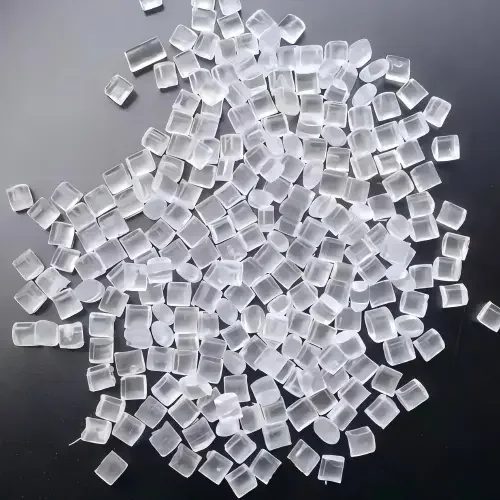
Akriliğin Temel Özellikleri ve Fiziksel Özellikleri Nelerdir?
PMMA'nın temel özellikleri hem avantajlarını hem de işleme zorluklarını tanımlar. Uygulamanız için bu özellikler tasarım kararlarını, kalıp gereksinimlerini ve kalıplama stratejilerini doğrudan etkiler.
- Özgül Ağırlık: ~1.18 g/cm³ (camdan daha hafif, genel ürün ağırlığını azaltır)
- Işık Geçirgenliği: %92'ye kadar, çoğu şeffaf plastikten daha yüksek
- Kırılma İndisi: 1.49, verimli ışık iletimi ve kontrolü sağlar
- Su Emilimi: ~%0,3–0,4, orta düzeyde higroskopik davranış gösterir
Bu higroskopik yapı özellikle önemlidir. Malzemeniz düzgün şekilde kurutulmazsa (genellikle 3-4 saat boyunca 80–90°C), nem enjeksiyon sırasında buharlaşarak gümüşi çizgilere, kabarcıklara ve moleküler zincir bozunmasına yol açar. Bu kusurlar özellikle şeffaf parçalarda görünür ve hem estetiği hem de yapısal bütünlüğü tehlikeye atabilir.
PMMA ayrıca mükemmel UV kararlılığı ve hava koşullarına dayanıklılık gösterir. Birçok plastiğin aksine, kolayca sararmaz; bu da onu dış mekan optik uygulamaları için ideal kılar. Ancak, nispeten düşük ısı deformasyon sıcaklığı, tasarımınızın kullanım sırasında termal maruziyeti hesaba katması gerektiği anlamına gelir.
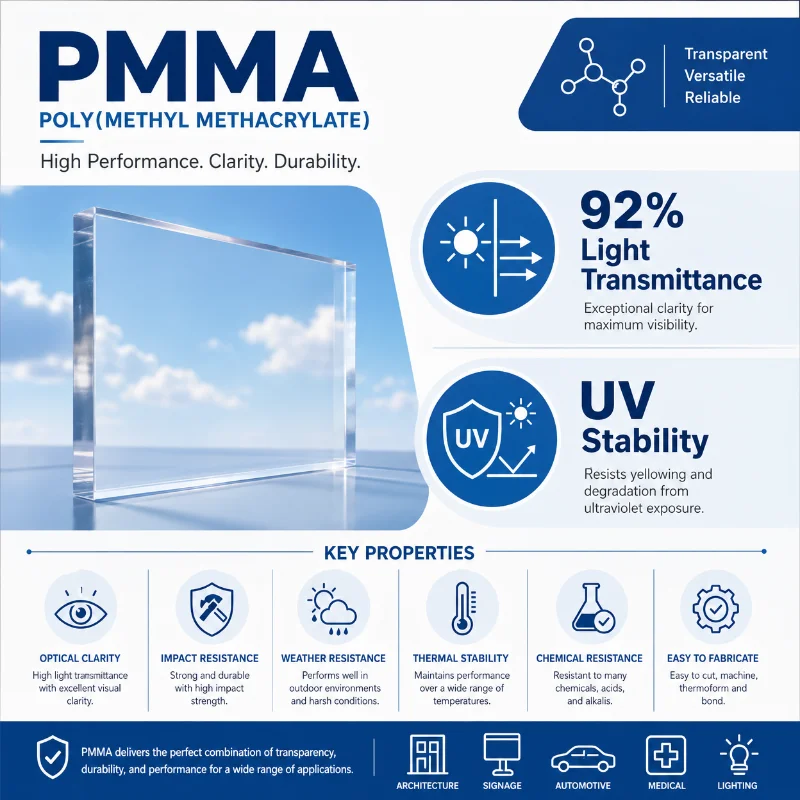
PMMA'nın Temel Teknik Özellikleri
Bileşeninizi tasarlarken, PMMA'nın teknik performansını anlamak, yük, sıcaklık ve çevresel koşullar altındaki davranışı tahmin etmek için gereklidir.
| Fiziksel Özellikler | Metrik | İngilizce |
|---|---|---|
| Yoğunluk | 0.700 - 1.30 g/cc | 0.0253 - 0.0470 lb/in³ |
| Su Emme | 0.300 - 2.00 % | 0.300 - 2.00 % |
| Dengede Nem Emilimi | 0.300 - 0.600 % | 0.300 - 0.600 % |
| Doygunlukta Su Emme | 0.300 - 2.20 % | 0.300 - 2.20 % |
| Doğrusal Kalıp Büzülmesi | 0.00200 - 0.00800 cm/cm | 0.00200 - 0.00800 in/in |
| Eriyik Akışı | 0.112 - 40.0 g/10 dk | 0.112 - 40.0 g/10 dk |
| Elektriksel Dirençlilik | 1.00e+10 - 1.00e+17 ohm-cm | 1.00e+10 - 1.00e+17 ohm-cm |
| Yüzey Direnci | 2.60e+9 - 1.00e+16 ohm | 2.60e+9 - 1.00e+16 ohm |
| Dielektrik Sabiti | 2.44 - 4.00 | 2.44 - 4.00 |
| Dielektrik Dayanım | 15.0 - 60.0 kV/mm | 380 - 1520 kV/in |
| Yayılma Faktörü | 0.0200 - 0.190 | 0.0200 - 0.190 |
| Karşılaştırmalı Takip Endeksi | 600 V | 600 V |
| Özgül Isı Kapasitesi | 1.46 - 1.50 J/g-°C | 0.349 - 0.359 BTU/lb-°F |
| Termal İletkenlik | 0.187 - 0.216 W/m-K | 1.30 - 1.50 BTU-in/sa-ft²-°F |
| Maksimum Servis Sıcaklığı, Hava | 50.0 - 100 °C | 122 - 212 °F |
| 0,46 MPa (66 psi) Altında Eğilme Sıcaklığı | 73.0 - 109 °C | 163 - 228 °F |
| Sapma Sıcaklığı 1,8 MPa'da (264 psi) | 51,7 - 106 °C | 125 - 223 °F |
| Vicat Yumuşama Noktası | 58,3 - 119 °C | 137 - 246 °F |
| Isı Bozulma Sıcaklığı | 85.0 - 105 °C | 185 - 221 °F |
| Cam Geçiş Sıcaklığı, Tg | 102 - 122 °C | 216 - 252 °F |
| Yanıcılık, UL94 | HB | HB |
| Oksijen İndeksi | 18.0 % | 18.0 % |
| Kor Teli Testi | 650 - 700 °C | 1200 - 1290 °F |
| İşleme Sıcaklığı | 177 - 265 °C | 350 - 509 °F |
| Nozul Sıcaklığı | 193 - 260 °C | 380 - 500 °F |
| Adaptör Sıcaklığı | 230 - 240 °C | 446 - 464 °F |
| Kalıp Sıcaklığı | 220 - 260 °C | 428 - 500 °F |
| Erime Sıcaklığı | 150 - 260 °C | 302 - 500 °F |
| Kalıp Sıcaklığı | 30.0 - 107 °C | 86.0 - 225 °F |
| Rulo Sıcaklığı | 80,0 - 100 °C | 176 - 212 °F |
| Kurutma Sıcaklığı | 60,0 - 109 °C | 140 - 228 °F |
| Enjeksiyon Basıncı | 58,8 - 147 MPa | 8530 - 21300 psi |
| Tavlama Sıcaklığı | 60.0 - 90.0 °C | 140 - 194 °F |
PMMA'nın sertliği, hassas bileşenler için faydalı olan mükemmel boyutsal stabilite sağlar. Ancak bu, aynı zamanda düşük darbe direncine sahip olduğu anlamına gelir, ani stres altında çatlama eğilimini artırır.
Optik uygulamalarınız için iç gerilimi kontrol etmek kritiktir. Uygun olmayan Enjeksiyon Kalıplama Parametreleri—aşırı enjeksiyon hızı veya düşük kalıp sıcaklığı gibi—kalıntı gerilim oluşturabilir, bu da daha sonra çatlaklar veya mikro çatlaklar olarak ortaya çıkar.
Optimum sonuçlar için, tasarım aşamasında gelişmiş Kalıp Akış Analizi kullanılmalıdır. Bu, akış davranışını tahmin etmenize, geçit konumlarını optimize etmenize ve kaynak çizgilerini veya hava tuzaklarını en aza indirmenize olanak tanır.
Akrilik Enjeksiyon Kalıplamanın Başlıca Avantajları ve Sınırlamaları Nelerdir?
Üretim stratejiniz için PMMA enjeksiyon kalıplama belirgin avantajlar sunar—ancak dikkatli kullanım gerektirir.
Avantajlar
Olağanüstü Optik Berraklık
'ye kadar ışık geçirgenliği, mercekler ve yüksek kaliteli ekran uygulamaları için idealdir.
Mükemmel Yüzey Kopyalama
Kalıptan direkt ayna gibi yüzeyler sağlar, işlem sonrası maliyetleri azaltır.
Güçlü UV ve Hava Direnci
PC'ye kıyasla üstün açık hava stabilitesi, zamanla sararmaya karşı dayanıklı.
İyi Boyutsal Kararlılık
Düşük büzülme oranı, hassas toleranslı parçalar sağlar.
Sınırlamalar
Gevreklik ve Düşük Darbe Dayanımı
PC'ye göre çatlamaya daha yatkın; yüksek darbe uygulamaları için önerilmez.
Nem Hassasiyeti
Kapsamlı ön kurutma gerektirir; nem gümüş çizgiler ve kabarcıklara yol açabilir.
Yüksek İç Stres Riski
Uygun olmayan işleme, dikkatli parametre kontrolü gerektiren gerilme çatlamasına yol açabilir.
Katı Proses Gereksinimleri
En iyi sonuçlar elde etmek için kaliteli kalıp ve hassas proses kontrol gerektirir.
PMMA vs. Polikarbonat (PC): Hangi Malzemeyi Seçmelisiniz?
PMMA ve polikarbonat (PC) arasında seçim, performans önceliklerine bağlıdır. Her ikisi transparan plastiklerdir, ancak farklı mühendislik gereksinimlerini karşılar.
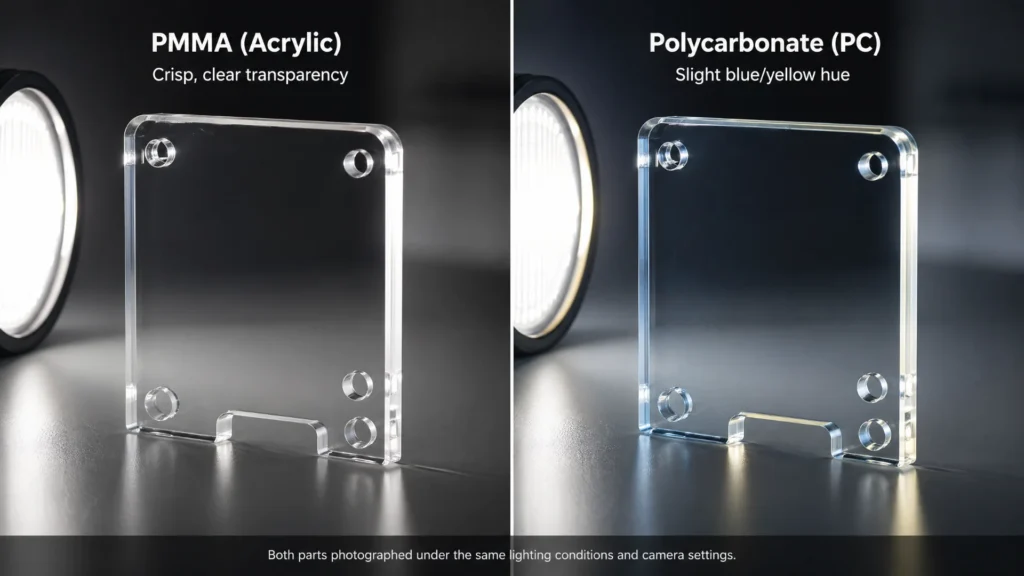
| Mülkiyet | PMMA (Akrilik) | PC (Polikarbonat) |
|---|---|---|
| Işık Geçirgenliği | ~92% | ~88–90% |
| Darbe Dayanımı | Düşük | Çok Yüksek |
| Çizilmeye Dayanıklılık | Mükemmel | Orta düzeyde |
| Maliyet | Daha Düşük | Daha yüksek |
| UV Dayanımı | Mükemmel | Kaplama gerektirir |
Projeniz optik berraklığa, yüzey işlemesine ve UV kararlılığına öncelik veriyorsa, PMMA daha iyi bir seçimdir.
Uygulamanız mekanik gerilim veya darbe içeriyorsa (örneğin, güvenlik kalkanları), PC daha uygun olabilir.
Özel PMMA Akrilik Enjeksiyon Kalıplama
Özel PMMA akrilik enjeksiyon kalıplamayı optimize etmeyi öğrenin. Ana parametreleri, tasarım yönergelerini, kalıp çeliği seçimlerini ve kusursuz optik parçalar için çözümleri keşfedin.
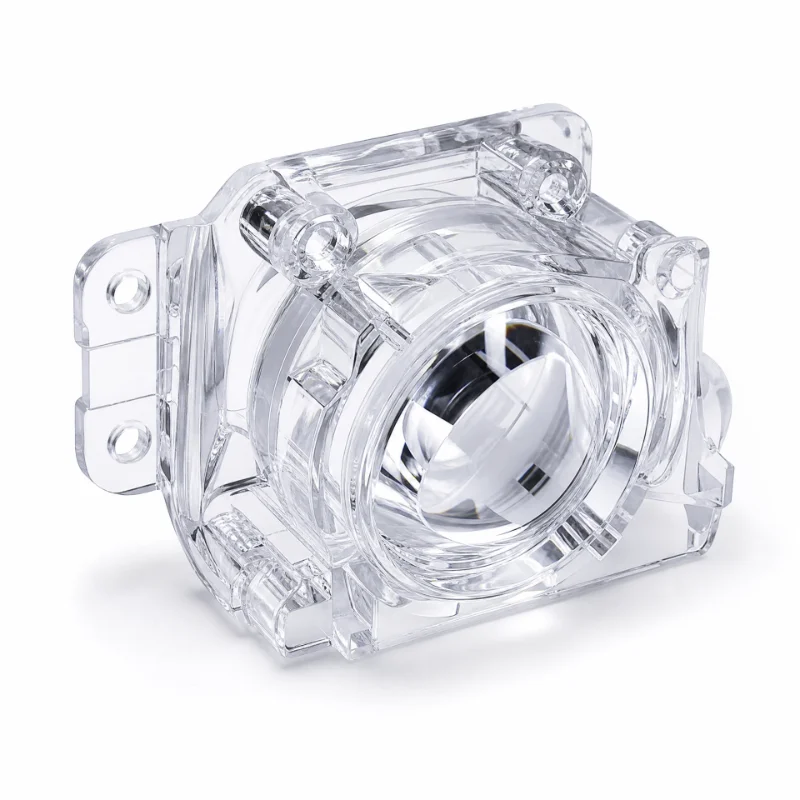
PMMA (Akrilik) Malzemeler Enjeksiyon Kalıplanabilir mi?
Evet, PMMA enjeksiyonla kalıplanabilir—ancak standart plastiklerle aynı şekilde değil. Projenizde başarı, her aşamada hassas kontrol gerektirir.
Ana süreç değerlendirmeleri şunları içerir:
Neme bağlı kusurları önlemek için PMMA, 80–90°C'de 3–4 saat kurutulmalıdır.
Genellikle 200–250°C arasında tutulur. Aşırı ısınma bozulmaya ve sararmaya yol açar.
Çok kademeli enjeksiyon kritiktir: • Püskürmeyi önlemek için yavaş başlangıç hızı • Boşluk doldurma için orta hız • Aşırı sıkıştırmayı önlemek için sonda azaltılmış hız
Daha yüksek kalıp sıcaklıkları yüzey kalitesini iyileştirir ve iç gerilimi azaltır.
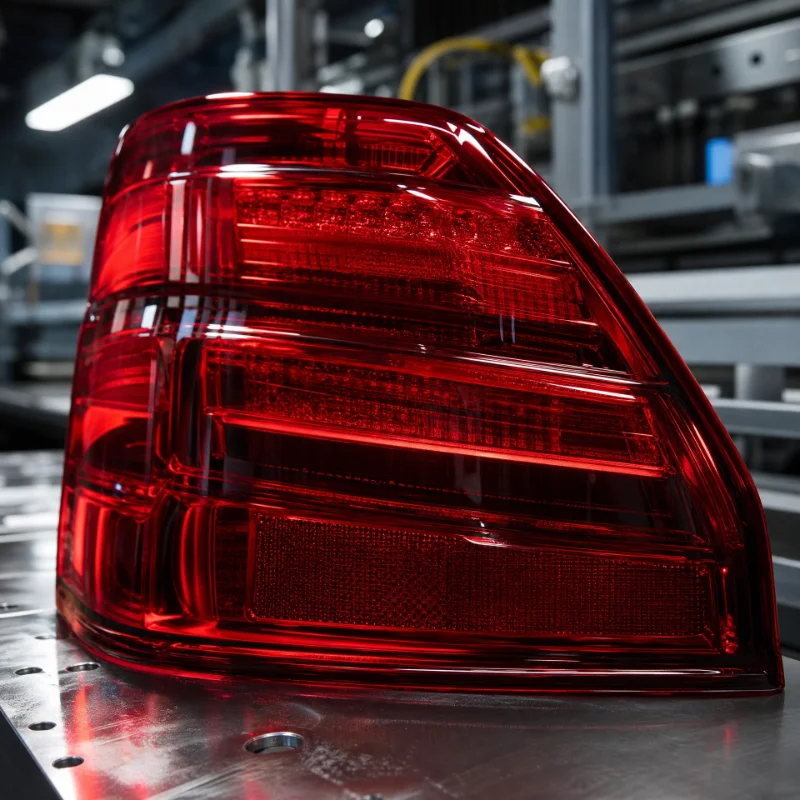
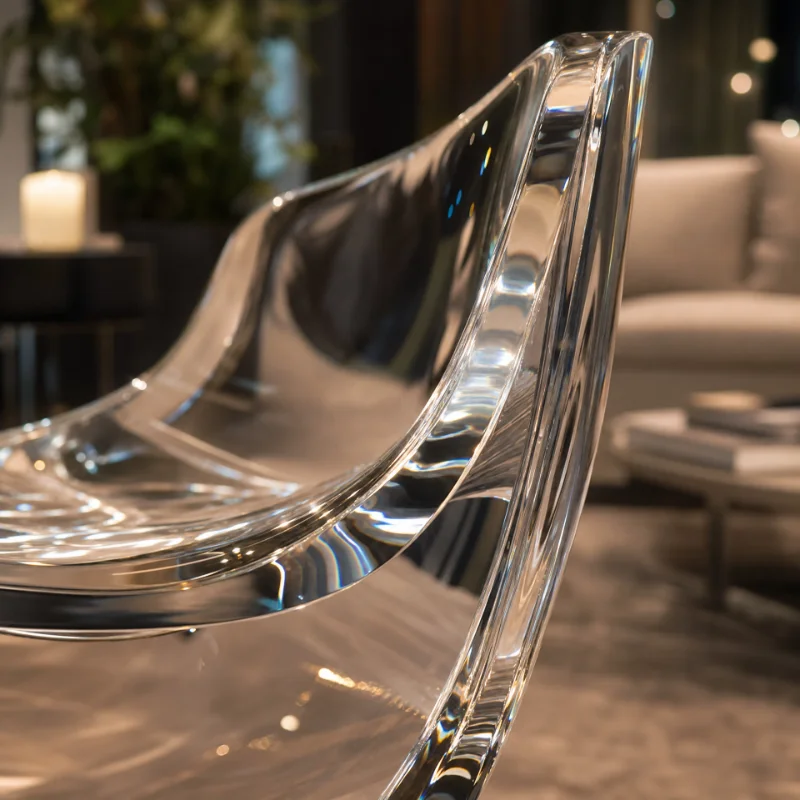
Özel Akrilik Enjeksiyon Kalıplamanın Yaygın Uygulamaları Nedir?
Özel PMMA bileşenleri, optik netliğin, hassasiyetin ve estetiğin tartışılmaz olduğu çeşitli endüstrilerde güvenle kullanılır. Karmaşık optik sistemlerden şık tüketici ürünlerine kadar, akrilik en çok ihtiyaç duyulan yerlerde performans sunar.
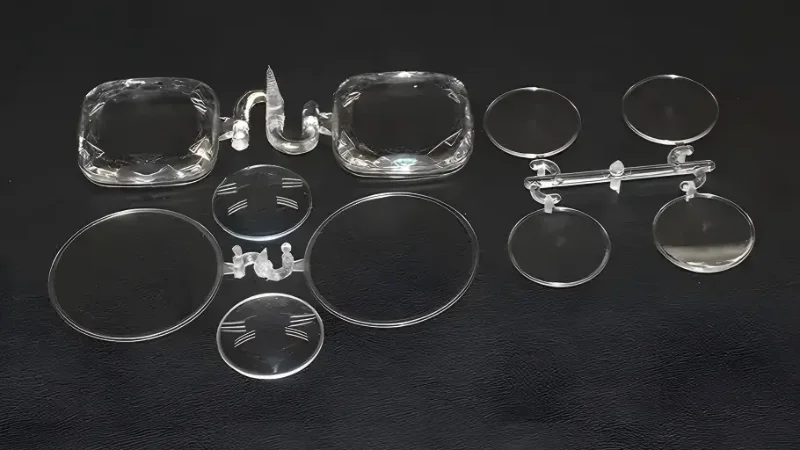
Optik Mercekler ve Işık Kılavuzları
Zorlu optik sistemlerde verimli ışık iletimi ve kusursuz görüntüleme için tasarlanmış hassas bileşenler.
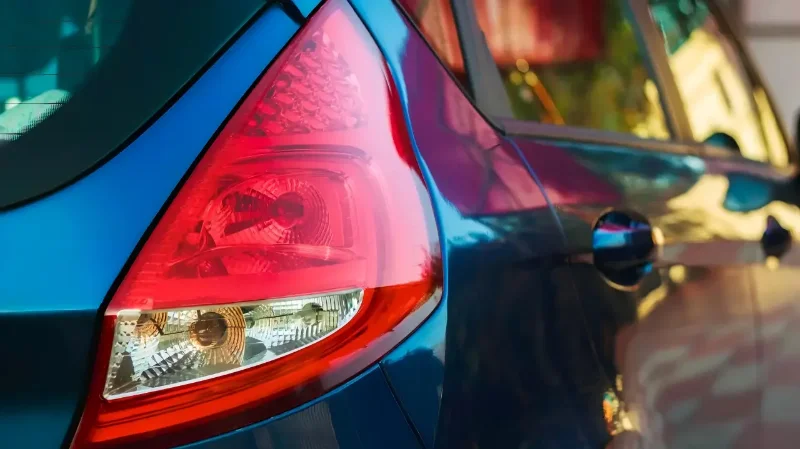
Otomotiv Aydınlatma
Yol titreşimlerine ve hava koşullarına dayanan, arka lambalar, far mercekleri ve iç aydınlatma için dayanıklı, yüksek berraklıkta parçalar.
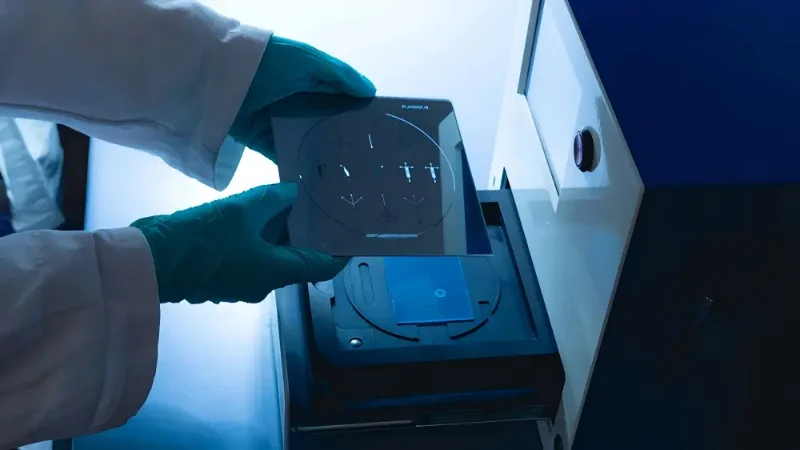
Tıbbi Cihaz Muhafazaları
İç mekanizmaların ve sıvı seviyelerinin görsel olarak izlenmesine olanak tanıyan sterilize edilebilir, saydam muhafazalar.
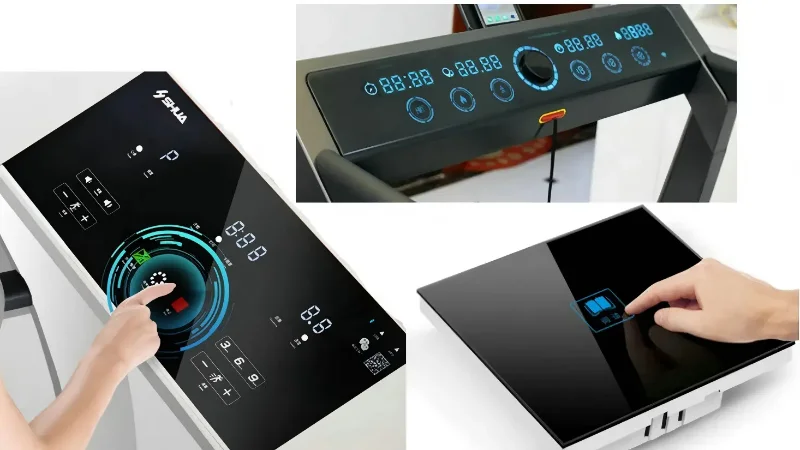
Tüketici Elektroniği Ekranları
Premium ürün estetiği için yüksek parlaklıkta yüzeylere sahip çizilmeye dayanıklı ekranlar, dokunmatik paneller ve göstergeler.
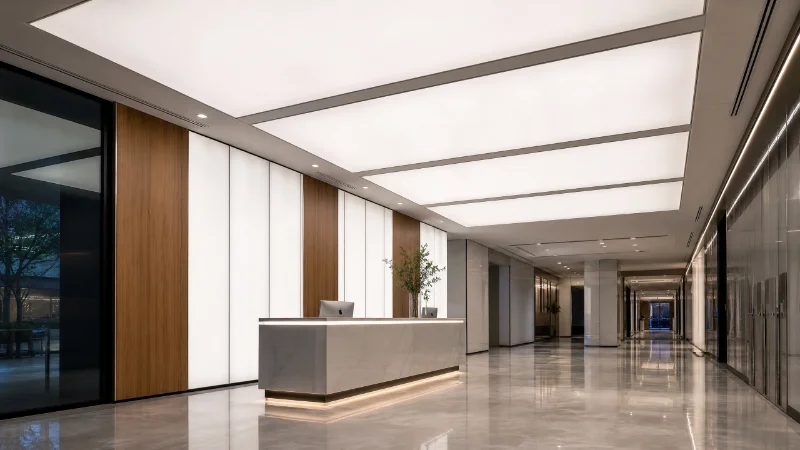
Mimari Aydınlatma & Paneller
Tekdüze ışık dağılımı ve yapısal kararlılık sunan hava koşullarına dayanıklı, dağıtılmış aydınlatma kapakları ve dekoratif camlar.
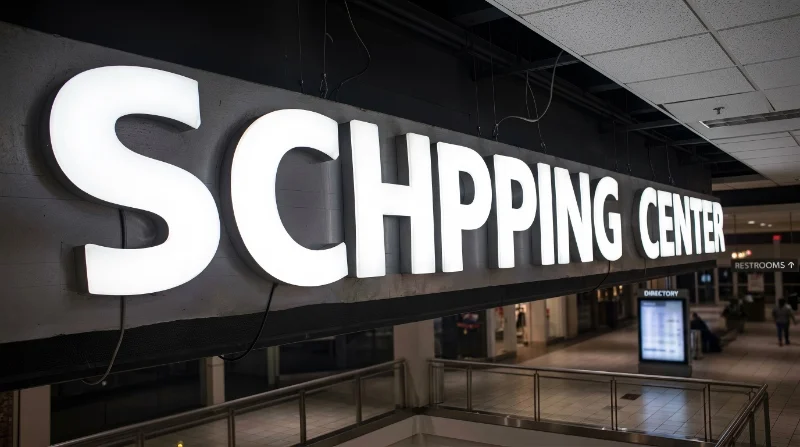
Perakende Görüntüleme Üniteleri ve Tabelalar
PMMA'nın üstün ışık dağıtımından ve canlı renk yeteneklerinden yararlanan dikkat çekici satış noktası teşhir üniteleri ve aydınlatmalı tabelalar.
PMMA Enjeksiyon Kalıplı Parçalar İçin Temel Tasarım İlkeleri
PMMA (Akrilik) tasarımı, standart mühendislik plastiklerine kıyasla sert ve kırılgan yapısı nedeniyle dikkatli bir yaklaşım gerektirir. Doğru tasarım, sadece çatlama ve optik kusur riskini azaltmakla kalmaz, aynı zamanda özel bileşenlerinizin üretilebilirliğini de önemli ölçüde artırır.
Tutarlı kalınlığın korunması, şeffaf PMMA parçaları için özellikle kritik olan iç gerilim, eğilme ve büzülme izlerini önler.
Keskin iç köşeler PMMA'da birincil hata noktalarıdır. Cömert kavisler ve yarıçaplar kullanmak gerilim yoğunlaşmasını ortadan kaldırır ve yapısal bütünlüğü iyileştirir.
1–2°'lik minimum bir çekim açısı esastır. PMMA'nın düşük elastikiyeti, çekim açısı yetersizse fırlatma sırasında çizilmeye veya çatlamaya yatkın olmasına neden olur.
Kesme gerilimini ve akış işaretlerini azaltmak için fan, tırnak veya kenar yolluklar önerilir; bu, eriyik akriliğin jetleme kusurları olmadan boşluğu düzgün bir şekilde doldurmasını sağlar.
Aşırı kalınlık, düzensiz soğumaya yol açarak parçanın optik kalitesini ciddi şekilde bozan iç boşluk, kabarcık ve çöküntü izi riskini artırır.
Ayna Parlaklığında PMMA İçin Doğru Kalıp Çeliği Nasıl Seçilir (S136 vs. NAK80)?
Optik bileşenleriniz için, kalıp çeliği seçimi yüzey kalitesini ve takım ömrünü doğrudan etkiler.
S136 (48–52 HRC'ye sertleştirilmiş)
NAK80 (Ön sertleştirilmiş ~40 HRC)
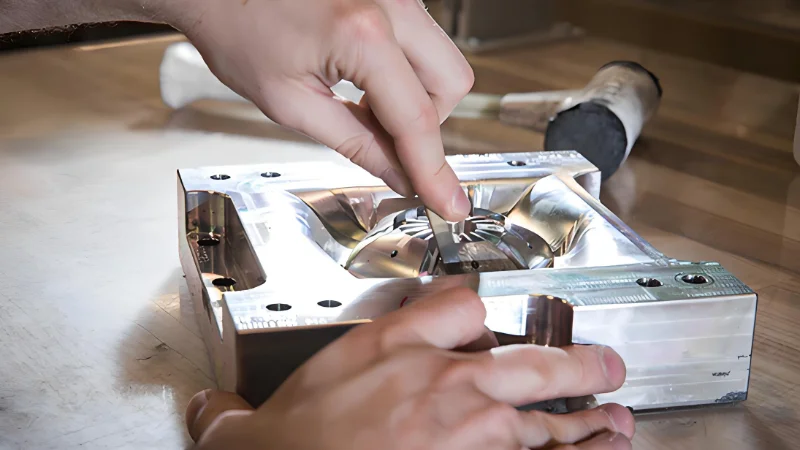
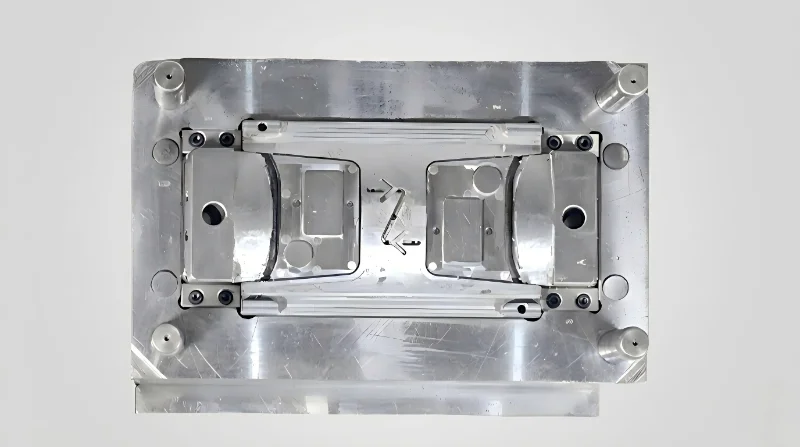
Projeniz ayna yüzeyli optik parçalar gerektiriyorsa, S136 tipik olarak tercih edilen seçimdir. Sertliği ve kararlılığı, uzun üretim serilerinde tutarlı Yüzey İşlemesi sağlar.
Akrilik Enjeksiyon Kalıplamada Karşılaşılan Yaygın Sorunlar ve Çözümleri
PMMA'nın olağanüstü şeffaflığı, en küçük işleme kusurunun bile hemen görünür hale geldiği anlamına gelir. Bu sorunların kök nedenlerini belirlemek, özel bileşenlerinizin optik bütünlüğünü korumak için kritik öneme sahiptir.
Neden: Reçinedeki nem kontaminasyonu.
Çözüm: Titiz malzeme kurutma protokolleri uygulayın ve süreç boyunca kapalı malzeme taşımayı sağlayın.
Neden: Düzgün olmayan soğutmaya neden olan hapsolmuş hava veya aşırı duvar kalınlığı.
Çözüm: Gaz kapanlarını önlemek için kalıp havalandırmasını optimize edin ve düzgün duvar kalınlığını yeniden tasarlayın.
Neden: Çevresel maruziyetle birleşen yüksek iç gerilim.
Çözüm: Yolluk tasarımını optimize edin, enjeksiyon gerilimini azaltın ve kalıntı gerilimi gidermek için kalıplama sonrası tavlama (80–90°C) uygulayın.
Neden: Erimiş plastiğin boşluk boyunca fırlamasına neden olan yüksek başlangıç enjeksiyon hızı.
Çözüm: Çok aşamalı enjeksiyon hız kontrolü kullanın—jetlemeyi önlemek için yavaş başlayın, ardından göz dolumu için artırın.
Özel Akrilik Parçalar için İşlem Sonrası Seçenekler
Nihai ürün gereksinimlerinizi karşılamak için, baskı sonrası işlemler, PMMA bileşenlerinin hem optik görünümünü hem de yapısal performansını artırmada kritik bir rol oynar.
Kesilmiş akriliğin kenarlarını düzeltir ve berraklaştırır, optik saydamlığı geri kazandırır ve saydam parçalar için kusursuz, cam benzeri bir yüzey oluşturur.
İç gerilimi önemli ölçüde azaltan, zorlu ortamlarda gecikmiş çatlaklanmayı veya kırılmayı önleyen, dikkatle kontrol edilen bir ısıtma ve soğutma döngüsü.
Çizilme direnci için sert kaplamalar veya optik sistemlerde ışık geçirgenliğini optimize etmek için yansıma önleyici kaplamalar gibi özel uygulamalar.
Kalıplanmış bileşende mekanik gerilim oluşturmadan yüksek hassasiyetli detaylandırma, karmaşık geometriler ve özel işaretlemeler yapılmasını sağlar.
Üst düzey optik uygulamalar için, hassas enjeksiyon kalıplamayı gelişmiş Yüzey İşleme teknikleriyle birleştirmek, PMMA parçalarınızın en katı işlevsel ve estetik beklentileri karşılamasını sağlar.
Sıkça Sorulan Sorular (SSS)
PMMA (Akrilik) enjeksiyon kalıplaması için ön kurutma neden bu kadar kritiktir?
PMMA yüksek oranda higroskopiktir. Kalıplamadan önce 80–90°C'de 3–4 saat kurutulmazsa, hapsolmuş nem gümüş çizgilere, kabarcıklara ve bulanıklığa neden olarak parçalarınızın optik berraklığını bozar.
Yüksek berraklıktaki PMMA lensler için hangi kalıp çeliği önerilir?
S136 paslanmaz çelik, optik PMMA parçaları için tercih edilen seçimdir. 48–52 HRC'ye sertleştirildiğinde SPI A-1 elmas yüzeyine kadar parlatılabilir ve uzun üretim serileri için mükemmel korozyon direnci sağlar.
Akrilik enjeksiyon kalıplama için temel tasarım kuralları nelerdir?
Gerilme çatlaması ve çarpılmayı önlemek için tekdüze cidar kalınlığını koruyun, geniş kavisler ve radyuslar kullanın (keskin köşelerden kaçının) ve çizilmeden sorunsuz çıkarma sağlamak için 1–2°'lik minimum çekim açısı ekleyin.
PMMA parçalarımda kabarcıkları ve boşlukları nasıl önleyebilirim?
Kabarcıklar tipik olarak hapsolmuş hava veya aşırı duvar kalınlığından kaynaklanır. Çözümler arasında kalıp havalandırmasını optimize etmek, çökme izlerini önlemek için düzgün duvar tasarımı sağlamak ve havanın düzgün bir şekilde kaçmasına izin vermek için çok aşamalı bir enjeksiyon hızı kullanmak yer alır.
PMMA'da çatlaklaşmaya (gerilme çatlaması) ne neden olur ve nasıl çözülür?
Çatlaklaşma, çevresel maruziyetle (kimyasallar veya sıcaklık değişiklikleri gibi) birleşen kalıntı iç gerilimden kaynaklanır. Yolluk tasarımı optimize edilerek, enjeksiyon basıncı azaltılarak ve gerilimi gidermek için 80–90°C'de kalıplama sonrası tavlama uygulanarak çözülebilir.
PMMA kalıplamak için önerilen eriyik sıcaklığı nedir?
PMMA genellikle 200–250°C arasında işlenmelidir. Bu aralığın aşılması malzeme bozulmasına ve sararmasına yol açabilirken, çok düşük sıcaklıklar akışın zayıf olmasına ve kısa çekimlere neden olacaktır.
Akrilik parçalar için hangi son işlem seçenekleri mevcuttur?
Ortak son işlemler arasında kenar netliği için alevle cilalama, gerilimi azaltmak için tavlama, çizilmeye veya yansımaya karşı kaplamalar uygulama ve hassas detaylandırma için lazer kesim/gravür yer alır.
PMMA, açık hava veya UV'ye maruz kalan uygulamalar için uygun mudur?
Evet. Diğer birçok şeffaf plastiğin aksine, PMMA olağanüstü UV stabilitesi ve hava koşullarına dayanıklılık sunar. Optik şeffaflığını korur ve zamanla kolayca sararmaz, bu da onu otomotiv aydınlatması ve mimari paneller için ideal kılar.