Klient z branży wyrobów medycznych właśnie przesłał rysunek obudowy aparatu słuchowego z zatrzaskiem o szerokości 0,3 mm. Standardowy dostawca usług formowania wtryskowego przeanalizował go i stwierdził, że nie jest w stanie wykonać oprzyrządowania. Jeśli chcesz ustalić, czy formowanie wtryskowe pozwala niezawodnie produkować tak małe części w skali seryjnej, ten przewodnik przedstawia konkretną odpowiedź prosto z hali produkcyjnej.
- Mikroformowanie wtryskowe wytwarza części o masie poniżej 1 grama z tolerancjami plus minus 0.01 mm.
- Objętość wtrysku wynosi od 0,001 cm³ do 5 cm³, czyli jest około 1000 razy mniejsza niż w standardowym formowaniu.
- PEEK, LCP, POM oraz ABS klasy medycznej to najczęściej stosowane materiały do mikroformowania.
- Wykonanie formy opiera się na obróbce elektroerozyjnej i cięciu drutowym w przypadku elementów mniejszych niż 0,5 mm, a nie na frezowaniu CNC.
- Grubość ścianki poniżej 0.5 mm wymaga temperatury formy powyżej 80 stopni C, aby zapobiec zamarzaniu.
Czym jest mikroformowanie wtryskowe i jak przebiega?
Mikrowtrysk to specjalistyczny proces produkcji elementów z tworzyw sztucznych o masie poniżej 1 grama i cechach mniejszych niż 1 mm. Wykorzystuje dedykowane maszyny z wtryskiem tłokowym, w których objętości wtrysku wynoszą od 0,001 do 5 cc — około 1000 razy mniej niż w standardowej wtryskarce. Nie jest to po prostu „zwykłe formowanie w mniejszej skali”. Urządzenia, oprzyrządowanie i parametry procesu różnią się zasadniczo.
Standardowa wtryskarka dozuje i wtryskuje ślimakiem posuwisto-zwrotnym, lecz przy masie poniżej grama nie kontroluje on dokładnie dawki. Mikrowtryskarki stosują tłok dozujący materiał w osobnej komorze i wtryskujący z dokładnością położenia plus lub minus 0.0001 cc. Rozdzielenie topienia i wtrysku umożliwia powtarzalną produkcję mikroczęści.
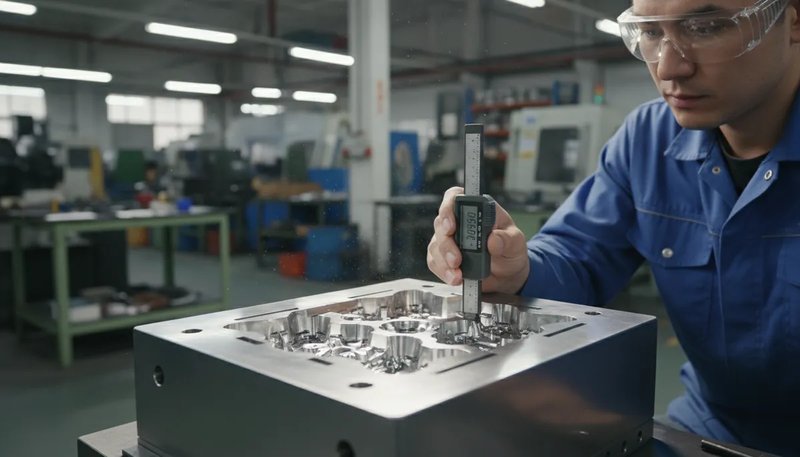
Sama forma również jest inna. Elementów gniazda mniejszych niż 0.5 mm nie można obrabiać standardowymi narzędziami CNC. Wykonanie geometrii submilimetrowych w hartowanej stali narzędziowej wymaga obróbki elektroerozyjnej i cięcia drutowego. Większe znaczenie ma również wykończenie powierzchni formy — w mikroskali różnica chropowatości Ra wynosząca 0.5 mikrometra bezpośrednio wpływa na wypychanie detalu i powtarzalność wymiarową.
"W mikroformowaniu wtryskowym stosuje się maszyny tłokowe, ponieważ standardowe ślimaki posuwisto-zwrotne nie są w stanie dokładnie dozować objętości wtrysku1 poniżej 5 cc."True
Ślimak posuwisto-zwrotny w standardowej maszynie odmierza objętość wtrysku na podstawie położenia ślimaka, którego tolerancja pozycjonowania jest zbyt duża dla detali ważących poniżej grama. Układy tłokowe oddzielają topienie od wtrysku i wykorzystują dedykowaną komorę dozującą, która kontroluje objętość z dokładnością do plus lub minus 0.0001 cc — około 100 razy większą niż dozowanie ślimakowe.
"Każdy termoplast odpowiedni do standardowego formowania wtryskowego może być również użyty w mikrowtrysku."False
To nieprawda. Materiały o wysokiej lepkości stopu, takie jak niewzmacniany poliwęglan lub PMMA, mają trudności z wypełnianiem elementów o wymiarach poniżej milimetra, zanim nastąpi zamarznięcie przepływu. Tylko żywice o niskiej lepkości, takie jak LCP2, POM oraz niektóre gatunki PEEK i ABS, mogą niezawodnie wypełniać ścianki o grubości w skali mikro.
Jak mikrowtrysk porównuje się z innymi metodami mikrowytwarzania?
W przypadku wielkoseryjnej produkcji skomplikowanych detali z tworzyw sztucznych o masie poniżej 1 grama mikrowtrysk jest zdecydowanie najlepszym wyborem. Poniżej porównujemy go z alternatywnymi procesami, które nasi klienci rozważali przed podjęciem decyzji.
| Metoda | Zakres wielkości detali | Tolerancja (mm) | Najlepsze dla |
|---|---|---|---|
| Formowanie wtryskowe w skali mikro | 0.01–10 g | +/- 0.01 | Duży wolumen, złożona geometria |
| Mikroobróbka CNC | Dowolny | +/- 0.005 | Metale, mały wolumen |
| Druk 3D w technologii SLA | Dowolny | +/- 0.025 | Tylko prototypowanie |
| Proces LIGA | 0.001–1 g | +/- 0.001 | Bardzo wysoki współczynnik kształtu |
| Mikrotłoczenie | 0.1–50 g | +/- 0.02 | Płaskie części metalowe |
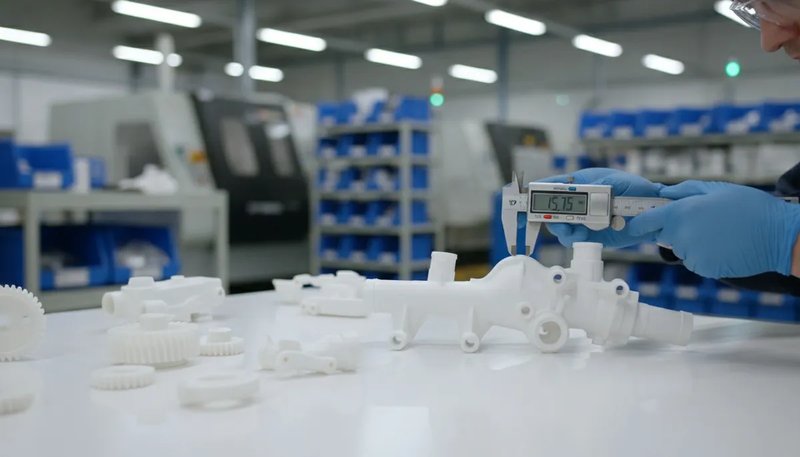
Próg rentowności między mikrowtryskiwaniem a mikroobróbką CNC przypada zwykle na około 500–1,000 detali. Poniżej tej wielkości produkcji CNC jest tańsze, ponieważ nie wymaga inwestycji w formę. Powyżej 1,000 detali przewaga kosztowa wtryskiwania w przeliczeniu na sztukę staje się zdecydowana. Koło zębate z POM o masie 0.05 g, którego wykonanie metodą CNC kosztuje $8, przy 10,000 wtryskiwanych sztuk kosztuje mniej niż $0.10 za detal. Forma kosztuje od $8,000 do $15,000, więc zwrot inwestycji następuje szybko.
Druk 3D metodą SLA jest przydatny do wykonywania prototypów i walidacji projektu, lecz właściwości materiału nie odpowiadają właściwościom termoplastów formowanych wtryskowo — zwłaszcza w zastosowaniach medycznych i lotniczych, w których wymagana jest biokompatybilność lub określona klasa palności. Zalecamy SLA do prototypów na wczesnym etapie, a następnie przejście do mikroformowania w produkcji seryjnej.
"Jeden współczesny smartfon zawiera od 10 do 20 elementów formowanych metodą mikrowtrysku."True
Mikroelementy formowane w smartfonach obejmują wsporniki modułów aparatów, złącza antenowe, obudowy mikrofonów i elementy tac kart SIM. Przeciętne urządzenie zawiera od 12 do 18 mikroelementów formowanych w kilku zespołach, a liczba ta rośnie z każdą generacją w miarę zmniejszania rozmiarów urządzeń.
"Mikrowtryskiwanie jest opłacalne wyłącznie w zastosowaniach medycznych i elektronicznych."False
Choć branża medyczna i elektroniczna są największymi sektorami, mikrowtrysk jest powszechnie stosowany także w czujnikach samochodowych, złączach lotniczych, mechanizmach zegarków i wyrobach konsumenckich. Kandydatem jest każda branża wymagająca precyzyjnych detali z tworzyw o masie poniżej jednego grama i złożonej geometrii.
Jakie materiały najlepiej nadają się do mikrowtrysku?
Ta sekcja dotyczy materiałów najlepiej nadających się do mikrowtrysku i ich wpływu na koszt, jakość, czas realizacji lub ryzyko zaopatrzenia. Nie każdy termoplast sprawdza się w mikroskali. Materiał musi wypełniać elementy o grubości zaledwie 0,1 mm bez zastygania i musi to robić stabilnie przez tysiące cykli. Oto materiały, które faktycznie stosujemy w produkcji mikroczęści i dlaczego.
LCP w formowaniu wtryskowym (polimer ciekłokrystaliczny) jest materiałem pierwszego wyboru do cienkościennych mikroelementów. Jego lepkość w stanie stopionym wynosi około jednej dziesiątej lepkości standardowych tworzyw konstrukcyjnych, dzięki czemu wypełnia detale niedostępne dla innych materiałów. Przy zastosowaniu LCP, temperaturze formy od 120 do 150 stopni C i prędkości wtrysku powyżej 800 mm/s można uzyskać ścianki o grubości zaledwie 0,1 mm. Jest to standardowy wybór do złączy elektronicznych o rozstawie poniżej 0,3 mm.
PEEK dominuje w mikroelementach medycznych i lotniczych. Wytrzymuje ciągłą temperaturę do 250 stopni C, przechodzi badania biokompatybilności USP Class VI i jest odporny na działanie środków chemicznych używanych w sterylizacji. Przetwórstwo wymaga temperatury cylindra od 370 do 400 stopni C i temperatury formy od 160 do 200 stopni C. Krytyczne jest utrzymanie temperatury w zakresie plus lub minus 2 stopnie C — odchylenie o 5 stopni może spowodować 30-procentową zmianę wymiarów mikroczęści z PEEK.
POM (acetal) jest podstawowym materiałem na mechaniczne mikroczęści, takie jak koła zębate, tuleje i zatrzaski. Dobrze poddaje się obróbce w formie, ma niski współczynnik tarcia i stabilnie utrzymuje tolerancje. ABS klasy medycznej uzupełnia typowy wybór materiałów na korpusy i obudowy, gdy wymagana jest biokompatybilność, ale nie ekstremalna odporność temperaturowa ani chemiczna.
Jak wybrać odpowiedni materiał dla mikroczęści
Dobór materiału zależy również od operacji wtórnych. Jeśli mikrodetal wymaga zgrzewania ultradźwiękowego, tylko niektóre gatunki ABS i PMMA tworzą niezawodne połączenie na styku. W zgrzewaniu laserowym para materiałów musi mieć różne właściwości absorpcyjne — zwykle stosuje się bazę z dodatkiem sadzy i pokrywę w naturalnym kolorze. Ograniczenia te są często pomijane na etapie projektowania i mogą wymusić zmianę materiału w późnej fazie rozwoju.
Okna przetwórcze materiałów do mikrowtrysku są znacznie węższe niż w standardowym formowaniu. Typowe koło zębate z POM może przy normalnej skali tolerować zmianę temperatury cylindra o plus lub minus 10 stopni C, lecz ten sam materiał w mikroczęści wymaga kontroli w granicach plus lub minus 3 stopni C. Dedykowane mikrowtryskarki mają wiele stref temperatury cylindra z niezależnymi regulatorami PID i sprzężeniem zwrotnym z termopar co 50 mm wzdłuż cylindra.
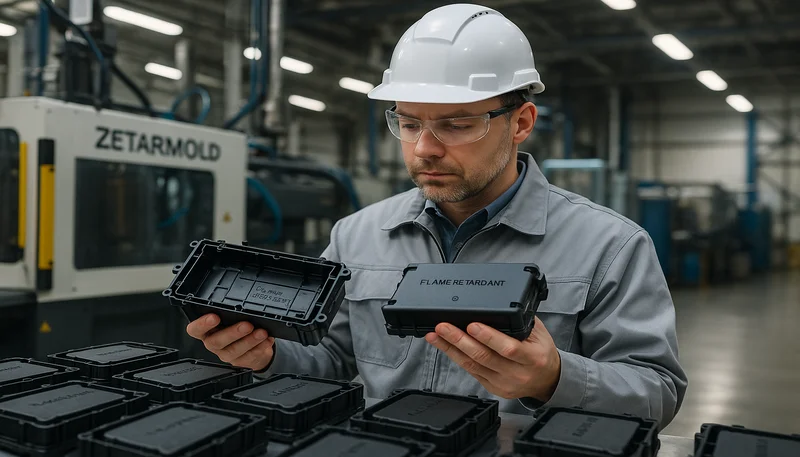
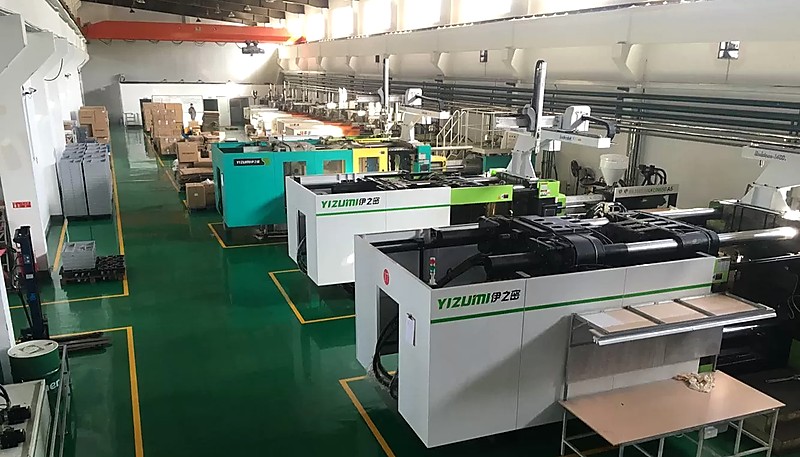
W fabryce ZetarMold w Szanghaju 47 wtryskarek od 90T do 1850T obsługuje mikrowtrysk od prototypów po produkcję wielkoseryjną. Ponad 20 lat doświadczenia w formowaniu i narzędziach oraz znajomość 400+ tworzyw pomagają dopasować zachowanie żywicy, ograniczenia narzędzia i plany kontroli przed uruchomieniem drobnych cech.
Jakie są kluczowe zasady projektowania detali do mikroformowania?
Projektowanie do mikroformowania nie polega na prostym pomniejszeniu standardowej części. Wymiary poniżej milimetra zmieniają fizykę procesu, a zasady działające w normalnej skali przestają obowiązywać. Oto wytyczne, które rzeczywiście mają znaczenie w produkcji.
Grubość ścianki jest najważniejszym parametrem. Poniżej 0.5 mm głównym ryzykiem wady staje się przedwczesne zamarzanie przepływu. Materiał zestala się przy kontakcie ze ścianką gniazda, zanim całkowicie wypełni dany element. Aby temu przeciwdziałać, potrzebna jest temperatura formy powyżej 80 degrees C (wyższa dla materiałów krystalicznych), prędkość wtrysku powyżej 500 mm/s oraz umieszczenie przewężki w odległości do 2 mm od najcieńszego przekroju. Przy grubości ścianki 0.1 mm i materiale LCP proces pracuje na absolutnej granicy swoich możliwości.
Kąty pochylenia mają w mikroskali większe, a nie mniejsze znaczenie. Pochylenie 0,5 stopnia na elemencie o głębokości 5 mm wydaje się nieistotne, lecz w mikroelemencie ze ścianką 0,2 mm decyduje o tym, czy część zostanie czysto wypchnięta, czy ulegnie odkształceniu. Jak omawia nasz przewodnik po formach wtryskowych, zalecamy co najmniej 1 stopień pochylenia wszystkich pionowych powierzchni mikroelementów oraz 2 stopnie w przypadku cech głębszych niż 3 mm.
Wszystkie naroża wewnętrzne powinny mieć promień co najmniej 0.05 mm. Ostre naroża wewnętrzne powodują koncentrację naprężeń prowadzącą do pękania podczas wypychania lub eksploatacji. W mikroskali nawet promień 0.02 mm powoduje mierzalną różnicę w wytrzymałości części. Równie ważna jest konstrukcja przewężki — w przypadku części o masie poniżej 0.5 g zwykle najlepszym wyborem jest pojedyncza przewężka krawędziowa o maksymalnej długości części równoległej 0.5 mm.
Czym forma do mikrowtrysku różni się od standardowej formy?
Podstawowa różnica polega na sposobie wykonania gniazda. W standardowych formach większość jego cech wykonuje się frezowaniem CNC, natomiast obróbkę EDM3 stosuje się do ostrych narożników i głębokich żeber. W mikroformach proporcje są odwrotne — większość cech gniazda wykonuje się metodą EDM i cięciem drutowym, ponieważ CNC nie pozwala niezawodnie uzyskiwać geometrii mniejszych niż około 0,3 mm.
Kontrola temperatury formy jest również bardziej wymagająca. Standardowa forma może pracować w temperaturze od 40 do 60°C z prostymi kanałami wodnymi. Mikroforma przetwarzająca PEEK wymaga temperatury od 160 do 200°C, grzałek patronowych i sprzężenia zwrotnego z termopar w każdej wkładce gniazda. Jednorodność temperatury w całym gnieździe wpływa na wypełnienie, skurcz i paczenie co najmniej 10 razy bardziej w mikroskali niż w skali standardowej.
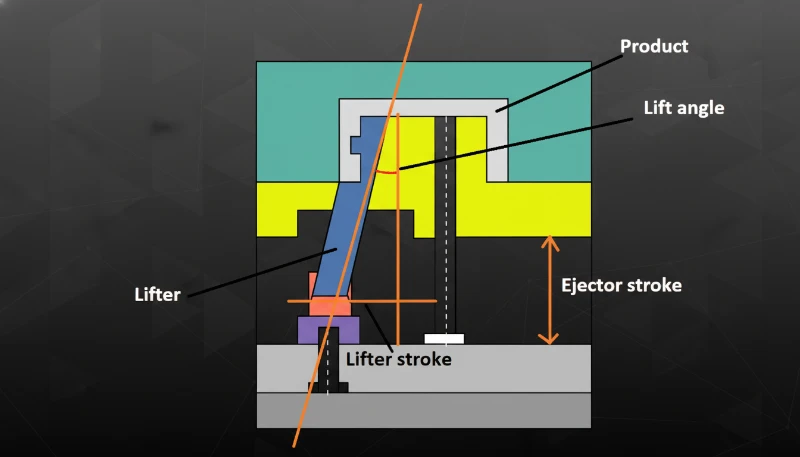
Trzecią zasadniczą różnicą jest wypychanie części. W standardowych formach stosuje się wypychacze trzpieniowe i płyty wypychaczy. W przypadku mikroczęści o ściance grubości 0,3 mm standardowy wypychacz o średnicy 2 mm obejmuje całą powierzchnię ścianki — przebiłby część. W mikroformach stosuje się specjalne mikrowypychacze o średnicy 0,2–0,5 mm, wypychanie powietrzem albo wyjmowanie części przez robota. Niektóre mikroformy w ogóle nie mają układu wypychania — robot wyciąga część z gniazda za pomocą chwytaka podciśnieniowego.
Produkcyjne mikroformy wytrzymują zwykle 200 000–500 000 cykli przed regeneracją gniazda, zależnie od ścieralności materiału i złożoności cech. Formy pracujące z materiałami wzmocnionymi włóknem szklanym mogą wymagać poprawek po 100 000 cykli. Przy wyjątkowo wąskich tolerancjach należy ponownie mierzyć wymiary krytyczne co 20 000 cykli.
Które branże są zależne od mikrowtrysku?
Ta sekcja dotyczy branż zależnych od mikrowtrysku i jego wpływu na koszt, jakość, czas lub ryzyko zaopatrzenia. Urządzenia medyczne stanowią około 40 procent wszystkich mikrowyprasek produkowanych globalnie. Elementy aparatów słuchowych, końcówki instrumentów chirurgicznych, mechanizmy podawania leków oraz kasety do testów diagnostycznych opierają się na podgramowych częściach plastikowych z detalami niewidocznymi gołym okiem. Wymagania regulacyjne (ISO 13485, USP Class VI) czynią walidację procesu bardziej wymagającą, ale wolumeny uzasadniają inwestycję — pojedynczy projekt pena do podawania leków może osiągać 5 milionów sztuk rocznie.
Elektronika jest drugim co do wielkości sektorem. Każdy smartfon zawiera 10–20 mikrowtryskiwanych złączy, przełączników i elementów optycznych. Urządzenia ubieralne i czujniki IoT zmniejszają rozstaw złączy poniżej 0.3 mm, wymagając cech form nieistniejących pięć lat temu. Trend miniaturyzacji nie zwalnia.
Mikrowtrysk dla motoryzacji szybko się rozwija wskutek rosnącej liczby czujników. Nowoczesny pojazd zawiera od 50 do 100 mikrowtryskowych obudów czujników, uszczelnień złączy i elementów zaworów. Części te muszą wytrzymywać temperaturę pod maską do 150°C, zachowując stabilność wymiarową przez 15 lat eksploatacji.
Ile naprawdę kosztuje mikroformowanie wtryskowe?
Ta sekcja dotyczy rzeczywistego kosztu mikrowtrysku i jego wpływu na koszt, jakość, czas realizacji lub ryzyko zaopatrzenia. Koszt narzędzia do mikrowtrysku wynosi od 5 000 do 25 000 USD, w zależności od złożoności części, liczby gniazd i wymaganego wykończenia powierzchni. Jednogniazdowe formy prototypowe do prostych geometrii zaczynają się od około 5 000 USD. Wielogniazdowe formy produkcyjne z wąskimi tolerancjami i polerowanymi powierzchniami gniazd kosztują od 15 000 do 25 000 USD.
Przy wolumenach powyżej 10,000 sztuk koszt jednej części wynosi od $0.02 do $0.50. Przy 100,000 sztuk większość mikroczęści formowanych kosztuje od $0.02 do $0.10 za sztukę. Ekonomika znacząco poprawia się wraz ze wzrostem wolumenu, ponieważ stały koszt oprzyrządowania szybko amortyzuje się na małej części o krótkim cyklu. Mikroczęść o czasie cyklu wynoszącym 5 sekund w formie 16-gniazdowej pozwala wyprodukować na jednej maszynie niemal 100,000 części dziennie.
Nie pomijaj kosztów dodatkowych: manipulowania detalami (mikrodetale często wymagają odbioru przez robota zamiast swobodnego zrzutu), wyposażenia kontrolnego (optyczne systemy pomiarowe kosztują od 30 000 do 80 000 USD) oraz pakowania (pojemniki antystatyczne dla części lżejszych od spinacza biurowego). Poza kosztami oprzyrządowania i formowania pozycje te zwiększają całkowity koszt projektu o 20–40%.
Jak zapewnia się jakość w mikrowtrysku?
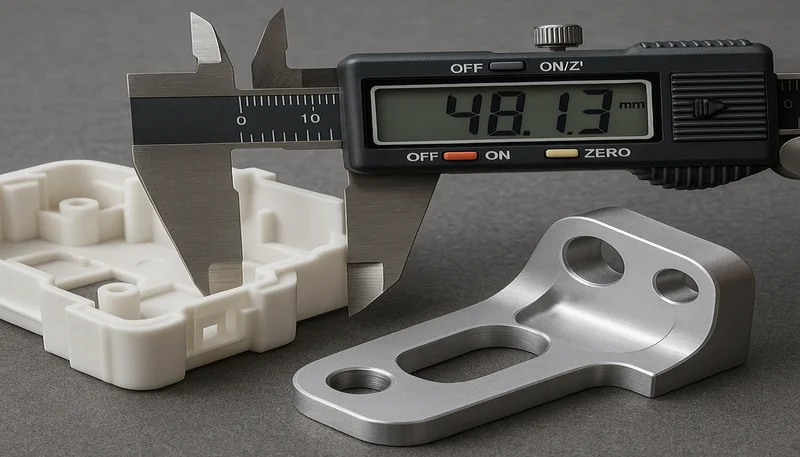
Ta sekcja dotyczy zapewnienia jakości w mikrowtrysku oraz jego wpływu na koszty, jakość, terminy i ryzyko związane z zaopatrzeniem. Kontrola jakości w mikroskali wymaga zupełnie innych metod inspekcji niż standardowe formowanie. Nie można użyć suwmiarki do pomiaru cechy o wymiarze 0.3 mm. Standardem w weryfikacji wymiarowej są optyczne systemy pomiarowe (wizyjne maszyny CMM) o powiększeniu od 10x do 200x. Systemy te mierzą rozmiar, położenie i geometrię cech na podstawie powiększonych obrazów z rozdzielczością do 0.5 mikrometra.
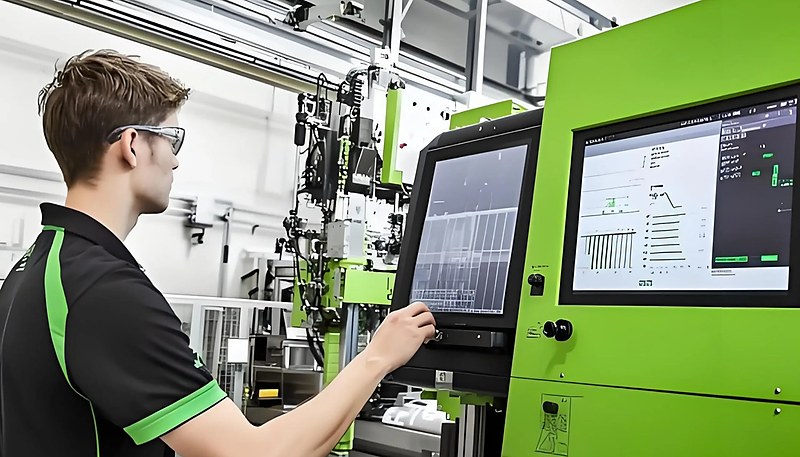
W mikroskali monitorowanie procesu jest ważniejsze niż kontrola wyrobu. Ponieważ ekonomiczny pomiar każdego wymiaru każdej części nie jest możliwy, stosuje się statystyczne sterowanie procesem powiązane z parametrami maszyny. Monitorowanie ciśnienia wtrysku, położenia ślimaka, temperatury formy i czasu cyklu zapewnia bieżącą informację o stabilności procesu.
Nasza narzędziownia dysponuje maszynami EDM, wycinarkami drutowymi, precyzyjnymi grawerkami i wyposażeniem pomiarowym CMM — wszystkim, co jest potrzebne do wykonywania i weryfikacji submilimetrowych detali charakterystycznych dla mikrowyprasek. Zespół 8 starszych inżynierów, z których każdy ma średnio ponad 10 lat doświadczenia, realizował projekty mikrowtrysku dla branży medycznej, elektronicznej i motoryzacyjnej.
Najczęściej zadawane pytania dotyczące mikrowtrysku
Jaka jest minimalna wielkość części w mikrowtrysku?
Praktyczne minimum wynosi około 0.5 milimetra sześciennego objętości lub zaledwie 0.001 g masy części. Osiągnięcie tego wymaga tłokowych układów wtryskowych z precyzyjnymi komorami dozującymi o dokładności 0.0001 cc oraz utrzymywania temperatury formy powyżej 100 stopni C przez cały cykl wtrysku. Przy tak skrajnie małych wymiarach nawet zmiana objętości wtrysku o 0.0005 cc powoduje widoczną wadę jakościową, dlatego sterowanie procesem musi być wyjątkowo dokładne i zweryfikowane w tysiącach kolejnych cykli przed dopuszczeniem do pełnej produkcji.
Ile kosztuje forma do mikro wtrysku?
Oprzyrządowanie do mikroformowania kosztuje od $5,000 do $25,000, zależnie od złożoności części, liczby gniazd i wymagań dotyczących wykończenia powierzchni. Jednogniazdowe formy prototypowe do prostych geometrii kosztują od około $5,000, natomiast wielogniazdowe formy produkcyjne o wąskich tolerancjach i polerowanych powierzchniach gniazd kosztują od $15,000 do $25,000. Wyższy koszt wynika ze specjalistycznych procesów EDM i cięcia drutowego, niezbędnych do wykonania submilimetrowych elementów gniazda, których konwencjonalne frezowanie CNC po prostu nie jest w stanie uzyskać, niezależnie od jakości narzędzi skrawających ani umiejętności operatora maszyny.
Jaką tolerancję może osiągnąć mikrowtrysk?
Standardowe tolerancje mikrowtryskiwania mieszczą się w zakresie plus minus 0,01 do 0,05 mm, w zależności od konkretnego materiału poddawanego formowaniu, geometrii części oraz stosunku wymiarów jej kluczowych cech. Płaskie powierzchnie o rozpiętości poniżej 5 mm w materiałach o niskiej skurczalności, takich jak POM, mogą konsekwentnie osiągać plus minus 0,008 mm w produkcji. Głębokie otwory o stosunku wymiarów powyżej 5:1 zazwyczaj utrzymują plus minus 0,03 mm z powodu ugięcia trzpienia rdzeniowego oraz nierównomiernego skurczu wokół długich elementów stalowych w gnieździe formy.
Jaka jest minimalna grubość ścianki dla mikrowtryskiwania?
Ścianki o grubości nawet 0,1 mm można uzyskać z materiałów o małej lepkości, takich jak LCP, pod warunkiem podgrzania formy do 120–150°C i zastosowania prędkości wtrysku powyżej 800 mm/s, aby zapobiec przedwczesnemu zamarzaniu tworzywa podczas napełniania gniazda. Poniżej 0,1 mm wypełnienie gniazda staje się niezwykle trudne, ponieważ materiał niemal natychmiast zestala się przy kontakcie ze ścianą gniazda. Utrzymanie stałych odchyłek grubości ścianek poniżej ±0,02 mm wymaga zoptymalizowanego położenia przewężki w odległości do 2 mm od cienkich przekrojów oraz rygorystycznego monitorowania procesu przez cały czas produkcji.
Jak długo wytrzymuje mikro wtryskarka?
Produkcyjne mikroformy wytrzymują zwykle od 200,000 do 500,000 cykli przed regeneracją gniazda, zależnie od ścieralności formowanego materiału i złożoności cech produkowanej części. Formy przetwarzające materiały wzmocnione włóknem szklanym lub węglowym mogą wymagać poprawek po 100,000 cykli z powodu przyspieszonego zużycia drobnych cech gniazda. W przypadku wyjątkowo wąskich tolerancji zdecydowanie zalecamy ponowny pomiar wymiarów krytycznych co 20,000 cykli oraz uwzględnienie w budżecie ponownego polerowania gniazda lub wymiany rdzenia jako rutynowej konserwacji zapobiegawczej, aby uniknąć nieoczekiwanej utraty jakości wymiarowej w produkcji.
Czy możesz mikroformować PEEK?
Tak, mikroformowanie PEEK jest szeroko stosowane w implantach medycznych i zastosowaniach lotniczych wymagających biokompatybilności oraz ciągłej odporności na temperaturę do 250 stopni C. Przetwórstwo wymaga temperatury cylindra od 370 do 400 stopni C, temperatury formy od 160 do 200 stopni C oraz prędkości wtrysku powyżej 500 mm/s. Krytyczne jest utrzymanie temperatury cylindra w zakresie plus lub minus 2 stopnie C — odchylenie o 5 stopni C może powodować 30-procentową zmianę wymiarów mikroczęści z PEEK, dlatego precyzyjne zarządzanie temperaturą jest niezbędne do utrzymania stałej jakości produkcji i powtarzalności wymiarowej.
Jaka jest różnica między mikroformowaniem a formowaniem małych części?
Mikroformowanie dotyczy konkretnie części o masie poniżej 1 grama i cechach krytycznych mniejszych niż 1 mm; wymaga specjalnych maszyn z wtryskiem tłokowym o objętości wtrysku od 0.001 do 5 cc oraz form wykonywanych metodą EDM, z detalami gniazd poniżej jednego milimetra. Formowanie małych części pozwala wytwarzać części o masie od 1 do 10 gramów na standardowych maszynach ze ślimakiem posuwisto-zwrotnym przy użyciu konwencjonalnych form stalowych obrabianych CNC. Są to zasadniczo różne kategorie urządzeń, podejścia do oprzyrządowania i parametry sterowania procesem, mimo że oba procesy ostatecznie wytwarzają stosunkowo małe elementy z tworzyw sztucznych do podobnych zastosowań końcowych w wielu branżach.
objętość wtrysku: Objętość wtrysku to ilość stopionego tworzywa wprowadzana do gniazda formy w każdym cyklu, mierzona w centymetrach sześciennych. W mikrowtrysku wynosi ona od 0,001 do 5 cc. ↩
LCP: LCP to wysokowydajne tworzywo termoplastyczne o wyjątkowych właściwościach płynięcia w cienkościennych mikroelementach, powszechnie stosowane w złączach elektronicznych. ↩
EDM: EDM to precyzyjna metoda obróbki usuwająca materiał za pomocą wyładowań elektrycznych, umożliwiająca wykonywanie w hartowanej stali narzędziowej cech mniejszych niż 0,1 mm. ↩