...

マイクロ射出成形の総合ガイド

• ZetarMold Engineering Guide
• Plastic Injection Mold Manufacturing Since 2005
• Built by ZetarMold engineers for buyers comparing mold and molding solutions.

あなたの医療機器クライアントが、0.3 mm幅のスナップフィットタブを持つ補聴器ハウジングの図面を送ってきました。あなたの標準的な 射出成形サプライヤー それを見て、金型製作はできないと言いました。もしあなたが、 射出成形 can produce parts this small — reliably, in production volumes — this guide gives you the straight answer from the factory floor.

要点
  • Micro injection molding produces parts weighing under 1 gram with tolerances of plus or minus 0.01 mm.
  • Shot volumes range from 0.001 cc to 5 cc, roughly 1,000 times smaller than standard molding.
  • PEEK, LCP, POM, and medical-grade ABS are the most common micro molding materials.
  • Mold fabrication relies on EDM and wire cutting for features under 0.5 mm, not CNC milling.
  • Wall thickness below 0.5 mm requires mold temperatures above 80 degrees C to prevent freeze-off.

What Is Micro Injection Molding and How Does It Work?

Micro injection molding is a specialized manufacturing process for producing plastic parts weighing less than 1 gram with features smaller than 1 mm. It uses dedicated plunger-injection machines with injection molding shot volumes 0.001〜5ccの範囲で、標準的な射出成形機の約1,000分の1のサイズです。この工程は単に「小さなスケールでの通常の成形」ではありません。設備、金型、工程パラメータは根本的に異なります。

標準的な射出成形機は、材料を計量・射出するために往復スクリューを使用します。1グラム未満の部品重量では、スクリューはショットボリュームを十分に正確に制御できません。マイクロ成形機はスクリューをプランジャーシステムに置き換え、別のチャンバーで材料を計量し、±0.0001 ccの位置精度で射出します。この溶融と射出の分離が、一貫したマイクロ部品生産を可能にします。

金型自体も異なります。0.5mm以下のキャビティ形状は標準CNC工具では加工できません。硬化工具鋼にサブミリメートルの形状を作成するには、放電加工とワイヤーカットが必要です。金型表面仕上げもより重要です。マイクロスケールでは、0.5マイクロメートルのRa表面仕上げの違いが、部品取り出しと寸法一貫性に直接影響します。

「マイクロ射出成形では、標準的な往復スクリューでは正確な計量ができないため、プランジャー式マシンを使用します。 shot volumes1 5cc以下。」

The reciprocating screw in a standard machine meters shot volume by screw position, which has a positional tolerance too large for sub-gram parts. Plunger systems separate melting from injection, using a dedicated metering chamber that controls volume to plus or minus 0.0001 cc — roughly 100 times more precise than screw-based metering.

「標準的な射出成形に使用できる熱可塑性プラスチックは、すべてマイクロ射出成形にも使用できます。」

This is false. Materials with high melt viscosity, such as unfilled polycarbonate or PMMA, struggle to fill sub-millimeter features before freeze-off occurs. Only low-viscosity resins like LCP2, POM, and certain grades of PEEK and ABS can reliably fill micro-scale wall thicknesses.

How Does Micro Injection Molding Compare to Other Micro Manufacturing Methods?

1グラム未満の複雑なプラスチック形状の大量生産には、マイクロ射出成形が明確な選択肢です。以下は、工程を決定する前にクライアントが検討する代替案との比較です。

Micro Manufacturing Method Comparison
Method Part Size Range Tolerance (mm) 最適
マイクロ射出成形 0.01–10 g +/- 0.01 High volume, complex geometry
Micro CNC Machining Any +/- 0.005 Metals, low volume
SLA3Dプリンティング Any +/- 0.025 Prototyping only
LIGA Process 0.001–1 g +/- 0.001 Ultra-high aspect ratio
Micro Stamping 0.1–50 g +/- 0.02 Flat metal parts

マイクロ成形とマイクロCNCの損益分岐点は通常500~1,000個付近にあります。それ以下の数量では、金型投資がないためCNCの方が安価です。1,000個を超えると、成形による単価優位性が圧倒的になります。CNC加工で$8かかる0.05gのPOMギアは、10,000個成形すると$0.10を下回ります。金型の費用は$8,000~$15,000なので、投資回収は迅速です。

SLA 3Dプリントはプロトタイプや設計検証に有用ですが、材料特性は射出成形熱可塑性プラスチックと一致しません。特に生体適合性や難燃性等級を必要とする医療および航空宇宙用途ではそうです。初期段階のプロトタイプにはSLAを推奨し、その後生産にはマイクロ成形に移行します。

「1台の最新スマートフォンには10〜20個のマイクロ射出成形部品が含まれています。」

Micro molded parts in smartphones include camera module brackets, antenna connectors, microphone housings, and SIM card tray features. The average device uses 12 to 18 micro molded parts across multiple assemblies, and this number is growing with each generation as devices become more compact.

「マイクロ射出成形は医療および電子機器用途にのみ有効です。」

While medical and electronics are the largest sectors, micro molding is widely used in automotive sensors, aerospace connectors, watch mechanisms, and consumer products. Any industry requiring sub-gram precision plastic parts with complex geometry is a candidate.

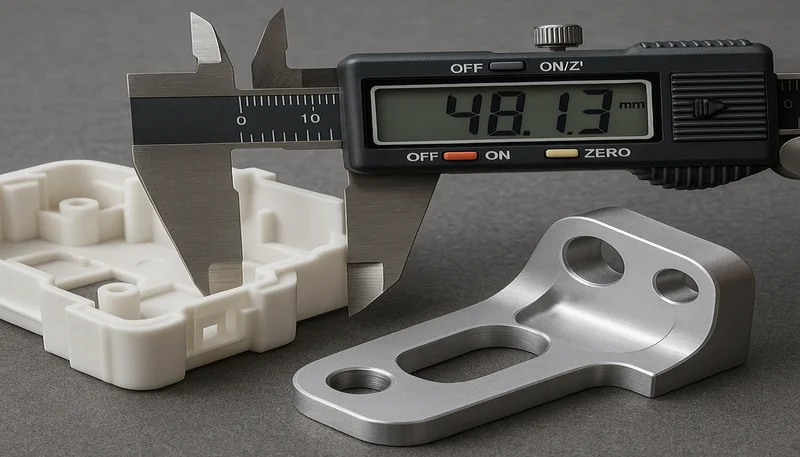
Injection Molding Product vs CNC machining tolerance
射出成形の公差 vs CNC加工

What Materials Work Best for Micro Injection Molding?

このセクションでは、マイクロ射出成形に最適な材料と、それがコスト、品質、タイミング、または調達リスクに与える影響について説明します。すべての熱可塑性プラスチックがマイクロスケールで機能するわけではありません。材料は、0.1 mmという薄さの形状を凍結することなく充填でき、かつ数千サイクルにわたって一貫してそれを実行できる必要があります。以下に、マイクロ部品の生産で実際に使用している材料とその理由を示します。

LCP in injection molding (液晶ポリマー)は薄肉マイクロ部品の定番材料です。その溶融粘度は標準的なエンジニアリング樹脂の約10分の1であり、他の材料では到達できない形状を充填できます。金型温度120〜150°C、射出速度800mm/s以上で、LCPを用いれば0.1mmまでの肉厚が達成可能です。ピッチ0.3mm以下の電子コネクタの標準選択肢です。

PEEK dominates medical and aerospace micro applications. It handles continuous temperatures up to 250 degrees C, passes USP Class VI biocompatibility testing, and resists chemical attack from sterilization processes. Processing requires barrel temperatures of 370 to 400 degrees C and mold temperatures of 160 to 200 degrees C. Temperature control within plus or minus 2 degrees C is critical — a 5 degree drift can cause 30 percent dimensional variation in a micro PEEK part.

POM (acetal) is the workhorse for mechanical micro parts like gears, bushings, and snap fits. It machines well in the mold, has low friction, and holds tolerances consistently. Medical-grade ABS rounds out the common choices for housings and enclosures where biocompatibility is required but extreme temperature or chemical resistance is not.

How to Select the Right Material for Micro Parts

EDMは、電気火花を用いて材料を除去する精密製造プロセスであり、硬化工具鋼において0.1mm未満の特徴を作成することが可能です。

Processing windows for micro molding materials are significantly narrower than for standard molding. A typical POM gear might tolerate plus or minus 10 degrees C barrel temperature variation at normal scale, but the same material in a micro part requires control within plus or minus 3 degrees C. Dedicated micro molding machines feature multiple barrel temperature zones with independent PID controllers and thermocouple feedback every 50 mm along the barrel length.

🏭 ZetarMold Factory Insight
ZetarMoldの上海工場では、90Tから1850Tまでの47台の射出成形機が、試作段階から高量産までのマイクロ成形プロジェクトをサポートしています。20年以上の射出成形および金型製作経験と400種類以上のプラスチック材料の経験により、エンジニアは樹脂の挙動、金型の制約、検査計画を、微細な形状が生産段階に移行する前に適合させることができます。

What Are the Key Design Rules for Micro Molded Parts?

Designing for micro molding is not the same as scaling down a standard part design. The physics change at sub-millimeter dimensions, and rules that work at normal scale break down. Here are the guidelines that actually matter in production.

肉厚は最も重要なパラメータです。0.5mm以下では、フリーズオフが主要な欠陥リスクになります。材料が完全に形状を充填する前に、キャビティ壁に接触して固化します。これを防ぐには、金型温度を80°C以上(結晶性材料ではさらに高温)、射出速度を500mm/s以上、ゲート位置を最も薄い部分から2mm以内に配置する必要があります。LCPで肉厚0.1mmの場合、工程が可能な限界で運転していることになります。

Draft angles matter more at micro scale, not less. A 0.5 degree draft on a 5 mm deep feature seems negligible, but on a micro part with a 0.2 mm wall, that draft determines whether the part ejects cleanly or deforms. As discussed in our injection mold guide, we recommend a minimum of 1 degree draft on all vertical surfaces for micro parts, and 2 degrees for features deeper than 3 mm.

Radii should be at least 0.05 mm on all internal corners. Sharp internal corners create stress concentrations that cause cracking during ejection or in service. At micro scale, even a 0.02 mm radius makes a measurable difference in part strength. Gate design is equally important — for parts under 0.5 g, a single edge gate with a maximum land length of 0.5 mm is usually the best choice.

How Is a Micro Injection Mold Different from a Standard Mold?

The fundamental difference is how the cavity is created. Standard molds use CNC milling for most cavity features, with イーディーエム3 鋭い角や深いリブ用に確保されています。マイクロ金型はこの比率を逆転させます。CNCでは約0.3mm以下の形状を確実に作成できないため、EDMとワイヤーカットがキャビティ形状の大部分を処理します。

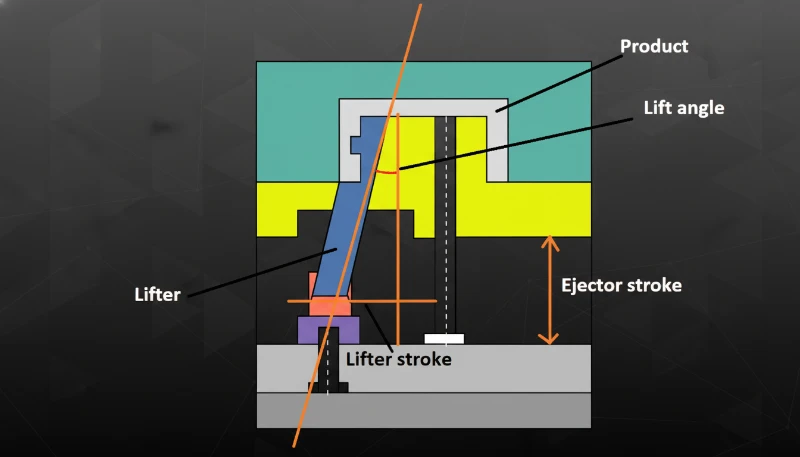
Injection mold lifter and ejector stroke diagram
金型リフターおよびエジェクタ機構

Mold temperature control is also more demanding. A standard mold might run at 40 to 60 degrees C with simple water channels. A micro mold running PEEK needs 160 to 200 degrees C with cartridge heaters and thermocouple feedback in each cavity insert. Temperature uniformity across the cavity affects fill, shrinkage, and warpage at least 10 times more at micro scale than at normal scale.

射出は3つ目の大きな違いです。標準金型ではエジェクターピンとプレートを使用します。0.3mmの肉厚を持つ微小部品では、標準的な2mmのエジェクターピンが壁面全体を覆うため、部品を突き破ってしまいます。マイクロ金型では、特殊なマイクロエジェクターピン(直径0.2~0.5mm)、エアー射出、またはロボット支援による部品取り出しを使用します。一部のマイクロ金型では射出を全く行わず、ロボットが真空ピックアップでキャビティから部品を引き抜きます。

Production micro molds typically last 200,000 to 500,000 cycles before cavity refurbishment, depending on material abrasiveness and feature complexity. Molds running glass-filled materials may need rework at 100,000 cycles. For ultra-tight tolerances, plan to re-measure critical dimensions every 20,000 cycles.

What Industries Depend on Micro Injection Molding?

このセクションでは、マイクロ射出成形に依存する産業と、それがコスト、品質、タイミング、または調達リスクに与える影響について説明します。医療機器は、世界的に生産されるすべてのマイクロ成形部品の約40%を占めています。補聴器部品、手術器具の先端、薬物送達機構、診断テストカートリッジはすべて、肉眼では見えない形状を持つ1グラム未満のプラスチック部品に依存しています。規制要件(ISO 13485、USPクラスVI)によりプロセス検証はより厳しくなりますが、生産量が投資を正当化します — 単一の薬物送達ペンの設計で年間500万ユニットを生産する場合もあります。

電子機器は2番目に大きな分野です。すべてのスマートフォンには10〜20個のマイクロ成形コネクタ、スイッチ、レンズ要素が含まれています。ウェアラブルデバイスやIoTセンサーはコネクタピッチを0.3mm以下に押し進めており、5年前には存在しなかった金型形状を必要としています。小型化のトレンドに減速の兆候はありません。

Automotive micro molding is growing fast, driven by sensor proliferation. A modern vehicle contains 50 to 100 micro molded sensor housings, connector seals, and valve components. These parts need to survive under-hood temperatures up to 150 degrees C while maintaining dimensional stability over a 15-year service life.

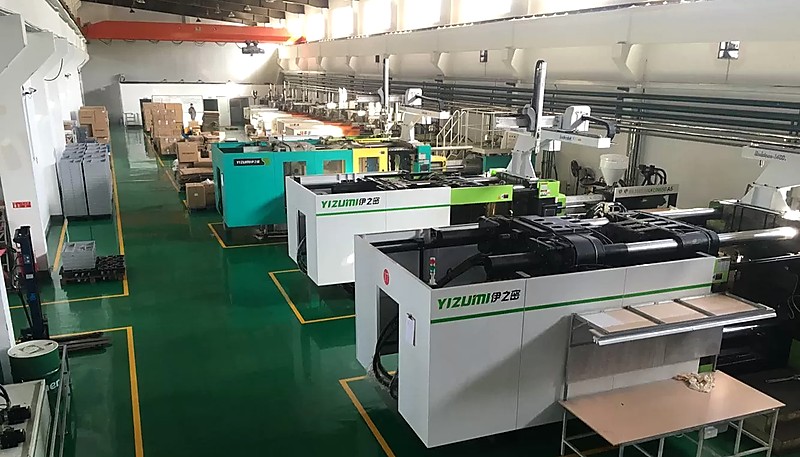
ZetarMold Injection Molding Factory
マイクロ成形生産フロア

What Does Micro Injection Molding Actually Cost?

このセクションでは、マイクロ射出成形の実際のコストと、それがコスト、品質、タイミング、または調達リスクに与える影響について説明します。マイクロ金型の製作コストは、部品の複雑さ、キャビティ数、必要な表面仕上げに応じて、$5,000ドルから$25,000ドルの間です。単純な形状の単一キャビティ試作金型は約$5,000ドルから始まります。厳しい公差と研磨されたキャビティ表面を持つ多キャビティ生産金型は、$15,000ドルから$25,000ドルかかります。

Per-part costs range from $0.02 to $0.50 at volumes above 10,000 units. At 100,000 units, most micro molded parts fall between $0.02 and $0.10 each. The economics improve dramatically with volume because the fixed tooling cost amortizes quickly on a small, fast-cycle part. A micro part with a 5-second cycle time in a 16-cavity mold produces nearly 100,000 parts per day on a single machine.

付随コストを忘れないでください:部品取り扱い(マイクロ部品は重力落下ではなくロボットピックアップが必要な場合が多い)、検査設備(光学測定システムは3万〜8万円)、包装(クリップよりも軽い部品用の静電気防止容器)。これらは金型と成形以外の総プロジェクトコストに20〜40%追加されます。

How Do You Ensure Quality in Micro Injection Molding?

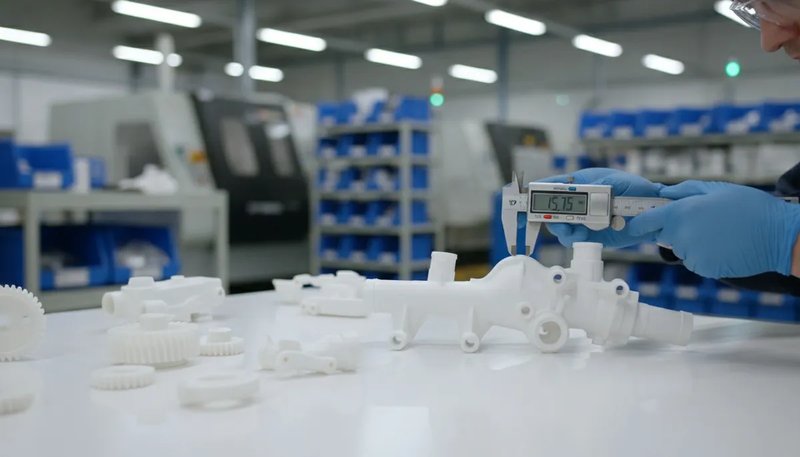
このセクションでは、マイクロ射出成形における品質確保と、それがコスト、品質、タイミング、または調達リスクに与える影響について説明します。マイクロスケールでの品質管理には、標準的な成形とは全く異なる検査方法が必要です。0.3 mmの形状にノギスを使用することはできません。10倍から200倍の倍率を持つ光学測定システム(ビジョンCMM)が寸法検証の標準です。これらのシステムは、0.5マイクロメートルまでの解像度で拡大画像から形状のサイズ、位置、幾何学的形状を測定します。

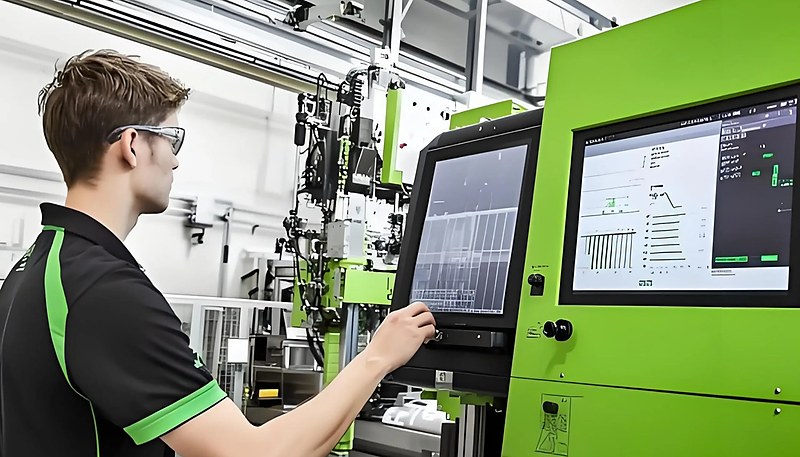
マイクロスケールでは、検査よりも工程監視が重要です。すべての部品のすべての寸法を経済的に測定できないため、機械パラメータに連動した統計的工程管理に依存します。射出圧力、スクリュー位置、金型温度、サイクルタイムを監視することで、工程の安定性をリアルタイムに把握できます。

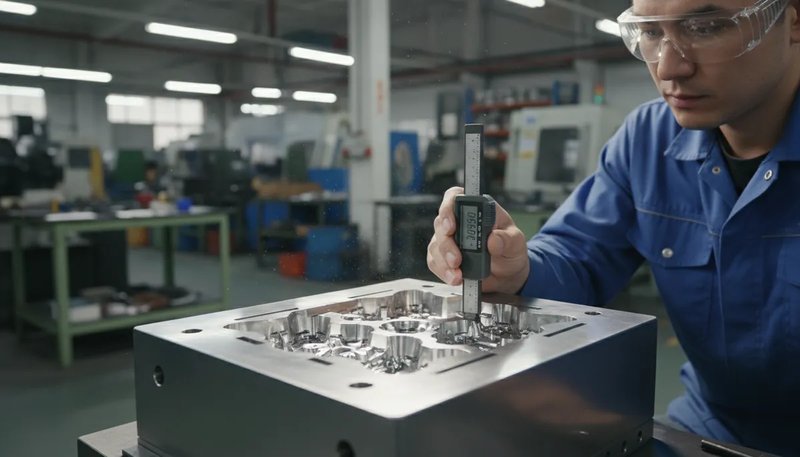
当社の金型工房には、EDM機、ワイヤーカッター、精密彫刻機、CMM検査設備が含まれており、これらはすべてマイクロ成形部品を定義するサブミリメートル形状の作成と検証に必要です。平均10年以上の経験を持つ8名のシニアエンジニアが、医療、電子機器、自動車用途のマイクロ成形プロジェクトを手がけてきました。

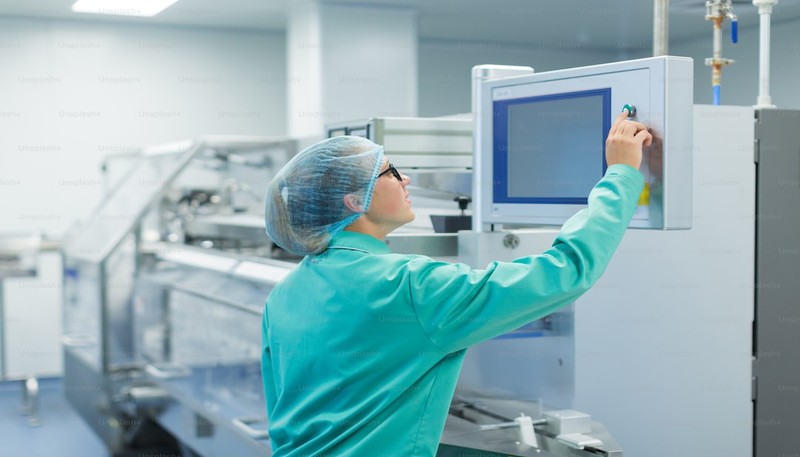
Clean room injection molding factory
クリーンルームマイクロ成形設備

Frequently Asked Questions About Micro Injection Molding

What is the minimum part size for micro injection molding?

The practical minimum is approximately 0.5 cubic mm in volume, or parts weighing as little as 0.001 g. Achieving this requires plunger-style injection systems with precision metering chambers accurate to 0.0001 cc and mold temperatures maintained above 100 degrees C throughout the entire injection cycle. At these extremely small dimensions, even a 0.0005 cc variation in shot volume produces a visible quality defect, so process control must be exceptionally tight and validated over thousands of consecutive cycles before full production release.

How much does a micro injection mold cost?

Micro mold tooling costs between $5,000 and $25,000 depending on part complexity, cavity count, and surface finish requirements. Single-cavity prototype molds for simple geometries start around $5,000, while multi-cavity production molds with tight tolerances and polished cavity surfaces run $15,000 to $25,000. The higher cost reflects the specialized EDM and wire cutting processes needed to create sub-millimeter cavity features that conventional CNC milling simply cannot achieve, regardless of the quality of the cutting tools or the skill of the machinist operating the equipment.

What tolerance can micro injection molding achieve?

Standard micro molding tolerances range from plus or minus 0.01 to 0.05 mm depending on the specific material being molded, the geometry of the part, and the aspect ratio of its critical features. Flat surfaces under 5 mm span in low-shrinkage materials like POM can consistently achieve plus or minus 0.008 mm in production. Deep holes with aspect ratios above 5:1 typically hold plus or minus 0.03 mm due to core pin deflection and uneven shrinkage around long steel features in the mold cavity.

What is the minimum wall thickness for micro injection molding?

Wall thicknesses down to 0.1 mm are achievable with low-viscosity materials like LCP, provided the mold is heated to 120 to 150 degrees C and injection speed exceeds 800 mm/s to prevent premature freeze-off during cavity filling. Below 0.1 mm, cavity fill becomes extremely difficult because material solidifies on contact with the cavity wall almost instantly. Consistent wall variation under plus or minus 0.02 mm requires optimized gate placement within 2 mm of thin sections and rigorous process monitoring throughout the production run.

How long does a micro injection mold last?

Production micro molds typically last 200,000 to 500,000 cycles before cavity refurbishment, depending on the abrasiveness of the molding material and the feature complexity of the part design being produced. Molds running glass-filled or carbon-fiber reinforced materials may need rework at 100,000 cycles due to accelerated wear on fine cavity features. For ultra-tight tolerances, we strongly recommend re-measuring critical dimensions every 20,000 cycles and budgeting for cavity re-polishing or core replacement as routine preventive maintenance to avoid unexpected dimensional quality drift in production.

Can you micro mold PEEK?

Yes, PEEK micro molding is widely used for medical implants and aerospace applications requiring biocompatibility and continuous temperature resistance up to 250 degrees C. Processing requires barrel temperatures of 370 to 400 degrees C, mold temperatures of 160 to 200 degrees C, and injection speeds above 500 mm/s. Barrel temperature control within plus or minus 2 degrees C is critical — a 5 degree C drift can cause 30 percent dimensional variation in a micro PEEK part, making precise thermal management essential for consistent production quality and dimensional repeatability.

What is the difference between micro molding and small part molding?

Micro molding specifically refers to parts under 1 gram with critical features below 1 mm, requiring dedicated plunger-injection machines with shot volumes of 0.001 to 5 cc and EDM-fabricated molds with sub-millimeter cavity details. Small part molding produces 1 to 10 gram parts on standard reciprocating-screw machines with conventional CNC-milled steel molds. These represent fundamentally different equipment categories, tooling approaches, and process control parameters, despite both processes ultimately producing relatively small plastic components for similar end-use applications across multiple industries.


  1. shot volumes: Shot volume is the amount of molten plastic injected into the mold cavity per cycle, measured in cubic centimeters. Micro molding shot volumes range from 0.001 to 5 cc.

  2. LCP: LCP refers to high-performance thermoplastic with exceptional flow characteristics for thin-wall micro parts, commonly used in electronic connector applications.

  3. EDM: EDM refers to precision manufacturing process that removes material using electrical sparks, capable of creating features under 0.1 mm in hardened tool steel.

最新の投稿
フェイスブック
ツイッター
LinkedIn
ピンタレスト
Mike Tangの写真
マイク・タン

Hi, I'm the author of this post, and I have been in this field for more than 20 years. and I have been responsible for handling on-site production issues, product design optimization, mold design and project preliminary price evaluation. If you want to custom plastic mold and plastic molding related products, feel free to ask me any questions.

私とつながる

クイック見積もり

図面および詳細要件を下記までお送りください。 

Emial:[email protected]

または下記のお問い合わせフォームにご記入ください:

クイック見積もり

図面および詳細要件を下記までお送りください。 

Emial:[email protected]

または下記のお問い合わせフォームにご記入ください:

クイック見積もり

図面および詳細要件を下記までお送りください。 

Emial:[email protected]

または下記のお問い合わせフォームにご記入ください:

クイック見積もり

図面および詳細要件を下記までお送りください。 

Emial:[email protected]

または下記のお問い合わせフォームにご記入ください:

クイック見積もり

図面および詳細要件を下記までお送りください。 

Emial:[email protected]

または下記のお問い合わせフォームにご記入ください:

ブランドのクイック見積もり

図面および詳細要件を下記までお送りください。 

Emial:[email protected]

または下記のお問い合わせフォームにご記入ください:

Спроситебыструюцитату。

Мы свяжемся с вами в течение одного рабочего дня, обратите внимание на письмо с суффиксом "[email protected]".

クイック見積もり

図面および詳細要件を下記までお送りください。 

Emial:[email protected]

または下記のお問い合わせフォームにご記入ください:

クイック見積もり

図面および詳細要件を下記までお送りください。 

Emial:[email protected]

または下記のお問い合わせフォームにご記入ください: