Ihr Kunde aus der Medizintechnik hat gerade eine Zeichnung für ein Hörgerätegehäuse mit einer 0,3 mm breiten Schnapphakenlasche geschickt. Ihr üblicher Spritzgießlieferant hat die Zeichnung geprüft und erklärt, dass er dafür kein Werkzeug fertigen kann. Wenn Sie wissen möchten, ob Spritzgießen derart kleine Teile zuverlässig und in Serienmengen herstellen kann, liefert dieser Leitfaden eine klare Antwort aus der Fertigungspraxis.
- Mikrospritzgießen erzeugt Teile mit einem Gewicht von unter 1 Gramm und Toleranzen von plus oder minus 0.01 mm.
- Das Schussvolumen reicht von 0,001 cm³ bis 5 cm³ und ist damit etwa 1.000-mal kleiner als beim Standardspritzguss.
- PEEK, LCP, POM und ABS in Medizinqualität sind die gebräuchlichsten Materialien für das Mikrospritzgießen.
- Der Formenbau nutzt für Merkmale unter 0,5 mm EDM und Drahterodieren, nicht CNC-Fräsen.
- Wandstärken unter 0.5 mm erfordern Werkzeugtemperaturen über 80 Grad C, um ein vorzeitiges Erstarren zu verhindern.
Was ist Mikrospritzgießen und wie funktioniert es?
Mikrospritzgießen ist ein spezialisiertes Fertigungsverfahren für Kunststoffteile mit einem Gewicht unter 1 Gramm und Merkmalen kleiner als 1 mm. Es verwendet spezielle Kolbenspritzmaschinen mit Schussvolumina von 0,001 bis 5 cm³ – etwa 1.000-mal kleiner als bei einer Standard-Spritzgießmaschine. Das Verfahren ist nicht einfach „gewöhnliches Spritzgießen in kleinerem Maßstab“. Anlagen, Werkzeuge und Prozessparameter unterscheiden sich grundlegend.
Eine Standard-Spritzgießmaschine dosiert und spritzt das Material mit einer hin- und hergehenden Schnecke ein. Bei Teilegewichten unter einem Gramm kann die Schnecke das Schussvolumen nicht genau genug steuern. Mikrospritzgießmaschinen ersetzen die Schnecke durch ein Kolbensystem, das das Material in einer separaten Kammer dosiert und anschließend mit einer Positionsgenauigkeit von plus/minus 0.0001 cc einspritzt. Diese Trennung von Aufschmelzen und Einspritzen ermöglicht eine gleichbleibende Fertigung von Mikroteilen.
Auch das Werkzeug selbst unterscheidet sich. Kavitätsmerkmale unter 0.5 mm können nicht mit herkömmlichen CNC-Werkzeugen bearbeitet werden. Für Geometrien im Submillimeterbereich in gehärtetem Werkzeugstahl sind Senk- und Drahterodieren erforderlich. Auch die Oberflächengüte des Werkzeugs ist wichtiger — im Mikrobereich wirkt sich bereits eine Differenz der Oberflächenrauheit von 0.5 micrometer Ra direkt auf die Entformung und Maßhaltigkeit der Teile aus.
"Beim Mikrospritzgießen werden Kolbenmaschinen eingesetzt, da standardmäßige oszillierende Schnecken Schussvolumina1 unter 5 cc nicht genau dosieren können."True
Die oszillierende Schnecke einer Standardmaschine dosiert das Schussvolumen anhand der Schneckenposition, deren Positionstoleranz für Teile unter einem Gramm zu groß ist. Kolbensysteme trennen Aufschmelzen und Einspritzen und verwenden eine eigene Dosierkammer, die das Volumen auf plus/minus 0.0001 cc regelt — rund 100-mal genauer als die schneckenbasierte Dosierung.
"Jeder Thermoplast, der für das herkömmliche Spritzgießen geeignet ist, kann auch für das Mikrospritzgießen verwendet werden."False
Das ist falsch. Werkstoffe mit hoher Schmelzeviskosität, etwa ungefülltes Polycarbonat oder PMMA, können Merkmale im Submillimeterbereich nur schwer füllen, bevor die Schmelze erstarrt. Nur niedrigviskose Harze wie LCP2, POM sowie bestimmte Typen von PEEK und ABS können Wanddicken im Mikrobereich zuverlässig füllen.
Wie schneidet Mikrospritzgießen im Vergleich zu anderen Mikrofertigungsverfahren ab?
Für die Großserienfertigung komplexer Kunststoffgeometrien unter 1 gram ist Mikrospritzgießen eindeutig die beste Wahl. Nachfolgend vergleichen wir es mit den Alternativen, die unsere Kunden vor ihrer Verfahrensentscheidung geprüft haben.
| Methode | Bereich der Teilegrößen | Toleranz (mm) | Am besten für |
|---|---|---|---|
| Mikro-Spritzgießen | 0.01–10 g | +/- 0.01 | Hohe Stückzahl, komplexe Geometrie |
| Mikro-CNC-Bearbeitung | Beliebig | +/- 0.005 | Metalle, geringe Stückzahl |
| SLA 3D-Druck | Beliebig | +/- 0.025 | Nur Prototypenbau |
| LIGA-Verfahren | 0.001–1 g | +/- 0.001 | Extrem hohes Aspektverhältnis |
| Mikrostanzen | 0.1–50 g | +/- 0.02 | Flache Metallteile |
Der Break-even zwischen Mikrospritzgießen und Mikro-CNC liegt typischerweise bei etwa 500 bis 1,000 Teilen. Unterhalb dieser Menge ist CNC günstiger, weil keine Forminvestition anfällt. Oberhalb von 1,000 Teilen wird der Stückkostenvorteil des Formens überwältigend. Ein POM-Zahnrad mit 0.05 g, dessen CNC-Bearbeitung $8 kostet, fällt bei 10,000 spritzgegossenen Einheiten unter $0.10 pro Teil. Die Form kostet $8,000 bis $15,000, sodass sie sich schnell amortisiert.
SLA-3D-Druck eignet sich für Prototypen und die Konstruktionsvalidierung, doch seine Materialeigenschaften entsprechen nicht denen spritzgegossener Thermoplaste — insbesondere bei medizinischen und Luft- und Raumfahrtanwendungen, die Biokompatibilität oder definierte Flammschutzklassen erfordern. Wir empfehlen SLA für Prototypen in der Frühphase und anschließend den Übergang zum Mikrospritzgießen für die Produktion.
"Ein einziges modernes Smartphone enthält 10 bis 20 Mikrospritzgussteile."True
Zu den mikrogeformten Teilen in Smartphones gehören Halterungen für Kameramodule, Antennensteckverbinder, Mikrofongehäuse und Merkmale von SIM-Kartenschlitten. Ein durchschnittliches Gerät verwendet 12 bis 18 mikrogeformte Teile in mehreren Baugruppen; mit jeder Generation wächst diese Zahl, da die Geräte kompakter werden.
„Mikrospritzguss ist nur für Medizin- und Elektronikanwendungen geeignet.“False
Medizintechnik und Elektronik sind zwar die größten Branchen, doch Mikrospritzgießen wird auch häufig für Automobilsensoren, Steckverbinder in der Luft- und Raumfahrt, Uhrwerke und Konsumgüter eingesetzt. Jede Branche, die präzise Kunststoffteile unter einem Gramm mit komplexer Geometrie benötigt, kommt dafür infrage.
Welche Werkstoffe eignen sich am besten für das Mikrospritzgießen?
Dieser Abschnitt behandelt die für den Mikrospritzguss am besten geeigneten Materialien und deren Einfluss auf Kosten, Qualität, Zeitplan oder Beschaffungsrisiko. Nicht jeder Thermoplast funktioniert im Mikromaßstab. Das Material muss Strukturen bis zu 0.1 mm füllen, ohne vorzeitig zu erstarren, und dies über Tausende Zyklen gleichbleibend leisten. Im Folgenden finden Sie die Materialien, die wir tatsächlich für Mikroteile in Serie verarbeiten, und die Gründe dafür.
LCP beim Spritzgießen (Liquid Crystal Polymer) ist die bevorzugte Wahl für dünnwandige Mikroteile. Seine Schmelzviskosität beträgt ungefähr ein Zehntel derjenigen üblicher technischer Kunststoffe, sodass es Strukturen füllen kann, die andere Materialien nicht erreichen. Mit LCP sind Wanddicken bis 0,1 mm bei Werkzeugtemperaturen von 120 bis 150 °C und Einspritzgeschwindigkeiten über 800 mm/s realisierbar. Es ist die Standardwahl für elektronische Steckverbinder mit Rastermaßen unter 0,3 mm.
PEEK dominiert medizinische und luftfahrttechnische Mikroanwendungen. Es hält Dauertemperaturen bis 250 degrees C stand, besteht die Biokompatibilitätsprüfung nach USP Class VI und widersteht chemischen Angriffen durch Sterilisationsprozesse. Die Verarbeitung erfordert Zylindertemperaturen von 370 to 400 degrees C und Formtemperaturen von 160 to 200 degrees C. Eine Temperaturregelung innerhalb plus or minus 2 degrees C ist entscheidend — eine Abweichung von 5 degree kann bei einem PEEK-Mikroteil eine Maßabweichung von 30 percent verursachen.
POM (Acetal) ist der Allrounder für mechanische Mikroteile wie Zahnräder, Buchsen und Schnappverbindungen. Es lässt sich in der Form gut verarbeiten, hat geringe Reibung und hält Toleranzen zuverlässig ein. Medizinisches ABS ergänzt die üblichen Werkstoffoptionen für Gehäuse und Abdeckungen, bei denen Biokompatibilität erforderlich ist, jedoch keine extreme Temperatur- oder Chemikalienbeständigkeit.
So wählen Sie das richtige Material für Mikroteile
EDM bezeichnet ein präzises Fertigungsverfahren, das Material durch elektrische Funken abträgt und in gehärtetem Werkzeugstahl Strukturen unter 0,1 mm erzeugen kann.
Die Verarbeitungsfenster für Mikrospritzgusswerkstoffe sind deutlich enger als beim Standardspritzguss. Ein typisches POM-Zahnrad toleriert bei normaler Größe möglicherweise Schwankungen der Zylindertemperatur von plus oder minus 10 Grad C, doch derselbe Werkstoff erfordert bei einem Mikrobauteil eine Regelung innerhalb von plus oder minus 3 Grad C. Spezielle Mikrospritzgießmaschinen verfügen über mehrere Zylindertemperaturzonen mit unabhängigen PID-Reglern und Thermoelement-Rückführung alle 50 mm entlang des Zylinders.
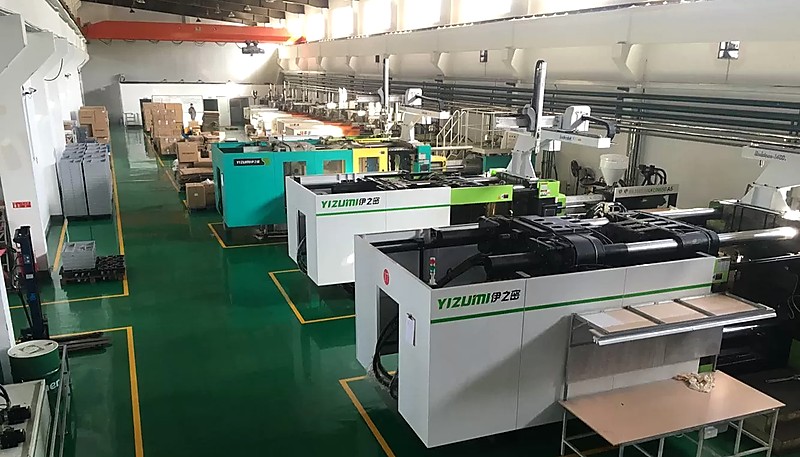
Im Werk von ZetarMold in Shanghai unterstützen 47 Spritzgießmaschinen von 90T to 1850T Mikrospritzgussprojekte vom Prototypenlauf bis zur Großserie. Unsere 20+ Jahre Erfahrung im Spritzgießen und Werkzeugbau sowie die Erfahrung mit 400+ Kunststoffmaterialien helfen Ingenieuren, Kunststoffverhalten, Werkzeuggrenzen und Prüfpläne abzustimmen, bevor kleine Merkmale in Serie gehen.
Welches sind die wichtigsten Konstruktionsregeln für Mikrospritzgussteile?
Die Konstruktion für das Mikrospritzgießen ist nicht dasselbe wie die Verkleinerung einer normalen Bauteilkonstruktion. Bei Abmessungen unter einem Millimeter ändert sich die Physik, und Regeln, die im üblichen Maßstab funktionieren, gelten nicht mehr. Hier sind die Richtlinien, die in der Produktion tatsächlich entscheidend sind.
Die Wanddicke ist der kritischste Parameter. Unter 0.5 mm wird vorzeitiges Erstarren zum größten Fehlerrisiko. Das Material erstarrt beim Kontakt mit der Kavitätswand, bevor es das Merkmal vollständig füllen kann. Als Gegenmaßnahme benötigen Sie Werkzeugtemperaturen über 80 degrees C (bei kristallinen Werkstoffen höher), Einspritzgeschwindigkeiten über 500 mm/s und eine Anschnittposition innerhalb von 2 mm zum dünnsten Bereich. Bei 0.1 mm Wanddicke mit LCP arbeiten Sie an der absoluten Prozessgrenze.
Entformungsschrägen sind im Mikrobereich wichtiger, nicht weniger wichtig. Eine Schräge von 0,5 Grad bei einem 5 mm tiefen Merkmal scheint unbedeutend; bei einem Mikroteil mit 0,2 mm Wanddicke entscheidet sie jedoch darüber, ob das Teil sauber ausgeworfen wird oder sich verformt. Wie in unserem Leitfaden für Spritzgießwerkzeuge erläutert, empfehlen wir für Mikroteile mindestens 1 Grad an allen senkrechten Flächen und 2 Grad bei Merkmalen tiefer als 3 mm.
An allen Innenecken sollten Radien von mindestens 0.05 mm vorgesehen werden. Scharfe Innenecken erzeugen Spannungskonzentrationen, die beim Auswerfen oder im Einsatz Risse verursachen. Im Mikrobereich bewirkt selbst ein Radius von 0.02 mm einen messbaren Unterschied bei der Teilefestigkeit. Ebenso wichtig ist die Angussauslegung — bei Teilen unter 0.5 g ist ein einzelner Seitenanguss mit einer maximalen Steglänge von 0.5 mm üblicherweise die beste Wahl.
Wie unterscheidet sich eine Mikrospritzgussform von einer Standardform?
Der grundlegende Unterschied liegt in der Herstellung der Kavität. Standardwerkzeuge nutzen für die meisten Kavitätsmerkmale CNC-Fräsen und setzen EDM3 nur für scharfe Ecken und tiefe Rippen ein. Bei Mikrowerkzeugen kehrt sich dieses Verhältnis um: EDM und Drahterodieren fertigen den Großteil der Kavitätsmerkmale, weil CNC Geometrien unter etwa 0,3 mm nicht zuverlässig erzeugen kann.
Auch die Regelung der Werkzeugtemperatur ist anspruchsvoller. Ein Standardwerkzeug kann bei 40 bis 60 Grad C mit einfachen Wasserkanälen betrieben werden. Ein Mikrowerkzeug für PEEK benötigt 160 bis 200 Grad C sowie Heizpatronen und Thermoelement-Rückführung in jedem Kavitätseinsatz. Die Temperaturgleichmäßigkeit über die Kavität beeinflusst Füllung, Schwindung und Verzug im Mikromaßstab mindestens zehnmal stärker als im normalen Maßstab.
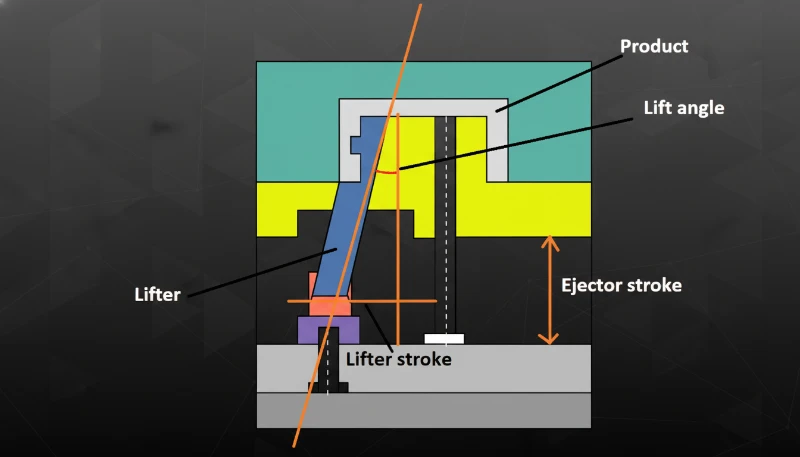
Das Auswerfen ist der dritte wesentliche Unterschied. Standardwerkzeuge verwenden Auswerferstifte und -platten. Bei einem Mikroteil mit einer Wanddicke von 0.3 mm bedeckt ein üblicher 2 mm-Auswerferstift die gesamte Wandfläche — er würde das Teil durchstoßen. Mikrowerkzeuge verwenden spezielle Mikroauswerferstifte (0.2 bis 0.5 mm Durchmesser), Druckluftauswurf oder robotergestützte Teileentnahme. Einige Mikrowerkzeuge werfen gar nicht aus — ein Roboter zieht das Teil mit einem Vakuumgreifer aus der Kavität.
Produktionswerkzeuge für Mikroformteile halten je nach Abrasivität des Werkstoffs und Komplexität der Merkmale üblicherweise 200,000 bis 500,000 Zyklen, bevor die Kavität aufgearbeitet werden muss. Bei Werkzeugen für glasfaserverstärkte Werkstoffe kann bereits nach 100,000 Zyklen eine Nacharbeit erforderlich sein. Bei äußerst engen Toleranzen sollten kritische Maße alle 20,000 Zyklen erneut gemessen werden.
Welche Branchen sind auf Mikrospritzgießen angewiesen?
Dieser Abschnitt behandelt Branchen, die vom Mikrospritzgießen abhängen, und dessen Auswirkungen auf Kosten, Qualität, Termine oder Beschaffungsrisiken. Medizinprodukte machen etwa 40 Prozent aller weltweit gefertigten Mikrospritzgussteile aus. Komponenten für Hörgeräte, Spitzen chirurgischer Instrumente, Mechanismen zur Medikamentenverabreichung und diagnostische Testkartuschen sind auf Kunststoffteile im Subgrammbereich mit für das bloße Auge unsichtbaren Merkmalen angewiesen. Die regulatorischen Anforderungen (ISO 13485, USP Class VI) machen die Prozessvalidierung anspruchsvoller, doch die Stückzahlen rechtfertigen die Investition — ein einziges Design eines Medikamentenpens kann 5 Millionen Einheiten pro Jahr erreichen.
Die Elektronik ist der zweitgrößte Sektor. Jedes Smartphone enthält 10 bis 20 mikrogespritzte Steckverbinder, Schalter und Linsenelemente. Wearables und IoT-Sensoren senken die Rastermaße von Steckverbindern auf unter 0.3 mm und erfordern damit Werkzeugmerkmale, die es vor fünf Jahren noch nicht gab. Der Trend zur Miniaturisierung hält unvermindert an.
Der Mikrospritzguss im Automobil wächst durch die zunehmende Sensorzahl schnell. Ein modernes Fahrzeug enthält 50 bis 100 mikrogespritzte Sensorgehäuse, Steckerdichtungen und Ventilkomponenten. Diese Teile müssen Temperaturen bis 150 °C unter der Motorhaube überstehen und 15 Jahre maßstabil bleiben.
Was kostet Mikrospritzgießen tatsächlich?
Dieser Abschnitt behandelt die tatsächlichen Kosten des Mikrospritzgießens und deren Auswirkungen auf Kosten, Qualität, Termine oder Beschaffungsrisiken. Werkzeuge für das Mikrospritzgießen kosten je nach Teilekomplexität, Kavitätenzahl und erforderlicher Oberflächengüte zwischen $5,000 und $25,000. Einkavitäten-Prototypenformen für einfache Geometrien beginnen bei etwa $5,000. Mehrkavitäten-Produktionsformen mit engen Toleranzen und polierten Kavitätsoberflächen kosten $15,000 bis $25,000.
Bei Stückzahlen über 10,000 Einheiten liegen die Stückkosten zwischen $0.02 und $0.50. Bei 100,000 Einheiten kosten die meisten Mikrospritzgussteile jeweils zwischen $0.02 und $0.10. Die Wirtschaftlichkeit verbessert sich mit steigender Stückzahl erheblich, weil sich die fixen Werkzeugkosten bei einem kleinen Teil mit kurzer Zykluszeit schnell amortisieren. Ein Mikroteil mit einer Zykluszeit von 5 Sekunden in einem 16-fach-Werkzeug liefert auf einer einzigen Maschine nahezu 100,000 Teile pro Tag.
Berücksichtigen Sie auch die Nebenkosten: Teilehandhabung (Mikroteile müssen häufig per Roboter entnommen werden und können nicht durch Schwerkraft ausfallen), Prüfgeräte (optische Messsysteme kosten $30,000 bis $80,000) und Verpackung (antistatische Behälter für Teile, die weniger als eine Büroklammer wiegen). Zusätzlich zu Werkzeugbau und Spritzguss erhöhen diese Positionen die Gesamtprojektkosten um 20 bis 40 Prozent.
Wie stellen Sie die Qualität beim Mikrospritzgießen sicher?
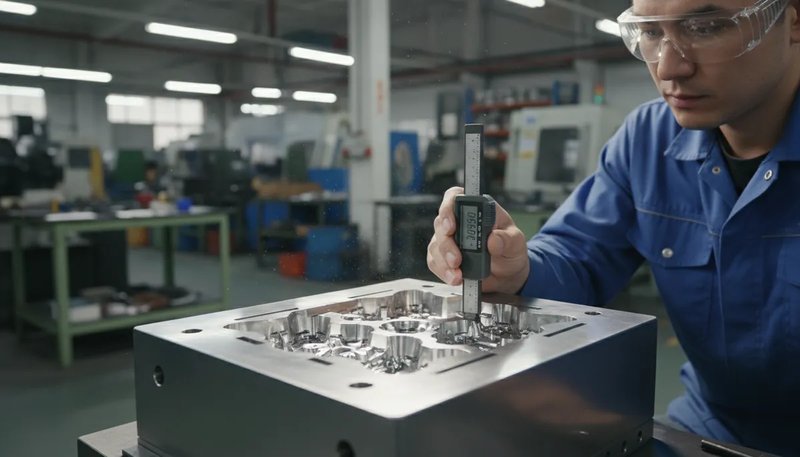
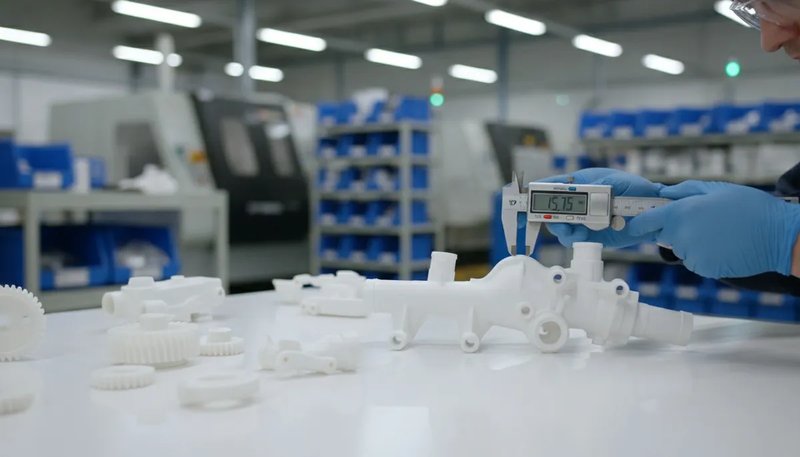
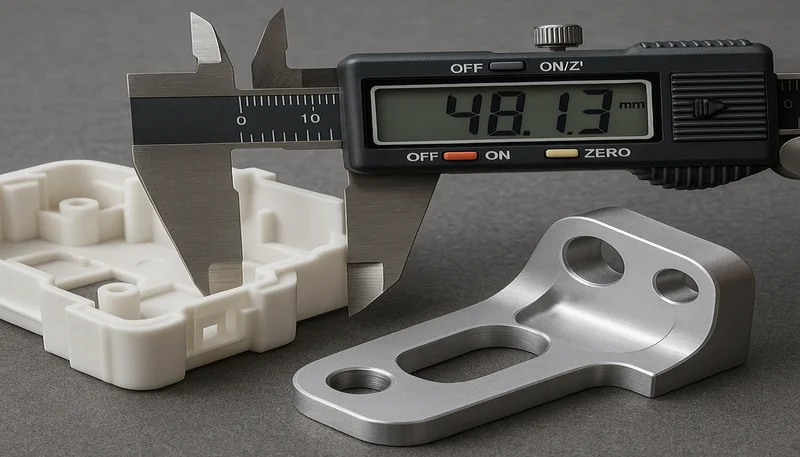
Dieser Abschnitt behandelt die Qualitätssicherung beim Mikrospritzgießen und deren Auswirkungen auf Kosten, Qualität, Zeitplan und Beschaffungsrisiko. Die Qualitätskontrolle im Mikrobereich erfordert völlig andere Prüfmethoden als der Standardspritzguss. Ein Merkmal von 0.3 mm kann nicht mit einem Messschieber geprüft werden. Optische Messsysteme (Vision-CMMs) mit 10x- bis 200x-Vergrößerung sind der Standard für die Maßprüfung. Diese Systeme messen Merkmalsgröße, Position und Geometrie anhand vergrößerter Bilder mit einer Auflösung von bis zu 0.5 micrometers.
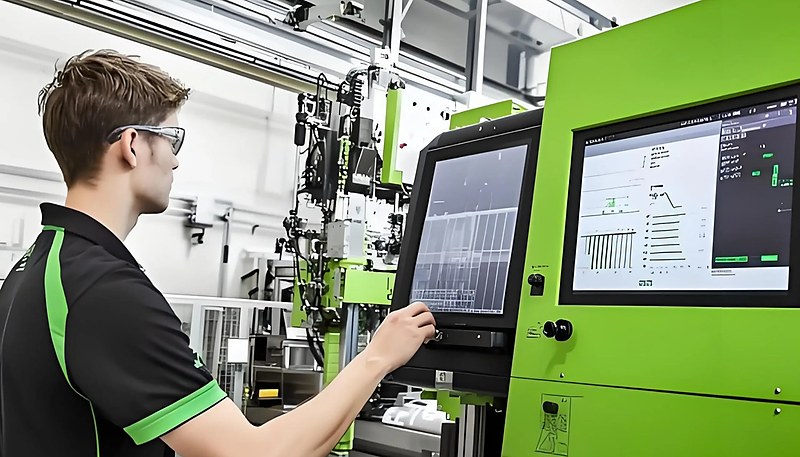
Im Mikrobereich ist die Prozessüberwachung wichtiger als die Prüfung. Da nicht jede Abmessung jedes Teils wirtschaftlich gemessen werden kann, stützt man sich auf eine mit den Maschinenparametern verknüpfte statistische Prozessregelung. Die Überwachung von Einspritzdruck, Schneckenposition, Formtemperatur und Zykluszeit liefert Echtzeitinformationen über die Prozessstabilität.
Unser Werkzeugbau verfügt über EDM-Maschinen, Drahterodiermaschinen, Präzisionsgraviermaschinen und CMM-Prüfausrüstung. Diese Anlagen sind erforderlich, um die Merkmale im Submillimeterbereich herzustellen und zu prüfen, die Mikrospritzgussteile kennzeichnen. Mit 8 erfahrenen Ingenieuren, die im Durchschnitt über mehr als 10 Jahre Erfahrung verfügen, haben wir Mikrospritzgussprojekte für Anwendungen in der Medizin-, Elektronik- und Automobilbranche umgesetzt.
Häufig gestellte Fragen zum Mikrospritzgießen
Wie groß ist die Mindestbauteilgröße beim Mikrospritzgießen?
Das praktische Minimum liegt bei einem Volumen von etwa 0.5 Kubikmillimetern beziehungsweise bei Teilen mit einem Gewicht von nur 0.001 g. Dafür sind kolbenbasierte Einspritzsysteme mit Präzisionsdosierkammern erforderlich, die auf 0.0001 cc genau arbeiten, sowie Formtemperaturen über 100 Grad C während des gesamten Einspritzzyklus. Bei diesen extrem kleinen Abmessungen verursacht bereits eine Abweichung des Schussvolumens von 0.0005 cc einen sichtbaren Qualitätsfehler. Daher muss die Prozessregelung außerordentlich präzise sein und vor der vollständigen Produktionsfreigabe über Tausende aufeinanderfolgende Zyklen validiert werden.
Wie viel kostet eine Mikrospritzgussform?
Mikroformwerkzeuge kosten je nach Teilekomplexität, Kavitätenzahl und Anforderungen an die Oberflächengüte zwischen $5,000 und $25,000. Einkavitäten-Prototypenwerkzeuge für einfache Geometrien beginnen bei etwa $5,000, während Mehrkavitäten-Produktionswerkzeuge mit engen Toleranzen und polierten Kavitätenoberflächen $15,000 bis $25,000 kosten. Die höheren Kosten ergeben sich aus den speziellen EDM- und Drahterodierverfahren, die für Kavitätsmerkmale unter einem Millimeter erforderlich sind und die konventionelles CNC-Fräsen unabhängig von Werkzeugqualität oder Bedienerqualifikation nicht herstellen kann.
Welche Toleranz kann der Mikrospritzguss erreichen?
Standardtoleranzen beim Mikrospritzgießen liegen je nach Werkstoff, Bauteilgeometrie und Seitenverhältnis der kritischen Merkmale bei ±0,01 bis 0,05 mm. Flache Oberflächen mit einer Spannweite unter 5 mm lassen sich bei Werkstoffen mit geringer Schwindung wie POM in der Produktion dauerhaft mit ±0,008 mm fertigen. Tiefe Bohrungen mit einem Seitenverhältnis über 5:1 halten aufgrund der Durchbiegung des Kernstifts und ungleichmäßiger Schwindung um lange Stahlmerkmale in der Formkavität typischerweise ±0,03 mm.
Wie groß ist die Mindestwanddicke beim Mikrospritzgießen?
Mit niedrigviskosen Materialien wie LCP sind Wanddicken bis 0,1 mm erreichbar, sofern das Werkzeug auf 120 bis 150 °C beheizt wird und die Einspritzgeschwindigkeit 800 mm/s überschreitet, damit die Schmelze beim Füllen der Kavität nicht vorzeitig erstarrt. Unter 0,1 mm wird die Kavitätsfüllung extrem schwierig, weil das Material beim Kontakt mit der Kavitätswand fast augenblicklich erstarrt. Gleichmäßige Wandabweichungen unter ±0,02 mm erfordern eine optimierte Anschnittposition innerhalb von 2 mm zu dünnen Bereichen und eine strenge Prozessüberwachung während des gesamten Produktionslaufs.
Wie lange hält ein Mikrospritzgießwerkzeug?
Mikro-Produktionswerkzeuge halten typischerweise 200,000 bis 500,000 Zyklen bis zur Überarbeitung der Kavität, abhängig von der Abrasivität des Formmaterials und der Komplexität der Merkmale des gefertigten Teiledesigns. Werkzeuge für glasgefüllte oder kohlenstofffaserverstärkte Materialien können wegen des beschleunigten Verschleißes feiner Kavitätsmerkmale bereits nach 100,000 Zyklen Nacharbeit erfordern. Bei äußerst engen Toleranzen empfehlen wir dringend, kritische Maße alle 20,000 Zyklen erneut zu messen und das Nachpolieren der Kavität oder den Austausch des Kerns als routinemäßige vorbeugende Wartung einzuplanen, um unerwartete Maßabweichungen in der Produktion zu vermeiden.
Lässt sich PEEK im Mikrospritzguss verarbeiten?
Ja, PEEK-Mikrospritzgießen wird häufig für medizinische Implantate und Luftfahrtanwendungen eingesetzt, die Biokompatibilität und Dauertemperaturbeständigkeit bis 250 degrees C erfordern. Die Verarbeitung erfordert Zylindertemperaturen von 370 to 400 degrees C, Formtemperaturen von 160 to 200 degrees C und Einspritzgeschwindigkeiten über 500 mm/s. Eine Regelung der Zylindertemperatur innerhalb plus or minus 2 degrees C ist entscheidend — eine Abweichung von 5 degree C kann bei einem PEEK-Mikroteil eine Maßabweichung von 30 percent verursachen. Daher ist ein präzises Wärmemanagement für gleichbleibende Produktionsqualität und Maßwiederholbarkeit unerlässlich.
Was ist der Unterschied zwischen Mikrospritzgießen und dem Spritzgießen kleiner Teile?
Mikrospritzgießen bezeichnet speziell Bauteile unter 1 Gramm mit kritischen Merkmalen unter 1 mm. Dafür sind spezielle Kolbenspritzgießmaschinen mit Schussvolumina von 0,001 bis 5 cm³ sowie mittels EDM gefertigte Formen mit Kavitätsdetails im Submillimeterbereich erforderlich. Beim Spritzgießen von Kleinteilen entstehen Bauteile von 1 bis 10 Gramm auf Standardmaschinen mit Schneckenkolben und konventionellen CNC-gefrästen Stahlformen. Trotz ähnlich kleiner Kunststoffbauteile für vergleichbare Anwendungen in verschiedenen Branchen handelt es sich um grundlegend unterschiedliche Anlagenkategorien, Werkzeugkonzepte und Prozessregelparameter.
Schussvolumina: Das Schussvolumen ist die je Zyklus in die Formkavität eingespritzte Menge Kunststoffschmelze, gemessen in Kubikzentimetern. Beim Mikrospritzgießen liegt es zwischen 0,001 und 5 cm³. ↩
LCP: LCP bezeichnet einen Hochleistungsthermoplast mit außergewöhnlichen Fließeigenschaften für dünnwandige Mikroteile, der häufig für elektronische Steckverbinder eingesetzt wird. ↩
EDM: EDM bezeichnet ein Präzisionsfertigungsverfahren, das Material durch elektrische Funken abträgt und in gehärtetem Werkzeugstahl Merkmale unter 0,1 mm erzeugen kann. ↩