U hebt zojuist 3.000 onderdelen moeten afkeuren vanwege inzakkingen1 die de inspecteur te laat ontdekte. Het echte probleem? Niemand hield in de gaten wat er tijdens het injecteren in de matrijsholte gebeurde. Holtedrukbewaking geeft u realtime inzicht in de vul-, nadruk- en houdfase, zodat u defecten al bij de machine ontdekt en niet pas bij verzending. Dit artikel legt uit hoe holtedruksensoren werken, wat de drukcurven aangeven en wanneer de investering zich werkelijk terugverdient.
- Holtedruksensoren meten wat er real-time in de matrijs gebeurt
- Drukkrommen tonen vul-, aandruk- en koelgedrag dat van buitenaf onzichtbaar is
- Wetenschappelijke spuitgiettechniek gebruikt holtedata om herhaalbare, ontkoppelde processen op te bouwen
- ROI is het sterkst voor onderdelen met nauwe toleranties, grote series of medische kwaliteit
- Sensorkeuze en plaatsing zijn even cruciaal als het bewakingssysteem zelf
Wat Is Holtedrukbewaking in Spuitgieten?
Het monitoren van de holtedruk is het gebruik van ingebouwde sensoren in de matrijsholte om de smeltdruk in realtime te meten tijdens elke injectiecyclus. Het geeft je een direct inzicht in wat het plastic ervaart tijdens het vullen, verpakken en vasthouden – iets wat de druk aan de machinezijde je niet kan vertellen.
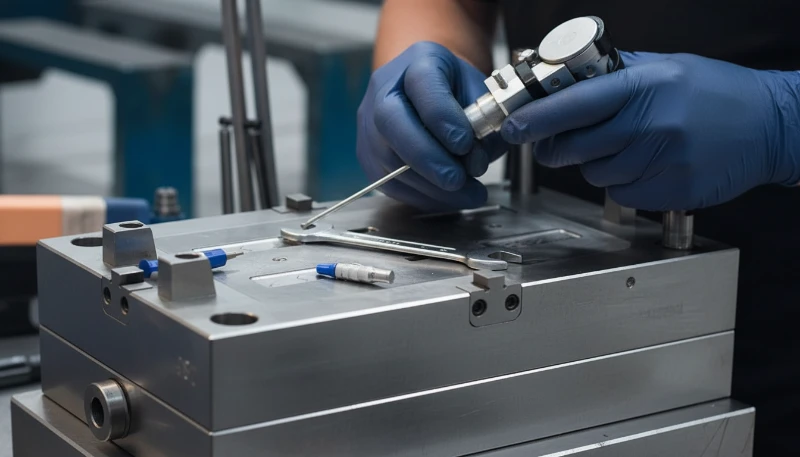
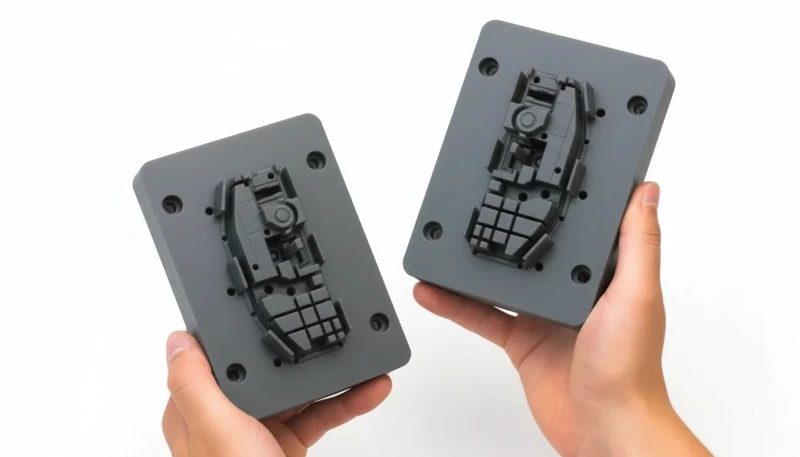
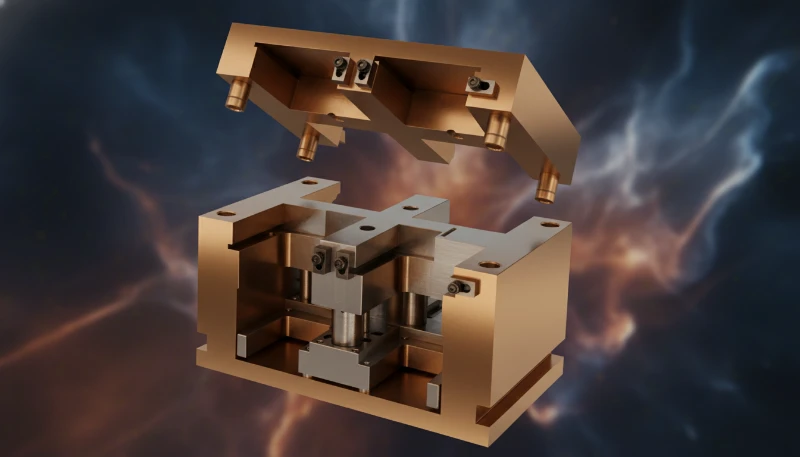
De praktijk omvat het inbedden van druksensoren in een spuitgietmatrijs2 om tijdens elke cyclus de smeltdruk op specifieke locaties te meten. In tegenstelling tot druksensoren aan de machinezijde die u alleen vertellen wat de schroef doet, vertellen holtesensoren u wat het plastic daadwerkelijk in de holte ervaart. Dat onderscheid is van belang. Veel.
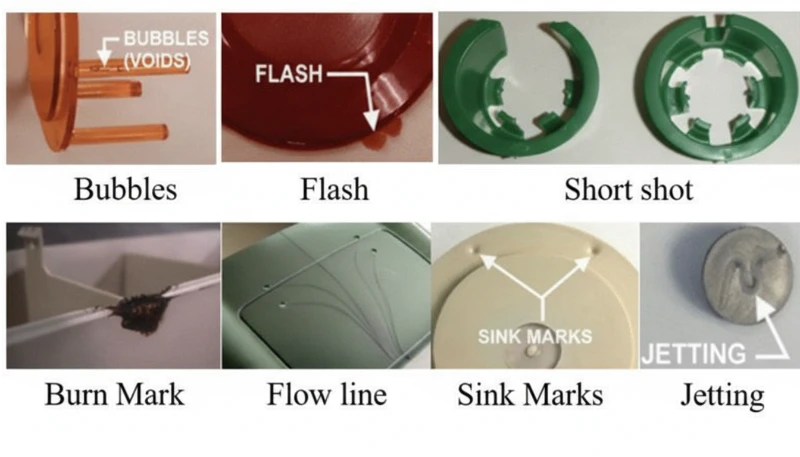
In een conventionele opstelling past uw procestechnicus de injectiesnelheid, pakkingdruk en houdtijd aan op basis van externe observaties – korte shots, flits, zinkmarkeringen, dimensionale rapporten. Tegen de tijd dat je het defect ziet, is de cyclus al voorbij. Holtedrukbewaking verschuift de feedbacklus van postmortemkeuring naar detectie tijdens het proces.
Het concept komt voort uit de methode van wetenschappelijk spuitgieten, waarbij de vier fasen van het spuitgieten — vullen, nadrukken, vasthouden en koelen — van elkaar worden ontkoppeld en elk afzonderlijk met gegevens in plaats van intuïtie worden geregeld. Holtedruk is binnen deze methode de meest informatieve variabele.
| Parameterwaarde | Machinedruk | Holtedruk |
|---|---|---|
| Meetlocatie | Schroef / spuitmond | In de holte |
| Wat het je vertelt | Machine-inspanning | Materiaalgedrag |
| Detecteert onvolledige injecties? | Indirect | Direct, in realtime |
| Detecteert krimpzakjes? | Geen | Ja — aandruktekort zichtbaar |
| Beïnvloed door matrijskonstructie? | Geen | Ja — de geometrie van de aanvoerleiding is belangrijk |
| Sensor kosten per matrijs | $0 (ingebouwd) | $500–$3,000 voor elke sensor |
Waarom is Holtedruk Belangrijk voor Onderdeelkwaliteit?
De caviteitsdruk is de enige in-mold-variabele die het gewicht, de afmetingen en de defectvorming van het onderdeel tijdens de gietcyclus rechtstreeks regelt. De meeste spuitgietdefecten ontstaan tijdens de vul- en verpakkingsfasen – en de caviteitsdruk is de enige variabele die beide rechtstreeks meet. Wanneer u een zinkmarkering, dimensionale verschuiving of laslijnprobleem op het voltooide onderdeel ziet, was de hoofdoorzaak een drukgebeurtenis die enkele seconden eerder in de holte plaatsvond.
Hier is een praktisch voorbeeld. Stel dat je een polycarbonaat behuizing spuitgiet met een nominale wand van 3 mm en een verstevigingsrib die een sectie van 5 mm dik creëert. Als de holtedruk op de locatie van de rib te snel daalt tijdens de aandrukfase, wordt het dikke gedeelte niet voldoende aangevuld. Resultaat: een zinkmerk dat de visuele inspectie niet doorstaat. Zonder holtedrukdata gokt je procesingenieur op aandrukkracht en -tijd. Met die data zien ze precies wanneer de druk daalt en passen ze het houdprofiel aan om dit te compenseren.
De vier defectcategorieën die holtedrukbewaking het meest effectief aanpakt zijn:
1. Korte shots en onvolledige vulling. Als de drukcurve nooit de verwachte piek bereikt op de locatie van de sensor voor het einde van het vullen, is de holte niet volledig gevuld. Je haalt het uit cyclus één – niet na een productierun van 500 onderdelen.
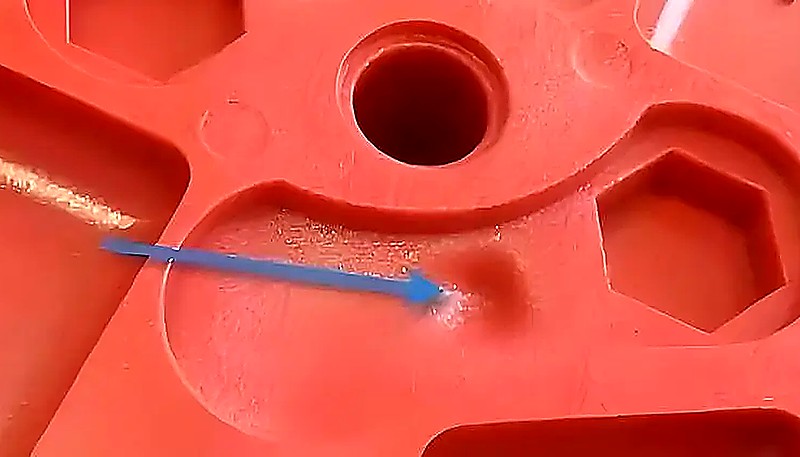
2. Zinksporen en holtes. Deze correleren rechtstreeks met het verval van de pakkingdruk. De drukcurve laat zien of de holte tijdens de vasthoudfase voldoende materiaal heeft ontvangen om de volumetrische krimp te compenseren.
3. Flits. Overmatige holtedruk – vooral wanneer deze boven de klemkrachtdrempel van de machine uitsteekt – is de voorloper van flitsen. De drukcurve waarschuwt u voordat er een flits op het onderdeel verschijnt.
4. Dimensionale variatie. De holtedruk tijdens de verpakkingsfase bepaalt rechtstreeks het gewicht en de afmetingen van het onderdeel. Studies tonen aan dat het beheersen van de piekdruk in de holte binnen ±2% kritische afmetingen binnen ±0,05 mm kan houden op onderdelen met nauwe toleranties.
Hoe werkt een holtedruksensor?
Een holtedruksensor is een transducer ingebed in de mal die de smeltdruk in realtime omzet in een elektrisch signaal. Twee typen sensoren domineren de markt: direct contact (piëzo-elektrisch) en indirect (op spanning gebaseerd). Elk heeft een wisselwerking die van invloed is op waar je ze plaatst en hoe lang ze in productie blijven.
Directe piëzo-elektrische sensoren3 liggen vlak met het holteoppervlak en meten de smeltdruk via een membraan dat rechtstreeks met de kunststof in contact staat. Ze bieden de snelste responstijd (minder dan een milliseconde) en de nauwkeurigste meting van de werkelijke smeltdruk. Het nadeel: er moet een uitsparing in het matrijsstaal worden bewerkt, ze zijn gevoelig voor mechanische schade bij het hanteren van de matrijs en ze vereisen ladingsversterkers om het piëzosignaal om te zetten in een bruikbare spanning.
Indirecte rekstrooksensoren worden achter een uitwerppen of holte-inzetstuk gemonteerd. Ze raken de smelt niet, maar meten de elastische vervorming van het matrijsstaal onder holtedruk. Ze zijn duurzamer, eenvoudiger achteraf in bestaande matrijzen te plaatsen en goedkoper. Ze reageren echter trager en de drukmeting hangt af van het mechanische overdrachtspad (pendiameter, passpeling en staalhardheid), wat de kalibratie ingewikkelder maakt.
Een derde optie die terrein wint is contactloze ultrasone sensoren die buiten de mal worden gemonteerd en de druk door de stalen wand meten. Deze elimineren de noodzaak voor sensorpockets volledig, maar de nauwkeurigheid is momenteel beperkt: ze zijn beter voor trendmonitoring dan voor absolute drukmeting.
| Functie | Piëzo-elektrisch (direct) | Rekstrookje (indirect) | Ultrasoon |
|---|---|---|---|
| Reactietijd | < 1 ms | 2–5 ms | 5–10 ms |
| Nauwkeurigheid | ±0.5% FS | ±1–2% FS | ±3–5% van volle schaal |
| Matrijswijziging | Uitsparing vereist | Achter uitstoterpen | Externe montage |
| Duurzaamheid | Matig | Hoog | Hoog |
| Kosten per kanaal | $1,500–$3,000 | $500–$1,500 | $800–$2,000 |
| Beste gebruiksscenario | Precisiespuitgieten | Algemene productie | Achteraf ingebouwde bewaking |
Wat Zijn de Belangrijkste Parameters in Holtedrukkrommen?
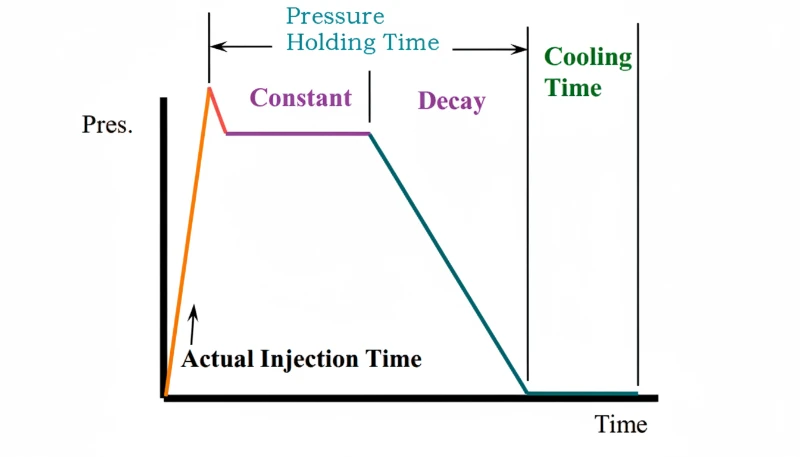
De belangrijkste parameters in een holtedrukcurve zijn de vulhelling, het omschakelpunt, het pakkingsplateau, de bevriezingstijd van de poort en de snelheid van afkoeling. Een typische holtedrukcurve ziet eruit als een bergketen met duidelijke pieken en dalen. Elk gebied van de curve komt overeen met een specifieke fase van de spuitgietcyclus, en ervaren procesingenieurs lezen deze curven als een diagnostische grafiek.
Vulfase (stijging tot piek). De curve stijgt scherp naarmate de smelt de holte binnendringt. De helling vertelt u de vulsnelheid. Een steilere helling betekent een snellere injectie. Als de helling halverwege de stijging verandert, zie je veranderingen in de stromingsweerstand; misschien passeert de smelt een dun gedeelte of een scherpe bocht in de geometrie van de holte.
Omschakelpunt. Hier schakelt de machine over van snelheidsgestuurd vullen naar drukgestuurd nadrukken. In de curve is dit het buigpunt bovenaan de stijging. Een vloeiende omschakeling geeft een afgeronde piek. Een abrupte overgang veroorzaakt een scherpe piek gevolgd door een daling; deze overschrijding kan braamvorming of variatie in onderdeelgewicht veroorzaken.
Inpakfase (plateau). Na de omschakeling zou de druk in de holte zich moeten stabiliseren op een plateau. Dit is extra materiaal dat in de holte wordt geduwd om de volumetrische krimp te compenseren terwijl het onderdeel afkoelt. De hoogte en duur van dit plateau bepalen rechtstreeks het gewicht van het onderdeel, de afmetingen en de kans op zinksporen.
Poort bevriest. Op een bepaald punt tijdens de vasthoudfase stolt de poort en wordt het stroompad afgesloten. Op de drukcurve zie je het plateau eindigen en de druk begint te dalen, ook al oefent de machine nog steeds houddruk uit. Dit poortbevriezingspunt is van cruciaal belang: elke extra houdtijd na het bevriezen van de poort is verspilde energie. Als u precies weet wanneer de poort bevriest, kunt u de wachttijd nauwkeurig optimaliseren.
Afkoeling en verval. Na het bevriezen van de poort neemt de druk af naarmate het materiaal samentrekt en afkoelt. De snelheid van verval hangt af van de geometrie van het onderdeel, het krimpgedrag van het materiaal en de matrijstemperatuur. Abnormaal snel verval in één gebied kan duiden op een hotspot in de mal of een onvoldoende koelcircuit.
"‘Het moment waarop de aanspuiting bevriest, kan rechtstreeks uit de holtedrukcurve worden bepaald.’"True
De drukcurve toont een duidelijk buigpunt waar de holtedruk begint te dalen ondanks aanhoudende nadruk van de machine — dit is het afdichtpunt van de aanspuiting. Extra nadruktijd voegt daarna geen waarde toe.
"“Een hogere machine-injectiedruk levert altijd een hogere caviteitsdruk op.”"False
Caviteitsdruk hangt af van stromingsweerstand, aanspuitontwerp en smeltviscositeit. Een restrictief aanspuitpunt of lange runner kan het grootste deel van de machinedruk opnemen, waardoor de caviteitsdruk gelijk blijft, zelfs als u de injectiedruk sterk verhoogt.
Hoe gebruik je holtedrukdata om het procesvenster te optimaliseren?
Holtedrukgegevens verzamelen is één ding. Ernaar handelen is iets anders. De praktische workflow ziet er als volgt uit:
Stap 1: Breng een gouden curve tot stand. Voer 50–100 cycli uit met uw gevalideerde procesinstellingen. Registreer de druk in de holte op elke sensorlocatie. Gemiddelde van de curven om een referentie te creëren: uw ‘gouden curve’. Dit wordt de basislijn waarmee elke productiecyclus wordt vergeleken.
Stap 2: Tolerantiebanden instellen. Definieer aanvaardbare boven- en ondergrenzen voor de belangrijkste curveparameters: piekdruk, pakkingplateauniveau, poortbevriezingstijd, druk aan het einde van de vasthoudperiode. Deze limieten moeten gebaseerd zijn op dimensionale en visuele kwaliteitsgegevens – en niet op willekeurige percentages.
Stap 3: Monitor in realtime. Moderne monitoringsystemen (Priamus, Kistler, RJG) vergelijken de drukcurve van elke cyclus met de gouden curve binnen de tolerantiebanden. Als een cyclus buiten de band valt, markeert het systeem dit en kan het onderdeel optioneel automatisch naar een quarantainebak omleiden.
Stap 4: Diagnose van de hoofdoorzaken van curveafwijkingen. Dit is waar ervaring van belang is. Een lager dan normale piekdruk betekent meestal een onvoldoende vulsnelheid of een verandering in de viscositeit van het materiaal. Een korter pakkingsplateau suggereert dat de poort eerder bevroor – mogelijk vanwege de lagere smelttemperatuur. Een verschoven omschakelpunt duidt op machine-inconsistentie.
Wanneer Moet U Investeren in Holtedrukbewaking?
Het monitoren van de caviteitsdruk is de investering waard wanneer de toleranties van uw onderdelen kleiner zijn dan ±0,1 mm of wanneer naleving van de regelgeving gedocumenteerde procesvalidatie vereist. Niet elke matrijs heeft holtedruksensoren nodig. Als u standaardonderdelen gebruikt met toleranties van ±0,5 mm en brede esthetische specificaties, is de investering moeilijk te rechtvaardigen. Maar voor specifieke situaties is de ROI duidelijk en snel.
Medische en auto-onderdelen. Regelgevende eisen (FDA, ISO 13485, IATF 16949) verwachten steeds vaker gedocumenteerde procesvalidatie. Gegevens over de holtedruk bieden objectief bewijs dat elke cyclus aan gevalideerde voorwaarden voldeed – en niet alleen dat een willekeurig monster de inspectie doorstond.
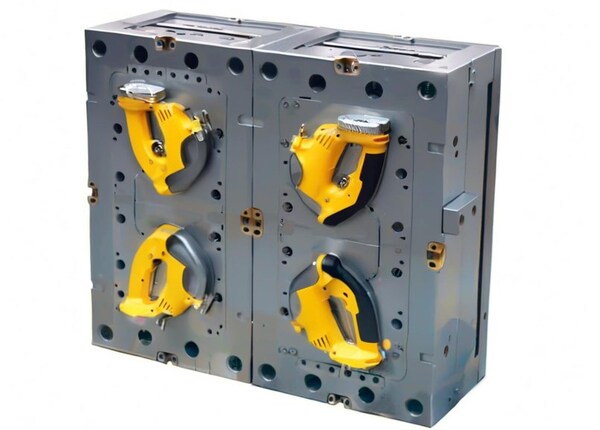
Matrijzen met hoge cavitatie. Wanneer u een matrijs met 32 caviteiten gebruikt, kan de caviteitsdrukmonitoring individuele verstoppingen of onevenwichtigheden in de caviteit detecteren die alleen op basis van machinegegevens onzichtbaar zouden zijn. Eén geblokkeerde caviteit op 32 betekent 3% schroot – wat snel oploopt met 500.000 cycli per jaar.
Technische kunststoffen met nauwe toleranties. Materialen zoals PEEK, LCP en met glas gevulde nylons hebben smalle verwerkingsvensters. Met caviteitsdrukmonitoring worden viscositeitsverschuivingen door materiaalvariatie van partij tot partij opgespoord voordat er onderdelen worden geproduceerd die niet aan de specificaties voldoen.
Lange productieruns. De kosten per onderdeel van monitoring dalen dramatisch naarmate het volume toeneemt. Een monitoringsysteem van $10.000, dat meer dan 2 miljoen onderdelen afschrijft, voegt een halve cent per onderdeel toe – triviaal vergeleken met de kosten van een enkele afgewezen zending.
"“Caviteitsdrukbewaking kan verstoppingen van afzonderlijke caviteiten in matrijzen met meerdere caviteiten in realtime detecteren.”"True
Elke sensor bewaakt zijn eigen holte onafhankelijk. Een plotselinge drukval of het volledig ontbreken van een signaal op één sensorpositie markeert onmiddellijk een geblokkeerde of onvoldoende gevulde holte, terwijl aangrenzende holtes normale curves blijven tonen.
"“Bewaking van de holtedruk maakt kwaliteitsinspectie na het vormen volledig overbodig.”"False
Matrijsholtedruk detecteert procesgerelateerde fouten zoals onvolledige vulling, inzakkingen en maatafwijkingen. Cosmetische fouten zoals kleurverschillen, oppervlakteverontreiniging of assemblagefouten worden echter niet gedetecteerd. Een definitieve visuele en maatinspectie blijft noodzakelijk.
Wat Zijn de Beperkingen van Holtedrukbewaking?
Het monitoren van de caviteitsdruk wordt beperkt door de kwetsbaarheid van de sensor, de gevoeligheid van de plaatsing, de overbelasting van gegevens en het onvermogen om cosmetische defecten te detecteren. Dit is wat de sensorleveranciers u niet bij het eerste gesprek zullen vertellen.
Sensoren falen. Vooral piëzo-elektrische sensoren zijn kwetsbaar. Een onzorgvuldige mallenzetter kan een sensor van $ 2000 vernietigen tijdens de installatie van de mal. Thermische cycli verslechteren de sensorprestaties gedurende duizenden cycli. U heeft een onderhouds- en herkalibratieplan nodig, anders neemt u beslissingen op basis van wisselende gegevens.
Plaatsing is alles. Een sensor op de verkeerde locatie geeft misleidende gegevens. Te dicht bij de poort meet u de runnerdruk, niet het caviteitsgedrag. Als u te ver verwijderd bent van het laatste vulpunt, mist u het meest kritieke gebied. De meeste ingenieurs plaatsen sensoren op twee locaties: nabij de poort (om injectie en verpakking te controleren) en nabij het einde van het vullen (om volledige vulling te bevestigen).
Gegevensoverbelasting is reëel. Eén enkele sensor genereert duizenden datapunten per cyclus. Een mal met 4 sensoren die 24/7 draait, produceert terabytes per jaar. Zonder de juiste software om te filteren, trends te signaleren en te waarschuwen, krijg je een enorme database waar niemand naar kijkt. Het monitoringsysteem is slechts zo nuttig als de analyses erachter.
De kosten lopen op bij mallen met meerdere holtes. Als elke caviteit zijn eigen sensor nodig heeft, heeft een matrijs met 16 caviteiten 32 sensoren nodig (poort + einde-opvulling per caviteit). Bij $1.500 – $3.000 per kanaal is dat $48.000 – $96.000 aan sensorhardware alleen al – vóór het monitoringsysteem, de bekabeling en de installatie.
Niet alle defecten zijn drukgerelateerd. Kleurstrepen, vervuiling, uitwerppinmarkeringen en defecten aan het matrijsoppervlak hebben niets te maken met de druk in de caviteit. Het monitoren van de druk zal deze problemen niet voorkomen. Het is een krachtig hulpmiddel, maar het is één hulpmiddel: geen compleet kwaliteitssysteem.
Kort gezegd: Als u meer dan 2% van de onderdelen weggooit vanwege procesgerelateerde defecten, betaalt de controle van de caviteitsdruk zichzelf doorgaans binnen 6 tot 12 maanden terug. Begin met één sensor op uw mal met het hoogste volume en de kleinste tolerantie. Bewijs de ROI van die tool en schaal vervolgens.
Als u leveranciers vergelijkt voor een gecontroleerd productieprogramma, gebruik dan onze inkoopgids voor spuitgietleveranciers om de volwassenheid van procesbeheersing, validatiegegevens, sensoronderhoudsdiscipline en regels voor kwaliteitsescalatie te controleren voordat de tool wordt toegekend.
Veelgestelde Vragen over Holtedrukbewaking
Wat is holtedruk bij spuitgieten?
Matrijsholtedruk is de kracht per oppervlakte-eenheid die de gesmolten kunststof tijdens injectie, navullen en nadruk in de matrijsholte uitoefent. Deze wordt doorgaans gemeten in bar of psi met druksensoren die rechtstreeks in het matrijsstaal zijn ingebouwd. De meting weerspiegelt de werkelijke omstandigheden van het materiaal in de matrijsholte — anders dan machinedruk, die alleen toont wat de injectie-eenheid vanaf de spuitmond levert. Matrijsholtedruk beïnvloedt rechtstreeks het onderdeelgewicht, de afmetingen, oppervlaktekwaliteit en structurele integriteit van het uiteindelijke spuitgietdeel.
Hoeveel caviteitsdruksensoren heb ik per matrijs nodig?
De meeste productietoepassingen gebruiken twee sensoren per holte: één geplaatst nabij de poort om het inspuit- en pakgedrag te monitoren, en één nabij het einde van de vulling om een volledige holtevulling te bevestigen. Voor eenvoudige onderdelen met ruime toleranties kan een enkele sensor volstaan. Voor meervoudige holtevormen is een praktische aanpak om representatieve holten te instrumenteren in plaats van elke afzonderlijke, en vervolgens de resultaten te extrapoleren. Het exacte aantal hangt af van de complexiteit van de onderdelveometrie, tolerantie-eisen, uw budget en het niveau van kwaliteitsdocumentatie dat uw klant of regelgevende instantie vereist.
Wat is het verschil tussen holtedruk en nozzledruk?
Snoerdruk wordt gemeten aan de inspuitmond van de machine en weerspiegelt de uitgangskracht van de schroef tijdens het inspuiten. Holtedruk wordt gemeten in de mal en weerspiegelt wat het kunststof daadwerkelijk ervaart tijdens het vullen, pakken en afkoelen in de holte. Het verschil tussen de twee vertegenwoordigt de druk die verloren gaat door de tuit, het lopersysteem en de poort. Dit drukverlies kan aanzienlijk zijn — vaak wordt 30–60% van de snoerdruk verbruikt voordat de smelt zelfs de holte binnenkomt, afhankelijk van de lengte en diameter van de loper en het poortontwerp.
Kan holtedrukbewaking de kwaliteit van laslijnen detecteren?
Ja, holtedrukbewaking geeft direct inzicht in de vorming en sterkte van laslijnen. Wanneer twee stromingsfronten elkaar ontmoeten in de holte, geeft de druk op de laslijnlocatie aan hoe goed de fronten samengesmolten zijn. Hogere holtedruk bij de laslijn betekent betere moleculaire verstrengeling over het grensvlak, wat resulteert in een sterkere laslijn. Dit is vooral waardevol voor structurele onderdelen waar laslijnintegriteit een kritieke prestatieparameter is en falen bij de laslijn de gehele assemblage in gevaar kan brengen.
Wat is wetenschappelijk spuitgieten en hoe verhoudt holtedruk zich daartoe?
Wetenschappelijk spuitgieten is een data-gedreven methodologie die het spuitgietproces ontkoppelt in vier verschillende fasen – vullen, pakken, vasthouden en koelen – en elke fase onafhankelijk bestuurt op basis van meetbare variabelen in plaats van alleen machine-instellingen. Holtedruk is de primaire meetvariabele in wetenschappelijk spuitgieten omdat deze direct weerspiegelt wat het materiaal daadwerkelijk in de matrijs doet. Door de holtedruk op belangrijke locaties te monitoren, kunnen ingenieurs herhaalbare, overdraagbare procesparameters vaststellen die consistente onderdelen produceren, ongeacht welke machine of fabriek de matrijs bedient.
Hoeveel kost het implementeren van holtedrukbewaking?
Een basisbewakingssysteem met twee kanalen — inclusief holtedruksensoren, ladingsversterker of signaalconditioner, data-acquisitiehardware en basisanalysesoftware — kost doorgaans tussen $5.000 en $15.000 voor een toepassing met één holte. Voor volledige productiebewaking op een productiemal met meerdere holten, uitgebreide analysesoftware, geautomatiseerde onderdeelafleidingsmogelijkheden en historische trenddashboards kunnen de kosten variëren van $30.000 tot meer dan $100.000. De totale investering schaalt direct met het aantal sensorkanalen, de verfijning van het analyseplatform en de fabrieksintegratievereisten.
Kan ik holtedruksensoren achteraf inbouwen in een bestaande mal?
Ja, retrofit is gangbaar en praktisch. Rekstrookjesensoren gemonteerd achter bestaande uitwerpstiften zijn de populairste retrofitoptie omdat ze minimale matrijsaanpassing vereisen – meestal alleen het frezen van een zak achter een bestaande stift en het leiden van de kabel door de uitwerpplaat. Directe piëzo-elektrische sensoren zijn ook mogelijk voor retrofits maar vereisen uitgebreidere bewerking van het holtestaal om een inbouwzak voor het sensordiafragma te creëren. De retrofitkosten zijn aanzienlijk lager dan het vanaf nul inbouwen van sensoren in een nieuwe matrijs.
Werkt holtedrukbewaking met alle kunststofmaterialen?
Holtedrukbewaking werkt met alle thermoplastische materialen, van commodityharsen zoals PP en PE tot hoogwaardige technische kunststoffen zoals polycarbonaat, nylon en PEEK. De drukcurvekarakteristieken verschillen echter aanzienlijk tussen materialen. Hoogviskeuze materialen zoals polycarbonaat en PEEK genereren hogere vuldrukken en verschillende curvevormen vergeleken met laagviskeuze materialen zoals polypropyleen. De monitoringdrempels, tolerantiebanden en gouden curveparameters moeten onafhankelijk worden gekalibreerd voor elke specifieke materiaal- en matrijscombinatie om zinvolle procescontrolegegevens tijdens de productie te leveren.
Klaar om holtedrukbewaking te implementeren?
Als u precisieonderdelen produceert met strikte toleranties — vooral in de medische, automotive of elektronica-industrie — is holtedrukbewaking niet langer optioneel. Het is de manier om van ‘we denken dat het proces goed is’ naar ‘we kunnen aantonen dat elke cyclus aan de specificatie voldeed’ te gaan.
In onze fabriek gebruiken onze ingenieurs procesbewaking door de hele Shanghai-faciliteit omdat gereguleerde klanten gedocumenteerde, data-onderbouwde procescontrole eisen. Met meer dan 400 gekwalificeerde materialen en een 6-stappen kwaliteitscontroleproces van inkomende inspectie tot uitgaande verificatie, begrijpen we dat consistente kwaliteit begint met begrip van wat er in de matrijs gebeurt.
Wilt u de bewaking van de caviteitsdruk bespreken voor uw volgende gereedschapsproject? Praat met een spuitgietfabrikant — we beoordelen de geometrie, toleranties en productievolumes van uw onderdeel om het juiste niveau van procesmonitoring voor uw toepassing aan te bevelen.
zinkteken: zinkmarkering verwijst naar een oppervlakte-indrukking op gegoten onderdelen veroorzaakt door onvoldoende pakkingdruk tijdens de vasthoudfase. ↩
spuitgietmatrijs: spuitgietmatrijs verwijst naar een precisiegereedschap dat wordt gebruikt bij het spuitgieten en dat een of meer holtes bevat die zijn gevormd om plastic onderdelen te vormen. ↩
piëzo-elektrische sensor: piëzo-elektrische sensor verwijst naar een druktransducer met direct contact die een elektrische lading genereert die evenredig is aan de toegepaste smeltdruk. ↩