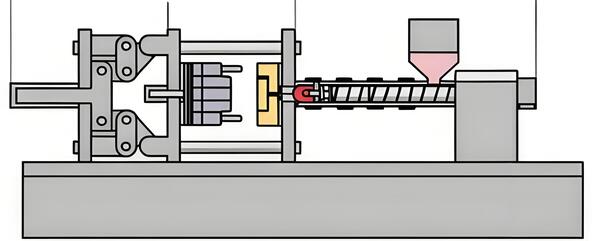
Właśnie trzeba było zezłomować 3000 części z powodu zapadnięć1, które kontroler wykrył zbyt późno. Prawdziwy problem? Nikt nie obserwował, co działo się w gnieździe formy podczas wtrysku. Monitorowanie ciśnienia w gnieździe daje w czasie rzeczywistym wgląd w fazy napełniania, docisku i podtrzymania — dzięki czemu wady wykrywa się przy maszynie, a nie na rampie wysyłkowej. Ten artykuł wyjaśnia, jak działają czujniki ciśnienia w gnieździe, co mówią krzywe ciśnienia i kiedy inwestycja rzeczywiście się zwraca.
- Czujniki ciśnienia w gnieździe mierzą w czasie rzeczywistym to, co dzieje się wewnątrz formy
- Krzywe ciśnienia ujawniają niewidoczne z zewnątrz zachowanie podczas napełniania, dociśnięcia i chłodzenia
- Naukowe przetwórstwo wykorzystuje dane z gniazda do budowania powtarzalnych, odsprzężonych procesów
- ROI jest najsilniejsze dla części o wąskich tolerancjach, dużych nakładach lub klasy medycznej
- Wybór i umiejscowienie czujnika są równie kluczowe jak sam system monitoringu
Czym jest monitoring ciśnienia w gnieździe w formowaniu wtryskowym?
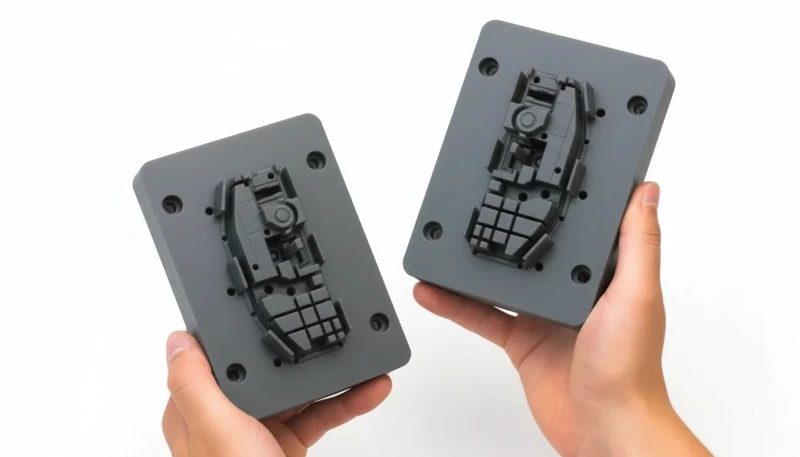
Monitorowanie ciśnienia w gnieździe formy polega na użyciu czujników wbudowanych w gniazdo do pomiaru ciśnienia stopionego tworzywa w czasie rzeczywistym podczas każdego cyklu wtrysku. Zapewnia bezpośredni wgląd w to, czego tworzywo doświadcza podczas napełniania, docisku i podtrzymania — czego nie pokaże ciśnienie mierzone po stronie maszyny.
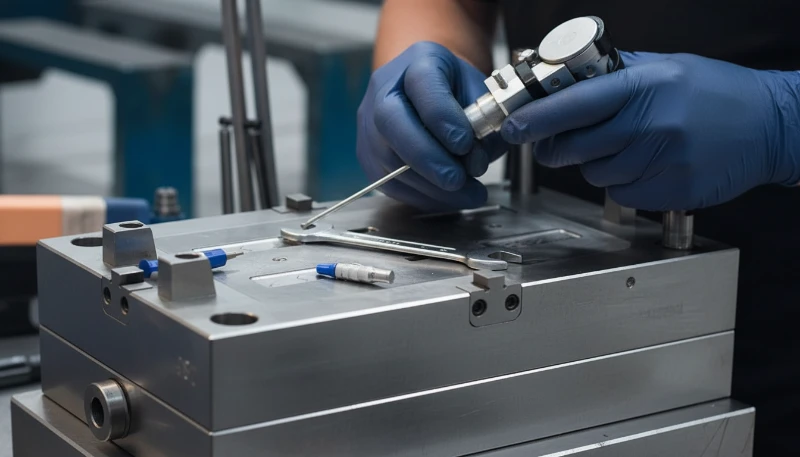
Metoda polega na umieszczeniu czujników ciśnienia wewnątrz formy wtryskowej2, aby podczas każdego cyklu mierzyć ciśnienie stopionego tworzywa w określonych miejscach. Czujniki po stronie maszyny informują jedynie o pracy ślimaka, natomiast czujniki w gnieździe pokazują, czego tworzywo faktycznie doświadcza wewnątrz gniazda. Ta różnica ma znaczenie. Ogromne.
W konwencjonalnym układzie technolog procesu reguluje prędkość wtrysku, ciśnienie docisku i czas podtrzymania na podstawie obserwacji zewnętrznych — niedolewów, wypływek, zapadnięć i raportów wymiarowych. Gdy wada staje się widoczna, cykl już się zakończył. Monitorowanie ciśnienia w gnieździe przenosi pętlę sprzężenia zwrotnego z kontroli po fakcie na wykrywanie w trakcie procesu.
Koncepcja wywodzi się z metodyki naukowego formowania, której celem jest rozdzielenie czterech faz formowania wtryskowego — napełniania, docisku, podtrzymania i chłodzenia — oraz niezależne sterowanie każdą z nich na podstawie danych, a nie intuicji. Ciśnienie w gnieździe jest w tej metodyce pojedynczą zmienną dostarczającą najwięcej informacji.
| Parametr | Ciśnienie maszyny | Ciśnienie w gnieździe |
|---|---|---|
| Miejsce pomiaru | Ślimak / dysza | Wewnątrz gniazda |
| Co to mówi | Wysiłek maszyny | Zachowanie materiału |
| Wykrywa niedolewki? | Pośrednio | Bezpośrednio, w czasie rzeczywistym |
| Wykrywa wklęśnięcia? | Nie | Tak — widoczny niedobór dociśnięcia |
| Czy zależy od konstrukcji formy? | Nie | Tak — geometria kanału rozdzielającego ma znaczenie |
| Koszt czujnika na formę | $0 (wbudowany) | $500–$3000 za czujnik |
Dlaczego ciśnienie w gnieździe ma znaczenie dla jakości detalu?
Ciśnienie w gnieździe jest jedyną zmienną wewnątrz formy, która bezpośrednio wpływa na masę i wymiary części oraz powstawanie wad podczas cyklu formowania. Większość wad formowania wtryskowego powstaje w fazach napełniania i docisku — a ciśnienie w gnieździe jest jedyną zmienną, która bezpośrednio mierzy obie te fazy. Gdy na gotowej części widać zapadnięcie, zmianę wymiaru lub problem z linią łączenia, przyczyną źródłową było zdarzenie ciśnieniowe, które kilka sekund wcześniej wystąpiło wewnątrz gniazda.
Oto praktyczny przykład. Załóżmy, że formujesz obudowę z poliwęglanu o nominalnej ściance 3 mm i wypustce tworzącej przekrój o grubości 5 mm. Jeśli ciśnienie w gnieździe w miejscu wypustki spada zbyt szybko podczas fazy dociskania, grubszy przekrój nie zostanie odpowiednio dociśnięty. Rezultat: wklęśnięcie, które nie przejdzie kontroli wizualnej. Bez danych o ciśnieniu w gnieździe technolog procesu zgaduje wartości ciśnienia i czasu dociskania. Z nimi widzi dokładnie, kiedy ciśnienie spada i dostosowuje profil utrzymywania, aby to skompensować.
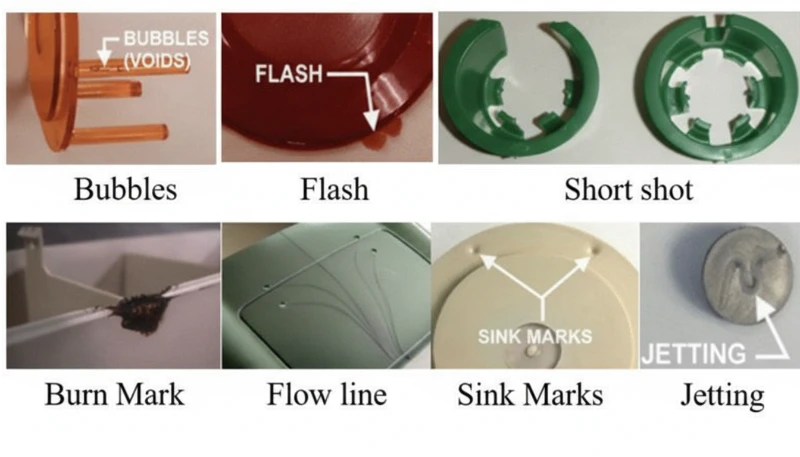
Cztery kategorie wad, które monitorowanie ciśnienia w gnieździe najskuteczniej wykrywa, to:
1. Niedolewy i niepełne wypełnienie. Jeśli krzywa ciśnienia nigdy nie osiąga oczekiwanego maksimum w miejscu czujnika na końcu drogi płynięcia, gniazdo nie zostało całkowicie wypełnione. Wykrywa się to już w pierwszym cyklu — a nie po wyprodukowaniu 500 części.
2. Zapadnięcia i pustki. Są one bezpośrednio związane ze spadkiem ciśnienia docisku. Krzywa ciśnienia pokazuje, czy w fazie podtrzymania do gniazda doprowadzono wystarczającą ilość materiału, aby skompensować skurcz objętościowy.
3. Wypływki. Nadmierne ciśnienie w gnieździe — zwłaszcza gdy gwałtownie przekracza próg siły zwarcia maszyny — zapowiada powstanie wypływek. Krzywa ciśnienia ostrzega, zanim wypływka pojawi się na części.
4. Zmienność wymiarowa. Ciśnienie w gnieździe podczas fazy docisku bezpośrednio określa masę i wymiary części. Badania pokazują, że utrzymanie szczytowego ciśnienia w gnieździe w granicach ±2% pozwala zachować wymiary krytyczne z dokładnością ±0,05 mm w częściach o wąskich tolerancjach.
Jak działa czujnik ciśnienia w gnieździe?
Czujnik ciśnienia w gnieździe to przetwornik wbudowany w formę, który w czasie rzeczywistym zamienia ciśnienie stopionego tworzywa na sygnał elektryczny. Na rynku dominują dwa typy czujników: bezpośredniego kontaktu (piezoelektryczne) i pośrednie (tensometryczne). Każdy ma kompromisy wpływające na miejsce montażu i trwałość w produkcji.
Bezpośrednie czujniki piezoelektryczne3 są osadzone równo z powierzchnią gniazda i mierzą ciśnienie stopionego tworzywa przez membranę mającą bezpośredni kontakt z tworzywem. Oferują najkrótszy czas reakcji (poniżej milisekundy) i najdokładniejszy pomiar rzeczywistego ciśnienia tworzywa. Wadą jest konieczność wykonania obrobionej kieszeni w stali formy, podatność na uszkodzenia mechaniczne podczas obsługi formy oraz potrzeba stosowania wzmacniaczy ładunkowych, które przekształcają sygnał piezoelektryczny w użyteczne napięcie.
Pośrednie czujniki tensometryczne montuje się za wypychaczem lub wkładką gniazda. Nie stykają się ze stopionym tworzywem — zamiast tego mierzą sprężyste odkształcenie stali formy pod wpływem ciśnienia w gnieździe. Są trwalsze, łatwiejsze do doposażenia w istniejących formach i tańsze. Reagują jednak wolniej, a odczyt ciśnienia zależy od mechanicznej drogi przenoszenia siły (średnicy trzpienia, luzu pasowania i twardości stali), co komplikuje kalibrację.
Trzecią opcją, która zyskuje popularność, są bezkontaktowe czujniki ultradźwiękowe montowane na zewnątrz formy i mierzące ciśnienie przez stalową ściankę. Całkowicie eliminują potrzebę wykonywania kieszeni pod czujniki, lecz ich dokładność jest obecnie ograniczona — lepiej nadają się do monitorowania trendów niż do bezwzględnego pomiaru ciśnienia.
| Cecha | Piezoelektryczny (bezpośredni) | Tensometryczny (pośredni) | Ultradźwiękowe |
|---|---|---|---|
| Czas odpowiedzi | < 1 ms | 2–5 ms | 5–10 ms |
| Dokładność | ±0.5% pełnej skali | ±1–2% FS | ±3–5% pełnej skali |
| Modyfikacja formy | Wymagane wgłębienie | Za wypychaczem | Montaż zewnętrzny |
| Trwałość | Umiarkowany | Wysoki | Wysoki |
| Koszt na kanał | $1,500–$3,000 | $500–$1,500 | $800–$2,000 |
| Najlepszy przypadek użycia | Precyzyjne formowanie | Produkcja ogólna | Monitorowanie do modernizacji |
Jakie są kluczowe parametry na krzywych ciśnienia w gnieździe?
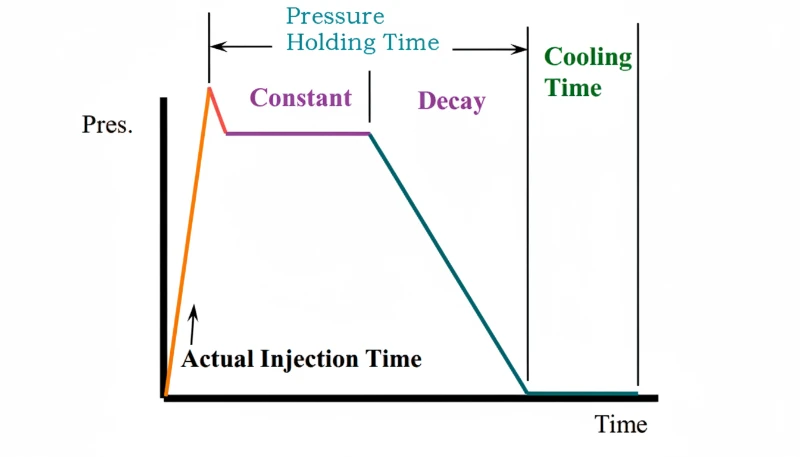
Kluczowe parametry krzywej ciśnienia w gnieździe to nachylenie podczas napełniania, punkt przełączenia, plateau docisku, czas zamarznięcia przewężki i tempo spadku podczas chłodzenia. Typowa krzywa ciśnienia w gnieździe przypomina pasmo górskie z wyraźnymi szczytami i dolinami. Każdy odcinek krzywej odpowiada określonej fazie cyklu formowania wtryskowego, a doświadczeni inżynierowie procesu odczytują te krzywe jak wykres diagnostyczny.
Faza napełniania (wzrost do maksimum). Krzywa gwałtownie rośnie, gdy stopione tworzywo wpływa do gniazda. Nachylenie wskazuje prędkość napełniania. Większe nachylenie oznacza szybszy wtrysk. Jeśli nachylenie zmienia się w trakcie wzrostu, oznacza to zmianę oporu przepływu — być może tworzywo przechodzi przez cienki przekrój lub ostry zakręt w geometrii gniazda.
Punkt przełączenia. W tym miejscu maszyna przechodzi z napełniania sterowanego prędkością na docisk sterowany ciśnieniem. Na krzywej jest to punkt przegięcia u szczytu wzrostu. Płynne przełączenie daje zaokrąglony szczyt. Nagłe przełączenie maszyny tworzy ostry skok, po którym następuje spadek — takie przeregulowanie może powodować wypływki lub zmianę masy części.
Faza docisku (plateau). Po przełączeniu ciśnienie w gnieździe powinno ustabilizować się na plateau — do gniazda wtłaczany jest wtedy dodatkowy materiał, aby skompensować skurcz objętościowy podczas chłodzenia części. Wysokość i czas trwania tego plateau bezpośrednio określają masę i wymiary części oraz prawdopodobieństwo powstania zapadnięć.
Zamarznięcie przewężki. W pewnym momencie fazy podtrzymania przewężka zestala się i odcina drogę przepływu. Na krzywej ciśnienia widać koniec plateau i początek spadku ciśnienia — mimo że maszyna nadal wywiera ciśnienie podtrzymania. Ten punkt zamarznięcia przewężki jest krytyczny: dalsze podtrzymywanie po jej zamarznięciu jedynie marnuje energię. Dokładna znajomość chwili zamarznięcia przewężki pozwala precyzyjnie zoptymalizować czas podtrzymania.
Chłodzenie i spadek ciśnienia. Po zamarznięciu przewężki ciśnienie spada w miarę kurczenia się i chłodzenia materiału. Tempo spadku zależy od geometrii części, charakterystyki skurczu materiału i temperatury formy. Nietypowo szybki spadek w jednym obszarze może wskazywać gorący punkt w formie lub niewystarczający obieg chłodzenia.
"„Czas zamarzania przewężki można wyznaczyć bezpośrednio z krzywej ciśnienia w gnieździe.”"True
Krzywa ciśnienia pokazuje wyraźny punkt przegięcia, w którym ciśnienie w gnieździe zaczyna spadać pomimo utrzymywanego ciśnienia docisku maszyny — to jest punkt uszczelnienia bramki. Po tym punkcie dodatkowy czas docisku nie dodaje żadnej wartości.
"„Wyższe ciśnienie wtrysku maszyny zawsze powoduje wyższe ciśnienie w gnieździe.”"False
Ciśnienie w gnieździe zależy od oporu przepływu, konstrukcji wrót i lepkości stopu. Restrykcyjne wrota lub długi kanał dopływowy mogą pochłonąć większość ciśnienia maszyny, pozostawiając ciśnienie w gnieździe niezmienione nawet przy znacznym zwiększeniu ciśnienia wtrysku.
Jak wykorzystać dane o ciśnieniu w gnieździe do optymalizacji okna procesowego?
Zbieranie danych o ciśnieniu w gnieździe to jedno. Działanie na ich podstawie to drugie. Praktyczny przepływ pracy wygląda następująco:
Krok 1: Wyznacz krzywą wzorcową. Wykonaj 50–100 cykli przy zatwierdzonych ustawieniach procesu. Rejestruj ciśnienie w gnieździe w każdym miejscu czujnika. Uśrednij krzywe, aby utworzyć odniesienie — „krzywą wzorcową”. Będzie ona punktem bazowym do porównania każdego cyklu produkcyjnego.
Krok 2: Ustal pasma tolerancji. Określ dopuszczalne górne i dolne granice kluczowych parametrów krzywej: ciśnienia szczytowego, poziomu plateau docisku, czasu zamarznięcia przewężki oraz ciśnienia na końcu podtrzymania. Granice te powinny wynikać z danych o jakości wymiarowej i wizualnej, a nie z arbitralnych wartości procentowych.
Krok 3: Monitoruj w czasie rzeczywistym. Nowoczesne systemy monitorowania (Priamus, Kistler, RJG) porównują krzywą ciśnienia każdego cyklu z krzywą wzorcową w ustalonych pasmach tolerancji. Jeśli cykl wychodzi poza pasmo, system go oznacza — i może automatycznie skierować część do pojemnika kwarantanny.
Krok 4: Diagnozuj przyczyny źródłowe na podstawie odchyleń krzywej. Tu liczy się doświadczenie. Niższe niż zwykle ciśnienie szczytowe na ogół oznacza zbyt małą prędkość napełniania albo zmianę lepkości materiału. Krótsze plateau docisku sugeruje wcześniejsze zamarznięcie przewężki — być może z powodu niższej temperatury stopionego tworzywa. Przesunięty punkt przełączenia wskazuje na niestabilność maszyny.
Kiedy warto zainwestować w monitoring ciśnienia w gnieździe?
Monitorowanie ciśnienia w gnieździe jest warte inwestycji, gdy tolerancje części są mniejsze niż ±0,1 mm albo gdy zgodność z przepisami wymaga udokumentowanej walidacji procesu. Nie każda forma potrzebuje czujników ciśnienia w gnieździe. Przy produkcji standardowych części o tolerancji ±0,5 mm i szerokich wymaganiach estetycznych trudno uzasadnić inwestycję. W określonych sytuacjach zwrot jest jednak wyraźny i szybki.
Części medyczne i motoryzacyjne. Wymagania regulacyjne (FDA, ISO 13485, IATF 16949) coraz częściej oczekują udokumentowanej walidacji procesu. Dane ciśnienia w gnieździe stanowią obiektywny dowód, że każdy cykl spełniał zatwierdzone warunki — a nie tylko że losowa próbka przeszła kontrolę.
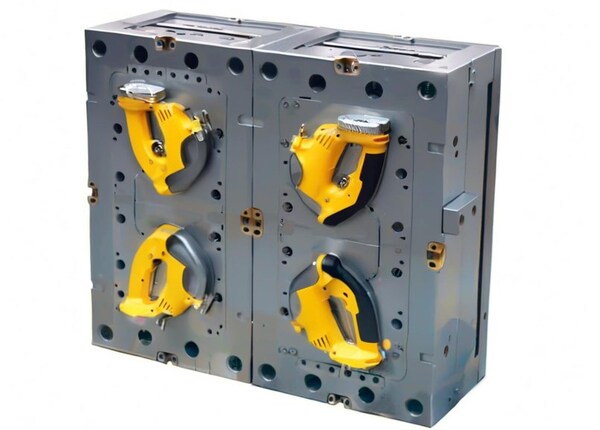
Formy o dużej liczbie gniazd. Przy pracy z formą 32-gniazdową monitorowanie ciśnienia w gniazdach może wykryć niedrożność lub nierównowagę pojedynczego gniazda, niewidoczną w danych samej maszyny. Jedno zablokowane gniazdo na 32 oznacza 3% braków — co szybko się kumuluje przy 500 000 cykli rocznie.
Tworzywa konstrukcyjne o wąskich tolerancjach. Materiały takie jak PEEK, LCP i poliamidy wzmacniane włóknem szklanym mają wąskie okna przetwórcze. Monitorowanie ciśnienia w gnieździe wykrywa zmiany lepkości wynikające z różnic między partiami materiału, zanim powstaną części niezgodne ze specyfikacją.
Długie serie produkcyjne. Koszt monitorowania przypadający na część gwałtownie maleje wraz ze wzrostem wolumenu. System monitorowania za 10 000 USD, amortyzowany na 2 milionach części, dodaje pół centa do kosztu części — to drobiazg wobec kosztu jednej odrzuconej dostawy.
"„Monitorowanie ciśnienia w gnieździe umożliwia wykrywanie w czasie rzeczywistym zablokowania poszczególnych gniazd w formach wielogniazdowych.”"True
Każdy czujnik monitoruje swoje gniazdo niezależnie. Nagły spadek ciśnienia lub całkowity brak sygnału w lokalizacji jednego czujnika natychmiast sygnalizuje zatkane lub niedopełnione gniazdo, podczas gdy sąsiednie gniazda nadal wykazują normalne krzywe.
"„Monitorowanie ciśnienia w gnieździe całkowicie eliminuje potrzebę kontroli jakości po formowaniu.”"False
Ciśnienie w gnieździe wykrywa wady związane z procesem, takie jak niedopełnienia, wklęśnięcia i zmiany wymiarowe. Ale nie może wykryć wad kosmetycznych, takich jak niespójność koloru, zanieczyszczenie powierzchni czy błędy montażu. Końcowa kontrola wizualna i wymiarowa pozostaje konieczna.
Jakie są ograniczenia monitoringu ciśnienia w gnieździe?
Monitorowanie ciśnienia w gnieździe ograniczają kruchość czujników, wrażliwość na miejsce montażu, nadmiar danych oraz niemożność wykrywania wad kosmetycznych. Oto czego dostawcy czujników nie powiedzą podczas pierwszej rozmowy.
Czujniki ulegają awariom. Szczególnie kruche są czujniki piezoelektryczne. Nieostrożny ustawiacz formy może zniszczyć czujnik za 2000 USD podczas montażu formy. Cykle cieplne pogarszają parametry czujnika po tysiącach cykli. Potrzebny jest plan konserwacji i ponownej kalibracji — w przeciwnym razie decyzje będą podejmowane na podstawie dryfujących danych.
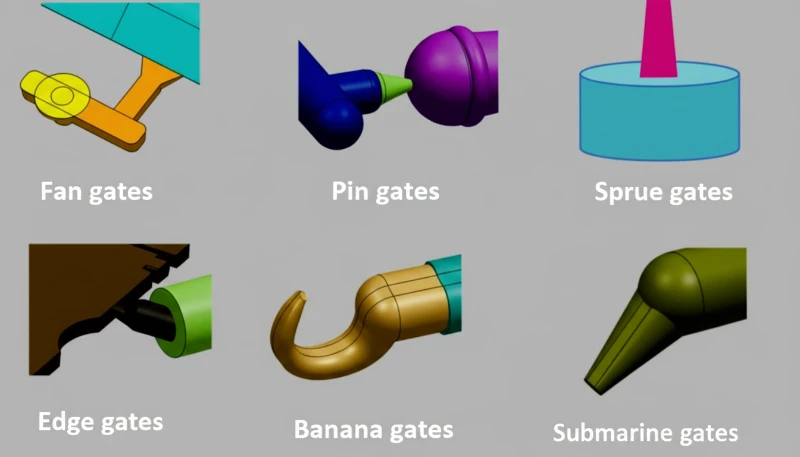
Miejsce montażu decyduje o wszystkim. Czujnik w niewłaściwym miejscu dostarcza mylących danych. Zbyt blisko przewężki mierzy ciśnienie w kanale, a nie zachowanie gniazda. Zbyt daleko od miejsca wypełnianego jako ostatnie pomija najbardziej krytyczny obszar. Większość inżynierów umieszcza czujniki w dwóch miejscach: przy przewężce (do monitorowania wtrysku i docisku) oraz przy końcu drogi płynięcia (do potwierdzenia pełnego wypełnienia).
Nadmiar danych to realny problem. Jeden czujnik generuje tysiące punktów danych w każdym cyklu. Forma z 4 czujnikami pracująca przez całą dobę wytwarza terabajty danych rocznie. Bez odpowiedniego oprogramowania do filtrowania, analizowania trendów i alarmowania powstaje ogromna baza danych, której nikt nie przegląda. System monitorowania jest tylko tak użyteczny, jak stojąca za nim analityka.
Koszty rosną w formach wielogniazdowych. Jeśli każde gniazdo wymaga własnego czujnika, forma 16-gniazdowa potrzebuje 32 czujników (przewężka + koniec drogi płynięcia w każdym gnieździe). Przy cenie 1500–3000 USD za kanał sam sprzęt czujnikowy kosztuje 48 000–96 000 USD — jeszcze przed doliczeniem systemu monitorowania, okablowania i montażu.
Nie wszystkie wady są związane z ciśnieniem. Smugi barwne, zanieczyszczenia, ślady wypychaczy i wady powierzchni formy nie mają nic wspólnego z ciśnieniem w gnieździe. Monitorowanie ciśnienia im nie zapobiegnie. To potężne narzędzie, lecz tylko jedno z narzędzi — nie kompletny system jakości.
Wniosek: jeśli z powodu wad procesowych złomuje się ponad 2% części, monitorowanie ciśnienia w gnieździe zwykle zwraca się w ciągu 6–12 miesięcy. Zacznij od jednego czujnika w formie o największym wolumenie i najwęższych tolerancjach. Wykaż zwrot z inwestycji na tym narzędziu, a następnie rozszerz system.
Jeśli porównujesz dostawców do programu produkcji z monitorowaniem, skorzystaj z naszego przewodnika po wyborze dostawcy formowania wtryskowego, aby przed powierzeniem narzędzia ocenić dojrzałość kontroli procesu, dokumentację walidacyjną, dyscyplinę konserwacji czujników oraz zasady eskalacji jakościowej.
Często zadawane pytania dotyczące monitorowania ciśnienia w gnieździe
Co to jest ciśnienie w gnieździe w formowaniu wtryskowym?
Ciśnienie w gnieździe to siła na jednostkę powierzchni wywierana przez stopiony plastik wewnątrz gniazda formy podczas faz wtrysku, docisku i utrzymywania w cyklu formowania. Jest ono zazwyczaj mierzone w barach lub psi za pomocą czujników ciśnienia osadzonych bezpośrednio w stali formy. Ten pomiar odzwierciedla rzeczywiste warunki, jakich materiał doświadcza wewnątrz gniazda — w przeciwieństwie do ciśnienia po stronie maszyny, które pokazuje jedynie to, co jednostka wtryskowa dostarcza z dyszy. Ciśnienie w gnieździe bezpośrednio wpływa na wagę części, wymiary, jakość powierzchni i integralność strukturalną finalnego elementu formowanego.
Jak wiele czujników ciśnienia w gnieździe potrzebuję na formę?
Większość aplikacji produkcyjnych używa dwóch czujników na wnękę: jeden umieszczony w pobliżu bramki, aby monitorować zachowanie podczas wtrysku i docisku, oraz jeden w pobliżu końca napełniania, aby potwierdzić całkowite wypełnienie wnęki. W przypadku prostych części o dużych tolerancjach wystarczyć może jeden czujnik. W przypadku form wielogniazdowych praktycznym podejściem jest wyposażenie reprezentatywnych wnęk, a nie każdej pojedynczej, a następnie ekstrapolacja wyników. Dokładna liczba zależy od złożoności geometrii części, wymagań tolerancyjnych, budżetu oraz poziomu dokumentacji jakościowej wymaganej przez klienta lub organ regulacyjny.
Jaka jest różnica między ciśnieniem w gnieździe i ciśnieniem w dyszy?
Ciśnienie w dyszy jest mierzone w dyszy wtryskarki i odzwierciedla siłę wyjściową ślimaka podczas wtrysku. Ciśnienie w wnęce jest mierzone wewnątrz formy i odzwierciedla to, czego faktycznie doświadcza plastik podczas napełniania, docisku i chłodzenia w wnęce. Różnica między nimi reprezentuje ciśnienie utracone przez otwór wlewowy, system kanałów i bramkę. Ten spadek ciśnienia może być znaczny — często 30–60% ciśnienia w dyszy jest tracone, zanim stop nawet wejdzie do wnęki, w zależności od długości kanału, średnicy i projektu bramki.
Czy monitorowanie ciśnienia w gnieździe może wykryć jakość linii połączenia?
Tak, monitorowanie ciśnienia w gnieździe zapewnia bezpośredni wgląd w tworzenie i siłę linii połączenia. Gdy dwa fronty płynu spotykają się w gnieździe, ciśnienie w lokalizacji linii połączenia wskazuje, jak dobrze fronty się połączyły. Wyższe ciśnienie w gnieździe na linii połączenia oznacza lepsze splątanie molekularne na styku, skutkujące większą siłą linii połączenia. Jest to szczególnie wartościowe dla części strukturalnych, gdzie integralność linii połączenia jest krytycznym parametrem wydajności, a jej uszkodzenie mogłoby naruszyć całą konstrukcję.
Czym jest naukowe formowanie wtryskowe i jak ma się do niego ciśnienie w wnęce?
Formowanie naukowe jest metodologią opartą na danych, która rozdziela proces wtrysku na cztery odrębne fazy — wypełnienie, dociskanie, utrzymanie i chłodzenie — i kontroluje każdą z nich niezależnie na podstawie mierzalnych zmiennych, a nie tylko ustawień maszyny. Ciśnienie w gnieździe jest główną zmienną pomiarową w formowaniu naukowym, ponieważ odzwierciedla bezpośrednio, co materiał faktycznie robi w formie. Monitorując ciśnienie w gnieździe w kluczowych lokalizacjach, inżynierowie mogą ustalić powtarzalne, transferowalne parametry procesu, które produkują stałe części niezależnie od maszyny lub zakładu, w którym forma jest obsługiwana.
Jakie koszty związane są z implementacją monitorowania ciśnienia w gnieździe?
Podstawowy system monitorowania dwukanałowy — obejmujący czujniki ciśnienia w gnieździe, wzmacniacz sygnału lub kondycjoner sygnału, sprzęt do akwizycji danych i podstawowe oprogramowanie analityczne — zazwyczaj kosztuje od $5,000 do $15,000 dla aplikacji jednogniazdowej. Dla pełnego monitorowania produkcji na formie wielogniazdowej z kompleksowym oprogramaniem analitycznym, możliwościami automatycznej segregacji części i dashboardami trendów historycznych, koszty mogą wynosić od $30,000 do ponad $100,000. Całkowita inwestycja jest proporcjonalna do liczby kanałów czujników, zaawansowania platformy analitycznej i wymagań integracji fabrycznej.
Czy można zmodernizować czujniki ciśnienia w gnieździe w istniejącej formie?
Tak, modernizacja jest częsta i praktyczna. Czujniki tensometryczne montowane za istniejącymi trzpieniami wyprężającymi są najpopularniejszą opcją modernizacji, ponieważ wymagają minimalnej modyfikacji formy — zazwyczaj tylko wywiercenia otworu za istniejącym trzpieniem i poprowadzenia kabla przez płytę wyprężającą. Bezpośrednie czujniki piezoelektryczne są również możliwe dla modernizacji, ale wymagają bardziej rozbudowanego obróbki metalu gniazda, aby stworzyć otwór do montażu płaskiego dla membrany czujnika. Koszt modernizacji jest znacznie niższy niż budowanie czujników w nowej formie od podstaw.
Czy monitorowanie ciśnienia w gnieździe działa dla wszystkich materiałów plastikowych?
Monitorowanie ciśnienia w gnieździe działa dla wszystkich materiałów termoplastycznych, od standardowych tworzyw takich jak PP i PE, aż do wysokowydajnych tworzyw technicznych takich jak poliwęglan, nylon i PEEK. Charakterystyka krzywej ciśnienia różni się jednak znacząco między materiałami. Materiały o wysokiej lepkości, takie jak poliwęglan i PEEK, generują większe ciśnienie wypełnienia i różne kształty krzywych w porównaniu do materiałów o niskiej lepkości, takich jak polipropylen. Parametry monitorowania, zakresy tolerancji i parametry krzywej referencyjnej muszą być niezależnie kalibrowane dla każdej konkretnej kombinacji materiału i formy, aby zapewnić znaczące dane kontroli procesu podczas produkcji.
Gotowy do wdrożenia monitoringu ciśnienia w gnieździe?
Jeśli produkujesz precyzyjne części z wąskimi tolerancjami — szczególnie w medycynie, motoryzacji lub elektronice — monitorowanie ciśnienia w gnieździe nie jest już opcją. To sposób, w którym przechodzisz od “uważamy, że proces jest dobry” do “możemy udowodnić, że każdy cykl spełniał specyfikację.”
W naszej fabryce nasi inżynierowie stosują monitorowanie procesu w całym zakładzie w Szanghaju, ponieważ regulowani klienci wymagają udokumentowanej, opartej na danych kontroli procesu. Dzięki ponad 400 kwalifikowanym materiałom i 6-etapowemu procesowi kontroli jakości od kontroli przychodzącej do weryfikacji wychodzącej, rozumiemy, że konsekwentna jakość zaczyna się od zrozumienia tego, co dzieje się wewnątrz formy.
Chcesz omówić monitorowanie ciśnienia w gnieździe w następnym projekcie narzędziowym? Porozmawiaj z producentem elementów formowanych wtryskowo — przeanalizujemy geometrię części, tolerancje i wielkość produkcji, aby zalecić odpowiedni poziom monitorowania procesu dla danego zastosowania.
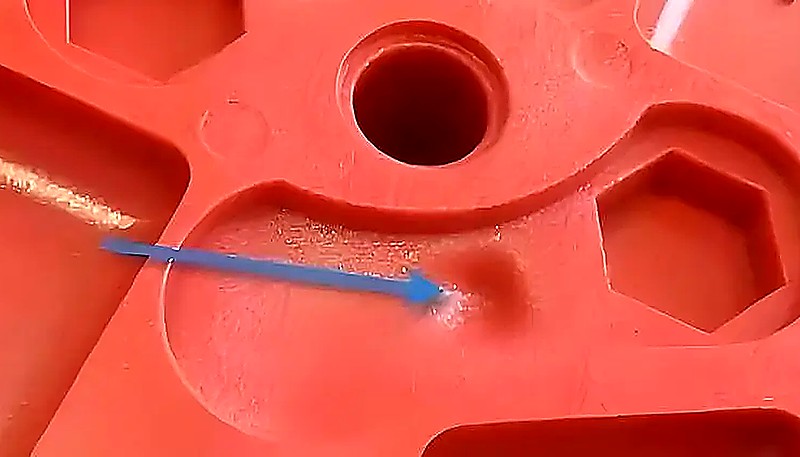
Zapadnięcie: zapadnięcie to wgłębienie powierzchni części formowanej spowodowane niewystarczającym ciśnieniem docisku w fazie podtrzymania. ↩
Forma wtryskowa: forma wtryskowa to precyzyjne narzędzie stosowane w formowaniu wtryskowym, zawierające jedno lub więcej gniazd ukształtowanych tak, aby formować części z tworzywa sztucznego. ↩
Czujnik piezoelektryczny: czujnik piezoelektryczny to przetwornik ciśnienia o bezpośrednim kontakcie, który wytwarza ładunek elektryczny proporcjonalny do przyłożonego ciśnienia stopionego tworzywa. ↩