 콘텐츠로 건너뛰기

- TPU is a flexible, abrasion-resistant thermoplastic elastomer processed at 180–230°C on standard injection molding machines.
- Shore A hardness spans 60A–98A, covering everything from soft grips to semi-rigid structural parts.
- Pre-drying at 80–100°C for 2–4 hours is mandatory — moisture above 0.02% causes splay and chain scission.
- TPU outperforms TPE in tensile strength (25–55 MPa) and abrasion resistance, making it ideal for demanding applications.
- Design for TPU requires generous draft angles (2–3° for soft grades) and gate diameters ≥1.5 mm.
What Is TPU Injection Molding?
TPU 사출 성형1 열가소성 폴리우레탄을 녹여 강철 금형에 주입하여 유연하고 내마모성 부품을 생산하는 공정입니다. 이 소재는 고무 같은 탄성과 열가소성 가공성을 결합하여 오버몰딩, 씰, 내마모 부품에 이상적입니다. 더 넓은 시각을 원하시면 저희 사출 성형 가이드 및 사출 금형2 개요.
더 넓은 관점을 위해 우리의 injection molding complete guide 프로세스 기본 원리, 재료 행동 및 생산 결정을 포함합니다.
For broader context, compare this topic with supplier sourcing guide.
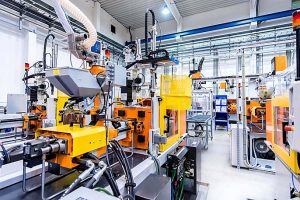
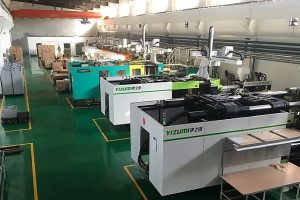
상하이 공장에서는 90톤에서 1850톤까지 47대의 사출 성형기를 운영하고 있어, 모든 금형 결정을 단순히 견적 가격이 아닌 공정 윈도우 문제로 접근합니다.
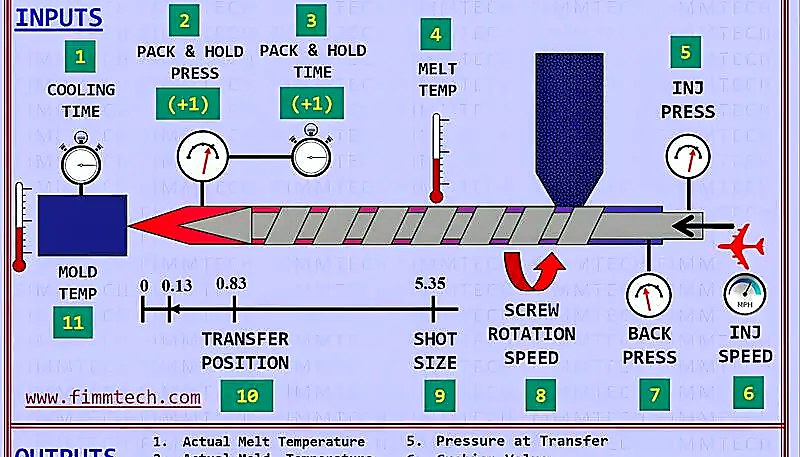
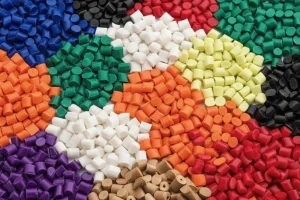
TPU 사출 성형은 열가소성 폴리우레탄 펠릿을 녹여 금형에 주입하여 유연한 고무 같은 부품을 만드는 공정입니다. ABS, PP, 나일론에 사용되는 동일한 장비로 운전됩니다.
In our factory, TPU has become one of the most requested elastomeric materials over the past five years. Customers come to us when they need parts that combine rubber-like flexibility with thermoplastic recyclability — think cable overmolds, wearable device skins, and industrial seals. The chemistry behind TPU consists of alternating hard segments (from diisocyanate and chain extender) and soft segments (from polyol), which create its signature combination of strength and elasticity at the molecular level.
TPU 사출 성형: 엔지니어를 위한 완벽 가이드
“TPU는 ABS, PP, 나일론에 사용되는 동일한 사출 성형기로 성형할 수 있습니다.”True
Standard reciprocating-screw injection molding machines process TPU effectively. The key differences are parameter settings (lower barrel temperatures of 180–230°C, slower injection speeds) and the mandatory pre-drying step — not the equipment itself.
“TPU 부품을 성형하려면 특수 고무 가공 장비가 필요합니다.”False
TPU is a thermoplastic elastomer, not a thermoset rubber. It melts and flows like a thermoplastic, so it can be processed on any standard injection molding machine without special rubber-processing attachments or vulcanization ovens.
What Are the Key Material Properties of TPU?
TPU의 주요 특성은 쇼어 A 경도 60A–98A, 인장 강도 25–55 MPa, 마모 손실 20–80 mm3입니다. 이는 합성 시 하드/소프트 세그먼트 비율로 결정됩니다.
| 속성 | Typical Value | Significance |
|---|---|---|
| Shore Hardness | 60A–98A / 40D–80D | Soft grips to semi-rigid housings |
| 인장 강도 | 25–55 MPa | Higher than most TPEs |
| 휴식 시 신장 | 300–700% | Excellent flexibility |
| Operating Temp. | –40°C to +100°C | Outdoor and refrigerated use |
| 내마모성 | 20–80 mm3 DIN 손실 | Superior to rubbers and TPEs |
| 수분 흡수 | 0.5–2.0% (24 hr) | Mandatory pre-drying |
Polyester-based TPU grades offer superior oil resistance and abrasion performance, while polyether-based grades excel in hydrolysis resistance and low-temperature flexibility. For marine or humid-environment parts, we always specify polyether TPU. For automotive underhood components exposed to hydraulic fluid, polyester grades perform better.
TPU process parameters are barrel temp 180–230°C, mold temp 20–50°C, slow injection speed, and 2–4 hour pre-drying at 80–100°C. Moisture below 0.02% is mandatory.
| 매개변수 | Range | 참고 |
|---|---|---|
| Pre-drying Temp. | 80–100°C | 2–4 hours; dehumidifying dryer |
| Barrel Temp. (Rear) | 170–190°C | Prevents premature melting |
| Barrel Temp. (Front) | 190–230°C | Avoid exceeding 240°C |
| 금형 온도 | 20–50°C | Higher = better surface |
| 사출 압력 | 50–120 MPa | Softer grades need less |
| 유지 압력 | 60–80% of peak | Prevents sink marks |
| 냉각 시간 | 15–60 seconds | Flexible parts need longer |
| 나사 속도 | –50 ~ +80°C | Slow prevents shear damage |
In our experience, TPU’s sensitivity to residence time is one of the trickiest parameters to manage. If TPU sits in the barrel at processing temperature for more than 5–10 minutes, it begins to degrade — you’ll see yellowing and a sharp drop in tensile properties. We always purge the machine between runs and minimize shot-to-cycle intervals during production startup.
What Are Common Defects in TPU Injection Molding and How Can You Prevent Them?
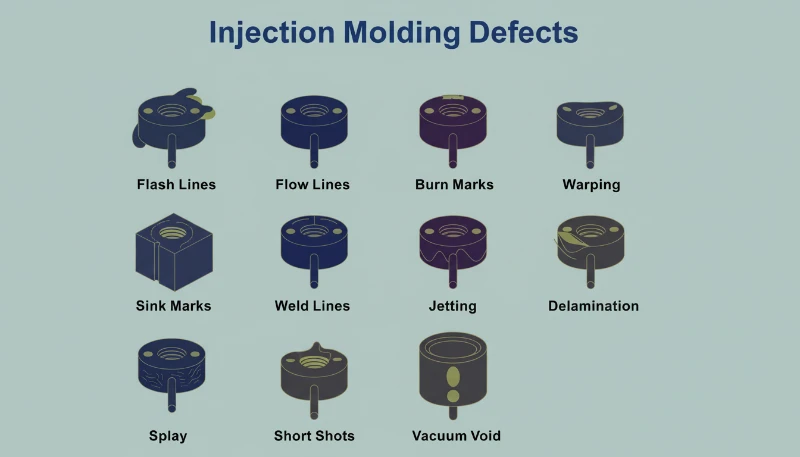
The most common TPU defects are splay marks (moisture), mold sticking (high tack), short shots (low pressure), and yellowing (thermal degradation). Each has a specific root cause and a practical fix.
| 결함 | Root Cause | Prevention |
|---|---|---|
| Splay / Silver Streaks | Moisture in material | Dry at 90°C for 3–4 hours |
| Part Sticking | High elasticity, low draft | Increase draft to 2–3° |
| Bubbles / Voids | Thermal degradation | Reduce barrel temp; improve venting |
| 쇼트 샷 | Insufficient fill pressure | Raise injection pressure 10–20% |
| 플래시 | Overpacking; worn parting line | Reduce holding pressure |
| Yellowing | Excessive temp or residence | Keep barrel below 240°C; purge |
We’ve found that part sticking is the single biggest production bottleneck for soft TPU grades. In one project for a wearable fitness device, we were running Shore 75A TPU with a complex undercut geometry. The fix wasn’t more release agent — it was increasing the draft angle from 1° to 2.5° on the sidewalls and redesigning the ejector pin locations. Cycle time dropped from 45 seconds to 28 seconds after the mold modification.
"TPU는 각 생산 실행 전에 80~100°C에서 2~4시간 건조해야 합니다."True
Pre-drying is non-negotiable. Moisture content above 0.02% causes hydrolytic chain scission during the melt phase, producing splay marks, surface bubbles, and significant reduction in tensile strength.
"TPU 펠릿이 밀폐된 백에 저장된 경우 건조가 필요하지 않습니다."False
TPU is highly hygroscopic — it can absorb enough moisture in 30–60 minutes of open-air exposure to cause splay marks and chain scission. Pre-drying is mandatory regardless of storage conditions.
What Industries Rely on TPU Injection Molded Parts?
TPU is widely used across automotive, footwear, medical, consumer electronics, and industrial applications. Its combination of flexibility, abrasion resistance, and chemical tolerance makes it the go-to elastomer for demanding environments.
자동차: Door seals, gearshift boots, cable grommets, and vibration-damping mounts. Polyester-based TPU grades offer the fuel and oil resistance required for underhood applications. We’ve produced TPU cable harness guides for EV battery packs where dimensional stability at –30°C was a hard requirement.
Footwear: 미드솔, 아웃솔, 토캡은 탁월한 내마모성(20–40 mm3 DIN 손실)과 굽힘 피로 내성을 위해 TPU를 사용합니다. 사출 성형된 TPU 아웃솔은 균열 없이 수백만 번의 굽힘 주기를 견딥니다.
의료 기기: Medical-grade TPU formulations are used for surgical tubing, catheter components, and wearable sensor housings. Polyether TPU’s hydrolysis resistance and biocompatibility (ISO 10993) make it suitable for body-contact applications. We produce flexible TPU housings for continuous glucose monitoring devices.
"TPU는 탈형 시 유연성을 통해 약간의 언더컷을 허용할 수 있습니다."True
TPU’s elasticity allows it to stretch over minor undercuts without damage, reducing tooling complexity by eliminating sliders or lifters.
“TPU 부품은 대량 생산되는 소비재 제품에는 너무 비쌉니다.”False
TPU costs more per kilogram than commodity TPE, but its longer mold life (300K+ shots), lower scrap rate, and runner recyclability often make it cheaper per-part in volumes above 10,000 units.
소비자 가전: Phone cases, cable overmolds, earphone tips, and smartwatch bands. TPU’s chemical resistance to sweat, cleaning solvents, and UV light makes it durable in daily consumer environments.
Industrial: Hydraulic hose couplings, conveyor components, roll covers, and protective boots from harder TPU grades (Shore 90A–60D). Abrasion and tear resistance exceeds natural rubber by 3–5× in high-speed conveyor applications.
How Does TPU Compare to TPE, Silicone, and Rubber?
TPU는 일반 열가소성 엘라스토머(TPE)보다 강도와 내마모성이 뛰어나며, 인장 강도가 TPE의 8–20 MPa에 비해 25–55 MPa입니다. 또한 가황 고무와 LSR이 따라올 수 없는 재활용성을 제공합니다.
| 속성 | TPU | TPE | 실리콘 | Rubber |
|---|---|---|---|---|
| 인장 강도 | 25–55 MPa | 8–20 MPa | 6–12 MPa | 10–30 MPa |
| Abrasion | 우수 | Good | Poor | Very Good |
| Temp. Range | –40 to +100°C | –50 to +80°C | 빨간색 TPU 플라스틱 사출 성형 부품 | –40 to +100°C |
| Recyclable | Yes | Yes | 아니요 | 아니요 |
| Pre-drying | Mandatory | Sometimes | 아니요 | N/A |
We’ve run direct comparison projects for clients choosing between TPU and TPE for phone case applications. TPE (SEBS-based) costs 20–30% less per kilogram and processes more easily, but drop test results were consistently 15–25% worse with TPE versus a comparable Shore 85A TPU grade. When mechanical performance under repeated impact is critical, TPU wins.
What Design Guidelines Should You Follow for TPU Parts?
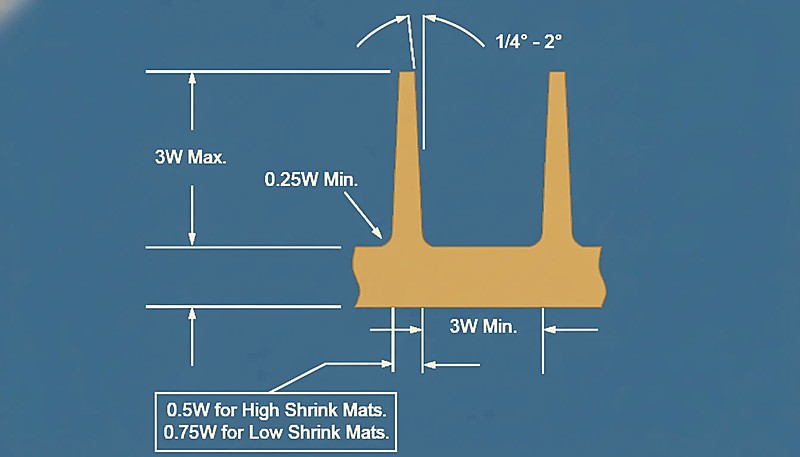
TPU parts are best designed with 1.5–4.0 mm walls, 2–3° draft for soft grades, gate diameter ≥1.5 mm, and gradual transitions. TPU flexes enough to demold 3–5% undercuts without sliders.
벽 두께: Very thin walls (6 mm) produce long cooling times and potential voids. Uniform wall thickness is especially important with TPU — sudden changes cause differential shrinkage that creates warpage.
초안 각도: This is where we see the most design revisions. Shore 60A–75A grades need 2–3° minimum, and 3–5° for textured surfaces. TPU grips the mold core during cooling, so generous draft is essential for reliable ejection.
언더컷: Unlike rigid plastics, TPU can accommodate minor undercuts (3–5% of part diameter) by flexing during demolding. This reduces tooling complexity — many features that would require sliders in ABS can be directly demolded with TPU.
게이트 디자인: Submarine gates are popular for TPU because they self-degate. Gate diameter must be 1.5–2.5 mm minimum — undersized gates cause excessive shear. Avoid pin gates smaller than 1.0 mm with soft grades.
| 체크포인트 1 영역 | 체크포인트 1 검증 |
|---|---|
| 레진 특성 | 금형 설계가 TPU 사출 성형에 미치는 영향을 확인하세요: 엔지니어를 위한 완전한 가공 가이드. |
| 재료 | Check resin behavior, shrinkage, heat, and cosmetic risks. |
| 품질 | Ask for inspection evidence before production approval. |
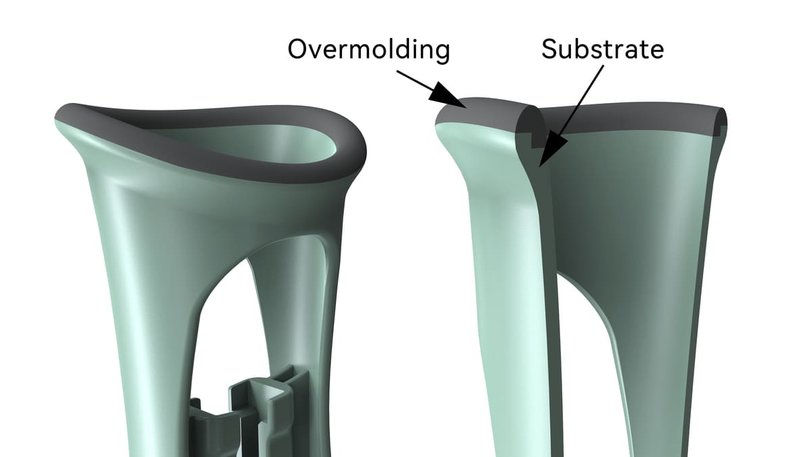
오버몰딩: TPU는 강성 기재(ABS, PC, PC/ABS, 나일론)에 오버몰딩하기 위한 가장 다용도 재료 중 하나입니다. 우리는 Shore 85A TPU를 PC/ABS 하우징에 성공적으로 오버몰딩하여 박리 테스트에서 5 MPa 이상의 결합 강도를 달성했습니다. 더 많은 정보는 사출 금형 설계 design principles, see our complete guide.
RFQ 전 주요 확인 사항은 수지 등급, 허용오차, 외관 영역 및 연간 생산량 확인입니다. 금형 수명, 캐비티 수 및 자동화 수준도 단위 가격을 변경합니다.
The RFQ should also ask for manufacturing assumptions. Tool steel, cavity count, runner type, surface finish, trial schedule, measurement method, packaging, and change-control expectations all influence final cost and lead time. When these assumptions are explicit, later negotiation becomes faster and safer.
강력하고 상세한 기술적 답변은 불확실성을 숨기기보다 누락된 입력 사항을 항상 식별합니다. 공급업체가 공차 적층, 게이트 잔류물 한계, 수지 인증, 색상 매칭, 연간 수요 변동에 대해 묻는다면, 이는 일반적으로 엔지니어링 팀이 맹목적으로 견적을 내는 것이 아니라 생산 수준에서 프로젝트를 평가하고 있다는 의미입니다.
ZetarMold 스타일 프로젝트에서 최상의 결과는 명확한 제조 경로입니다: DFM 검토, 금형 설계 확인, 금형 제작, 샘플링, 검사, 시정 조치, 양산 승인. 이 순서는 실질적인 권한을 제공하며 구매자가 다음 공급업체와의 대화에 활용할 수 있는 유용한 체크리스트를 제공합니다.
TPU 공급업체를 승인하기 전에 검토해야 할 생산 증거는 무엇인가요?
주요 생산 증거 기록은 성형 시험, 치수 보고서 및 수지 인증서입니다. TPU 공급업체를 생산용으로 승인하기 전에, 초도품 데이터는 모든 중요 치수의 측정값을 나열해야 하며, 단순히 합격/불합격 표시만으로는 안됩니다.
프로젝트가 외관 또는 엄격한 허용오차를 포함할 때 플라스틱3 부품들, 증거 자료에는 대량 생산 시작 전에 합의된 샘플 승인 규칙도 포함되어야 합니다. 경계 샘플, 측정 장치, 색상 기준 및 결함 분류 판은 생산 출시 전에 설정되고 명확하게 문서화되어야 하며, 이후 주관적인 수용 분쟁을 방지합니다.
TPU 사출 성형에 관한 자주 묻는 질문
What is the minimum order quantity for TPU injection molded parts?
There is no universal minimum — it depends on tooling amortization. For a simple mold costing $3,000–5,000, quantities of 500–2,000 parts can be economical. For high-volume TPU parts (100,000+ units/year), multi-cavity molds with 4–8 cavities are standard.
Can I use recycled TPU (rTPU) for injection molding?
Yes, but with limitations. Recycled TPU typically has 10–20% lower tensile strength and reduced elongation. For non-structural applications, rTPU works well. For load-bearing parts, mixing 10–20% rTPU with virgin resin is a common compromise.
How long does a TPU injection mold typically last?
A production-grade P20 steel mold for TPU typically lasts 300,000–500,000 shots. TPU is gentler on mold steel than abrasive-filled materials, so mold life is primarily driven by shot count.
Why does my TPU part turn yellow after molding?
Yellowing is almost always caused by thermal degradation — barrel temperature too high (above 240°C), excessive residence time, or moisture-induced hydrolysis. Check your barrel temperature profile first and purge the machine before production.
What is the typical shrinkage rate for TPU?
TPU shrinkage ranges from 0.8–2.0% depending on hardness. Softer grades (Shore 60A–75A) shrink 1.5–2.0%, while harder grades (Shore 90A–60D) shrink 0.8–1.2%. Always consult the material datasheet and run test shots before finalizing mold dimensions.
Is TPU safe for food contact applications?
Some TPU grades are FDA-compliant for food contact under 21 CFR regulations, but the specific grade must be verified. Not all formulations are food-safe — colorants and additives may disqualify a grade.
What is the difference between polyester and polyether TPU?
Polyester TPU offers better oil resistance and abrasion performance; polyether TPU provides superior hydrolysis resistance and low-temperature flexibility. For marine or humid environments, specify polyether. For automotive underhood applications, choose polyester.
Get Expert TPU Injection Molding Support
TPU 성형에서 가장 큰 비용 요인은 재료 가격이 아닙니다 — 건조, 드래프트 각도, 게이트 설계를 처음부터 올바르게 수행하는 것이 핵심입니다. ZetarMold에서 20년간 TPU 금형을 운영해 온 경험으로, 저희 8명의 수석 엔지니어는 강철 절삭 전 모든 TPU 프로젝트에 몰드 흐름 시뮬레이션을 적용하여 충전 불균형과 용접선 위험을 조기에 발견합니다.
47대의 사출 성형기(90톤–1850톤), 400가지 이상의 소재 옵션, ISO 9001/13485 인증 품질 시스템을 보유하여, 프로토타입부터 대량 생산까지 TPU 프로젝트를 처리할 장비와 경험을 갖추고 있습니다. TPU 프로젝트에 대해 논의하려면 연락주세요 — 영어 가능 엔지니어링 팀이 24시간 내에 답변드립니다.




 EN
EN  ES
ES  FR
FR  DE
DE  PT
PT  AR
AR  RU
RU  JA
JA  KO
KO  IT
IT  NL
NL  TR
TR  PL
PL 