¿Cómo es el mercado británico del moldeo por inyección?
Del Reino Unido mercado del moldeo por inyección1 es un mercado definido por la combinación de proveedores, los clústeres regionales y las restricciones de abastecimiento resumidas aquí. El mercado británico de moldeo por inyección genera unos £7–8 mil millones anuales y sostiene a más de 6,000 empresas, uno de los sectores europeos de transformación de plásticos más grandes y diversificados.1 Desde embellecedores de automoción en West Midlands hasta consumibles médicos en Cambridge, los moldeadores británicos atienden a casi todos los sectores manufactureros.
- El mercado de moldeo por inyección del Reino Unido tiene un valor aproximado de £7–8 mil millones anuales con más de 6,000 empresas activas.
- Los sectores de aplicación clave incluyen automoción, dispositivos médicos, envasado, electrónica y bienes de consumo.
- Tres niveles de proveedores dominan: talleres cautivos de OEM, fabricantes por contrato y moldeadores médicos especializados.
- El reshoring post-Brexit y la resiliencia de la cadena de suministro están impulsando una renovada inversión en capacidad doméstica.
- Un socio con sede en China como ZetarMold puede complementar a los proveedores del Reino Unido para programas de alto volumen y sensibles al costo.
El mercado crece aproximadamente un 2–3% anual en términos reales, respaldado por una fuerte demanda de productos sanitarios, reducción de peso en automoción, y electrónica de consumo. Solo el segmento médico ha experimentado un crecimiento de dos dígitos desde 2020, ya que las reformas en las adquisiciones del NHS y un sector de salud privado en expansión impulsan la demanda de componentes quirúrgicos desechables, carcasas de diagnóstico y dispositivos de administración de fármacos.
Desde el punto de vista de los proveedores, el mercado se divide en tres grandes categorías. Talleres cautivos de OEM — piense en la división interna de plásticos de JLR o en las operaciones de envasado de GSK — gestionan piezas propias de gran volumen. Fabricantes por contrato, el grupo más numeroso, atienden a varios OEMs y abarcan desde talleres con 20 máquinas hasta operaciones con más de 200 prensas. Por último, moldeadores especializados se centran en nichos verticales: productos médicos de sala limpia, lentes ópticas o electrónica de consumo de dos componentes. Comprender qué nivel se ajusta a su programa supone la mitad del trabajo de abastecimiento.
Para los compradores que evalúan opciones, la verdadera pregunta no es solo “quién está cerca”, sino *que pueda ofrecer el equilibrio adecuado entre calidad, velocidad y costo*. Esto suele implicar combinar un moldeador británico para una producción puente de respuesta rápida con un socio extranjero como ZetarMold para moldeo por inyección a escala. Las secciones siguientes explican exactamente cómo tomar esa decisión.
¿Qué tendencias están configurando la industria del moldeo por inyección del Reino Unido?
Cinco tendencias específicas del Reino Unido están transformando la forma en que los moldeadores por inyección operan, invierten y compiten. Ignórelas y elegirá un proveedor optimizado para 2015, no para 2025.
1. Automatización y Fabricación sin Personal
Los costes laborales de UK superan en un 30–40% la media de la EU, por lo que los moldeadores británicos se apresuran a automatizar. Empresas líderes como Nasalife y Broanmain han invertido en extracción robotizada de piezas, inspección automatizada de calidad (sistemas de visión) y celdas sin iluminación que funcionan más de 120 horas por semana sin personal. Si un proveedor de UK no habla de su hoja de ruta de automatización, se está quedando atrás.
2. Materiales sostenibles y economía circular
El Impuesto sobre Envases de Plástico del Reino Unido (£210/tonne para envases con menos de 30% de contenido reciclado) ha impulsado a los moldeadores hacia resinas recicladas posconsumo (PCR) y polímeros de origen biológico. Empresas como Berry BPI y Faerch UK ya moldean bandejas de CPET con 80–100% de contenido reciclado. Espere declaraciones de sostenibilidad en cada respuesta a RFQ — pero verifique los porcentajes reales de PCR y las certificaciones de contacto alimentario.
3. Nearsourcing y resiliencia de la cadena de suministro
Las fricciones del Brexit, las perturbaciones de la COVID y la inestabilidad logística en el mar Rojo han acelerado las conversaciones sobre deslocalización cercana2.3 Sin embargo, para los compradores del Reino Unido, la deslocalización cercana no siempre significa producir en el país: muchas empresas recurren ahora a dos fuentes, un moldeador británico para las piezas con plazos críticos y un socio en China o Europa del Este para los volúmenes optimizados en costes. Los equipos de compras más eficaces operan ambas vías simultáneamente.
4. Industria 4.0 y monitorización de procesos en tiempo real
Industria 4.03 la adopción se acelera rápidamente: sensores en cada cilindro, paneles SPC en tiempo real, alertas de mantenimiento predictivo y simulaciones de gemelos digitales.4 El análisis Moldflow es un requisito básico; la diferencia radica en si el moldeador puede mostrarle datos de presión de cavidad en tiempo real durante una tirada de producción y demostrar que detectó todas las inyecciones incompletas.
5. Crecimiento de dispositivos médicos y capacidad de salas limpias
El mercado británico de dispositivos médicos superó los £12 mil millones en 2024, y los componentes moldeados por inyección representan una proporción creciente. ISO 134854moldeo en sala limpia certificada2 se ha convertido en una ventaja competitiva: moldeadores como TE Connectivity, Charlotte Knights y RPG International han invertido millones en instalaciones ISO Clase 7 y 8. Si su producto entra en contacto con un paciente, esta certificación es innegociable.
En conjunto, estas tendencias apuntan a un sector de moldeo del Reino Unido que está invirtiendo para ascender en la cadena de valor: automatizando para compensar los costos laborales, ecologizando su cartera de materiales y construyendo salas limpias de grado médico para capturar trabajos de mayor margen. La implicación para los compradores: espere que los moldeadores del Reino Unido ofrezcan capacidades premium y precios unitarios más altos, incluso para piezas estándar de consumo. El valor está ahí, pero solo si realmente lo necesita.
"Los moldeadores por inyección del Reino Unido que invierten en automatización pueden lograr más de 120 horas de producción desatendida por semana, reduciendo considerablemente el coste de mano de obra por pieza."True
Los principales moldeadores del Reino Unido informan de que las celdas totalmente automatizadas —extracción robótica, inspección visual y embalaje por transportador— funcionan sin personal durante fines de semana y turnos nocturnos, añadiendo en la práctica 60–80 horas de máquina semanales frente a las operaciones manuales de un solo turno.
"Cualquier empresa de moldeo por inyección del UK con certificación ISO 9001 está automáticamente cualificada para producir componentes de dispositivos médicos."False
ISO 9001 es una norma general de gestión de la calidad. La producción de dispositivos médicos exige específicamente ISO 13485, que requiere procesos validados, gestión de riesgos (ISO 14971), trazabilidad y controles ambientales de sala limpia que ISO 9001 no contempla.
¿Cómo elegir un proveedor de moldeo por inyección en el Reino Unido?
Elegir un proveedor de moldeo por inyección en el Reino Unido depende de su capacidad de utillaje, sus sistemas de calidad, su comunicación y su encaje comercial. La selección de un proveedor británico de moldeo por inyección se reduce a cinco dimensiones prácticas. Si omite alguna, lo pagará en forma de desperdicios, retrasos o responsabilidad legal. Utilice nuestra Guía de abastecimiento de proveedores de moldeo por inyección como lista de comprobación de la RFQ.
1. Certificaciones y cumplimiento normativo
Como mínimo, exija ISO 9001. Si trabaja en el sector médico, exija ISO 13485 con clasificación de sala limpia. ¿Automoción? IATF 16949. No acepte “estamos trabajando en la certificación”: el proceso de certificación tarda entre 6 y 12 meses, y mientras tanto usted asumirá el riesgo. Pida ver el certificado real y su alcance; algunos moldeadores solo tienen la certificación ISO 9001 para el diseño, no para la producción.
2. Parque de máquinas y rango de tonelaje
Adapte la capacidad de sus prensas a su pieza. Un moldeador con máquinas de 50–200T no puede operar eficientemente un molde de parachoques para automoción de 1,500T, y viceversa. Solicite una lista de máquinas —tonelaje, volumen de inyección, tipo de controlador—. Si disponen de prensas totalmente eléctricas, es una señal positiva para la precisión y el coste energético, especialmente relevante porque los precios de la energía del UK siguen estando entre los más altos de Europa. Para comprobar el utillaje, consulte nuestra molde de inyección. Para conocer los fundamentos de la configuración de la máquina, consulte nuestro máquina de moldeo por inyección de tornillo guía.
3. Cantidad mínima de pedido (MOQ) y plazo de entrega
Los moldeadores del Reino Unido suelen fijar MOQ de entre 500 y 5,000 unidades, muy superiores a los proveedores chinos, que a menudo aceptan lotes de 100 piezas. El plazo del utillaje en el Reino Unido es de 8–14 semanas (frente a 4–6 semanas en China). Si su programa necesita < 2,000 unidades/año, la amortización de la preparación de un moldeador británico arruinará la economía unitaria. Considere una opción de menor coste molde de inyección de China para producción puente de bajo volumen.
4. Sistemas de calidad y capacidad de inspección
Una CMM (máquina de medición por coordenadas) y un comparador óptico son el equipo básico. Para trabajos con tolerancias estrechas, pregunte por la capacidad de GD&T, la frecuencia de los informes SPC y la experiencia con PPAP/IQOQ. Los mejores moldeadores del UK le enviarán informes de inspección del primer artículo (FAI) con todas las dimensiones representadas, no solo una hoja de aprobado o no aprobado.
5. Prevención de errores: Tres señales de alarma
Alerta roja \#1: El moldeador no le permite visitar la planta. Si rechaza una auditoría de fábrica, descarte al proveedor: tiene algo que ocultar. Señal de alerta \#2: La propiedad del utillaje es ambigua. Insista en que tanto los planos del utillaje como el molde físico sean de su propiedad y quede documentado en el acuerdo de suministro. Alerta roja \#3: Riesgo de depender de una única fuente de material. Un buen moldeador dispone de 2–3 alternativas de material aprobadas para cada especificación. Solicite su plan de contingencia de materiales. Para obtener un marco más amplio, consulte nuestra guía de abastecimiento.
¿Cuáles son las 10 principales empresas de moldeo por inyección en el Reino Unido?
Las 10 principales empresas de moldeo por inyección del Reino Unido son los proveedores comparados a continuación según su capacidad, adecuación al sector y fiabilidad de suministro. Estas diez empresas británicas merecen incluirse en la preselección por sus ingresos, capacidad técnica, reputación sectorial y diversidad geográfica. Cada perfil explica en qué destacan, qué mercados atienden y qué deben saber los compradores antes de enviar una RFQ.
1. Berry Global (operaciones en el Reino Unido)
Fundación: 1967 (empresa matriz) | Empleados en Reino Unido: 2,500+ | Ubicaciones: Varias plantas en el Reino Unido, incluidas Leeds, Poole y Heanor. Berry Global es la mayor empresa de moldeo por inyección del Reino Unido por ingresos y opera más de 150 prensas en sus instalaciones británicas. La empresa domina el segmento de envases rígidos (tapones, cierres y recipientes de pared delgada) y atiende a grandes marcas de bienes de consumo de alta rotación como Unilever, Tesco y Reckitt. La escala de Berry le otorga un poder de compra de resina inigualable, una ventaja decisiva cuando los precios del polipropileno fluctúan un 20% en un trimestre.
Sus plantas del Reino Unido operan máquinas hidráulicas y totalmente eléctricas de 50T a 1.500T, con amplia capacidad de etiquetado en molde (IML) y salas limpias para envases lácteos y farmacéuticos. Berry cuenta con certificación BRC/IoP en todas sus instalaciones para contacto alimentario. La desventaja para los compradores pequeños es que los MOQ parten de más de 50.000 unidades y los plazos de entrega de nuevos moldes son de 12–16 semanas. Si necesita 500 unidades de una pieza personalizada, Berry no es el proveedor adecuado.
2. Broanmain Plastics
Fundación: 1958 | Empleados: 80+ | Ubicación: Dorking, Surrey. Broanmain es un moldeador por contrato de propiedad familiar reconocido por su precisión técnica y flexibilidad. Opera 27 máquinas de moldeo por inyección (40T–650T), incluidas prensas totalmente eléctricas Toshiba y Fanuc optimizadas para componentes médicos y electrónicos con tolerancias estrictas. Su especialidad son series de volumen bajo y medio (1,000–100,000 unidades) que los moldeadores Tier 1 no aceptan. Broanmain dispone de ISO 9001 e ISO 14001 y capacidad de montaje en sala limpia. Ha invertido mucho en automatización: extractores robóticos, líneas de embalaje automáticas e inspección por visión en línea. Su directora general, Charlotte Biddulph, es conocida en el sector británico del plástico y participa habitualmente en debates sobre la adopción de la industria 4.0. Una opción sólida para dispositivos médicos, componentes industriales y carcasas de electrónica de consumo.
3. Nasalife (anteriormente Nasal Products)
Fundación: 1986 | Empleados: 120+ | Ubicación: En Rochdale, Greater Manchester, Nasalife se especializa en dispositivos de administración de fármacos y consumibles médicos, y opera en unas instalaciones específicas de 50,000 sq ft con salas limpias ISO Class 7. Cuenta con ISO 13485, ISO 9001 y registro de dispositivos FDA, lo que la convierte en una de las pocas empresas de moldeo del Reino Unido autorizadas para suministrar dispositivos médicos Class II directamente al mercado estadounidense. Sus más de 30 máquinas de moldeo por inyección (Arburg y Engel totalmente eléctricas) funcionan 24/7 y producen aerosoles nasales, componentes para inhaladores y carcasas para pruebas diagnósticas. Nasalife ofrece un servicio integral llave en mano: diseño de utillaje, moldeo, montaje y embalaje estéril. El plazo de entrega de nuevos moldes médicos es de 10–14 semanas. Para compradores farmacéuticos y de tecnología médica, Nasalife es una auténtica opción Tier 1.
4. TE Connectivity (operaciones de moldeo en UK)
Fundación: 1941 (matriz) | Empleados en Reino Unido: 500+ | Ubicaciones: Aberdeen, Swansea y otras operaciones de moldeo de TE Connectivity en el Reino Unido se centran en carcasas de conectores y sensores de alto rendimiento para aplicaciones de petróleo y gas, aeroespaciales y de defensa. Su planta de Aberdeen está especializada en el moldeo de conectores submarinos — sobremoldeo de cables y conectores clasificados para una profundidad operativa de 10,000+ PSI. TE posee las certificaciones AS9100 (aeroespacial), ISO 13485 (médica) e IATF 16949 (automoción) — una combinación poco habitual que demuestra su rigor técnico. Sus prensas en el Reino Unido abarcan desde máquinas de micromoldeo de 25T hasta herramientas multicavidad de 1,000T. La contrapartida: TE es cara, con costes de utillaje un 30–50% superiores a los de moldeadores independientes del Reino Unido. Se paga por el nombre, las certificaciones y la infraestructura de cadena de suministro global.
5. Rutland Plastics
Fundación: 1958 | Empleados: 150+ | Ubicación: Oakham, Rutland. Rutland Plastics es una de las empresas de moldeo independientes más experimentadas del Reino Unido, con 40+ máquinas de 25T a 1,300T. Es un proveedor de referencia para componentes industriales y de automoción de volumen medio, como conectores bajo capó, carcasas HVAC y sistemas de gestión de cables. Su equipo de ingeniería (8 ingenieros de moldes) diseña internamente los moldes mediante simulación Moldflow y ofrece prototipado rápido con moldes de inyección impresos en 3D para series puente inferiores a 500 unidades. Rutland dispone de ISO 9001 e IATF 16949 y destaca en nailon con fibra de vidrio y polímeros de ingeniería de alta temperatura. Plazo de entrega de moldes de producción: 8–10 semanas. Sus precios son competitivos para una operación británica: aproximadamente un 15–20% por debajo de las tres grandes (Berry, novelis, TE) en trabajos comparables.
6. M&H Plastics (Grupo M&H)
Fundación: 1973 | Empleados: 200+ | Ubicación: En Beccles, Suffolk, M&H Plastics es el principal moldeador del Reino Unido de envases de plástico rígido para los sectores farmacéutico, de cuidado personal y nutricional. Sus instalaciones de 100,000 sq ft albergan más de 40 máquinas (40T–500T) y salas limpias ISO Class 7, donde producen frascos para pastillas, botes para suplementos y tarros cosméticos. Poseen las certificaciones ISO 9001, ISO 14001 y BRC/IoP Grade A, el máximo referente para envases alimentarios y farmacéuticos. M&H también ofrece numerosas operaciones de decoración posteriores al moldeo (serigrafía, etiquetado por transferencia térmica y sellado a prueba de manipulaciones). Sus series mínimas comienzan en 5,000 unidades para formas de envase estándar, con utillaje personalizado en 8–12 semanas. Si necesita un frasco para pastillas o un tarro cosmético de origen británico, M&H debe ser su primera opción.
7. Charlotte Knights Plastics
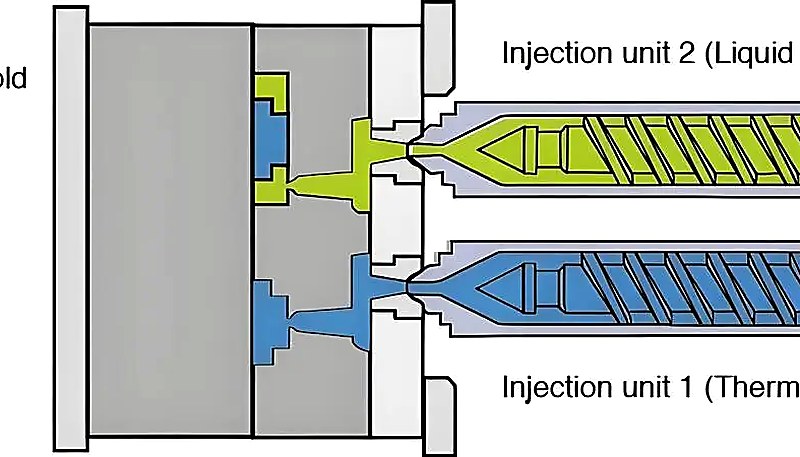
Fundación: 1984 | Empleados: 60+ | Ubicación: Bury St Edmunds, Suffolk Charlotte Knights opera en la intersección entre el moldeo de precisión y el montaje de dispositivos médicos. Sus instalaciones certificadas según ISO 13485 cuentan con más de 20 máquinas totalmente eléctricas (30T–350T) y se especializan en componentes pequeños y complejos: puntas de catéteres, carcasas de cartuchos de diagnóstico y dispositivos microfluídicos. Su elemento diferenciador es la integración vertical — moldean, ensamblan, prueban y envasan dispositivos médicos bajo un mismo techo. Esto elimina el riesgo para la calidad de transportar piezas semielaboradas entre proveedores. CK cuenta con ISO 13485, ISO 9001 e ISO 14001. Destaca especialmente en el moldeo de múltiples inyecciones (2K y 3K), que permite fabricar agarres sobremoldeados duros/blandos y carcasas selladas en un solo ciclo. Intervalo de volumen: 1,000–500,000 unidades/año.
8. Privi (antes Step 2 Plastics)
Fundación: 1986 | Empleados: 100+ | Ubicación: En Hull, East Yorkshire, Privi es un moldeador de gran formato especializado en piezas grandes: protectores de bajos para automóviles, componentes de contenedores de residuos, equipamiento para parques infantiles y embalajes de transporte. Su parque incluye máquinas de hasta 2,000T —entre las mayores del Reino Unido— capaces de manejar pesos de inyección superiores a 10 kg. Cuenta con las certificaciones ISO 9001 e ISO 14001 y una actividad automotriz IATF 16949 en crecimiento. Privi desarrolla importantes programas de contenido reciclado y moldea contenedores con ruedas y recipientes de reciclaje con polietileno 100% posconsumo. Si necesita piezas grandes (>1 kg de peso de inyección) en volumen, la capacidad de tonelaje y la experiencia en materiales de Privi la convierten en una candidata sólida. Plazo de entrega del utillaje: 10–14 semanas para moldes de producción multicavidad.
9. Empresa Omega Plastics
Fundación: 1994 | Empleados: 70+ | Ubicación: En Cradley Heath, West Midlands, Omega Plastics se encuentra en el corazón de la región manufacturera del Reino Unido y se especializa en producción de bajo volumen y alta variedad: precisamente el perfil adecuado para empresas emergentes, series puente hasta la producción y piezas de recambio. Opera 20 máquinas (50T–650T) y ofrece moldes prototipo de aluminio con plazos de 2–3 semanas. Su plazo para moldes de producción es competitivo, de 6–8 semanas —entre los más rápidos del Reino Unido— gracias a la fabricación interna de moldes. Omega cuenta con ISO 9001 y atiende a los mercados de automoción, defensa e industria. Es una opción práctica cuando se necesitan rápidamente entre 200–5,000 piezas y no se desea esperar por un molde fabricado en el extranjero. Sus precios unitarios son superiores a los de China, pero competitivos dentro del mercado británico.
10. RPG International
Fundación: 1979 | Empleados: 300+ | Ubicaciones: Swindon, Wembley y otras RPG International es un grupo diversificado de plásticos con operaciones de moldeo por inyección, moldeo por soplado y extrusión en varias instalaciones del Reino Unido. Su división de inyección opera 60+ máquinas (50T–1,600T) y abastece a los sectores de automoción (JLR, Honda), construcción y electrónica de consumo.
La planta de RPG en Swindon cuenta con IATF 16949 e ISO 14001, además de líneas específicas de pintura y montaje para acabados interiores de automóviles. Sus instalaciones de Wembley se especializan en carcasas de electrónica de consumo y gestión de cables. RPG ofrece un servicio completo, desde asistencia de diseño hasta entrega JIT, con gestión de inventario kanban para la producción continua. La inversión en utillaje es de gama media; no es la opción más barata del Reino Unido, pero sus servicios integrados (moldear, pintar, montar y enviar) pueden reducir el coste total puesto en destino frente a gestionar tres proveedores distintos.
| Empresa | Fundada | Empleados | Sectores clave | Certificaciones | Intervalo de tonelaje |
|---|---|---|---|---|---|
| Berry Global (Reino Unido) | 1967 | 2,500+ | Envases, FMCG | ISO 9001 y BRC/IoP | 50T–1,500T |
| Broanmain Plastics | 1958 | 80+ | Medicina, Electrónica | ISO 9001, 14001 | 40T–650T |
| Nasalife. | 1986 | 120+ | Médico, farmacéutico | ISO 13485, FDA | Totalmente eléctrica |
| Conectividad TE | 1941 | 500+ | Petróleo y gas, aeroespacial | AS9100, IATF 16949 | 25T–1,000T |
| Rutland Plastics | 1958 | 150+ | Automotriz, Industrial | ISO 9001, IATF 16949 | 25T–1,300T |
| Empresa M&H Plastics | 1973 | 200+ | Envases farmacéuticos | ISO 9001 y BRC/IoP A | 40T–500T |
| Charlotte Knights | 1984 | 60+ | Productos sanitarios | ISO 13485, 14001 | 30T–350T |
| Priva | 1986 | 100+ | Automoción, Contenedores | ISO 9001, 14001 | Hasta 2.000T |
| Omega Plastics | 1994 | 70+ | Automoción, Defensa | ISO 9001 | 50T–650T |
| RPG Internacional | 1979 | 300+ | Automotriz, Electrónica | IATF 16949, ISO 14001 | 50T–1,600T |
Al elaborar una lista corta a partir de esta selección, ajuste sus requisitos a las fortalezas del moldeador. ¿Necesita moldeo médico en sala limpia? Empiece por Nasalife o Charlotte Knights. ¿Piezas de automoción de gran formato? Privi o RPG International. ¿Producción puente de bajo volumen? Omega Plastics. Para programas de gran volumen optimizados en costes en los que los precios del UK no son viables, un socio radicado en China como ZetarMold ofrece la misma calidad con un coste de moldes un 40–60% menor y cuenta con más de 30 gestores de proyecto de habla inglesa que comprenden las expectativas de compra del UK.
¿Cómo se compara el coste del moldeo por inyección del Reino Unido con el de China?
El coste del moldeo por inyección en el Reino Unido es más competitivo que en China cuando las siguientes compensaciones entre coste, plazo y calidad se ajustan a las necesidades de su programa. Hablemos de cifras. En igualdad de condiciones, el moldeo por inyección en el Reino Unido es un 30–60% más caro que en China. Este es el desglose. Compare los tiempos de ciclo en nuestro tiempo de producción del moldeo por inyección guía.
| Factor de coste | Reino Unido (GBP) | China (USD, aprox.) |
|---|---|---|
| Molde simple de una cavidad | £8,000–£15,000 | $3,000–$6,000 |
| Molde de producción multicavidad | £20,000–£50,000 | $8,000–$20,000 |
| Precio unitario (PP, volumen 10K) | £0.35–£0.80/parte | €0.15–€0.40/pieza |
| Precio unitario (PA66-GF30, volumen 5K) | £1.20–£2.50/pieza | $0.50–$1.20/parte |
| Plazo del utillaje | 8–14 semanas | 4–6 semanas |
| Envío (LCL, por cbm) | Incluido (nacional) | $80–$150 |
| Envío (FCL 20ft) | N/A | $2,500–$4,500 |
La diferencia de costes indicada en el titular es clara, pero el coste total de propiedad (TCO) se reduce al considerar los costes ocultos de ambas opciones. Los moldeadores del Reino Unido tienen precios de resina más altos (el PP británico cuesta de media £1.30–£1.60/kg frente a $1.20–$1.50/kg en China), pero se ahorra en transporte, derechos de aduana —la mayoría de las piezas de plástico entran en el Reino Unido con un arancel del 0%, aunque los moldes soportan un 2.7%— y, de manera decisiva, en gastos generales de comunicación.
En China, los costes ocultos incluyen: aranceles de importación (6,5% para la mayoría de los artículos de plástico que entran en el Reino Unido), bucles de retrabajo de calidad (presupueste una merma del 5–10% en las primeras series de producción), riesgo de cambio (el GBP/CNY se ha movido un 8% en los últimos 12 meses), y costos de viaje si insiste en realizar visitas a la fábrica (£3,000–£5,000 por viaje). Un programa de abastecimiento en China bien gestionado con un socio de confianza sigue ahorrando un 25–40% del TCO para volúmenes superiores a 10,000 unidades/año, pero solo si la ejecución es correcta.
"Los moldeadores por inyección del Reino Unido con fabricación interna de utillaje pueden entregar moldes de producción un 20–30% más rápido que quienes subcontratan su construcción."True
La fabricación de herramientas interna elimina 2–4 semanas de logística y comunicación entre moldeador y fabricante de herramientas. Omega Plastics y Rutland reportan ciclos de herramienta de 6–8 semanas frente al promedio de la industria británica de 10–14 semanas para herramientas externalizadas.
"Las piezas moldeadas por inyección importadas de China al Reino Unido siempre están sujetas a un arancel de importación del 20%, lo que hace que la producción nacional sea más barata en todos los casos."False
El arancel de importación real del Reino Unido para la mayoría de los artículos plásticos moldeados por inyección (HS 3926) es 6,5%, no 20TP3T. El IVA a 20TP3T se aplica igualmente a productos nacionales e importados. Para programas de alto volumen, la ventaja de costo de producción de China de 25–40TP3T compensa fácilmente el arancel de 6,5%, resultando en un ahorro neto.
¿Cuándo es el Reino Unido la elección de abastecimiento adecuada para el moldeo por inyección?
Ni UK ni China son universalmente mejores: la respuesta correcta depende de las características específicas de su programa. Este marco basado en escenarios le ayudará a decidir.
Elija el Reino Unido cuando:
1. Los plazos ultra cortos dominan. Si necesita muestras T1 en 3 semanas y piezas de producción en 5, un moldeador del Reino Unido como Omega Plastics, con utillaje interno, es su única opción realista. El transporte aéreo desde China añade 5–7 días y $3–5/kg a la ecuación. 2. Entrega JIT con llamadas Kanban diarias. Los OEM de automoción como JLR exigen proveedores en un radio de 50 miles para la entrega secuenciada en línea (SILS). Si su cliente exige producción en UK, la decisión ya está tomada. 3. Trabajo de defensa clasificado o bajo ITAR. Los contratos de defensa del Reino Unido suelen exigir producción nacional conforme a restricciones equivalentes a ITAR. Las instalaciones de TE Connectivity en el Reino Unido atienden precisamente este nicho.
Elija China cuando:
1. El volumen anual supera las 20.000 unidades. El ahorro en utillaje y precio unitario resulta significativo con este volumen. Un ahorro de $15,000 en el molde más un ahorro de $0.30/part suma más de $21,000+ al año en un programa de 20K. 2. Se requiere herramienta multicavidad de alta precisión. La infraestructura china de fabricación de moldes —especialmente en el delta del río Yangtsé, cerca de Shanghái— compite con cualquiera de Europa a un coste un 40–60% menor. Empresas como ZetarMold suministran moldes de producción de 16+ cavidades con optimización Moldflow completa. 3. Su cartera de productos es amplia. Si gestiona más de 50 SKU en distintas familias de piezas, un socio dedicado en China ofrece una capacidad y flexibilidad que ningún moldeador británico puede igualar de forma rentable.
La fábrica de ZetarMold en Shanghái opera 45 máquinas de moldeo por inyección (90T–1,850T) y produce más de 100 moldes al mes. Con más de 30 jefes de proyecto angloparlantes y las certificaciones ISO 9001/13485/14001/45001, está preparada para la exportación. Los compradores del Reino Unido obtienen precios de China con una calidad de comunicación que elimina la brecha.
¿Cuáles son las preguntas más comunes sobre moldeo por inyección en el Reino Unido?
Preguntas frecuentes
¿Cuál es el coste medio de un molde de inyección en el Reino Unido (UK)?
Un molde de una cavidad en el Reino Unido cuesta £8.000–£15.000. Los moldes de producción multicavidad oscilan entre £20.000 y £50.000 dependiendo de la complejidad, material y requisitos de acabado superficial. Esto es aproximadamente 2–3× el costo de moldes equivalentes de China. Para planificación de RFQ, pregunte si el precio incluye revisión de DFM, soporte de moldflow, disparos de prueba, textura, insertos de repuesto y documentos de propiedad. Esos elementos de línea deciden la comparación real entre moldes del Reino Unido y moldes en el extranjero. En la práctica, compare proveedores con el mismo paquete de dibujos, grado de resina, tolerancia
¿Cuánto tiempo lleva la fabricación de moldes para moldeo por inyección en el Reino Unido?
Los plazos de fabricación de moldes en el Reino Unido son de 8 a 14 semanas para moldes de producción. Los moldeadores con fabricación de moldes interna (Omega, Rutland) pueden entregar en 6 a 8 semanas. Los moldes de prototipo en aluminio están disponibles en 2 a 3 semanas. China normalmente entrega moldes de producción en 4 a 6 semanas. Construya el cronograma hacia atrás desde su fecha de lanzamiento y reserve tiempo para cambios de DFM, pedidos de acero, corrección del primer disparo, aprobación de textura y validación de empaque. Un proveedor que prometa moldes de producción en cuatro semanas necesita pruebas. En la práctica, compare proveedores con el mismo paquete de dibujos, resina
¿Qué empresas de moldeo por inyección del Reino Unido están certificadas ISO 13485 para trabajo médico?
Nasalife, Charlotte Knights y TE Connectivity cuentan con ISO 13485 para el moldeo de dispositivos médicos. Varias empresas más —Broanmain, Berry— disponen de salas limpias, pero pueden contar con ISO 9001 en lugar de 13485 según la planta. Verifique siempre el alcance de la certificación de la instalación específica. Antes de adjudicar trabajos médicos, compruebe que el alcance de ISO 13485 cubra el moldeo por inyección o el montaje, no solo la distribución. Solicite también muestras de validación, registros de trazabilidad y la clasificación de la sala limpia antes de emitir la orden de compra. En la práctica, compare a los proveedores con el mismo plano
¿Puedo usar un proveedor chino de moldeo por inyección para productos vendidos en el Reino Unido?
Absolutamente. La mayoría de los artículos de plástico (HS 3926) atraen un arancel de importación del 6,5% al entrar al Reino Unido. Añada flete ($2.500–$4.500 por contenedor de 20 pies) y tránsito de 5–7 días. Para volúmenes superiores a 10.000 unidades/año, los ahorros en el precio unitario generalmente compensan todos los costos de importación en un 25–40%. La pregunta práctica no es la legalidad sino el riesgo total de llegada. Incluya arancel, flete, inspección, velocidad de comunicación, propiedad del molde y ciclos de retrabajo. Para una demanda anual estable, un proveedor chino calificado aún puede superar la compra solo en el Reino Unido. En la práctica, compare proveedores con el mismo
¿Cuál es la cantidad mínima de pedido (MOQ) para los moldeadores por inyección del Reino Unido?
Los MOQ del Reino Unido suelen comenzar en 500 a 5.000 unidades. Moldeadores grandes como Berry requieren 50.000+ unidades. Para volúmenes más bajos, moldeadores más pequeños como Broanmain u Omega aceptan series desde 200 a 1.000 piezas. Proveedores chinos como ZetarMold a menudo admiten MOQ desde 100 a 500 unidades. El MOQ depende de la resina, tiempo de configuración del molde, cambios de color y si el proveedor tiene capacidad de prensa inactiva. Solicite una cotización escalonada a 500, 1.000, 5.000 y 20.000 piezas para ver dónde cae el costo unitario. En la práctica, compare proveedores
¿Son competitivas las empresas de moldeo por inyección del Reino Unido para la producción automotriz?
Sí, pero de forma selectiva. Los moldeadores del Reino Unido con IATF 16949 (Rutland, RPG, TE) atienden las operaciones británicas de JLR, Honda y BMW. Destacan por la entrega JIT y la colaboración en el diseño. Para piezas estandarizadas de gran volumen, China sigue siendo considerablemente más barata por unidad. En programas de automoción, confirme el alcance de IATF 16949, el nivel de PPAP, la trazabilidad del material y la disciplina de control de cambios. Los moldeadores británicos son más competitivos cuando el programa requiere entrega JIT, estrecha colaboración de ingeniería o apoyo directo para auditorías de OEM. En la práctica, compare proveedores con el mismo paquete de planos, grado de resina,
¿Cómo verifico las credenciales de calidad de una empresa de moldeo por inyección del Reino Unido?
Solicite su certificado ISO (verifique el alcance y caducidad), pida una copia de su manual de calidad e insista en una auditoría de fábrica. Los moldeadores legítimos del Reino Unido dan la bienvenida a las visitas. Verifique Companies House para la salud financiera — un moldeador en proceso de administración es un riesgo en la cadena de suministro. Un proceso de verificación real también verifica registros de calibración, informes de no conformidad, historial de acciones correctivas y datos de inspección de muestras. Si el proveedor no puede proporcionar esos documentos rápidamente, la insignia de certificación por sí sola no es suficiente. En la práctica, compare proveedores
¿Qué materiales utilizan comúnmente las empresas de moldeo por inyección del Reino Unido?
PP, PE, ABS y PA6/PA66 dominan. Los polímeros de ingeniería (POM, PC, PBT, PPS) están disponibles en moldeadores más grandes. Los grados para uso médico y contacto con alimentos requieren certificaciones específicas. Los proveedores con sede en China como ZetarMold ofrecen más de 400 opciones de materiales, a menudo más amplias que los moldeadores medianos del Reino Unido. Para la planificación del lado del comprador, siempre nombre la familia de resina, clasificación de inflamabilidad, objetivo de color, requisito de contenido reciclado y mercado regulatorio. La disponibilidad del material puede cambiar el plazo de entrega y el precio más que el ciclo de moldeo mismo. En la práctica, compare proveedores con el mismo paquete de planos, grado de resina,
¿Por qué ZetarMold es el partner adecuado para compradores del Reino Unido?
Si ha leído hasta aquí, ya sabe que el Reino Unido cuenta con buenos moldeadores, y también que son caros y tienen una capacidad limitada. ZetarMold existe para cubrir esa brecha: fabricación a escala china con calidad de exportación y una comunicación que realmente funciona.
Fundada en 2005, ZetarMold opera desde unas instalaciones dedicadas en Shanghái con 45 máquinas de moldeo por inyección que abarca 90T a 1.850T — que abarcan desde componentes médicos micromoldeados hasta grandes carcasas de automóviles. La fábrica produce más de 100 moldes al mes, respaldado por Más de 120 empleados de producción y 8 ingenieros senior que cuentan con una media de 15+ años de experiencia en diseño de moldes.
Según nuestra experiencia, lo que diferencia a ZetarMold para los compradores del Reino Unido es la infraestructura de comunicación: Más de 30 gerentes de proyecto de habla inglesa y nuestros ingenieros se ocupan de todo, desde los comentarios iniciales de DFM hasta la programación de la producción, los informes de calidad y la coordinación logística. Sin capas de traducción ni ciclos de correo electrónico de 48-hour. Su PM responde en un plazo de 4 horas durante el horario laboral del Reino Unido.
Los sistemas de calidad son exhaustivos: ISO 9001, ISO 13485, ISO 14001 e ISO 45001 — que abarcan la gestión de la calidad, los dispositivos médicos, la responsabilidad ambiental y la salud laboral. La fábrica trabaja con Más de 400 materiales, desde poliolefinas comunes hasta TPEs de grado médico y resinas de ingeniería de alta temperatura. Cada corrida de producción incluye informes FAI, datos de inspección dimensional y certificados de materiales.
Para los responsables de compras del Reino Unido que sopesan sus opciones, las cuentas son sencillas: ZetarMold entrega utillaje de producción en 4–6 semanas (frente a 8–14 semanas en UK), a 40–60% menor costo de herramientas, con Capacidad médica ISO 13485 y unas instalaciones en Shanghái que puede auditar, de forma virtual o presencial.
¿Listo para comparar cotizaciones? Envíe sus archivos CAD 3D y especificaciones a ZetarMold para obtener una cotización gratuita y análisis DFM. La mayoría de los presupuestos se entregan en un plazo de 24 horas con un desglose completo de costes, el cronograma del utillaje y recomendaciones de materiales. Obtén tu cotización gratuita ahora →
mercado de moldeo por inyección: El mercado del moldeo por inyección es un segmento comercial formado por empresas, máquinas, materiales y compradores que producen piezas de plástico moldeadas para aplicaciones de envasado, médicas, automotrices e industriales. ↩
Deslocalización cercana: El nearshoring consiste en trasladar las operaciones de fabricación a países geográficamente más cercanos para reducir el plazo logístico, mejorar la resiliencia de la cadena de suministro y disminuir el coste total de propiedad. ↩
Industria 4.0: Industry 4.0 describe la cuarta revolución industrial e integra sensores IoT, análisis de datos en tiempo real, control de procesos basado en AI y gemelos digitales en la fabricación. ↩
ISO 13485: ISO 13485 es una norma internacional de gestión de la calidad para fabricantes de dispositivos médicos que exige procesos validados, control documental, gestión de riesgos y trazabilidad completa. ↩