Przejdź do treści
What Does the UK’s Injection Molding Market Look Like?
The uk’s rynek formowania wtryskowego1 is a market defined by supplier mix, regional clusters, and sourcing constraints summarized in this section. The UK’s injection molding market generates roughly £7–8 billion in annual revenue and supports over 6,000 companies, making it one of Europe’s largest and most diversified plastics processing sectors.1 From automotive trim in the West Midlands to medical consumables in Cambridge, British molders serve nearly every manufacturing vertical.
- The UK injection molding market is valued at approximately £7–8 billion annually with 6,000+ active companies.
- Key application sectors include automotive, medical devices, packaging, electronics, and consumer goods.
- Three supplier tiers dominate: OEM captive shops, contract manufacturers, and specialist medical molders.
- Post-Brexit reshoring and supply-chain resilience are driving renewed investment in domestic capacity.
- A China-based partner like ZetarMold can complement UK suppliers for high-volume, cost-sensitive programs.
The market grows at roughly 2–3% per year in real terms, underpinned by strong demand in urządzenia medyczne, automotive lightweightingoraz consumer electronics. The medical segment alone has seen double-digit growth since 2020, as NHS procurement reforms and an expanding private healthcare sector drive demand for disposable surgical components, diagnostic housings, and drug-delivery devices.
Supplier-wise, the market breaks into three broad categories. OEM captive shops — think JLR’s internal plastics division or GSK’s packaging operations — handle proprietary, high-volume parts. Contract manufacturers, the largest group, serve multiple OEMs and range from 20-machine job shops to 200+ press operations. Finally, specialist molders focus on niche verticals: cleanroom medical, optical lenses, or two-shot consumer electronics. Understanding which tier fits your program is half the sourcing battle.
For buyers evaluating options, the real question isn’t just “who’s nearby” — it’s who can deliver the right balance of quality, speed, and cost. That often means pairing a UK molder for fast-turnaround bridge production with an overseas partner like ZetarMold for formowanie wtryskowe at scale. The sections below walk you through exactly how to make that call.

What Trends Are Shaping the UK’s Injection Molding Industry?
Five UK-specific trends are reshaping how injection molders operate, invest, and compete. Ignore them and you’ll pick a supplier optimized for 2015, not 2025.
1. Automation and Lights-Out Manufacturing
UK labor costs run 30–40% above the EU average, so British molders are racing to automate. Leading firms like Nasalife and Broanmain have invested in robotic part removal, automated quality inspection (vision systems), and lights-out cells that run 120+ hours per week unstaffed. If a UK supplier isn’t talking about their automation roadmap, they’re falling behind.
2. Sustainable Materials and Circular Economy
The UK’s Plastic Packaging Tax (£210/tonne for packaging with less than 30% recycled content) has pushed molders toward post-consumer recycled (PCR) resins and bio-based polymers. Companies like Berry BPI and Faerch UK now mould CPET trays with 80–100% recycled content. Expect sustainability claims in every RFQ response — but verify actual PCR percentages and food-contact certifications.
3. Nearshoring and Supply-Chain Resilience
Brexit friction, COVID disruptions, and Red Sea logistics instability have accelerated Nearshoring2 conversations.3 However, “nearshoring” for UK buyers doesn’t always mean UK production — many companies now dual-source: a UK molder for lead-time-critical parts and a China or Eastern Europe partner for cost-optimized volume. The smartest procurement teams run both lanes simultaneously.
4. Industry 4.0 and Real-Time Process Monitoring
Przemysł 4.03 adoption is accelerating fast — sensors on every barrel, real-time SPC dashboards, predictive maintenance alerts, and digital twin simulations.4 Moldflow analysis is table stakes; the differentiator is whether a molder can show you live cavity-pressure data during a production run and prove they caught every short-shot.
5. Medical Device Growth and Cleanroom Capacity
The UK medical device market exceeded £12 billion in 2024, and injection-molded components represent a growing slice. ISO 134854-certified cleanroom molding2 has become a competitive moat — molders like TE Connectivity, Charlotte Knights, and RPG International have invested millions in ISO Class 7 and 8 facilities. If your product touches a patient, this certification is non-negotiable.
Taken together, these trends point to a UK molding sector that is investing its way up the value chain — automating to offset labor costs, greening its material portfolio, and building medical-grade cleanrooms to capture higher-margin work. The implication for buyers: expect UK molders to pitch premium capabilities and higher unit prices, even for standard commodity parts. The value is there — but only if you actually need it.
“UK injection molders investing in automation can achieve 120+ hours of lights-out production per week, significantly reducing per-part labor cost.”Prawda
Leading UK molders report that fully automated cells — robotic extraction, vision inspection, conveyor packing — run unstaffed through weekends and night shifts, effectively adding 60–80 machine-hours weekly compared to single-shift manual operations.
“Any UK injection molder with ISO 9001 certification is automatically qualified to produce medical device components.”Fałsz
ISO 9001 is a general quality management standard. Medical device production specifically requires ISO 13485, which mandates validated processes, risk management (ISO 14971), traceability, and cleanroom environmental controls that ISO 9001 does not address.
How Do You Choose an Injection Molding Supplier in the UK?
Choosing an injection molding supplier in the uk is about tooling capability, quality systems, communication, and commercial fit. Selecting a UK injection molding supplier comes down to five hard-nosed dimensions. Skip any one and you’ll pay for it — in scrap, delays, or legal liability. Use our injection molding supplier sourcing guide as the RFQ checklist.
1. Certifications and Regulatory Compliance
At minimum, demand ISO 9001. If you’re in medical, insist on ISO 13485 with cleanroom classification. Automotive? IATF 16949. Don’t accept “we’re working on certification” — the certification timeline is 6–12 months, and you’ll bear the risk in the meantime. Ask to see the actual certificate and its scope; some molders hold ISO 9001 for design only, not production.
2. Machine Fleet and Tonnage Range
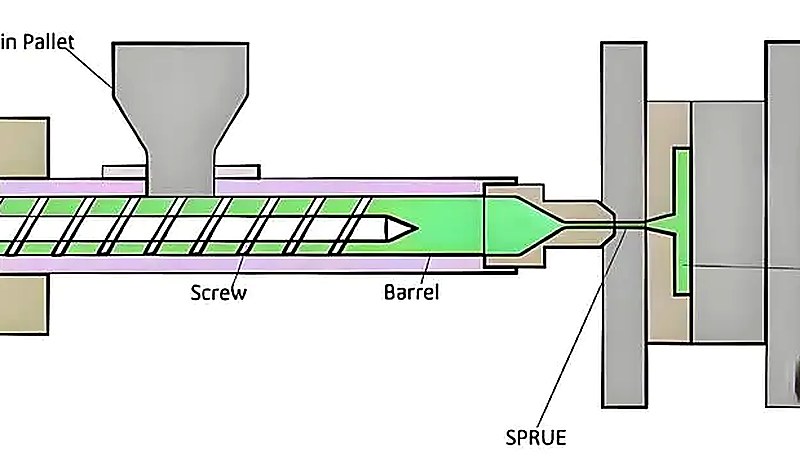
Match their press capacity to your part. A molder with 50–200T machines can’t efficiently run a 1,500T automotive bumper tool, and vice versa. Ask for a machine list (tonnage, shot size, controller type). If they have all-electric presses, that’s a positive signal for precision and energy cost — especially relevant as UK energy prices remain among Europe’s highest. For tooling checks, reference our forma wtryskowa. For machine setup basics, see our wtryskarka ślimakowa przewodnikiem.
3. Minimum Order Quantity (MOQ) and Lead Time
UK molders typically set MOQs between 500 and 5,000 units — far higher than Chinese suppliers who’ll often run 100-piece batches. Tooling lead time in the UK runs 8–14 weeks (vs. 4–6 weeks in China). If your program needs < 2,000 units/year, a UK molder's setup amortization will kill your unit economics. Consider a lower-cost forma wtryskowa from China for low-volume bridge work.
4. Quality Systems and Inspection Capability
A CMM (coordinate measuring machine) and optical comparator are baseline. For tight-tolerance work, ask about GD&T capability, SPC reporting frequency, and PPAP/IQOQ experience. The best UK molders will send you first-article inspection (FAI) reports with every dimension plotted — not just a pass/fail sheet.
5. Pitfall Avoidance: Three Red Flags
Red flag #1: The molder won’t let you visit. If they refuse a factory audit, walk away — there’s something to hide. Red flag #2: Tooling ownership is ambiguous. Insist that your tooling drawings and the physical mold are your property, documented in the supply agreement. Red flag #3: Single-source material risk. A good molder carries 2–3 approved material alternatives for every specification. Ask for their material contingency plan. For a broader framework, consult our sourcing guide.
Which Are the Top 10 Injection Molding Companies in the UK?
The top 10 injection molding companies in the uk are the suppliers compared below based on capability, industry fit, and sourcing reliability. Below are ten UK injection molding companies worth shortlisting, selected based on revenue, technical capability, industry reputation, and geographic diversity. Each profile covers what they do best, where they serve, and what buyers should know before sending an RFQ.
1. Berry Global (UK Operations)
Founded: 1967 (parent) | UK Employees: 2,500+ | Locations: Multiple UK sites including Leeds, Poole, and Heanor
Berry Global is the UK’s largest injection molder by revenue, operating over 150 presses across its British facilities. The company dominates in rigid packaging (caps, closures, thin-wall containers), serving major FMCG brands like Unilever, Tesco, and Reckitt. Berry’s scale gives it unmatched purchasing power on resin — a critical advantage when polypropylene prices swing 20% in a quarter.
Their UK sites run both hydraulic and all-electric machines from 50T to 1,500T, with extensive in-mold labeling (IML) and cleanroom capability for dairy and pharmaceutical packaging. Berry holds BRC/IoP certification across its food-contact facilities. The downside for smaller buyers: MOQs start at 50,000+ units, and lead times for new tooling run 12–16 weeks. If you need 500 pieces of a custom part, Berry is not your shop.
2. Broanmain Plastics
Founded: 1958 | Employees: 80+ | Lokalizacja: Dorking, Surrey
Broanmain is a family-owned contract molder with a reputation for technical precision and flexibility. They operate 27 injection molding machines (40T–650T), including all-electric Toshiba and Fanuc presses optimized for tight-tolerance medical and electronics components.
Their sweet spot is low-to-medium volume (1,000–100,000 units) work that Tier 1 molders won’t touch. Broanmain holds ISO 9001 and ISO 14001, with cleanroom assembly capability. They’ve invested heavily in automation — robotic extractors, automated packing lines, and inline vision inspection. Managing director Charlotte Biddulph is well-known in UK plastics circles and speaks regularly on industry 4.0 adoption. A solid choice for medical devices, industrial components, and consumer electronics housings.
3. Nasalife (formerly Nasal Products)
Founded: 1986 | Employees: 120+ | Lokalizacja: Rochdale, Greater Manchester
Nasalife specializes in drug-delivery devices and medical consumables, operating from a purpose-built 50,000 sq ft facility with ISO Class 7 cleanrooms. They hold ISO 13485, ISO 9001, and FDA device registration — making them one of the few UK molders qualified to supply Class II medical devices directly into the US market.
Their 30+ injection molding machines (all-electric Arburg and Engel) run 24/7, producing nasal sprays, inhaler components, and diagnostic test housings. Nasalife offers full turnkey service: tool design, molding, assembly, and sterile packaging. Lead time for new medical tools runs 10–14 weeks. For pharma and medtech buyers, Nasalife is a genuine Tier 1 option.
4. TE Connectivity (UK Molding Operations)
Founded: 1941 (parent) | UK Employees: 500+ | Locations: Aberdeen, Swansea, and others
TE Connectivity’s UK molding operations focus on high-performance connector and sensor housings for oil & gas, aerospace, and defense applications. Their Aberdeen facility specializes in subsea connector molding — overmolding cables and connectors rated to 10,000+ PSI operating depth.
TE holds AS9100 (aerospace), ISO 13485 (medical), and IATF 16949 (automotive) certifications — a rare trifecta that speaks to their engineering rigor. Their UK presses range from 25T micro-molding machines to 1,000T multi-cavity tools. The trade-off: TE is expensive, with tooling costs 30–50% above independent UK molders. You’re paying for the name, the certifications, and the global supply-chain infrastructure.
5. Rutland Plastics
Founded: 1958 | Employees: 150+ | Lokalizacja: Oakham, Rutland
Rutland Plastics is one of the UK’s most experienced independent molders, with 40+ machines spanning 25T to 1,300T. They’re a go-to for medium-volume industrial and automotive components — think under-bonnet connectors, HVAC housings, and cable management systems.
Their engineering team (8 tooling engineers) handles mold design in-house using Moldflow simulation, and they offer rapid prototyping via 3D-printed injection mold tooling for sub-500-unit bridge runs. Rutland holds ISO 9001 and IATF 16949, with a particular strength in glass-filled nylon and high-temperature engineering polymers. Lead time for production tooling: 8–10 weeks. Competitive pricing for a UK-based operation — roughly 15–20% below the Big Three (Berry, novelis, TE) on comparable work.
6. M&H Plastics (M&H Group)
Founded: 1973 | Employees: 200+ | Lokalizacja: Beccles, Suffolk
M&H Plastics is the UK’s leading molder of rigid plastic packaging for the pharmaceutical, personal care, and nutritional sectors. Their 100,000 sq ft facility houses 40+ machines (40T–500T) with ISO Class 7 cleanrooms, producing pill bottles, supplement tubs, and cosmetic jars.
They hold ISO 9001, ISO 14001, and BRC/IoP Grade A certification — the gold standard for food and pharma packaging. M&H also operates extensive post-molding decoration (silk screening, heat-transfer labeling, tamper-evident sealing). Their minimum runs start at 5,000 units for standard packaging shapes, with custom tooling at 8–12 weeks. If you need a UK-source pill bottle or cosmetic jar, M&H should be your first call.
7. Charlotte Knights Plastics
Founded: 1984 | Employees: 60+ | Lokalizacja: Bury St Edmunds, Suffolk
Charlotte Knights operates at the intersection of precision molding and medical device assembly. Their ISO 13485-certified facility runs 20+ all-electric machines (30T–350T), specializing in small, intricate components: catheter tips, diagnostic cartridge housings, and microfluidic devices.
Their differentiator is vertical integration — they mold, assemble, test, and package medical devices under one roof. This eliminates the quality risk of shipping semi-finished parts between suppliers. CK holds ISO 13485, ISO 9001, and ISO 14001. They’re particularly strong in multi-shot molding (2K and 3K), enabling hard/soft overmolded grips and sealed housings in a single cycle. Volume range: 1,000–500,000 units/year.
8. Privi (formerly Step 2 Plastics)
Founded: 1986 | Employees: 100+ | Lokalizacja: Hull, East Yorkshire
Privi is a large-format molder specializing in big parts: automotive underbody shields, refuse bin components, playground equipment, and transit packaging. Their fleet includes machines up to 2,000T — among the largest in the UK — capable of shot weights exceeding 10 kg.
They hold ISO 9001 and ISO 14001, with growing IATF 16949 automotive business. Privi runs significant recycled-content programs, molding wheelie bins and recycling containers from 100% post-consumer polyethylene. If you need large parts (>1 kg shot weight) in volume, Privi’s tonnage capacity and material expertise make them a strong contender. Tooling lead time: 10–14 weeks for multi-cavity production molds.
9. Omega Plastics
Founded: 1994 | Employees: 70+ | Lokalizacja: Cradley Heath, West Midlands
Omega Plastics sits in the heart of UK manufacturing country and specializes in low-volume, high-mix production — exactly the profile that serves startups, bridge-to-production runs, and replacement parts. They operate 20 machines (50T–650T) and offer aluminum prototype tooling with 2–3 week turnaround.
Their production tooling lead time is competitive at 6–8 weeks — among the fastest in the UK — thanks to in-house toolmaking. Omega holds ISO 9001 and serves automotive, defense, and industrial markets. They’re a pragmatic choice when you need 200–5,000 parts quickly and don’t want to wait for offshore tooling. Unit prices are higher than China but competitive within the UK market.
10. RPG International
Founded: 1979 | Employees: 300+ | Locations: Swindon, Wembley, and others
RPG International is a diversified plastics group with injection molding, blow molding, and extrusion across multiple UK facilities. Their injection division operates 60+ machines (50T–1,600T), serving automotive (JLR, Honda), construction, and consumer electronics.
RPG’s Swindon site holds IATF 16949 and ISO 14001, with dedicated paint and assembly lines for automotive interior trim. Their Wembley facility focuses on consumer electronics housings and cable management. RPG offers a full service from design support through to JIT delivery, with kanban inventory management for ongoing production. Tooling investment is mid-range — not the cheapest UK option, but their integrated services (mold, paint, assemble, ship) can reduce your total landed cost versus managing three separate suppliers.
| Company | Founded | Employees | Key Sectors | Certifications | Urządzenia do noszenia: |
|---|---|---|---|---|---|
| Berry Global (UK) | 1967 | 2,500+ | Packaging, FMCG | ISO 9001, BRC/IoP | 50T–1,500T |
| Broanmain Plastics | 1958 | 80+ | Medical, Electronics | ISO 9001, 14001 | 40T–650T |
| Nasalife | 1986 | 120+ | Medical, Pharma | ISO 13485, FDA | All-electric |
| TE Connectivity | 1941 | 500+ | Oil & Gas, Aerospace | AS9100, IATF 16949 | 25T–1,000T |
| Rutland Plastics | 1958 | 150+ | Automotive, Industrial | ISO 9001, IATF 16949 | 25T–1,300T |
| M&H Plastics | 1973 | 200+ | Pharma Packaging | ISO 9001, BRC/IoP A | 40T–500T |
| Charlotte Knights | 1984 | 60+ | Urządzenia medyczne | ISO 13485, 14001 | 30T–350T |
| Privi | 1986 | 100+ | Automotive, Bins | ISO 9001, 14001 | Up to 2,000T |
| Omega Plastics | 1994 | 70+ | Automotive, Defense | ISO 9001 | 50T–650T |
| RPG International | 1979 | 300+ | Motoryzacja, Elektronika | IATF 16949, ISO 14001 | 50T–1,600T |
Przy tworzeniu krótkiej listy z tej listy, dopasuj swoje wymagania do mocnych stron firmy wtryskowej. Potrzebujesz formowania medycznego w cleanroom? Zacznij od Nasalife lub Charlotte Knights. Duże części automotive? Privi lub RPG International. Produkcja przejściowa małowolumenowa? Omega Plastics. A dla programów wysokowolumenowych optymalizowanych kosztowo, gdzie brytyjskie ceny nie działają, partner z Chin jak ZetarMold zapewnia tę samą jakość przy 40–60% niższych kosztach oprzyrządowania — z ponad 30 PMami mówiącymi w języku angielskim, którzy rozumieją oczekiwania brytyjskiego procurementu.
How Does the UK’s Injection Molding Cost Compare to China?
Koszt wtrysku w Wielkiej Brytanii jest bardziej konkurencyjny niż w Chinach, gdy kompromisy dotyczące kosztu, czasu realizacji i jakości poniżej odpowiadają potrzebom twojego programu. Porozmawiajmy o liczbach. Wtrysk w Wielkiej Brytanii jest o 30–60% droższy niż w Chinach na porównywalnej podstawie. Oto podział. Porównaj czas cyklu w naszym Czas produkcji formowania wtryskowego przewodnikiem.
| Cost Factor | Wielka Brytania (GBP) | Chiny (USD, przybliż.) |
|---|---|---|
| Prosta forma jednogniazdowa | £8,000–£15,000 | $3,000–$6,000 |
| Multi-cavity production mold | £20,000–£50,000 | $8,000–$20,000 |
| Cena jednostkowa (PP, wolumen 10K) | £0.35–£0.80/sztuka | $0.15–$0.40/sztuka |
| Cena jednostkowa (PA66-GF30, wolumen 5K) | £1.20–£2.50/sztuka | $0.50–$1.20/sztuka |
| Tooling lead time | 8–14 tygodni | 4–6 weeks |
| Transport (LCL, za cbm) | Included (domestic) | $80–$150 |
| Transport (FCL 20ft) | N/A | $2,500–$4,500 |
Różnica w kosztach głównych jest jasna, ale total cost of ownership (TCO) zmniejsza się, gdy uwzględnisz ukryte koszty na obu stronach. Brytyjskie firmy wtryskowe mają wyższe ceny żywicy (PP w Wielkiej Brytanii średnio £1.30–£1.60/kg vs. $1.20–$1.50/kg w Chinach), ale oszczędzasz na frachcie, cłach (większość części plastikowych wchodzi do Wielkiej Brytanii z cłem 0%, ale formy są objęte cłem 2,7%) oraz — kluczowo — kosztach komunikacji.
Po stronie chińskiej, ukryte koszty obejmują: cła importowe (6,5% dla większości artykułów plastikowych wchodzących do Wielkiej Brytanii), pętle poprawy jakości (budżet 5–10% naddatek na złom na pierwszych seriach produkcyjnych), ryzyko walutowe (GBP/CNY przesunęło się o 8% w ciągu ostatnich 12 miesięcy), i koszty podróży jeśli nalegasz na wizyty w fabryce (£3,000–£5,000 za wyjazd). Dobrze zarządzany program sourcingowy w Chinach z zaufanym partnerem nadal zapewnia oszczędność 25–40% na TCO dla wolumenów powyżej 10 000 jednostek/rok — ale tylko jeśli wykonanie jest prawidłowe.
„Brytyjscy wytwórcy wtryskowi z własnym narzędziownictwem mogą dostarczyć formy produkcyjne o 20–30% szybciej niż ci, którzy zlecają budowę narzędzi na zewnątrz.”Prawda
Własne narzędziownie eliminuje 2–4 tygodnie logistyki i narzutów komunikacyjnych między wytwórcą a narzędziownikiem. Omega Plastics i Rutland zgłaszają cykle narzędziowe 6–8 tygodni w porównaniu ze średnią 10–14 tygodni w branży brytyjskiej dla narzędzi zlecanych na zewnątrz.
"Części formowane wtryskowo importowane z Chin do Wielkiej Brytanii zawsze są objęte cłem importowym 20%, co sprawia, że produkcja krajowa jest tańsza w każdym scenariuszu."Fałsz
Aktualne cło importowe w Wielkiej Brytanii dla większości artykułów plastikowych formowanych wtryskowo (HS 3926) wynosi 6,5%, nie 20%. VAT w wysokości 20% obowiązuje zarówno dla dóbr krajowych, jak i importowanych. W przypadku programów wysokowolumenowych, przewaga kosztowa produkcji w Chinach wynosząca 25–40% łatwo przeważa cło 6,5%, skutkując oszczędnościami netto.
When Is the UK the Right Sourcing Choice for Injection Molding?
Ani Wielka Brytania, ani Chiny nie są zawsze lepsze — właściwa odpowiedź zależy od specyfiki twojego programu. Oto scenariuszowa rama do podjęcia decyzji.
Wybierz Wielką Brytanię, gdy:
1. Dominują ultrakrótkie czasy realizacji. Jeśli potrzebujesz próbek T1 w 3 tygodnie i części produkcyjnych w 5, brytyjski wytwórca jak Omega Plastics z własnym narzędziownictwem jest jedyną realistyczną opcją. Transport lotniczy z Chin dodaje 5–7 dni i $3–5/kg do równania.
2. Dostawa JIT z codziennymi wywołaniami Kanban. Producenci samochodów, tacy jak JLR, wymagają dostawców w promieniu 50 mil dla dostaw sekwencyjnych (SILS). Jeśli Twój klient wymaga produkcji w Wielkiej Brytanii, decyzja jest podjęta za Ciebie.
3. Praca związana z ITAR lub obroną klasyfikowaną. Kontrakty obronne w Wielkiej Brytanii często wymagają produkcji krajowej pod równoważnymi restrykcjami ITAR. Zakłady TE Connectivity w Wielkiej Brytanii służą właśnie tej niszy.
Choose China When:
1. Roczna wielkość przekracza 20 000 jednostek. Oszczędności na narzędziach i cenie jednostkowej stają się istotne przy tym wolumenie. Oszczędność $15 000 na formie plus oszczędność $0.30/sztuka sumuje się do ponad $21 000 rocznie w programie 20K.
2. Wymagane jest wielokomorowe, wysokoprecyzyjne oprzyrządowanie. Infrastruktura wytwarzania form w Chinach — szczególnie w regionie Delty Rzeki Jangcy wokół Szanghaju — dorównuje wszystkiemu w Europie przy 40–60% niższych kosztach. Firmy takie jak ZetarMold dostarczają formy produkcyjne z ponad 16 gniazdami z pełną optymalizacją Moldflow.
3. Twój portfel produktowy jest szeroki. Jeśli zarządzasz 50+ SKU w różnych rodzinach części, dedykowany partner w Chinach zapewnia moce produkcyjne i elastyczność, których żaden pojedynczy brytyjski wytwórca form nie może dorównać pod względem opłacalności.
Fabryka ZetarMold w Szanghaju obsługuje 45 maszyn do wtrysku (90T–1 850T) i produkuje ponad 100 form miesięcznie. Dzięki ponad 30 anglojęzycznym kierownikom projektów i certyfikatom ISO 9001/13485/14001/45001, jest zbudowana na eksport. Brytyjscy nabywcy otrzymują chińskie ceny z jakością komunikacji, która zmniejsza różnicę.
What Are the Most Common Questions About Injection Molding in the UK?
Często zadawane pytania
What is the average cost of an injection mold in the UK?
Forma jednogniazdowa w Wielkiej Brytanii kosztuje 8 000–15 000 funtów. Wielogniazdowe formy produkcyjne mieszczą się w przedziale od 20 000 do 50 000 funtów w zależności od złożoności, materiału i wymagań dotyczących wykończenia powierzchni. Jest to mniej więcej 2–3 razy więcej niż koszt równoważnego oprzyrządowania z Chin. Przy planowaniu zapytania ofertowego należy zapytać, czy cena obejmuje przegląd DFM, wsparcie analizy wypełniania, próbne wtryski, teksturę, zapasowe wkładki i dokumenty własności. Te pozycje decydują o rzeczywistym porównaniu między oprzyrządowaniem brytyjskim a zagranicznym. W praktyce porównuj dostawców z tym samym pakietem rysunków, gatunkiem żywicy, tolerancją
Ile czasu zajmuje wykonanie narzędzi do wtrysku tworzyw w Wielkiej Brytanii?
Czas realizacji oprzyrządowania w Wielkiej Brytanii wynosi 8–14 tygodni dla form produkcyjnych. Wtryskarki z wewnętrznym narzędziownictwem (Omega, Rutland) mogą dostarczyć w 6–8 tygodni. Prototypowe oprzyrządowanie aluminiowe jest dostępne w 2–3 tygodnie. Chiny zazwyczaj dostarczają oprzyrządowanie produkcyjne w 4–6 tygodni. Zaplanuj harmonogram wstecz od daty premiery i zarezerwuj czas na zmiany DFM, zamówienie stali, korektę pierwszego wtrysku, zatwierdzenie tekstury i walidację opakowania. Dostawca obiecujący oprzyrządowanie produkcyjne w cztery tygodnie potrzebuje dowodów. W praktyce porównuj dostawców z tym samym pakietem rysunków, żywicą
Które brytyjskie firmy wtryskarskie posiadają certyfikat ISO 13485 do pracy medycznej?
Nasalife, Charlotte Knights i TE Connectivity posiadają certyfikat ISO 13485 do formowania wyrobów medycznych. Kilka innych (Broanmain, Berry) ma możliwości cleanroom, ale mogą posiadać ISO 9001 zamiast 13485 w zależności od lokalizacji. Zawsze sprawdzaj zakres certyfikacji konkretnego zakładu. Przed przyznaniem zlecenia medycznego upewnij się, że zakres ISO 13485 obejmuje wtrysk tworzyw lub montaż, a nie tylko dystrybucję. Przed wystawieniem zamówienia poproś również o próbki walidacyjne, zapisy śledzenia i klasyfikację cleanroom. W praktyce porównuj dostawców z tym samym rysunkiem
Czy mogę użyć chińskiego dostawcy wtrysku tworzyw dla produktów sprzedawanych w Wielkiej Brytanii?
Absolutnie. Większość wyrobów z tworzyw sztucznych (HS 3926) podlega opłacie celnej w wysokości 6,5% przy wwozie do Wielkiej Brytanii. Dodaj koszt frachtu (2500–4500 GBP za kontener 20-stopowy) i czas transportu 5–7 dni. Dla wolumenów powyżej 10 000 sztuk/rok oszczędności w cenie jednostkowej zazwyczaj rekompensują wszystkie koszty importu o 25–40%. Praktyczne pytanie nie dotyczy legalności, lecz całkowitego ryzyka dostawy. Uwzględnij cło, fracht, inspekcje, szybkość komunikacji, własność narzędzi oraz pętle poprawek. Dla stabilnego rocznego zapotrzebowania wykwalifikowany chiński dostawca nadal może przewyższać zakupy wyłącznie w Wielkiej Brytanii. W praktyce porównuj dostawców o tych samych
Jaka jest minimalna wielkość zamówienia (MOQ) dla brytyjskich wytwórców form wtryskowych?
Minimalne wielkości zamówienia w Wielkiej Brytanii zaczynają się zazwyczaj od 500–5 000 sztuk. Duże wtryskarki, takie jak Berry, wymagają 50 000+ sztuk. Dla mniejszych wolumenów mniejsze wtryskarki, takie jak Broanmain czy Omega, akceptują serie od 200–1 000 sztuk. Chińscy dostawcy, tacy jak ZetarMold, często akceptują MOQ od 100–500 jednostek. MOQ zależy od żywicy, czasu przygotowania narzędzia, zmian koloru oraz tego, czy dostawca ma wolne moce prasowe. Poproś o wycenę schodkową dla 500, 1 000, 5 000 i 20 000 sztuk, aby zobaczyć, w którym miejscu spada koszt jednostkowy. W praktyce porównuj dostawców
Czy brytyjskie firmy zajmujące się wtryskiem tworzyw sztucznych są konkurencyjne w produkcji motoryzacyjnej?
Tak, ale selektywnie. Brytyjskie wtryskarki z IATF 16949 (Rutland, RPG, TE) obsługują JLR, Hondę i operacje BMW w Wielkiej Brytanii. Wyróżniają się dostawami just-in-time i współpracą projektową. W przypadku części masowych, Chiny pozostają znacznie tańsze w przeliczeniu na cenę jednostkową. Dla programów motoryzacyjnych potwierdź zakres IATF 16949, poziom PPAP, identyfikowalność materiału i dyscyplinę kontroli zmian. Brytyjskie wtryskarki są najsilniejsze, gdy program wymaga dostaw just-in-time, ścisłej współpracy inżynieryjnej lub bezpośredniego wsparcia audytu OEM. W praktyce porównuj dostawców z tym samym pakietem rysunków, gatunkiem żywicy,
Jak zweryfikować referencje jakościowe brytyjskiego wytwórcy wtryskowego?
Zażądaj ich certyfikatu ISO (sprawdź zakres i datę ważności), poproś o kopię ich podręcznika jakości i nalegaj na audyt fabryczny. Rzetelne brytyjskie wtryskarki chętnie przyjmują wizyty. Sprawdź w Companies House kondycję finansową — wtryskarka w postępowaniu administracyjnym stanowi ryzyko dla łańcucha dostaw. Prawdziwy proces weryfikacji sprawdza również zapisy kalibracji, raporty niezgodności, historię działań korygujących i dane z inspekcji próbek. Jeśli dostawca nie może szybko dostarczyć tych dokumentów, sama odznaka certyfikacji nie wystarczy. W praktyce porównuj dostawców
Jakich materiałów powszechnie używają brytyjskie firmy zajmujące się wtryskiem tworzyw sztucznych?
Dominują PP, PE, ABS i PA6/PA66. Polimery inżynieryjne (POM, PC, PBT, PPS) są dostępne u większych wytwórców. Klasy medyczne i do kontaktu z żywnością wymagają określonych certyfikatów. Dostawcy z Chin, tacy jak ZetarMold, oferują ponad 400 opcji materiałowych, często więcej niż średniej wielkości brytyjscy wytwórcy. Dla planowania po stronie kupującego zawsze podawaj rodzinę żywicy, klasę palności, docelowy kolor, wymagania dotyczące zawartości recyklatu i rynek regulacyjny. Dostępność materiału może bardziej wpłynąć na czas realizacji i cenę niż sam cykl wtrysku. W praktyce porównuj dostawców z tym samym pakietem rysunków, gatunkiem żywicy,
Why Is ZetarMold the Right Partner for UK Buyers?
Jeśli doczytałeś do tego miejsca, już wiesz, że Wielka Brytania ma silnych wytwórców form – i wiesz też, że są drodzy i mają ograniczone moce produkcyjne. ZetarMold istnieje, aby wypełnić lukę: produkcja na skalę chińską z jakością eksportową i komunikacją, która faktycznie działa.
Założona w 2005, ZetarMold działa z dedykowanego zakładu w Szanghaj z 45 maszyn do wtrysku tworzyw sztucznych obejmujący od 90T do 1 850T — obejmująca wszystko od mikroformowanych komponentów medycznych po duże obudowy motoryzacyjne. Fabryka produkuje ponad 100 form miesięcznie, wspierani przez ponad 120 pracowników produkcyjnych oraz 8 starszych inżynierów którzy mają średnio ponad 15-letnie doświadczenie w projektowaniu form.
Z naszego doświadczenia wynika, że tym, co wyróżnia ZetarMold dla brytyjskich nabywców, jest infrastruktura komunikacyjna: ponad 30 anglojęzycznych kierowników projektów a nasi inżynierowie zajmują się wszystkim, od wstępnej opinii DFM, przez harmonogramowanie produkcji, raportowanie jakości, po koordynację logistyki. Brak warstw tłumaczeniowych, brak 48-godzinnych cykli mailowych. Twój PM odpowiada w ciągu 4 godzin w godzinach pracy w Wielkiej Brytanii.
Systemy jakości są kompleksowe: ISO 9001, ISO 13485, ISO 14001 oraz ISO 45001 — obejmujące zarządzanie jakością, wyroby medyczne, odpowiedzialność środowiskową i zdrowie zawodowe. Fabryka współpracuje z ponad 400 materiałów, od standardowych poliolefin po medyczne TPE i wysokotemperaturowe żywice inżynieryjne. Każda seria produkcyjna obejmuje raporty FAI, dane inspekcji wymiarowej i certyfikaty materiałowe.
Dla brytyjskich menedżerów zaopatrzenia rozważających opcje, obliczenia są proste: ZetarMold dostarcza narzędzia produkcyjne w 4–6 weeks (w porównaniu do 8–14 tygodni w Wielkiej Brytanii), przy 40–60% niższy koszt narzędzi, z Zdolność medyczna ISO 13485 oraz zakład w Szanghaju, który możesz poddać audytowi – wirtualnie lub osobiście.
Gotowy do porównania wycen? Wyślij swoje pliki CAD 3D i specyfikacje do ZetarMold, aby otrzymać darmową wycenę i analizę DFM. Większość wycen jest zwracana w ciągu 24 godzin z pełnym zestawieniem kosztów, harmonogramem narzędziowym i rekomendacjami materiałowymi. Uzyskaj darmową wycenę już teraz →
-
injection molding market: Rynek formowania wtryskowego to segment komercyjny składający się z firm, maszyn, materiałów i odbiorców produkujących formowane części plastikowe do zastosowań w opakowaniach, medycynie, motoryzacji i przemyśle. ↩
-
Nearshoring: Nearshoring oznacza przenoszenie operacji produkcyjnych do geograficznie bliższych krajów w celu skrócenia czasu logistycznego, zwiększenia odporności łańcucha dostaw i obniżenia całkowitego kosztu posiadania. ↩
-
Przemysł 4.0: Przemysł 4.0 opisuje czwartą rewolucję przemysłową, integrującą czujniki IoT, analitykę danych w czasie rzeczywistym, sterowanie procesami napędzane przez AI oraz cyfrowe bliźniaki w produkcji. ↩
-
ISO 13485: ISO 13485 to międzynarodowa norma zarządzania jakością dla producentów wyrobów medycznych, wymagająca walidowanych procesów, kontroli dokumentacji, zarządzania ryzykiem i pełnej identyfikowalności. ↩




 EN
EN  ES
ES  FR
FR  DE
DE  PT
PT  AR
AR  RU
RU  JA
JA  KO
KO  IT
IT  NL
NL  TR
TR  PL
PL