 Zum Inhalt springen

Wie sieht der Spritzgussmarkt im Vereinigten Königreich aus?
Die britischen Spritzgießmarkt1 ist ein Markt, der durch die Lieferantenstruktur, regionale Cluster und Beschaffungsbeschränkungen definiert wird, die in diesem Abschnitt zusammengefasst sind. Der britische Spritzgussmarkt erwirtschaftet jährlich etwa 7–8 Milliarden Pfund und umfasst über 6.000 Unternehmen, was ihn zu einem der größten und vielfältigsten Kunststoffverarbeitungssektoren Europas macht.1 Von Automobilzubehör in den West Midlands bis hin zu medizinischen Verbrauchsmaterialien in Cambridge bedienen britische Spritzgießer nahezu jede Fertigungsbranche.
- Der britische Spritzgussmarkt wird auf etwa 7–8 Milliarden Pfund pro Jahr geschätzt und umfasst über 6.000 aktive Unternehmen.
- Zu den wichtigsten Anwendungssektoren gehören Automobil, Medizinprodukte, Verpackung, Elektronik und Konsumgüter.
- Drei Lieferantentypen dominieren: OEM-eigene Werkstätten, Auftragshersteller und medizinische Spezialisten für Formteile.
- Die Rückverlagerung nach dem Brexit und die Widerstandsfähigkeit der Lieferkette treiben erneute Investitionen in heimische Kapazitäten an.
- Ein Partner aus China wie ZetarMold kann britische Lieferanten für volumenstarke, kostenempfindliche Programme ergänzen.
Der Markt wächst real um etwa 2–3% pro Jahr, gestützt durch starke Nachfrage in medizinische Geräte, Leichtbau in der Automobilindustrieund consumer electronics. Allein der Medizinsektor verzeichnet seit 2020 ein zweistelliges Wachstum, da NHS-Beschaffungsreformen und ein expandierender privater Gesundheitssektor die Nachfrage nach Einweg-Chirurgiekomponenten, Diagnosegehäusen und Arzneimittelabgabegeräten antreiben.
Nach Lieferanten unterteilt sich der Markt in drei große Kategorien. OEM-eigene Werkstätten – wie die interne Kunststoffabteilung von JLR oder die Verpackungsbetriebe von GSK – bearbeiten proprietäre, volumenstarke Teile. Auftragshersteller, die größte Gruppe, bedienen mehrere OEMs und reichen von Werkstätten mit 20 Maschinen bis zu Betrieben mit über 200 Pressen. Schließlich, Spezialisten für Formteile konzentrieren sich auf Nischenmärkte: Reinraum-Medizin, optische Linsen oder Zweikomponenten-Konsumelektronik. Zu verstehen, welcher Typ zu Ihrem Programm passt, ist die halbe Miete bei der Beschaffung.
Für Käufer, die Optionen bewerten, ist die eigentliche Frage nicht nur „wer ist in der Nähe“ – sondern wer die richtige Balance aus Qualität, Geschwindigkeit und Kosten liefern kann. Das bedeutet oft, einen britischen Spritzgießer für schnelle Überbrückungsproduktion mit einem Überseepartner wie ZetarMold für Spritzgießen im großen Maßstab. Die folgenden Abschnitte führen Sie genau durch die Entscheidungsfindung.

Welche Trends prägen die britische Spritzgussindustrie?
Fünf UK-spezifische Trends verändern, wie Spritzgießbetriebe arbeiten, investieren und konkurrieren. Wer sie ignoriert, wählt einen Lieferanten, der für 2015, nicht für 2025 optimiert ist.
1. Automatisierung und unbeaufsichtigte Fertigung
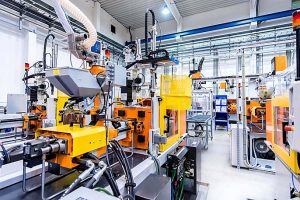
Die britischen Arbeitskosten liegen 30–40 % über dem EU-Durchschnitt, daher streben britische Formteilhersteller nach Automatisierung. Führende Unternehmen wie Nasalife und Broanmain haben in robotergestützte Teileentnahme, automatisierte Qualitätsprüfung (Vision-Systeme) und unbeaufsichtigte Fertigungszellen investiert, die über 120 Stunden pro Woche ohne Personal laufen. Wenn ein britischer Lieferant nicht über seinen Automatisierungsfahrplan spricht, fällt er zurück.
2. Nachhaltige Materialien und Kreislaufwirtschaft
Die britische Kunststoffverpackungssteuer (210 £/Tonne für Verpackungen mit weniger als 30 % recyceltem Inhalt) hat Formteilhersteller zu Post-Consumer-Rezyklaten (PCR) und biobasierten Polymeren gedrängt. Unternehmen wie Berry BPI und Faerch UK stellen nun CPET-Schalen mit 80–100 % recyceltem Inhalt her. Erwarten Sie Nachhaltigkeitsaussagen in jeder Angebotsantwort – prüfen Sie jedoch die tatsächlichen PCR-Prozentsätze und Lebensmittelkontakt-Zertifizierungen.
3. Nearshoring und Lieferkettenresilienz
Brexit-Reibungsverluste, COVID-Unterbrechungen und die logistische Instabilität im Roten Meer haben beschleunigt Nearshoring2 Gespräche.3 Allerdings bedeutet „Nearshoring“ für britische Käufer nicht immer Produktion im Vereinigten Königreich – viele Unternehmen setzen nun auf duale Beschaffung: einen UK-Spritzgießer für lieferzeitkritische Teile und einen Partner in China oder Osteuropa für kostenoptimierte Volumen. Die klügsten Beschaffungsteams betreiben beide Wege gleichzeitig.
4. Industrie 4.0 und Echtzeit-Prozessüberwachung
Industrie 4.03 schreitet schnell voran – Sensoren an jedem Zylinder, Echtzeit-SPC-Dashboards, vorausschauende Wartungsmeldungen und digitale Zwillingssimulationen.4 Moldflow-Analyse ist Standard; der Unterschied liegt darin, ob ein Spritzgießer Ihnen während eines Produktionslaufs Live-Daten zum Kavitätendruck zeigen und nachweisen kann, dass jeder unvollständige Shot erfasst wurde.
5. Wachstum bei Medizinprodukten und Reinraumkapazitäten
Der britische Markt für Medizinprodukte überstieg 2024 12 Milliarden Pfund, und spritzgegossene Komponenten stellen einen wachsenden Anteil dar. ISO 134854-zertifiziertes Reinraum-Spritzgießen2 ist zu einem Wettbewerbsvorteil geworden – Formteilhersteller wie TE Connectivity, Charlotte Knights und RPG International haben Millionen in ISO-Klasse-7- und -8-Anlagen investiert. Wenn Ihr Produkt mit einem Patienten in Berührung kommt, ist diese Zertifizierung nicht verhandelbar.
Zusammengenommen deuten diese Trends auf einen britischen Formteilsektor hin, der sich durch Investitionen in der Wertschöpfungskette nach oben bewegt – Automatisierung, um Arbeitskosten auszugleichen, Vergrünung des Materialportfolios und Bau von medizinischen Reinräumen, um höher marginiertes Geschäft zu gewinnen. Die Implikation für Käufer: Erwarten Sie, dass britische Formteilhersteller Premium-Fähigkeiten und höhere Stückpreise anbieten, selbst für standardisierte Massenteile. Der Wert ist vorhanden – aber nur, wenn Sie ihn tatsächlich benötigen.
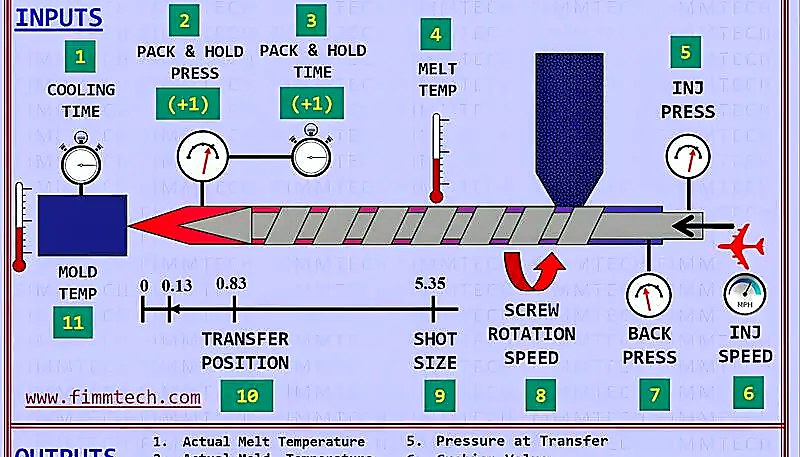
„UK-Spritzgießbetriebe, die in Automatisierung investieren, können über 120 Stunden unbeaufsichtigte Produktion pro Woche erreichen und so die Arbeitskosten pro Teil erheblich senken.“Wahr
Leading UK molders report that fully automated cells — robotic extraction, vision inspection, conveyor packing — run unstaffed through weekends and night shifts, effectively adding 60–80 machine-hours weekly compared to single-shift manual operations.
“Any UK injection molder with ISO 9001 certification is automatically qualified to produce medical device components.”Falsch
ISO 9001 is a general quality management standard. Medical device production specifically requires ISO 13485, which mandates validated processes, risk management (ISO 14971), traceability, and cleanroom environmental controls that ISO 9001 does not address.
Wie wählt man einen Spritzgusslieferanten in Großbritannien aus?
Choosing an injection molding supplier in the uk is about tooling capability, quality systems, communication, and commercial fit. Selecting a UK injection molding supplier comes down to five hard-nosed dimensions. Skip any one and you’ll pay for it — in scrap, delays, or legal liability. Use our injection molding supplier sourcing guide as the RFQ checklist.
1. Certifications and Regulatory Compliance
At minimum, demand ISO 9001. If you’re in medical, insist on ISO 13485 with cleanroom classification. Automotive? IATF 16949. Don’t accept “we’re working on certification” — the certification timeline is 6–12 months, and you’ll bear the risk in the meantime. Ask to see the actual certificate and its scope; some molders hold ISO 9001 for design only, not production.
2. Machine Fleet and Tonnage Range
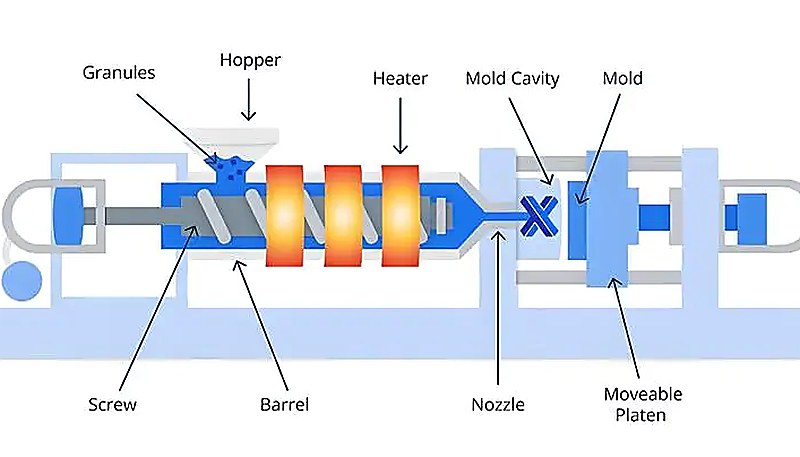
Match their press capacity to your part. A molder with 50–200T machines can’t efficiently run a 1,500T automotive bumper tool, and vice versa. Ask for a machine list (tonnage, shot size, controller type). If they have all-electric presses, that’s a positive signal for precision and energy cost — especially relevant as UK energy prices remain among Europe’s highest. For tooling checks, reference our Spritzgussform. For machine setup basics, see our Schneckenspritzgießmaschine guide.
3. Minimum Order Quantity (MOQ) and Lead Time
UK molders typically set MOQs between 500 and 5,000 units — far higher than Chinese suppliers who’ll often run 100-piece batches. Tooling lead time in the UK runs 8–14 weeks (vs. 4–6 weeks in China). If your program needs < 2,000 units/year, a UK molder's setup amortization will kill your unit economics. Consider a lower-cost Spritzgussform from China for low-volume bridge work.
4. Quality Systems and Inspection Capability
A CMM (coordinate measuring machine) and optical comparator are baseline. For tight-tolerance work, ask about GD&T capability, SPC reporting frequency, and PPAP/IQOQ experience. The best UK molders will send you first-article inspection (FAI) reports with every dimension plotted — not just a pass/fail sheet.
5. Pitfall Avoidance: Three Red Flags
Red flag #1: The molder won’t let you visit. If they refuse a factory audit, walk away — there’s something to hide. Red flag #2: Tooling ownership is ambiguous. Insist that your tooling drawings and the physical mold are your property, documented in the supply agreement. Red flag #3: Single-source material risk. A good molder carries 2–3 approved material alternatives for every specification. Ask for their material contingency plan. For a broader framework, consult our sourcing guide.
Welches sind die Top 10 Spritzgussunternehmen in Großbritannien?
The top 10 injection molding companies in the uk are the suppliers compared below based on capability, industry fit, and sourcing reliability. Below are ten UK injection molding companies worth shortlisting, selected based on revenue, technical capability, industry reputation, and geographic diversity. Each profile covers what they do best, where they serve, and what buyers should know before sending an RFQ.
1. Berry Global (UK Operations)
Founded: 1967 (parent) | UK Employees: 2,500+ | Locations: Multiple UK sites including Leeds, Poole, and Heanor
Berry Global is the UK’s largest injection molder by revenue, operating over 150 presses across its British facilities. The company dominates in rigid packaging (caps, closures, thin-wall containers), serving major FMCG brands like Unilever, Tesco, and Reckitt. Berry’s scale gives it unmatched purchasing power on resin — a critical advantage when polypropylene prices swing 20% in a quarter.
Their UK sites run both hydraulic and all-electric machines from 50T to 1,500T, with extensive in-mold labeling (IML) and cleanroom capability for dairy and pharmaceutical packaging. Berry holds BRC/IoP certification across its food-contact facilities. The downside for smaller buyers: MOQs start at 50,000+ units, and lead times for new tooling run 12–16 weeks. If you need 500 pieces of a custom part, Berry is not your shop.
2. Broanmain Plastics
Founded: 1958 | Employees: 80+ | Standort: Dorking, Surrey
Broanmain is a family-owned contract molder with a reputation for technical precision and flexibility. They operate 27 injection molding machines (40T–650T), including all-electric Toshiba and Fanuc presses optimized for tight-tolerance medical and electronics components.
Their sweet spot is low-to-medium volume (1,000–100,000 units) work that Tier 1 molders won’t touch. Broanmain holds ISO 9001 and ISO 14001, with cleanroom assembly capability. They’ve invested heavily in automation — robotic extractors, automated packing lines, and inline vision inspection. Managing director Charlotte Biddulph is well-known in UK plastics circles and speaks regularly on industry 4.0 adoption. A solid choice for medical devices, industrial components, and consumer electronics housings.
3. Nasalife (formerly Nasal Products)
Founded: 1986 | Employees: 120+ | Standort: Rochdale, Greater Manchester
Nasalife specializes in drug-delivery devices and medical consumables, operating from a purpose-built 50,000 sq ft facility with ISO Class 7 cleanrooms. They hold ISO 13485, ISO 9001, and FDA device registration — making them one of the few UK molders qualified to supply Class II medical devices directly into the US market.
Their 30+ injection molding machines (all-electric Arburg and Engel) run 24/7, producing nasal sprays, inhaler components, and diagnostic test housings. Nasalife offers full turnkey service: tool design, molding, assembly, and sterile packaging. Lead time for new medical tools runs 10–14 weeks. For pharma and medtech buyers, Nasalife is a genuine Tier 1 option.
4. TE Connectivity (UK Molding Operations)
Founded: 1941 (parent) | UK Employees: 500+ | Locations: Aberdeen, Swansea, and others
TE Connectivity’s UK molding operations focus on high-performance connector and sensor housings for oil & gas, aerospace, and defense applications. Their Aberdeen facility specializes in subsea connector molding — overmolding cables and connectors rated to 10,000+ PSI operating depth.
TE holds AS9100 (aerospace), ISO 13485 (medical), and IATF 16949 (automotive) certifications — a rare trifecta that speaks to their engineering rigor. Their UK presses range from 25T micro-molding machines to 1,000T multi-cavity tools. The trade-off: TE is expensive, with tooling costs 30–50% above independent UK molders. You’re paying for the name, the certifications, and the global supply-chain infrastructure.
5. Rutland Plastics
Founded: 1958 | Employees: 150+ | Standort: Oakham, Rutland
Rutland Plastics ist einer der erfahrensten unabhängigen Spritzgießbetriebe in Großbritannien mit über 40 Maschinen von 25T bis 1.300T. Sie sind eine bevorzugte Wahl für mittelvolumige industrielle und automotive Komponenten – beispielsweise Untermotorraum-Steckverbinder, HVAC-Gehäuse und Kabelmanagement-Systeme.
Das Ingenieurteam (8 Werkzeugingenieure) bearbeitet die Werkzeugkonstruktion intern mit Moldflow-Simulation und bietet schnelle Prototypenfertigung durch 3D-gedruckte Spritzgießwerkzeuge für Bridge-Produktionen unter 500 Einheiten. Rutland verfügt über ISO 9001 und IATF 16949, mit besonderer Expertise in glasgefülltem Nylon und Hochtemperatur-Kunststoffen. Vorlaufzeit für Produktionswerkzeuge: 8–10 Wochen. Wettbewerbsfähige Preise für einen britischen Betrieb – etwa 15–20% unter den „Big Three“ (Berry, novelis, TE) für vergleichbare Aufträge.
6. M&H Plastics (M&H Group)
Founded: 1973 | Employees: 200+ | Standort: Beccles, Suffolk
M&H Plastics ist der führende Hersteller von starren Kunststoffverpackungen in Großbritannien für die Pharmazie-, Körperpflege- und Nahrungsergänzungsbranche. Ihre 100.000 Quadratfuß große Anlage beherbergt über 40 Maschinen (40T–500T) mit ISO-Klasse-7-Reinräumen, die Pillenflaschen, Supplementdosen und Kosmetikgläser produzieren.
Sie verfügen über ISO 9001, ISO 14001 und BRC/IoP Grade A-Zertifizierung – den Goldstandard für Lebensmittel- und Pharmaverpackungen. M&H betreibt auch umfangreiche Nachbearbeitung (Siebdruck, Heißtransferetikettierung, manipulationssichere Versiegelung). Ihre Mindestauflage beginnt bei 5.000 Einheiten für Standardverpackungsformen, mit kundenspezifischer Werkzeugherstellung in 8–12 Wochen. Wenn Sie eine Pillenflasche oder Kosmetikdose aus britischer Quelle benötigen, sollten Sie zuerst M&H anrufen.
7. Charlotte Knights Plastics
Founded: 1984 | Employees: 60+ | Standort: Bury St Edmunds, Suffolk
Charlotte Knights agiert an der Schnittstelle von Präzisionsspritzguss und Medizingeräte-Montage. Ihre ISO 13485-zertifizierte Anlage betreibt über 20 vollelektrische Maschinen (30T–350T) und spezialisiert sich auf kleine, komplexe Bauteile: Katheterspitzen, Diagnosekassetten-Gehäuse und mikrofluidische Geräte.
Ihr Unterscheidungsmerkmal ist vertikale Integration – sie spritzen, montieren, testen und verpacken Medizingeräte unter einem Dach. Dies eliminiert das Qualitätsrisiko durch den Versand halbfertiger Teile zwischen Lieferanten. CK hält ISO 13485, ISO 9001 und ISO 14001. Sie sind besonders stark im Mehrkomponenten-Spritzguss (2K und 3K), was harte/weiche umspritzte Griffe und abgedichtete Gehäuse in einem Zyklus ermöglicht. Volumenbereich: 1.000–500.000 Einheiten/Jahr.
8. Privi (ehemals Step 2 Plastics)
Founded: 1986 | Employees: 100+ | Standort: Hull, East Yorkshire
Privi ist ein Großformteile-Spritzgießer, spezialisiert auf große Teile: Unterbodenschilde für Automobile, Mülltonnenkomponenten, Spielplatzausrüstung und Transportverpackungen. Ihre Flotte umfasst Maschinen bis zu 2.000T – zu den größten in Großbritannien – mit Schussgewichten über 10 kg.
Sie verfügen über ISO 9001 und ISO 14001, mit wachsendem IATF 16949-Automobilgeschäft. Privi betreibt bedeutende Programme mit Recyclingmaterial, spritzt Mülltonnen und Recyclingbehälter aus 100% Post-Consumer-Polyethylen. Wenn Sie große Teile (>1 kg Schussgewicht) in Serie benötigen, machen Privi's Tonnagekapazität und Materialexpertise sie zu einem starken Kandidaten. Werkzeugvorlaufzeit: 10–14 Wochen für Mehrfachkavitäten-Produktionsformen.
9. Omega Plastics
Founded: 1994 | Employees: 70+ | Standort: Cradley Heath, West Midlands
Omega Plastics befindet sich im Herzen des britischen Fertigungsgebiets und ist spezialisiert auf Kleinserien- und Hochmischungsproduktion – genau das Profil, das Startups, Brückenproduktionsläufe und Ersatzteile bedient. Sie betreiben 20 Maschinen (50T–650T) und bieten Aluminium-Prototypenwerkzeuge mit 2–3 Wochen Lieferzeit.
Ihre Produktionswerkzeug-Vorlaufzeit ist mit 6–8 Wochen wettbewerbsfähig – eine der schnellsten in Großbritannien – dank hauseigener Werkzeugherstellung. Omega hält ISO 9001 und bedient Automobil-, Verteidigungs- und Industriemärkte. Sie sind eine pragmatische Wahl, wenn Sie 200–5.000 Teile schnell benötigen und nicht auf Offshore-Werkzeug warten möchten. Die Stückpreise sind höher als in China, aber wettbewerbsfähig auf dem britischen Markt.
10. RPG International
Founded: 1979 | Employees: 300+ | Locations: Swindon, Wembley und andere
RPG International ist ein diversifizierter Kunststoffkonzern mit Spritzgießen, Blasformen und Extrusion in mehreren britischen Werken. Ihre Spritzgießabteilung betreibt über 60 Maschinen (50T–1.600T) und bedient die Automobilindustrie (JLR, Honda), Bauwesen und Unterhaltungselektronik.
RPGs Standort Swindon verfügt über IATF 16949 und ISO 14001, mit eigenen Lackier- und Montagelinien für Automobilinnenausstattung. Ihre Wembley-Anlage konzentriert sich auf Gehäuse für Unterhaltungselektronik und Kabelmanagement. RPG bietet einen Komplettservice von der Designunterstützung bis zur JIT-Lieferung, mit Kanban-Lagerverwaltung für laufende Produktion. Die Werkzeuginvestition liegt im mittleren Bereich – nicht die günstigste britische Option, aber ihre integrierten Dienstleistungen (Formenbau, Lackieren, Montieren, Versand) können Ihre Gesamtkosten im Vergleich zur Verwaltung von drei separaten Lieferanten senken.
| Company | Founded | Employees | Key Sectors | Certifications | Tonnage Range |
|---|---|---|---|---|---|
| Berry Global (UK) | 1967 | 2,500+ | Verpackung, FMCG | ISO 9001, BRC/IoP | 50T–1.500T |
| Broanmain Plastics | 1958 | 80+ | Medizin, Elektronik | ISO 9001, 14001 | 40T–650T |
| Nasalife | 1986 | 120+ | Medizin, Pharma | ISO 13485, FDA | All-electric |
| TE Connectivity | 1941 | 500+ | Öl & Gas, Luft- und Raumfahrt | AS9100, IATF 16949 | 25T–1.000T |
| Rutland Plastics | 1958 | 150+ | Automobil, Industrie | ISO 9001, IATF 16949 | 25T–1.300T |
| M&H Plastics | 1973 | 200+ | Pharmaverpackung | ISO 9001, BRC/IoP A | 40T–500T |
| Charlotte Knights | 1984 | 60+ | Medizinische Geräte | ISO 13485, 14001 | 30T–350T |
| Privi | 1986 | 100+ | Automobilindustrie, Behälter | ISO 9001, 14001 | Bis zu 2.000T |
| Omega Plastics | 1994 | 70+ | Automobil, Verteidigung | ISO 9001 | 50T–650T |
| RPG International | 1979 | 300+ | Automobilindustrie, Elektronik | IATF 16949, ISO 14001 | 50T–1,600T |
When shortlisting from this list, match your requirements to the molder’s strengths. Need cleanroom medical molding? Start with Nasalife or Charlotte Knights. Large-format automotive parts? Privi or RPG International. Low-volume bridge production? Omega Plastics. And for high-volume cost-optimized programs where UK pricing doesn’t work, a China-based partner like ZetarMold delivers the same quality at 40–60% lower tooling cost — with 30+ English-speaking PMs who understand UK procurement expectations.
Wie vergleichen sich die Spritzgusskosten in UK mit China?
The uk’s injection molding cost is more competitive than china when the cost, lead time, and quality tradeoffs below match your program needs. Let’s talk numbers. UK injection molding is 30–60% more expensive than China on a like-for-like basis. Here’s the breakdown. Compare cycle timing in our Produktionszeit beim Spritzgießen guide.
| Cost Factor | UK (GBP) | China (USD, ca.) |
|---|---|---|
| Einfacher Einzelkavitäten-Werkzeug | £8.000–£15.000 | $3,000–$6,000 |
| Multi-cavity production mold | £20.000–£50.000 | $8,000–$20,000 |
| Stückpreis (PP, 10K Volumen) | £0,35–£0,80/Teil | $0,15–$0,40/Teil |
| Stückpreis (PA66-GF30, 5K Volumen) | £1,20–£2,50/Teil | $0,50–$1,20/Teil |
| Tooling lead time | 8–14 weeks | 4–6 weeks |
| Versand (LCL, pro cbm) | Inklusive (national) | €80–€150 |
| Versand (FCL 20ft) | N/A | €2.500–€4.500 |
Die Hauptkostendifferenz ist klar, aber die total cost of ownership (TCO) verringert sich, wenn man versteckte Kosten auf beiden Seiten berücksichtigt. UK-Spritzgießer haben höhere Kunststoffpreise (UK PP durchschnittlich £1,30–£1,60/kg vs. €1,20–€1,50/kg in China), aber man spart bei Fracht, Zoll (die meisten Kunststoffteile werden in Großbritannien mit 0 % Zoll eingeführt, aber Werkzeuge ziehen 2,7 % an) und – entscheidend – Kommunikationsaufwand.
Auf der China-Seite gehören versteckte Kosten zu: Einfuhrzölle (6,5% auf meisten Kunststoffartikeln, die Großbritannien erreichen), Qualitätsnacharbeitsschleifen (budgetieren Sie 5–10% Ausschussquote bei ersten Produktionsläufen), Währungsrisiko (GBP/CNY hat sich in den letzten 12 Monaten um 8 % bewegt), und Reisekosten falls Sie auf Fabrikbesuche bestehen (£3.000–£5.000 pro Reise). Ein gut verwaltetes China-Beschaffungsprogramm mit einem vertrauten Partner spart noch 25–40% auf TCO für Volumen über 10.000 Einheiten/Jahr – aber nur, wenn Sie die Umsetzung richtig machen.
“UK injection molders with in-house toolmaking can deliver production molds 20–30% faster than those who outsource tool construction.”Wahr
Inhouse-Werkzeugbau eliminiert 2–4 Wochen Logistik- und Kommunikationsaufwand zwischen Spritzgießer und Werkzeugbauer. Omega Plastics und Rutland melden beide 6–8 Wochen Werkzeugzyklen gegenüber dem 10–14 Wochen UK-Branchenmittel für externen Werkzeugbau.
“Injection molded parts imported from China to the UK always attract a 20% import duty, making domestic production cheaper in every scenario.”Falsch
Der tatsächliche britische Einfuhrzoll für die meisten spritzgegossenen Kunststoffartikel (HS 3926) beträgt 6,5 %, nicht 20 %. Die Mehrwertsteuer von 20 % gilt gleichermaßen für inländische und importierte Waren. Bei Hochvolumenprogrammen gleicht der 25–40 % Produktionskostenvorteil Chinas leicht den 6,5 % Zoll aus, was zu Nettoeinsparungen führt.
Wann ist UK die richtige Beschaffungsoption für Spritzguss?
Neither UK nor China is universally better — the right answer depends on your program’s specifics. Here’s a scenario-based framework to decide.
Großbritannien wählen, wenn:
1. Ultra-kurze Lieferzeiten dominieren. Wenn Sie T1-Muster in 3 Wochen und Produktionsteile in 5 benötigen, ist ein UK-Spritzgießer wie Omega Plastics mit hauseigener Werkzeugherstellung Ihre einzige realistische Option. Luftfracht aus China fügt der Gleichung 5–7 Tage und €3–5/kg hinzu.
2. JIT-Lieferung mit täglichen Kanban-Anrufen. Automobil-OEMs wie JLR benötigen Lieferanten innerhalb 50 Meilen für sequenzierte Inline-Lieferung (SILS). Wenn Ihr Kunde UK-Produktion vorschreibt, ist die Entscheidung für Sie gemacht.
3. ITAR oder klassifizierte Verteidigungsarbeit. UK defense contracts often require domestic production under ITAR-equivalent restrictions. TE Connectivity’s UK facilities serve exactly this niche.
Choose China When:
1. Jahresvolumen übersteigt 20.000 Einheiten. The tooling and unit price savings become material at this volume. A $15,000 mold savings plus $0.30/part savings adds up to $21,000+ per year on a 20K program.
2. Multi-cavity, high-precision tooling is required. China’s mold-making infrastructure — particularly in the Yangtze River Delta around Shanghai — rivals anything in Europe at 40–60% lower cost. Companies like ZetarMold deliver 16+ cavity production molds with full Moldflow optimization.
3. Your product portfolio is broad. If you’re managing 50+ SKUs across different part families, a dedicated China partner provides the capacity and flexibility that no single UK molder can match cost-effectively.
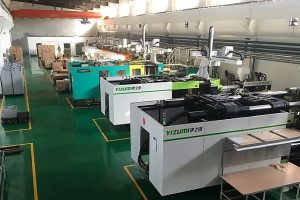
ZetarMold’s Shanghai factory runs 45 injection molding machines (90T–1,850T) and produces 100+ molds per month. With 30+ English-speaking project managers and ISO 9001/13485/14001/45001 certifications, it’s built for export. UK buyers get China pricing with communication quality that closes the gap.
Was sind die häufigsten Fragen zum Spritzguss im Vereinigten Königreich?
Häufig gestellte Fragen
What is the average cost of an injection mold in the UK?
A single-cavity mold in the UK costs £8,000–£15,000. Multi-cavity production molds range from £20,000 to £50,000 depending on complexity, material, and surface finish requirements. This is roughly 2–3× the cost of equivalent tooling from China. For RFQ planning, ask whether the price includes DFM review, moldflow support, trial shots, texture, spare inserts, and ownership documents. Those line items decide the real comparison between UK tooling and offshore tooling. In practice, compare suppliers with the same drawing pack, resin grade, tolerance
How long does injection molding tooling take in the UK?
UK tooling lead times run 8–14 weeks for production molds. Molders with in-house toolmaking (Omega, Rutland) can deliver in 6–8 weeks. Prototype aluminum tooling is available in 2–3 weeks. China typically delivers production tooling in 4–6 weeks. Build the schedule backward from your launch date and reserve time for DFM changes, steel ordering, first-shot correction, texture approval, and packaging validation. A supplier promising production tooling in four weeks needs evidence. In practice, compare suppliers with the same drawing pack, resin
Which UK injection molding companies are ISO 13485 certified for medical work?
Nasalife, Charlotte Knights, and TE Connectivity hold ISO 13485 for medical device molding. Several others (Broanmain, Berry) have cleanroom capability but may hold ISO 9001 rather than 13485 depending on the site. Always verify the specific facility’s certification scope. Before awarding medical work, verify that the ISO 13485 scope covers injection molding or assembly, not only distribution. Also request validation samples, traceability records, and cleanroom classification before you issue the purchase order. In practice, compare suppliers with the same drawing
Can I use a Chinese injection molding supplier for products sold in the UK?
Absolutely. Most plastic articles (HS 3926) attract 6.5% import duty entering the UK. Add freight ($2,500–$4,500 per 20ft container) and 5–7 day transit. For volumes above 10,000 units/year, the unit price savings typically offset all import costs by 25–40%. The practical question is not legality but total landed risk. Include duty, freight, inspection, communication speed, tooling ownership, and rework loops. For stable annual demand, a qualified Chinese supplier can still outperform UK-only sourcing. In practice, compare suppliers with the same
What is the minimum order quantity (MOQ) for UK injection molders?
UK MOQs typically start at 500–5,000 units. Large molders like Berry require 50,000+ units. For lower volumes, smaller molders like Broanmain or Omega accept runs from 200–1,000 pieces. Chinese suppliers like ZetarMold often accommodate MOQs from 100–500 units. MOQ depends on resin, tool setup time, color changes, and whether the supplier has idle press capacity. Ask for a stepped quote at 500, 1,000, 5,000, and 20,000 pieces so you can see where the unit cost drops. In practice, compare suppliers
Are UK injection molding companies competitive for automotive production?
Yes, but selectively. UK molders with IATF 16949 (Rutland, RPG, TE) serve JLR, Honda, and BMW’s UK operations. They excel at JIT delivery and design collaboration. For high-volume commodity parts, China remains significantly cheaper on unit price. For automotive programs, confirm IATF 16949 scope, PPAP level, material traceability, and change-control discipline. UK molders are strongest when the program needs JIT delivery, close engineering collaboration, or direct OEM audit support. In practice, compare suppliers with the same drawing pack, resin grade,
How do I verify a UK injection molder’s quality credentials?
Request their ISO certificate (check the scope and expiry), ask for a copy of their quality manual, and insist on a factory audit. Legitimate UK molders welcome visits. Check Companies House for financial health — a molder in administration proceedings is a supply-chain risk. A real verification process also checks calibration records, nonconformance reports, corrective action history, and sample inspection data. If the supplier cannot provide those documents quickly, the certification badge alone is not enough. In practice, compare suppliers
What materials do UK injection molding companies commonly use?
PP, PE, ABS, and PA6/PA66 dominate. Engineering polymers (POM, PC, PBT, PPS) are available from larger molders. Medical-grade and food-contact grades require specific certifications. China-based suppliers like ZetarMold offer 400+ material options, often broader than mid-size UK molders. For buyer-side planning, always name the resin family, flame rating, color target, recycled-content requirement, and regulatory market. Material availability can change lead time and price more than the molding cycle itself. In practice, compare suppliers with the same drawing pack, resin grade,
Warum ist ZetarMold der richtige Partner für britische Käufer?
If you’ve read this far, you already know the UK has strong molders — and you also know they’re expensive and capacity-constrained. ZetarMold exists to fill the gap: China-scale manufacturing with export-grade quality and communication that actually works.
Founded in 2005, ZetarMold operates from a dedicated facility in Shanghai with 45 injection molding machines spanning 90T to 1,850T — covering everything from micro-molded medical components to large automotive housings. The factory produces 100+ molds per month, supported by 120+ production staff und 8 senior engineers who average 15+ years of mold-design experience.
In our experience, what sets ZetarMold apart for UK buyers is the communication infrastructure: 30+ English-speaking project managers and our engineers handle everything from initial DFM feedback through production scheduling, quality reporting, and logistics coordination. No translation layers, no 48-hour email cycles. Your PM responds within 4 hours during UK business hours.
Quality systems are comprehensive: ISO 9001, ISO 13485, ISO 14001, and ISO 45001 — covering quality management, medical devices, environmental responsibility, and occupational health. The factory works with 400+ materials, from commodity polyolefins to medical-grade TPEs and high-temperature engineering resins. Every production run includes FAI reports, dimensional inspection data, and material certificates.
For UK procurement managers weighing their options, the math is straightforward: ZetarMold delivers production tooling in 4–6 weeks (vs. 8–14 weeks UK), at 40–60% niedrigere Werkzeugkosten, mit ISO 13485 medizinische Fähigkeit und eine Einrichtung in Shanghai, die Sie gerne prüfen können – virtuell oder persönlich.
Bereit, Angebote zu vergleichen? Senden Sie Ihre 3D-CAD-Dateien und Spezifikationen an ZetarMold für ein kostenloses Angebot und DFM-Analyse. Die meisten Angebote werden innerhalb von 24 Stunden mit vollständiger Kostenaufschlüsselung, Werkzeugzeitplan und Materialempfehlungen zurückgesandt. Jetzt Ihr kostenloses Angebot erhalten →
-
injection molding market: Der Spritzgussmarkt ist ein kommerzieller Segment, das aus Unternehmen, Maschinen, Materialien und Käufern besteht, die geformte Kunststoffteile für Verpackungen, Medizin, Automobil und industrielle Anwendungen herstellen. ↩
-
Nearshoring: Nearshoring bezieht sich auf die Verlagerung von Fertigungsbetrieben in geografisch näher gelegene Länder, um die logistische Vorlaufzeit zu verkürzen, die Widerstandsfähigkeit der Lieferkette zu verbessern und die Gesamtbetriebskosten zu senken. ↩
-
Industrie 4.0: Industrie 4.0 beschreibt die vierte industrielle Revolution, die IoT-Sensoren, Echtzeit-Datenanalyse, KI-gesteuerte Prozesskontrolle und digitale Zwillinge in die Fertigung integriert. ↩
-
ISO 13485: ISO 13485 ist ein internationaler Qualitätsmanagementstandard für Hersteller von Medizinprodukten, der validierte Prozesse, Dokumentenlenkung, Risikomanagement und vollständige Rückverfolgbarkeit erfordert. ↩




 EN
EN  ES
ES  FR
FR  DE
DE  PT
PT  AR
AR  RU
RU  JA
JA  KO
KO  IT
IT  NL
NL  TR
TR  PL
PL 