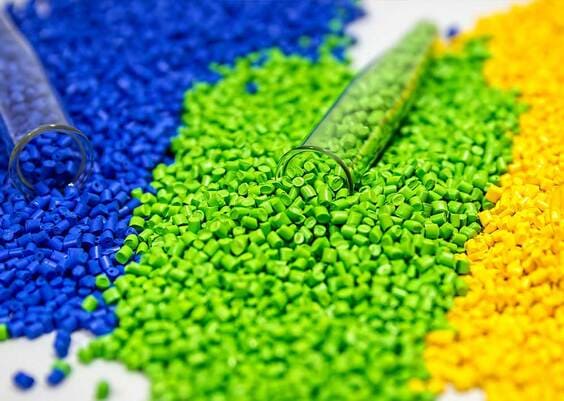
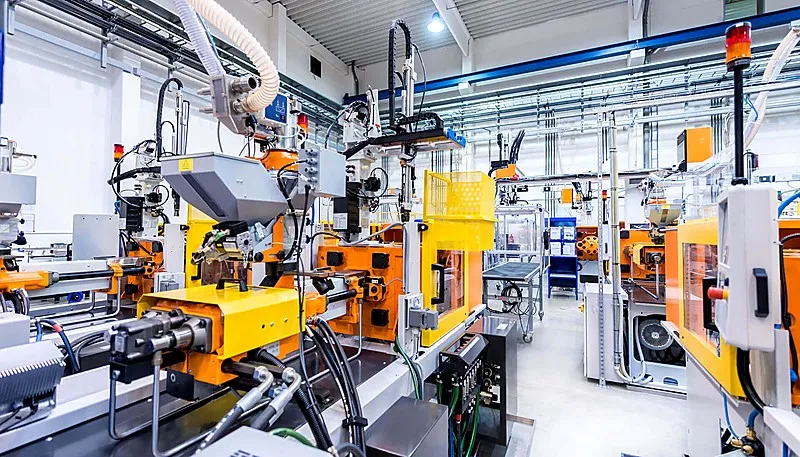
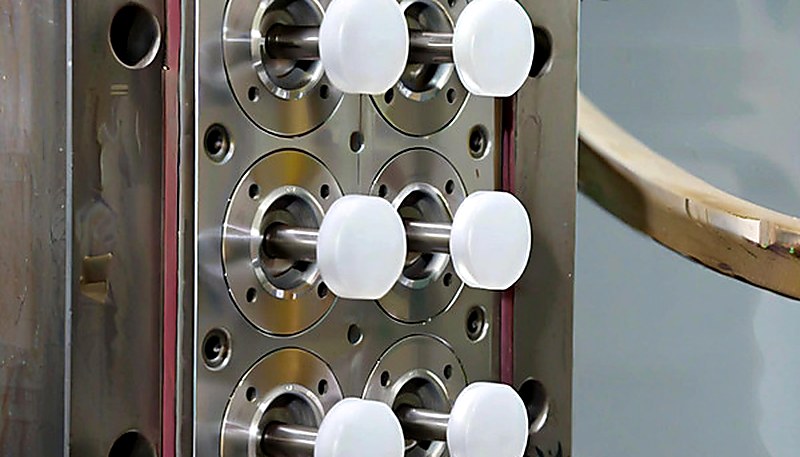
Farbe wirkt unkompliziert – bis ein Einkäufer 20.000 Formteile ablehnt, weil das Blau etwas grüner ist als beim freigegebenen Muster. Beim realen Spritzgießen ist ein Farbmasterbatch1 nicht einfach nur ein Beutel Granulat. Er beeinflusst die Materialverträglichkeit, die Durchmischung durch die Schnecke, die Trocknungsdisziplin, optische Mängel, Prüfnormen und die Menge an Produktionsausschuss, die Sie hinnehmen, bevor eine Krisensitzung einberufen wird.
Dieser Leitfaden ist aus Sicht des Werks geschrieben. Wir behaupten nicht, dass sich jedes Farbproblem durch mehr Pigment lösen lässt. Manche Probleme liegen an der Masterbatch-Rezeptur, andere am Trägerharz2, an Maschineneinstellungen oder an einem unklar definierten Referenzmuster. Die praktische Frage lautet: Wie wählen und verarbeiten Sie Farbmasterbatch so, dass die Produktionsfarbe von Charge zu Charge stabil bleibt?
- Prüfen Sie vor der Farbfreigabe die Kompatibilität des Trägerharzes.
- Bestätigen Sie das Zugabeverhältnis unter realen Spritzgießbedingungen.
- Verwenden Sie ein Referenzmuster und eine numerische Toleranz.
- Trocknung und Schneckenmischung bestimmen die Konsistenz.
- Behandeln Sie Farbdrift als Prozesssignal.
Was ist Farbmasterbatch beim Spritzgießen?
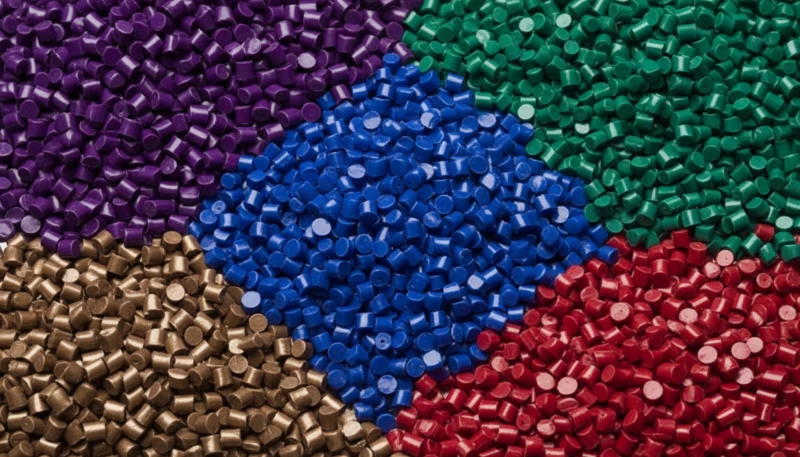
Farbmasterbatch ist eine konzentrierte Granulatmischung, mit der naturfarbenes oder Basis-Kunststoffharz kontrolliert eingefärbt wird. Ein typisches Farbmasterbatch enthält Pigment oder Farbstoff, ein Trägerharz, Verarbeitungshilfsmittel und mitunter Stabilisatoren gegen Wärme, UV-Strahlung, Flammen oder Witterung. Die Spritzgießmaschine schmilzt Basisharz und Masterbatch gemeinsam auf; anschließend muss die Schnecke das Pigment gleichmäßig verteilen, bevor der Kunststoff in die Form gelangt.
Auf dem Papier klingt das übersichtlich, doch eine Form verzeiht keine mangelhafte Vorbereitung. Ist das Trägerharz nicht mit dem Basisharz verträglich, kann die Farbe Schlieren oder Trübungen bilden, sich ablagern oder das Bauteil schwächen. Wird das Zugabeverhältnis nur geschätzt statt geprüft, kann der erste Versuch gut aussehen und die zweite Charge bereits abweichen. Eine belastbare Farbplanung beginnt, bevor die Spritzgießform in Produktion geht.
Für Einkäufer ist folgender Punkt entscheidend: Die Farbfreigabe ist nicht nur eine visuelle Entscheidung. Benötigt werden die genaue Kunststofftype, der Masterbatch-Code, das Verdünnungsverhältnis, die Maschinengröße, der Trocknungszustand und ein freigegebenes Muster unter vereinbarter Beleuchtung. Ohne diese Kontrollen können zwei Fabriken dasselbe Pantone-Ziel verwenden und dennoch sichtbar unterschiedliche Teile liefern.
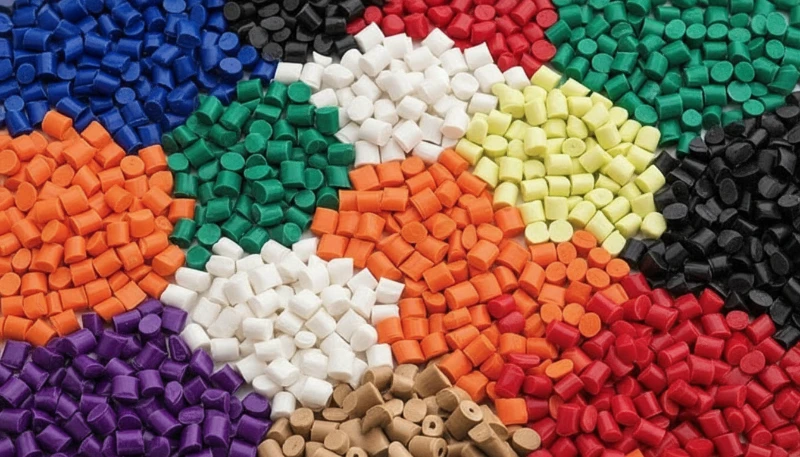
In unserem Werk in Shanghai betreibt ZetarMold 47 Spritzgießmaschinen von 90T bis 1850T. Daher muss die Farbabnahme bei unterschiedlichen Schussgewichten, Schneckenkapazitäten und Kunststofffamilien funktionieren. Üblicherweise legen wir die Farbziele anhand von Pantone, RAL oder Kundenmustern fest und bestätigen das Ergebnis anschließend an Formteilen, nicht nur an flachen Farbmustern.
"Ein Masterbatch, das in einem Musterplättchen korrekt aussieht, kann in der Produktion dennoch abweichen."True
Das Formteil ist realer Scherung, Verweilzeit, Werkzeugtemperatur, Wanddicke und Oberflächenstruktur ausgesetzt. Diese Bedingungen können die wahrgenommene Farbe verändern, obwohl der Pigmentcode unverändert bleibt.
"Wenn die Pantone-Nummer stimmt, ist die Auswahl des Masterbatches abgeschlossen."False
Pantone definiert nur die Zielfarbe. Für die Produktion müssen weiterhin Harzverträglichkeit, Dosierverhältnis, Wärmestabilität, Musterbeleuchtung und Abnahmetoleranz festgelegt werden.
Wie wählen Sie das richtige Trägermaterial- und Pigmentsystem aus?
Bei der Wahl des richtigen Träger- und Pigmentsystems kommt es auf Werkzeugkompetenz, Qualitätssysteme, Kommunikation und die kaufmännische Eignung an. Wählen Sie zuerst den Träger und nicht die Farbbezeichnung. Der Träger muss gut mit dem Basiskunststoff aufschmelzen und sich vermischen, denn das Pigment kann sich nicht verteilen, wenn der Träger mit dem Polymer unverträglich ist. Bei PP, PE, ABS, PC, PA, POM, TPU und gefüllten Compounds fällt die Trägerentscheidung jeweils anders aus. Ein Universalträger kann praktisch sein, ist jedoch nicht immer die sicherste Wahl für Optik, Festigkeit oder Wärmebeständigkeit.
Prüfen Sie anschließend das Pigmentsystem gegen die Verarbeitungstemperatur. PC, PA, PBT und technische Hochtemperaturkunststoffe legen ungeeignete Pigmente schnell offen. Bei geringer Wärmestabilität kann sich der Farbton des Teils bei längerer Verweilzeit verschieben, vergilben oder an Helligkeit verlieren. Deshalb kann eine Farbe, die in PP-Verpackungen funktioniert, bei einer PC-Abdeckung oder einem Nylon-Zahnradgehäuse versagen.
Auch das Verdünnungsverhältnis ist relevant. Bei vielen Projekten liegt die Masterbatch-Zugabe bei etwa 1% bis 4%; der richtige Wert hängt jedoch von Pigmentstärke, Wanddicke, Zieldeckkraft, Rezyklatanteil und Bauteilgeometrie ab. Dünne Wände benötigen häufig eine höhere Farbstärke, weil Licht durch das Teil hindurchtritt. Dicke Rippen können dunkler erscheinen, da der optische Weg länger ist.
Eine praxisgerechte Freigabe sollte ein kleines Prozessfenster umfassen. Geben Sie nicht nur einen perfekten Schuss frei. Prüfen Sie das Ziel bei Normaleinstellung und anschließend mit leicht erhöhter und verringerter Schmelzetemperatur oder leicht verändertem Staudruck, wenn das Produkt empfindlich ist. Ändert sich der Farbton innerhalb eines normalen Prozessbereichs zu stark, ist die Farbrezeptur nicht robust und muss vor der Serienproduktion korrigiert werden.
Prüfen Sie vor dem Versuch auch das technische Datenblatt des Masterbatch-Lieferanten. Bestätigen Sie die empfohlene Verarbeitungstemperatur, gegebenenfalls Angaben zu Lebensmittelkontakt oder medizinischer Eignung, das UV-Paket, die Grenzen der Wärmealterung und mögliche Auswirkungen des Pigments auf die Brandschutzklasse. Diese Details werden leicht übersehen, wenn das erste Muster gut aussieht, entscheiden aber, ob das Farbsystem die tatsächlichen Produktanforderungen sicher erfüllt.
| Prüfung | Warum dies wichtig ist | Frage an das Werk |
|---|---|---|
| Trägerharz | Steuert Kompatibilität und Dispersion | Passt es zum Basispolymer? |
| Wärmebeständigkeit | Verhindert Farbtonverschiebungen oder Vergilbung | Hält es der Schmelzetemperatur stand? |
| Verdünnungsverhältnis | Steuert Farbstärke und Kosten | Wurde das Verhältnis an realen Bauteilen geprüft? |
| Opazität | Ändert sich mit der Wanddicke | Passen dünne und dicke Bereiche zusammen? |
Warum entstehen Farbschlieren und Farbtonunterschiede?
Farbschlieren entstehen, wenn das Pigment nicht gleichmäßig dispergiert ist, bevor die Schmelze die Kavität füllt. Nach unserer Erfahrung können eine unzureichende Masterbatch-Dispergierung, eine schwache Mischwirkung der Schnecke, ein zu niedriger Staudruck, eine kurze Verweilzeit, Feuchtigkeit, verunreinigtes Mahlgut oder Pellets, die vor dem Eintritt in den Trichter nicht einheitlich gemischt wurden, die Ursache sein. In vielen Werken wird zuerst das Masterbatch verantwortlich gemacht, doch die Maschineneinstellungen verdienen ebenso viel Aufmerksamkeit.
Farbtonunterschiede können auch vom Bauteil selbst ausgehen. Eine glänzende Oberfläche reflektiert Licht anders als eine strukturierte Oberfläche. Ein dicker Dom kann dunkler wirken als eine dünne Wand. Im Anschnittbereich kann eine Fließmarkierung wie ein Farbfehler aussehen, obwohl sie tatsächlich durch das Verhalten der Schmelzefront entsteht. Führen Sie eine strukturierte Prüfung der Spritzgießfehler durch, bevor Sie das Pigment ohne Ursachenanalyse ändern.
Auch die Maschinengröße ist eine leicht übersehene Ursache für Schwankungen. Nutzt das Schussvolumen nur einen kleinen Teil der Zylinderkapazität, kann die Verweilzeit lang und instabil werden. Ist das Schussvolumen für die Dosierzeit der Schnecke zu groß, wird das Material möglicherweise unzureichend gemischt. Der Schmelzflussindex3 des Harzes und des Masterbatch-Trägers sollte ähnlich genug sein, damit beide Materialien bei normaler Scherung gemeinsam aufschmelzen und fließen.
Der schnellste Test in der Fertigung ist ein kontrollierter Vergleich. Halten Sie Harz, Masterbatch, Trocknung und Form konstant und verändern Sie jeweils nur eine Prozessvariable: Staudruck, Schneckendrehzahl, Schmelzetemperatur oder Dosierverfahren. Verändert sich der Fehler mit dem Prozess, optimieren Sie den Prozess. Bleibt er innerhalb eines angemessenen Prozessfensters unverändert, lassen Sie den Masterbatch-Lieferanten die Pigmentdispersion und die Verträglichkeit des Trägermaterials prüfen.
Vernachlässigen Sie die Sauberkeit nicht. Bereits geringe Reste der vorherigen Farbe in Trichter, Trockner, Schnecke oder Mühle können einen Lauf mit heller Farbe ruinieren. Behandeln Sie Farbwechsel wie eine kleine Linienfreigabe: Kontaktflächen reinigen, spülen, bis die Schmelze stabil ist, den ersten Gutteil-Schuss kennzeichnen und verworfene Übergangsteile von freigegebenen Produktionsbehältern fernhalten.
"Staudruck kann die Farbmischung verbessern, ist aber kein Allheilmittel."True
Mäßiger Gegendruck erhöht die Scherung und das Mischen. Zu viel kann die Schmelze überhitzen, die Erholungszeit verlängern, Additive schädigen oder neue kosmetische Fehler verursachen.
"Eine dunklere Farbe bedeutet immer, dass zu viel Masterbatch zugesetzt wurde."False
Wandstärke, Feuchtigkeit, Verweilzeit, Wärmestabilität des Pigments, Oberflächenglanz und Betrachtungslicht können alle dazu führen, dass ein Teil dunkler erscheint, ohne dass ein Dosierfehler vorliegt.
Wie sollte eine Fabrik die Farbe während der Produktion kontrollieren?
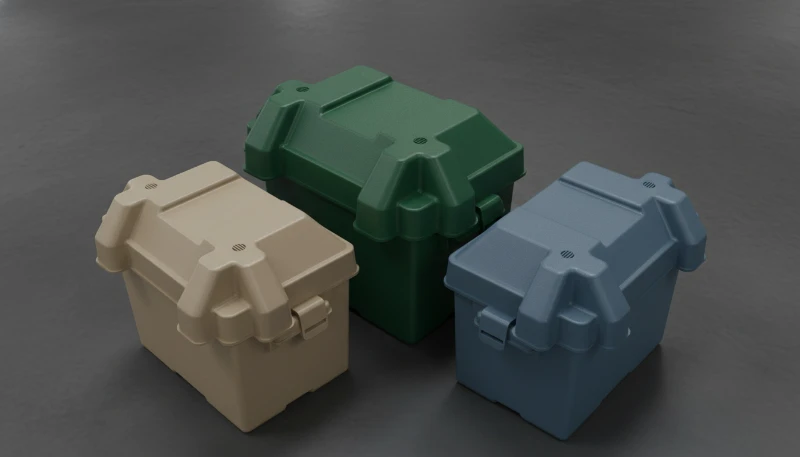
Die Farbkontrolle in der Fabrik ist ein dokumentiertes System: goldener Standard, Prüfmethode, gesicherte Materialkette und aufgezeichnete Prozesseinstellungen. Die Probe sollte ein geformtes Teil aus dem tatsächlichen Material und der tatsächlichen Textur sein, nicht nur eine flache Platte. Definieren Sie die Lichtquelle, den Betrachtungsabstand, den Betrachtungswinkel und ob die Beurteilung durch visuellen Vergleich, Spektralphotometerdaten oder beides erfolgt. Wenn die Freigabemethode vage ist, wird jedes spätere Argument zu einer persönlichen Meinung.
Dann verriegeln Sie die Materialkette. Notieren Sie Harzsorte, Chargennummer, Masterbatch-Code, Lieferant, Losnummer, Trocknungszeit, Trocknungstemperatur, Let-Down-Verhältnis, Regranulat-Prozentsatz und Mischverfahren des Hoppers. Wenn recyceltes Material erlaubt ist, legen Sie einen maximalen Prozentsatz fest und prüfen Sie, ob die Farbe noch bestanden wird. Regranulat kann Wärmegeschichte, Verunreinigung und vorherige Pigmentrückstände aufweisen.
Prozessaufzeichnungen sollten Schmelzetemperatur, Formtemperatur, Staudruck, Schneckendrehzahl, Massepolster, Produktionszeit beim Spritzgießen und das Ergebnis der Erstteilprüfung enthalten. Diese Angaben sind keine bloße Bürokratie. Weicht eine spätere Charge ab, kann der Ingenieur die tatsächlichen Bedingungen vergleichen, statt zu raten. Dieselbe Disziplin hilft auch bei der Diagnose von Formschwindung oder Verzug infolge von Materialänderungen.
Beschaffungsteams sollten vor der Serienproduktion eine kaufmännische Freigabestufe einführen. Fragen Sie den Spritzgießer, wie Farbabweichungen behandelt werden, wer Änderungen am Masterbatch verantwortet, wie Ersatzchargen freigegeben werden und ob eine dringende Farbkorrektur eine neue Musterrunde erfordert. Ein guter Beschaffungsleitfaden muss Farbe sowohl als Qualitätsrisiko als auch als Risiko in der Lieferantenkommunikation behandeln.
Die Prüfung sollte nicht auf dem Gedächtnis basieren. Bewahren Sie den goldenen Standard in einem versiegelten Beutel oder Probenkasten auf, kennzeichnen Sie die genehmigte Revision und definieren Sie, wann er ersetzt werden muss. Wenn sich die Oberflächentextur nach einer Werkzeugreparatur ändert, wenn sich die Harzsorte ändert oder wenn der Kunde die Markenfarbe aktualisiert, erstellen Sie einen neuen Farbfreigabeeintrag, anstatt jede Charge während der Produktion mit einem veralteten Teil zu vergleichen. Diese Disziplin verhindert eine langsame Farbabweichung über wiederholte Aufträge hinweg und zukünftige Streitigkeiten bei Nachbestellungen.
| Kontrollpunkt | Aufzeichnung zum Beibehalten | Fehlersignal |
|---|---|---|
| Eingehendes Material | Harz- und Masterbatch-Charge | Farbtonabweichung von Charge zu Charge |
| Trocknung | Zeit und Temperatur | Streifen, Spritzer, Glanzänderung |
| Dosierung | Auslaufverhältnis und Mischmethode | Dunkle, helle oder ungleichmäßige Farbe |
| Inspektion | Goldener Standard und Lichtquelle | Streit über die Annahme |
Wann sollten Sie den Masterbatch ändern, anstatt den Prozess zu ändern?
Eine Masterbatch-Änderung ist gerechtfertigt, wenn die Farbe nach stabilen Prozessprüfungen versagt, nicht wenn eine Maschineneinstellung falsch ist. Wenn höherer Gegendruck Schlieren reduziert, wenn Trocknen das Erscheinungsbild verbessert oder wenn ein sauberer Trichter Kontamination entfernt, kann der Masterbatch akzeptabel sein. Wir empfehlen eine Prozesskorrektur vor einer Farbneuformulierung, sofern dies innerhalb eines stabilen Produktionsfensters bleibt.
Ändern Sie den Masterbatch, wenn das Problem nach kontrollierten Prozessprüfungen bestehen bleibt. Warnzeichen sind hartnäckige Flecken, schlechte Dispergierung bei normaler Scherung, Farbverschiebung bei geforderter Schmelztemperatur, schwache Kompatibilität mit dem Basisharz oder mechanischer Eigenschaftsverlust nach Farbzugabe. Für regulierte oder hochwertige Teile sollten Sie diese Fehler nicht durch zu weite Farbtoleranzen verschleiern.
Eine nützliche Entscheidungsregel ist einfach: Wenn das Prozessfenster zu eng wird, um zuverlässig zu laufen, ist das Farbsystem nicht produktionsreif. Eine Fabrik kann mit heroischer Feinabstimmung eine schöne Probe herstellen. Der Käufer benötigt einen Prozess, den normale Bediener auf normalen Schichten mit normalen Materialchargen wiederholen können.
ZetarMold verfügt über 20+ Jahre Erfahrung im Formenbau und Spritzgießen sowie interne Werkzeugunterstützung für farbempfindliche Kunststoffteile. Wenn Ihr Projekt abgeglichene Farben im Spritzguss, DFM-Feedback oder eine Zweitmeinung zu Farbabweichungen benötigt, senden Sie Harzsorte, Zielfarbe, Oberflächenbeschaffenheit, Jahresvolumen und etwaige Fehlmuster. Wir können prüfen, ob das Problem wahrscheinlich auf Material, Form, Prozess oder Prüfverfahren zurückzuführen ist.
Häufig gestellte Fragen
Was ist das beste Entspannungsverhältnis für Spritzguss-Farbmasterbatch?
Es gibt kein universelles bestes Verhältnis, aber viele Projekte beginnen zwischen 1:1 und 4:1 Masterbatch nach Gewicht. Die endgültige Zahl hängt von der Pigmentstärke, dem Basisharz, der Wandstärke, dem Deckkraftziel, der Oberflächentextur und dem Kostenziel ab. Ein dünnes durchscheinendes Teil benötigt möglicherweise eine stärkere Formulierung als ein dickes, opakes Gehäuse. Die sicherste Methode ist, den Masterbatch an tatsächlich geformten Teilen zu testen, das Verhältnis aufzuzeichnen und die Farbe unter derselben Beleuchtung zu genehmigen, die für die Produktionsprüfung verwendet wird. Halten Sie dieses Verhältnis im Produktions-Einrichtungsblatt fest.
Kann ich einen universellen Farbmasterbatch für verschiedene Kunststoffe verwenden?
Manchmal geht es, sollte aber nicht vorausgesetzt werden. Ein universeller Masterbatch mag für einfache Standardharze funktionieren, versagt jedoch bei technischen Kunststoffen, bei denen Hitze, Kompatibilität oder mechanische Leistung wichtig sind. PC, PA, PBT, POM, TPU und gefüllte Compounds verdienen eine separate Bestätigung. Wenn der Träger nicht gut mit dem Basisharz mischt, kann das Ergebnis Schlieren, schlechter Oberflächenglanz, geringe Schlagfestigkeit oder instabiler Farbton sein. Testen Sie, bevor Sie Lieferant und Formel festlegen. Kompatibilität schlägt Bequemlichkeit bei ernsthaften Produktionsteilen.
Warum erzeugt derselbe Masterbatch auf zwei Maschinen unterschiedliche Farbtöne?
Verschiedene Maschinen können unterschiedliche Farbtöne erzeugen, da Schneckendesign, Zylindergröße, Verweilzeit, Gegendruck, Schneckengeschwindigkeit und Temperaturregelung nicht identisch sind. Selbst wenn Harz und Masterbatch gleich sind, kann die Schmelzgeschichte variieren. Ein größerer Zylinder kann das Material länger heiß halten, während eine kleinere Maschine möglicherweise anders mischt. Vergleichen Sie zunächst die Prozessaufzeichnungen und führen Sie dann einen kontrollierten Versuch mit derselben Trocknungs-, Dosier- und Prüfmethode durch, bevor Sie das Pigment beschuldigen. Gleichen Sie die Maschinenbedingungen ab, bevor Sie die Farbe beurteilen.
Soll die Farbe mit Pantone, RAL oder einer physischen Probe abgenommen werden?
Pantone und RAL sind nützliche Kommunikationsstandards, aber eine geformte physische Probe ist normalerweise die aussagekräftigste Freigabereferenz. Kunststoffdicke, Textur, Glanz, Harzfarbe und Beleuchtung verändern alle die Farbwahrnehmung. Ein gedruckter Farbchip verhält sich nicht wie ein geformtes Kunststoffteil. Für wichtige kosmetische Produkte genehmigen Sie einen goldenen Standard, der aus dem endgültigen Harz, Masterbatch, Werkzeugtextur und einem produktionsähnlichen Prozess hergestellt wurde. Bewahren Sie diese Probe geschützt auf und verwenden Sie sie für zukünftige Chargenvergleiche. Definieren Sie den Beleuchtungsstandard schriftlich klar.
Wie verhindere ich Farbstreifen in spritzgegossenen Teilen?
Beginnen Sie mit sauberem Materialhandling, korrekter Trocknung, geprüfter Masterbatch-Kompatibilität und konsistenter Dosierung. Überprüfen Sie dann Gegendruck, Schneckendrehzahl, Schmelztemperatur und Schussvolumen im Verhältnis zum Zylinderinhalt. Schlieren bedeuten oft, dass das Pigment nicht gleichmäßig gemischt ist, aber Feuchtigkeit, Kontamination, kalte Granulate, schlechte Trägerauswahl oder übermäßiger Regeneratanteil können ähnlich aussehen. Ändern Sie jeweils eine Variable und bewahren Sie Proben auf. Wenn normale Prozessanpassungen die Schlieren nicht beseitigen können, bitten Sie den Masterbatch-Lieferanten, die Dispergierung zu verbessern. Verstecken Sie Schlieren nicht, indem Sie nur gute Blickwinkel fotografieren.
Wann lohnt sich ein kundenspezifisches Farbmasterbatch den zusätzlichen Aufpreis?
Ein kundenspezifischer Masterbatch ist in Betracht zu ziehen, wenn die Farbe Teil der Markenidentität ist, wenn das Material ein technisches Harz ist, wenn das Teil strenge kosmetische Anforderungen hat oder wenn Wiederholungsaufträge mit früheren Chargen übereinstimmen müssen. Er ist auch nützlich, wenn Standardfarben Schlieren, Hitzeschwankungen, schlechte Deckkraft oder mechanischen Eigenschaftsverlust verursachen. Die zusätzlichen Einrichtungskosten sind meist leichter zu rechtfertigen als das Aussortieren von Teilen, Lieferverzögerungen oder Auseinandersetzungen mit Kunden, nachdem die Farbe in der Produktion bereits versagt hat. Kundenspezifische Farbe ist eine Versicherung gegen wiederholten Ausschuss.
Farbmasterbatch: Ein Farbmasterbatch ist eine konzentrierte Mischung aus Pigment, Trägerharz und Additiven, mit der Kunststoff während der Verarbeitung eingefärbt wird. ↩
Trägerharz: Ein Trägerharz ist eine Polymerbasis, die das Pigment aufnimmt und die Verteilung des Masterbatches im Verarbeitungsharz unterstützt. ↩
Schmelzflussindex: Der Schmelzflussindex ist ein Messwert dafür, wie leicht ein geschmolzenes Polymer unter festgelegten Prüfbedingungen fließt. ↩