色は単純に見えますが、承認サンプルより青がわずかに緑がかっているだけで、購入者が20,000個の成形品を不合格にすることがあります。実際の射出成形では、カラーマスターバッチ1は単なるペレットの袋ではありません。材料の適合性、スクリューでの混練、乾燥管理、外観不良、検査基準に影響し、緊急会議が開かれるまでにどれだけの生産スクラップを許容するかにも関わります。
本ガイドは工場側の視点で書かれています。顔料を増やせばすべての色問題が解決するとは考えません。原因にはマスターバッチの配合、キャリア樹脂2、機械設定、不明確な基準色サンプルなどがあります。実務上の問いは単純です。ロットを重ねても生産色を安定させるには、カラーマスターバッチをどのように選定し、使用すべきでしょうか。
- 色を承認する前に、キャリア樹脂を一致させてください。
- 実際の成形条件で希釈倍率を確認します。
- 限度見本と数値公差を使用します。
- 乾燥とスクリュー混練が品質の一貫性を左右します。
- 色ずれを工程からのシグナルとして扱います。
射出成形におけるカラーマスターバッチとは何ですか?
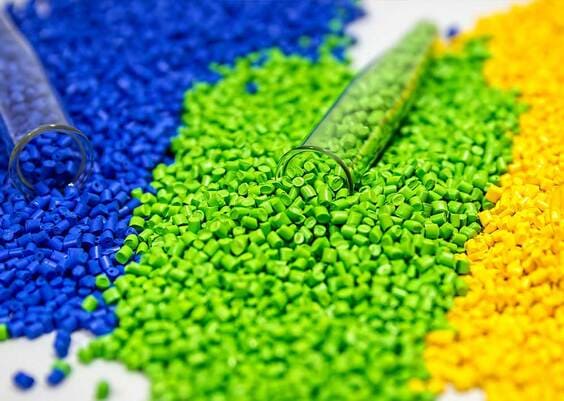
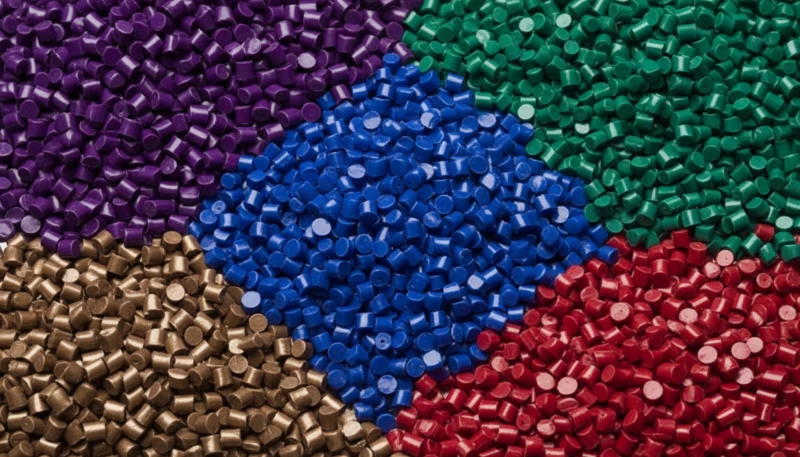
カラーマスターバッチは、ナチュラル樹脂またはベース樹脂に所定の色を付与するための高濃度ペレット混合物です。一般的なカラーマスターバッチには、顔料または染料、キャリア樹脂、加工助剤のほか、耐熱性、耐UV性、難燃性、屋外耐候性を付与する安定剤が含まれる場合があります。射出成形機でベース樹脂とマスターバッチを一緒に溶融し、プラスチックが金型に入る前にスクリューで顔料を均一に分散させる必要があります。
机上では整然として見えても、準備不足は金型では通用しません。キャリア樹脂がベース樹脂と適合しなければ、色筋、曇り、プレートアウトが発生したり、部品強度が低下したりします。希釈率を試験せず推測で決めると、初回試作は良好でも第2ロットで色がずれることがあります。確実な色管理計画は、射出成形金型が生産に入る前から始まります。
購入者にとって重要なのは、色承認が外観だけの判断ではないという点です。正確な樹脂グレード、マスターバッチコード、希釈比、成形機サイズ、乾燥条件、および合意した照明下での承認サンプルが必要です。これらを管理しなければ、2つの工場が同じPantone目標色を使用しても、見た目が明らかに異なる部品を出荷する可能性があります。
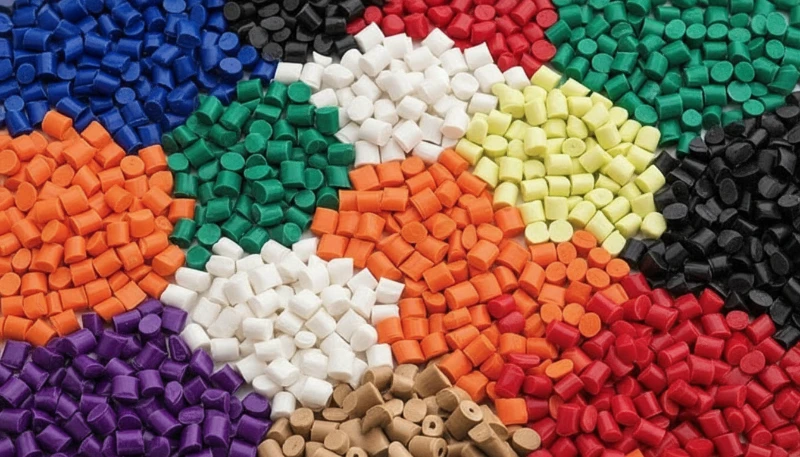
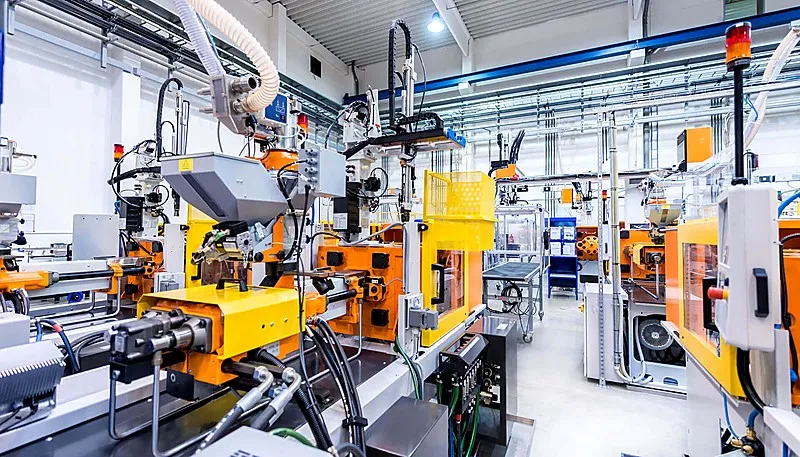
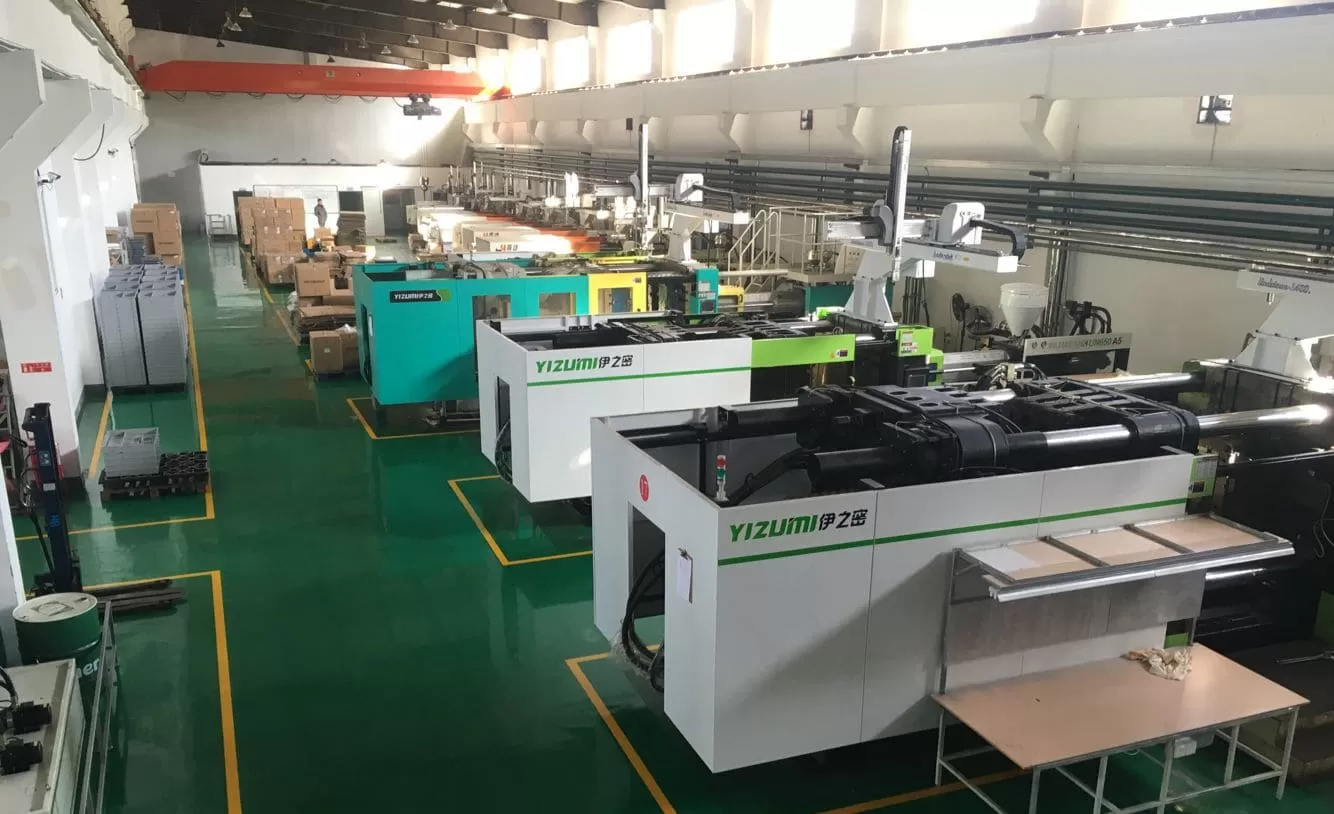
当社の上海工場では、90Tから1850Tまで47台の射出成形機を稼働させているため、ショットサイズ、スクリュー容量、樹脂系統が異なっても通用する色承認が必要です。通常、色目標はPantone、RAL、または顧客支給サンプルを基準とし、平板状のカラーチップだけでなく、実際の成形品で結果を確認します。
"サンプルチップでは適正に見えるマスターバッチでも、量産時には色ぶれが生じることがある。"True
成形品は実際のせん断、滞留時間、金型温度、肉厚、表面テクスチャの影響を受けます。顔料コードが同じでも、これらの条件によって見える色が変わることがあります。
"Pantone番号が正しければ、マスターバッチの選定は完了している。"False
Pantoneは目標を示す表現にすぎません。量産では、樹脂との適合性、レットダウン比、熱安定性、サンプル照明、合否公差も必要です。
適切なキャリアと顔料システムをどう選ぶか?
適切なキャリア樹脂と顔料システムの選定では、金型製作能力、品質システム、コミュニケーション、取引条件との適合性が重要です。色名ではなく、まずキャリア樹脂を選定してください。キャリア樹脂がベース樹脂と十分に溶融・混合しなければ、顔料を分散できません。PP、PE、ABS、PC、PA、POM、TPU、充填材入りコンパウンドでは、キャリア樹脂の選定が異なります。汎用キャリア樹脂は便利ですが、外観、強度、耐熱性の面で常に最も安全な選択肢とは限りません。
次に、顔料システムが成形温度に適合しているか確認します。PC、PA、PBT、高温用エンジニアリングプラスチックでは、耐熱性の低い顔料の問題がすぐに表面化します。顔料の熱安定性が低いと、滞留時間が長くなるにつれて、成形品に色調のずれ、黄変、輝度低下が生じる可能性があります。そのため、PP包装で問題なく使える色でも、PCカバーやナイロン製ギヤハウジングでは不具合を起こすことがあります。
希釈率も重要です。多くの案件ではマスターバッチの添加率を約1%から4%としますが、適正値は顔料強度、肉厚、目標不透明度、再生材含有率、部品形状によって異なります。薄肉部では光が部品を透過するため、より強い着色力が必要になることがあります。厚いリブは光路が長くなるため、より濃く見える場合があります。
実用的な承認には、一定幅の成形条件範囲を含める必要があります。完璧なショット1回だけで承認してはいけません。標準条件で目標色を確認した後、製品が条件に敏感な場合は、溶融温度または背圧をわずかに上下させて試験します。通常の成形条件範囲内で色調が大きく変動する場合、その着色処方は不安定であり、量産前に修正する必要があります。
試作前には、マスターバッチサプライヤーの技術資料も確認してください。推奨加工温度、該当する場合は食品接触または医療用途に関する適合情報、UV添加剤パッケージ、熱老化限界、顔料が難燃性等級に影響する可能性を確認します。最初のサンプルの外観が良いと、こうした詳細は見落とされがちですが、実際の製品要件を満たしながらカラーシステムを安全に使用できるかどうかを左右します。
| 確認 | 重要である理由 | 工場への確認事項 |
|---|---|---|
| キャリア樹脂 | 相溶性と分散性を制御 | ベースポリマーと適合していますか? |
| 熱安定性 | 色調変化や黄変を防止 | 溶融温度に耐えられますか? |
| 希釈倍率 | 着色力とコストを調整 | その比率は実際の成形品で検証されましたか? |
| 不透明度 | 肉厚に応じて変化 | 薄肉部と厚肉部は一致していますか? |
カラーストリークや色調差はなぜ発生するのか?
色筋は、溶融樹脂がキャビティを充填する前に顔料が均一に分散していない場合に発生します。当社の経験では、不十分なマスターバッチ分散、スクリューの混練不足、低い背圧、短い滞留時間、水分、汚染された再生材、またはホッパー投入前にペレットが均一に混合されていないことが根本原因となります。多くの工場では、まずマスターバッチが疑われますが、成形機の設定にも同等の注意を払うべきです。
色調差は、成形品自体に起因する場合もあります。光沢面とシボ面では光の反射が異なります。厚いボス部は薄肉部より暗く見えることがあります。ゲート周辺には、色むらのように見えても、実際にはメルトフロントの挙動によって生じたフローマークが現れることがあります。顔料を安易に変更する前に、体系的な射出成形不良レビューを実施してください。
成形機のサイズも見過ごされやすい変動要因です。1ショットがシリンダー容量のごく一部しか使用しない場合、滞留時間が長く不安定になります。逆に、スクリュー回復時間に対してショット量が大きすぎると、混練が不十分になることがあります。通常のせん断下で両材料が一緒に溶融・流動するよう、樹脂とマスターバッチ用キャリアのメルトフローインデックス3は十分に近い値である必要があります。
最も速い工場テストは制御分割です。樹脂、マスターバッチ、乾燥、金型を一定に保ち、次に一度に一つのプロセス変数を調整します:背圧、スクロー速度、溶融温度、または投与方法。欠陥がプロセスとともに変化する場合、プロセスを調整します。合理的な範囲内で変化しない場合、マスターバッチ供給者に色素分散とキャリア相容性をレビューするように依頼します。
ハウスキーピングを省略しないでください。ホッパー、乾燥機、スクリュー、またはグラインダーに以前の色が少量残っていると、明るい色の生産を台無しにすることがあります。色変更はミニラインクリアランスイベントのように扱うことをお勧めします:接触面を清掃し、溶融が安定するまでパージし、最初の合格ショットをマークし、不合格の移行部品を承認済み生産ビンから遠ざけてください。
"背圧は色材の混合改善に役立ちますが、万能な解決策ではありません。"True
適度な背圧はせん断と混合を増加させます。過剰な背圧は溶融を過熱し、回復を延長し、添加剤を損傷し、または新しい外観欠陥を生み出す可能性があります。
"色が濃い場合は、常にマスターバッチの添加量が多すぎることを意味する。"False
壁厚、水分、滞留時間、色素熱安定性、表面光沢、観察光はすべて、投与誤差なしで部品をより暗く見せる可能性があります。
生産中に工場はどのように色を管理すべきですか?
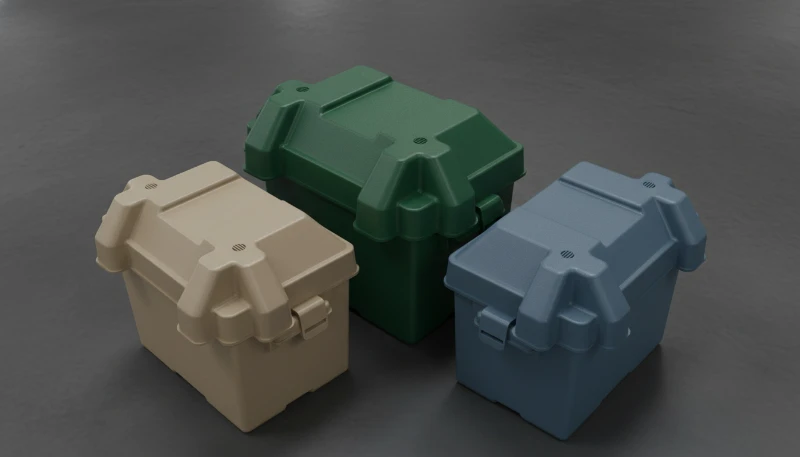
工場の色管理は、文書化されたシステムです:ゴールデンサンプル、検査方法、固定された材料チェーン、記録されたプロセス設定。サンプルは、平らなプレートだけでなく、実際の材料とテクスチャから成形された部品であるべきです。光源、視距離、視角度、および判定が目視比較、分光測色計データ、またはその両方であるかを定義します。承認方法が曖昧な場合、後のすべての議論は個人の意見になってしまいます。
その後、材料の調達先を固定します。樹脂グレード、バッチ番号、マスターバッチコード、サプライヤー、ロット番号、乾燥時間、乾燥温度、希釈比率、再生材の割合、ホッパー混合方法を記録します。再生材の使用が許可されている場合は、最大割合を設定し、色が合格基準を満たすことを確認してください。再生材は熱履歴、汚染、および以前の顔料残留物を含む可能性があります。
工程記録には、樹脂温度、金型温度、背圧、スクリュー回転数、クッション量、射出成形の生産時間、初品検査結果を含める必要があります。これらは単なる書類上の飾りではありません。後続ロットでずれが生じた際、技術者は推測ではなく実際の条件を比較できます。同じ管理手法は、材料変更に伴う金型収縮や反りの問題の診断にも役立ちます。
調達チームは、量産前に商取引上の承認ゲートも設けてください。色差をどのように処理するか、マスターバッチ変更の責任者は誰か、代替ロットをどのように承認するか、緊急の色補正に再サンプルが必要かを成形業者に確認します。優れた調達ガイドでは、色を品質リスクとサプライヤーとのコミュニケーションリスクの両面から扱うべきです。
検査は記憶に頼るべきではありません。ゴールデンサンプルは密封袋またはサンプルボックスに保管し、承認済みリビジョンをラベル付けし、いつ交換する必要があるかを定義します。金型修理後に表面テクスチャが変化した場合、樹脂グレードが変更された場合、または顧客がブランドカラーを更新した場合は、生産中にすべてのロットを古い部品と比較するのではなく、新しい色承認記録を発行してください。その規律は、繰り返し注文や将来の再注文時の紛争における緩やかな色のずれを防ぎます。
| 管理ポイント | 記録を保持する | 失敗のシグナル |
|---|---|---|
| 入荷材料 | 樹脂とマスターバッチロット | ロット間の色調のずれ |
| 乾燥 | 時間と温度 | 筋状模様、スプレー、光沢変化 |
| 投与 | レットダウン比率とミキサー方法 | 濃すぎる、薄すぎる、または不均一な色 |
| 検査 | ゴールデンサンプルと光源 | 受入に関する議論 |
プロセスを変更する代わりにマスターバッチを変更すべきタイミングは?
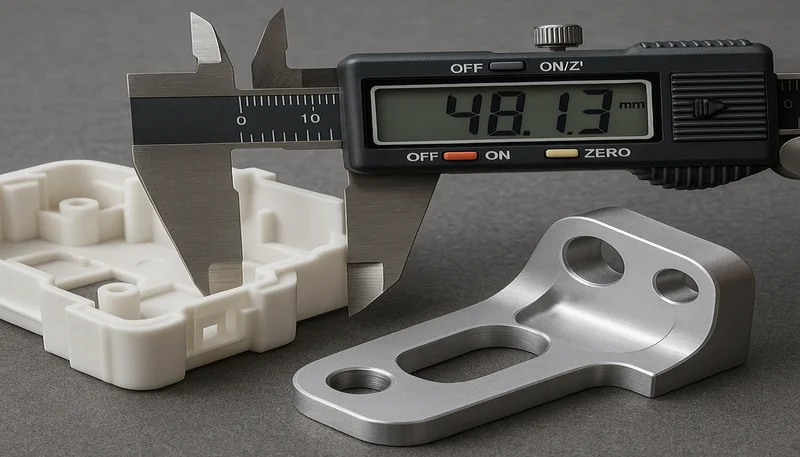
マスターバッチの変更は、安定したプロセスチェック後に色が失敗した場合に正当化されます。一つの機械設定が誤っている場合ではありません。より高い背圧が筋状欠陥を減少させる場合、乾燥が外観を改善する場合、またはより清潔なホッパーが汚染を除去する場合、マスターバッチは許容されるかもしれません。安定した生産範囲内に留まる場合、色の再配合前にプロセス修正を推奨します。
管理されたプロセスチェック後も問題が残る場合は、マスターバッチを変更してください。警告サインには、持続的な斑点、通常のせん断力での分散不良、必要な溶融温度での色ずれ、ベース樹脂との弱い互換性、または色添加後の機械的特性の低下が含まれます。規制対象または高価値部品の場合、色公差を広げすぎてこれらの失敗を隠さないでください。
有用な判断ルールは単純です:プロセスウィンドウが信頼性高く運転するには狭すぎる場合、その色システムは量産準備ができていません。工場は、特別な調整で美しいサンプルを作ることができます。購入者は、通常のオペレーターが通常のシフトで通常の材料ロットを使って繰り返せるプロセスを必要とします。
ZetarMoldは20年以上の金型設計・成形経験を持ち、色に敏感なプラスチック部品に対応する社内金型サポートを提供しています。プロジェクトで成形色合わせ、DFMフィードバック、または色調ずれに関するセカンドオピニオンが必要な場合は、樹脂グレード、目標色、表面仕上げ、年間数量、および不合格サンプルをお送りください。問題が材料、金型、プロセス、または検査方法によるものかどうかをレビューできます。
よくある質問
射出成形用カラーマスターバッチの最適なレットダウン比は何ですか?
普遍的な最適比率はありませんが、多くのプロジェクトは重量ベースで1%から4%のマスターバッチから始まります。最終的な数値は、顔料強度、ベース樹脂、肉厚、不透明度目標、表面テクスチャ、およびコスト目標によって異なります。薄い半透明部品は、厚い不透明ハウジングよりも強い配合が必要な場合があります。最も安全な方法は、実際の成形部品でマスターバッチをテストし、比率を記録し、生産検査で使用するのと同じ照明条件下で色を承認することです。その比率を生産セットアップシートに記載してください。
異なるプラスチックに一つのユニバーサルカラーマスターバッチを使用できますか?
場合によっては可能ですが、それは仮定されるべきではありません。万能マスターバッチは単純な汎用樹脂では機能するかもしれませんが、熱、相容性、または機械性能が重要なエンジニアリングプラスチックでは失敗するかもしれません。PC、PA、PBT、POM、TPU、および充填化合物は別々の確認が必要です。キャリアが基材樹脂とよく混合しない場合、筋状欠陥、不良表面光沢、弱い衝撃強度、または不安定な色調が結果となる可能性があります。供給者と配合を確定する前にテストしてください。重要な生産部品では相容性が便利さを上回ります。
なぜ同じマスターバッチが2台の機械で異なる色合いを生み出すのですか?
スクロー設計、バレルサイズ、滞留時間、背圧、スクロー速度、温度制御が同一ではないため、異なる機械は異なる色調を生み出す可能性があります。樹脂とマスターバッチが同じでも、溶融履歴は変化します。大きなバレルは材料を長時間高温に保つかもしれませんが、小さな機械は異なる混合を行うかもしれません。色素を責める前に、まずプロセス記録を比較し、同じ乾燥、投与、検査方法を使用して制御された試験を実施してください。色を判断する前に機械条件を一致させます。
色はPantone、RAL、または物理サンプルで承認すべきですか?
パントーンとRALは有用なコミュニケーション基準ですが、成形された物理サンプルは通常最も強力な承認基準です。プラスチックの厚さ、テクスチャ、光沢、樹脂の色、照明はすべて色の見え方を変えます。印刷されたチップは成形プラスチック部品のように動作しません。重要な外観製品の場合、最終樹脂、マスターバッチ、金型テクスチャ、生産類似プロセスから作られたゴールデンサンプルを承認してください。そのサンプルを保護し、将来のロット比較に使用します。照明基準を明確に文書で定義します。
射出成形部品の色むらを防ぐにはどうすればよいですか?
清潔な材料取り扱い、正しい乾燥、確認済みマスターバッチ互換性、一貫したドーシングから始めます。次に、バックプレッシャー、スクリュー速度、溶融温度、ショットサイズをバレル容量に対して確認します。筋状の模様は、顔料が均一に混合されていないことを意味することが多いですが、湿気、汚染、冷えたペレット、不適切なキャリア選択、または過剰な再生材も同様の見た目になることがあります。一度に一つの変数を変更し、サンプルを保管してください。通常のプロセス調整で筋状模様が除去できない場合は、マスターバッチサプライヤーに分散性の改善を依頼してください。良い角度だけを撮影して筋状模様を隠さないでください。
カスタムカラーマスターバッチが追加コストに見合うのはいつですか?
カスタムマスターバッチは、色がブランドアイデンティティの一部である場合、材料がエンジニアリング樹脂である場合、部品に厳しい外観要件がある場合、または繰り返し注文が以前のロットと一致する必要がある場合に検討する価値があります。また、標準色で筋状模様、熱による色ずれ、不透明度不良、または機械的特性の低下が生じる場合にも有用です。追加のセットアップコストは、通常、部品の選別、出荷遅延、または色がすでに生産で不合格になった後に顧客と議論するよりも正当化しやすいです。カスタムカラーは繰り返し不良品に対する保険です。