...

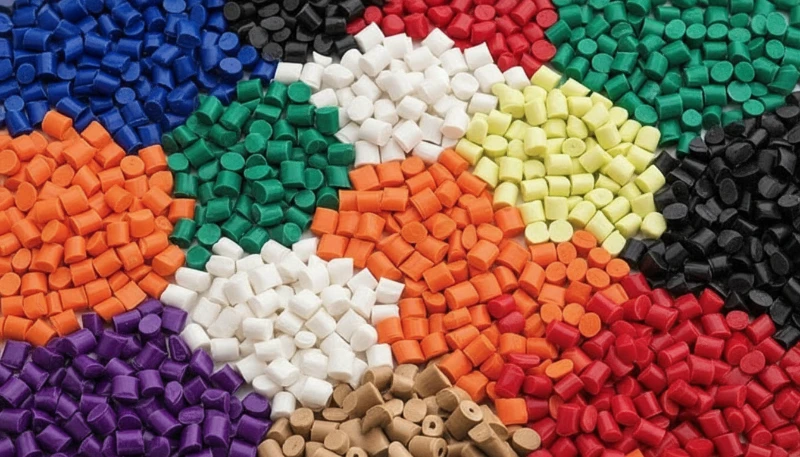
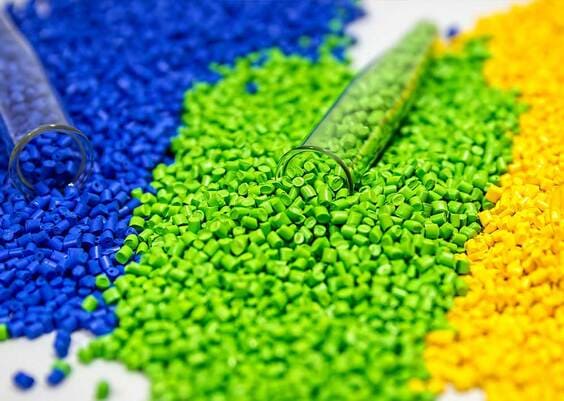
검정, 흰색, 빨강, 주황, 노랑, 녹색, 파랑 등 다양한 색상의 다채로운 플라스틱 펠릿.

• ZetarMold Engineering Guide
• Plastic Injection Mold Manufacturing Since 2005
• Built by ZetarMold engineers for buyers comparing mold and molding solutions.

수지와 마스터배치 캐리어의 점도가 충분히 가까워야 정상적인 전단 하에서 두 재료가 함께 녹고 이동합니다. 사출 성형, color masterbatch1 is not just a bag of pellets. It affects material compatibility, screw mixing, drying discipline, cosmetic defects, inspection standards, and how much production scrap you will tolerate before someone calls an emergency meeting.

This guide is written from the factory side. We will not pretend every color issue can be solved by adding more pigment. Some problems come from the masterbatch formula, some from the carrier resin2, some from machine settings, and some from an unclear golden sample. The practical question is simple: how do you choose and run color masterbatch so production color stays stable lot after lot?

주요 내용
  • Match carrier resin before approving color.
  • Confirm let-down ratio under real molding conditions.
  • Use a golden sample and numeric tolerance.
  • Drying and screw mixing decide consistency.
  • Treat color drift as a process signal.

What is color masterbatch in injection molding?

Color masterbatch is a concentrated pellet blend used to add controlled color to natural or base plastic resin. A typical color masterbatch contains pigment or dye, a carrier resin, processing aids, and sometimes stabilizers for heat, UV, flame, or outdoor exposure. The injection molding machine melts the base resin and masterbatch together, then the screw must distribute the pigment evenly before the plastic enters the mold.

That sounds tidy on paper, but the mold does not forgive weak preparation. If the carrier resin is not compatible with the base resin, the color can streak, haze, plate out, or weaken the part. If the let-down ratio is guessed instead of tested, the first trial may look good and the second lot may drift. A strong color plan starts before the 사출 금형 reaches production.

For buyers, the important point is this: color approval is not only a visual decision. You need the exact resin grade, masterbatch code, let-down ratio, machine size, drying condition, and approved sample under agreed lighting. Without those controls, two factories can use the same Pantone target and still ship visibly different parts.

Colorful plastic pellets for injection molding
Masterbatch pellets
🏭 ZetarMold Factory Insight
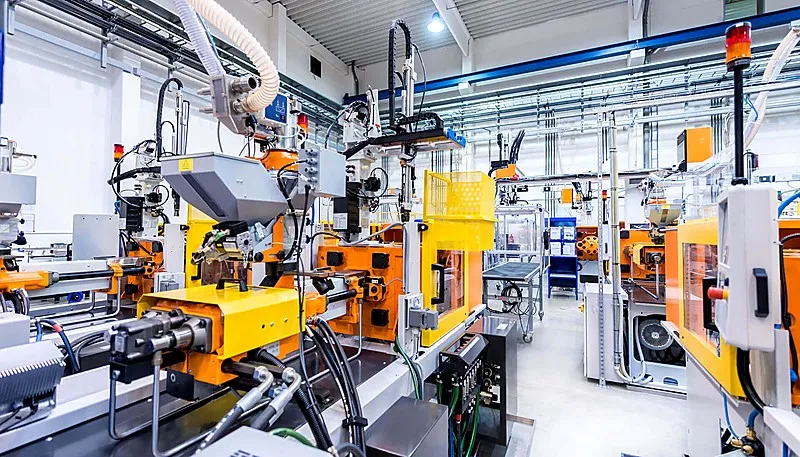
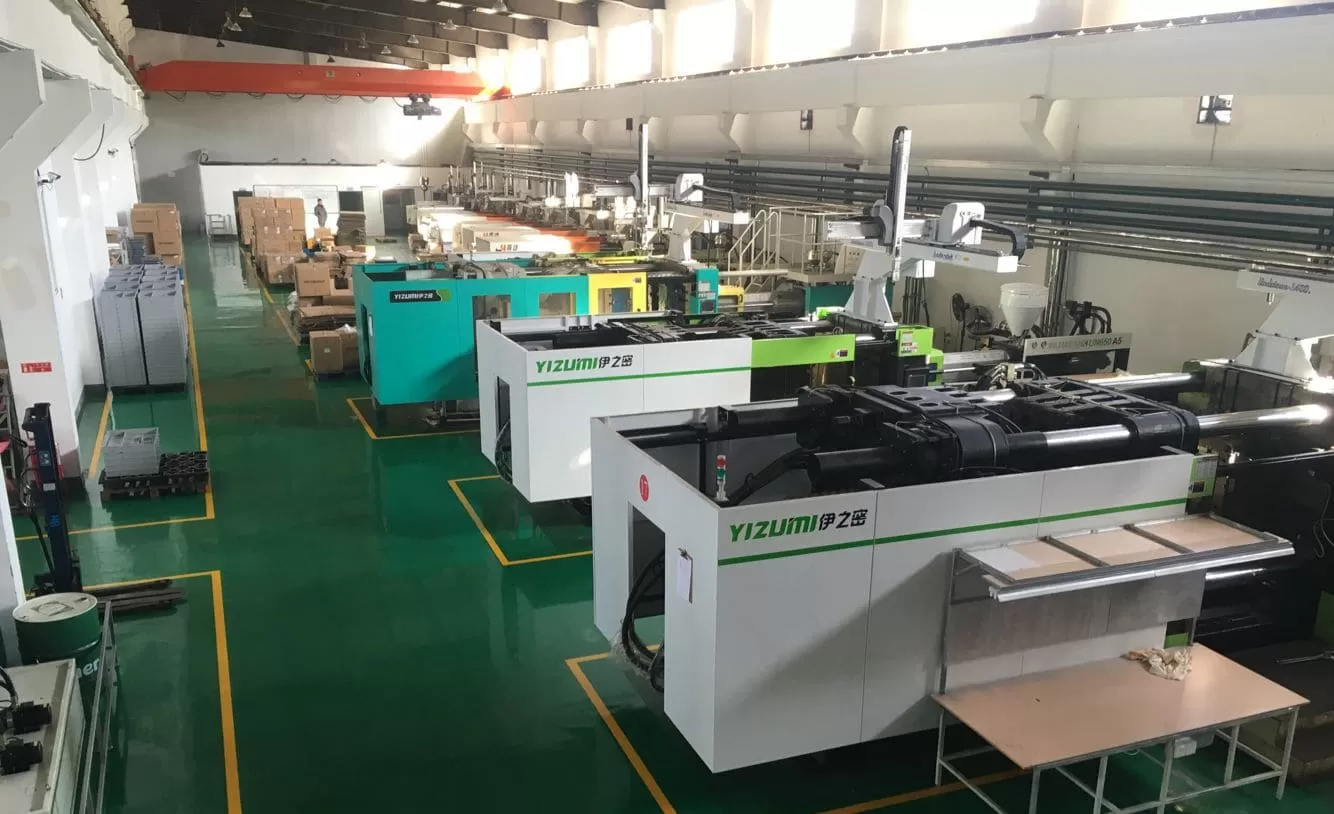
In our Shanghai factory, ZetarMold runs 47 injection molding machines from 90T to 1850T, so color approval has to work across different shot sizes, screw capacities, and resin families. We normally anchor color targets to Pantone, RAL, or customer samples, then confirm the result on molded parts, not only on flat color chips.

“샘플 칩에서 정확해 보이는 마스터배치도 생산 과정에서 변할 수 있습니다.”True

The molded part sees real shear, residence time, mold temperature, wall thickness, and surface texture. Those conditions can change perceived color even when the pigment code is unchanged.

“팬톤 번호가 정확하다면, 마스터배치 선택은 완료된 것입니다.”False

Pantone is only a target language. Production still needs resin compatibility, let-down ratio, heat stability, sample lighting, and acceptance tolerance.

How do you choose the right carrier and pigment system?

Choosing the right carrier and pigment system is about tooling capability, quality systems, communication, and commercial fit. Choose the carrier first, not the color name. The carrier should melt and mix well with the base resin, because pigment cannot disperse if the carrier fights the polymer. For PP, PE, ABS, PC, PA, POM, TPU, and filled compounds, the carrier decision changes. A universal carrier can be convenient, but it is not always the safest choice for appearance, strength, or heat resistance.

Next, check the pigment system against the molding temperature. PC, PA, PBT, and high-temperature engineering plastics can expose weak pigments quickly. If the pigment has poor heat stability, the part may shift shade, yellow, or lose brightness during longer residence time. This is why a color that works in PP packaging may fail in a PC cover or nylon gear housing.

The let-down ratio also matters. Many projects run around 1% to 4% masterbatch addition, but the right number depends on pigment strength, wall thickness, opacity target, recycled content, and part geometry. Thin walls often need stronger color strength because light passes through the part. Thick ribs may look darker because the optical path is longer.

A practical approval should include a small process window. Do not approve only one perfect shot. Test the target at normal setting, then slightly higher and lower melt temperature or back pressure if the product is sensitive. If the shade moves too much inside a normal process range, the color formula is fragile and should be corrected before mass production.

또한 시험 전에 마스터배치 공급업체의 기술 자료를 검토하세요. 권장 가공 온도, 관련 시 식품 접촉 또는 의료용 주장, UV 패키지, 열 노화 한계 및 안료가 난연 등급에 영향을 미칠 수 있는지 확인하십시오. 이러한 세부 사항은 첫 샘플이 예뻐 보일 때 간과하기 쉽지만, 실제 제품 요구 사항을 안전하게 견딜 수 있는 색상 시스템인지를 결정합니다.

Masterbatch selection checks
Check Why it matters Factory question
Carrier resin Controls compatibility and dispersion Does it match the base polymer?
Heat stability Prevents shade shift or yellowing Can it survive the melt temperature?
Let-down ratio Controls color strength and cost Was the ratio tested on real parts?
Opacity Changes with wall thickness Do thin and thick areas match?
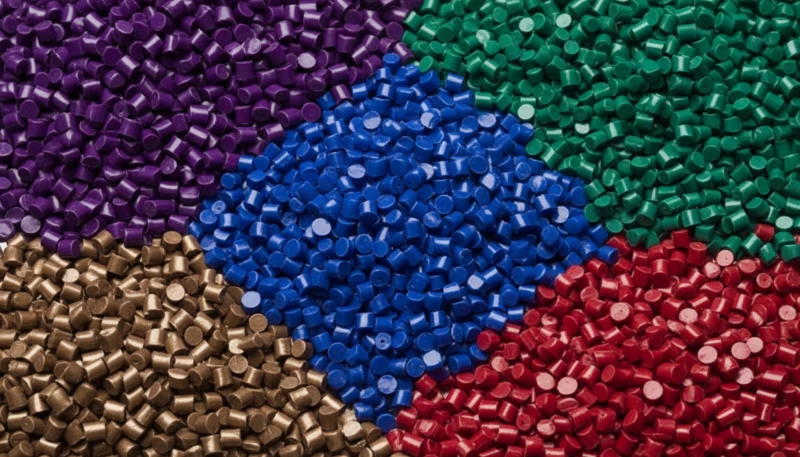
Colorful plastic pellets for injection molding
Color pellet mix

Why do color streaks and shade differences happen?

Color streaks happen when pigment is not dispersed evenly before the melt fills the cavity. In our experience, the root cause can be poor masterbatch dispersion, weak screw mixing, low back pressure, short residence time, moisture, contaminated regrind, or pellets that were not blended consistently before entering the hopper. In many factories the masterbatch gets blamed first, but the machine setting deserves equal attention.

Shade differences can also come from the part itself. A glossy surface reflects light differently from a textured surface. A thick boss can look darker than a thin wall. A gate area may show a flow mark that looks like a color defect but actually comes from melt front behavior. Use a structured injection molding defects review before changing pigment blindly.

Machine size is another quiet source of variation. If the shot uses only a small percentage of barrel capacity, residence time can become long and unstable. If the shot is too large for the screw recovery time, mixing may be weak. The melt flow index3 of the resin and masterbatch carrier should be close enough that both materials melt and move together under normal shear.

컬러 마스터배치는 플라스틱 가공 중 색상을 입히기 위해 사용되는 안료, 운반체 수지 및 첨가제의 농축 혼합물입니다.

Do not skip housekeeping. A small amount of previous color left in the hopper, dryer, screw, or grinder can ruin a light color run. We like to treat color changes like a mini line-clearance event: clean contact surfaces, purge until the melt is stable, mark the first acceptable shot, and keep rejected transition parts away from approved production bins.

“백 프레셔는 색상 혼합을 개선할 수 있지만, 마법 같은 해결책은 아닙니다.”True

Moderate back pressure increases shear and mixing. Too much can overheat the melt, lengthen recovery, damage additives, or create new cosmetic defects.

“어두운 색상은 항상 마스터배치가 너무 많이 첨가되었음을 의미합니다.”False

Wall thickness, moisture, residence time, pigment heat stability, surface gloss, and viewing light can all make a part appear darker without any dosing error.

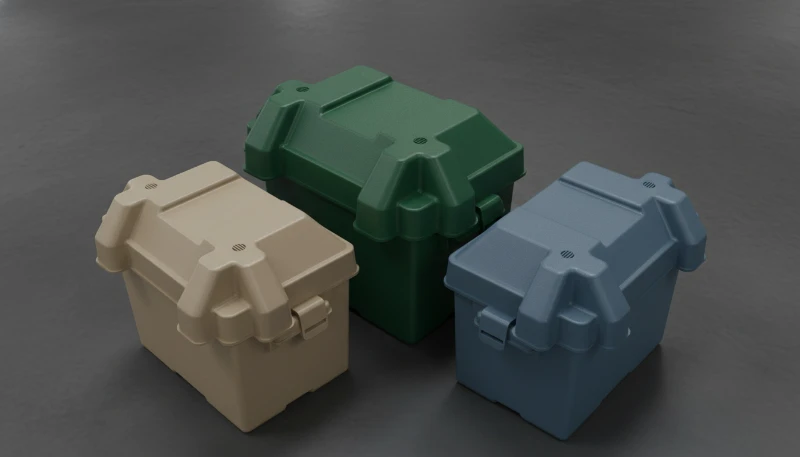
colored-plastic-storage-boxes
Molded color parts

How should a factory control color during production?

Factory color control is a documented system: golden sample, inspection method, locked material chain, and recorded process settings. The sample should be a molded part from the real material and texture, not only a flat plaque. Define the light source, viewing distance, viewing angle, and whether the judge is visual comparison, spectrophotometer data, or both. If the approval method is vague, every later argument becomes personal opinion.

Then lock the material chain. Record resin grade, batch number, masterbatch code, supplier, lot number, drying time, drying temperature, let-down ratio, regrind percentage, and hopper mixing method. If recycled material is allowed, set a maximum percentage and verify that the color still passes. Regrind can carry heat history, contamination, and previous pigment residue.

Process records should include melt temperature, mold temperature, back pressure, screw speed, cushion, 사출 성형 생산 시간, and first article inspection result. These records are not paperwork decoration. When a later lot drifts, they let the engineer compare actual conditions instead of guessing. The same discipline also helps diagnose 금형 수축 or warpage issues tied to material changes.

For sourcing teams, add a commercial gate before mass production. Ask the molder how color deviations are handled, who owns masterbatch changes, how replacement lots are approved, and whether urgent color correction requires a new sample round. A good sourcing guide should treat color as both a quality risk and a supplier communication risk.

Inspection should not rely on memory. Keep the golden sample in a sealed bag or sample box, label the approved revision, and define when it must be replaced. If the surface texture changes after mold repair, if resin grade changes, or if the customer updates brand color, issue a new color approval record instead of comparing every lot against an outdated part during production. That discipline prevents slow color creep across repeat orders and future reorder disputes later.

Production color control plan
Control point Record to keep Failure signal
Incoming material Resin and masterbatch lot Lot-to-lot shade drift
Drying Time and temperature Streaks, splay, gloss change
Dosing Let-down ratio and mixer method Dark, light, or uneven color
검사 Golden sample and light source Argument over acceptance
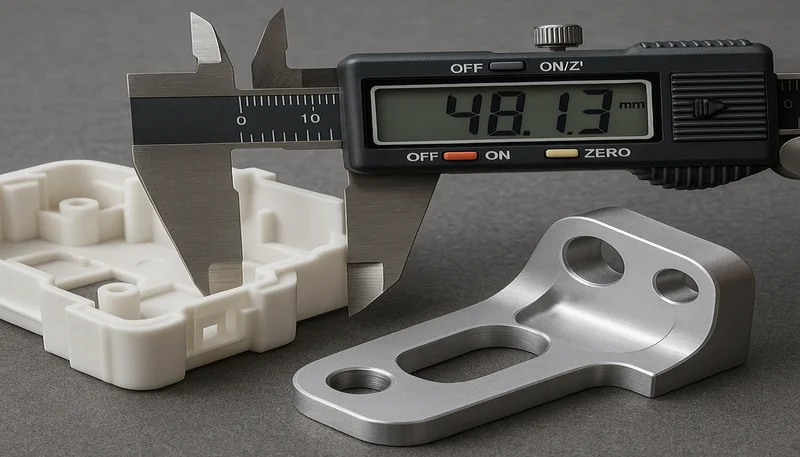
Injection Molding Product vs CNC machining tolerance
Color tolerance review

When should you change masterbatch instead of changing process?

A masterbatch change is justified when color fails after stable process checks, not when one machine setting is wrong. If higher back pressure reduces streaking, if drying improves appearance, or if a cleaner hopper removes contamination, the masterbatch may be acceptable. We recommend process correction before reformulating color, provided it stays inside a stable production window.

Change the masterbatch when the problem remains after controlled process checks. Warning signs include persistent specks, poor dispersion at normal shear, color shift at required melt temperature, weak compatibility with the base resin, or mechanical property loss after adding color. For regulated or high-value parts, do not hide these failures by widening color tolerance too far.

A useful decision rule is simple: if the process window becomes too narrow to run reliably, the color system is not production-ready. A factory can make a beautiful sample with heroic tuning. The buyer needs a process that normal operators can repeat on normal shifts with normal material lots.

ZetarMold has 20+ years of tooling and molding experience, plus in-house tooling support for color-sensitive plastic parts. If your project needs molded color matching, DFM feedback, or a second opinion on shade drift, send the resin grade, target color, surface finish, annual volume, and any failed samples. We can review whether the issue is likely material, mold, process, or inspection method.

자주 묻는 질문

What is the best let-down ratio for injection molding color masterbatch?

There is no universal best ratio, but many projects start between 1% and 4% masterbatch by weight. The final number depends on pigment strength, base resin, wall thickness, opacity target, surface texture, and cost target. A thin translucent part may need a stronger formula than a thick opaque housing. The safest method is to test the masterbatch on actual molded parts, record the ratio, and approve the color under the same lighting used for production inspection. Keep that ratio on the production setup sheet.

Can I use one universal color masterbatch for different plastics?

Sometimes you can, but it should not be assumed. A universal masterbatch may work for simple commodity resins, yet fail in engineering plastics where heat, compatibility, or mechanical performance matter. PC, PA, PBT, POM, TPU, and filled compounds deserve separate confirmation. If the carrier does not mix well with the base resin, the result can be streaking, poor surface gloss, weak impact strength, or unstable shade. Test before locking the supplier and formula. Compatibility beats convenience on serious production parts.

Why does the same masterbatch produce different shades on two machines?

Different machines can create different shade because screw design, barrel size, residence time, back pressure, screw speed, and temperature control are not identical. Even if the resin and masterbatch are the same, the melt history can change. A larger barrel may keep material hot longer, while a smaller machine may mix differently. Compare process records first, then run a controlled trial using the same drying, dosing, and inspection method before blaming the pigment. Match the machine condition before judging color.

Should color be approved with Pantone, RAL, or a physical sample?

Pantone and RAL are useful communication standards, but a molded physical sample is usually the strongest approval reference. Plastic thickness, texture, gloss, resin color, and lighting all change how color is seen. A printed chip does not behave like a molded plastic part. For important cosmetic products, approve a golden sample made from the final resin, masterbatch, mold texture, and production-like process. Keep that sample protected and use it for future lot comparison. Define the lighting standard in writing clearly.

How do I prevent color streaks in injection molded parts?

Start with clean material handling, correct drying, verified masterbatch compatibility, and consistent dosing. Then check back pressure, screw speed, melt temperature, and shot size against barrel capacity. Streaks often mean the pigment is not mixed uniformly, but moisture, contamination, cold pellets, poor carrier choice, or excessive regrind can look similar. Change one variable at a time and keep samples. If normal process adjustments cannot remove streaking, ask the masterbatch supplier to improve dispersion. Do not hide streaks by only photographing good angles.

When is a custom color masterbatch worth the extra cost?

A custom masterbatch is worth considering when color is part of brand identity, when the material is an engineering resin, when the part has strict cosmetic requirements, or when repeat orders must match previous lots. It is also useful when standard colors create streaks, heat shift, poor opacity, or mechanical property loss. The extra setup cost is usually easier to justify than sorting parts, delaying shipment, or arguing with customers after the color has already failed in production. Custom color is insurance against repeat scrap.


  1. color masterbatch: Color masterbatch is a concentrated mixture of pigment, carrier resin, and additives used to color plastic during processing.

  2. 컬러-플라스틱-보관-상자 Carrier resin is a polymer base that holds pigment and helps the masterbatch disperse into the production resin.

  3. melt flow index: Melt flow index is a measured value that describes how easily a molten polymer flows under specified test conditions.

최신 게시물
Facebook
트위터
LinkedIn
Pinterest
Mike Tang 사진
마이크 탕

Hi, I'm the author of this post, and I have been in this field for more than 20 years. and I have been responsible for handling on-site production issues, product design optimization, mold design and project preliminary price evaluation. If you want to custom plastic mold and plastic molding related products, feel free to ask me any questions.

나와 연결하기 →

빠른 견적 요청하기

다음을 통해 도면 및 세부 요구 사항을 보내세요. 

Emial:[email protected]

또는 아래 문의 양식을 작성하세요:

빠른 견적 요청하기

다음을 통해 도면 및 세부 요구 사항을 보내세요. 

Emial:[email protected]

또는 아래 문의 양식을 작성하세요:

빠른 견적 요청하기

다음을 통해 도면 및 세부 요구 사항을 보내세요. 

Emial:[email protected]

또는 아래 문의 양식을 작성하세요:

빠른 견적 요청하기

다음을 통해 도면 및 세부 요구 사항을 보내세요. 

Emial:[email protected]

또는 아래 문의 양식을 작성하세요:

빠른 견적 요청하기

다음을 통해 도면 및 세부 요구 사항을 보내세요. 

Emial:[email protected]

또는 아래 문의 양식을 작성하세요:

브랜드에 대한 빠른 견적 요청하기

다음을 통해 도면 및 세부 요구 사항을 보내세요. 

Emial:[email protected]

또는 아래 문의 양식을 작성하세요:

댓글 작성하기

이 도움말에 대한 자세한 내용을 보려면 "[email protected]"으로 이메일 주소를 입력하세요.

빠른 견적 요청하기

다음을 통해 도면 및 세부 요구 사항을 보내세요. 

Emial:[email protected]

또는 아래 문의 양식을 작성하세요:

빠른 견적 요청하기

다음을 통해 도면 및 세부 요구 사항을 보내세요. 

Emial:[email protected]

또는 아래 문의 양식을 작성하세요: