 Перейти к содержанию

- Типичная литая деталь стоит $0,15–$5,00 за единицу, но сама форма обходится в $5 000–$100 000+ в зависимости от сложности.
- Объём производства — главный драйвер затрат: форма за $20 000 добавляет $2,00/деталь при 10 тыс. штук, но всего $0,20/деталь при 100 тыс.
- Стоимость материала обычно составляет 20–50% цены детали; инженерные смолы, такие как PEEK, стоят в 10–20 раз дороже, чем стандартный PP.
- Накладные расходы на оборудование, время цикла и трудозатраты вместе составляют 30–60% стоимости детали.
- Скрытые расходы — дополнительные операции, брак, доставка, обслуживание оснастки — добавляют 10–25% к заявленной цене.
Какие основные факторы определяют стоимость литья под давлением на деталь?
Пять ключевых факторов, определяющих стоимость литья под давлением: формообразующая оснастка1, материал, стоимость машины, продолжительность цикла2и дополнительные операции. При сравнении поставщиков см. наш injection molding supplier sourcing guide для подготовки коммерческого предложения и проверки рисков.
Стоимость литьё под давлением детали определяется пятью ключевыми факторами: стоимость оснастки, цена сырья, почасовая ставка оборудования, время цикла и последующие операции. Каждое предложение от фабрики — это расчёт на основе этих пяти параметров плюс маржа поставщика.
На практике многих инженеров удивляет, насколько доминирует стоимость формы при малых тиражах. Прецизионная многогнездная форма для корпуса разъёма может стоить $35 000. Если нужно всего 5 000 деталей, одна только форма добавляет $7,00 на деталь — ещё до покупки смолы или запуска машины. При масштабировании той же формы до 500 000 деталей за два года вклад оснастки падает до $0,07 на деталь, и основными драйверами становятся материалы и обработка.
Вот краткая иерархия влияния на стоимость, от наибольшего к наименьшему воздействию: (1) годовой объём производства, (2) сложность геометрии детали, (3) выбор материала, (4) количество полости пресс-формы3, (5) географическое расположение поставщика. Заметьте, что «самая дешёвая фабрика» не входит в этот список — потому что фабрика с плохим контролем качества обойдётся дороже из-за брака, задержек и гарантийных случаев, чем вы сэкономите на цене за единицу.

Сколько стоит оснастка для литья и как её амортизировать?
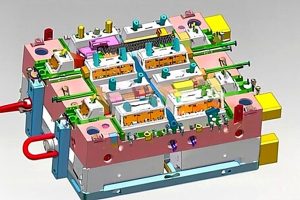
Оснастка для литья под давлением — самая крупная первоначальная затрата в любом проекте литья под давлением и наиболее чувствительная к объёму производства. Одногнёздная форма для кронштейна стоит $5,000–$12,000; многогнёздная прецизионная форма с боковыми механизмами, подъёмниками и горячеканальной системой обходится в $40,000–$100,000 или более.
Амортизация оснастки — распределение единовременных инвестиций в пресс-форму на объём производства — ключевой показатель для расчёта. Возьмите общую стоимость формы и разделите на ожидаемый совокупный объём выпуска за весь срок службы. Вот как это выглядит на практике:
| Тип пресс-формы | Cost Range | На 10 тыс. деталей | При 50 тыс. деталей | На 500 тыс. деталей |
|---|---|---|---|---|
| Одногнёздная, простая | $5,000-$12,000 | $0.50-$1.20 | $0.10-$0.24 | $0.01-$0.02 |
| Многогнёздная (4–8) | $20,000-$50,000 | $2.50-$5.00 | $0.50-$1.00 | $0.04-$0.10 |
| Горячеканальная, сложная | $40,000-$80,000 | $4.00-$8.00 | $0.80-$1.60 | $0.08-$0.16 |
| Высокогнёздная (16–32) | $60,000-$150,000 | $3.75-$9.38 | $0.75-$1.88 | $0.08-$0.19 |
| Вставное литьё / двухкомпонентное литьё | $15,000-$60,000 | $1.50-$6.00 | $0.30-$1.20 | $0.03-$0.12 |
Цифры говорят ясно: если ваш ожидаемый объём меньше 10 000 деталей, одногнёздная пресс-форма почти всегда будет правильным выбором. Дополнительные затраты на многогнёздность не окупаются, пока вы не достигнете 30 000–50 000 единиц. Но при объёмах от 100 000+ инвестиции в большее количество гнёзд значительно снижают стоимость детали за счёт сокращения времени цикла на каждое изделие.
Ещё один момент, который упускают многие новички: обслуживание формы. Хорошо обслуживаемая производственная форма, работающая на предприятии с 47 литьевыми машинами, обычно требует $500–$2 000 ежегодного обслуживания — полировка, замена изношенных толкателей, восстановление поверхности разъёма. Заложите 2–5% от первоначальной стоимости формы в год на обслуживание и включите это в расчёт совокупной стоимости владения.
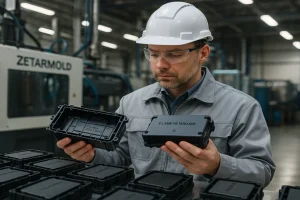
Данные фабрики ZetarMold: Наше производство пресс-форм в Шанхае изготавливает более 100 комплектов оснастки в месяц на 23 специализированных станках. С машинами с усилием смыкания от 90 до 1850 тонн мы можем производить всё: от микро-деталей до крупных корпусов весом до 10 кг. Каждая пресс-форма отслеживается по нашему 6-этапному процессу контроля качества для обеспечения точности размеров до начала производства.
Как выбор материала влияет на стоимость детали?
Сырьё обычно составляет 20–50% стоимости детали, а разрыв между стандартными и инженерными пластиками огромен. Полипропилен (ПП) стоит 1,00–1,50 долларов за килограмм. PEEK? Это 80–120 долларов за килограмм. Та же деталь, та же пресс-форма — только материал может изменить себестоимость в 10 раз.
Но стоимость материала — не только цена за килограмм. Нужно также учитывать вес детали, отходы литниковой системы (обычно 5–15% от веса выстрела) и возможность переработки и повторного использования материала. Аморфные материалы, такие как АБС и ПК, более терпимы к переработке; полукристаллические материалы, такие как ПОМ и ПБТ, более чувствительны к повторной переработке.
| Материал | Цена за кг (USD) | Typical Use | Индекс относительной стоимости |
|---|---|---|---|
| PP (полипропилен) | $1.00-$1.50 | Упаковка, корпуса, интегральные петли | 1.0x (базовый уровень) |
| ABS | $1.50-$2.50 | Корпуса, интерьер автомобиля | 1.5x |
| PA6 (Nylon 6) | $2.50-$4.00 | Шестерни, конструкционные детали | в 2,5 раза |
| PC (поликарбонат) | $3.00-$5.00 | Прозрачные крышки, светодиодные линзы | 3.0x |
| POM (Acetal) | $2.50-$4.50 | Точные шестерни, втулки | 3.0x |
| PPO/PPE | $4.00-$7.00 | Electrical housings, fluid handling | 4.0x |
| PPS | $5.00-$10.00 | Under-hood automotive, connectors | 5.5x |
| PEEK | $80-$120 | Aerospace, medical implants | 65x |
In our experience, when our engineers review part designs with customers at our Shanghai facility, the most common cost-reduction opportunity is over-specifying material. Many engineers specify PC-ABS or glass-filled nylon when standard ABS or PA6 would meet all functional requirements. Running a proper material selection analysis — looking at tensile strength, impact resistance, thermal requirements, and chemical exposure — can cut material cost by 30-50% without sacrificing performance.
Какую роль играет объём производства в стоимости детали?
Production volume is the single most powerful lever on per-part cost because it affects every other cost component. Higher volume justifies multi-cavity molds (lower cycle time per part), enables bulk material purchasing (5-15% discount), and reduces the overhead allocation per piece. In injection molding, volume isn’t just a number — it’s the architecture of your cost structure.
Here’s a real example. We recently quoted a 45mm diameter gear housing in PA6+GF30 for a power tool customer. At 5,000 units, the unit price was $3.85 (single-cavity mold, full markup on low-volume material buy). At 50,000 units, it dropped to $1.42 (4-cavity mold, bulk resin pricing, optimized cycle time). At 500,000 units annually, we hit $0.68 — less than one-fifth of the low-volume price.

The crossover point — where investing in a better mold starts paying for itself — is typically around 30,000-50,000 units for most part geometries. Below that threshold, a simple single-cavity mold with manual loading and standard tolerances is usually your most economical option. Above 100,000 units, you should seriously consider hot runner systems, high-cavitation molds, and automation to squeeze out every cent of savings.
Volume also affects which supplier can serve you best. A factory with 47 injection machines and monthly capacity of millions of parts can offer significantly better per-part pricing at volume than a small shop with 5-10 machines, because the larger factory has lower overhead per machine-hour and can schedule production more efficiently.
The quoted unit price is never the full story. After 20 years of running injection molding projects, we’ve seen every hidden cost there is. The most commonly overlooked items add up to 10-25% above the quoted per-part price.
First: secondary operations. Does your part need assembly, ultrasonic welding, pad printing, chrome plating, or heat staking? Each secondary step adds $0.05-$2.00 per part depending on complexity. A part that costs $0.80 to mold might cost $2.30 after silk screening, UV coating, and threaded insert installation.
Second: packaging and logistics. Export packaging for delicate cosmetic parts (custom foam inserts, individual poly bags, desiccant packs) can add $0.10-$0.50 per part. Ocean freight from Shanghai to Los Angeles for a standard pallet currently runs $2,000-$4,000 — spread across the pieces on that pallet, it’s usually $0.02-$0.15 per unit, but for bulky, lightweight parts the shipping can exceed the molding cost.
“Scrap rate is built into every factory’s quotation, typically 2-5% for simple parts and 5-10% for complex or tight-tolerance parts.”Правда
TRUE — Every factory factors in a scrap allowance. If your part has tight tolerances, complex geometry, or requires a specific surface finish (like high-gloss or optical clarity), the scrap rate will be higher. The cost of scrapped material and machine time is distributed across the good parts in your quote.
“The per-part price quoted by a Chinese factory includes all shipping costs to your warehouse door (DDP).”Ложь
FALSE — Most Chinese injection molding quotes are FOB (Free on Board) Shanghai or EXW (Ex Works). FOB means the factory’s price ends when goods pass the ship’s rail at the port. You pay ocean freight, import duties, customs brokerage, and last-mile delivery separately. DDP pricing is available but adds 15-25% to account for the factory’s risk and logistics overhead.
Third: quality control and inspection. Incoming quality control (IQC), in-process inspection, and final quality control (FQC) are standard at any reputable factory. But if you require 100% dimensional inspection, CMM reports for every batch, or third-party inspection by SGS/QIMA, expect to pay $0.02-$0.20 per part extra. It’s worth it for critical components, but it’s not free.
Fourth: mold modification and design changes. First-time литьевая форма tooling rarely produces perfect parts on the first try. Most molds need 1-3 rounds of modifications — adjusting gate size, fixing flash, tuning shrinkage compensation. These modifications are typically included in the initial tooling price (called T1-T3 sampling), but major design changes initiated by the buyer are billed separately at $2,000-$5,000 per change.
Как решения по проектированию детали влияют на стоимость?
Design for manufacturability (DFM) is where you win or lose the cost game before a single part is molded. Every design decision — wall thickness, draft angle, undercut, surface finish — has a direct line-item impact on your per-part price. The good news: most DFM improvements are free. They just require thinking about the molding process during the design phase, not after.
Wall thickness is the biggest lever. Thicker walls mean longer cooling time, which means longer cycle time, which means higher per-part cost. A part with 3mm walls might need 30 seconds to cool; the same geometry with 2mm walls might cool in 18 seconds. That 40% reduction in cycle time translates directly to 40% lower machine cost per part. Uniform wall thickness also prevents sink marks, warpage, and internal voids — eliminating quality costs downstream.
“Specifying a Class 101 mold (highest precision, 1M+ cycle life) for a part that only needs 50,000 units is a waste of money.”Правда
TRUE — Mold classification matters. A Class 101 mold with hardened steel cavities and precision temperature control costs 3-5x more than a Class 104 mold (standard tolerance, <100K cycles). If your total volume is under 100,000 parts, a Class 102 or 103 mold is usually the right balance of cost and durability. Over-specifying the mold class is one of the most common ways buyers overspend.
“Adding more features and complexity to a part during initial design costs the same as a simpler version, since the mold is being built from scratch anyway.”Ложь
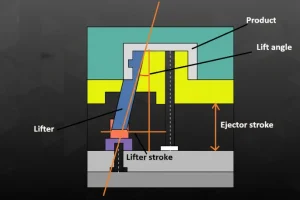
FALSE — Every additional undercut, side action, lifter, or threaded core adds $2,000-$15,000 to the mold cost and increases cycle time by 5-20 seconds. A simple two-plate mold with straight-pull geometry might cost $8,000 and run 15-second cycles. The same part with two side cores and a threaded insert feature could cost $28,000 and need 35-second cycles. Simplicity saves money at every scale.
Surface finish is another cost multiplier. SPI A-1 (mirror polish) requires hand polishing the cavity for 8-16 hours, adding $1,000-$5,000 to the mold cost. SPI B-1 (fine matte) is achievable with standard EDM finish and costs nothing extra. If your part isn’t cosmetic-facing, skip the premium finish.
Данные фабрики ZetarMold: Our 8 senior engineers (each with 10+ years of experience) provide complimentary DFM analysis with every mold quotation. We flag cost-saving opportunities — wall thickness optimization, draft angle corrections, gate placement alternatives — before you commit to tooling. With 400+ materials in our database, we can recommend the most cost-effective resin for your performance requirements.
Как снизить стоимость литья под давлением на деталь?
You can cut injection molding cost per part by 15-60% through three levers: design optimization, process efficiency, and supply chain strategy. Here are the specific tactics, ranked by savings impact.
| Strategy | Savings Potential | When to Apply | Effort Level |
|---|---|---|---|
| Increase production volume | 30-60% | Always — combine annual demand | Низкий |
| Optimize wall thickness (uniform, thinner) | 15-40% on machine cost | Design phase | Средний |
| Switch to multi-cavity mold | 25-50% per part at volume | Above 30K units | Средний |
| Negotiate bulk material pricing | 5-15% | Above 5 tons/year | Низкий |
| Устранение вторичных операций | 10-30% | Design phase | Высокий |
| Используйте семейную форму для похожих деталей | 20-40% на оснастку | Несколько похожих деталей | Средний |
| Снизить требования к чистоте поверхности | 5-15% | Некосметические детали | Низкий |
| Закупка из Китая против местной | 30-50% | При соблюдении стандартов качества | Средний |
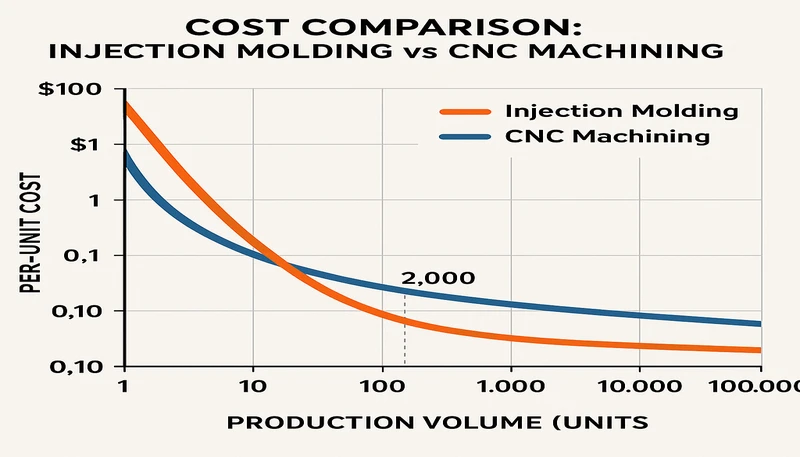
The most underused tactic is consolidation. If you’re ordering the same part in multiple batches throughout the year, consolidate into one annual order. Even if you don’t need all the parts immediately, the per-part savings from volume pricing often outweigh warehousing costs. As a rough guide: if you can commit to 50,000+ units of a single part number annually, you should expect 20-35% lower pricing than ordering 5,000 units ten times.
Еще одна упускаемая возможность: замена материала. Мы часто видим детали, специфицированные в PC-ABS ($3.50/кг), которые работали бы идентично в стандартном ABS ($2.00/кг) с небольшой доработкой конструкции. Или детали из стеклонаполненного нейлона, где чуть более толстая стенка из ненаполненного нейлона достигала бы той же жесткости при вдвое меньшей стоимости материала. Правильный поставщик будет активно предлагать такие альтернативы, а не просто слепо выполнять вашу спецификацию материалов.
Как выглядит реальная детализация затрат?
Theory is useful, but let’s look at a real example. Here’s an actual cost breakdown for a 65mm x 40mm x 25mm electronic enclosure in ABS, produced at our Shanghai facility. This part has a simple snap-fit feature, two brass threaded inserts (heat-staked), and requires SPI B-2 surface finish on cosmetic faces.
| Cost Component | При 10 тыс. единиц | На 100 тыс. единиц | Примечания |
|---|---|---|---|
| Изготовление пресс-формы (4-гнездная, сталь P20) | $0.80/деталь | $0.08/деталь | $32,000 пресс-форма, амортизированная |
| Материал (АБС, включая отходы литника) | $0.12/деталь | $0.09/деталь | 18г на деталь + 15% литник |
| Машинное время (180T, цикл 22с) | $0.18/деталь | $0.14/деталь | Накладные расходы: $25/час |
| Резьбовые втулки (2x M3 латунь) | $0.08/деталь | $0.06/деталь | Материал + термозакрепление |
| Сборка (защелкивание + установка вставки) | $0.05/деталь | $0.03/деталь | Manual operation |
| Контроль качества (AQL 2.5) | $0.03/деталь | $0.02/деталь | Стандартный контроль качества |
| Упаковка (полиэтиленовый пакет + коробка) | $0.04/деталь | $0.03/деталь | Массовая упаковка |
| Допуск на брак (3%) | $0.04/деталь | $0.03/деталь | Включено в коммерческое предложение |
| Общая стоимость на деталь | $1.34 | $0.48 | - |
Notice the cost inversion. At 10,000 units, the mold tooling ($0.80) is the single largest cost component — 60% of the total. At 100,000 units, material ($0.09) and machine time ($0.14) together exceed the tooling contribution ($0.08). This is why the “what’s your minimum order quantity?” question matters so much — the answer determines which cost component dominates your budget.
Данные фабрики ZetarMold: Имея 47 машин для литья под давлением мощностью от 90 до 1850 тонн и более 120 производственных сотрудников, наш завод в Шанхае справляется со всем: от микролитья до крупных структурных деталей. Наши более 30 англоговорящих менеджеров проектов обеспечивают четкую коммуникацию по детализации затрат, обратной связи по DFM и графикам платежей на основе этапов — так вы точно знаете, куда уходит каждый доллар.

Часто задаваемые вопросы о стоимости литья под давлением на деталь
Какова средняя стоимость одной детали при литье под давлением?
The average cost per part for injection molding ranges from $0.15 for simple, high-volume commodity plastic parts like bottle caps or cable clips, up to $5.00 or more for complex, low-volume parts requiring tight tolerances, engineering-grade materials, or secondary operations such as insert molding or painting. Most production parts fall in the $0.30 to $2.00 range when produced at volumes of 50,000 to 500,000 units. The exact number depends heavily on your part geometry, material selection, production volume, and the supplier’s geographic location.
Как рассчитать стоимость литья под давлением на одну деталь?
Формула расчёта стоимости литья под давлением на одну деталь в принципе проста, но требует точных данных по каждому компоненту. Стоимость одной детали равна сумме: Стоимость формы, делённая на общий объём производства, плюс Вес детали, умноженный на цену материала за килограмм, плюс Время цикла, умноженное на стоимость машино-часа и делённое на количество гнёзд, плюс стоимость вторичных операций, плюс стоимость упаковки, плюс допуск на брак. Чаще всего упускают из виду вес отходов литника и питателя, который обычно добавляет 5-15% к стоимости сырья на один выстрел. Для точного расчёта также необходимо учитывать время наладки, распределённое на размер партии, и любые затраты на доработку или сортировку по качеству.
Дешевле ли литье под давлением, чем 3D-печать, для производства?
Литьё под давлением почти всегда дешевле 3D-печати для производственных объёмов свыше 500–2 000 единиц, в зависимости от сложности детали. Деталь, производство которой методом SLA 3D-печати стоит $8.00, при литье под давлением на 10 000 единиц может стоить всего $0.50 — но сначала необходимо вложить $5 000–$15 000 в оснастку. Примерно до 500 единиц 3D-печать выигрывает по общей стоимости проекта, поскольку нет инвестиций в форму. Свыше 2 000 единиц литьё под давлением решительно выигрывает по стоимости единицы продукции, и разрыв резко увеличивается при больших объёмах. Точка перехода смещается в зависимости от размера детали, сложности и требований к материалу.
What is the minimum order quantity for injection molding?
Для литья под давлением нет технического минимального объема заказа — после изготовления пресс-формы можно произвести даже одну деталь, если это необходимо. Практический минимум определяется экономикой: общие инвестиции в пресс-форму плюс затраты на настройку и калибровку, деленные на количество заказанных деталей. Для одногнездной пресс-формы стоимостью $10,000 заказ всего 1,000 деталей означает $10.00 на деталь только за амортизацию оснастки, что редко бывает целесообразно. Большинство опытных заводов по литью под давлением рекомендуют минимум от 3,000 до 5,000 деталей, чтобы сделать экономику на единицу продукции разумной. При более высокой стоимости пресс-формы рекомендуемый минимум пропорционально увеличивается.
Сколько стоит литье под давлением за час работы машины?
Ставки за машинный час значительно различаются в зависимости от региона и размера машины. В Китае ставки составляют примерно от 15 долларов в час для малых машин мощностью 50–100 тонн до 60 долларов в час для крупных машин свыше 1000 тонн. В США и Европе ставки обычно в 2–4 раза выше, от 40 до 150 долларов в час в зависимости от размера машины, уровня автоматизации и региональных затрат на рабочую силу. Почасовая ставка включает амортизацию машины, потребление электроэнергии, заработную плату оператора, накладные расходы на объект и плановое техническое обслуживание. Чтобы перевести это в стоимость на деталь, разделите почасовую ставку на количество деталей, производимых в час.
Могу ли я снизить стоимость литья под давлением, изменив материал?
Да, замена материала — один из самых быстрых и эффективных способов снизить стоимость детали без изменения геометрии детали или конструкции формы. Возможности снижения спецификации включают переход с ПК-АБС на стандартный АБС для снижения стоимости материала на 30–40%, замену стеклонаполненного нейлона на ненаполненный нейлон в сочетании с конструктивными усилениями, такими как ребра жесткости, для экономии 20–30%, и замену ПЭЭК на ППС для высокотемпературных применений, не превышающих 240 градусов Цельсия, для экономии 80–90%. Всегда проверяйте, что заменитель материала соответствует всем функциональным требованиям, включая прочность на растяжение, ударную вязкость, термические пределы и химическую совместимость с условиями конечного использования.
Как многогнездное литье снижает стоимость детали?
Многогнездное литье снижает стоимость каждой детали за счет производства нескольких идентичных деталей за один цикл работы машины. Форма с 4 гнездами производит 4 детали примерно за то же время цикла, что и форма с одним гнездом, эффективно сокращая стоимость машины на деталь примерно на 75%. Сама форма стоит в 2–4 раза дороже из-за дополнительных гнезд, сложности обработки и сбалансированной конструкции литниковой системы. Экономический переломный момент, когда экономия машинного времени превышает более высокие инвестиции в форму, обычно составляет от 30 000 до 50 000 единиц. За этим порогом многогнездные формы обеспечивают все более выгодную экономику на деталь по мере роста объема.
Какова типичная наценка или маржа на детали, изготовленные литьем под давлением?
Типичная валовая маржа поставщиков литья под давлением колеблется от 15% до 35% в зависимости от сложности детали, конкуренции на рынке и длительности отношений с клиентом. Стандартные детали с множеством конкурирующих поставщиков, как правило, имеют маржу 15-20%, поскольку ценовое давление очень высоко. Специальные инженерные детали, требующие уникальных процессов, жестких допусков или специализированных материалов, позволяют устанавливать маржу 25-35%. Долгосрочные соглашения о поставках сроком на три года и более обычно заключаются с более низкой маржой в 15-25% в обмен на обязательства по объемам и снижение затрат на привлечение клиента. Понимание структуры маржи помогает эффективно вести переговоры, не доводя поставщика до убыточности.
Заключение: понимание стоимости литья под давлением на деталь
Стоимость литья под давлением на одну деталь сводится к пяти основным составляющим: стоимость оснастки (амортизируемая объемом), выбор материала, время работы машины, дополнительные операции и скрытые расходы. Самый важный рычаг — почти всегда объем производства — он определяет, будет ли стоимость вашей формы в 20 000 долларов составлять 2,00 или 0,04 доллара на деталь. После объема, дизайн детали (толщина стенок, сложность, качество поверхности) и выбор материала предоставляют следующие по величине возможности для экономии.
Заводы, которые предлагают лучшую цену на деталь, — это те, которые помогают оптимизировать всю структуру затрат, а не только цену на смолу. Если ваш поставщик не предлагает обратную связь по технологичности конструкции (DFM), альтернативные материалы и ценовые уровни в зависимости от объема, вы теряете деньги. Используйте injection molding supplier sourcing guide чтобы сравнить качество предложений, производственные мощности и коммерческие риски перед тем, как заказывать оснастку. Хорошо спроектированная форма на правильном заводе, из правильного материала и в нужном объеме позволит получить детали по цене, которая сделает ваш продукт конкурентоспособным.
-
формообразующая оснастка: Изготовление оснастки (Mold tooling) относится к процессу проектирования и производства металлической формы, используемой при литье под давлением. Стоимость изготовления оснастки включает обработку полости, изготовление сердечника, сверление каналов охлаждения, установку системы выталкивания и финишную обработку поверхности. Стоимость оснастки амортизируется на весь объем производства — это критически важный показатель для экономики на одну деталь. ↩
-
продолжительность цикла: время цикла — это общее время, необходимое для завершения одного цикла литья под давлением — от закрытия формы, впрыска, выдержки, охлаждения, открытия формы до извлечения. Типичное время цикла варьируется от 10 секунд для небольших простых деталей до 120 секунд для крупных сложных деталей. ↩
-
полости пресс-формы: Количество гнезд в форме (mold cavities) относится к полым пространствам внутри формы для литья под давлением, которые формируют окончательную форму детали. Одногнездная форма производит одну деталь за цикл, а многогнездная форма производит несколько одинаковых деталей за цикл. Большее количество гнезд снижает стоимость на деталь, распределяя время цикла и стоимость работы машины на большее количество единиц, но увеличивает инвестиции в оснастку. ↩



 EN
EN  ES
ES  FR
FR  DE
DE  PT
PT  AR
AR  RU
RU  JA
JA  KO
KO  IT
IT  NL
NL  TR
TR  PL
PL 